These Are The Most Fragrant Hawaiian Flowers For Your Garden
When you think of Hawaii, you probably picture turquoise waters, golden beaches, and a breeze filled with sweet floral scents.
That unforgettable fragrance isn’t just in your imagination, it comes from some of the most fragrant flowers in the world, many of which you can actually grow in your own garden.
Whether you live in the islands or simply want to bring a little tropical magic to your yard, planting these blooms will instantly add beauty, charm, and an incredible aroma to your outdoor space.
From plumeria’s soft, sugary perfume to the bold, spicy scent of ginger flowers, Hawaii is home to a wide range of fragrant plants that are just as appealing to the nose as they are to the eyes.
Many of these plants thrive in warm climates and can be grown in containers or garden beds depending on your space.
They attract pollinators, offer visual drama, and most of all, turn your garden into a tropical retreat.
Choosing the right varieties means you can enjoy long-lasting blooms and head-turning fragrance from spring through fall.
1. Pikake (Arabian Jasmine)
Princess Kaiulani of Hawaii adored pikake so deeply that she named the flower after peacocks that roamed her garden.
This delicate white blossom carries one of the most intoxicating fragrances in the plant kingdom, with a sweet, romantic scent that intensifies at night.
Hawaiian brides often wear pikake in their wedding leis because the flowers symbolize love and devotion.
The small, star-shaped blooms appear continuously throughout the warm season, creating cascades of white against glossy green foliage.
Pikake vines are actually a type of jasmine that thrives in Hawaii’s tropical climate but can adapt to many growing situations.
The plants prefer partial shade to full sun and need consistent moisture to produce their abundant flowers.
In cooler climates, pikake grows beautifully in containers that can be moved to protected areas when temperatures drop below 50 degrees.
The vines can climb trellises, fences, or arbors, or you can train them as sprawling shrubs that reach about four feet tall.
Regular pruning helps maintain a tidy shape and encourages more blooming throughout the growing season.
Pikake flowers are perfect for picking and floating in bowls of water, where they release their perfume for hours.
The fragrance is so powerful that just a few blossoms can scent an entire room naturally.
These plants appreciate monthly feeding during active growth and benefit from organic mulch to keep their roots cool and moist in Hawaiian gardens and beyond.
2. Plumeria (Frangipani)
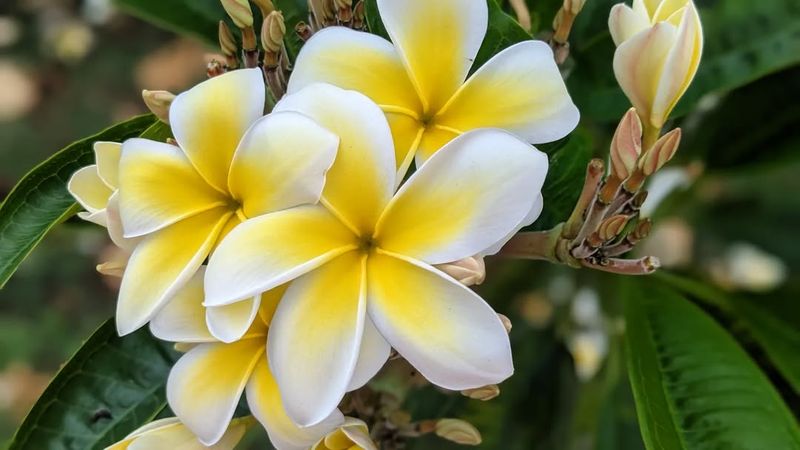
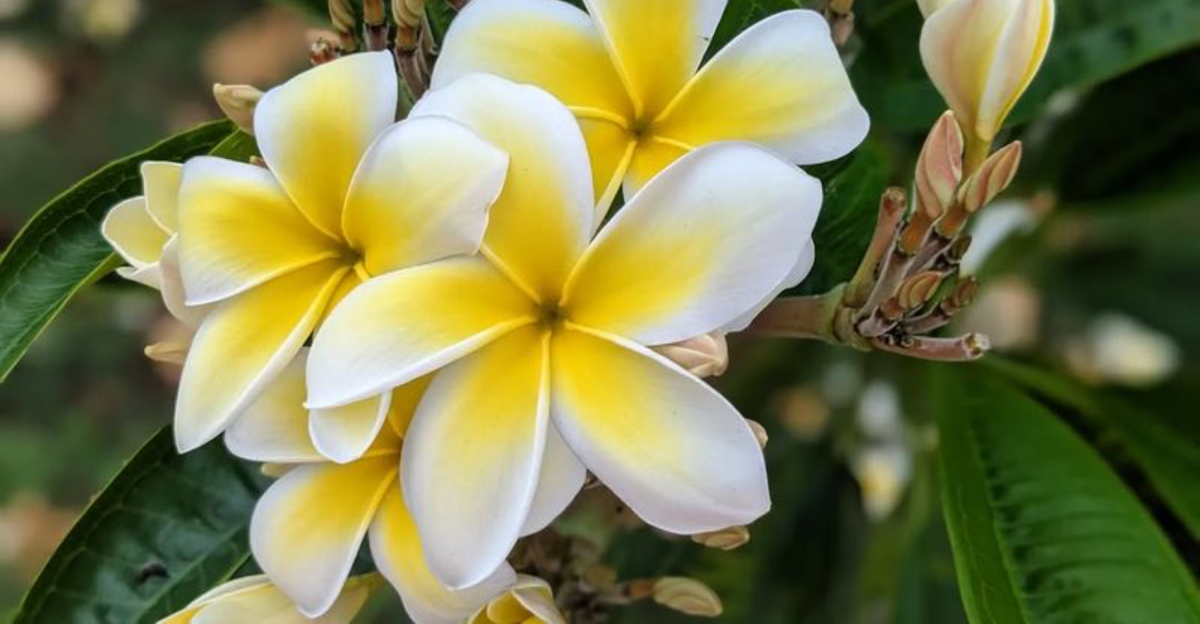
Plumeria trees are perhaps the most recognizable symbol of Hawaii, with their waxy petals and unforgettable tropical fragrance.
The scent is strongest in the morning and evening, filling the air with notes of jasmine, citrus, and spice all blended together.
These flowers come in stunning color combinations including white with yellow centers, pink, red, and even rainbow varieties.
In Hawaii, plumeria blossoms are traditionally used to make leis for special occasions and celebrations.
Growing plumeria in your garden requires plenty of sunshine and well-drained soil.
These plants are surprisingly drought-tolerant once established, making them perfect for gardeners who sometimes forget to water.
They grow best in zones 10-12 but can thrive in containers that you bring indoors during colder months.
Plumeria trees can reach heights of 15 to 25 feet outdoors, though container plants stay much smaller and more manageable.
The blooming season typically runs from spring through fall, with some varieties producing flowers nearly year-round in ideal conditions.
Each bloom cluster can last for several days, and the flowers are excellent for cutting and displaying indoors.
Plumeria plants need minimal fertilizer and appreciate a rest period during winter when they naturally drop their leaves.
With their low maintenance requirements and heavenly scent, plumeria trees bring authentic Hawaiian charm to gardens across warmer regions of the mainland United States.
3. Tuberose
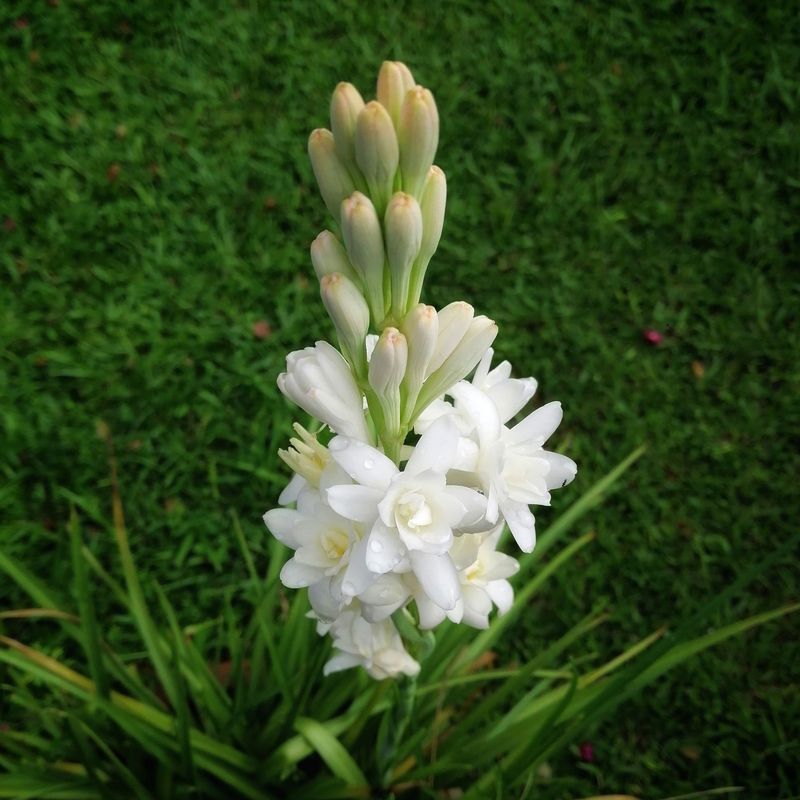
Few flowers can match the powerful, sweet fragrance of tuberose, which perfume makers have treasured for centuries.
Native to Mexico but deeply beloved in Hawaii, these tall spikes of creamy white flowers release their strongest scent after sunset.
The perfume is rich, heady, and almost hypnotic, with honey-like sweetness that can be detected from yards away.
In Hawaiian culture, tuberose flowers are often strung into leis for evening celebrations when their fragrance is at its peak.
Tuberose grows from bulbs that you plant in spring after all danger of frost has passed.
The plants send up tall stalks that can reach three feet high, topped with clusters of waxy white blooms.
Each flower spike contains multiple buds that open gradually from bottom to top, providing weeks of continuous fragrance.
Tuberose prefers full sun and rich, well-drained soil with regular watering during the growing season.
In Hawaii and other warm regions, the bulbs can remain in the ground year-round with a layer of mulch for protection.
Gardeners in cooler climates should dig up the bulbs after the foliage yellows in fall and store them indoors until spring.
The flowers are spectacular for cutting, and just one stem can perfume an entire home.
Tuberose plants multiply over time, forming clumps that produce more flower spikes each year.
Their incredible fragrance and elegant appearance make them prized additions to any garden where you want to create a truly tropical atmosphere.
4. Gardenia
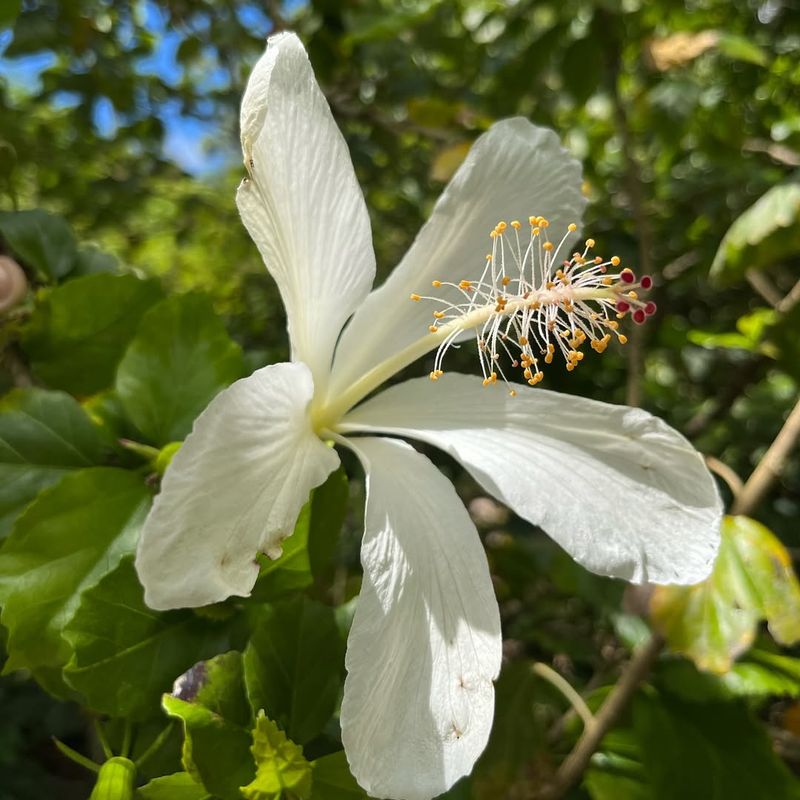
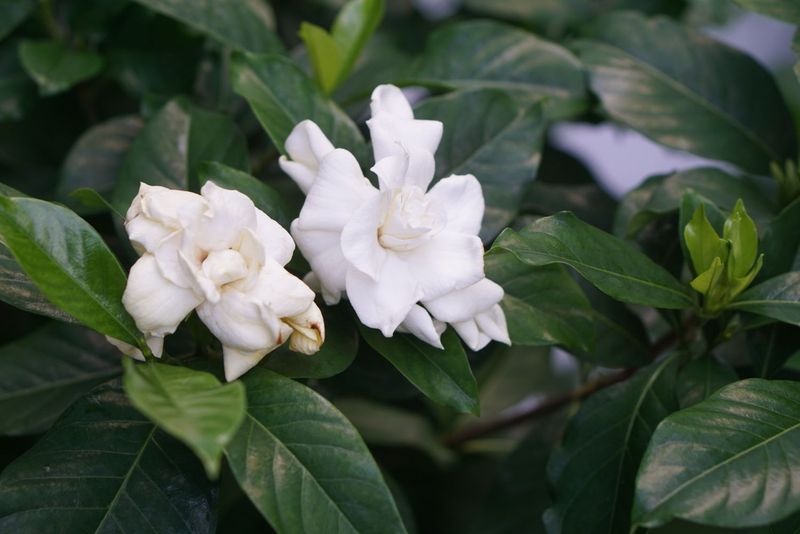
Gardenias have captured hearts worldwide with their creamy white petals and impossibly sweet fragrance that seems almost unreal.
In Hawaii, these glossy-leaved shrubs produce their stunning blooms nearly year-round, filling gardens with a scent that combines rose, jasmine, and citrus notes.
Each flower starts as a tight spiral bud that unfolds into a perfect rosette with velvety petals.
The fragrance is strongest in the evening and can carry on the breeze throughout your entire yard.
Growing gardenias successfully requires attention to their specific preferences, but the results are absolutely worth the effort.
These plants thrive in acidic soil with a pH between 5.0 and 6.0, and they appreciate regular feeding with fertilizer formulated for acid-loving plants.
Gardenias need consistent moisture but dislike soggy roots, so well-drained soil is essential.
They grow best in partial shade, especially in hot climates, where afternoon sun protection prevents leaf scorching.
In Hawaii, gardenia shrubs can reach impressive heights of six to eight feet, creating fragrant hedges and privacy screens.
Mainland gardeners in zones 7-10 can grow them outdoors, while those in cooler areas should consider container planting for flexibility.
The flowers are perfect for floating in bowls or wearing as natural perfume that lasts for hours.
Watch for yellowing leaves, which usually indicates a need for iron or adjustment to soil pH.
With proper care, gardenias reward you with months of breathtaking blooms and unforgettable fragrance that defines tropical elegance.
5. Ginger (Awapuhi)
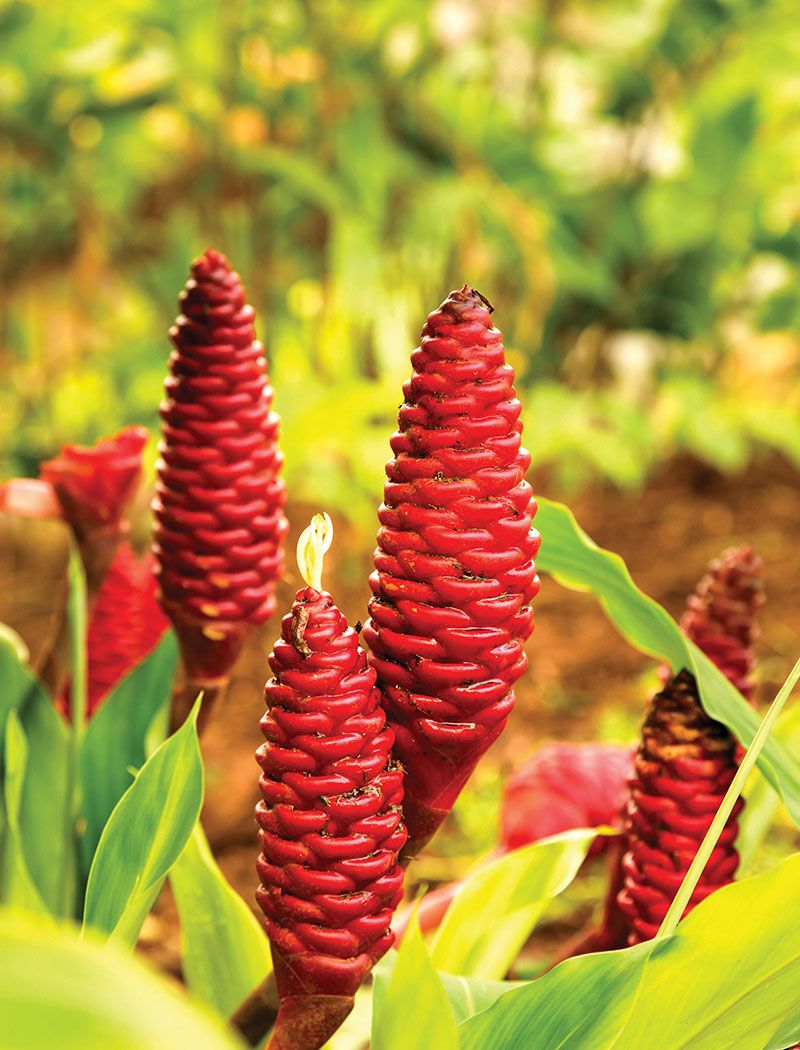
Walking through a Hawaiian forest, you might suddenly encounter the spicy-sweet perfume of wild ginger floating through the humid air.
White ginger, known as awapuhi ke’oke’o in Hawaiian, produces spectacular flower clusters that look like delicate butterflies gathered on tall stalks.
The fragrance is complex and exotic, blending floral sweetness with a hint of spice that makes it instantly recognizable.
These dramatic flowers have been used in traditional Hawaiian medicine and lei-making for generations.
Ginger plants grow from rhizomes that spread to form lush clumps of tall, leafy stalks reaching four to seven feet high.
The flowers emerge at the tops of these stalks during summer and fall, with each bloom lasting about a week.
White ginger thrives in rich, moist soil and appreciates partial shade, though it can tolerate full sun in Hawaii’s climate with adequate water.
The plants create a tropical jungle effect in gardens and work wonderfully as background plantings or privacy screens.
In cooler climates outside Hawaii, you can grow ginger in large containers and bring them indoors during winter months.
The rhizomes need protection from frost but will return vigorously when warm weather arrives.
Ginger flowers are excellent for cutting, and their fragrance intensifies indoors where it can perfume multiple rooms.
The plants benefit from regular feeding during the growing season and appreciate organic mulch to keep their shallow roots cool and moist.
Their bold foliage and incredible fragrance make ginger plants essential elements of authentic Hawaiian-style gardens.
6. Mock Orange (Pittosporum)
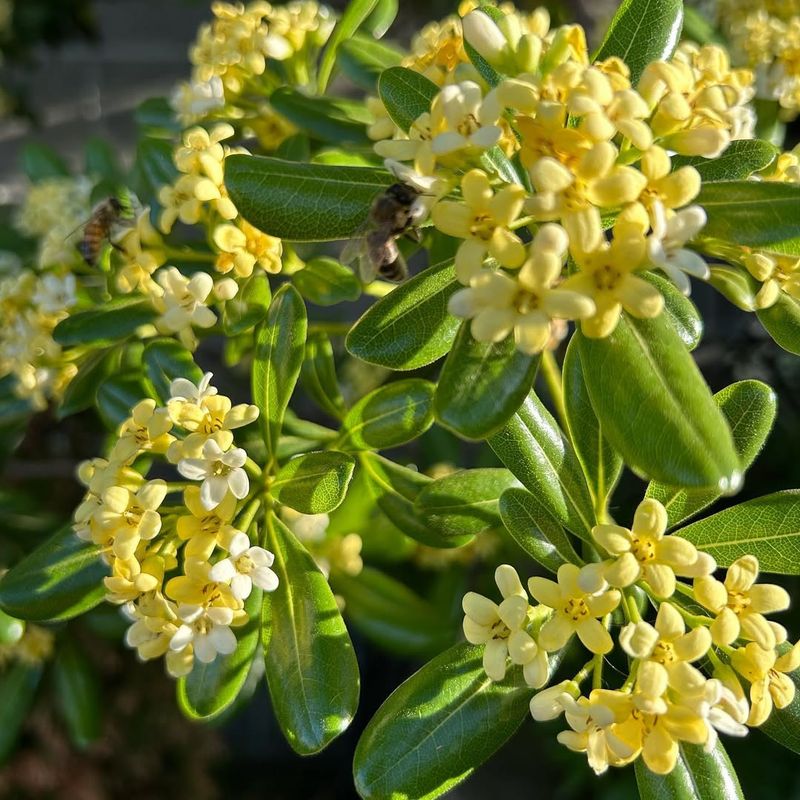
Pittosporum trees surprise visitors to Hawaii with their clusters of small, creamy flowers that smell remarkably like orange blossoms mixed with honey.
The fragrance is particularly strong at night, when these unassuming blooms release their perfume to attract pollinating moths.
Despite the common name mock orange, these evergreen trees are actually unrelated to citrus but earn their nickname through their delightful scent.
In Hawaiian landscapes, pittosporum serves double duty as both an ornamental tree and a source of wonderful fragrance.
These adaptable trees grow well in various conditions, from full sun to partial shade, and tolerate both drought and occasional moisture once established.
Pittosporum can reach heights of 15 to 30 feet depending on the variety, with dense foliage that makes excellent privacy screens or windbreaks.
The small flowers appear in spring, covering the tree in clusters that may seem insignificant until their powerful fragrance announces their presence.
The blooms are followed by sticky seed capsules that give the genus its name.
In Hawaii and other mild climates, pittosporum requires minimal maintenance beyond occasional pruning to maintain shape.
The trees grow slowly but steadily, developing attractive form over time.
Variegated varieties with cream-edged leaves add extra visual interest to gardens throughout the year.
While the flowers are too small for lei-making, their fragrance contributes to the overall sensory experience of Hawaiian gardens.
Pittosporum trees work beautifully in both formal and informal landscapes, providing year-round greenery and seasonal fragrance that enhances any outdoor living space.
7. Ylang-Ylang
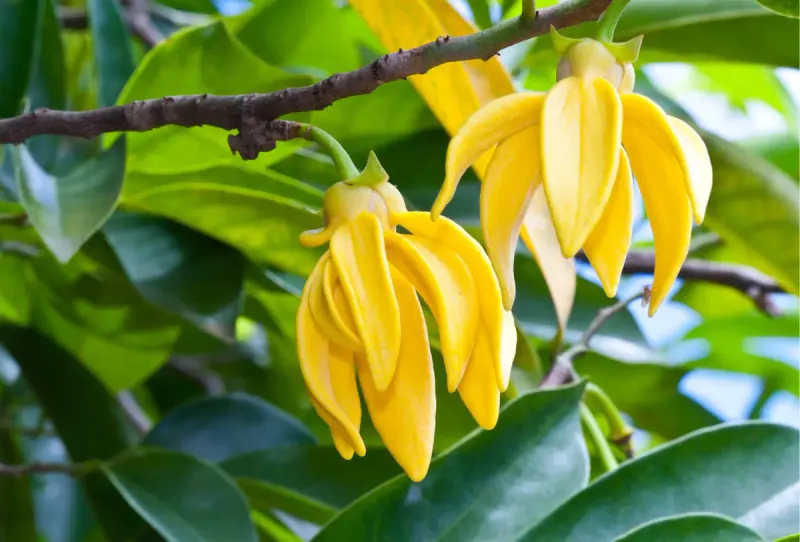
Ylang-ylang trees produce drooping, star-shaped flowers that rank among the most fragrant blooms on earth.
The scent is rich, exotic, and deeply sweet with hints of jasmine, banana, and spice all woven together.
Perfume companies pay premium prices for ylang-ylang essential oil, which forms the heart of many famous fragrances.
In Hawaii, these graceful trees grow in botanical gardens and private landscapes where their perfume creates an unforgettable sensory experience.
The flowers emerge in shades of greenish-yellow that mature to deeper golden tones, dangling from branches on long stems.
Ylang-ylang trees are fast-growing evergreens that can reach 40 feet or more in ideal tropical conditions, though they respond well to pruning for size control.
The trees bloom year-round in Hawaii, with peak flowering during warmer months.
They prefer rich, well-drained soil and consistent moisture, along with protection from strong winds that can damage their somewhat brittle branches.
Growing ylang-ylang outside tropical zones presents challenges, but dedicated gardeners in zones 10-11 can succeed with careful site selection and frost protection.
Container growing is possible for smaller specimens that you can move indoors during cold weather.
The flowers can be picked and floated in water bowls, where they release their perfume for days.
Fresh blooms are sometimes distilled at home for natural perfume or added to bath water for a luxurious tropical spa experience.
With their extraordinary fragrance and exotic appearance, ylang-ylang trees bring a touch of Hawaiian paradise to gardens fortunate enough to accommodate them.
8. Night-Blooming Cereus (Panini O Ka Punahou)
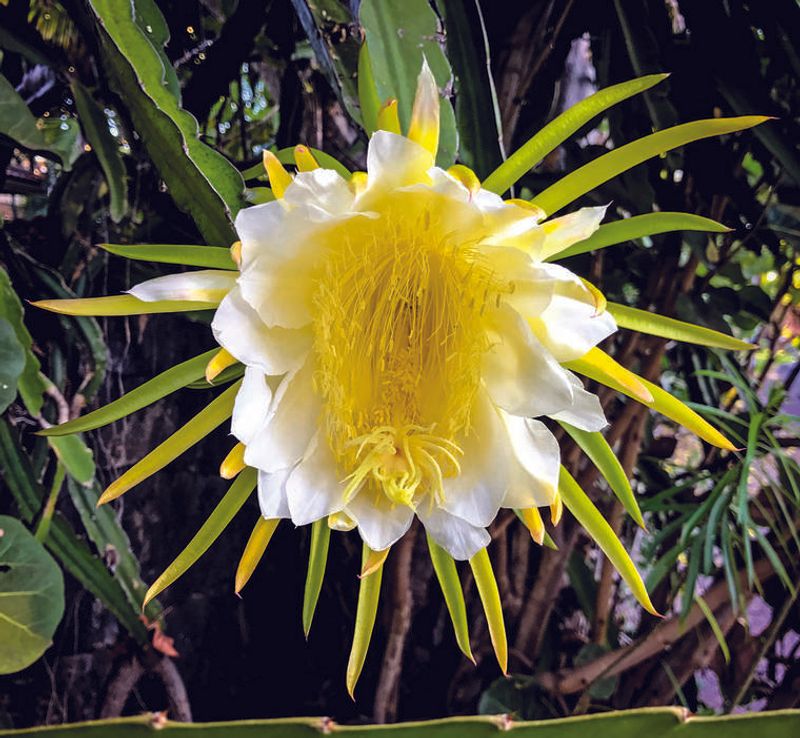
Imagine a flower so spectacular that people in Hawaii host viewing parties when it blooms, staying up late to witness the magical event.
Night-blooming cereus is a cactus that produces enormous white flowers up to 12 inches across, which open only after sunset and close by dawn.
The fragrance is incredibly powerful and sweet, similar to vanilla mixed with tropical fruit, and can perfume an entire neighborhood.
Each bloom lasts just one night, making the experience even more precious and memorable.
This unusual plant grows as a sprawling, somewhat ungainly cactus with flat, leaf-like stems that look nothing like traditional cacti.
The stems can climb or cascade, making night-blooming cereus perfect for growing on fences, trellises, or hanging baskets.
Despite its exotic flowers, the plant is surprisingly easy to grow in Hawaii and other warm, dry climates.
It prefers partial shade, well-drained soil, and infrequent watering, actually thriving on benign neglect.
The plant may look unattractive for most of the year, but gardeners forgive its appearance when those magnificent flowers appear.
Buds develop slowly over several weeks, and experienced growers learn to predict blooming nights by watching the buds swell and prepare to open.
In Hawaii, blooming typically occurs during summer months, though plants may surprise you with occasional flowers at other times.
The flowers attract night-flying moths for pollination and create unforgettable memories for anyone lucky enough to witness them.
This is one plant that truly earns its place in Hawaiian gardens through sheer dramatic impact and heavenly fragrance.