9 Gardening Mistakes That Hurt Your Oregon Plants
Gardening in Oregon is incredibly rewarding, but even experienced gardeners make mistakes that can quietly affect their plants.
Sometimes it’s easy to assume that what works in one part of the yard will work everywhere, or to follow a tip without realizing your soil, climate, or season might require something different.
Small missteps like overwatering, planting too early, or not paying attention to soil conditions, can add up and leave your plants struggling.
The good news is that most gardening mistakes are easy to fix once you know what to watch for.
Being aware of common pitfalls can save your plants, your time, and even a bit of money.
From watering habits to plant placement, knowing the right techniques for Oregon’s climate makes a big difference in how healthy and vibrant your garden will be.
Everyone makes a few gardening errors now and then, it’s part of learning, but noticing them early means your plants have the best chance to recover and thrive.
Ready to discover what might be holding your garden back?
1. Overwatering During Oregon’s Rainy Season
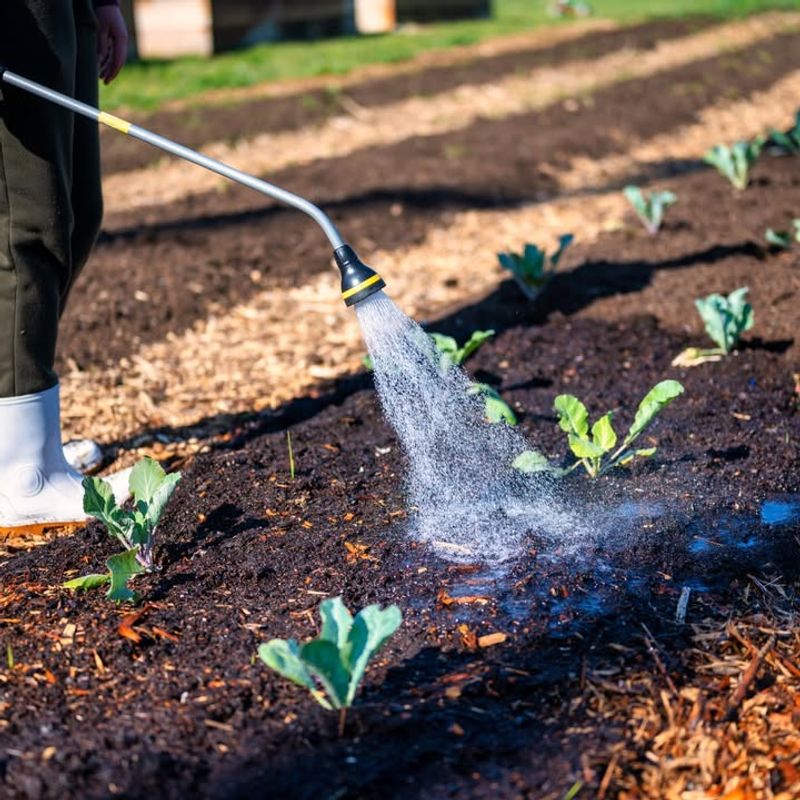
Many newcomers to Oregon assume their plants need extra water, even during our famously wet months.
This creates waterlogged soil that suffocates plant roots and encourages harmful fungi.
Your plants can’t breathe when soil stays constantly soggy, and root rot becomes a real threat.
Most Oregon gardens receive plenty of natural rainfall from October through May.
Adding supplemental water during this time often does more harm than good.
Clay soils, common in many parts of the state, hold moisture exceptionally well and drain slowly.
Check soil moisture before watering by sticking your finger two inches deep into the ground.
If it feels damp, your plants have enough water.
During winter months, most established plants need little to no additional watering.
Container plants need more attention since pots drain faster than garden beds.
However, even potted plants require less frequent watering during rainy periods.
Always ensure containers have drainage holes to prevent water from pooling at the bottom.
Summer brings a different story when rain becomes scarce.
Adjust your watering schedule seasonally rather than maintaining the same routine year-round.
This simple change protects roots and keeps plants healthier through every season.
2. Ignoring Oregon’s Varied Microclimates
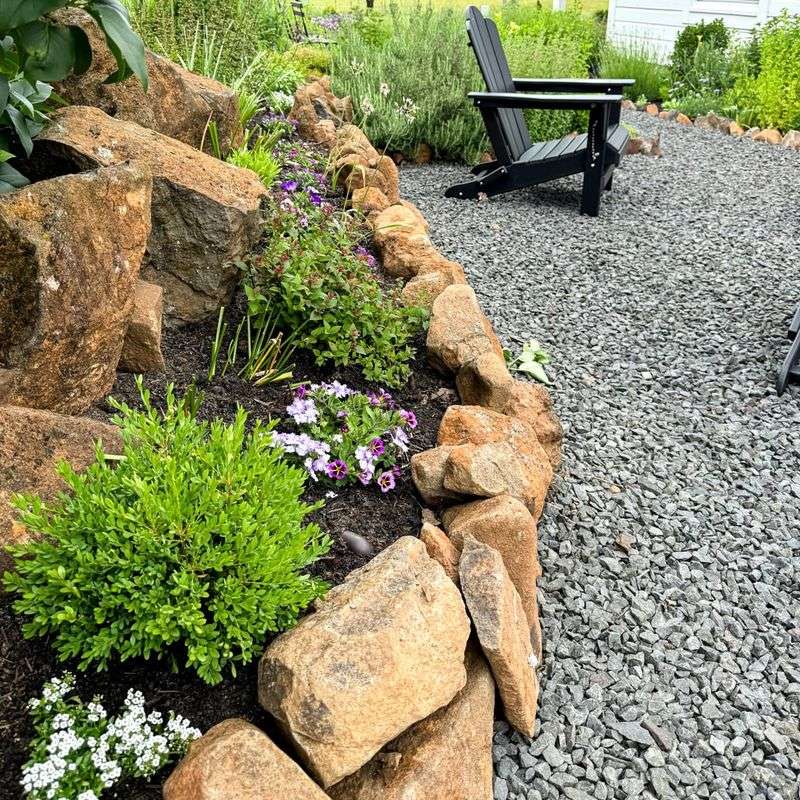
Oregon spans multiple growing zones, from Zone 4 in the mountains to Zone 9 along the coast.
Assuming your entire property shares the same conditions leads to plant selection mistakes.
That sunny south-facing slope behaves very differently from the shaded north side of your house.
Even small yards contain microclimates created by buildings, fences, and large trees.
A spot that gets morning sun but afternoon shade needs different plants than a location with full sun all day.
Wind exposure, frost pockets, and heat reflection from pavement all create unique growing conditions.
Walk your property at different times of day and note where sun and shade fall.
Pay attention to which areas stay warmer in winter or cooler in summer.
These observations help you match plants to the right locations.
Your Oregon Garden Changes Every Week. Your Plan Should Too.
Gardening in Oregon changes quickly throughout the season. Every Friday you’ll receive a simple weekly plan showing exactly what to plant, prune, fertilize, harvest, and protect so you never miss the right timing.
Portland gardeners can often grow plants rated for warmer zones, while those in Bend face much colder winters.
Coastal gardens deal with salt spray and constant wind that inland areas never experience.
Understanding your specific microclimate prevents frustration and wasted money.
Take time to learn your property’s unique characteristics before buying plants.
This knowledge transforms you from a struggling gardener into someone who works with nature rather than against it.
3. Planting At The Wrong Time Of Year
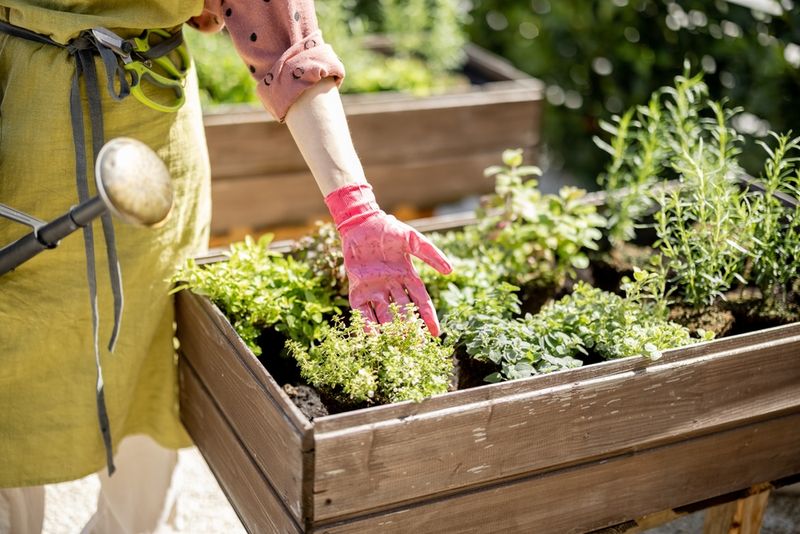
Fall planting works beautifully in Oregon, but many gardeners wait until spring out of habit.
Trees, shrubs, and perennials planted in autumn establish stronger root systems before summer heat arrives.
Our mild, wet winters encourage root growth without stressing plants.
Spring planting forces new plants to develop roots while simultaneously producing leaves and flowers.
This divided energy often results in weaker plants that struggle during their first dry summer.
Fall-planted specimens have months to settle in before facing challenging conditions.
Tomatoes, peppers, and other warm-season vegetables are exceptions to this rule.
These frost-sensitive plants need warm soil and should wait until May or even early June in many Oregon locations.
Planting them too early stunts growth and invites disease.
Bare-root roses, fruit trees, and berry bushes arrive in nurseries during late winter.
Plant these dormant specimens immediately for best results.
Their lack of leaves means all energy goes toward establishing roots.
Cool-season crops like lettuce, peas, and broccoli thrive when planted in early spring or late summer.
They actually prefer Oregon’s cooler temperatures and bolt quickly in summer heat.
Timing your planting to match each plant’s preferences dramatically improves success rates.
4. Neglecting Soil Amendments In Heavy Clay
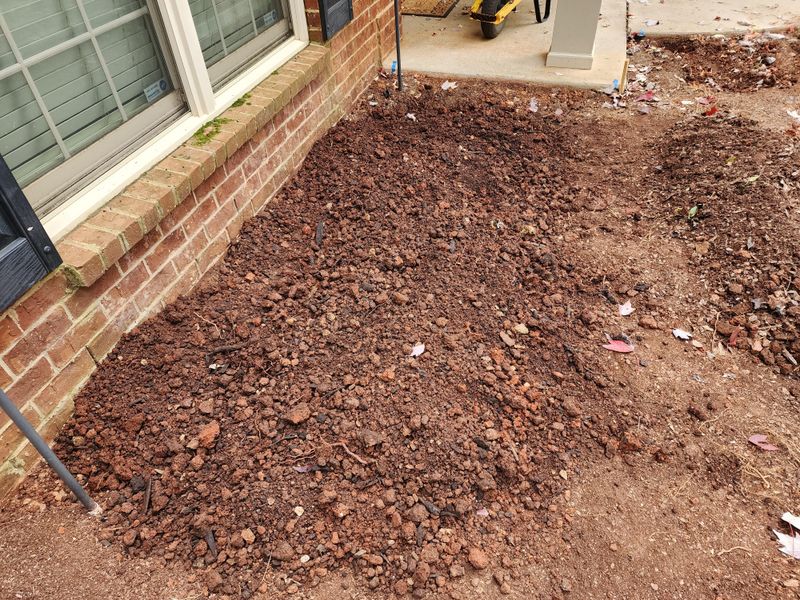
Oregon’s Willamette Valley and many other regions feature dense clay soil that challenges even experienced gardeners.
Clay packs tightly, preventing water drainage and making it difficult for roots to penetrate.
Plants struggle in this heavy, sticky soil without proper amendments.
Adding compost improves clay soil structure by creating air pockets and encouraging beneficial organisms.
Work in at least three inches of organic matter before planting new beds.
This simple step transforms difficult clay into workable garden soil.
Sand seems like an obvious solution, but adding sand to clay without enough organic matter creates something resembling concrete.
Always prioritize compost, aged manure, or leaf mold over sand.
These materials break down clay particles and improve drainage naturally.
Raised beds offer another solution for areas with especially problematic clay.
Fill them with quality garden soil mixed with compost for instant growing space.
This approach costs more initially but saves years of soil-building effort.
Annual compost additions maintain soil health over time.
Spread a two-inch layer over beds each fall and let winter rains work it in.
This ongoing maintenance keeps clay soil loose and friable instead of compacted and hard.
5. Choosing Plants That Can’t Handle Oregon’s Wet Winters
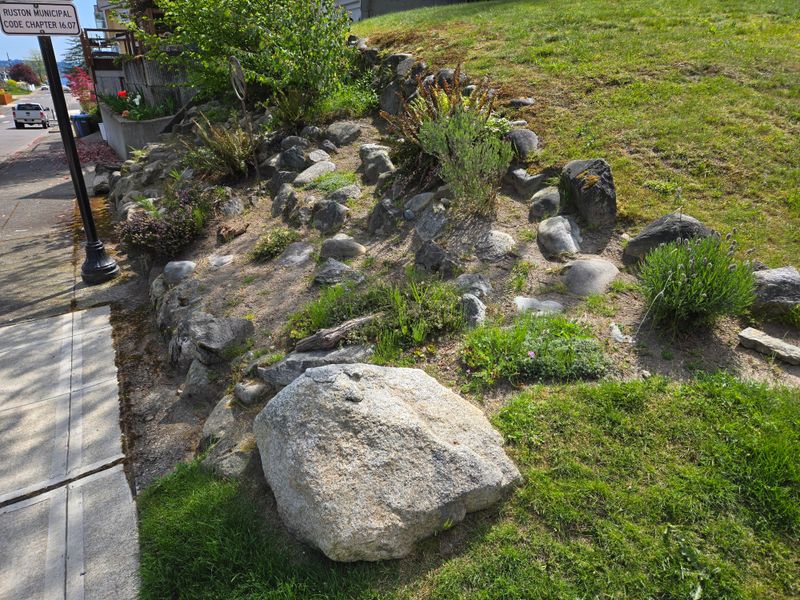
Mediterranean plants like lavender and rosemary struggle in Oregon’s soggy winters despite thriving during our dry summers.
These plants evolved in climates with winter rain and summer drought, but Oregon’s extended wet season proves too much for many varieties.
Roots rot when sitting in cold, wet soil for months.
Cacti and succulents face similar challenges unless planted in very well-drained locations or containers that can be moved under cover.
That adorable succulent arrangement looks sad and mushy after weeks of December rain.
Some plants simply aren’t built for our climate.
Research plant origins before purchasing to understand their moisture preferences.
Plants native to similar climates generally adapt better than those from drastically different regions.
Oregon native plants naturally handle our wet winters without special care.
Improve drainage for marginally hardy plants by mounding soil or adding gravel beneath root zones.
Planting on slopes rather than flat areas helps water move away from roots.
These modifications expand your plant palette while respecting each species’ needs.
Container gardening solves many winter moisture problems since pots can be moved to protected locations.
Grow moisture-sensitive plants in containers and relocate them to covered porches or unheated garages during the wettest months.
6. Fertilizing Too Much Or At Wrong Times
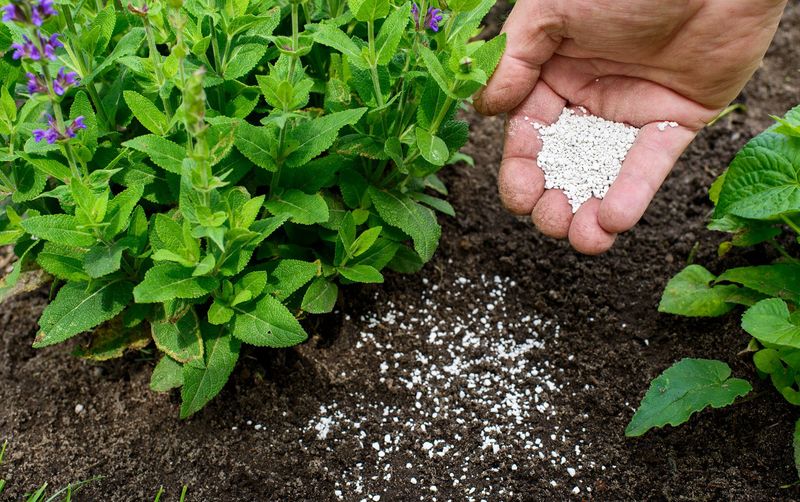
More fertilizer doesn’t equal better plants.
Excessive feeding burns roots, encourages weak growth, and pollutes waterways when excess nutrients wash away.
Many Oregon soils already contain adequate nutrients and need only occasional supplementation.
Timing matters as much as quantity when feeding plants.
Fertilizing trees and shrubs in late summer pushes tender new growth that won’t harden off before frost.
This soft growth suffers damage during winter cold snaps.
Stop feeding woody plants by mid-July to allow proper dormancy preparation.
Vegetables and annual flowers need regular feeding during active growth but require nothing during winter dormancy.
Perennials benefit from spring fertilization as new growth emerges but need little else during the season.
Match your feeding schedule to each plant’s growth cycle.
Organic fertilizers release nutrients slowly and improve soil structure as they break down.
Synthetic fertilizers provide quick results but do nothing for long-term soil health.
Consider switching to compost, fish emulsion, or other organic options for sustained benefits.
Soil testing reveals exactly what your garden needs instead of guessing.
Oregon State University Extension offers affordable testing that shows nutrient levels and pH.
This information prevents waste and ensures you add only what plants actually need.
7. Pruning At Inappropriate Times
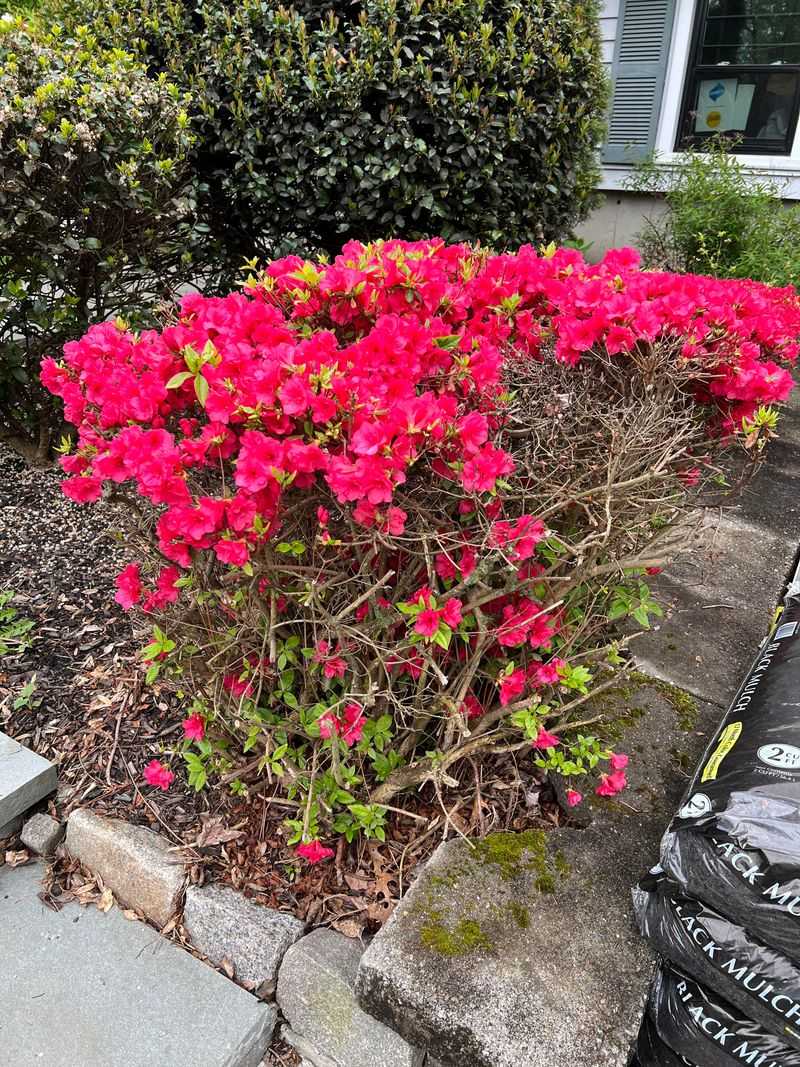
Spring-blooming shrubs like lilacs and rhododendrons set next year’s flower buds shortly after this year’s blooms fade.
Pruning them in fall or winter removes all those developing buds, resulting in a flowerless spring.
Timing pruning correctly preserves the beauty you want from flowering plants.
Most deciduous trees benefit from late winter pruning while still dormant.
This timing allows you to see branch structure clearly and minimizes stress.
Pruning during active growth wastes plant energy and can spread diseases through open wounds.
Summer pruning works well for controlling size on vigorous shrubs and removing water sprouts from fruit trees.
Light trimming during the growing season doesn’t harm plants the way heavy pruning might.
Save major reshaping for dormant periods.
Avoid pruning oaks between April and October when beetles that spread oak wilt are active.
This precaution protects valuable trees from a serious disease.
Similarly, wait until after bloom to prune flowering cherries and plums.
Roses need different pruning times depending on type.
Hybrid teas get cut back hard in late winter, while climbing roses need only light shaping after spring bloom.
Learning the specific needs of each plant prevents accidental flower loss and maintains plant health.
8. Skipping Mulch Or Applying It Incorrectly
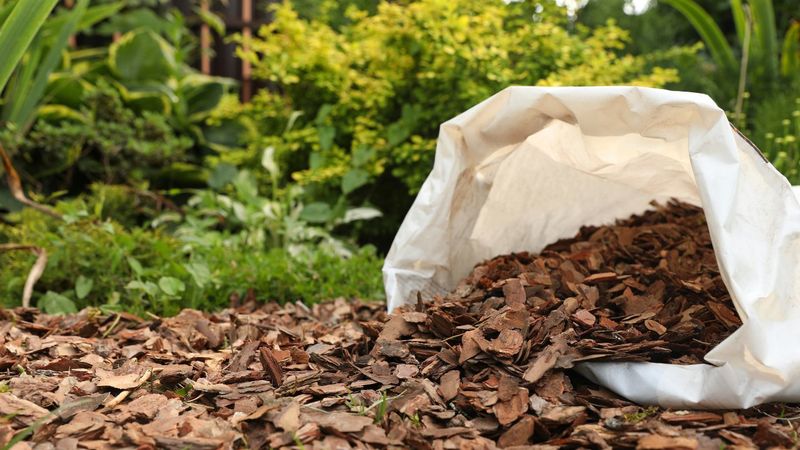
Bare soil loses moisture quickly during Oregon’s dry summers and develops hard crusts that prevent water penetration.
Mulch solves both problems by insulating soil and maintaining consistent moisture levels.
Yet many gardeners skip this simple step or apply mulch incorrectly.
Piling mulch against plant stems and tree trunks invites rot and pest problems.
Bark should remain exposed to air, not buried under damp material.
Leave a few inches of space around each plant’s base while covering the surrounding soil.
Two to three inches of mulch provides optimal benefits without smothering plant roots.
Deeper layers prevent oxygen from reaching soil and can actually harm plants.
Refresh mulch annually as it breaks down and gets incorporated into soil.
Wood chips, bark, straw, and compost all make effective mulches with slightly different properties.
Wood products last longer but tie up nitrogen as they decompose.
Compost feeds soil but breaks down quickly and needs more frequent replacement.
Apply mulch after soil warms in late spring to trap summer heat.
Early spring mulching keeps soil cold longer and delays plant growth.
Fall mulching protects roots during winter and reduces weed growth the following spring.
9. Forgetting About Summer Watering Needs
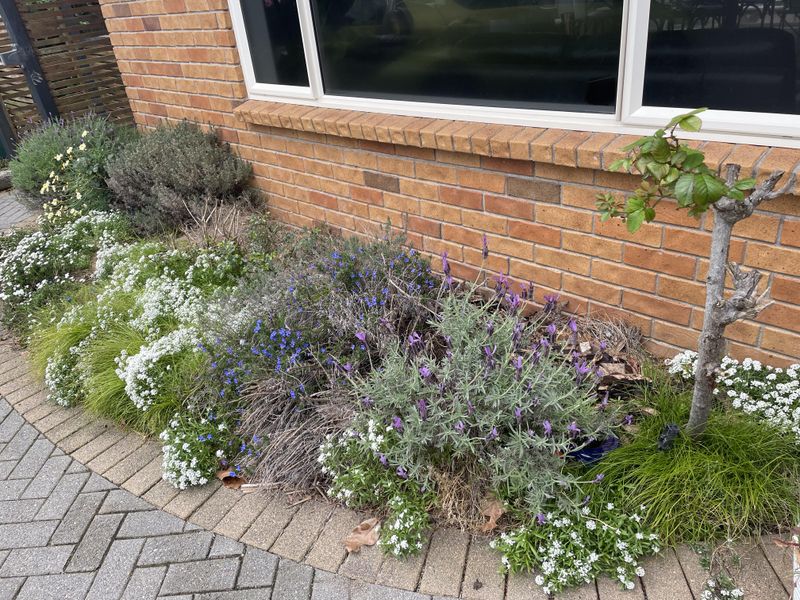
Oregon’s wet reputation makes some gardeners complacent about summer irrigation.
July, August, and September typically bring little to no rainfall across most of the state.
Plants accustomed to winter abundance suddenly face drought conditions without supplemental water.
Established trees and shrubs develop deep roots that access moisture beyond the surface, but they still appreciate occasional deep watering during extended dry spells.
New plantings need consistent moisture throughout their first summer to establish properly.
Skipping summer watering stunts growth and stresses plants unnecessarily.
Water deeply but infrequently rather than giving frequent shallow drinks.
Deep watering encourages roots to grow downward where moisture remains available longer.
Shallow watering keeps roots near the surface where they’re vulnerable to heat and drought.
Early morning watering reduces evaporation loss and allows foliage to dry before nightfall.
Wet leaves overnight encourage fungal diseases that plague many Oregon gardens.
Drip irrigation and soaker hoses deliver water efficiently while keeping foliage dry.
Container plants need daily attention during hot weather since pots dry out much faster than ground soil.
Group containers together to create humidity and reduce water loss.
Consider self-watering containers for plants that need consistent moisture throughout summer.