8 Winter Composting Problems Oregon Gardeners Deal With
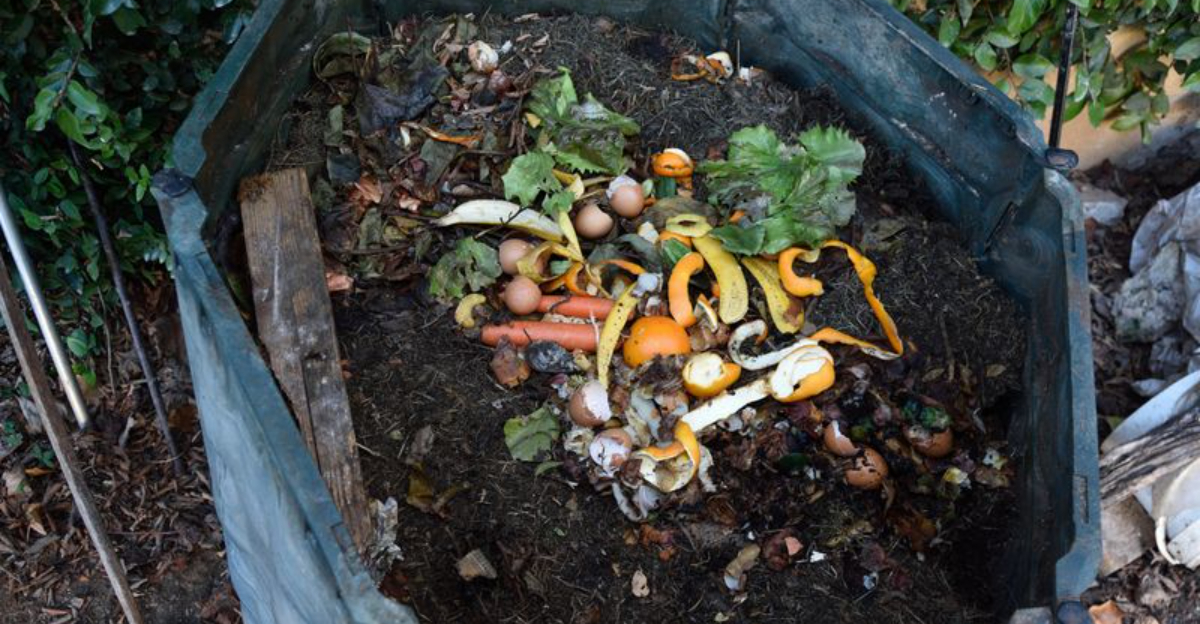
Composting is one of those rewarding gardening tasks: you add your vegetable peels, coffee grounds, leaves, and other organic materials, see them transform through natural decomposition, and create a dark, earthy, nutrient-rich soil amendment that boosts plant growth and garden health.
But winter in Oregon can make the process a bit tricky and I’m sure you have experienced this yourself.
Cold temperatures, heavy rain, and soggy soil can slow decomposition, create unpleasant odors, or even attract pests like rodents or flies.
And it leaves you wondering what you should do next!
If you’ve ever stared at a compost pile in January wondering why it’s not turning into the rich, earthy material you expected, you’re not alone, many gardeners face the same frustration.
Even small missteps can cause problems, trust me I’ve made them myself many times.
Adding too many wet materials, not balancing greens and browns, or leaving your pile exposed to wind and rain can all slow down the breakdown process.
On the other hand, a little planning goes a long way, so let’s figure out what can you do about it!
Covering your pile, layering materials carefully, and occasionally turning it to improve airflow can make a big difference.
Choosing the right location where it’s sheltered but still gets some sun, also helps regulate temperature and moisture levels.
With some attention and a few simple adjustments, you can keep your compost working efficiently all winter long.
Managing moisture, temperature, and airflow ensures your pile continues to break down, even during chilly, damp Oregon winters.
By staying mindful of these factors, you can turn what seems like a slow, frustrating process into a productive and rewarding part of your gardening routine, providing nutrient-rich compost that will give your garden a healthy start once spring arrives.
1. Excessive Moisture From Constant Rain
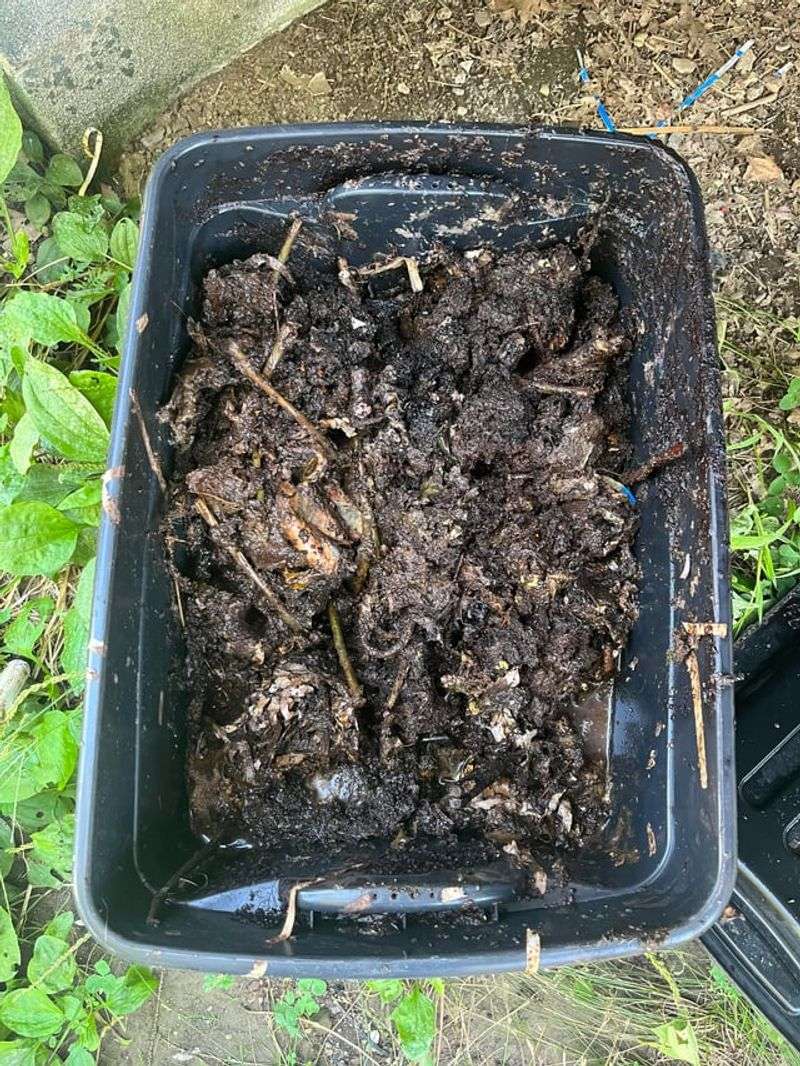
Rain pours down for days in Oregon, and your compost bin can quickly turn into a soggy swamp.
Too much water pushes out the air pockets that helpful microbes need to break down organic matter.
Without proper air circulation, your compost becomes anaerobic, meaning it starts to smell terrible and decompose very slowly.
Waterlogged compost also loses valuable nutrients as they wash away with each rainfall.
The excess moisture creates an environment where beneficial bacteria struggle to survive, leaving your pile slimy and foul-smelling instead of rich and earthy.
To fix this problem, cover your compost pile with a tarp or lid during heavy rain periods.
Add dry materials like shredded newspaper, cardboard, or dried leaves to absorb extra moisture.
These brown materials help balance the wet green scraps and restore proper airflow.
You can also drill additional drainage holes in your compost bin to allow water to escape more easily.
Creating a slight slope around your bin prevents rainwater from pooling underneath.
Mixing your pile regularly introduces air and helps it dry out between storms.
In addition, placing your compost on a raised platform or using a wire mesh base can further improve drainage, keeping your pile active and productive even during Oregon’s wettest winter months.
Your Oregon Garden Changes Every Week. Your Plan Should Too.
Gardening in Oregon changes quickly throughout the season. Every Friday you’ll receive a simple weekly plan showing exactly what to plant, prune, fertilize, harvest, and protect so you never miss the right timing.
2. Slow Decomposition Due To Cold Temperatures
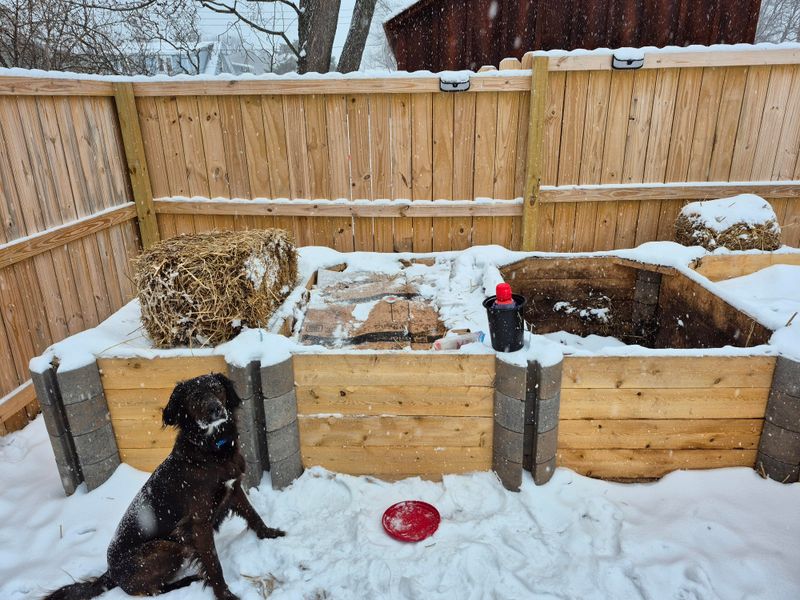
Cold weather slows everything down, including the tiny organisms that break down your compost.
Microbes become less active when temperatures drop below 40 degrees Fahrenheit, and some even go dormant, waiting for warmer conditions to return.
During Oregon’s chilly winters, your compost pile might sit for weeks without much visible change.
The center of your pile holds more heat than the edges, so decomposition happens unevenly.
Materials on the outside stay cold and barely break down at all.
You add fresh scraps, but they just pile up instead of transforming into finished compost.
Building a larger compost pile helps because bigger piles retain heat better than smaller ones.
Aim for a pile at least three feet wide and three feet tall, which allows the core to stay warmer for longer periods.
Adding nitrogen-rich materials like coffee grounds, fresh grass clippings, or vegetable scraps generates heat as they decompose, while insulating the bin with straw bales, old blankets, or bubble wrap helps trap warmth inside.
Placing your compost in a sunny spot ensures it receives as much winter sunlight as possible, boosting microbial activity.
Regularly turning the pile helps distribute heat evenly, ensuring all materials decompose more efficiently even in cold conditions.
With these strategies, your compost can stay productive throughout Oregon’s chilly winters.
3. Frozen Layers That Stop Breaking Down
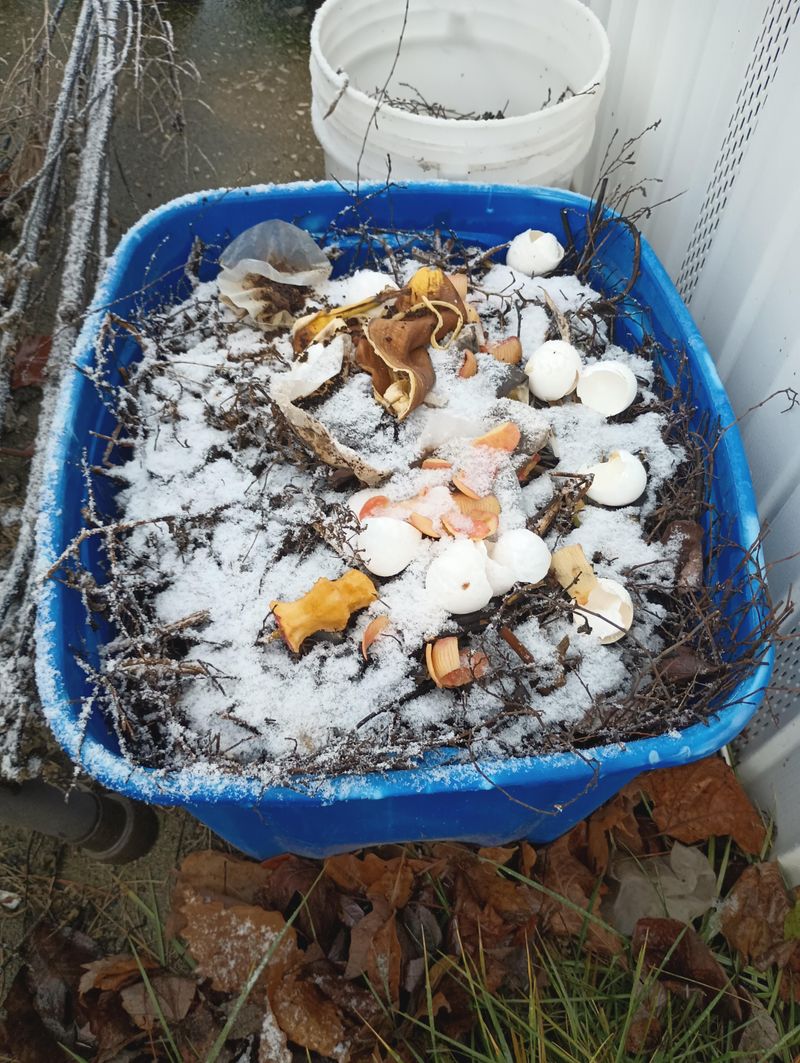
When temperatures plunge during Oregon cold snaps, parts of your compost can actually freeze solid.
Ice crystals form between organic materials, creating hard, frozen layers that microbes cannot penetrate.
These frozen sections essentially pause all decomposition activity until they thaw out again.
The top layer of your compost pile freezes first since it has the most exposure to cold air.
Water content in food scraps and plant materials turns to ice, and you might find it difficult to even add new materials because the surface becomes too hard to break through.
Chopping or shredding materials before adding them to your winter compost helps prevent large frozen chunks.
Smaller pieces have less surface area to freeze and thaw more quickly when temperatures rise.
Burying fresh additions in the center of the pile protects them from freezing.
A thick layer of finished compost or soil on top acts as a blanket against freezing temperatures, insulating the active layers underneath.
Some gardeners place a piece of old carpet, thick cardboard, or even straw over their pile for extra protection during the coldest nights.
This simple insulation can keep microbial activity going longer and make spring composting much easier.
4. Lack Of Green Materials During Winter
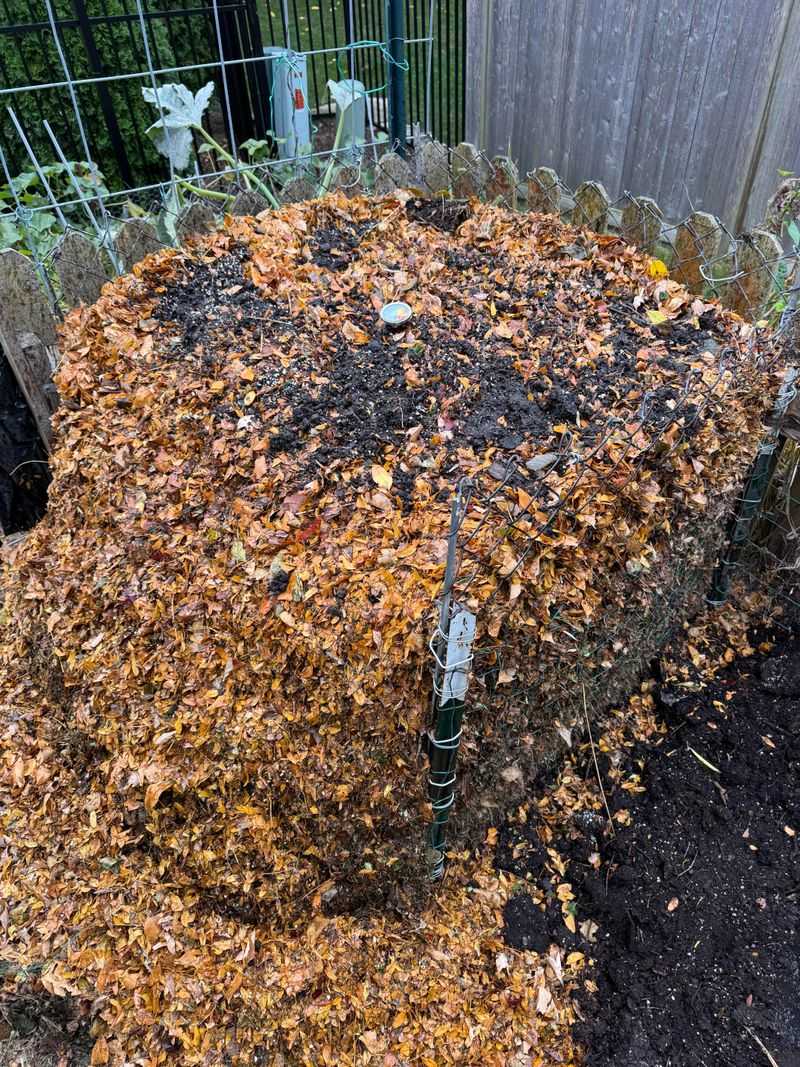
Your garden stops producing green waste when winter arrives.
Fresh grass clippings disappear, vegetable plants finish for the season, and weeds stop growing.
Green materials provide the nitrogen that fuels your compost pile and keeps decomposition moving forward.
Without them, your pile becomes unbalanced and sluggish.
Brown materials like dried leaves are abundant in fall, but they need green nitrogen sources to break down efficiently.
An all-brown compost pile sits there without much activity.
The carbon-to-nitrogen ratio gets thrown off, and progress slows to a crawl.
Kitchen scraps become your main nitrogen source during winter months.
Vegetable peelings, fruit cores, coffee grounds, and tea bags all count as green materials.
Save these items consistently and add them to your pile regularly to maintain balance.
You can also store green materials from fall to use throughout winter.
Grass clippings can be bagged and kept in a shed or garage.
Some gardeners freeze fruit and vegetable scraps in buckets until they need them.
Purchasing a bag of alfalfa meal or blood meal from a garden center provides a concentrated nitrogen boost when fresh greens run low.
5. Pests Seeking Warm Shelter
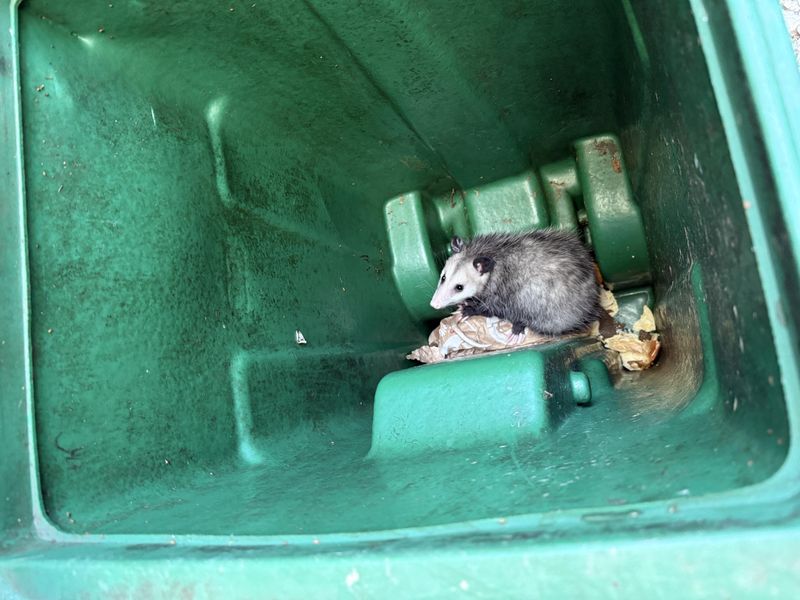
Rodents, raccoons, and other creatures look for warm places to nest when cold weather hits.
Your compost pile radiates heat and offers both shelter and food, making it an attractive winter home.
Mice and rats burrow into the sides, creating tunnels that disrupt the composting process and spread materials around.
These unwanted visitors can become a real nuisance in your garden.
Raccoons tip over bins searching for food scraps.
Rats multiply quickly in the protected environment.
The damage they cause makes it harder to maintain a healthy compost system.
Avoid adding meat, dairy, oils, or cooked foods to your winter compost since these items attract pests strongly.
Stick with vegetable scraps and plant materials.
Bury fresh food waste deep in the center of the pile rather than leaving it on top where animals can easily smell and reach it.
A secure, enclosed compost bin with a tight-fitting lid keeps most critters out.
Hardware cloth with small holes can be placed around and under your bin to prevent burrowing.
Some gardeners sprinkle cayenne pepper around their compost area as a natural deterrent that animals find unpleasant.
6. Unpleasant Odors From Anaerobic Conditions
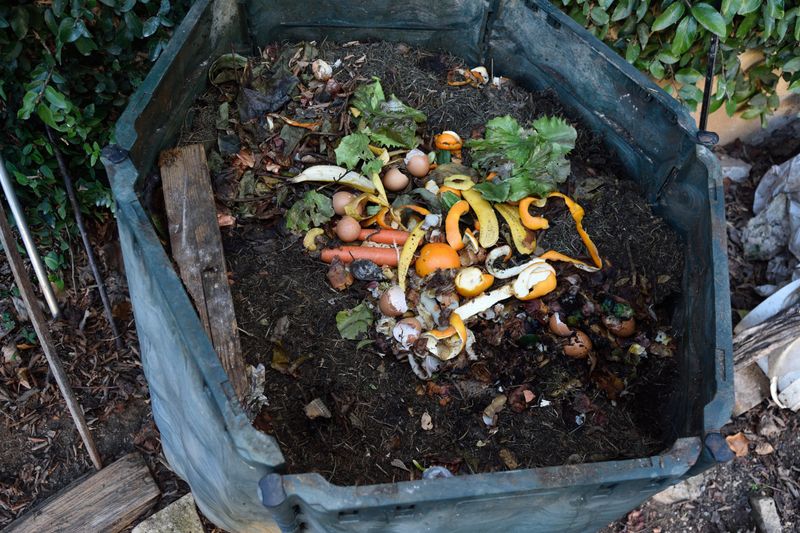
When your compost pile lacks oxygen, it starts to smell like rotten eggs or sewage.
Winter conditions in Oregon often create this problem because excess moisture and compacted materials squeeze out air pockets.
Anaerobic bacteria take over, producing smelly compounds as they work without oxygen.
The odor can be strong enough to bother you and your neighbors.
Compacted, airless compost also takes much longer to break down than properly aerated material.
The beneficial microbes that create good compost need oxygen to thrive.
Without it, decomposition follows a different pathway that produces unpleasant gases.
Turning your compost pile regularly brings fresh oxygen to all the layers.
Even in winter, mixing your pile once every two or three weeks makes a big difference.
Use a pitchfork or compost aerator tool to lift and fluff the materials.
Adding coarse materials like small twigs, wood chips, or straw creates air channels throughout your pile.
These bulky items prevent everything from packing down too tightly.
Avoid adding too many wet, dense materials at once.
Balance soggy food scraps with dry, fluffy browns to maintain good air circulation throughout the cold months.
7. Difficulty Turning Heavy, Wet Compost
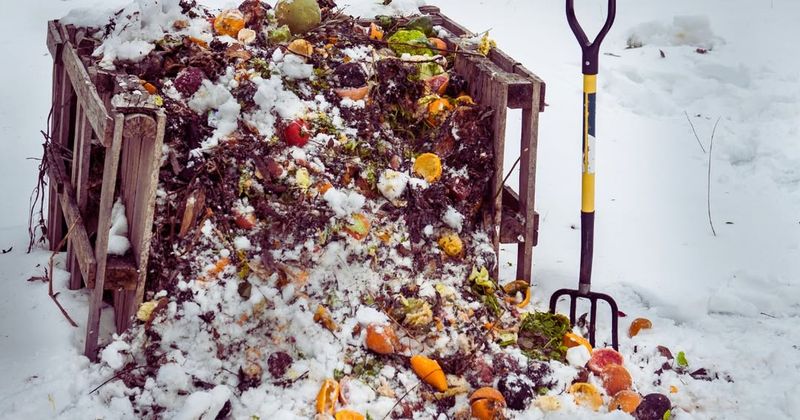
Wet compost weighs significantly more than dry material, making it physically challenging to turn and mix.
Oregon winters dump plenty of rain, and all that moisture adds serious weight to your pile.
A shovelful of soggy compost can feel like lifting concrete, and turning becomes such hard work that many gardeners skip it altogether during the colder months.
Even in wet conditions, regular turning remains important.
Mixing introduces oxygen, distributes moisture evenly, and moves cooler outer materials toward the warmer center.
Skipping this step allows compaction and anaerobic conditions to develop quickly, which slows decomposition and can create unpleasant odors.
Waiting for a dry day makes the task much easier.
Even a short break in the rain allows the surface to dry enough to make shoveling manageable.
Using the right tools can also reduce strain.
Long-handled compost aerators with wings or corkscrew designs require less lifting, while tumbler-style composters allow you to rotate heavy materials with minimal effort.
You can also break the pile into smaller sections, turning one manageable portion at a time to conserve energy and keep decomposition moving efficiently through Oregon’s wet winter months.
8. Matted Leaves That Form Waterproof Layers
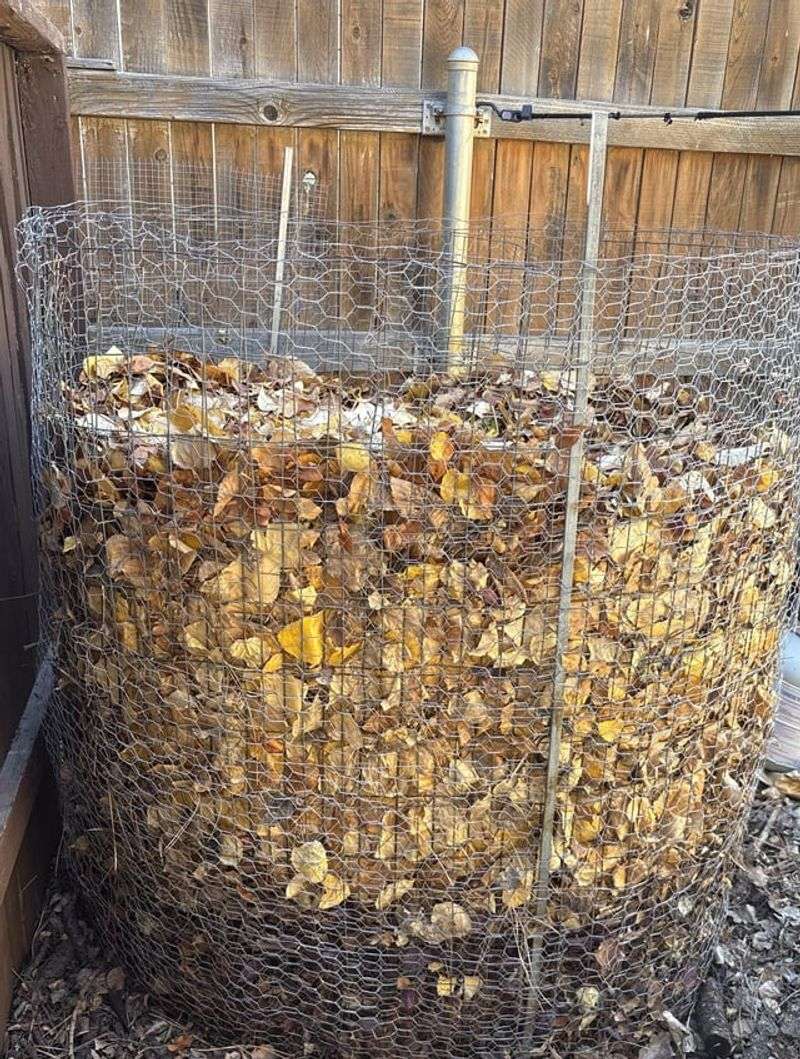
Fall leaves seem perfect for composting, but whole leaves can create serious problems in winter.
When rain soaks them, leaves stick together and form dense, matted layers that water cannot penetrate.
These waterproof sheets act almost like plastic barriers inside your compost pile.
Water runs off the top instead of soaking through, while layers underneath stay bone dry.
Matted leaves also block air movement, creating dead zones where decomposition stops completely.
The leaves themselves break down very slowly when they clump together, leaving you with a compost pile that has wet spots, dry spots, and areas that barely change at all.
Shredding leaves before adding them to your compost prevents matting and speeds up decomposition dramatically.
Run them over with a lawn mower, use a leaf shredder, or chop them by hand if needed, just make sure to wear some protective gloves!
Smaller pieces mix better with other materials and break down far faster than whole leaves.
Mixing shredded leaves with kitchen scraps, grass clippings, or other compost ingredients in alternating layers prevents layering problems and keeps everything aerated.
Fluffing and turning your pile regularly ensures that leaves don’t settle into solid sheets, improving airflow, drainage, and microbial activity throughout Oregon’s wet winter months, so your compost stays active and productive.