9 Plants New York Gardeners Should Not Touch Until Spring

When winter settles into New York, it’s easy to assume your garden work is done until the snow melts and warmer days return.
But not everything in the yard should be touched during this quiet season.
In fact, some plants rely on their dormant period to survive the cold and bounce back stronger in spring.
Disturbing them too soon, by pruning, trimming, or digging, can do more harm than good.
That’s why knowing which plants to leave alone until spring is one of the smartest moves a New York gardener can make.
Many trees, shrubs, and perennials benefit from resting through the winter without interference.
Some hold onto dried foliage or seed heads that help insulate them or feed wildlife.
Others are storing energy beneath the soil, even if they look bare or lifeless on top.
Trimming them too early can expose tender parts to frost damage or interrupt their natural growth cycle.
The good news?
A little patience now can lead to stronger blooms and healthier plants in just a few months.
1. Peonies

Peonies are beloved by gardeners all over New York for their large, fragrant blooms that appear in late spring and early summer.
These perennials can live for decades in the same spot, becoming more impressive with each passing year.
After the first hard frost in fall, peony foliage turns brown and collapses, which makes many gardeners want to cut it back right away.
Resist that urge and wait until spring to trim your peonies.
The old foliage and stems provide important protection for the crown of the plant during winter.
They also help mark where the plant is located so you do not accidentally dig into it while working in the garden.
When spring arrives in New York and new red shoots start poking through the soil, that is your signal to remove the old growth.
Cut the dry stems down to ground level and dispose of them in the trash rather than composting them.
This helps prevent any fungal diseases from spreading to the fresh growth.
Peonies need a period of cold dormancy to bloom well, so they are perfectly suited to New York winters.
Give them time to wake up naturally, and they will reward you with stunning flowers that make excellent cut arrangements for your home.
2. Ornamental Grasses
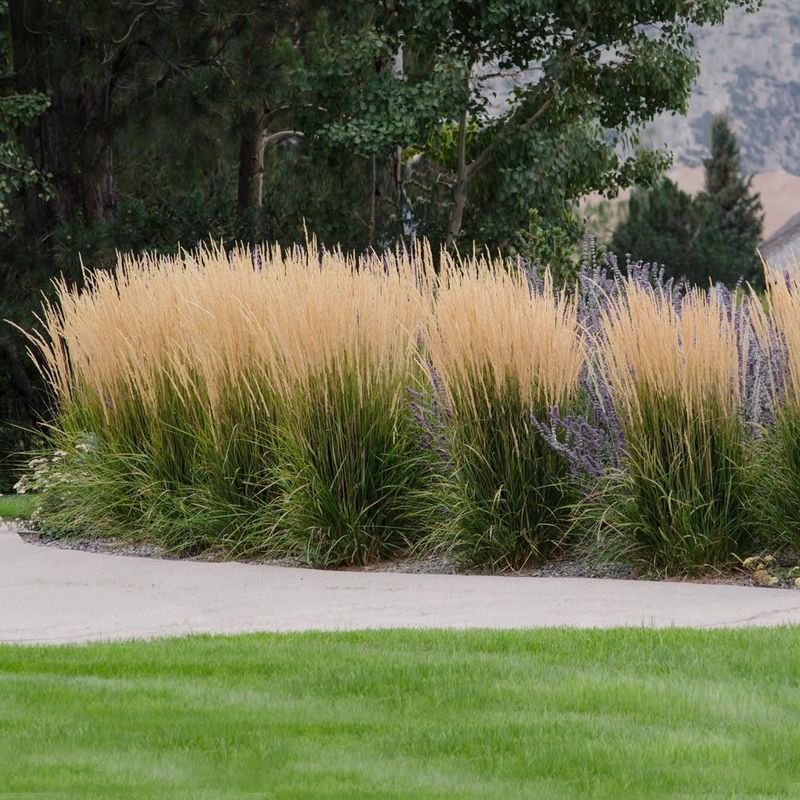
Ornamental grasses add movement, texture, and year-round interest to gardens throughout New York.
Varieties like miscanthus, switchgrass, and fountain grass create beautiful focal points with their graceful plumes and arching foliage.
During winter, these grasses turn shades of tan, gold, and bronze, providing structure and visual appeal even when covered with snow.
Leaving ornamental grasses standing through winter serves several important purposes.
The dried foliage catches snow and creates shelter for beneficial insects and small birds.
The seed heads also provide food for wildlife during the coldest months when other food sources are scarce.
Wait until early spring before cutting back your ornamental grasses in New York.
Watch for signs of new green growth emerging from the base of the plant.
Your New York Garden Changes Every Week. Your Plan Should Too.
Gardening in New York changes quickly throughout the season. Every Friday you’ll receive a simple weekly plan showing exactly what to plant, prune, fertilize, harvest, and protect so you never miss the right timing.
Once you see those fresh shoots, use sharp pruning shears or hedge trimmers to cut the old foliage down to about four to six inches above the ground.
Cutting too early can expose the crown to late frosts and damage the tender new growth.
Some gardeners make the mistake of trimming grasses in fall, but this removes the winter protection the plant needs.
Patience pays off with healthier plants that fill in quickly and look their best throughout the growing season.
3. Hydrangeas
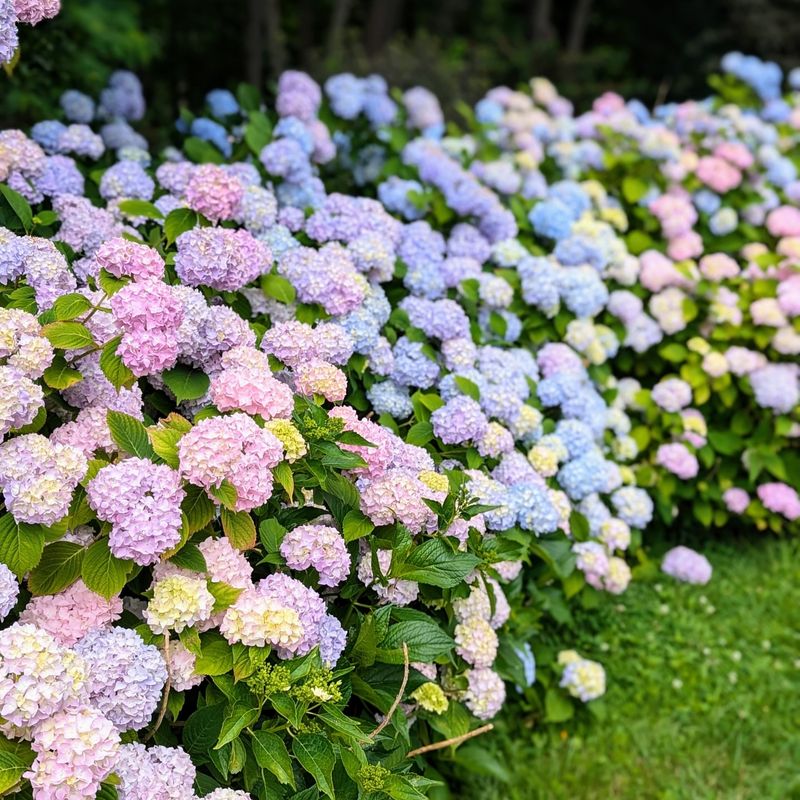
Hydrangeas are among the most popular flowering shrubs in New York gardens, known for their huge clusters of pink, blue, purple, or white blooms.
Different varieties bloom on old wood or new wood, which determines how and when you should prune them.
Many gardeners accidentally remove flower buds by pruning at the wrong time.
Bigleaf hydrangeas and oakleaf hydrangeas set their flower buds on old wood during the previous summer and fall.
These buds stay dormant through winter, waiting for warm weather to open.
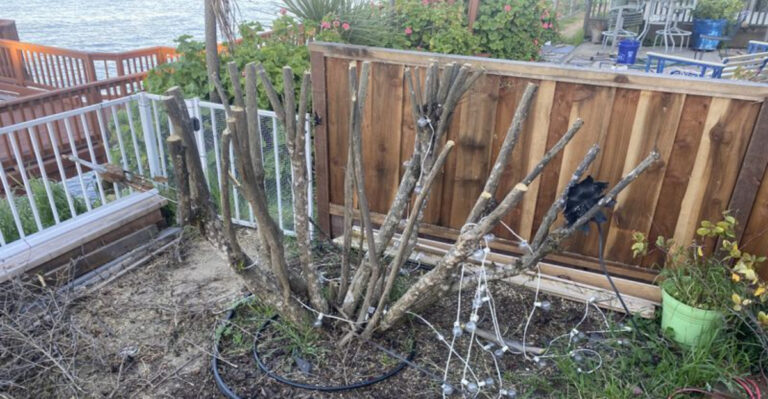
If you prune these varieties too early in spring or anytime in fall or winter, you will cut off all the potential flowers for the upcoming season.
Wait until late spring in New York to assess your hydrangeas.
Look for signs of new leaf growth and check which stems are still alive by gently scratching the bark.
Green tissue underneath means the stem is healthy.
Only remove stems that are clearly brown and brittle all the way through.
For hydrangeas that bloom on new wood, like panicle and smooth hydrangeas, you have more flexibility with pruning time.
Even so, waiting until spring ensures you can see exactly which parts need attention.
New York winters can be unpredictable, and some stems may surprise you by surviving when they looked questionable earlier.
4. Butterfly Weed
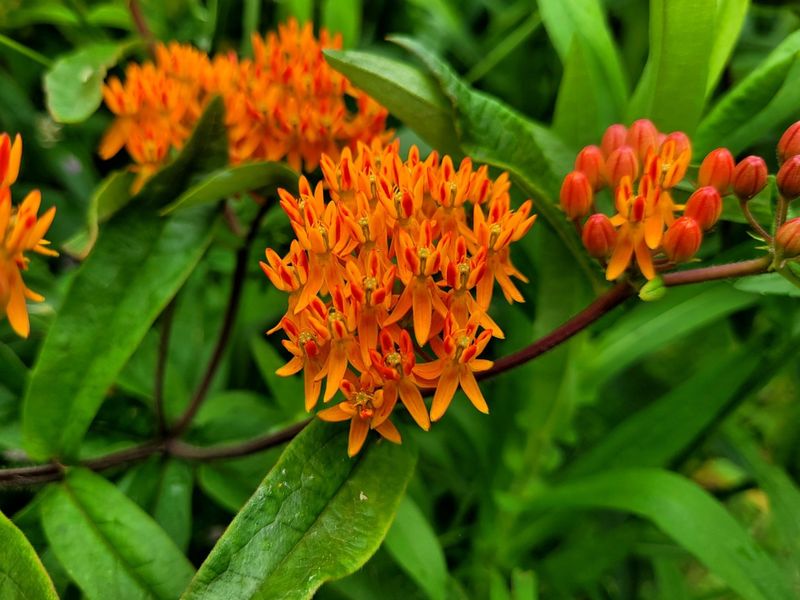
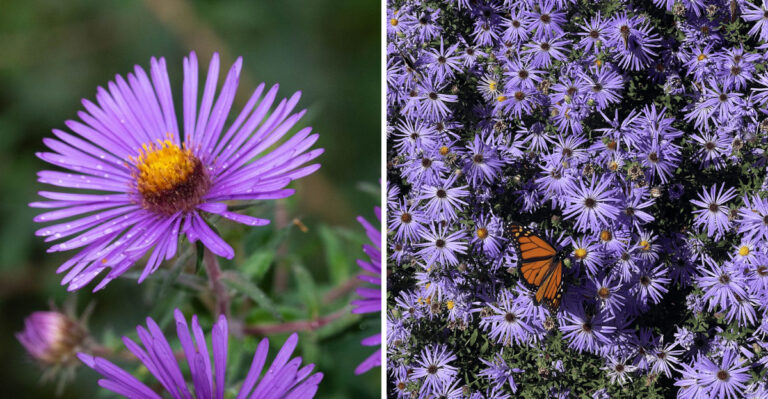
Butterfly weed is a native wildflower that thrives in New York gardens and attracts monarch butterflies and other pollinators with its bright orange flower clusters.
This member of the milkweed family is extremely tough and drought-tolerant once established.
Unlike many perennials, butterfly weed is very slow to emerge from dormancy in spring.
Gardeners often worry that their butterfly weed did not survive the winter because it takes so long to show signs of life.
Other plants in the garden may be several inches tall before butterfly weed even breaks through the soil.
This late emergence is completely normal and nothing to worry about.
Avoid the temptation to dig up or disturb the area where your butterfly weed grows.
The plant has a deep taproot that stores energy through winter.
Digging around it or cutting into the root can seriously damage or weaken the plant.
Simply mark the location and wait patiently for it to appear.
In New York, butterfly weed typically does not show new growth until late April or even May, depending on how warm the spring is.
Once it does emerge, it grows quickly and produces stunning flowers that bloom from June through August.
Your patience will be rewarded with a plant that supports important pollinators and adds brilliant color to your garden.
5. Roses
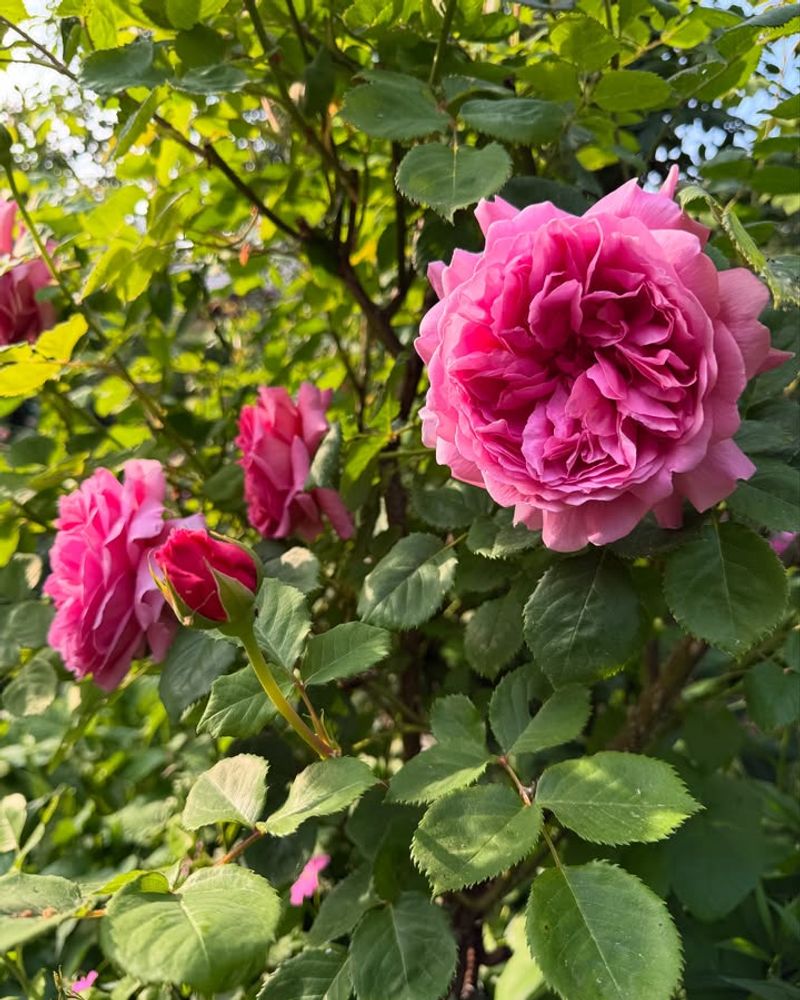
Roses are classic garden favorites that grow beautifully in many parts of New York, from hybrid teas to hardy shrub roses and climbing varieties.
Proper pruning is essential for healthy roses that produce abundant blooms, but timing matters more than many gardeners realize.
Pruning too early can stimulate new growth that gets damaged by late frosts.
New York springs are notoriously unpredictable, with warm spells followed by sudden cold snaps that can last into April or even early May.
If you prune your roses during a warm February or March day, the plant will respond by pushing out tender new shoots.
A hard freeze after that can damage or set back those shoots significantly.
The best time to prune roses in New York is when forsythia bushes start blooming in your area.
This natural indicator tells you that consistent warm weather is on the way.
Remove any damaged, or crossing canes, and shape the plant to encourage good air circulation.
Before pruning, remove the winter protection you may have mounded around the base of the plant.
Gently pull back mulch or soil to expose the graft union and lower canes.
Check for green tissue to identify which canes are still alive and which need to be removed completely.
Taking your time with this process ensures your roses have the best start to the growing season.
6. Clematis
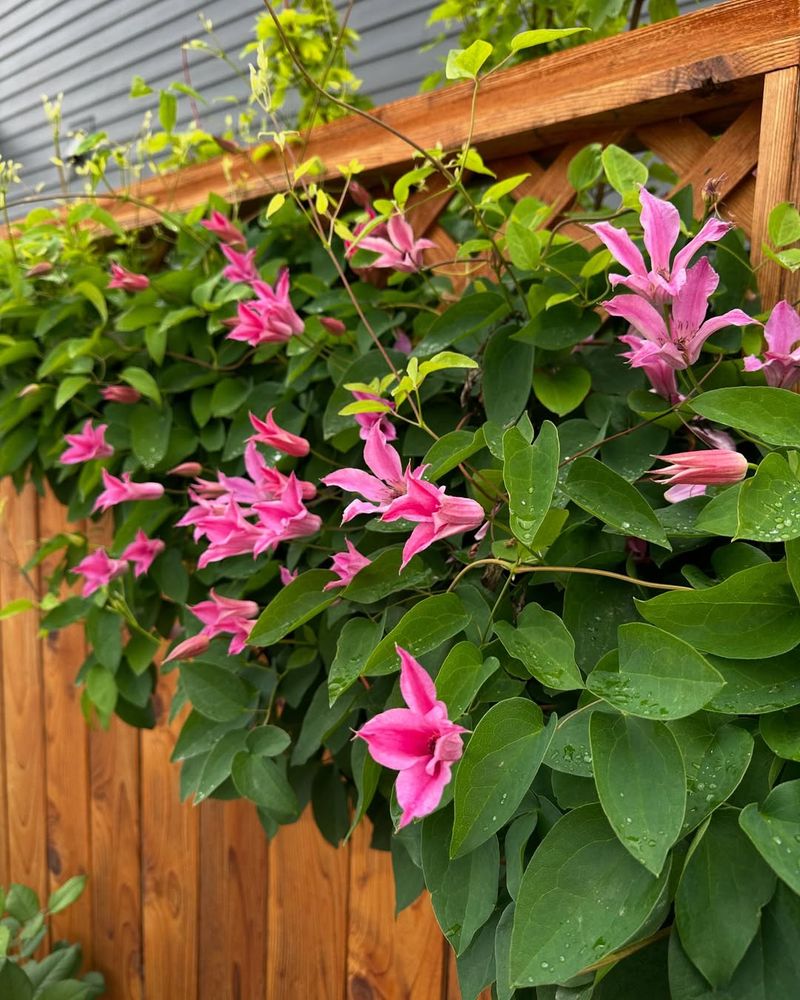
Clematis vines are prized for their spectacular flowers that come in nearly every color imaginable.
These climbing plants can transform fences, trellises, and arbors into stunning vertical displays.
Like hydrangeas, different clematis varieties bloom on old wood, new wood, or both, which affects when and how you should prune them.
Group 1 clematis bloom on old wood and should only receive light pruning to remove dry material after flowering.
Group 2 clematis bloom on both old and new wood and need only moderate pruning in early spring.
Group 3 clematis bloom on new wood and can be cut back hard in spring without losing flowers.
The challenge for New York gardeners is figuring out which type they have, especially if the plant was already in the garden when they moved in.
Rather than guessing and potentially removing all the flower buds, wait until late spring to prune.
Watch carefully to see when and where the plant starts producing new growth and buds.
Clematis can look quite weak through winter, with brown, papery stems that seem lifeless.
Many healthy vines take their time waking up in spring.
Wait until you see clear signs of green growth before making any cuts.
Starting at the top of the vine, work your way down and remove only the portions that are completely brown and brittle with no green tissue inside.
7. Lavender
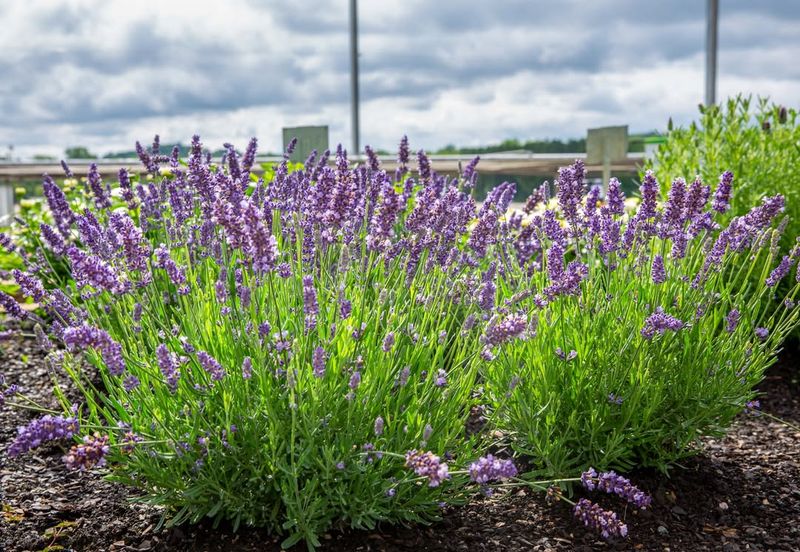
Lavender brings Mediterranean charm to New York gardens with its fragrant purple flower spikes and silvery foliage.
While lavender thrives in hot, dry climates, certain hardy varieties can survive New York winters with proper care and placement.
Good drainage is absolutely critical, as lavender cannot tolerate wet feet, especially during cold months.
After a tough winter, lavender plants can look pretty rough around the edges.
The foliage may turn brown or gray, and the woody stems can appear lifeless.
Many gardeners assume their lavender did not make it and pull it out too soon.
In reality, the plant may just need time to recover from winter stress.
Hold off on any major pruning until you see clear signs of new growth emerging from the base of the plant in spring.
Even if the top growth looks completely weak, the root system and lower stems may still be viable.
Light green shoots appearing near the base are your signal that the plant survived.
Once new growth appears in your New York garden, prune away the dry wood carefully, cutting back to just above where you see live growth.
Avoid cutting into the thick, woody base of the plant, as lavender does not regenerate well from old wood.
Shape the plant lightly to encourage bushy growth, and it should fill in nicely by midsummer with proper care and full sun exposure.
8. Sedum
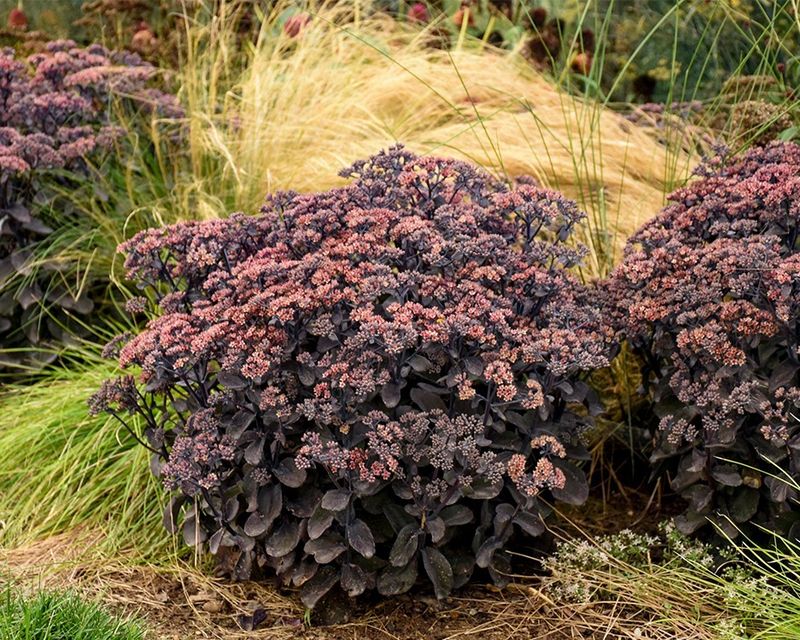
Sedum, also called stonecrop, is a succulent perennial that stores water in its thick leaves and stems.
Tall varieties like Autumn Joy produce flat clusters of pink flowers in late summer and fall that gradually turn copper and rust colored.
These dried flower heads remain attractive through winter and provide food for birds while adding architectural interest to the garden.
Many New York gardeners appreciate sedum for its low maintenance requirements and ability to thrive in poor soil and dry conditions.
The plants are incredibly tough and reliable, coming back year after year with minimal care.
However, cutting them back too early in spring can actually slow down their growth and delay flowering.
Sedum emerges from dormancy as small, fleshy rosettes of leaves at the base of the old stems.
These new shoots need protection from late frosts and cold winds, which the old flower stalks provide.
The dried stems also help mark the location of the plant so you do not accidentally step on or damage the emerging growth.
Wait until the new growth is several inches tall and the weather has settled into consistent warmth before cutting back your sedum in New York.
Simply grab the old stalks and cut or break them off at ground level.
The plant will grow quickly once the soil warms up, reaching full size by midsummer and blooming reliably in late summer when many other plants are past their peak.
9. Russian Sage
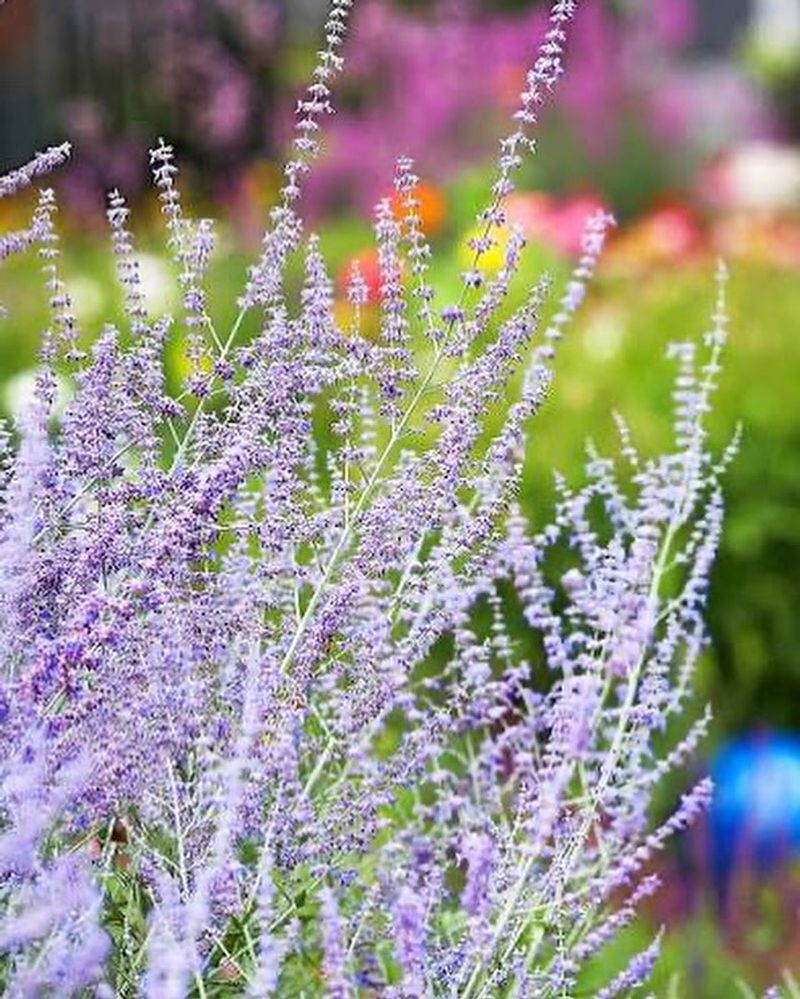
Russian sage is a tough, drought-tolerant perennial that produces clouds of lavender-blue flowers on silvery stems from midsummer through fall.
The plant has aromatic foliage that releases a pleasant scent when brushed against.
Russian sage thrives in full sun and well-drained soil, making it perfect for hot, dry spots in New York gardens where other plants struggle.
Throughout winter, Russian sage stands as a collection of woody, gray stems that can look quite weak and unattractive.
The plant goes fully dormant, and all the foliage drops away, leaving just the bare branches behind.
This appearance leads many gardeners to assume the plant has perished and should be removed.
Patience is key with Russian sage in New York gardens.
The plant is very slow to leaf out in spring, often waiting until the soil is thoroughly warm before showing any signs of life.
New growth emerges as tiny green shoots along the woody stems, usually starting lower down near the base of the plant.
Wait until you clearly see where the new growth is starting before pruning your Russian sage.
Once you can identify the live portions, cut the stems back to just above the new shoots, typically leaving about six to twelve inches of stem.
Cutting too early or too low can remove the buds that will produce this year’s growth and flowers.
With proper timing, your Russian sage will grow into a full, bushy plant that attracts pollinators all summer long.