Why Moss And Algae Take Over Oregon Gardens In Winter (And How To Deal With It)
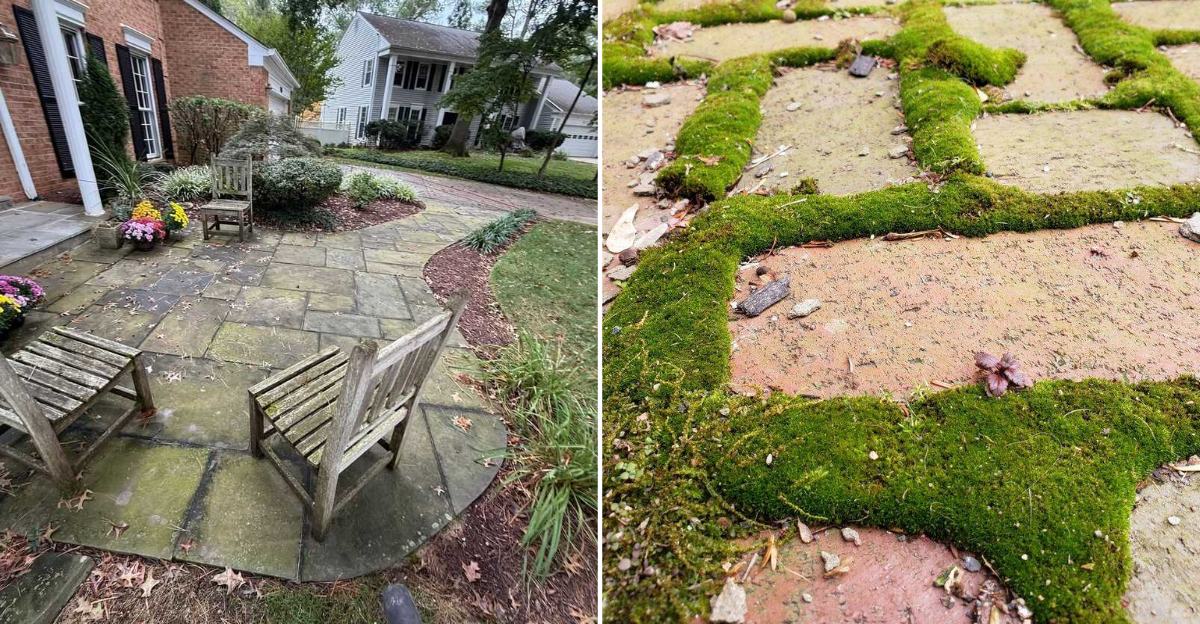
If you’ve noticed green, slippery patches spreading across your garden paths, lawns, or even flowerbeds during Oregon’s wet winters, you’re not alone.
Moss and algae thrive in the cool, damp conditions that define our winters, and it can feel like they take over overnight.
It’s frustrating when you’ve worked hard on your garden, only to see these persistent growths appear seemingly out of nowhere.
Moss and algae aren’t necessarily harmful, they don’t usually damage plants, but they can make surfaces slippery, create uneven patches in lawns, and sometimes indicate areas where drainage or sunlight is lacking.
Understanding why they appear is the first step to keeping them under control.
Oregon’s rainy climate, shaded spots, compacted soil, and poor air circulation all contribute to the problem, creating the perfect environment for these winter invaders.
The good news is that with a few simple strategies, you can manage moss and algae effectively without harming your garden.
From improving drainage and increasing sunlight exposure to choosing the right groundcover and adjusting soil conditions, there are ways to reclaim your garden spaces and keep them looking healthy and vibrant, even during Oregon’s wettest months.
1. Why Oregon Winters Create The Perfect Conditions For Moss And Algae
Rain is practically a personality trait here in the Pacific Northwest, and when it comes to moss and algae, all that moisture is like rolling out the welcome mat.
From November through March, Oregon sees weeks of overcast skies, cool temperatures hovering in the forties, and enough drizzle to keep everything perpetually damp.
Moss and algae don’t need much to survive, just consistent moisture, mild temps, and a little shade.
Your garden becomes a breeding ground because these organisms thrive without soil.
They pull nutrients straight from the air and water, which means they can colonize almost any surface that stays wet long enough.
Concrete, wood, soil, even your roof, it’s all fair game.
Oregon State University Extension notes that moss grows best in areas with high humidity and low light, conditions we have in spades during winter.
Add in our acidic soils and you’ve got the perfect storm.
You’ll notice moss creeping into lawns where grass struggles, and algae forming slimy green layers on north-facing patios or shaded walkways.
The key takeaway is this: our climate is naturally moss-friendly, so prevention and management need to be part of your regular winter routine if you want to keep your garden looking sharp.
2. How To Tell The Difference Between Moss, Algae, And Lichen
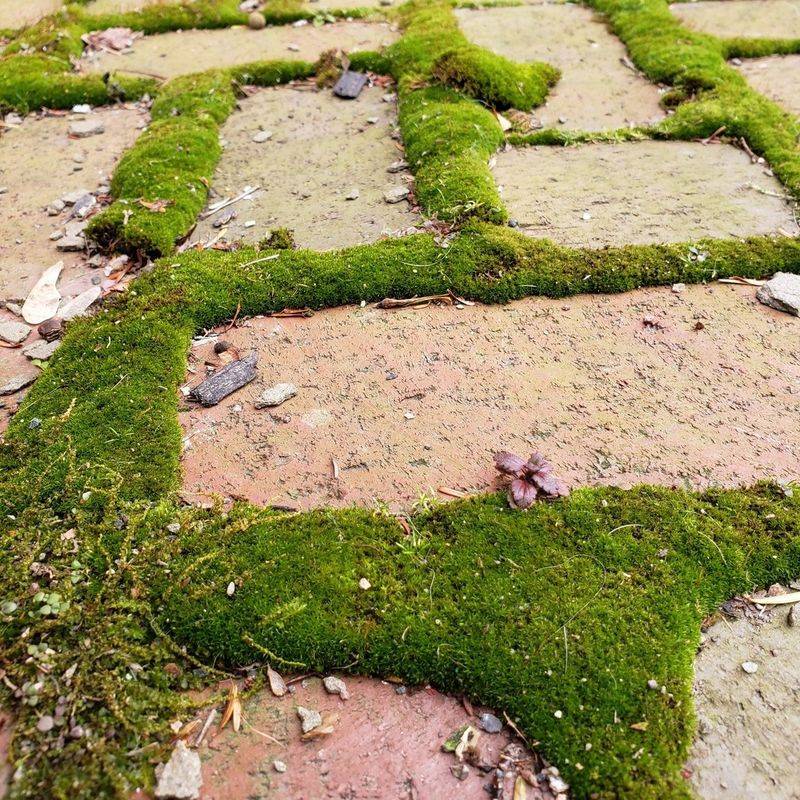
At first glance, all that green growth might look the same, but moss, algae, and lichen are three very different things.
Knowing which one you’re dealing with helps you choose the right approach.
Moss is soft and spongy, with tiny leafy structures that form dense mats.
It loves shady, compacted soil and will happily take over your lawn if conditions are right.
Algae, on the other hand, is slimy and slick, especially when wet.
Your Oregon Garden Changes Every Week. Your Plan Should Too.
Gardening in Oregon changes quickly throughout the season. Every Friday you’ll receive a simple weekly plan showing exactly what to plant, prune, fertilize, harvest, and protect so you never miss the right timing.
It’s not a plant at all, it’s a simple organism that thrives in standing water or on surfaces that stay damp for long periods.
You’ll often find it on pavers, decks, or anywhere water pools and doesn’t drain quickly.
Lichen is the oddball of the trio.
It’s actually a symbiotic relationship between algae and fungi, and it usually appears as crusty, colorful patches on rocks, trees, or old fences.
Lichen grows slowly and doesn’t harm most surfaces, so it’s more of a cosmetic concern than a real problem.
Oregon State University Extension emphasizes that identifying what you’re dealing with matters because treatments differ.
Moss responds well to physical removal and soil amendments, algae needs better drainage and sunlight, and lichen usually doesn’t require any action at all unless you just don’t like the look.
3. Where Moss And Algae Usually Show Up In Your Garden
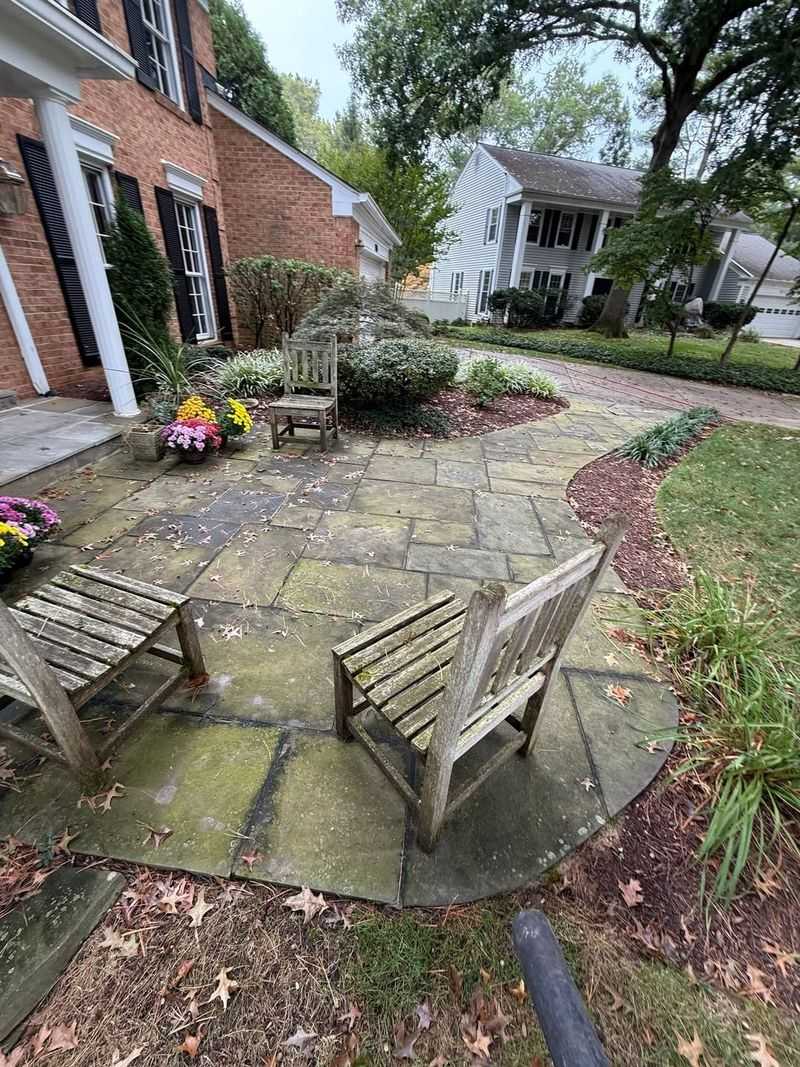
Moss and algae are opportunists, and they’ll settle into any spot that gives them what they need.
In your yard, that usually means shaded areas under trees, along north-facing walls, or in low spots where water collects.
Moss loves to invade lawns, especially where the grass is thin or the soil is compacted and acidic.
You’ll see it creeping between blades of grass, eventually crowding out the turf if left unchecked.
Algae prefers hard surfaces like patios, driveways, walkways, and decks.
Anywhere water sits or drains slowly becomes a prime location.
If you’ve got a shaded patio that never quite dries out, you’ve probably noticed that slick green film by mid-winter.
It’s slippery, unsightly, and can even become a safety hazard when it rains.
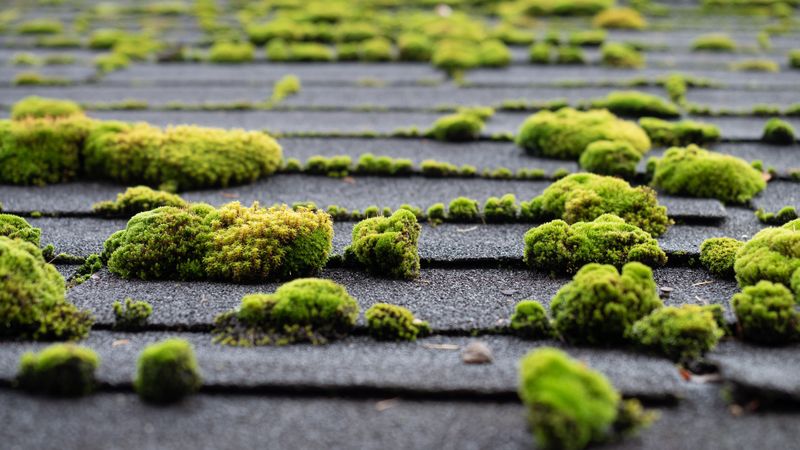
Moss also shows up on roofs, especially asphalt shingles in shaded areas, and along the edges of gutters.
Algae can coat siding, fences, and garden beds if moisture lingers.
Both organisms thrive in spots with poor air circulation and limited sunlight, which is why corners, overhangs, and densely planted areas are so vulnerable.
Understanding where these invaders like to set up shop helps you target your efforts and address the root causes, like drainage issues or overgrown shade, rather than just treating symptoms.
4. Why Lawns, Patios, And Beds Are Most At Risk
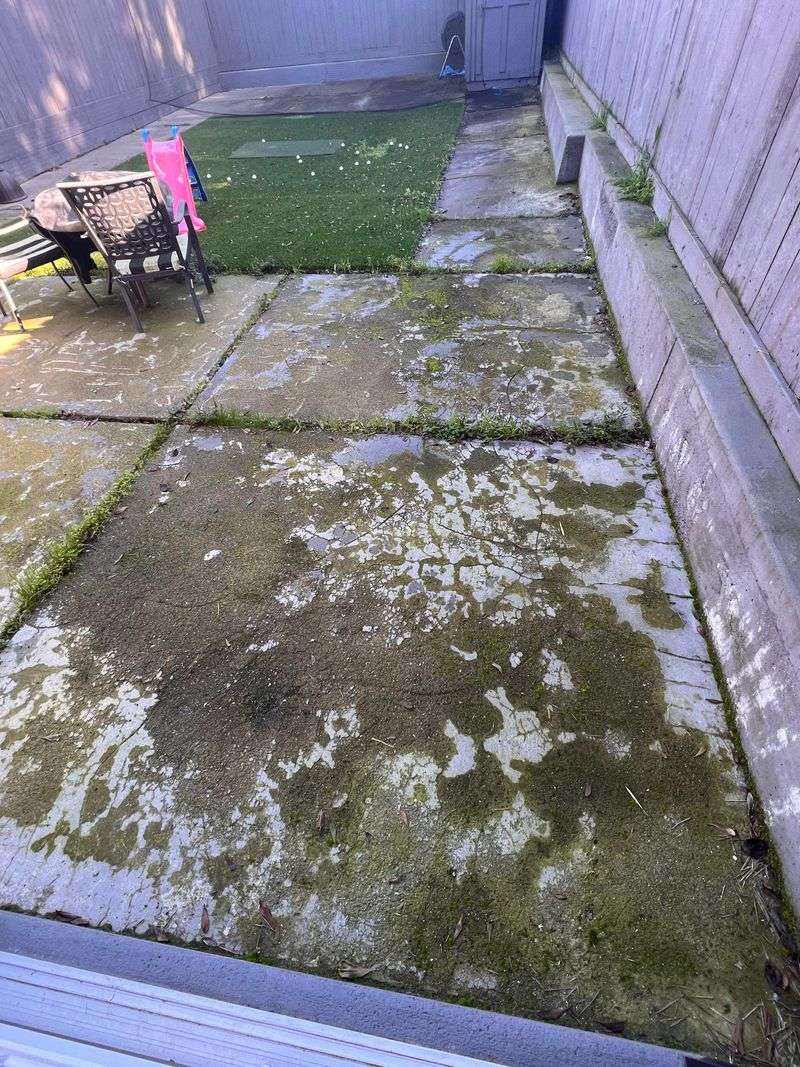
Certain parts of your garden are just magnets for moss and algae, and it all comes down to conditions.
Lawns are at risk because Oregon soils tend to be acidic, and grass struggles in low pH environments.
When your turf is weak, moss moves in fast.
Add in compacted soil from foot traffic or poor drainage, and you’ve got a recipe for a mossy mess.
Patios and walkways are vulnerable because they’re flat, often shaded, and prone to staying wet.
If your patio slopes toward the house or doesn’t have proper drainage, water pools and creates the perfect environment for algae.
Once it takes hold, it spreads quickly, especially during our long rainy stretches.
Garden beds can also become problem areas, particularly if they’re heavily mulched and shaded.
Algae loves moist mulch, and moss will colonize bare soil if there’s not enough plant coverage or sunlight.
Beds along the north side of your house or under dense evergreens are especially prone.
Oregon State University Extension recommends improving drainage, increasing sunlight exposure, and adjusting soil pH as key strategies.
Lawns benefit from aeration and lime application, patios need better water flow, and beds should be kept well-drained and planted with ground covers that compete with moss and algae for space.
5. The Problems Moss And Algae Can Cause
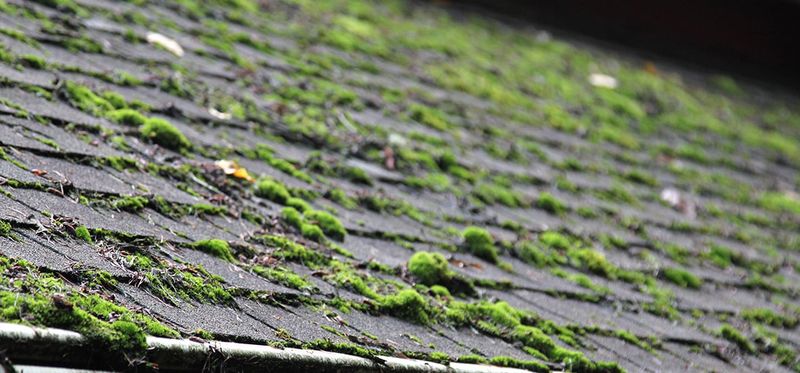
Beyond being an eyesore, moss and algae can actually damage your property and make your garden less functional.
Moss in lawns chokes out grass, leaving bare patches and making your yard look patchy and unkempt.
It also signals underlying issues like poor drainage or acidic soil, which means your turf will keep struggling until you fix the root cause.
Algae on patios and walkways is slippery, especially when wet, and that’s a real safety concern.
A fall on a slick surface can lead to serious injury, and it’s even more dangerous for kids, pets, or older family members.
Plus, algae can stain concrete and wood if it’s left to grow unchecked, requiring more aggressive cleaning or even replacement down the line.
Moss on roofs can trap moisture against shingles, leading to premature deterioration and potential leaks.
It can also lift shingles as it grows, creating gaps where water can seep in.
On decks and fences, moss and algae hold moisture against the wood, accelerating rot and reducing the lifespan of your structures.
The Oregon Department of Environmental Quality advises homeowners to address moss and algae promptly using safe, non-toxic methods to protect both property and local waterways.
Preventing growth is always easier and cheaper than dealing with damage later.
6. Natural And Safe Ways To Control Moss
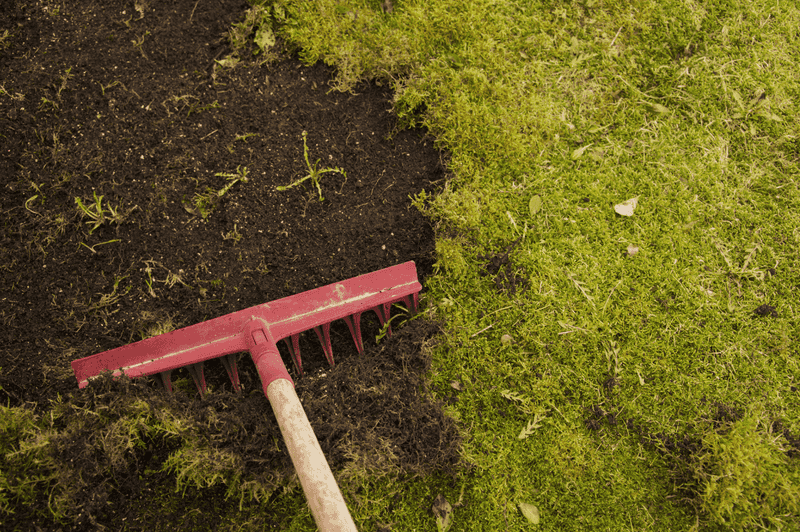
You don’t need harsh chemicals to get moss under control, and that’s good news for your garden, your pets, and Oregon’s waterways.
Start with physical removal, raking moss out of your lawn is effective and immediate.
Use a dethatching rake or a power dethatcher if the moss is thick.
It’ll pull up easily, especially when the soil is moist.
For patios and walkways, a stiff broom or pressure washer works wonders.
Just be careful with the pressure setting so you don’t damage surfaces.
After removing moss, apply a natural deterrent like a baking soda solution, mix about a half cup of baking soda in a gallon of water and spray it on affected areas.
It raises the pH slightly, making conditions less favorable for moss.
In lawns, improving soil health is key.
Aerate compacted soil to improve drainage and allow grass roots to breathe.
Apply lime to raise pH if your soil is too acidic, Oregon State University Extension recommends testing your soil first to know exactly how much lime you need.
Overseed bare spots with shade-tolerant grass varieties to outcompete moss.
Avoid using moss killers with ferrous sulfate or zinc sulfate near waterways or garden beds, as they can harm aquatic life and beneficial plants.
Stick with mechanical removal and soil amendments for long-term success.
7. How To Prevent Algae From Coming Back
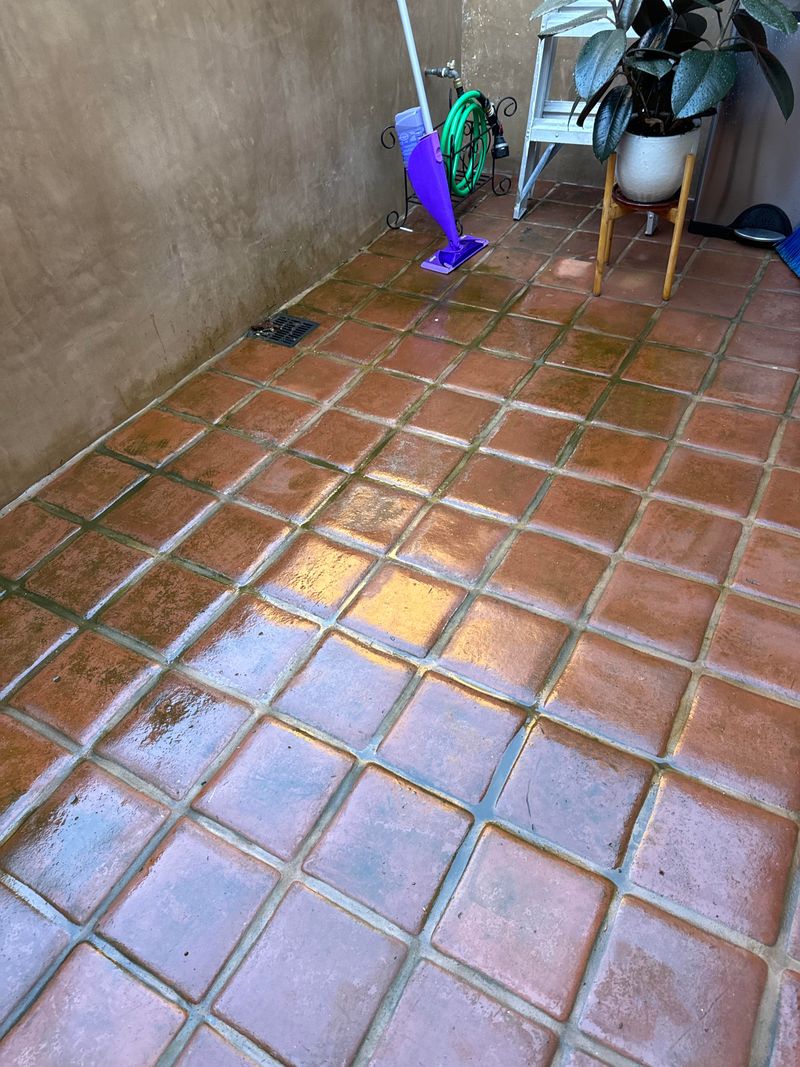
Once you’ve cleaned algae off your patio or deck, the last thing you want is for it to return a few weeks later.
Prevention is all about controlling moisture and sunlight.
Start by improving drainage, make sure water doesn’t pool on flat surfaces.
If your patio slopes the wrong way, consider installing a French drain or adjusting the grade to direct water away from the house.
Trim back overhanging branches and shrubs to let more sunlight reach shaded areas.
Algae hates direct sun, so even a few extra hours of light each day can make a huge difference.
Prune trees to improve air circulation, which helps surfaces dry out faster after rain.
Regular cleaning is also important.
A quick sweep or rinse every few weeks during winter keeps algae from getting a foothold.
You can also apply a preventive treatment using diluted vinegar, mix one part white vinegar with three parts water and spray it on prone areas.
It’s safe for most surfaces and won’t harm plants or pets.
Oregon Department of Environmental Quality guidelines encourage homeowners to avoid using bleach or harsh chemicals near storm drains, as they can contaminate local streams and rivers.
Stick with natural solutions and good maintenance practices to keep algae at bay without harming the environment.
8. When Drainage And Sunlight Make The Biggest Difference
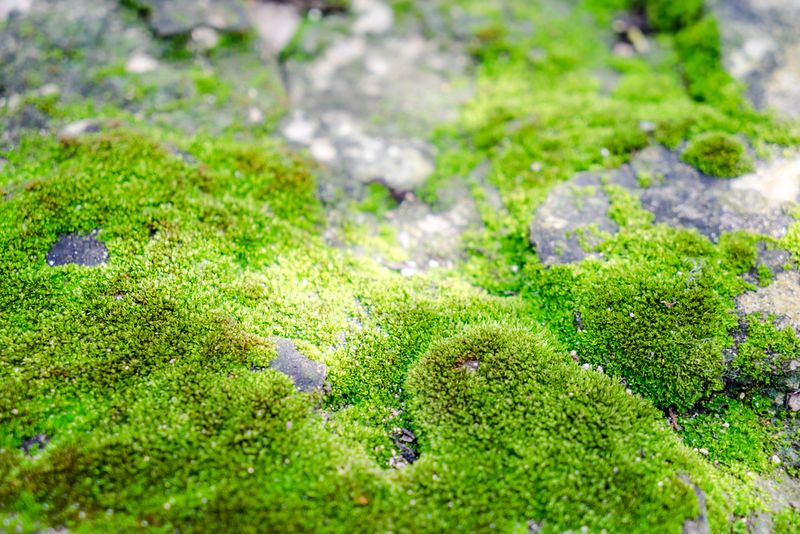
There are two factors that matter more than anything else when it comes to controlling moss and algae: drainage and sunlight.
If you can get these right, you’ll cut your maintenance work in half.
Poor drainage keeps soil and surfaces wet, creating the damp conditions moss and algae need to thrive.
Standing water is an open invitation, so addressing drainage issues should be your first priority.
Look for low spots in your yard where water collects after rain.
You can fill these with soil and reseed, or install drainage solutions like French drains or dry creek beds to channel water away.
In lawns, core aeration helps water penetrate deeper instead of pooling on the surface.
On patios, regrade or add drainage channels to keep water moving.
Sunlight is just as critical.
Moss and algae both prefer shade, so increasing sun exposure can dramatically reduce growth.
Prune trees and shrubs to open up your garden, especially on the north and west sides where shade lingers longest.
Even partial sun for a few hours a day can discourage moss and algae from settling in.
Oregon State University Extension recommends evaluating your property’s microclimates, those pockets of deep shade or constant moisture, and making targeted improvements.
Small changes in drainage and light can have a big impact on keeping your garden healthy and moss-free.
9. Long-Term Garden Fixes That Actually Work
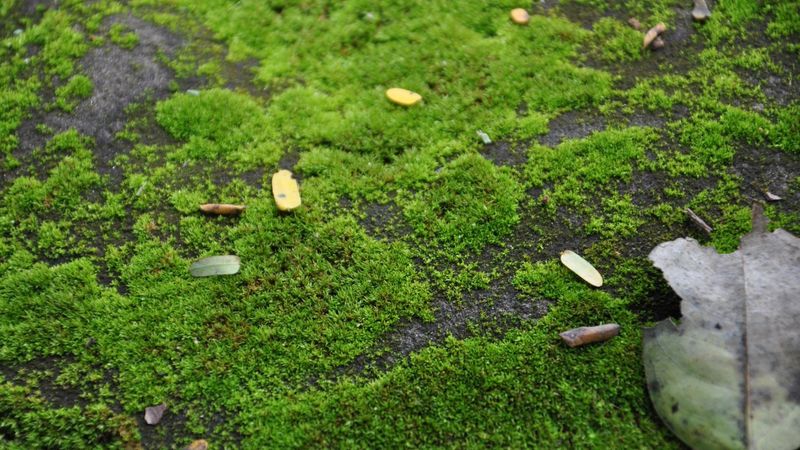
If you’re tired of fighting moss and algae every winter, it’s time to think long-term.
The most effective strategy is to make your garden less hospitable to these invaders by addressing the underlying conditions.
Start with your lawn, if moss keeps coming back, it’s a sign your grass isn’t thriving.
Test your soil pH and adjust with lime if needed.
Aerate annually to reduce compaction and improve root health.
Choose grass varieties that tolerate shade and moisture, like fine fescues or perennial ryegrass.
In garden beds, plant ground covers that outcompete moss, such as creeping thyme, ajuga, or native Oregon plants that thrive in shade.
These plants fill in bare spots and prevent moss from taking hold.
Mulch with coarse materials like bark or wood chips rather than fine compost, which holds too much moisture.
For hardscapes, consider permeable pavers or gravel that allow water to drain instead of pooling.
Install gutters and downspouts to direct roof runoff away from patios and foundations.
Keep surfaces clean and well-maintained so algae doesn’t get a chance to establish.
Oregon State University Extension emphasizes that sustainable garden management means working with your environment, not against it.
By improving soil health, managing water, and choosing the right plants, you can create a garden that resists moss and algae naturally, season after season.