The 9 Garden Tasks You Should Finish Before February In Oregon
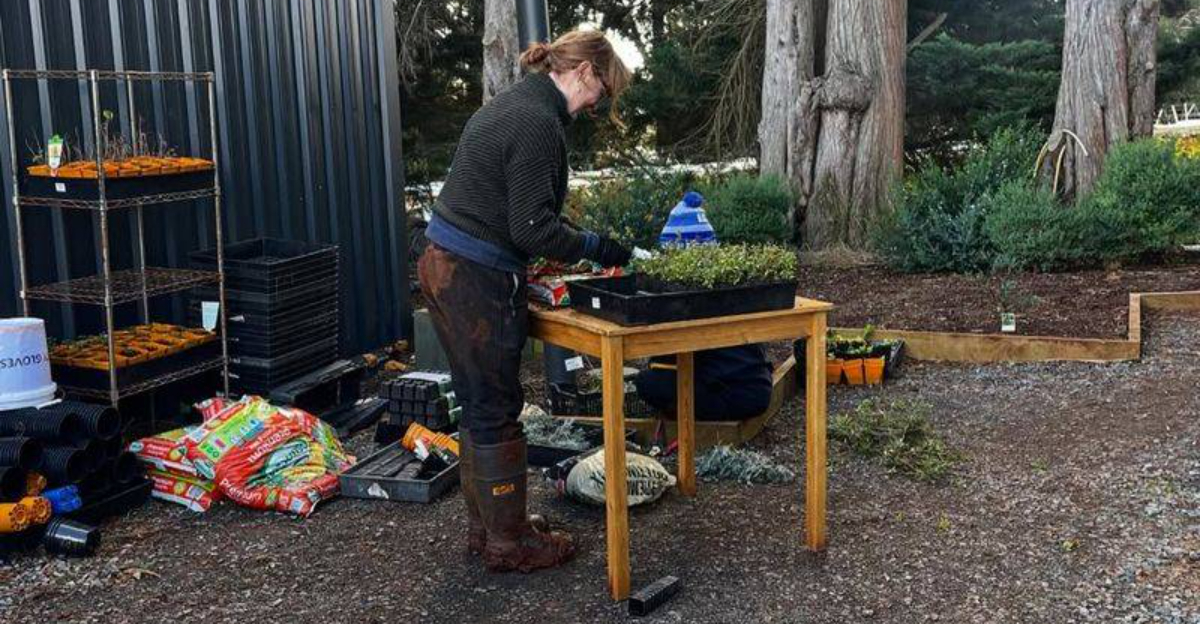
Have you noticed the garden slowing down as winter drags on in Oregon?
Maybe you’ve been checking on your plants, pruning a little here and there, or just watching the rain fall, wondering what you should even be doing this time of year.
It’s easy to feel like the garden is on pause, but there are actually a few important tasks you can tackle now that make a big difference once spring arrives.
Even small efforts like cleaning up beds, pruning shrubs, or preparing soil, can save you time and effort later.
Taking care of these chores now means your garden will be ready to grow, bloom, and thrive as soon as the weather warms.
If you’re wondering where to start or what actually matters before February is over, you’re in the right place.
These garden tasks are simple, practical, and designed to help Oregon gardeners get ahead, protect their plants, and feel ready for the busy season ahead.
1. Prune Your Fruit Trees
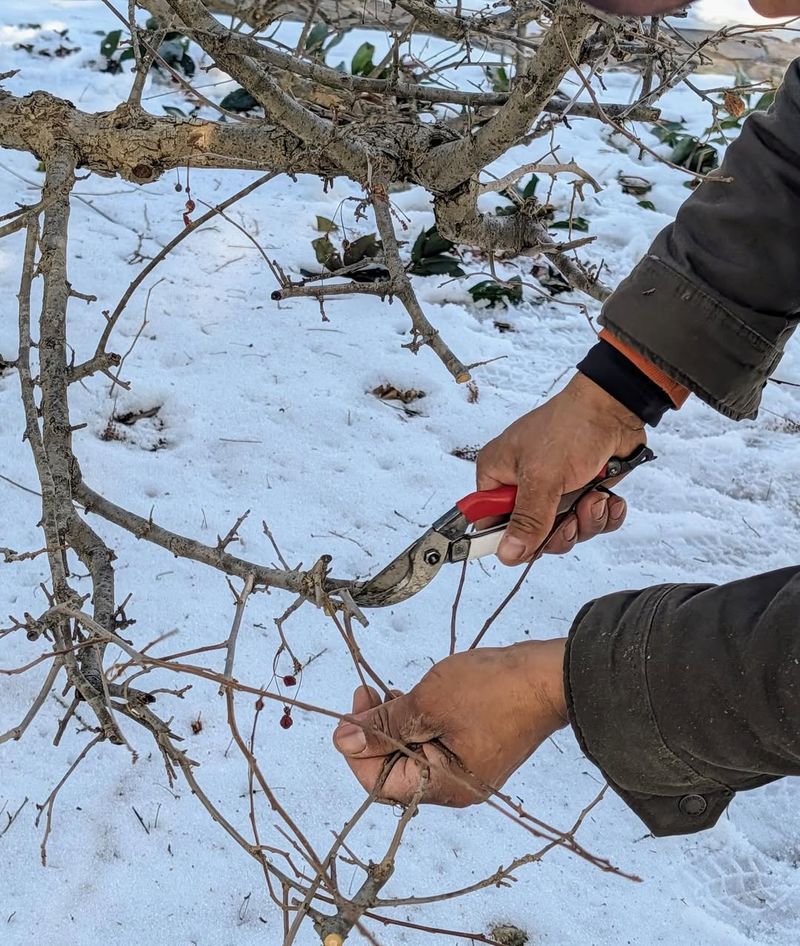
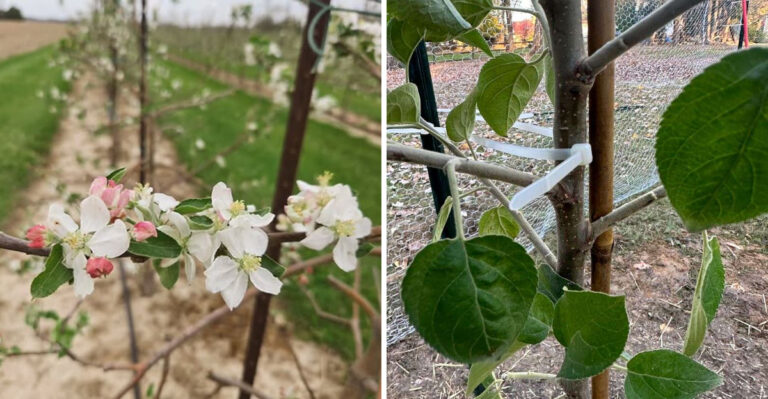
Late January offers the ideal window for pruning fruit trees in Oregon.
Dormant trees handle cuts better than active ones, and you can see the branch structure clearly without leaves blocking your view.
Apple, pear, and plum trees all benefit from thoughtful pruning right now.
Start by removing any branches that cross or rub against each other.
These spots create wounds that invite disease and pests later.
Cut away branches growing straight up or straight down since they rarely produce good fruit.
Focus on opening up the center of the tree so sunlight and air can reach all parts.
Sharp, clean tools make the job easier and safer for your trees.
Dull blades tear bark instead of making clean cuts.
Wipe your pruning shears with rubbing alcohol between trees to prevent spreading any hidden diseases.
Make cuts at a slight angle just above a bud facing the direction you want new growth.
Young trees need lighter pruning than older ones.
Remove about one-third of last year’s growth on mature trees.
Save major shaping projects for trees at least three years old.
Your fruit harvest next summer depends on the pruning work you do this month.
2. Mulch Your Garden Beds
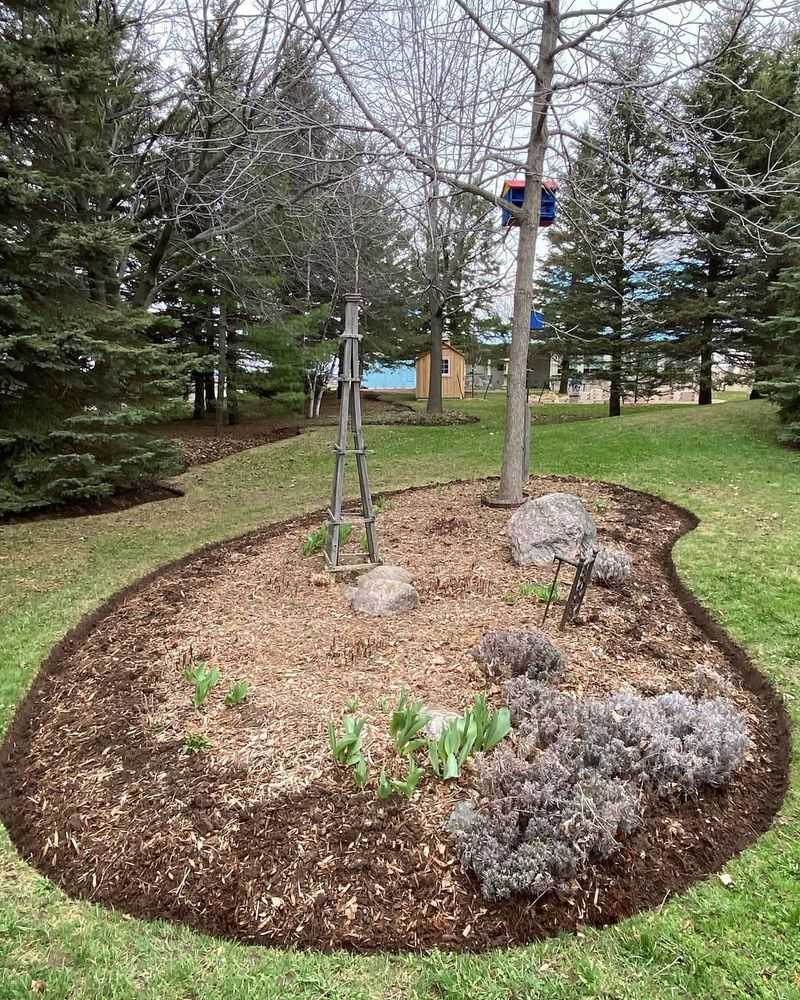
A thick layer of mulch acts like a cozy blanket for your garden soil during Oregon’s cold, wet winter months.
Mulch keeps soil temperature more stable when freezing nights arrive.
It also prevents heavy rain from washing away valuable topsoil and nutrients your plants need.
Spread organic mulch three to four inches deep around perennials, shrubs, and trees.
Wood chips, shredded bark, or aged compost all work beautifully.
Pull mulch a few inches away from plant stems and tree trunks to prevent rot.
Moisture trapped against bark creates perfect conditions for fungal problems.
Mulching now saves you time and effort later.
Fewer weeds pop up in spring when you mulch properly in winter.
The mulch breaks down slowly and feeds your soil with organic matter.
Earthworms love working through mulched areas, improving soil structure as they tunnel.
Your Oregon Garden Changes Every Week. Your Plan Should Too.
Gardening in Oregon changes quickly throughout the season. Every Friday you’ll receive a simple weekly plan showing exactly what to plant, prune, fertilize, harvest, and protect so you never miss the right timing.
Check existing mulch layers and add more where they have thinned out.
High-traffic areas and slopes often need extra attention.
Garden beds near downspouts may have lost mulch to heavy water flow.
Refreshing mulch before February protects your investment in plants and soil health throughout the remaining winter weeks.
3. Clean And Store Garden Tools
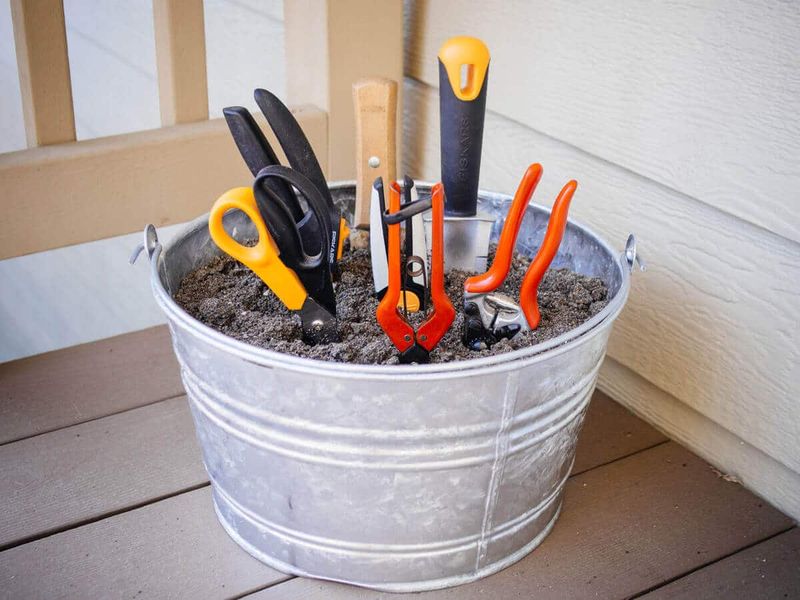
Your garden tools worked hard all year and deserve proper care before winter storage.
Rust, dirt, and plant residue shorten tool life and make spring gardening harder than necessary.
Spending an afternoon cleaning tools now prevents expensive replacements later.
Scrub metal parts with a wire brush to remove caked-on soil and plant material.
Rinse with water and dry thoroughly with old towels.
Rust forms quickly on damp metal, especially in Oregon’s humid winter climate.
Apply a light coat of oil to metal surfaces using a rag.
Linseed oil or even vegetable oil works fine for basic protection.
Sharpen blades on pruners, shears, and hoes using a file or sharpening stone.
Sharp tools make cleaner cuts and require less effort to use.
Check wooden handles for splinters and sand rough spots smooth.
Loose handles need tightening or replacement before they become dangerous.
Store tools in a dry shed or garage away from ground moisture.
Hang long-handled tools on wall hooks to keep them organized and prevent handle warping.
Small hand tools fit nicely in buckets filled with sand mixed with motor oil.
This old-timer trick keeps metal parts rust-free all winter.
4. Plant Bare-Root Roses And Fruit Trees
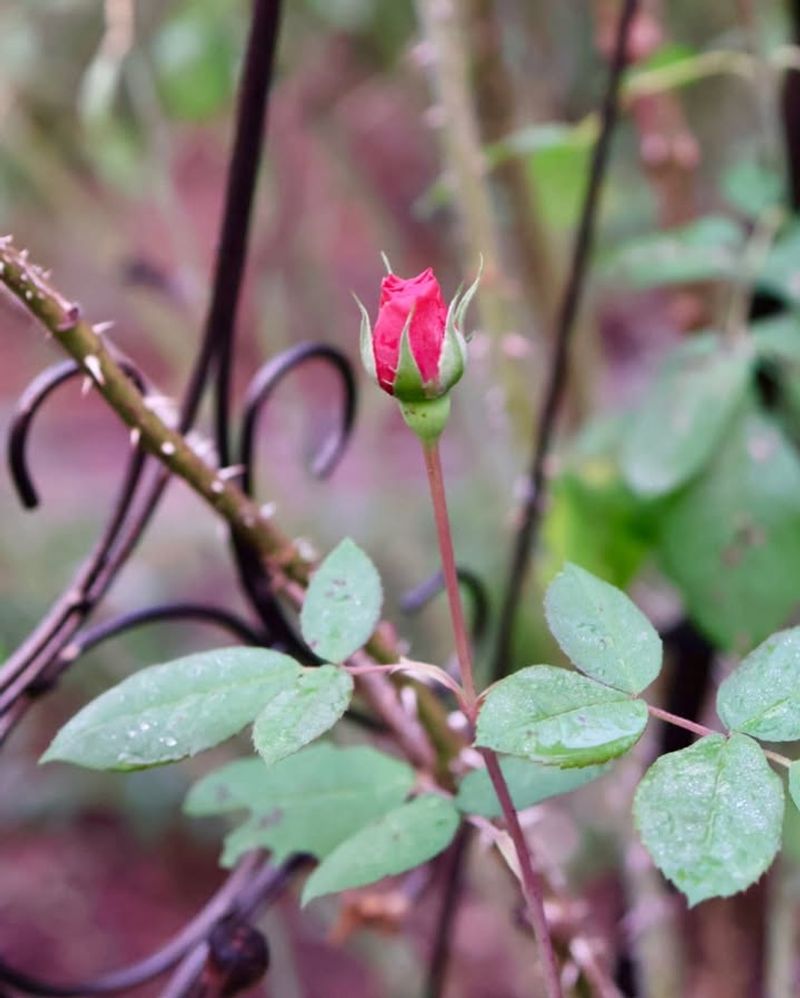
Bare-root plants arrive dormant without soil around their roots, making them lighter and cheaper than container plants.
Late January through early February is prime planting time for these bargains in Oregon.
The plants establish root systems before spring growth begins, giving them a strong start.
Soak bare roots in water for several hours before planting.
This rehydrates tissues that dried during shipping and storage.
Dig holes twice as wide as the root spread but no deeper than the root length.
Loose soil around roots encourages quick establishment.
Build a small mound in the hole center and spread roots evenly over it.
Fill the hole halfway with soil, then water thoroughly to eliminate air pockets.
Finish filling with soil and water again.
The graft union on roses should sit just above soil level in most Oregon locations.
Bare-root fruit trees cost half as much as potted ones and often grow more vigorously.
Nurseries offer the best selection of varieties in bare-root form during winter.
Plant now and your new roses will bloom this summer.
Fruit trees planted in January produce their first harvest sooner than spring-planted ones.
5. Test And Amend Your Soil
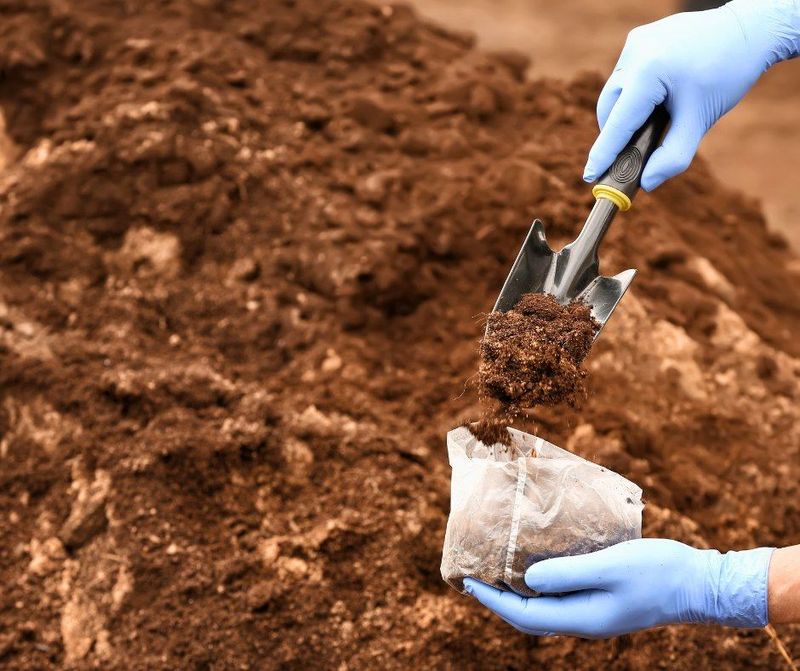
Soil testing reveals exactly what your garden needs for healthy plant growth.
Oregon State University Extension offers affordable soil test kits that measure pH, nutrients, and organic matter.
Winter testing gives you time to amend soil properly before spring planting begins.
Collect soil samples from different garden areas since nutrients vary across your yard.
Mix samples from each area in separate clean containers.
Remove the top inch of soil and sample from two to six inches deep where most roots grow.
Send samples to the lab with detailed information about what you plan to grow.
Test results arrive in two to three weeks with specific recommendations for your soil.
Most vegetables prefer slightly acidic soil with a pH between 6.0 and 7.0.
Oregon soils often need lime to raise pH or sulfur to lower it.
Adding amendments now gives them time to work into the soil.
Spread recommended amendments evenly over garden beds and work them into the top six inches of soil.
Compost improves any soil type and adds beneficial microorganisms.
Avoid working wet soil since it damages soil structure.
Wait for a dry day when soil crumbles easily in your hand.
6. Protect Tender Plants From Frost
Oregon winters bring unpredictable freezes that can damage plants not quite hardy in your zone.
Late January cold snaps often catch gardeners off guard after mild early winter weather.
Protecting vulnerable plants now prevents heartbreak when temperatures suddenly drop.
Move container plants closer to your house where walls radiate stored heat.
Group pots together so plants shelter each other from wind and cold.
Bring truly tender plants like citrus trees indoors during freeze warnings.
Even an unheated garage offers better protection than exposed outdoor conditions.
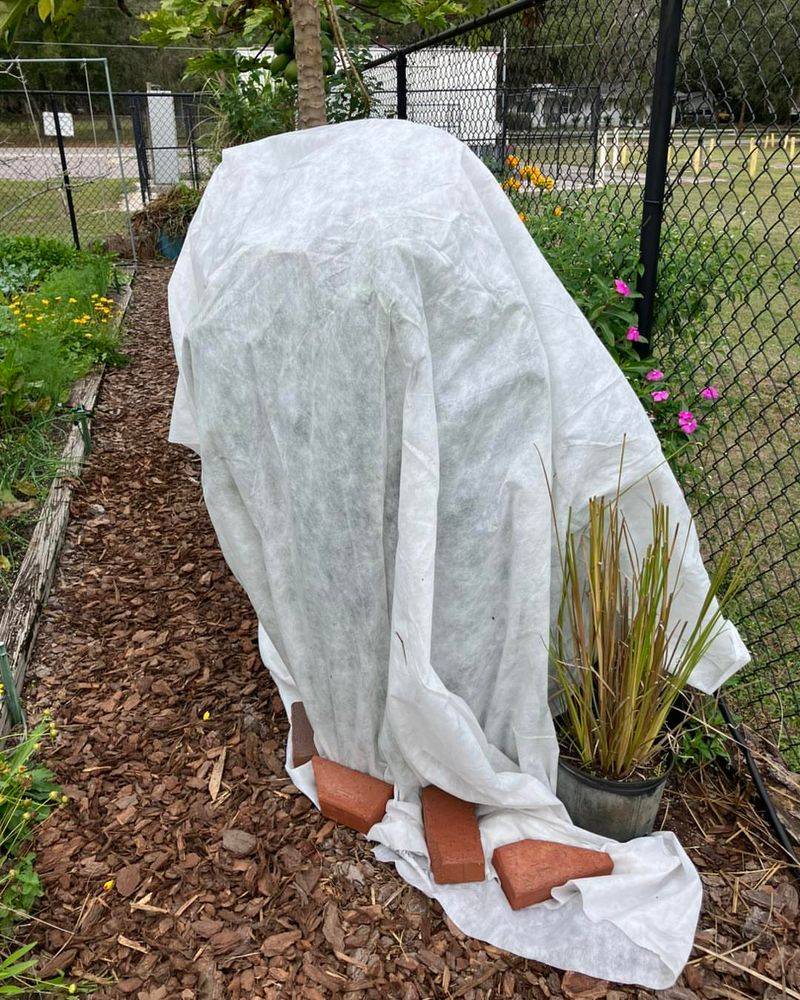
Cover in-ground plants with frost cloth, old sheets, or burlap when freezing weather threatens.
Plastic alone provides little insulation and can damage plants when it touches foliage.
Drape covers over stakes or cages so fabric does not rest directly on leaves.
Remove covers during the day so plants get light and air.
Mulch heavily around the base of borderline-hardy plants like tree ferns and Japanese maples.
Extra mulch insulates roots even if tops suffer frost damage.
Well-protected roots send up new growth in spring.
Water plants well before freezes since moist soil holds heat better than dry soil.
7. Divide Overgrown Perennials
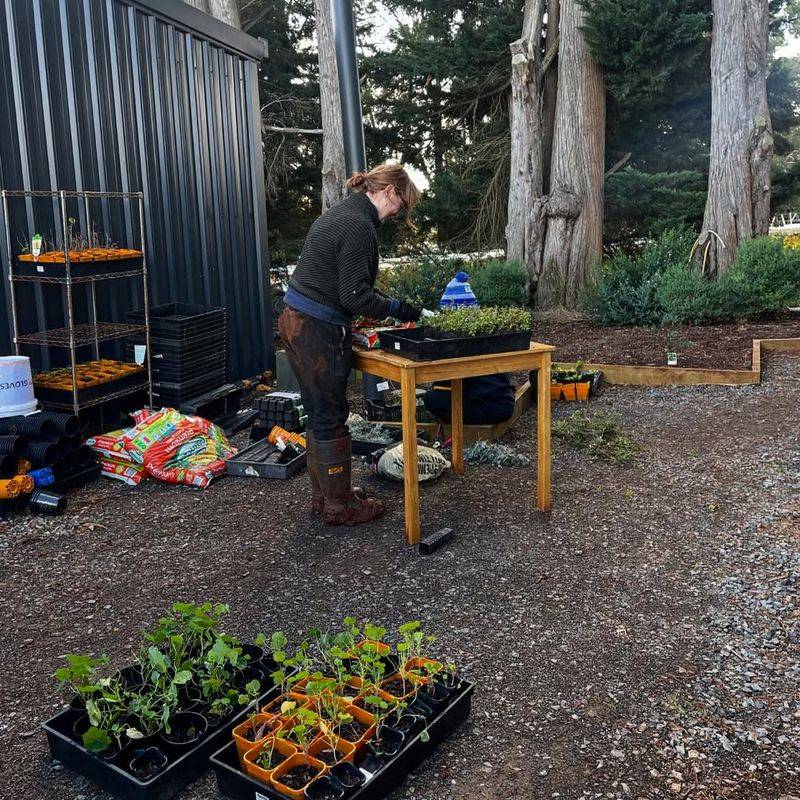
Perennials grow larger each year until they become crowded and bloom less abundantly.
Late winter offers a perfect opportunity to divide overgrown clumps while plants rest dormant.
Most perennials benefit from division every three to five years.
Ornamental grasses, hostas, and daylilies respond especially well to winter division in Oregon.
Use a sharp spade to cut through the root mass, or dig up the entire clump and pull it apart.
Each division needs several growing points and healthy roots to thrive.
Discard any sections that look weak or diseased.
Replant divisions immediately at the same depth they grew before.
Space them properly since they will grow to full size again.
Extra divisions make wonderful gifts for gardening friends or plant swaps.
You can also pot them up to sell at spring plant sales.
Water new divisions thoroughly even though rain usually handles this task in Oregon winters.
Mulch around replanted divisions to keep roots protected from cold.
Plants divided now establish strong root systems before spring growth begins.
Your perennial beds will look fuller and bloom better next summer thanks to winter division work.
8. Plan Your Spring Vegetable Garden
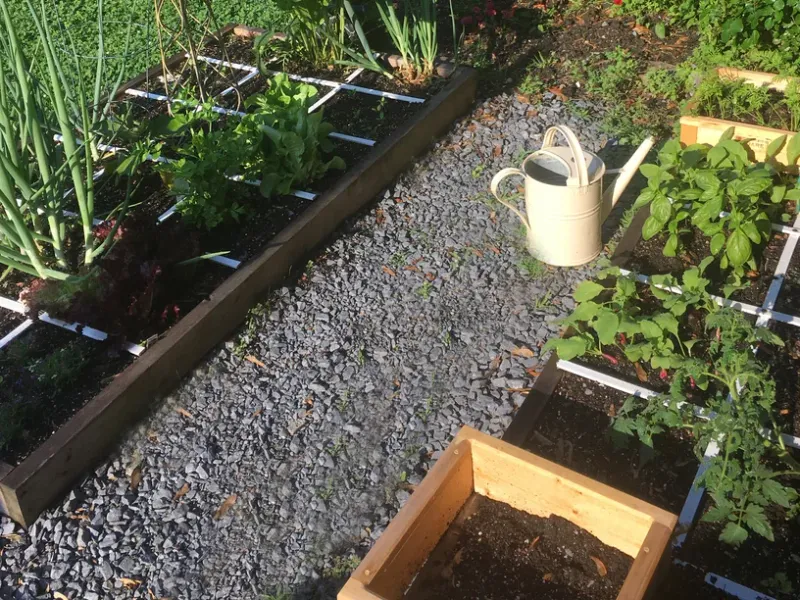
Seed catalogs arrive in January just when cabin fever peaks for Oregon gardeners.
Planning your vegetable garden now ensures you order seeds before popular varieties sell out.
A good plan also helps you rotate crops properly and use garden space efficiently.
Sketch your garden beds on paper and note what grew where last season.
Crop rotation prevents soil-borne diseases and balances nutrient use.
Plant tomatoes, peppers, and potatoes in different spots than last year.
Follow heavy feeders like corn with soil-building legumes like peas and beans.
Calculate planting dates by working backward from your area’s average last frost date.
Oregon’s varied climate zones have different frost dates, so check local extension resources.
Cool-season crops like lettuce, peas, and broccoli go in the ground six weeks before the last frost.
Warm-season crops like tomatoes and squash wait until after frost danger passes.
Order seeds early for the best selection and availability.
Heirloom varieties often sell out quickly from small seed companies.
Choose disease-resistant varieties suited to Oregon’s climate.
Planning now means you can start seeds indoors at the right time and have transplants ready when weather permits outdoor planting.
9. Service Your Lawn Mower And Equipment
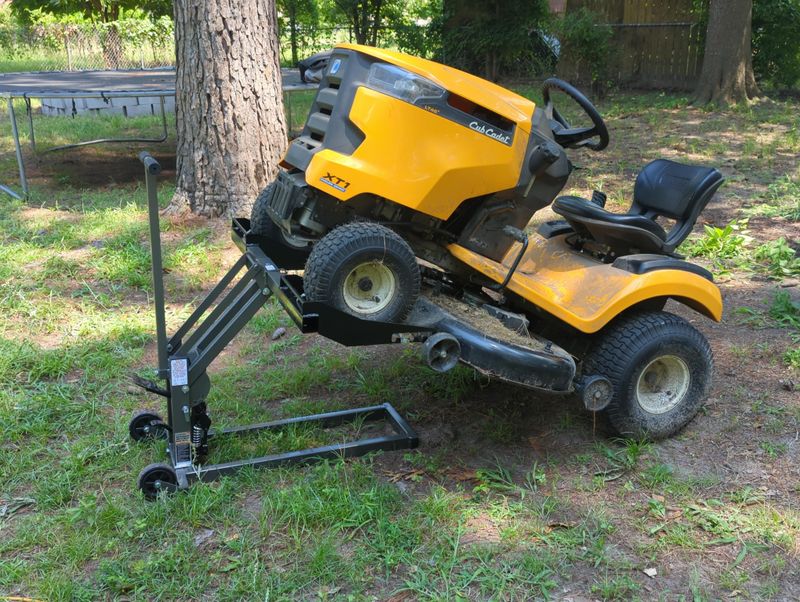
Spring arrives quickly in Oregon, and you want your lawn mower ready when grass starts growing.
Servicing equipment now beats discovering problems when you need tools most.
Small engine shops get swamped in spring, so winter service means faster turnaround and sometimes lower prices.
Change the oil in gas-powered mowers following your owner’s manual instructions.
Old oil contains acids and moisture that corrode engine parts during storage.
Replace or clean the air filter since dirty filters reduce power and increase fuel consumption.
Check the spark plug and replace it if the electrode looks worn or corroded.
Sharpen or replace mower blades for clean cuts that keep grass healthy.
Dull blades tear grass instead of cutting it, creating brown, ragged edges that invite disease.
Clean the mower deck thoroughly, removing all grass clippings and debris.
Dried grass holds moisture against metal and promotes rust.
Check fuel lines for cracks and tighten loose bolts and screws.
Add fuel stabilizer if you store equipment with gas in the tank.
Battery-powered equipment needs charged batteries stored in moderate temperatures.
Test electric mowers and trimmers to ensure they run properly.
Taking care of equipment now means reliable tools when you need them this spring.