These 8 Garden Pests Survive Oregon’s Mild Winters
Have you ever noticed tiny holes in your leaves or chewed stems even after a mild Oregon winter?
It’s easy to assume that pests disappear once the cold months arrive, but in our climate, some critters stick around, quietly waiting for the garden to wake up again.
You might spot the damage early, or sometimes it surprises you in spring, just as your plants start to grow.
It can be frustrating to see all your careful work affected, but knowing which pests survive the winter makes it easier to plan and protect your garden.
A little awareness now can save you time and stress later, and help your plants thrive once the growing season really kicks in.
Some pests quietly survive Oregon’s cooler months, and staying aware of them makes it easier to keep your plants strong and flourishing.
1. Slugs And Snails
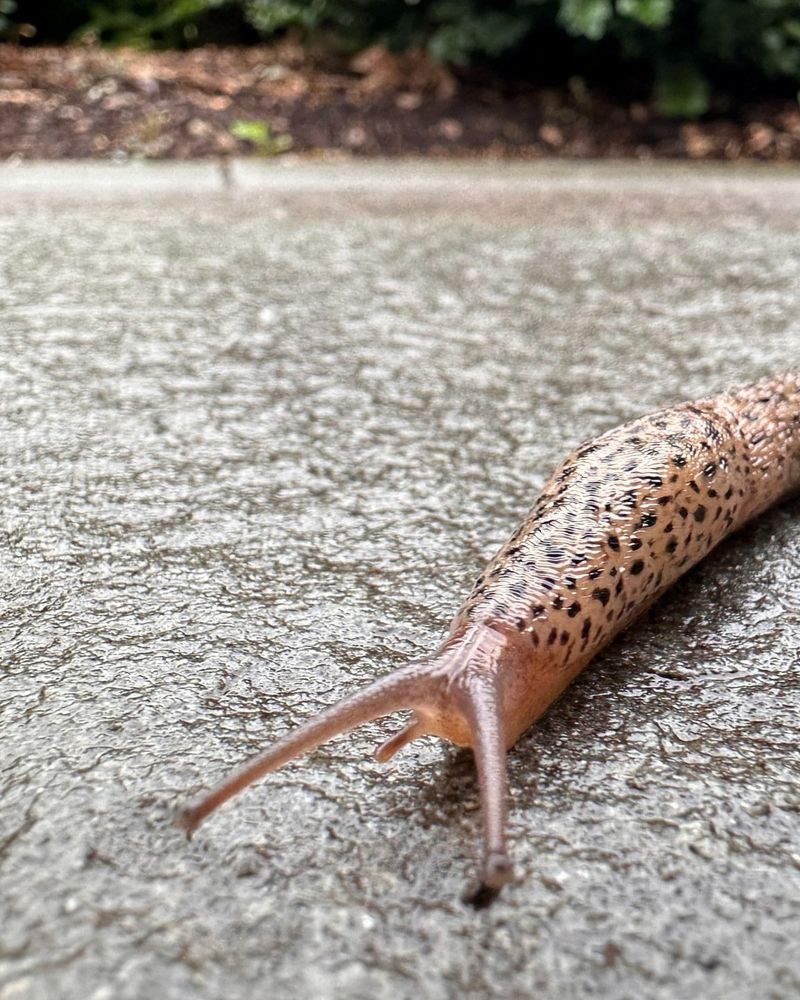
Oregon’s damp winters create perfect conditions for these slimy garden raiders.
While other regions see their slug populations drop dramatically in freezing weather, ours stay active all year long.
They hide under pots, boards, and leaf litter during the day, then emerge at night to feast on tender seedlings and young vegetables.
You might notice their silvery slime trails across pathways and leaves on mild winter mornings.
These trails tell you exactly where they have been traveling.
Slugs and snails can consume entire seedlings overnight, leaving nothing but stems behind.
Controlling them takes persistence.
Remove hiding spots like old boards and dense ground cover near your beds.
Hand-picking after dark works surprisingly well if you have the patience.
Beer traps attract them effectively, though you need to empty and refill them regularly.
Copper tape around raised beds creates a barrier they refuse to cross.
Diatomaceous earth sprinkled around plants cuts their soft bodies and deters them, but it needs reapplication after rain.
Some gardeners use iron phosphate bait, which works well and poses less risk to pets and wildlife than older slug baits.
Winter control efforts pay off tremendously.
Reducing their numbers now means fewer pests reproducing when spring arrives, giving your garden a healthier start to the growing season.
2. Root Weevils
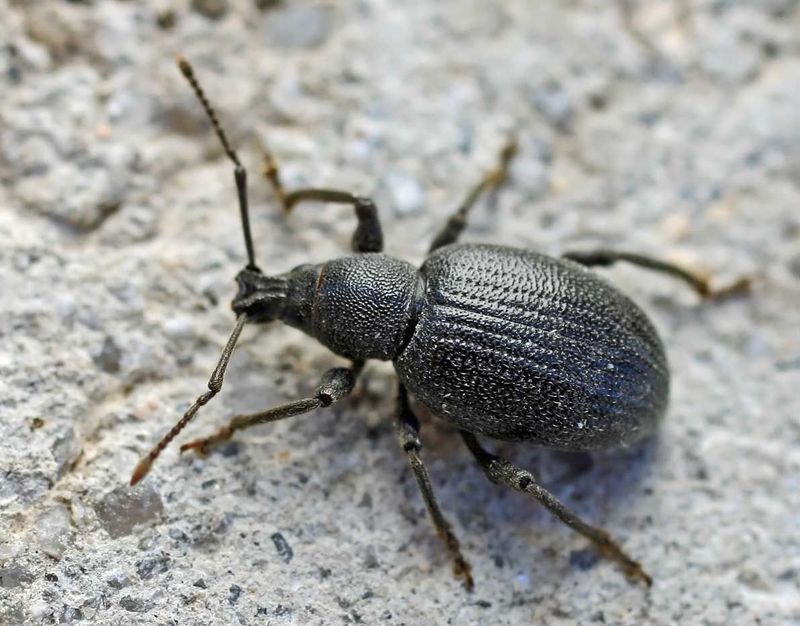
Black vine weevils and their relatives spend winter as larvae buried in the soil, happily munching on plant roots.
Adult weevils create those distinctive notched edges on rhododendron, azalea, and other shrub leaves, but the real damage happens underground where you cannot see it.
Larvae feed throughout winter on root systems, weakening plants gradually.
By spring, affected plants may look stunted or yellowed despite adequate water and fertilizer.
Severe infestations can compromise root systems so badly that plants topple over or fail to thrive.
Adults emerge in late spring and early summer, laying eggs near plant bases.
The eggs hatch into larvae that burrow into soil and begin their destructive feeding cycle.
One generation per year means winter larvae are the same ones that will become next season’s adults.
Beneficial nematodes applied to soil in fall or early spring target weevil larvae effectively.
Your Oregon Garden Changes Every Week. Your Plan Should Too.
Gardening in Oregon changes quickly throughout the season. Every Friday you’ll receive a simple weekly plan showing exactly what to plant, prune, fertilize, harvest, and protect so you never miss the right timing.
These microscopic organisms seek out and parasitize the larvae, reducing populations naturally.
Timing matters, though.
Soil temperature needs to be above 55 degrees for nematodes to work properly.
Sticky barriers around pots and trunk bases trap adult weevils trying to climb plants.
Hand-picking adults at night with a flashlight helps too, since they feed after dark.
Keeping mulch pulled back from plant crowns reduces hiding spots and makes your garden less appealing to egg-laying females.
3. Aphids
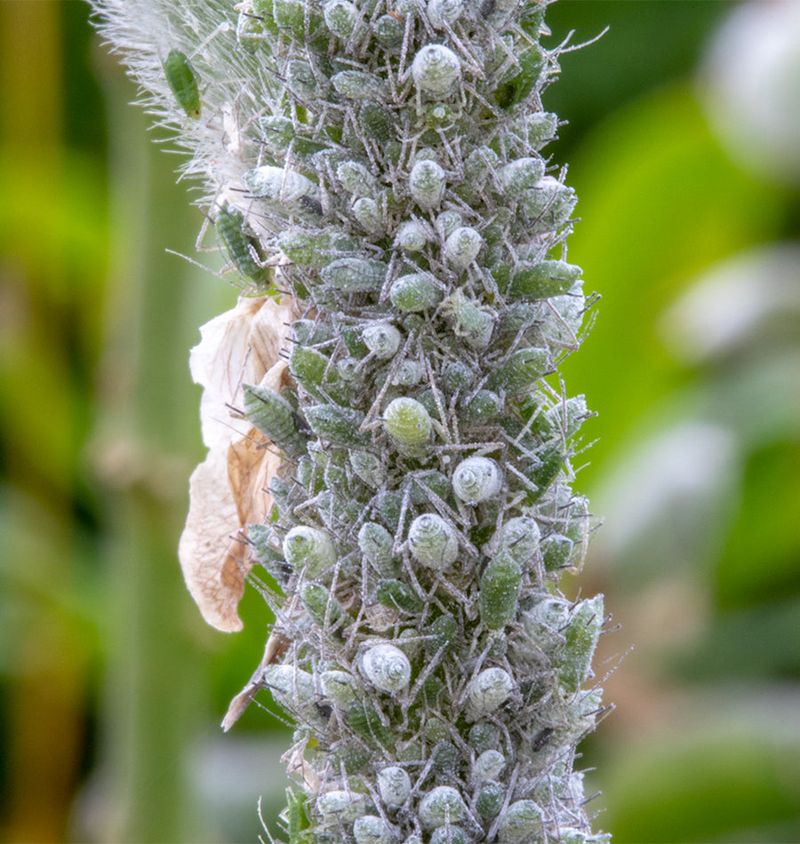
Tiny aphids cluster on new growth and leaf undersides year-round in Oregon gardens.
Cold snaps may slow them down temporarily, but they bounce back quickly once temperatures rise above 40 degrees.
Their rapid reproduction means a few aphids in winter can explode into thousands by spring.
These soft-bodied insects pierce plant tissue and suck out sap, weakening plants and spreading viral diseases.
They excrete a sticky substance called honeydew that attracts ants and encourages sooty mold growth.
Leaves may curl, yellow, or become distorted from heavy aphid feeding.
Winter vegetables like kale, cabbage, and chard often host aphid colonies during cold months.
Ornamental plants growing in protected spots near houses or under eaves provide cozy winter homes for these pests.
Greenhouses and cold frames become aphid paradise if you do not monitor carefully.
A strong spray from the hose knocks aphids off plants effectively.
Repeat every few days to manage populations without chemicals.
Insecticidal soap works well on contact, though it requires direct application to the insects themselves.
Encouraging beneficial insects helps tremendously.
Ladybugs, lacewings, and parasitic wasps all prey on aphids naturally.
Planting flowers that attract these helpers creates a balanced ecosystem.
Avoid using broad-spectrum pesticides that harm beneficial insects along with pests.
Winter is actually a great time to reduce aphid numbers before they multiply in spring warmth.
4. Vole Populations
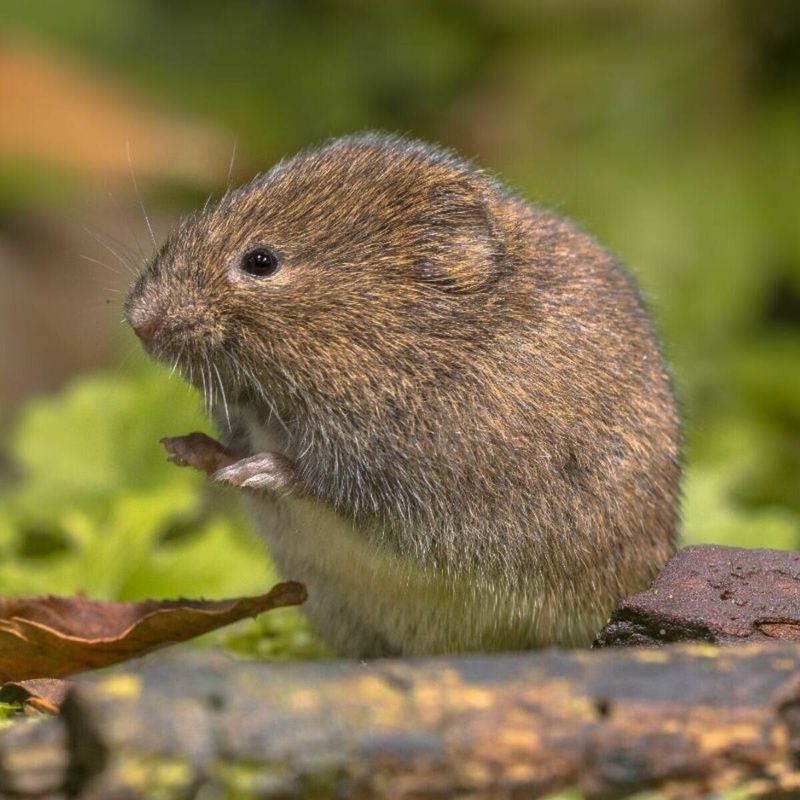
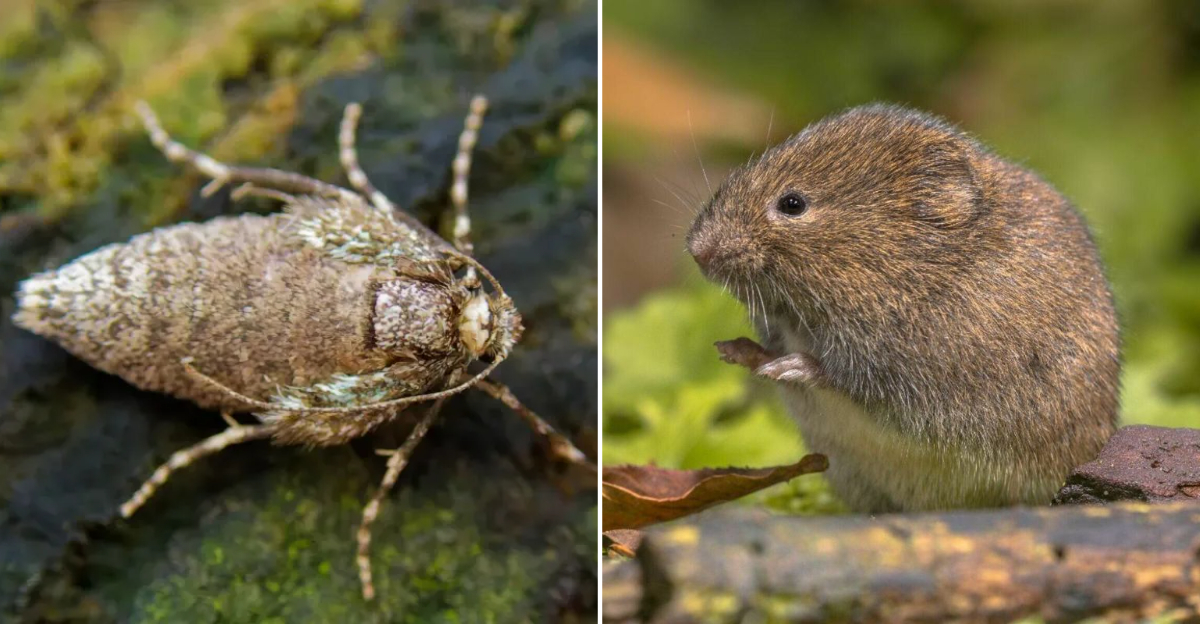
Small rodents with short tails and rounded ears, voles stay busy all winter long beneath mulch and snow.
They do not hibernate, so they need constant food.
Your garden provides an all-season buffet of roots, bulbs, bark, and tubers.
Voles create extensive runway systems through grass and ground cover.
These surface tunnels connect to underground burrows where they nest and store food.
Winter damage often goes unnoticed until spring when you discover girdled trees or missing bulbs.
Fruit trees suffer particularly badly.
Voles gnaw bark at the base of trunks, sometimes circling the entire tree.
This girdling cuts off nutrient flow and can severely damage or even end the tree’s life.
Young trees face the highest risk because their bark is tender and their root systems are not yet established.
Hardware cloth wrapped around tree trunks prevents vole damage effectively.
Bury the bottom edge several inches deep and extend it at least 18 inches up the trunk.
Keep mulch pulled back from tree bases, as deep mulch provides perfect vole cover.
Removing dense ground cover near vulnerable plants reduces vole habitat.
They prefer areas where they can move unseen by predators.
Cats, dogs, owls, and hawks all hunt voles, so encouraging these natural predators helps.
Snap traps baited with apple slices or peanut butter work for serious infestations.
Place them perpendicular to vole runways for best results.
5. Overwintering Moths
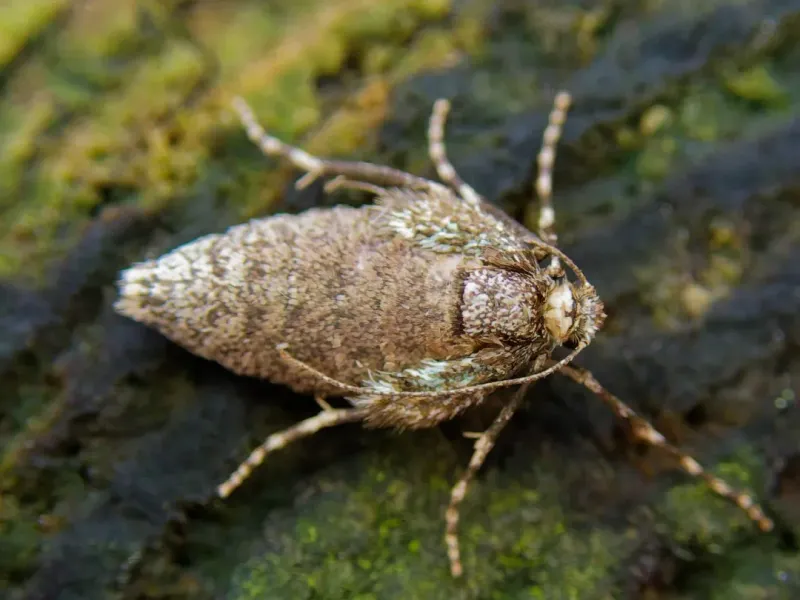
Codling moths and winter moths both survive Oregon’s mild winters, setting the stage for serious spring damage.
Codling moth larvae overwinter in protective cocoons tucked into bark crevices on apple and pear trees.
Winter moth females, which cannot fly, climb trees in late fall to lay eggs on branches and twigs.
Come spring, codling moth larvae emerge and immediately begin tunneling into developing fruit.
Wormy apples and pears result from codling moth activity.
Winter moth caterpillars hatch just as tree buds open, feeding voraciously on new leaves and blossoms.
Both pests can defoliate trees and ruin fruit crops if left unchecked.
Winter moth caterpillars dangle from trees on silk threads, often dropping onto people walking beneath infested branches.
Heavy infestations weaken trees over multiple seasons, reducing their vigor and fruit production.
Sticky bands wrapped around tree trunks in fall trap flightless winter moth females as they climb to lay eggs.
Apply bands in October and keep them sticky through December.
Scraping loose bark before applying bands removes hiding spots for codling moth cocoons.
Cardboard trunk wraps provide artificial hiding spots where codling moth larvae pupate.
Remove and destroy these wraps in winter to reduce spring populations.
Dormant oil sprays applied in late winter smother overwintering eggs and larvae.
Timing matters greatly, as you want to spray before buds begin swelling but after the coldest weather has passed.
6. Spider Mites
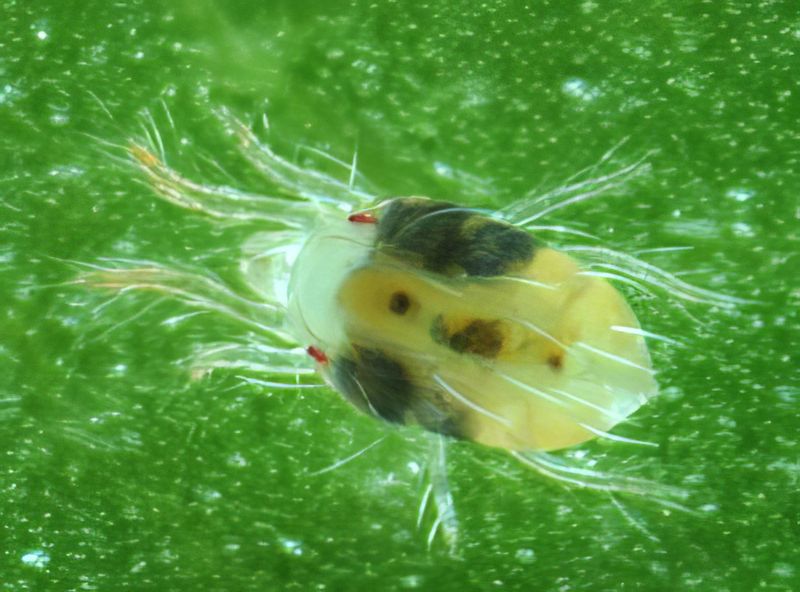
These microscopic pests thrive indoors during winter and attack outdoor plants during warm spells.
You might not notice spider mites until you see fine webbing on plant leaves or stippled, yellowing foliage.
Each tiny mite pierces plant cells and sucks out contents, causing cumulative damage.
Greenhouses and indoor plants face the biggest winter spider mite problems.
Warm, dry conditions allow populations to explode rapidly.
One female can lay hundreds of eggs in her short lifetime, and eggs hatch in just a few days under ideal conditions.
Outdoor plants growing against south-facing walls or under eaves may host spider mites even in winter.
Evergreen shrubs and perennials that retain foliage year-round provide continuous habitat.
Stressed plants attract spider mites more readily than healthy, well-watered specimens.
Increasing humidity helps control spider mites naturally.
They struggle in moist conditions, which is why they proliferate in heated indoor spaces.
Regular misting or placing pots on pebble trays filled with water raises humidity around plants.
Strong water sprays dislodge mites and destroy their webs.
Spray leaf undersides thoroughly, as that is where mites congregate.
Insecticidal soap or horticultural oil works on contact but requires direct application to the mites.
Predatory mites released in greenhouses establish populations that keep spider mites in check.
These beneficial mites do not harm plants and provide ongoing control without repeated chemical applications.
7. Fungus Gnats
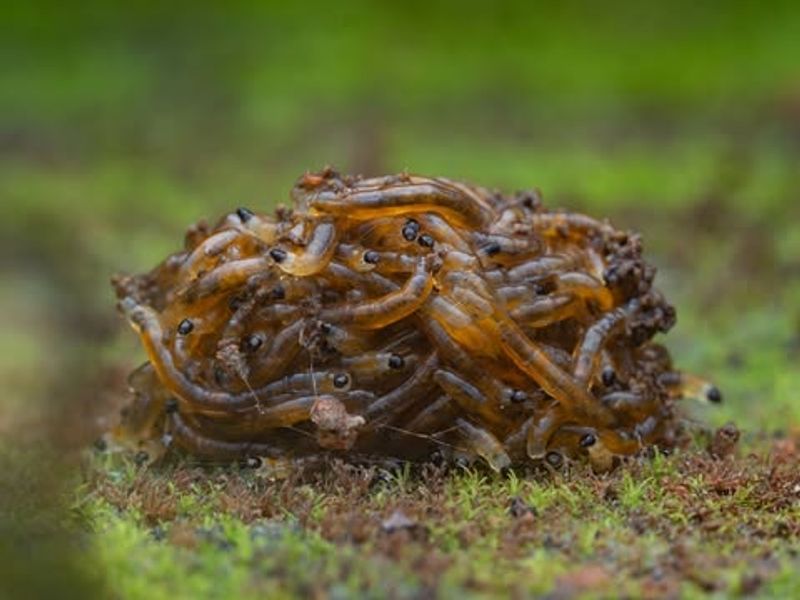
Anyone who grows plants indoors during winter knows these annoying little flies.
Fungus gnats lay eggs in moist potting soil, and their larvae feed on organic matter and plant roots.
Adults emerge and buzz around plants and windows, becoming a nuisance even though they do not bite.
Overwatering creates ideal fungus gnat conditions.
Constantly moist soil allows larvae to thrive and complete their life cycle in just a few weeks.
Large populations can damage plant roots, especially on seedlings and young plants with delicate root systems.
You will often see adult gnats resting on soil surfaces or flying up when you water plants.
They are weak fliers and tend to stay close to infested pots.
One infested plant can spread gnats throughout your entire indoor garden quickly.
Allowing soil to dry between waterings disrupts the fungus gnat life cycle.
Larvae need moisture to survive, so drier conditions reduce their numbers significantly.
Yellow sticky traps placed near plants catch adult gnats and help monitor population levels.
A layer of sand or fine gravel on top of potting soil prevents adults from laying eggs and stops emerging adults from escaping.
Beneficial nematodes mixed into potting soil attack fungus gnat larvae just as they do other soil-dwelling pests.
Mosquito dunks containing Bt bacteria dissolved in water and used for watering target larvae specifically.
This method works well for serious infestations and poses no risk to plants or beneficial organisms.
8. Crane Fly Larvae
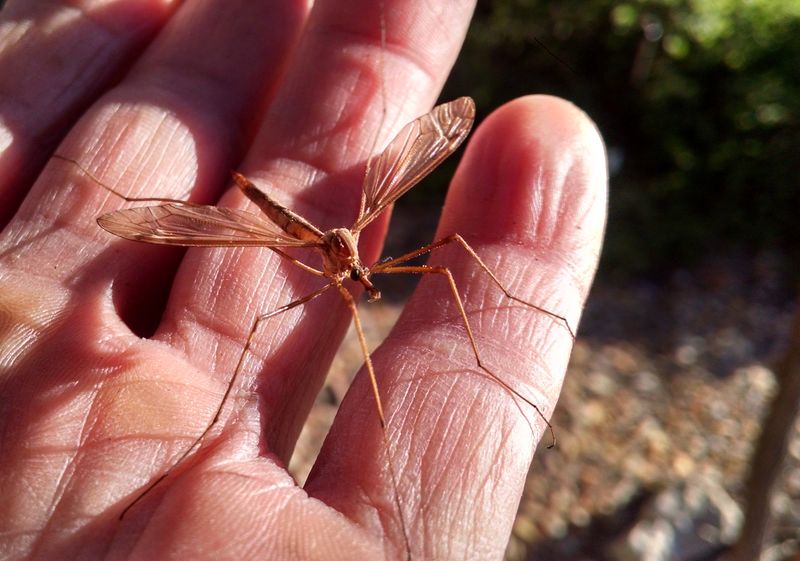
Often called leatherjackets, these gray-brown grubs live in soil and feed on grass roots and organic matter through fall and winter.
Adult crane flies look like giant mosquitoes but do not bite.
They emerge in late summer and fall to lay eggs in lawns and garden beds.
Larvae hatch and begin feeding immediately, growing larger throughout winter.
They come to the surface at night to feed on grass blades and seedlings.
By spring, they have reached full size and can cause significant damage to lawns and young plants.
Irregular brown patches in lawns often indicate crane fly larva damage.
Grass pulls up easily in affected areas because roots have been eaten away.
Birds pecking at your lawn may signal crane fly larvae presence, as birds love eating these grubs.
Beneficial nematodes applied in fall target young crane fly larvae when they are most vulnerable.
Spring applications work too but are less effective since larvae are larger and tougher.
Proper lawn care helps grass recover from larva damage and makes it more resilient.
Aerating soil and improving drainage reduces crane fly problems.
These pests prefer moist, compacted soil where they can move easily and find abundant food.
Overseeding thin areas helps grass outcompete larvae damage.
Some gardeners use predatory nematodes as a preventive treatment each fall, maintaining populations that keep crane fly numbers low.
Encouraging birds to visit your yard provides natural control, as robins and starlings consume large numbers of larvae.