Spray These 9 Fruit Trees Before Bud Break In Oregon
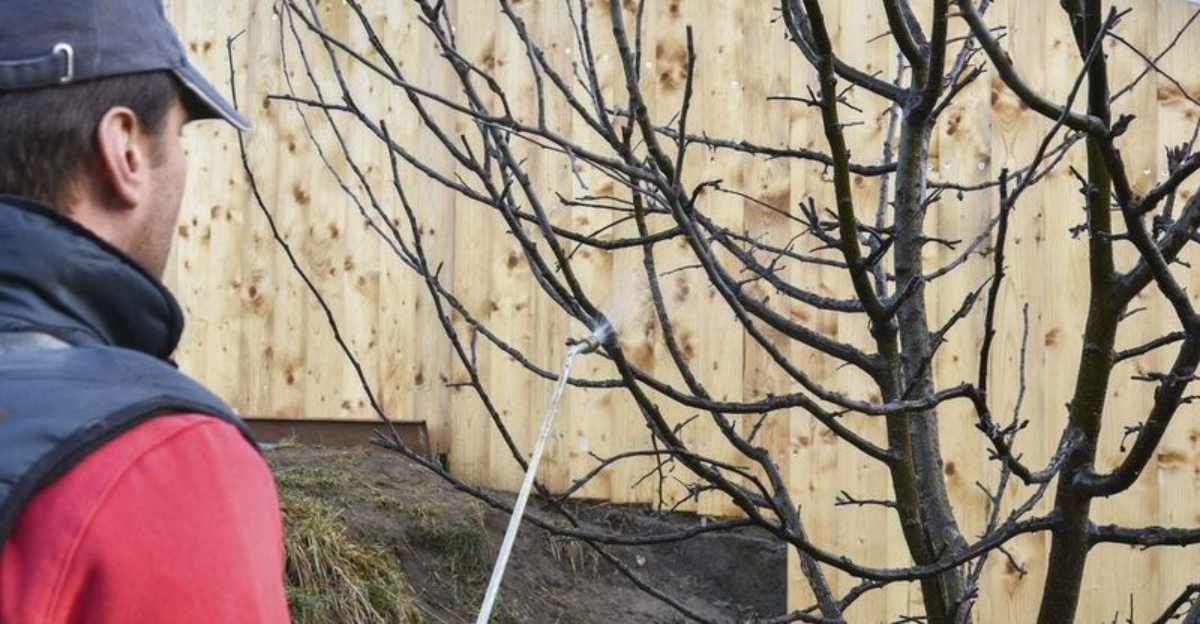
Have you ever looked at your fruit trees in late winter and wondered what you should be doing before buds start to appear?
In Oregon, the transition from winter to early spring is the perfect time to get ahead on tree care.
Taking a few preventative steps now can make a huge difference in the health and productivity of your trees once the growing season kicks in.
Spraying fruit trees before bud break is one of those tasks that pays off all year.
It helps protect your trees from pests, diseases, and fungal issues that can damage blossoms or reduce fruit yield.
Skipping this step can mean dealing with problems later that are much harder to manage.
Even if your trees have looked healthy in the past, every season brings new challenges.
Early care gives you the chance to stay proactive and protect your investment.
Here’s a look at nine fruit trees that benefit from a pre-bud-break spray in Oregon and some tips to help keep them strong, healthy, and ready for a bountiful season ahead.
1. Apple
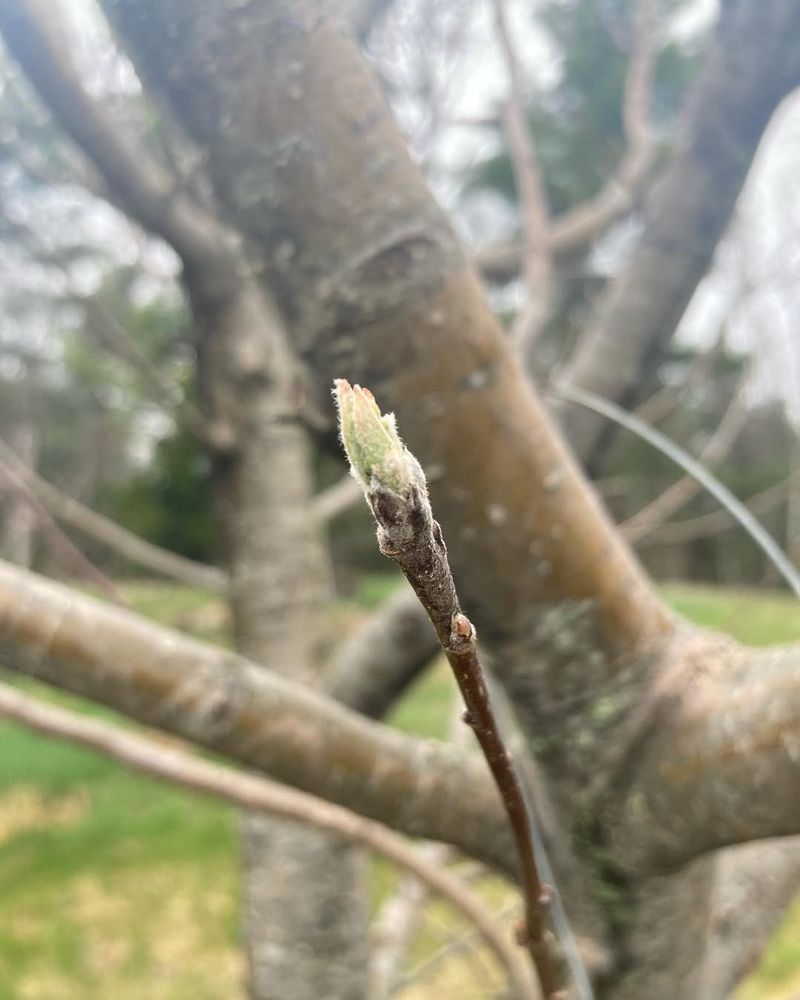
Who doesn’t want a healthy, producing apple tree in their garden?
However, apple trees face serious threats from fungal diseases like apple scab and powdery mildew, especially in Oregon’s damp climate.
Dormant oil sprays work wonders when applied before buds swell in late February or early March.
This timing suffocates overwintering pests like aphids, mites, and scale insects that hide in bark crevices.
Copper-based fungicides offer another layer of protection against bacterial and fungal infections.
Mix them according to package directions and spray on a calm, dry day when temperatures stay above 40 degrees.
Cover all branches thoroughly, including the undersides where spores often lurk.
Fire blight poses a constant danger to apple trees in the Pacific Northwest.
A preventive spray containing streptomycin or copper can reduce infection rates significantly.
Apply it right before bloom when bacteria become active but before flowers open fully.
Remember that healthy trees resist disease better than stressed ones.
Prune out dead or diseased wood before spraying to improve air circulation.
Good sanitation practices combined with timely treatments create the best defense against common apple problems throughout the growing season.
Paying attention to weather patterns and watching for early signs of trouble also helps you adjust your care and keep your apple trees productive year after year.
2. Pear
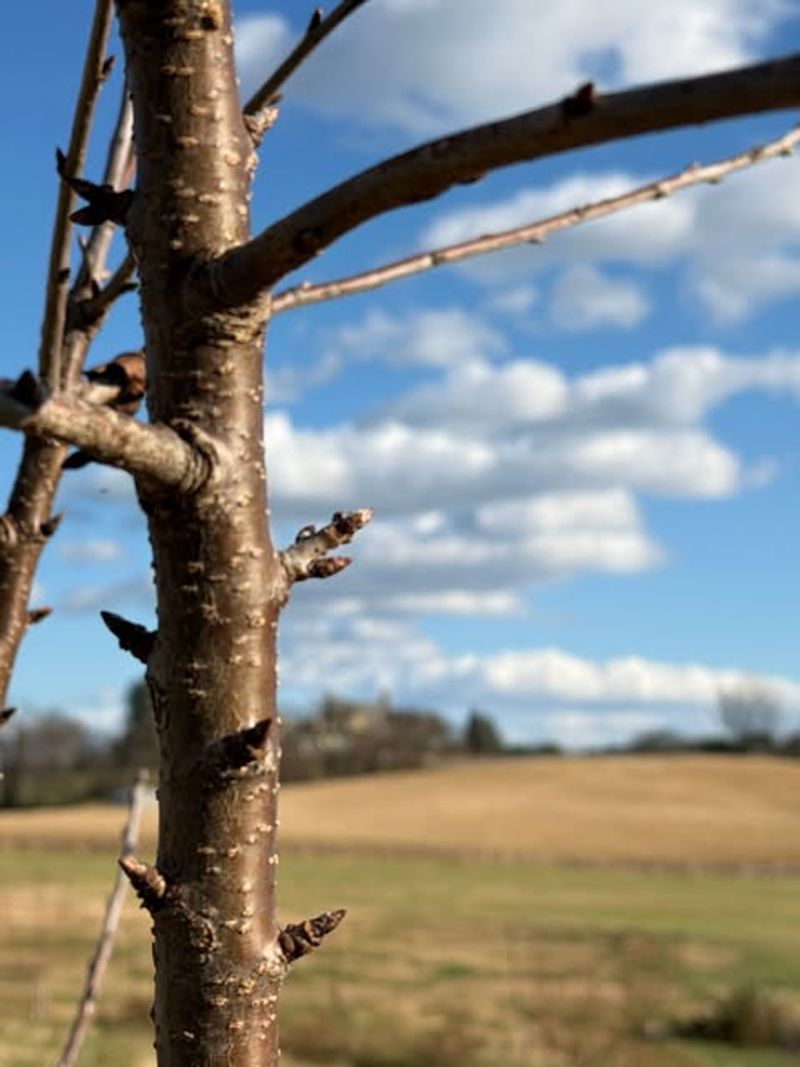
Many fruit trees in Oregon face similar challenges, but few are as susceptible to fire blight as pears.
This aggressive bacterial disease can wipe out a tree in a single season when warm, wet conditions allow it to spread.
Early spring copper sprays help lower bacterial levels before temperatures rise and disease pressure increases.
A tiny pest known as pear psylla feeds on leaves and young shoots, creating serious stress if it is not controlled.
Dormant oil sprays in late winter smother overwintering eggs and adults.
Apply these treatments when temperatures are expected to stay above freezing for at least 24 hours so the oil coats surfaces evenly.
Your Oregon Garden Changes Every Week. Your Plan Should Too.
Gardening in Oregon changes quickly throughout the season. Every Friday you’ll receive a simple weekly plan showing exactly what to plant, prune, fertilize, harvest, and protect so you never miss the right timing.
Fungal problems such as pear scab also respond well to preventive care.
Lime sulfur or copper fungicides used before bud break interrupt disease cycles and give the tree a cleaner start to the season.
These products are most effective while the tree remains dormant.
Proper pruning should always come before spraying.
Cut out any branches that show signs of fire blight at least 12 inches below the affected area, and disinfect tools between every cut.
Clean equipment and well-timed sprays give your trees a far better chance at a productive year, and consistency keeps recurring problems from gaining a foothold.
3. Asian pear
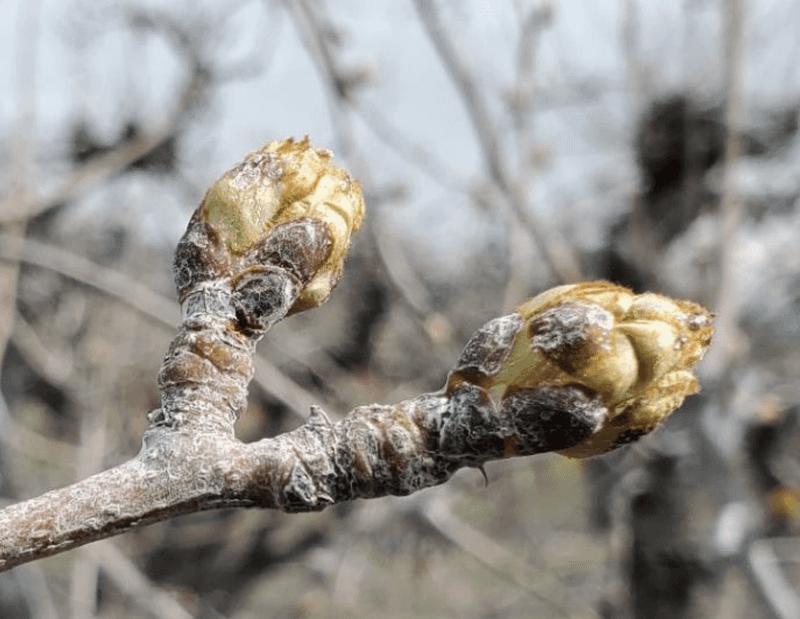
Asian pears grow beautifully in Oregon’s climate, but they need the same care as their European cousins.
Fire blight remains the biggest concern, especially during warm, wet springs.
Copper sprays applied before bloom offer solid protection without harming beneficial insects that arrive later.
These trees also struggle with pear rust, a fungal disease that creates orange spots on leaves and fruit.
Preventive fungicide applications during dormancy reduce infection rates dramatically.
Look for products containing myclobutanil or captan, and follow label instructions carefully for best results.
Scale insects and aphids overwinter on Asian pear bark, ready to multiply when temperatures rise.
Horticultural oil sprays suffocate these pests before they can reproduce.
Apply when the tree is completely dormant and temperatures will remain mild for several days afterward.
Asian pears bloom earlier than many fruit trees, so timing becomes even more critical.
Monitor your trees closely as winter ends and spray at the first sign of bud swell.
Missing this window means dealing with problems all season long.
A little attention now saves hours of frustration and potential crop loss when summer arrives.
Gardeners who keep records of past spray dates and weather patterns often find it easier to hit the right timing year after year.
4. Quince
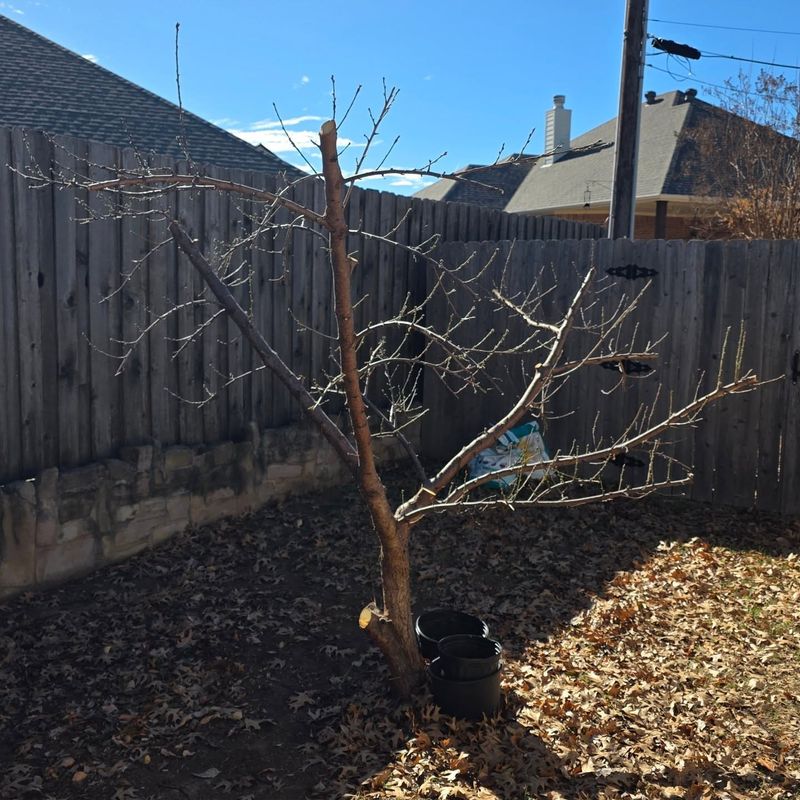
Old-fashioned fruit trees add a lot of character to Oregon gardens, but they still face steady pressure from pests and disease in the region’s wet spring climate.
Fire blight affects quince just as aggressively as apples and pears, often spreading quickly once temperatures rise and rain becomes frequent.
Copper-based bactericides applied before flowers open provide an important layer of protection during these vulnerable early growth stages.
Making sure buds, branches, and trunk surfaces are well coated helps suppress bacterial activity before it can gain momentum.
Leaf spot diseases are another common concern and can strip a tree of foliage by midsummer if left unchecked.
Fungicides that contain chlorothalonil or copper, applied while the tree remains dormant, interrupt the disease cycle before spores infect new growth.
Careful coverage is especially important around branch joints and rough bark where fungal spores overwinter.
Quince rust, closely related to pear rust, appears as bright orange spots on leaves and fruit and spreads rapidly during Oregon’s damp spring weather.
Sulfur or copper fungicides applied before bud break significantly reduce the chance of infection.
Scale insects also favor quince bark and weaken trees over time, but dormant oil sprays in late winter smother these pests before they become active.
With consistent preventive care, these trees reward you with heavy flowering and fragrant fruit ideal for preserves and baking.
5. Cherry
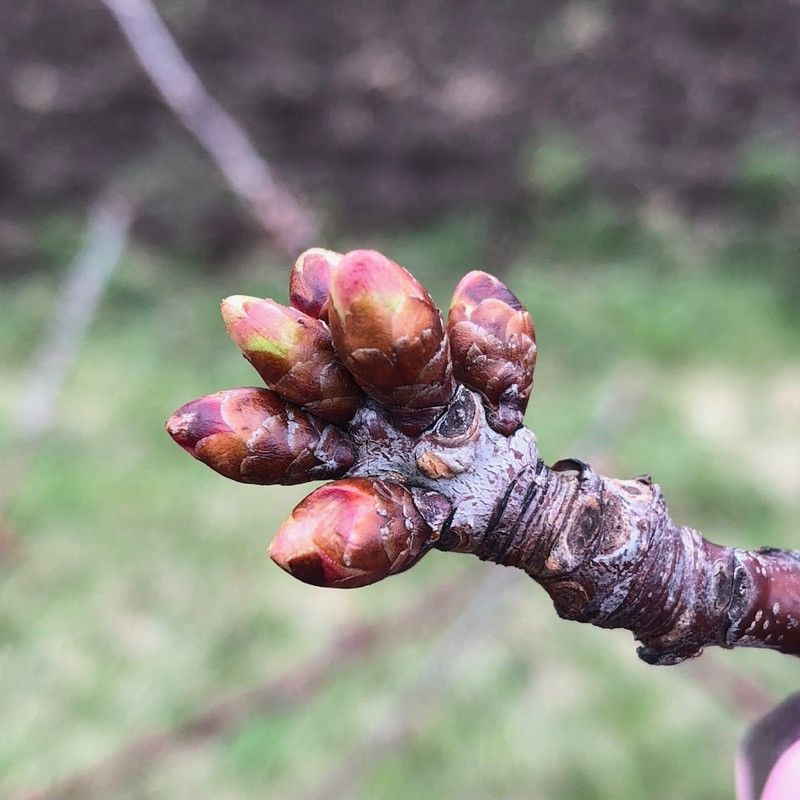
In Oregon’s damp spring climate, stone fruit trees face steady pressure from bacterial and fungal diseases that can weaken growth and reduce fruit quality.
Bacterial canker is one of the biggest threats, often showing up as oozing sores along trunks and branches.
Copper fungicides applied before bud break help limit these infections, especially when trees are fully dormant and temperatures remain cool and stable.
Brown rot is another serious concern, and it survives winter in shriveled fruit left hanging on branches or lying beneath the tree.
Clearing away this old fruit before spraying removes a major source of infection.
Fungicides containing chlorothalonil or captan applied afterward provide an added layer of protection that greatly reduces the chance of outbreaks once warmer weather arrives.
Cherry leaf spot also takes a toll over time by causing premature leaf drop, which weakens trees year after year.
Dormant-season sprays lower the number of fungal spores before leaves emerge, making later infections far less likely.
Applying treatments on dry days gives the products time to bond to bark surfaces.
Aphids and scale insects target tender new growth, but horticultural oil sprays in late winter smother these pests before they become active.
With these early steps in place, both sweet and sour varieties are better prepared for a strong, productive season.
6. Peach
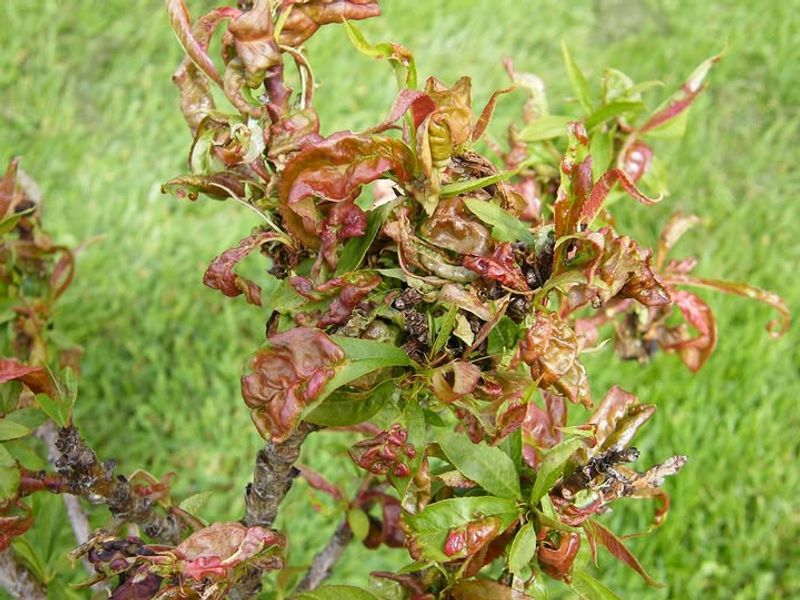
Peach leaf curl ranks as the most devastating disease for peach trees in the Pacific Northwest.
This fungal infection causes leaves to pucker, redden, and drop prematurely, severely weakening trees.
Fortunately, a single well-timed application of copper or lime sulfur fungicide before bud break provides nearly complete control.
Timing proves absolutely critical with peach leaf curl prevention.
Spray after leaves fall in autumn or before buds swell in late winter.
Once buds begin to open, fungicides become far less effective.
Watch your trees carefully as February transitions to March.
Brown rot also threatens peach crops, causing fruit to rot both on trees and in storage.
Dormant season sprays with copper fungicides reduce fungal spore populations before bloom.
This preventive approach works much better than trying to control active infections later.
Scale insects and borers attack peach tree bark, creating entry points for disease organisms.
Horticultural oil applications during dormancy suffocate scale while also helping to control overwintering moth eggs.
Apply on a mild day when temperatures exceed 40 degrees and rain isn’t expected.
Healthy peach trees produce abundantly, making this early care well worth the effort.
7. Plum
There are many things that can go wrong with a plum tree.
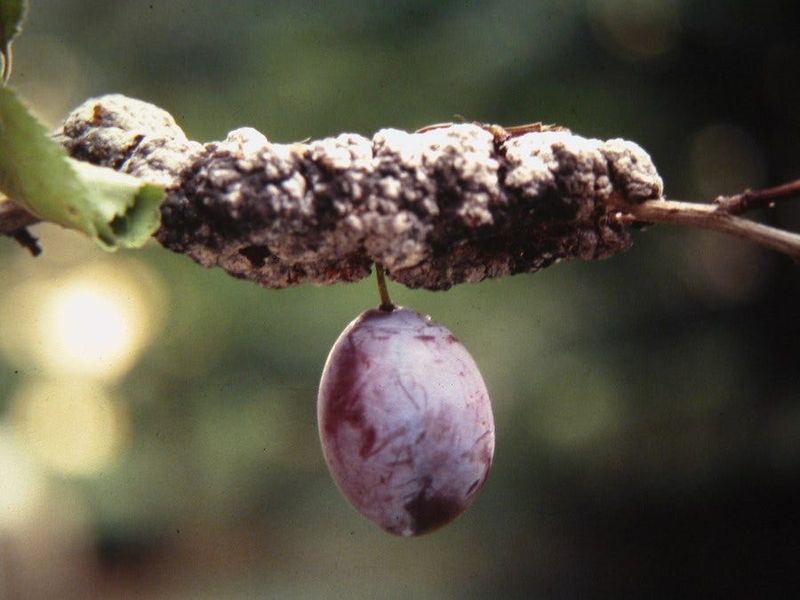
Black knot is one of the most recognizable problems, forming dark, rough swellings along branches that grow larger each year if they are not removed.
Pruning out infected wood before any spraying is essential, followed by copper fungicides applied during dormancy to stop spores from spreading to healthy tissue.
Brown rot is another major threat, especially during Oregon’s wet springs.
It attacks blossoms first and later infects developing fruit, causing rapid decay.
Copper sprays applied before bloom help lower fungal levels before flowers open.
Both European and Japanese plum varieties benefit from this treatment, though Japanese plums often show slightly better natural resistance.
Aphids are also a persistent issue, gathering on tender new growth and causing leaves to curl while spreading plant viruses.
Dormant oil sprays applied in late winter smother overwintering eggs before they hatch and become active.
Bacterial canker creates sunken, oozing spots on trunks and branches and can slowly weaken the entire tree.
Copper bactericides used during late winter reduce new infections.
When these treatments are paired with good watering, careful pruning, and balanced fertilization, plum trees stay stronger and are better able to handle disease pressure throughout the growing season.
8. Apricot

Apricot trees bloom earlier than most fruit trees, making them particularly vulnerable to late frost and spring diseases.
Brown rot fungus attacks blossoms and young fruit, causing complete crop failure in severe cases.
Copper fungicides applied before flowers open provide crucial protection during this critical window.
Bacterial canker poses another serious threat to apricots in Oregon’s climate.
This disease causes branch dieback and oozing sap, weakening trees progressively.
Spray with copper bactericides during dormancy when trees can absorb treatments without stress from active growth.
Eutypa dieback, a fungal disease that enters through pruning wounds, slowly destroys apricot trees over several years.
Preventive copper sprays after pruning and before bud break help protect fresh cuts.
Always prune during dry weather and immediately apply protective treatments to exposed wood.
Scale insects and aphids overwinter on apricot bark, ready to explode in population when warm weather arrives.
Horticultural oil applications during late winter control these pests effectively.
Spray on a calm day when temperatures will remain above 40 degrees for at least 48 hours.
Apricots reward careful attention with delicious fruit, but they demand vigilance against diseases that thrive in Pacific Northwest conditions.
9. Crabapple
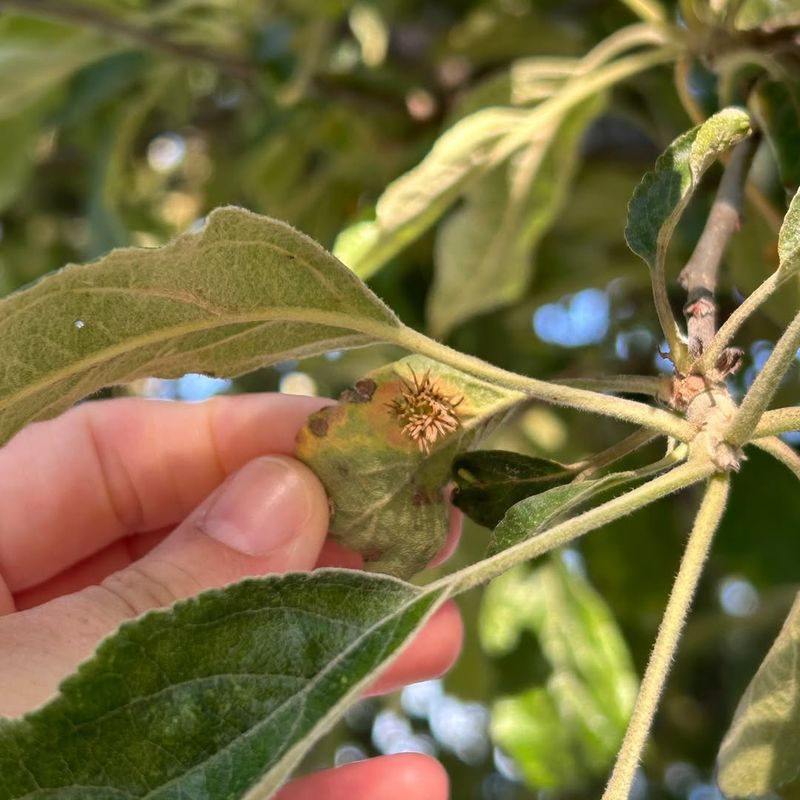
Ornamental fruit trees add beauty and function to Oregon landscapes, but the same diseases that affect full-size apples also target crabapples.
Apple scab is one of the most common problems, showing up as dark blotches on leaves and fruit that make trees look worn by midsummer.
Copper or sulfur fungicides applied before bud break interrupt the disease cycle and prevent spores from infecting new growth.
Fire blight can move through crabapples with alarming speed, sometimes wiping out entire branches in a matter of days.
Copper bactericides sprayed during the dormant season help reduce bacterial populations before flowers open.
Choosing resistant varieties provides some protection, but even those benefit from early preventive care in Oregon’s damp spring climate.
Powdery mildew coats leaves and young shoots with a pale, dusty film that slows growth and weakens the tree over time.
Sulfur or copper sprays applied during dormancy help stop spring infections before they gain a foothold.
Thorough coverage matters, especially along twigs and branch joints where fungal spores hide through winter.
Scale insects and aphids also favor crabapples, building large populations that drain sap from tender new growth.
Dormant oil sprays in late winter smother these pests before they can reproduce.
With consistent early-season care, crabapples reward you with striking blooms and colorful fruit that support both wildlife and home harvests.