13 Genius Ways To Upcycle Your Garden In Oregon
Have you ever stepped outside in the morning, coffee in hand, and noticed a few tired corners of your garden that could use a little love?
Maybe it’s an old planter, a stack of pots, or something sitting in the shed that you keep meaning to deal with.
If you garden in Oregon, you already know how much the weather, seasons, and even a little moss can shape what grows and what doesn’t.
Sometimes all it takes is a small idea to make things feel fresh again.
You don’t need anything fancy, just a few things you already have and a bit of curiosity.
What could that old bucket become?
Could that worn bench find a new purpose?
If you enjoy simple, practical ways to make your outdoor space more inviting, you’re in the right place.
These ideas are easy to try, kind to your budget, and meant to fit right into everyday Oregon life.
1. Old Wooden Pallets As Vertical Planters
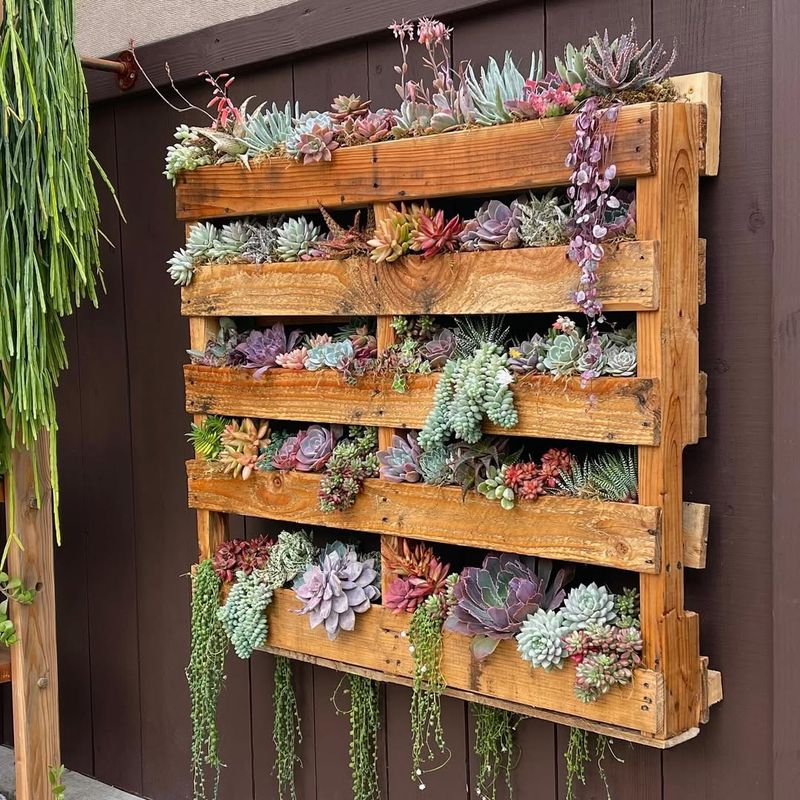
Wooden pallets stack up against fences or walls and create instant vertical gardens.
You can find free pallets at local stores or warehouses, and they work perfectly for growing herbs, strawberries, or flowers.
Sand them down to remove splinters, then add landscape fabric to the back so soil stays in place.
Oregon’s mild climate means you can use pallet planters year-round in many areas.
Lean them upright, secure them with stakes, and fill the gaps with potting mix.
This setup saves ground space and makes harvesting herbs super easy since everything grows at eye level.
Paint or stain the wood to match your garden’s style, or leave it natural for a rustic look.
Drainage happens naturally through the slats, so roots stay healthy.
You can also attach small pots or jars to the pallet for even more planting options.
Vertical planters work great on patios, balconies, or small yards where ground space is limited.
They add height and visual interest to flat gardens.
Plus, making them is a fun weekend project that costs almost nothing but delivers big results for your outdoor space.
2. Mason Jars Turned Into Hanging Lanterns
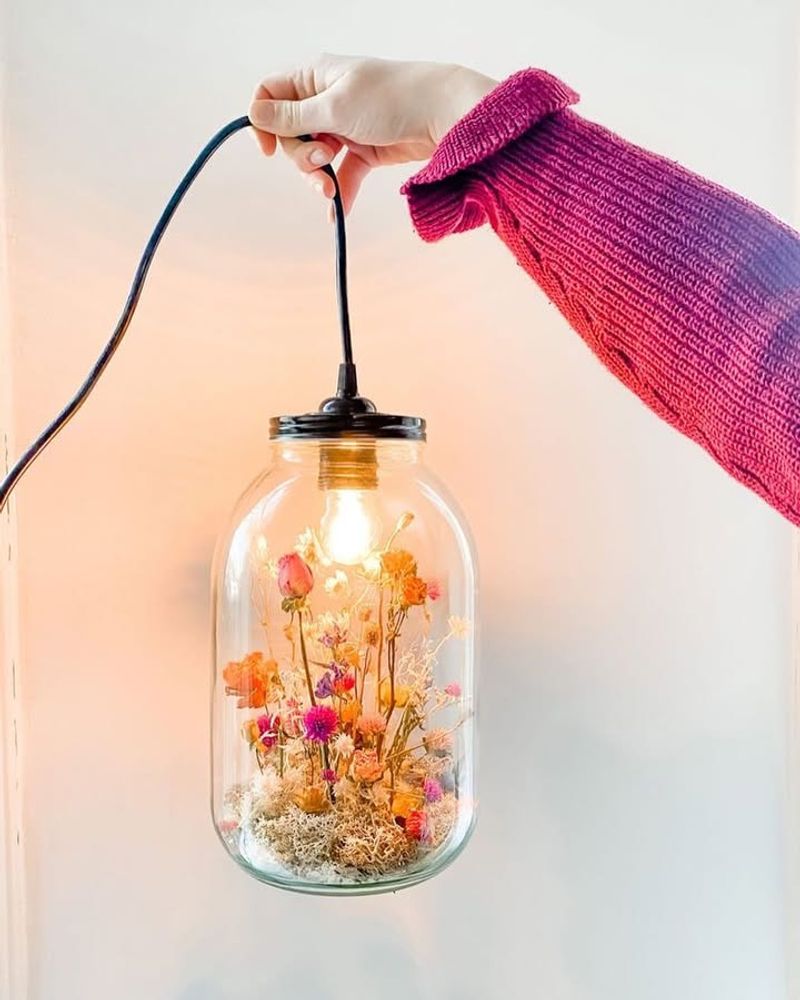
Mason jars gather dust in cupboards, but they make charming outdoor lanterns when you add candles or solar lights.
Wrap wire around the jar’s neck to create a handle, then hang them from tree branches, pergolas, or shepherd’s hooks.
The glass protects flames from Oregon’s frequent breezes while casting a warm glow.
You can paint the outside of jars with frosted glass spray for a softer light effect.
Drop in battery-operated tea lights for worry-free evenings, or use citronella candles to keep bugs away during summer gatherings.
The jars are weatherproof and easy to clean.
Cluster several jars at different heights for a magical nighttime atmosphere.
They work beautifully for outdoor dinners, garden parties, or just relaxing evenings on the porch.
You can even add decorative elements like twine, lace, or pressed flowers to personalize each lantern.
This project takes minutes to complete and uses supplies you probably already have.
Your Oregon Garden Changes Every Week. Your Plan Should Too.
Gardening in Oregon changes quickly throughout the season. Every Friday you’ll receive a simple weekly plan showing exactly what to plant, prune, fertilize, harvest, and protect so you never miss the right timing.
Mason jar lanterns add ambiance without electricity, and they look equally good in modern or cottage-style gardens.
When morning comes, simply blow out the candles and store the jars until next time.
3. Broken Terra Cotta Pots As Fairy Gardens
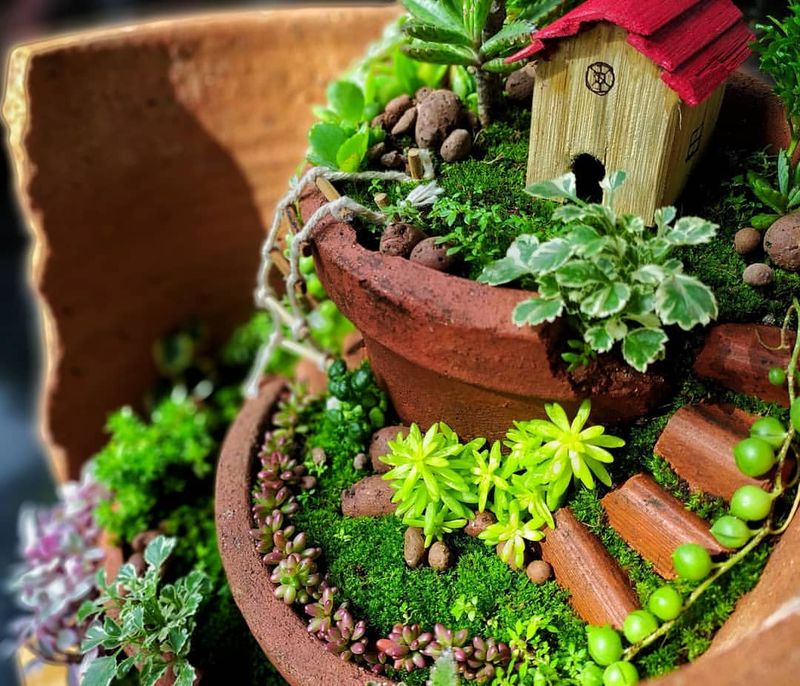
Cracked or broken pots seem useless, but they create whimsical miniature landscapes.
Arrange the broken pieces at angles to form tiny terraces, pathways, or walls within a larger pot.
Plant succulents, moss, or small flowers in the spaces between shards for a magical fairy garden effect.
Oregon’s damp climate makes moss grow easily, which adds to the enchanted forest feel.
Position a large shard as a backdrop, then nestle smaller pieces around it to create levels.
Add tiny figurines, pebbles, or miniature furniture to complete the scene.
Kids especially love helping design these mini worlds.
The project teaches them about plants while sparking creativity and imagination.
Broken pots that would otherwise go to waste become conversation pieces that guests always notice and admire.
Fairy gardens fit on porches, windowsills, or garden tables.
They need minimal care since succulents and moss thrive with little attention.
You can change the theme seasonally or add new elements whenever inspiration strikes.
Each broken pot becomes a unique piece of garden art that tells its own tiny story.
4. Rain Gutters As Strawberry Planters
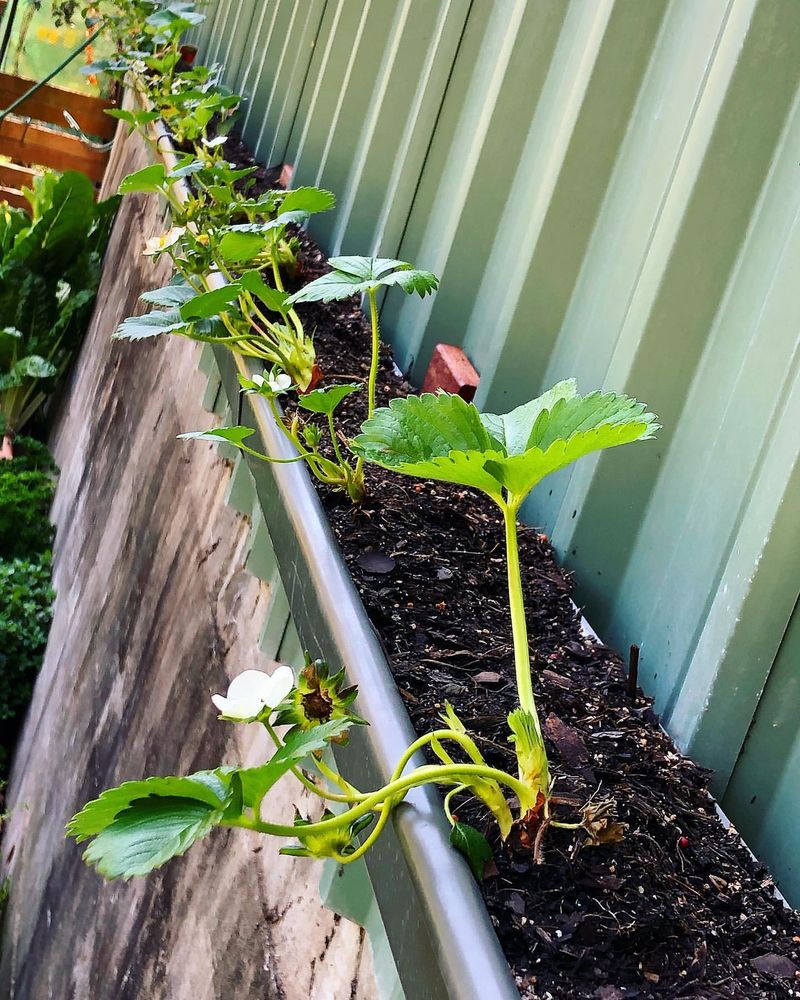
Leftover rain gutters from home projects become perfect strawberry planters when mounted horizontally.
Drill drainage holes every few inches, cap the ends, and mount the gutters on fences or walls.
Fill them with potting soil and plant strawberry starts along the length.
Strawberries love this setup because runners dangle over the edges and fruit stays clean off the ground.
Oregon’s berry-growing climate means abundant harvests from these space-saving planters.
The elevated position also protects berries from slugs and makes picking easy on your back.
You can paint gutters to match your house or fence, or leave aluminum ones shiny for a modern look.
Stack multiple gutters at different heights to maximize your strawberry crop.
This system works for lettuce, herbs, or trailing flowers too.
Installation takes just a few hours with basic tools.
Secure gutters firmly since soil and water add weight.
The long, narrow shape fits awkward spaces like narrow side yards or above pathways.
Watering is simple since you just run a hose along the top and let it trickle down through each section.
5. Old Tires Painted As Colorful Planters
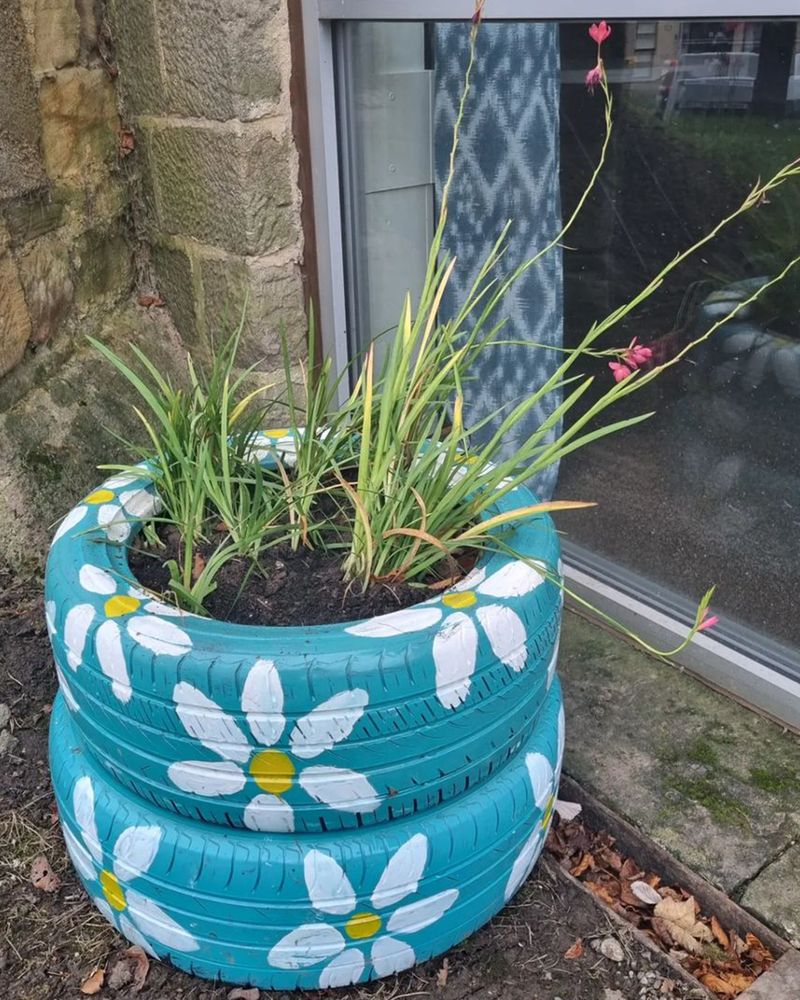
Used tires pile up at garages and recycling centers, but they make durable, weatherproof planters.
Clean them thoroughly, then paint bright colors or patterns on the outside.
Stack tires for height or lay them flat and fill with soil for low-growing plants.
Rubber withstands Oregon’s rain and temperature swings without cracking or fading quickly.
Tires provide excellent drainage and insulation for roots.
You can plant vegetables, flowers, or even small shrubs depending on tire size.
Paint transforms tires from eyesores into fun garden features.
Use outdoor paint in bold colors that complement your plantings.
Kids enjoy painting tires and watching their artwork become part of the garden.
The rubber texture holds paint well after proper preparation.
Cut tires in half for smaller planters or leave them whole for deeper root space.
Arrange several painted tires in groupings for visual impact.
They work especially well for potatoes, tomatoes, or cascading flowers.
The cost is nearly zero, and tires last for years without rotting or breaking down like some materials do.
6. Wine Bottles As Garden Border Edging
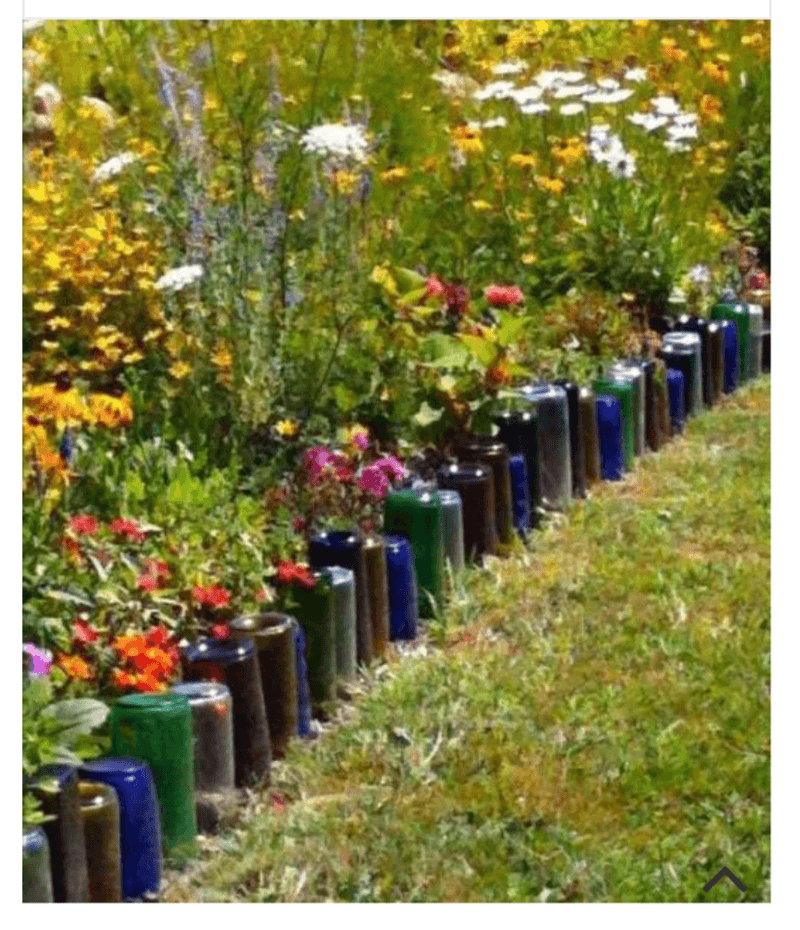
Empty wine bottles create stunning glass borders around garden beds.
Dig a narrow trench along your bed’s edge, then insert bottles upside down so just the bottoms show.
Pack soil firmly around them to hold bottles in place.
The glass catches sunlight and creates a colorful, reflective border.
Oregon wineries produce plenty of bottles in beautiful colors from deep green to amber to clear.
Collect bottles over time or ask local restaurants to save them.
Mixing colors creates interesting patterns, or use all one shade for uniform elegance.
Bottle borders define spaces clearly and prevent grass from creeping into beds.
They add height variation and artistic flair to garden edges.
Rain and sun keep glass naturally clean, and the material never rots or needs replacing.
This project costs nothing if you save your own bottles.
The border keeps mulch contained and creates a finished look.
Bottles can be removed and rearranged if you change your garden layout.
The sparkling glass adds unexpected beauty while solving a practical problem, and guests always ask about this creative border solution.
7. Dresser Drawers Transformed into Raised Beds
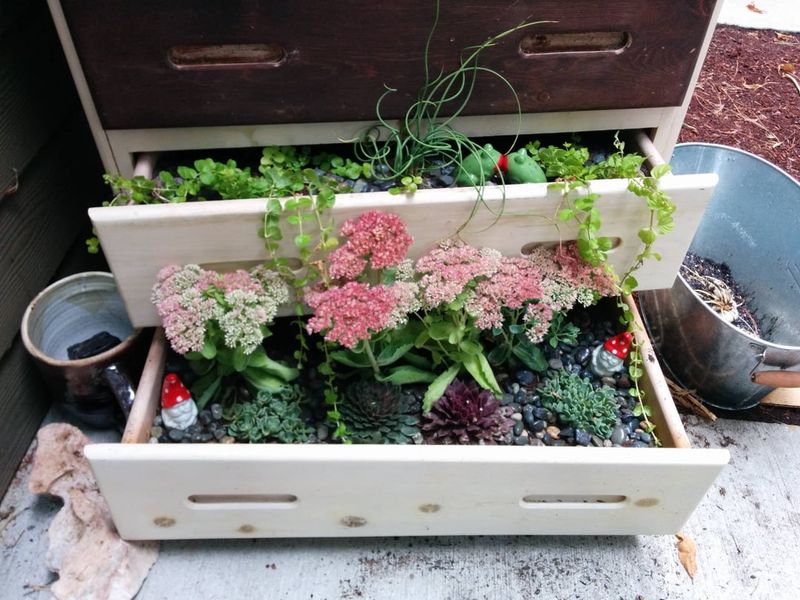
Old dressers break down into individual drawers that make excellent small raised beds.
Remove drawers completely from the frame, drill drainage holes in the bottom, and set them directly on the ground or on bricks for elevation.
Fill with soil and plant vegetables, herbs, or flowers.
Wooden drawers have depth for good root growth and sides that contain soil perfectly.
Oregon thrift stores overflow with old furniture that works for this project.
The varied sizes let you create an interesting collection of planters at different heights.
Paint or stain drawers for weather protection and style.
Handles add character and make moving planters easier.
You can arrange drawers in rows, clusters, or scattered throughout the garden for a cottage look.
Shallow drawers work for lettuce and herbs while deeper ones suit tomatoes or peppers.
The wood eventually weathers to a silvery gray if left natural.
Line drawers with landscape fabric before adding soil to extend their life.
This upcycling project saves furniture from landfills while giving you functional, charming raised beds that cost almost nothing to create.
8. Bicycle Wheels As Trellis Supports
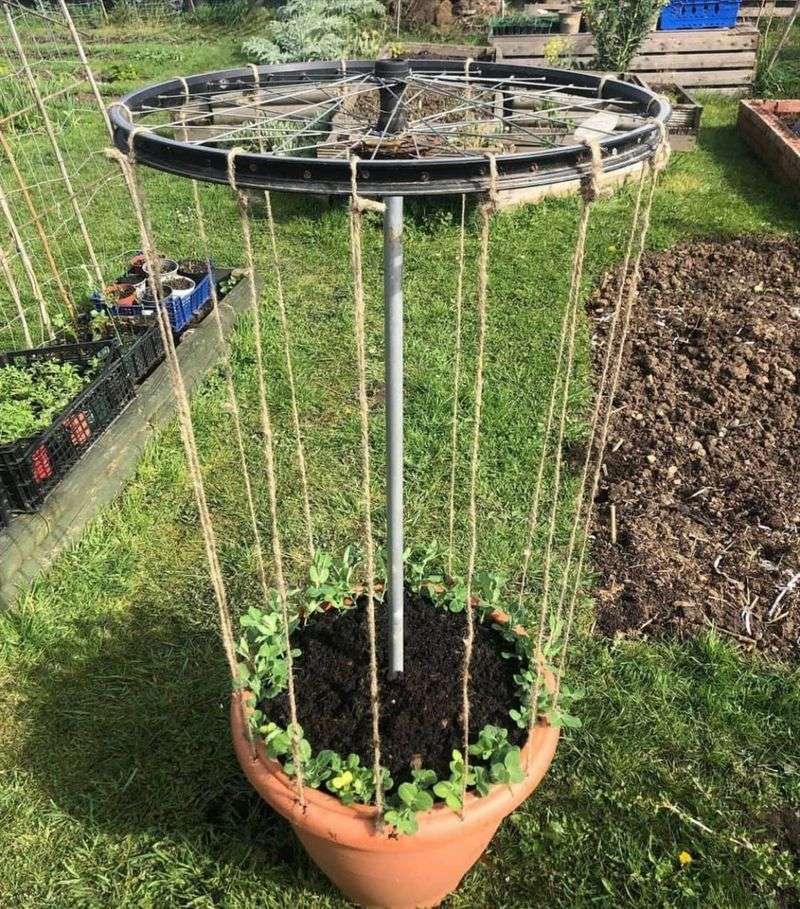
Old bicycle wheels make circular trellises that support climbing plants beautifully.
Attach wheels to fence posts or stakes, then train peas, beans, or morning glories to climb the spokes.
The round shape creates an interesting focal point and provides plenty of surface area for vines.
Wheels are sturdy enough to hold heavy vegetable crops without bending.
Oregon’s bike culture means plenty of damaged wheels end up at recycling centers or garage sales.
Spray paint wheels in bright colors or leave them rusty for industrial charm.
Mount wheels vertically or at angles for different effects.
The spokes create natural climbing paths that plants follow easily.
You can hang small pots from the rim for extra planting space or add decorative elements between spokes.
This trellis style works in vegetable gardens or flower beds.
Wheels add height without blocking views since they are mostly open space.
Installation is simple with basic tools.
The circular shape softens the straight lines common in garden layouts and adds whimsy.
Plants grow through and around the spokes, eventually covering the wheel in green foliage and blooms or vegetables.
9. Colander Hanging Baskets For Drainage
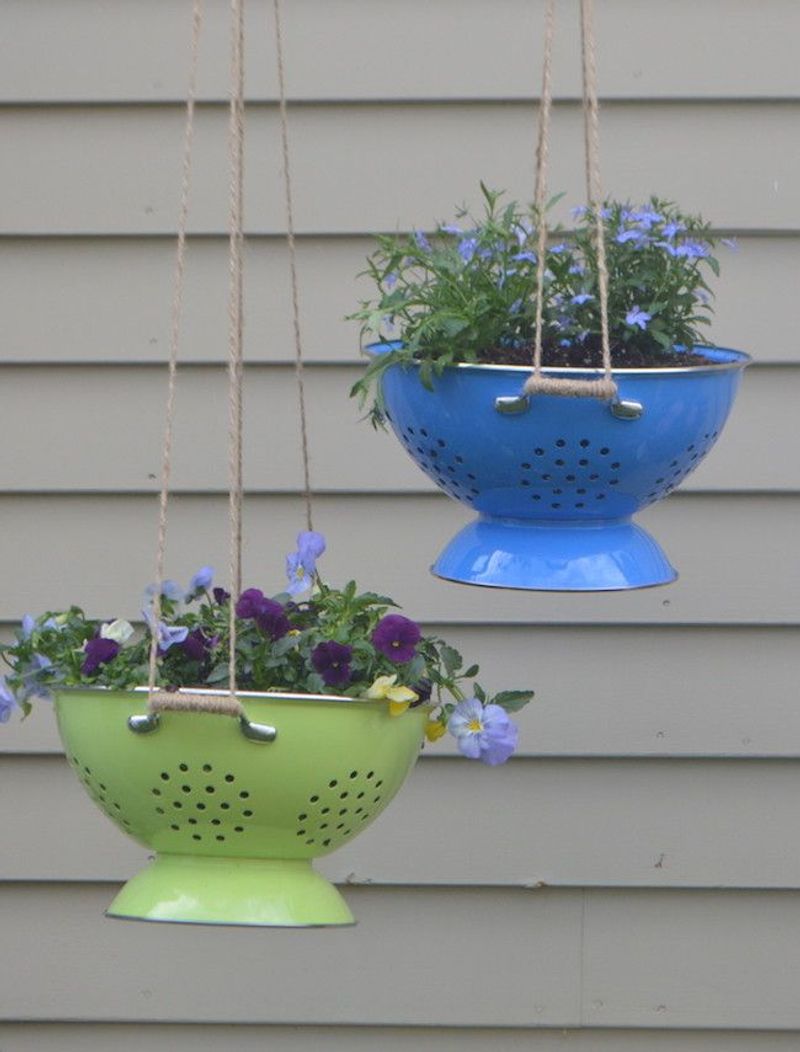
Metal colanders from thrift stores become hanging planters with built-in drainage.
The holes drain excess water perfectly, preventing root rot even during Oregon’s rainy seasons.
Thread chain or sturdy rope through the handles and hang from hooks, branches, or pergola beams.
Line colanders with coconut fiber or landscape fabric to hold soil while allowing water to escape.
Plant trailing flowers, herbs, or strawberries that cascade over the edges.
The metal develops a weathered patina over time that adds rustic character.
Colanders come in various sizes and colors, from vintage enamelware to stainless steel.
Mix different styles for an eclectic look or match them for consistency.
The lightweight material makes them easy to hang even in spots that cannot support heavy pots.
Watering is simple since excess drains immediately through the holes.
Plants stay healthier with this natural drainage system.
Colanders cost just a few dollars at secondhand stores.
They add height variation to gardens and look especially charming on porches or near entryways where guests can admire the creative reuse of kitchen items.
10. Broken Concrete As Rustic Pathways
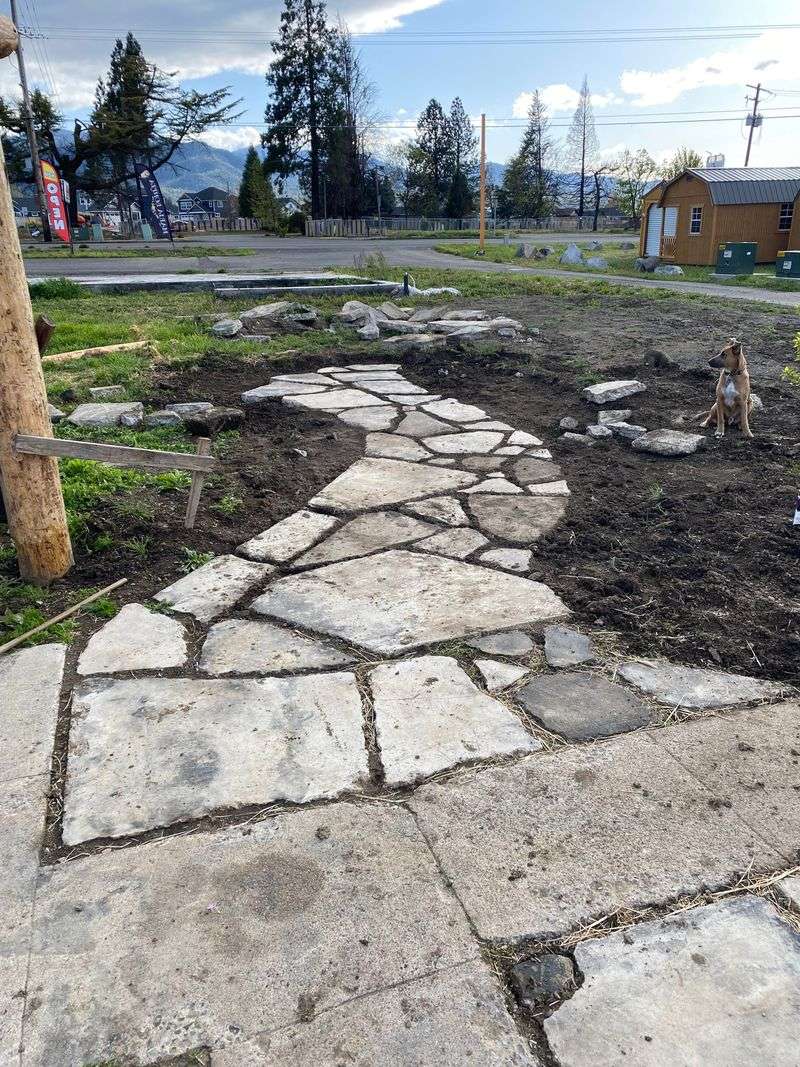
Chunks of broken concrete from demolished patios or driveways create free pathway materials.
Arrange irregular pieces like puzzle stones, leaving gaps for ground cover plants like thyme or moss to grow between.
The result looks like expensive flagstone but costs nothing.
Oregon’s climate encourages moss growth in shady areas, which softens the concrete’s hard edges.
Larger pieces form stable stepping stones while smaller bits fill gaps.
The varied thickness and texture add character that uniform pavers cannot match.
Dig shallow trenches where you want paths, add gravel for drainage, then set concrete pieces.
Level them roughly for safe walking.
Plant creeping herbs in the gaps for fragrance when stepped on.
The pathway improves drainage and keeps feet clean during wet weather.
Concrete handles Oregon’s freeze-thaw cycles better than many materials.
The irregular pattern looks natural and artistic.
You can expand paths over time as you collect more pieces.
This solution turns demolition waste into attractive hardscaping.
Friends always assume you paid for expensive stone work when they see these creative pathways winding through your garden beds.
11. Wooden Ladder As Vertical Display Stand
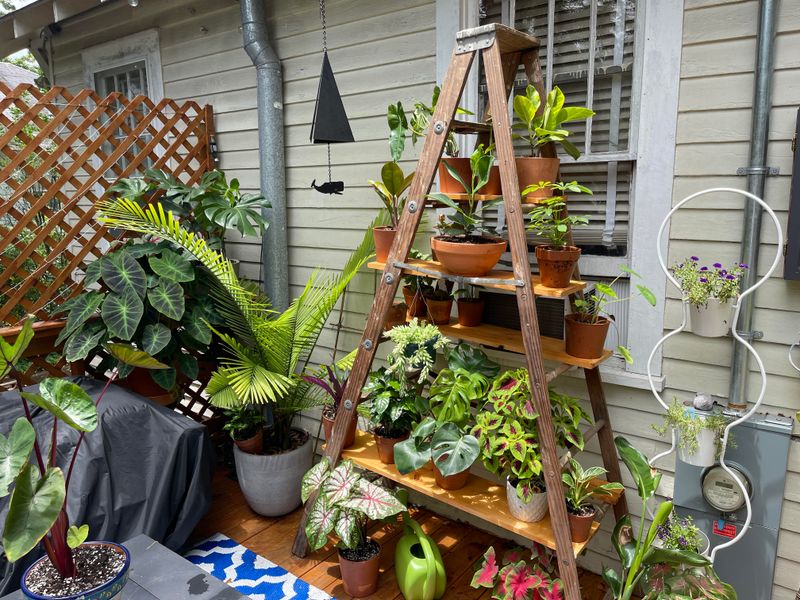
Old wooden ladders lean against walls or fences and become instant plant display stands.
Set potted plants on each rung at different heights for a tiered garden effect.
The vertical arrangement saves floor space while showcasing your plant collection beautifully.
Sand and paint ladders or leave them weathered for vintage appeal.
Oregon’s antique stores and estate sales often have damaged ladders perfect for this project.
Even ladders with broken rungs work since you can remove damaged sections and use the rest.
Secure ladders firmly so they cannot tip over in wind.
Arrange pots of varying sizes on the rungs, with trailing plants on upper levels and upright plants below.
You can also hang small baskets from the sides or drape string lights through the rungs.
Ladders work on porches, patios, or directly in garden beds.
They add architectural interest and height variation.
The rustic look complements both modern and traditional gardens.
Move the ladder seasonally to change your display or rotate plants as they bloom.
This simple upcycling project turns a tool into garden art that serves a practical purpose.
12. Teacups And Saucers As Mini Succulent Gardens
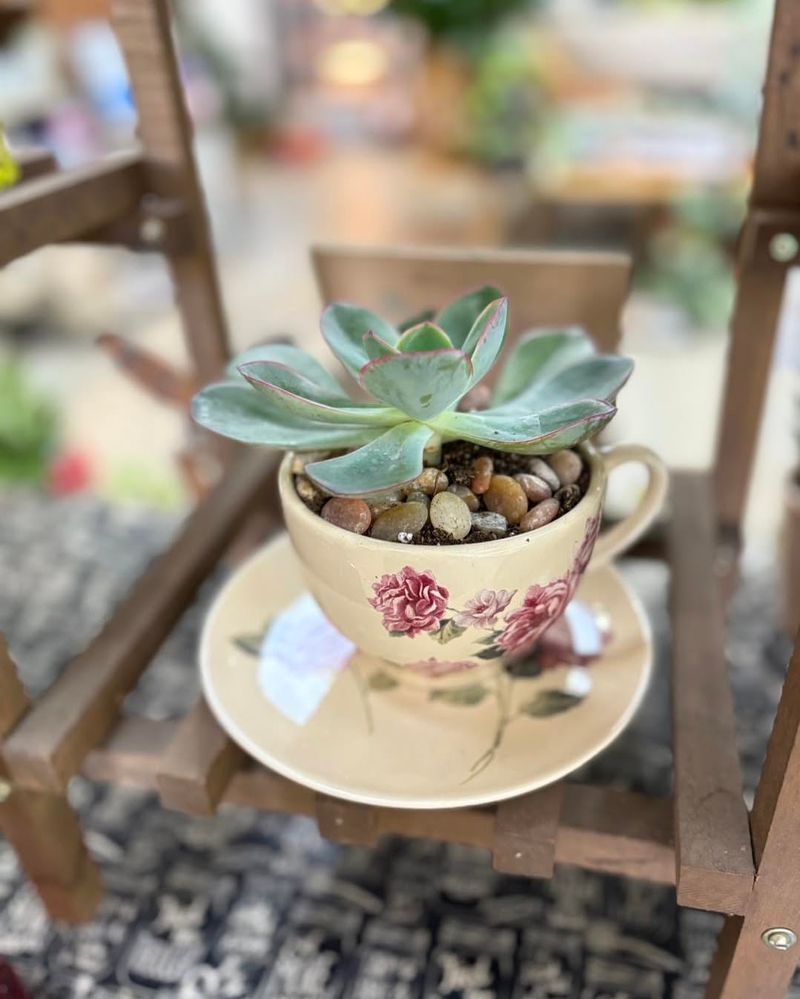
Chipped teacups and saucers from thrift stores become adorable tiny planters.
Succulents thrive in these small containers since they need minimal water and root space.
Arrange a collection of planted teacups on outdoor tables, windowsills, or garden shelves for a charming display.
Drill small drainage holes in the cup bottoms using a ceramic drill bit, or add gravel at the bottom before soil.
Oregon’s dry summers suit succulents perfectly, and teacups provide just enough soil for healthy growth.
Mix different cup patterns and colors for visual interest.
Vintage china adds elegance to gardens while solving the problem of mismatched or damaged dishes.
Group cups on tiered stands or scatter them among larger plants.
The delicate scale contrasts beautifully with bigger garden elements.
This project works well for gifts or craft fair items.
Teacups are weatherproof enough for covered porches but should come inside during hard freezes.
The small size makes them perfect for tiny spaces like apartment balconies.
Guests love the unexpected combination of elegant china and hardy succulents, and the project costs just pennies per planter when you shop secondhand stores.
13. Shipping Pallets As Compost Bins
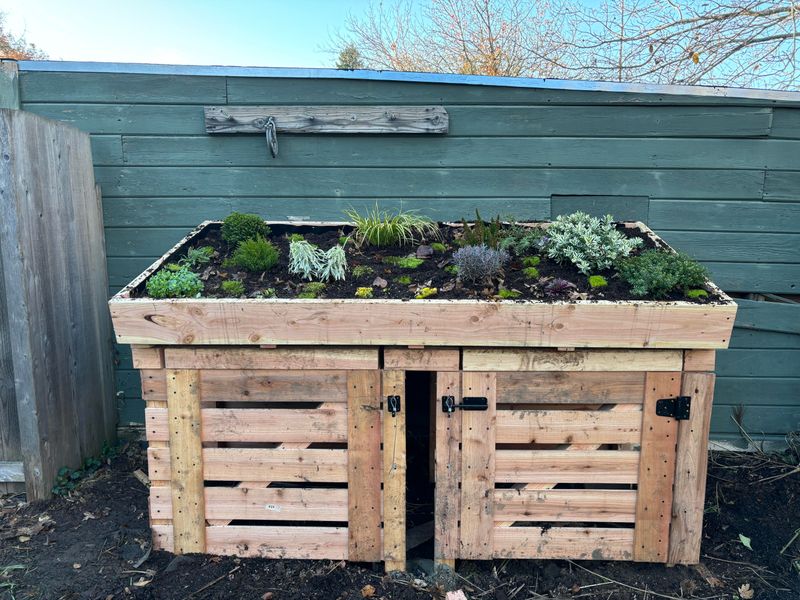
Four shipping pallets stand upright and connect to form a sturdy compost bin.
Wire or zip ties hold corners together, creating an enclosure that allows air circulation while containing organic matter.
The slatted design provides perfect airflow for healthy decomposition.
Oregon’s mild, wet climate speeds composting, and pallet bins handle large volumes of material.
Leave one side removable so you can access finished compost easily.
The wood withstands weather for several years before needing replacement.
Pallets are usually free from warehouses or stores.
Building a bin takes less than an hour with simple tools.
You can make multiple bins side-by-side for a three-stage composting system.
The rustic look blends into garden backgrounds.
Good compost turns kitchen scraps and yard waste into rich soil amendment.
Pallet bins contain the pile neatly while allowing rain to keep moisture levels right.
The gaps between slats let you monitor progress and turn the pile easily.
This free composting solution reduces waste headed to landfills while improving your garden soil.
The sturdy construction handles heavy loads and rough treatment, making it ideal for serious gardeners who produce lots of compostable material throughout Oregon’s long growing season.