More Ohio Gardeners Are Using Covers And Tunnels, – Here’s What Changed
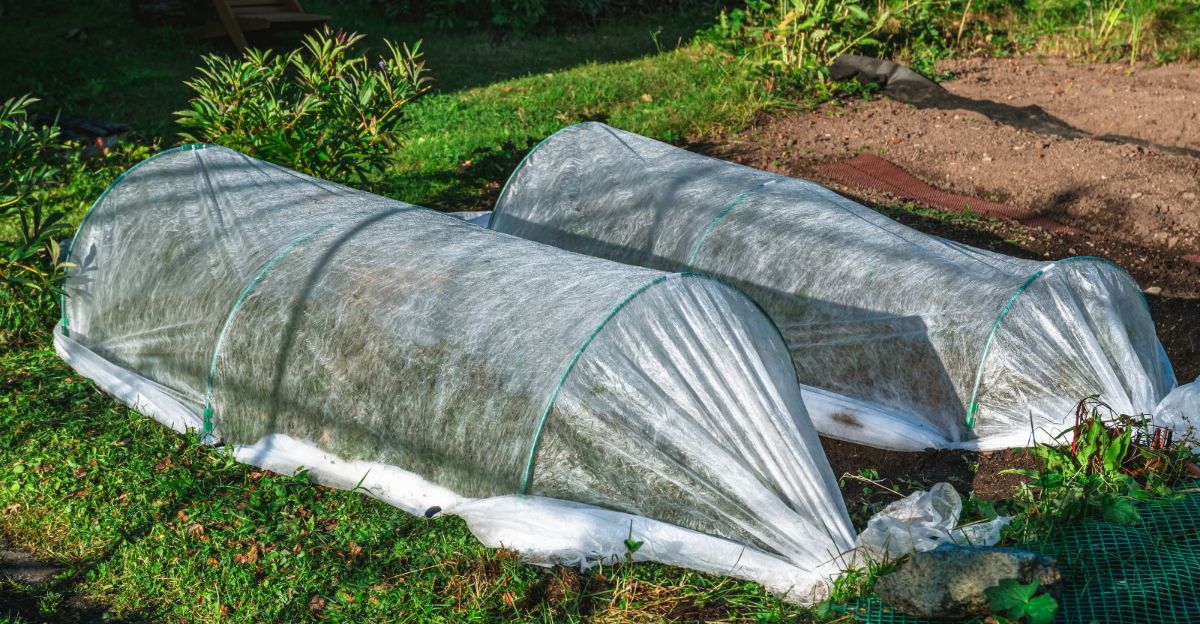
Ohio gardens feel different lately, and you can sense the shift each spring when weather refuses familiar patterns entirely.
Warm days arrive early, excitement builds quickly, then sudden cold snaps test patience and confidence across Ohio gardens statewide.
Planting by old calendars feels risky now, especially when frost warnings follow soil that seemed ready outdoors already today.
You may remember seasons when timing felt reliable, yet those expectations rarely match backyard reality anymore in Ohio now.
That uncertainty pushes gardeners to rethink protection choices, planting windows, and how much risk feels acceptable during early spring.
Covers and tunnels once felt optional, but now function like practical insurance against unpredictable setbacks during Ohio growing seasons.
Using protection can feel personal, like responding to lessons learned after disappointing losses season after season in Ohio gardens.
Simple structures restore control, helping you protect effort, money, and optimism invested into every planting decision made each year.
Early planting feels different now, replacing anxiety with confidence and steady momentum throughout spring across Ohio gardens statewide today.
What changed is weather behavior, and adapting smarter has become part of successful Ohio gardening for many growers now.
1. Protection From Unpredictable Spring Frosts
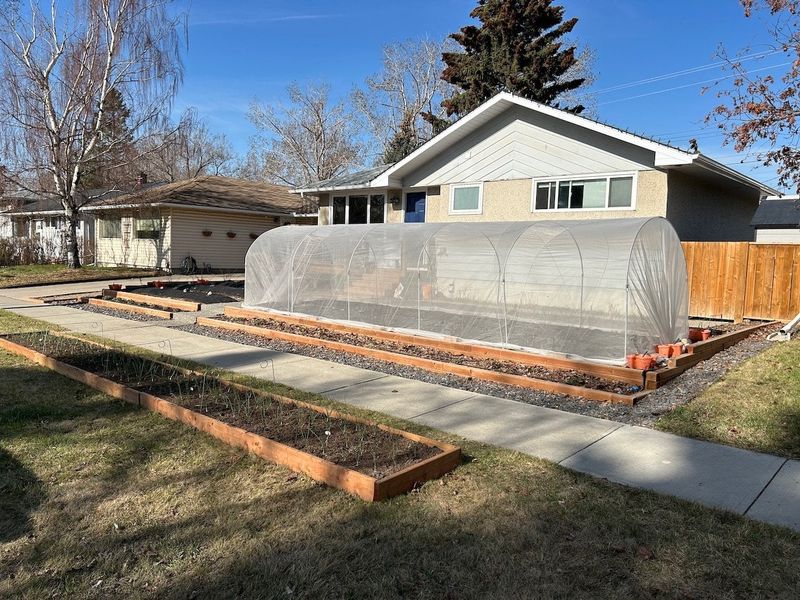
Spring arrives with excitement, but Ohio weather can turn cold without warning and ruin tender seedlings you worked hard to establish outdoors.
Covers and tunnels create a buffer zone that traps warmth near the soil surface, preventing frost damage when temperatures unexpectedly plummet overnight.
Many Ohio growers have learned the hard way that one late frost can destroy weeks of careful planting and set back the entire season.
Row covers made from lightweight fabric allow sunlight and moisture through while keeping cold air away from delicate leaves and stems below.
Tunnels constructed with hoops and plastic sheeting provide even stronger protection, creating a mini greenhouse effect that maintains warmer conditions inside than outside.
Gardeners in Cleveland, Columbus, and Cincinnati all report fewer losses when they use these protective barriers during the risky transition from winter to summer.
Setting up covers takes only minutes, but the time saved from replanting makes the effort worthwhile for anyone serious about successful gardening.
Young transplants remain healthy and vigorous when shielded from harsh conditions, allowing them to establish strong root systems before summer heat arrives in full force.
Investing in quality covers pays dividends throughout the growing season by ensuring plants survive those critical early weeks when Ohio weather remains highly unpredictable.
That early protection often means earlier harvests, stronger plants, and far less frustration when spring weather refuses to cooperate.
2. Extended Growing Season For Fresh Vegetables
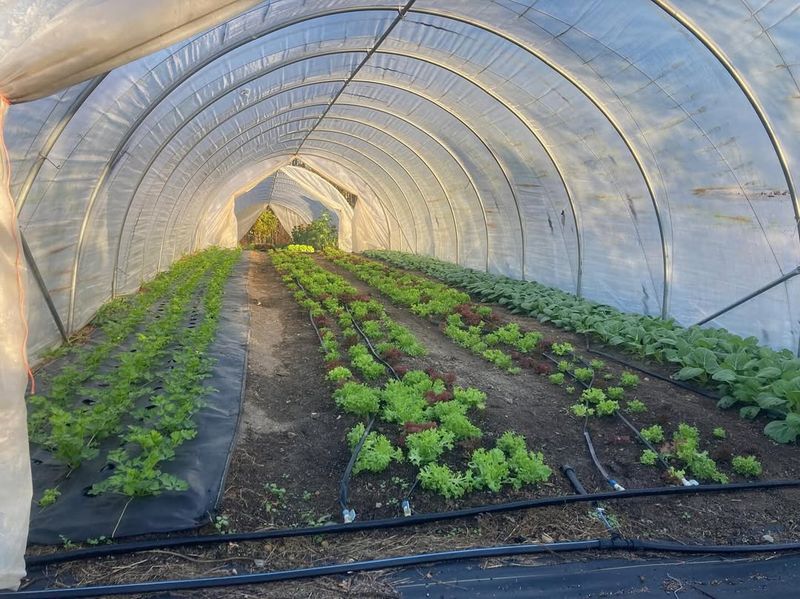
Harvesting fresh tomatoes in October sounds impossible, but covers and tunnels make late-season production a reality for many Ohio gardeners seeking extended yields.
These structures trap solar heat during the day and release it slowly at night, keeping plants several degrees warmer than the surrounding environment.
Cool-season crops like lettuce, spinach, and kale thrive under protective covers well into November and sometimes even through December in southern Ohio regions.
Starting seeds earlier in spring also becomes possible because covered beds warm up faster than exposed soil, giving plants a head start of several weeks.
Your Ohio Garden Changes Every Week. Your Plan Should Too.
Gardening in Ohio changes quickly throughout the season. Every Friday you’ll receive a simple weekly plan showing exactly what to plant, prune, fertilize, harvest, and protect so you never miss the right timing.
Gardeners in Dayton and Akron have reported harvesting salad greens continuously from March through December by rotating crops under protective tunnels throughout the year.
The ability to grow food for nine or ten months instead of just five or six months dramatically increases the value of garden space.
Families save money on grocery bills while enjoying superior flavor and nutrition from vegetables picked at peak ripeness rather than purchased from distant suppliers.
Extending the season also reduces the pressure to preserve massive quantities during the traditional harvest rush, spreading the workload more evenly throughout the year.
Simple adjustments like adding extra insulation or using thicker plastic can push the limits even further for adventurous growers willing to experiment with season extension.
For many Ohio gardeners, this flexibility turns the garden into a reliable food source rather than a short-lived seasonal hobby.
Over time, experimenting with covers and tunnels builds confidence, making it easier to adapt planting schedules to Ohio’s shifting weather patterns.
3. Defense Against Damaging Insect Pests
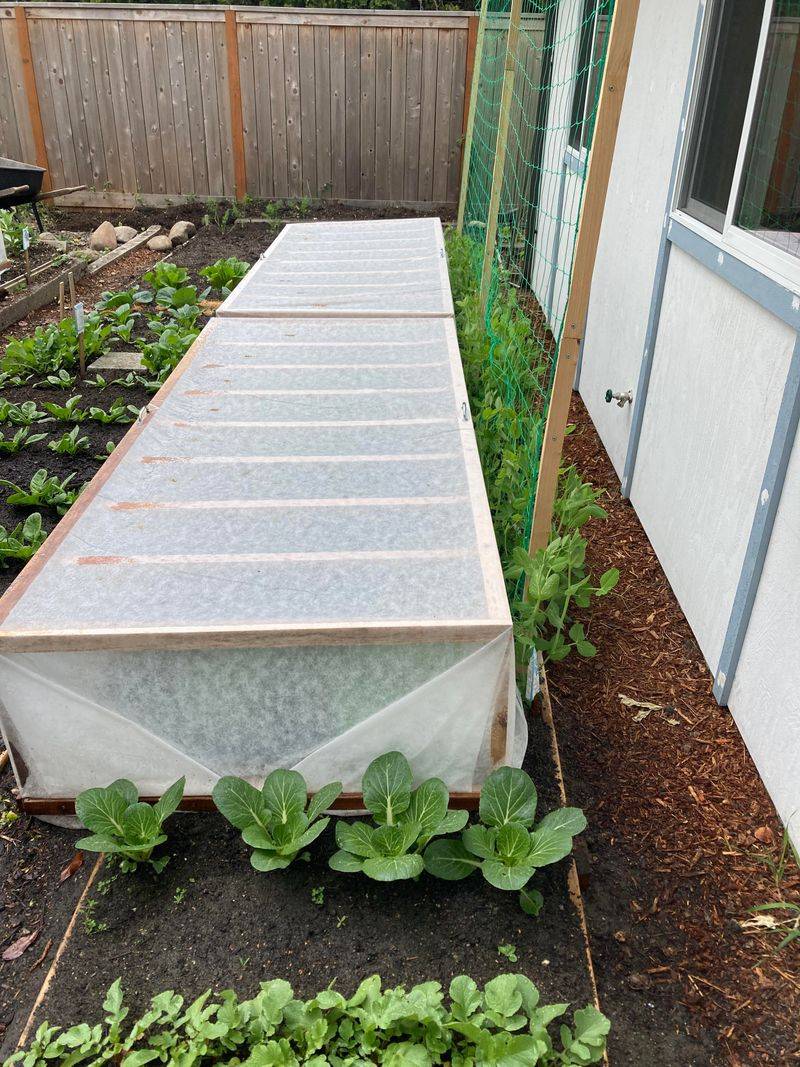
Cucumber beetles, squash bugs, and cabbage worms cause frustration for countless Ohio gardeners who watch their healthy plants get devoured by hungry insects.
Floating row covers create a physical barrier that prevents adult insects from landing on plants and laying eggs that hatch into destructive larvae.
Covering crops immediately after planting blocks pests from ever reaching vulnerable seedlings, eliminating the need for chemical sprays that many growers prefer to avoid.
Lightweight fabrics allow air, water, and sunlight to penetrate while keeping even tiny insects completely out, providing protection without interfering with plant growth.
Ohio gardeners growing squash, cucumbers, and melons have found that covering plants until flowering time prevents early infestations that typically weaken or destroy young vines.
Once plants grow large and strong, they can better tolerate some pest pressure, so covers can be removed when flowers need pollination access.
This approach reduces reliance on pesticides while still producing abundant harvests of clean, healthy vegetables free from chemical residues that concern many families today.
Brassicas like broccoli, cabbage, and kale benefit especially from covers because they remain protected from moths that lay eggs resulting in leaf-chewing caterpillars.
Preventing pest problems before they start saves time, money, and frustration while supporting a more natural approach to gardening that works with nature instead of against it.
As a result, gardeners spend less time battling infestations and more time enjoying steady growth and healthier plants throughout the season.
4. Shielding Plants From Intense Summer Sun
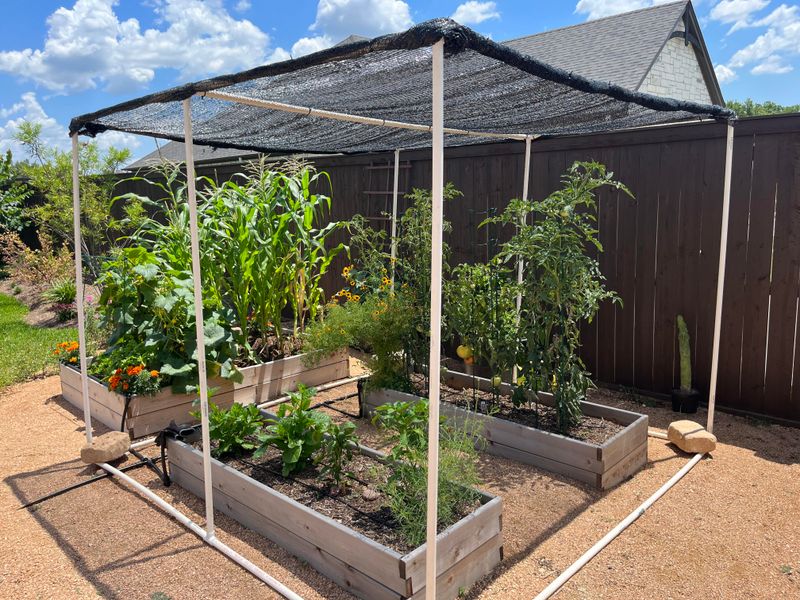
July and August bring scorching temperatures that stress cool-season crops and cause lettuce to bolt prematurely, ending production before gardeners have had their fill.
Shade cloth installed over hoops creates filtered light conditions that reduce heat stress and allow tender greens to continue producing through hot Ohio summers.
Many gardeners assume covers only provide warmth, but they also offer valuable cooling benefits when the right materials are selected for summer use.
White or light-colored shade fabric reflects excessive solar radiation while maintaining good air circulation, preventing the wilting and bitterness that plague unprotected summer greens.
Growers in Toledo and Youngstown have successfully grown lettuce, spinach, and arugula throughout July by using thirty to fifty percent shade cloth over raised beds.
Tomatoes and peppers also benefit from afternoon shade during extreme heat waves that can cause blossom drop and reduce fruit set significantly.
Strategic use of covers creates microclimates within the garden, allowing diverse crops with different temperature preferences to thrive side by side throughout the season.
Adjustable covers that can be opened or closed depending on weather conditions give Ohio gardeners maximum flexibility to respond to changing temperatures and light levels.
This adaptability transforms gardens into productive spaces regardless of what weather extremes the summer months bring, ensuring consistent harvests even during challenging growing conditions.
By moderating light and temperature, gardeners keep plants productive instead of forcing them into survival mode during peak heat.
This approach makes it possible to grow crops longer into summer without sacrificing quality or flavor.
5. Better Control Over Soil Moisture Levels
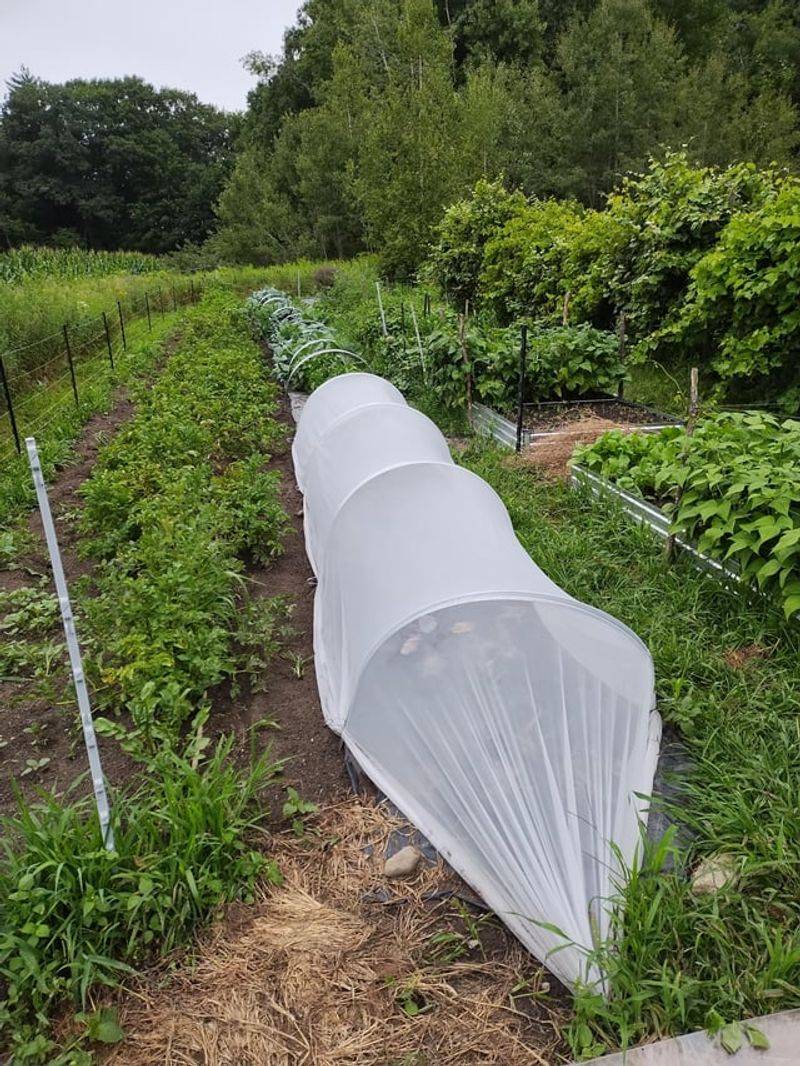
Heavy rainstorms followed by drought periods create watering challenges that frustrate Ohio gardeners trying to maintain consistent moisture for healthy plant growth and development.
Tunnels and covers reduce water evaporation from soil surfaces, keeping moisture available to plant roots longer between watering sessions or rainfall events.
Protected beds require less frequent irrigation because the covering prevents wind from drying out the top layer of soil where many feeder roots concentrate.
During rainy periods, covers can be adjusted to shed excess water away from sensitive plants that suffer from overly wet conditions or fungal diseases.
Ohio growers dealing with clay soils that drain poorly have found that covers help regulate moisture by preventing soil compaction from pounding rain that creates waterlogged conditions.
Consistent moisture levels lead to better plant growth, fewer stress-related problems, and higher yields of quality produce throughout the growing season in unpredictable climates.
Gardeners save time and money on water bills while also conserving this precious resource by reducing the amount needed to maintain healthy growing conditions.
Drip irrigation systems work especially well under covers because water goes directly to plant roots without evaporating into the air or running off the surface.
Combining covers with efficient watering methods creates an optimized system that supports robust plant health while minimizing the time spent managing irrigation throughout the season.
Stable soil moisture also encourages deeper root growth, making plants more resilient during sudden heat waves or dry spells.
Over time, this improved water management leads to healthier gardens that require less hands-on intervention from day to day.
6. Protection From Wind Damage And Storms
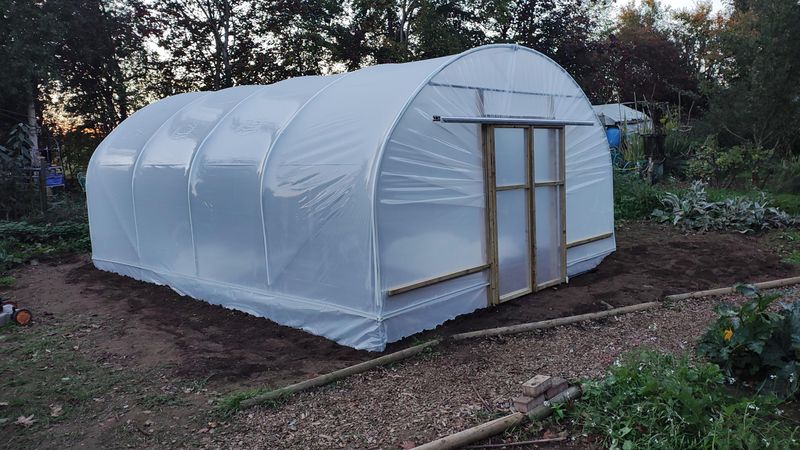
Strong winds whip through Ohio regularly, breaking stems, shredding leaves, and toppling tall plants that took months to grow to productive size and maturity.
Covers and tunnels act as windbreaks that diffuse gusts before they reach vulnerable plants, preventing the mechanical damage that sets back growth significantly.
Tomato cages and stakes provide some support, but they cannot fully protect plants from the sustained winds that accompany spring and summer thunderstorms common throughout Ohio.
Low tunnels keep plants contained and supported, reducing the swaying motion that loosens roots and creates stress points where stems are most likely to snap.
Gardeners in exposed locations near Lake Erie or on hilltops benefit especially from windbreak structures that create calmer conditions within the protected growing space.
Even moderate winds increase transpiration rates, causing plants to lose moisture faster and requiring more frequent watering to prevent wilting and stress-related problems.
Protected plants maintain better overall health because they expend less energy recovering from wind damage and can focus resources on growth and fruit production instead.
Hail storms pose another threat that covers help mitigate by absorbing impact energy before it reaches tender leaves and developing fruits below the protective layer.
Investing in sturdy covers that withstand Ohio weather conditions pays off by preserving garden productivity even when storms sweep through the region with destructive force.
7. Warmer Soil Temperatures For Better Germination
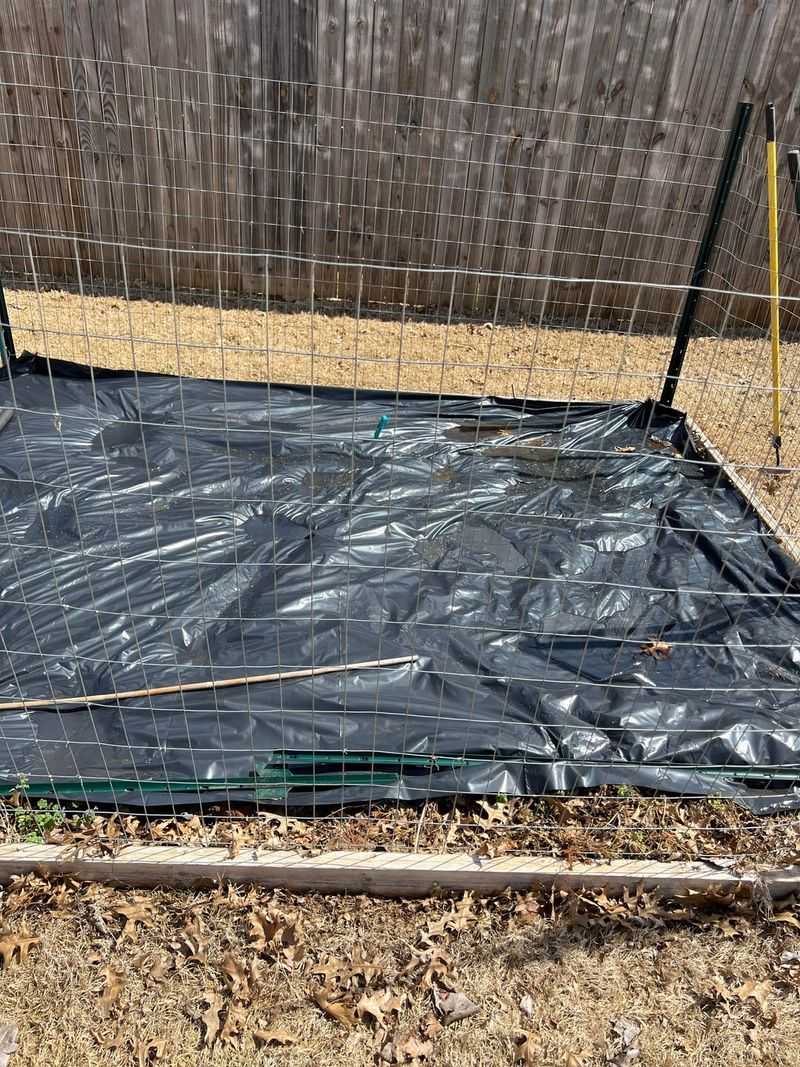
Seeds refuse to sprout when soil remains cold, forcing Ohio gardeners to wait impatiently while neighboring states with milder climates get weeks ahead in planting schedules.
Black plastic mulch or clear covers placed over beds absorb solar energy and raise soil temperatures by ten to fifteen degrees compared to uncovered ground nearby.
Warm-season crops like beans, squash, and corn germinate faster and more uniformly when planted under covers that accelerate soil warming in spring months.
Early planting leads to earlier harvests, which means enjoying fresh produce sooner and potentially fitting in additional plantings before the first fall frost arrives.
Ohio gardeners in northern regions with shorter growing seasons find that warming the soil artificially extends their effective season at both ends of the calendar year.
Transplants also establish more quickly in warm soil because root growth accelerates when temperatures reach optimal ranges for each specific crop type being grown.
Monitoring soil temperature with a simple thermometer helps growers know exactly when conditions are right for planting, eliminating guesswork and reducing failures from premature seeding.
Covers can be removed once air temperatures stabilize and soil naturally maintains warmth, or they can remain in place to continue providing benefits throughout the season.
This technique transforms cold, slow-to-warm Ohio soil into productive growing space weeks earlier than traditional methods allow, maximizing the potential of every square foot available.
Earlier soil warming also improves nutrient availability, allowing young plants to access essential elements sooner and grow more vigorously from the very start.
8. Reduced Disease Pressure From Fungal Problems
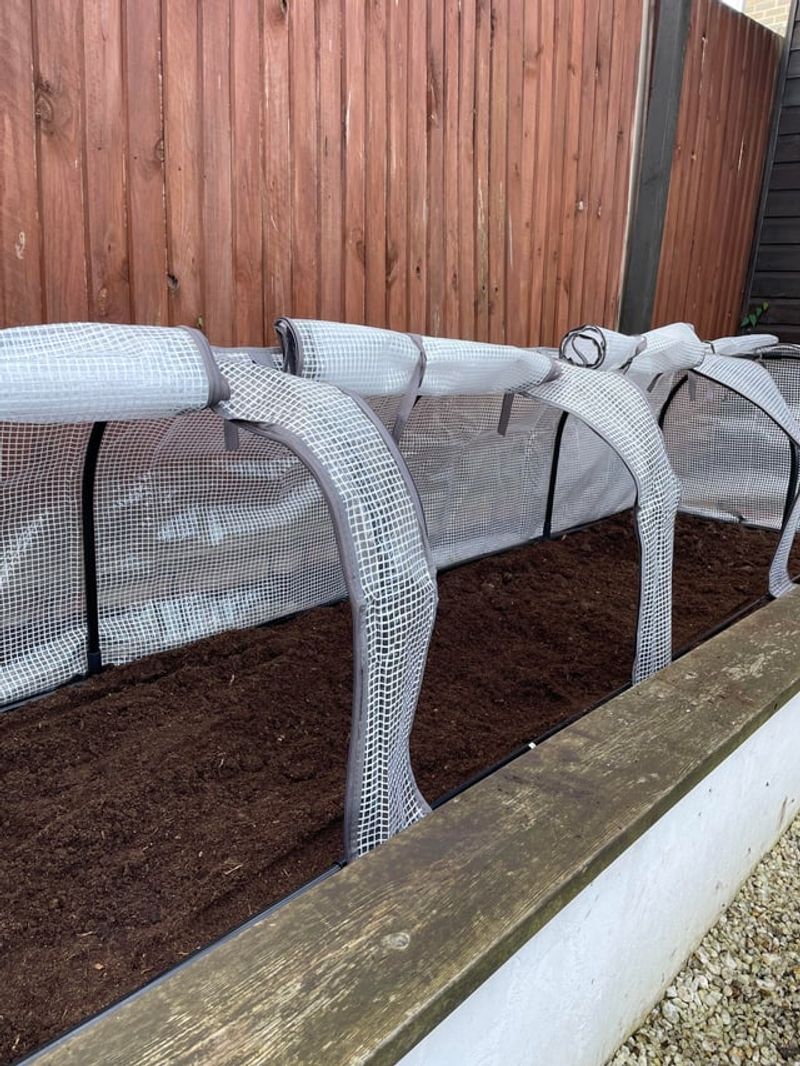
Damp conditions encourage fungal diseases like powdery mildew and blight that spread rapidly through Ohio gardens during humid summer months when moisture lingers on foliage.
Covers create airflow barriers that reduce humidity buildup around plants while also preventing rain from splashing soil-borne pathogens onto lower leaves where infections typically begin.
Keeping foliage dry, especially overnight when dew forms naturally, significantly reduces the likelihood of fungal spores germinating and establishing infections that weaken or destroy plants.
Ventilated tunnels with roll-up sides allow growers to control airflow and humidity levels, closing covers during rain and opening them during dry periods for optimal conditions.
Ohio gardeners growing tomatoes and cucumbers report fewer disease problems when plants remain covered during the most vulnerable stages of growth and fruit development.
Early blight and septoria leaf spot spread less aggressively when rain cannot splash contaminated soil particles onto plant stems and leaves throughout the growing season.
Combining covers with proper spacing, mulching, and pruning creates a comprehensive disease prevention strategy that keeps plants healthier with minimal intervention or chemical treatments required.
Healthy plants produce better yields, taste superior, and require less time spent managing problems that arise from preventable infections caused by environmental conditions.
Preventative measures always work better than trying to cure diseases after they establish, making covers a wise investment for anyone serious about growing abundant, healthy food.
This added protection is especially valuable during long stretches of warm, wet weather when disease pressure peaks across Ohio gardens.
Over time, gardeners notice stronger plants, cleaner foliage, and far fewer losses caused by fungal outbreaks that once felt unavoidable.