11 Leafy Vegetables Perfect For Homegrown Salads In California
California kitchens have a special relationship with fresh salads, especially when leafy greens grow steps away from the table.
The mild climate encourages gardeners to think beyond store-bought bundles and toward leaves picked minutes before meals.
Homegrown salad greens carry a freshness that transforms simple lunches into something noticeably more satisfying and alive.
In many California yards, even small spaces become productive when leafy vegetables are chosen with intention and timing.
These greens thrive in cooler mornings, coastal breezes, and varied microclimates found across the state year-round.
Growing salad vegetables at home creates a routine that feels grounding, familiar, and deeply connected to seasonal rhythms.
There is something rewarding about watching tender leaves return after each harvest, ready again within days.
California gardeners often notice better flavor, texture, and variety when growing greens themselves rather than relying on stores.
Leafy vegetables also fit easily into raised beds, containers, and shared garden plots without demanding constant attention.
This makes homegrown salads feel less like a project and more like a natural extension of everyday California living.
1. Butterhead Lettuce
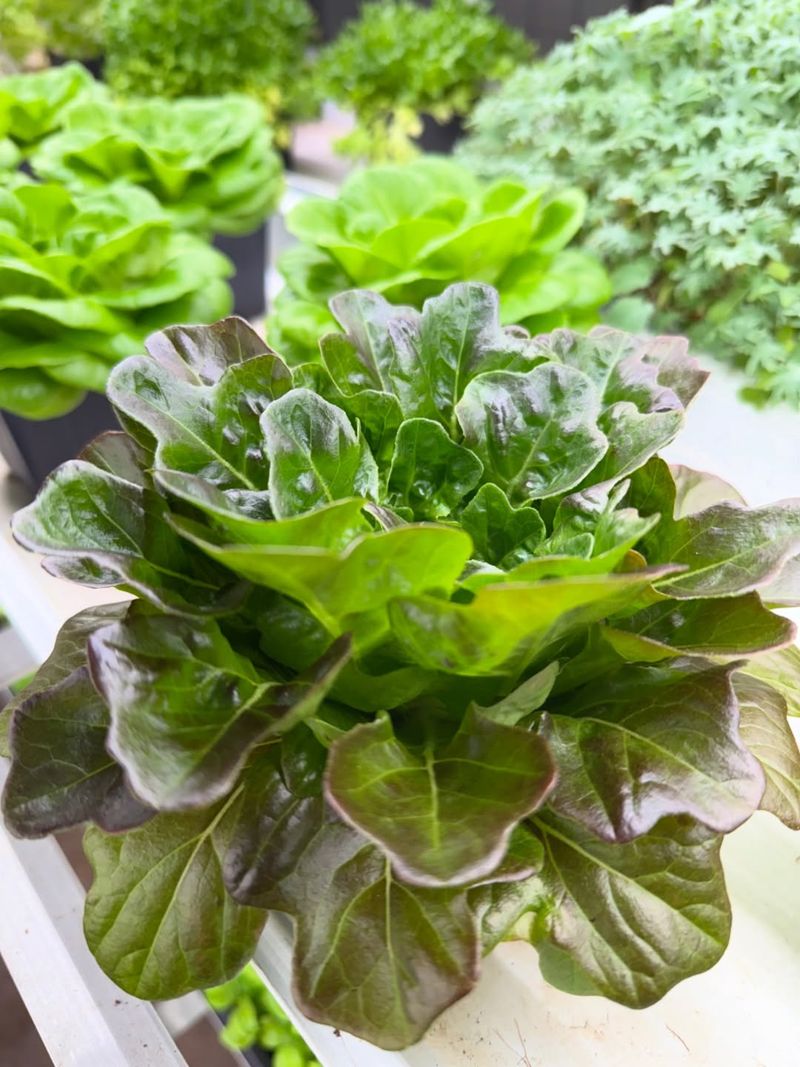
Soft, tender leaves make this variety a favorite among gardeners who enjoy mild, sweet flavors that complement almost any salad combination you create at home.
California’s coastal regions provide ideal temperatures for growing butterhead lettuce, especially during spring and fall when the weather stays cool and comfortable for plants.
The loose, rosette-shaped heads develop quickly, often ready to harvest within just six to eight weeks after planting seeds directly into garden soil.
You can pick individual outer leaves as needed or harvest the entire head once it reaches full size, giving you flexibility in how you enjoy your crop.
Butterhead lettuce grows well in containers, raised beds, or traditional garden rows, making it accessible for gardeners with limited space or those just starting their vegetable journey.
Regular watering keeps the leaves crisp and prevents bitterness, while a bit of afternoon shade protects plants from California’s occasional heat waves during warmer months.
The buttery texture melts in your mouth, creating a delightful eating experience that kids and adults alike appreciate in fresh garden salads every single day.
2. Arugula
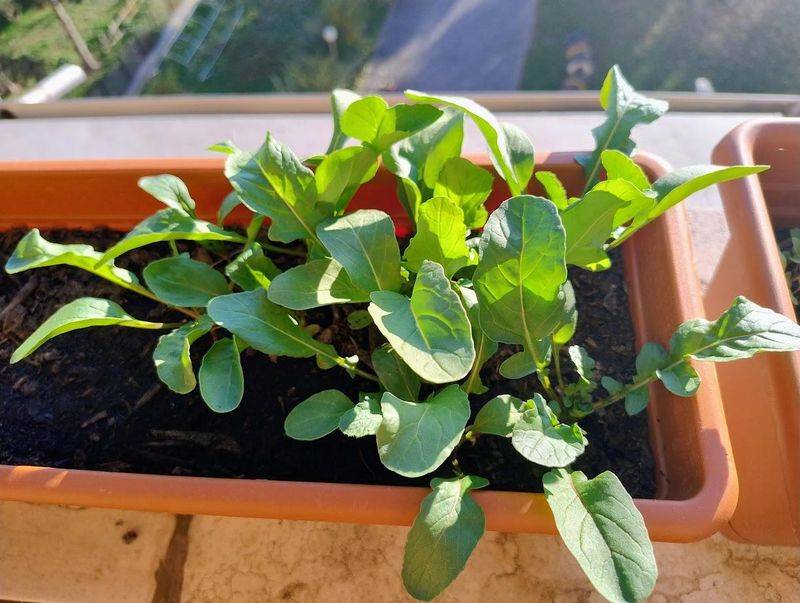
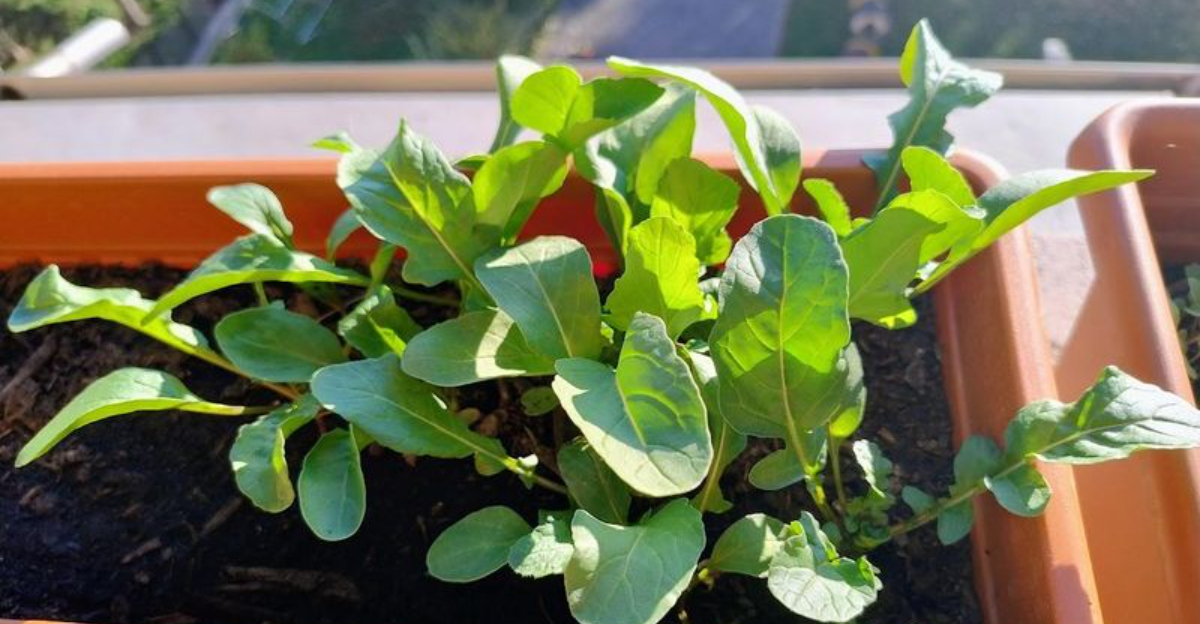
Peppery, bold flavors burst from these dark green leaves, adding a sophisticated kick to ordinary salads and transforming them into restaurant-quality dishes right from your backyard.
Fast growth makes arugula perfect for impatient gardeners, as seeds germinate within days and leaves become ready to harvest in as little as three to four weeks.
California’s mild winters allow you to grow arugula almost year-round, though it performs best when temperatures remain moderate and the soil stays consistently moist throughout the season.
This Mediterranean native thrives in both full sun and partial shade, adapting well to various garden conditions and requiring minimal care once established in your plot.
Young leaves taste milder and more delicate, while mature leaves develop a stronger, spicier flavor that pairs wonderfully with sweet fruits, nuts, and tangy dressings.
Successive planting every two weeks ensures a continuous harvest, so you always have fresh arugula available for salads, sandwiches, and even homemade pizzas straight from the oven.
Your California Garden Changes Every Week. Your Plan Should Too.
Gardening in California changes quickly throughout the season. Every Friday you’ll receive a simple weekly plan showing exactly what to plant, prune, fertilize, harvest, and protect so you never miss the right timing.
The plant’s compact size makes it ideal for container gardening on patios, balconies, or windowsills where space is limited but sunshine is abundant throughout California.
3. Romaine Lettuce
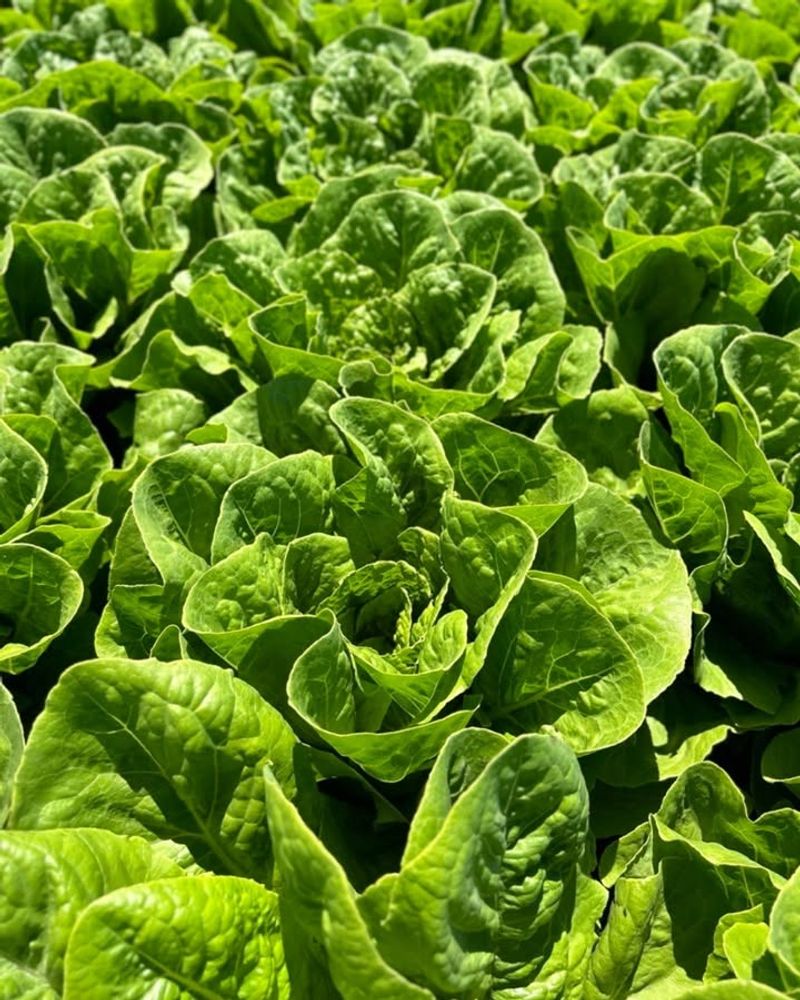
Crispy, upright leaves form tall, sturdy heads that hold up beautifully in salads and provide satisfying crunch with every bite you take at mealtime each day.
California’s climate suits romaine lettuce perfectly, allowing gardeners to plant it in both spring and fall for extended harvests that last several months under the right conditions.
The elongated leaves grow tightly packed together, creating a compact head that resists wilting and stays fresh longer than many other lettuce varieties after you harvest it.
Rich in vitamins A and K, romaine lettuce offers impressive nutritional benefits while adding minimal calories to your diet, making it ideal for health-conscious families and individuals.
You can harvest outer leaves individually as the plant continues growing, or cut the entire head at once when it reaches your desired size and maturity.
Romaine tolerates heat better than butterhead or leaf lettuces, though providing some afternoon shade during California’s hottest summer months helps prevent bolting and bitterness in leaves.
The classic Caesar salad wouldn’t exist without romaine lettuce, and growing your own ensures the freshest, most flavorful greens for this beloved dish and countless other recipes.
4. Spinach
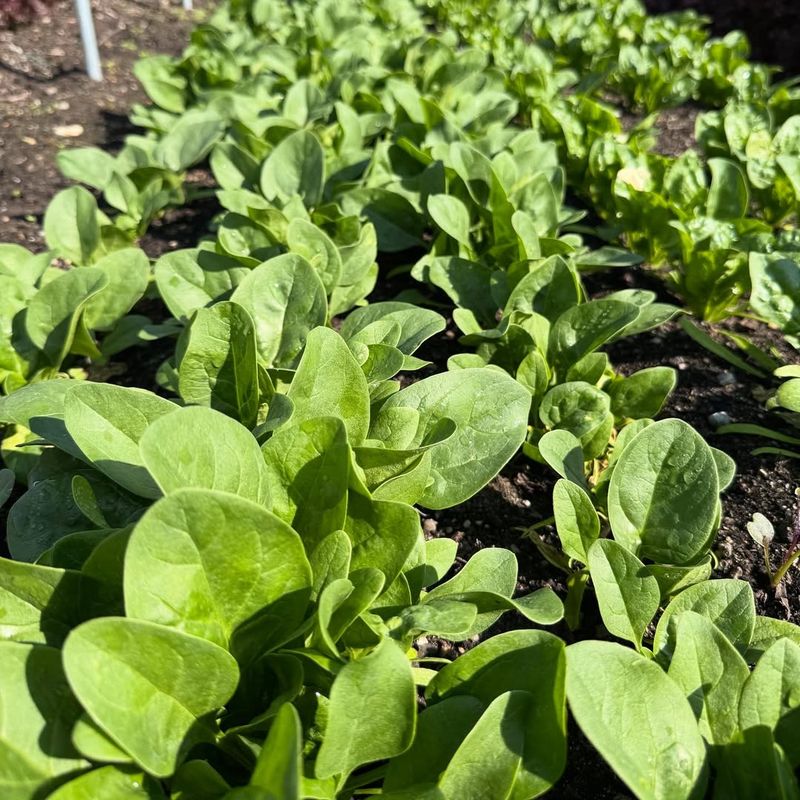
Nutrient-dense leaves pack an incredible amount of vitamins, minerals, and antioxidants into every serving, making spinach one of the healthiest vegetables you can possibly grow at home.
California’s cool-season weather provides perfect conditions for spinach cultivation, with plants thriving during fall, winter, and early spring months when temperatures remain mild and comfortable outdoors.
The smooth or crinkled leaves grow in attractive rosettes close to the ground, developing quickly from seed and becoming ready to harvest in just five weeks.
Baby spinach leaves taste tender and mild, perfect for fresh salads, while larger, mature leaves work wonderfully in cooked dishes like sautés, soups, and pasta preparations.
Successive planting every two weeks throughout the cool season ensures a steady supply of fresh spinach for your kitchen, preventing feast-or-famine situations that frustrate many gardeners.
Spinach grows exceptionally well in containers, raised beds, or traditional garden plots, adapting to various growing environments and soil types across different California regions and microclimates.
The plant’s cold tolerance means it can handle light frosts without damage, extending your growing season well into winter when many other vegetables have finished producing.
5. Kale
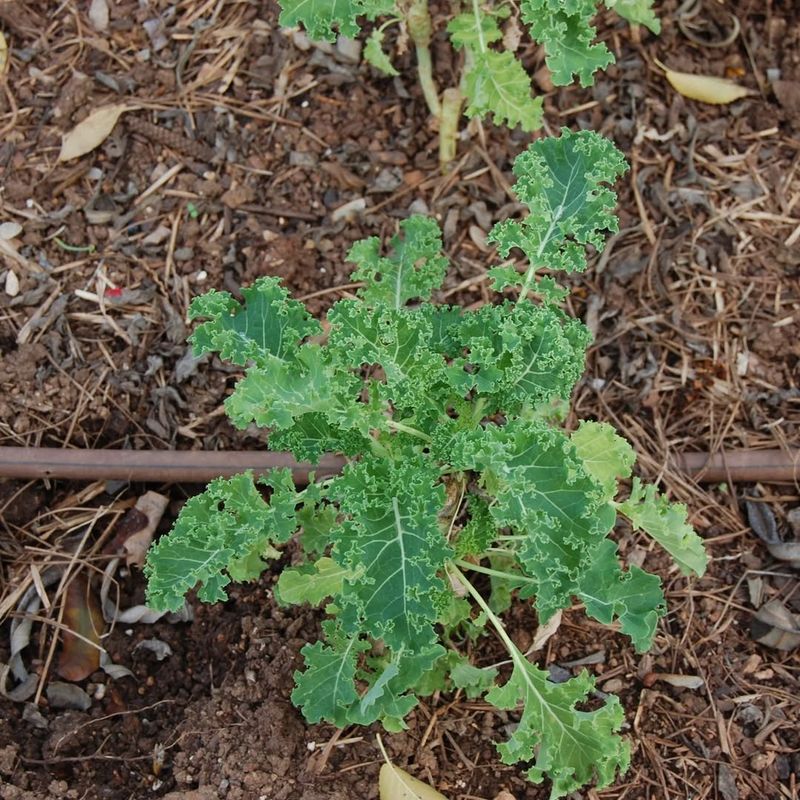
Curly, textured leaves stand tall on sturdy stems, creating an architectural presence in your garden while providing one of the most nutritious vegetables available to home growers.
California gardeners appreciate kale’s remarkable cold tolerance and ability to thrive throughout winter months, when many other vegetables struggle or stop producing entirely in cooler temperatures.
The leaves actually taste sweeter after experiencing light frost, as cold temperatures trigger the plant to convert starches into sugars for natural protection against freezing damage.
Multiple varieties offer different colors, textures, and flavors, from deep purple-red Russian kale to bright green curly varieties that add visual interest to both gardens and salads.
You can harvest individual leaves from the bottom of the plant as it continues growing upward, providing a continuous harvest for months without replanting or starting new seeds.
Kale grows vigorously in California’s diverse climates, from coastal areas to inland valleys, adapting well to different soil types and weather patterns throughout the state.
The tough leaves hold up well in salads when massaged with a bit of olive oil and lemon juice, breaking down the fibers and creating tender, delicious greens.
6. Swiss Chard
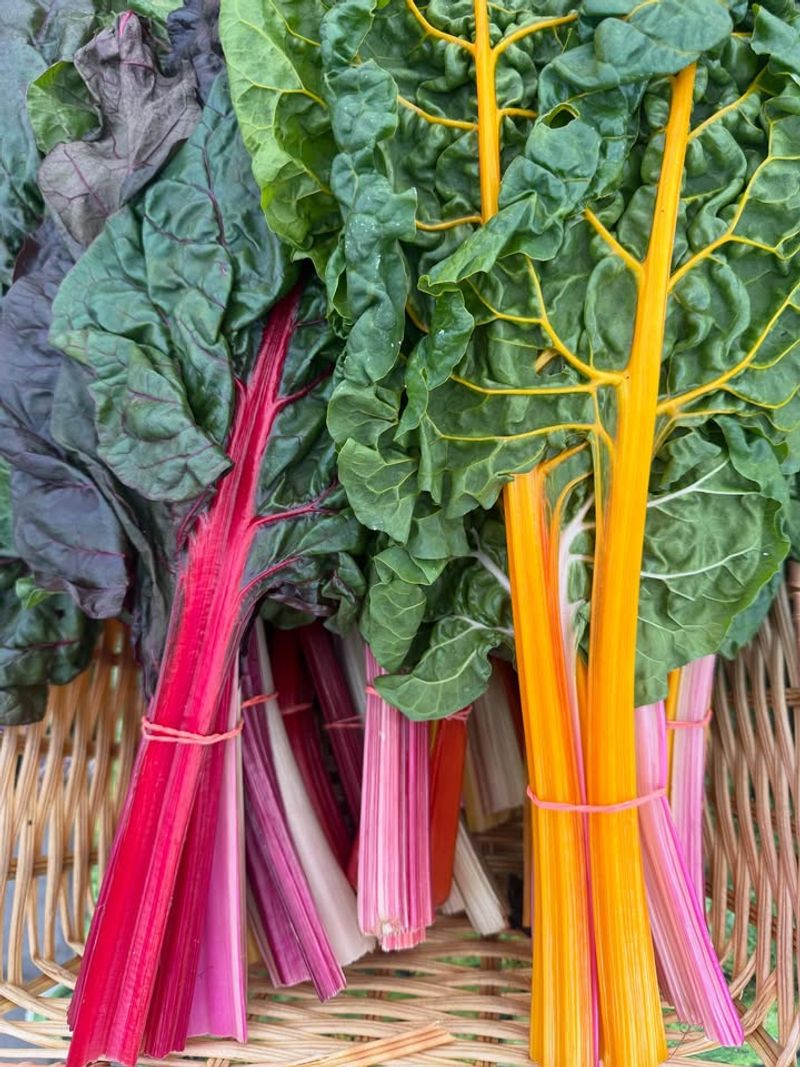
Colorful stems in shades of red, yellow, orange, and white make swiss chard as beautiful as it is delicious, adding ornamental value to your vegetable garden.
California’s year-round growing potential allows chard to produce continuously for many months, with plants often lasting through multiple seasons when cared for properly and harvested regularly.
The large, glossy leaves grow abundantly from a central crown, providing generous harvests that feed families for weeks without requiring much garden space or complicated maintenance routines.
Both the leaves and stems are edible, offering two different textures and flavors in one plant, with stems requiring slightly longer cooking times than the tender greens.
Young chard leaves work wonderfully in fresh salads, while mature leaves excel in sautés, soups, and casseroles where their robust texture holds up well during cooking.
Heat tolerance makes swiss chard an excellent choice for California’s warmer regions and summer months when lettuces and spinach tend to bolt and turn bitter quickly.
The plant’s striking appearance makes it suitable for edible landscaping projects, where it can serve as an attractive border plant while still providing delicious, nutritious harvests regularly.
7. Mizuna
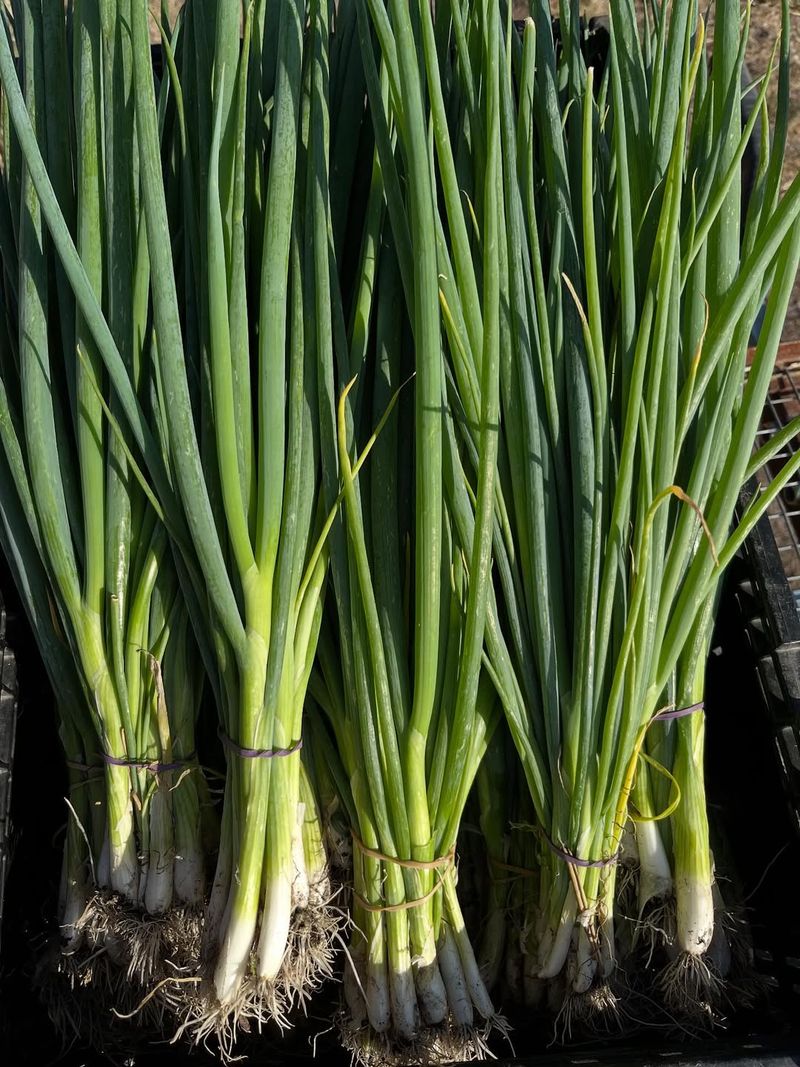
Feathery, deeply serrated leaves add visual interest and a mild, slightly peppery flavor to salads, distinguishing this Japanese green from more common lettuce varieties available today.
California’s Asian cuisine influence has made mizuna increasingly popular among home gardeners who appreciate its quick growth, cold tolerance, and versatility in both raw and cooked preparations.
The plants form attractive rosettes of finely cut leaves that resemble oak leaves or ferns, creating a delicate, lacy appearance in garden beds and containers alike.
Mizuna matures rapidly, often ready to harvest within just three to four weeks after planting seeds, making it ideal for impatient gardeners seeking quick results from efforts.
The mild flavor appeals to children and adults who find arugula too spicy or bitter, providing a gentle introduction to peppery greens for families new to them.
Cold-hardy plants continue producing throughout California’s mild winters, offering fresh salad greens when many other vegetables have stopped growing or require greenhouse protection from frost.
Mizuna grows well alongside other Asian greens like bok choy and tatsoi, creating diverse salad mixes with complementary flavors, textures, and nutritional profiles for your table.
8. Oak Leaf Lettuce
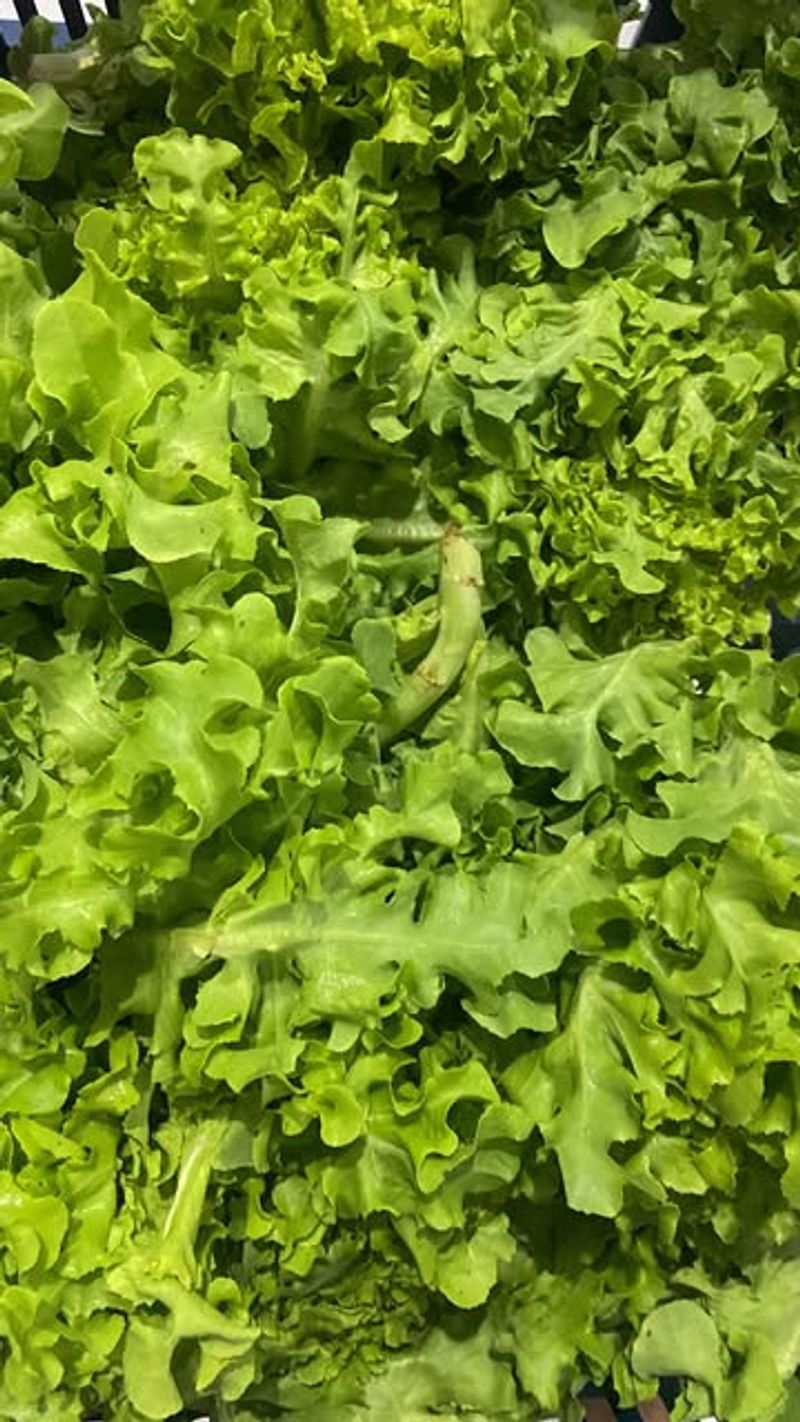
Deeply lobed leaves resembling oak tree foliage create an elegant appearance in gardens and on plates, offering both visual appeal and excellent flavor for salad enthusiasts everywhere.
California gardeners favor oak leaf lettuce for its heat tolerance and slow bolting characteristics, which extend the harvest season well beyond what many other lettuce varieties provide.
The loose-leaf growth habit allows you to harvest individual leaves continuously without removing the entire plant, providing fresh greens for weeks from a single planting effort.
Available in both green and red varieties, oak leaf lettuce adds color diversity to salad bowls while providing slightly different flavor profiles and nutritional benefits for eaters.
The tender, buttery texture melts in your mouth, creating a pleasant eating experience that makes salads feel less like health food and more like genuine culinary treats.
Oak leaf lettuce grows quickly from seed, germinating within days and reaching harvest size in approximately six to seven weeks under favorable California growing conditions and care.
The frilly leaves create an attractive border or edging plant in vegetable gardens, serving double duty as both food source and decorative element in landscape designs throughout the state.
9. Mustard Greens
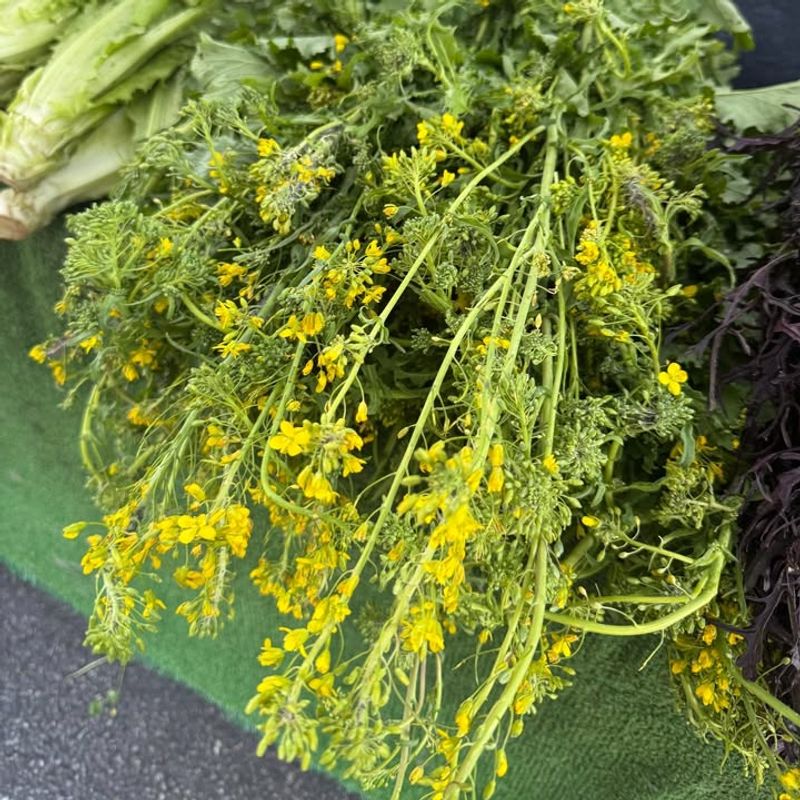
Bold, spicy flavors wake up your taste buds and add exciting kick to salads that might otherwise taste bland or boring after eating the same vegetables repeatedly.
California’s diverse climate zones accommodate mustard greens throughout most of the year, though they perform best during cooler months when temperatures remain moderate and comfortable for growth.
The broad, sometimes frilled leaves grow rapidly from seed, often ready to harvest as baby greens within three weeks or as mature plants in five weeks.
Young leaves offer milder flavor suitable for fresh salads, while mature leaves develop more intense spiciness that works beautifully in cooked dishes like stir-fries and braises.
Multiple varieties provide different heat levels and leaf shapes, from mild mizuna-like types to extremely spicy varieties that rival horseradish in their pungent intensity and flavor.
Mustard greens contain high levels of vitamins A, C, and K, along with beneficial compounds that support overall health and wellness for people of all ages.
The plants tolerate light frost, making them excellent choices for fall and winter gardens throughout California when many summer vegetables have finished their productive growing seasons completely.
10. Mâche (Corn Salad)
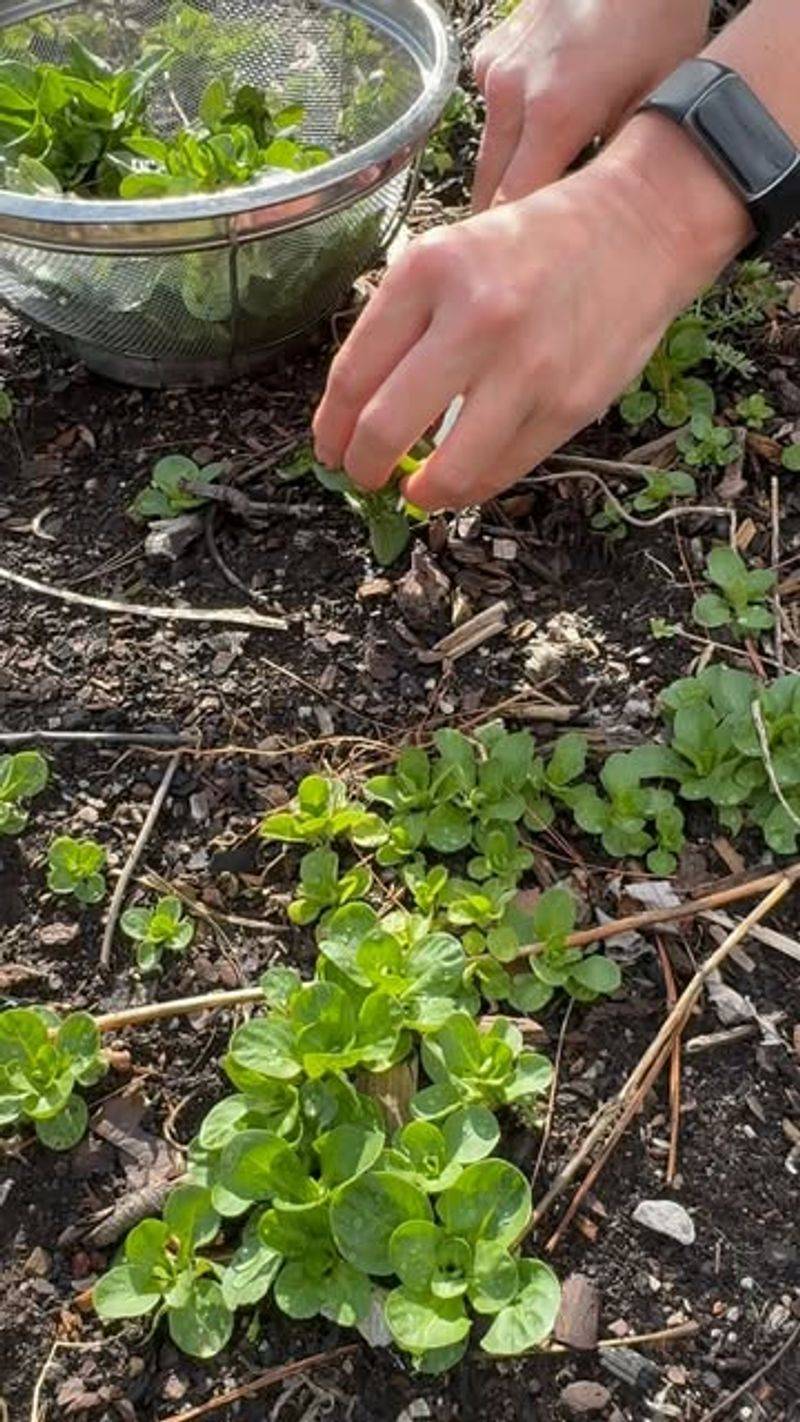
Delicate, spoon-shaped leaves form small rosettes with a mild, nutty flavor that Europeans have treasured for centuries in traditional cuisine and modern cooking alike.
California gardeners often overlook mâche, yet it thrives in the state’s cool-season weather, producing abundantly during fall, winter, and early spring months when properly planted.
The plants grow low to the ground, creating compact clusters of tender leaves that require minimal space in garden beds, containers, or even window boxes indoors.
Exceptional cold tolerance allows mâche to survive freezing temperatures that would damage or destroy other salad greens, making it invaluable for year-round salad production in California.
The velvety texture and subtle flavor make mâche perfect for mixing with stronger-tasting greens like arugula or mustard, creating balanced salads with complementary tastes and textures.
Slow growth means mâche takes longer to reach harvest size than many other greens, typically requiring eight to ten weeks from seeding to full maturity.
The plant’s unique appearance and gourmet reputation make it a conversation starter at dinner parties, impressing guests with your sophisticated gardening skills and culinary knowledge throughout California.
11. Endive
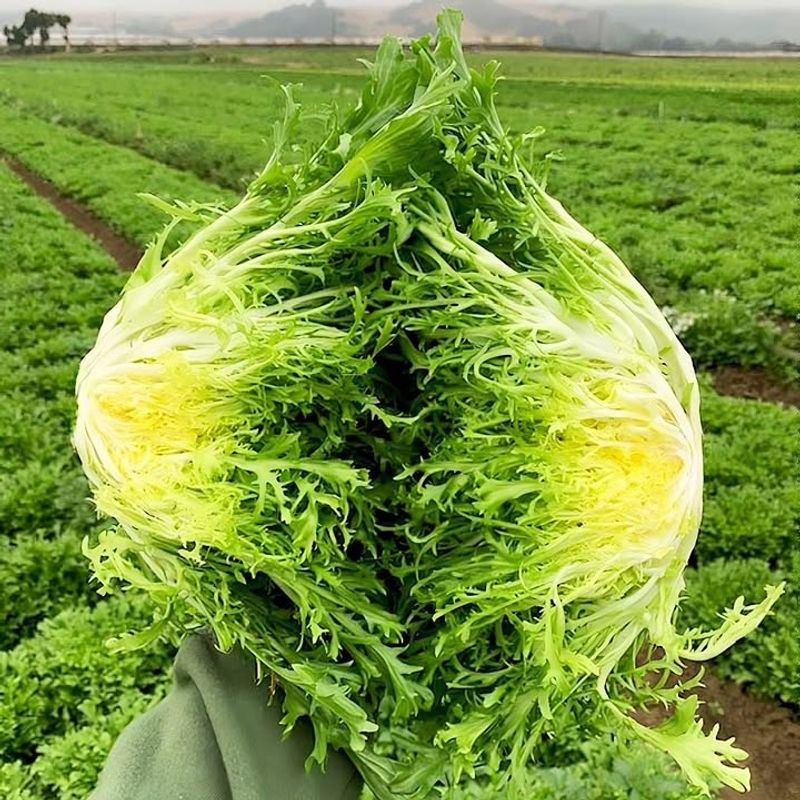
Slightly bitter leaves provide sophisticated flavor complexity that elevates simple salads into memorable dishes worthy of fine dining restaurants and special occasions at home.
California’s Mediterranean-like climate suits endive perfectly, as this European vegetable thrives in cool temperatures and tolerates light frost without suffering damage or losing quality.
The tightly packed heads develop naturally blanched centers where leaves receive less sunlight, creating tender, pale yellow hearts with milder flavor than the outer green leaves.
Two main types exist: curly endive with finely cut, frilly leaves and broad-leaved escarole with smooth, wide leaves that offer different textures for various culinary applications.
The bitter compounds in endive stimulate digestion and add depth to salad flavor profiles, balancing sweeter ingredients like fruits, carrots, and honey-based dressings beautifully together.
Endive requires patience, as plants typically need ten to twelve weeks to reach full maturity, but the gourmet results justify the longer wait time significantly.
California gardeners can extend the harvest season by planting successive crops every few weeks, ensuring fresh endive availability throughout the entire cool growing season annually.