Garden Edging Ideas That Improve Colorado Yards Without Overspending
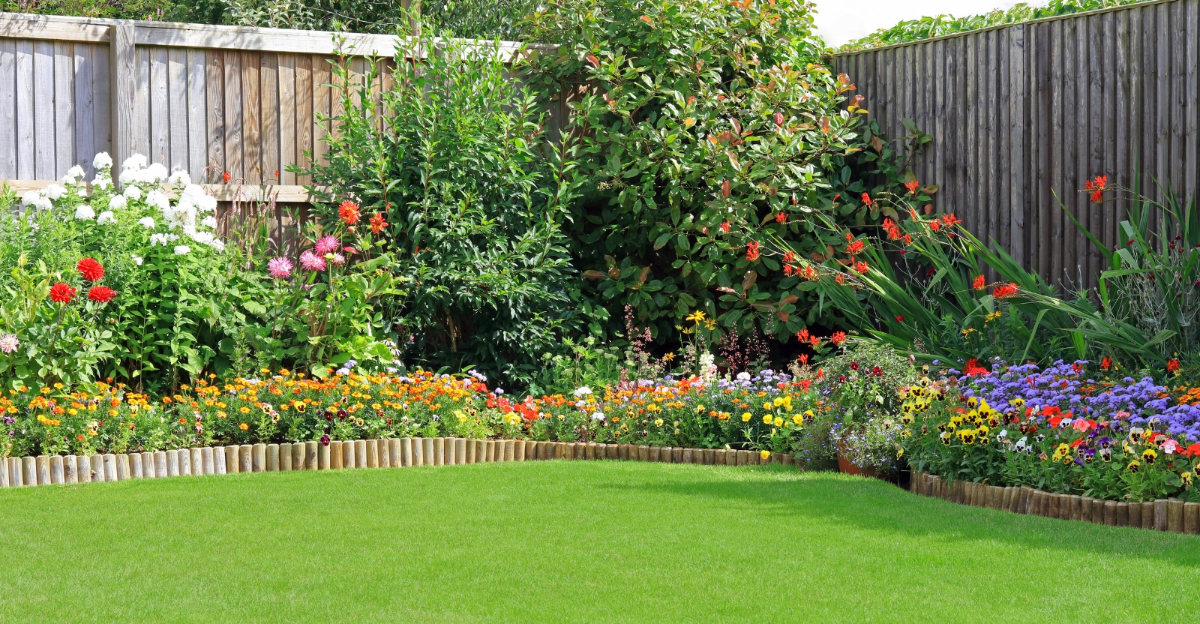
Colorado yards face constant pressure from shifting soil, snow runoff, wind, and dry spells, which makes every design decision feel more important.
Edging often fades into the background until it fails, yet the right choice quietly improves how a yard looks, drains, and holds together.
Rather than chasing decorative trends, many Colorado homeowners focus on borders that control spread, reduce maintenance, and guide movement naturally.
A well-defined edge can make simple plantings feel deliberate and balanced, even when budgets stay modest and materials remain straightforward.
Gravel, stone, metal, and recycled edging options gain value when selected for durability instead of appearance alone.
What truly matters is how these edges perform after repeated freeze-thaw cycles, heavy moisture, and long stretches of intense sun.
Strong edging keeps mulch contained, lawns from creeping into beds, and pathways from slowly losing their shape.
When borders hold firm through the seasons, the entire yard feels easier to manage and visually calmer.
Small, intentional edging choices often deliver noticeable improvements without drawing attention to the cost.
That’s why many Colorado yards see real improvement when thoughtful edging replaces quick, short-term fixes.
1. Natural Stone Borders
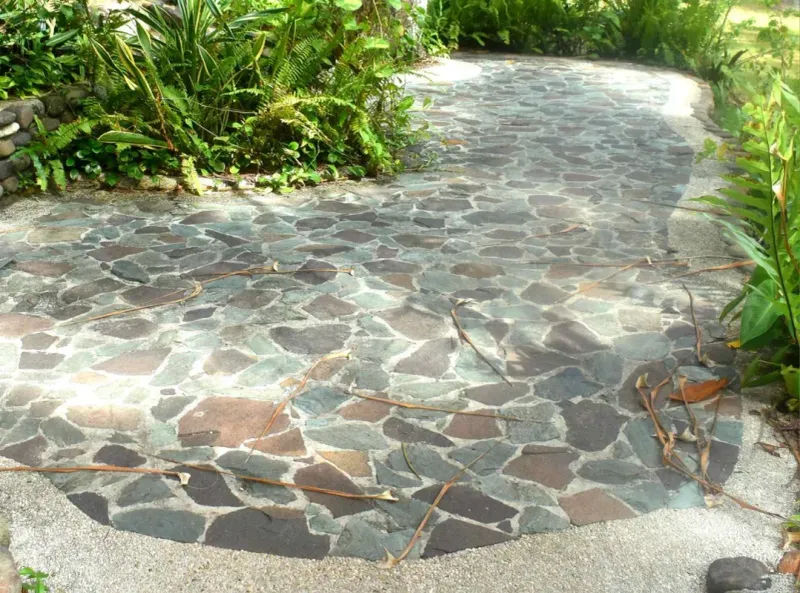
Local quarries throughout Colorado offer stunning rocks at prices that won’t strain your landscaping budget or require professional installation help from contractors.
Fieldstone and river rock create organic-looking boundaries that complement mountain views while lasting through harsh winters without cracking or breaking apart easily.
Stacking flat stones along garden beds takes minimal effort but delivers maximum visual impact that neighbors will admire when they pass by daily.
Colorado’s natural landscape makes stone edging feel right at home, blending seamlessly with native plants and existing outdoor features throughout your property design.
Heavy stones stay put during spring runoff and summer storms, eliminating the need for constant adjustments or repairs that other materials often require.
Mixing different sizes and colors adds texture and depth to borders, creating a custom look that reflects your personal style without expensive designer fees.
Stone borders work beautifully in both formal and cottage-style gardens, adapting to whatever aesthetic you’re trying to achieve in your Colorado yard space.
Collecting stones from your own property or nearby areas cuts costs even further while giving you a fun outdoor project for weekends.
This timeless option increases property value and curb appeal without the ongoing maintenance headaches that come with many synthetic edging products available today.
2. Recycled Brick Edging
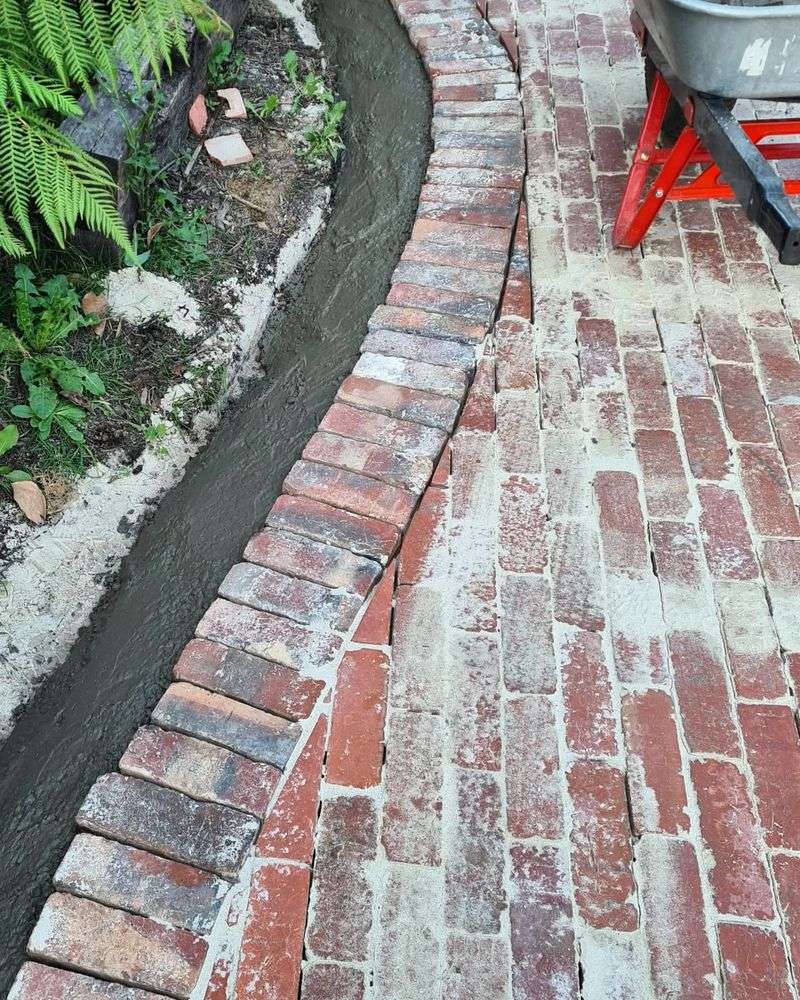
Old bricks from demolition sites or salvage yards provide character-rich edging at a fraction of what new materials cost for typical landscaping projects today.
Arranging bricks at angles creates a sawtooth pattern that adds visual interest while providing sturdy barriers against spreading grass in Colorado’s growing season.
Weathered brick develops beautiful patina over time, giving gardens an established look that brand-new materials simply cannot replicate no matter the price tag.
Homeowners across the state love how brick complements both historic homes and modern architecture, making it a versatile choice for any neighborhood style.
Setting bricks on their sides or ends changes the height and appearance, allowing you to customize borders based on specific garden bed needs.
Your Colorado Garden Changes Every Week. Your Plan Should Too.
Gardening in Colorado changes quickly throughout the season. Every Friday you’ll receive a simple weekly plan showing exactly what to plant, prune, fertilize, harvest, and protect so you never miss the right timing.
Colorado’s freeze-thaw cycles don’t damage quality brick the way they affect some plastic or metal edging options that crack under temperature stress.
Free or cheap bricks often appear on online marketplaces when people renovate, so checking listings regularly can score you excellent materials for pennies.
Mixing red and tan bricks creates patterns that draw the eye and make simple gardens look professionally designed without hiring expensive landscape architects.
This eco-friendly option reduces waste while giving your yard a classic, timeless border that will look great for decades without replacement or repairs.
3. Steel Edging Strips

Thin metal strips bend easily around curves and create sleek, modern lines that practically disappear while keeping mulch and soil exactly where they belong.
Galvanized or corten steel withstands Colorado’s weather extremes without warping, rusting through quickly, or requiring annual replacement like cheaper alternatives often demand from homeowners.
Installing these strips takes just a hammer and some patience, making this a perfect weekend project that doesn’t require special tools or expertise.
The slim profile means more visible garden space and less visual clutter, letting your plants take center stage rather than bulky borders stealing attention.
Metal edging costs more upfront than some options but lasts decades longer, making it economical over time when you calculate replacement and maintenance expenses.
Colorado gardeners appreciate how steel strips handle rocky soil better than plastic, cutting through tough ground without cracking or snapping during installation attempts.
Clean lines work especially well in contemporary landscape designs, creating sharp definition between lawn areas and planting beds throughout your outdoor living spaces.
Flexible metal bends to follow any garden shape imaginable, from gentle curves to tight corners that rigid materials simply cannot accommodate without gaps.
This professional-looking option elevates your yard’s appearance significantly while staying within reasonable budget limits that most homeowners can comfortably afford without financial stress.
4. Wood Log Borders

Fallen trees from your property or local tree removal services provide rustic edging material that costs nothing but your time and effort to gather.
Cutting logs into equal lengths and burying them partially creates a woodland aesthetic that feels natural in Colorado’s mountain and foothill neighborhoods throughout the state.
Cedar and juniper resist rot better than pine, giving you several years of service before needing replacement, which keeps long-term costs manageable.
Varying log heights adds dimension and creates a more organic appearance that mimics nature rather than looking artificially constructed or overly manufactured.
Colorado’s abundant forest resources make wood edging an accessible option for many homeowners who want to use local, sustainable materials in landscaping projects.
Bark-on logs deliver authentic rustic charm, while debarked versions offer a cleaner look depending on your preferred garden style and overall aesthetic goals.
Smaller diameter branches work perfectly for low borders around herb gardens or vegetable patches, keeping costs near zero while adding functional garden definition.
Treating wood with non-toxic sealers extends lifespan significantly, protecting against moisture damage and insect problems that can shorten the life of untreated lumber.
This budget-friendly approach brings warmth and texture to gardens while connecting your landscape to Colorado’s natural environment in an authentic, visually appealing way.
5. Plastic Landscape Edging
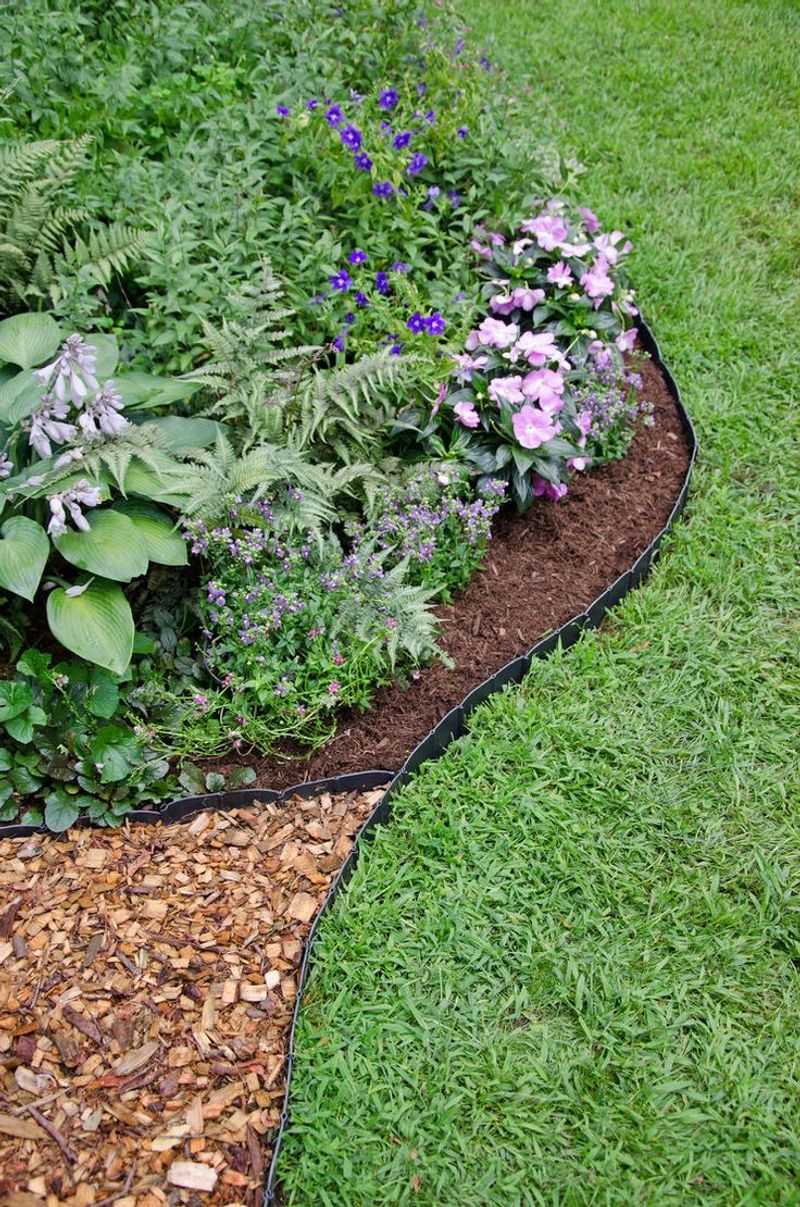
Modern plastic edging has come far from flimsy versions of the past, now offering durable options that hold up well in Colorado’s temperature swings.
Flexible plastic rolls conform to any garden shape imaginable, making installation quick and easy even for homeowners with zero landscaping experience or special skills.
Black edging blends into landscapes and becomes nearly invisible once plants fill in, creating clean borders without drawing unwanted attention to the materials themselves.
Anchoring stakes keep plastic firmly in place despite frost heaving and soil movement that occurs throughout Colorado’s changing seasons and weather patterns each year.
Budget-conscious gardeners love how affordable plastic edging is compared to stone or metal, allowing them to edge entire yards for minimal investment amounts.
UV-resistant formulations prevent brittleness and cracking that plagued older plastic products, ensuring your borders last multiple seasons without constant replacement needs or repairs.
Removing and repositioning plastic edging takes minutes if you decide to redesign garden layouts, offering flexibility that permanent options simply cannot provide homeowners.
Textured or ribbed surfaces grip soil better than smooth plastic, reducing the chance of edging popping out during Colorado’s notorious spring freeze-thaw cycles.
This practical choice delivers solid performance without breaking the bank, proving that effective garden edging doesn’t require expensive materials to achieve professional-looking results today.
For many Colorado yards, plastic edging strikes the right balance between function, affordability, and adaptability as landscapes continue to evolve over time.
6. Concrete Pavers
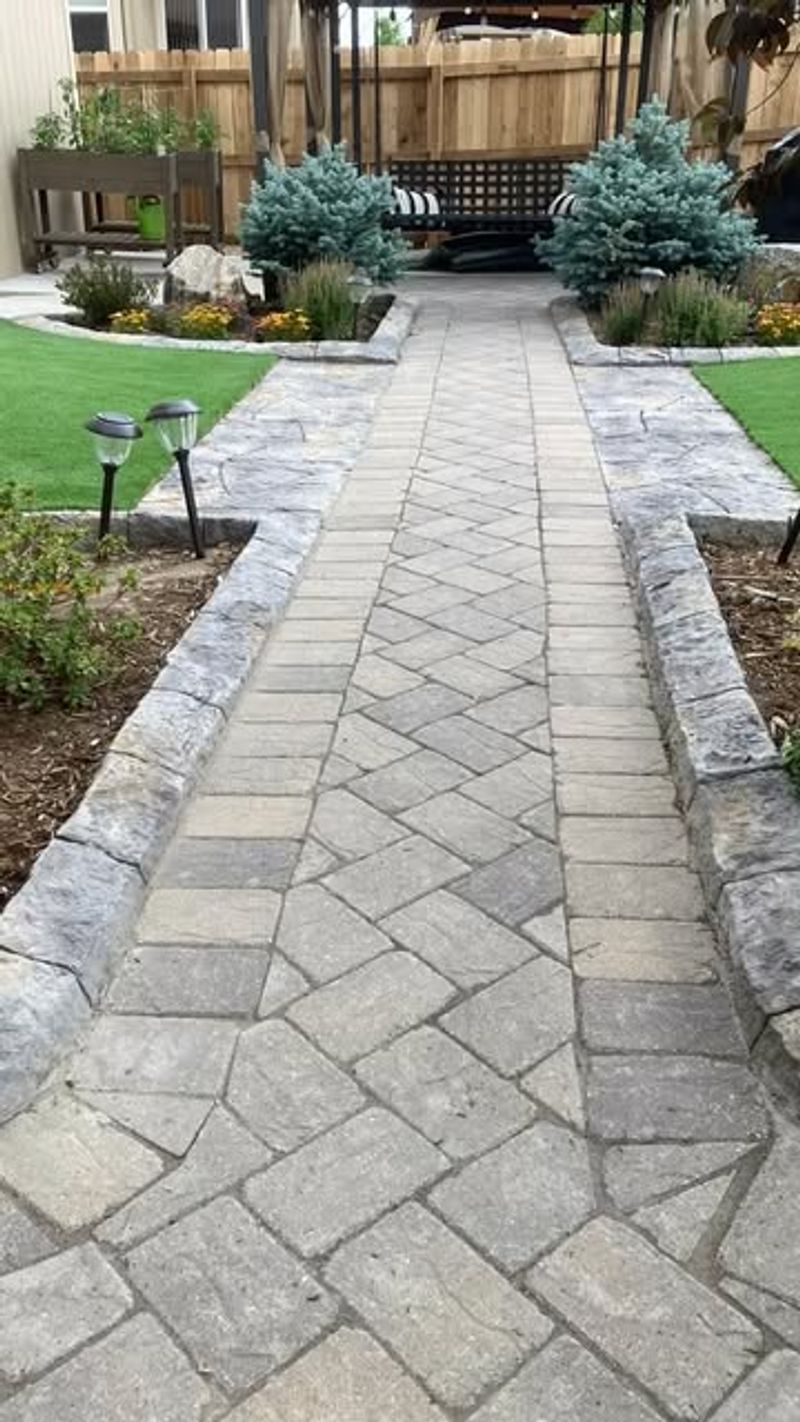
Leftover pavers from patio projects or discounted end-of-season sales provide sturdy edging that stands up to Colorado’s toughest weather without budging an inch.
Laying pavers flat creates wide borders that double as mowing strips, letting lawn mower wheels roll smoothly while keeping grass from creeping into beds.
Standing pavers on edge saves materials and creates taller barriers when you need more height to contain mulch or prevent soil erosion on slopes.
Colorado homeowners appreciate how pavers handle heavy snow loads and ice without cracking, unlike some materials that fail when winter conditions become particularly harsh.
Mixing different paver colors and sizes creates custom patterns that add personality to gardens without requiring artistic skills or expensive design consultations from professionals.
Concrete pavers cost less than natural stone but deliver similar durability and visual appeal, making them an excellent middle-ground option for budget-minded gardeners.
Straight edges and uniform sizes make pavers easier to install than irregular stones, speeding up projects and reducing frustration for DIY enthusiasts.
Occasional power washing keeps pavers looking fresh and clean, removing dirt and algae buildup that can dull appearances over time in Colorado’s climate.
This versatile edging solution works in formal and informal gardens alike, adapting to whatever style you’re creating while staying within reasonable budget constraints.
7. Gravel Trenches
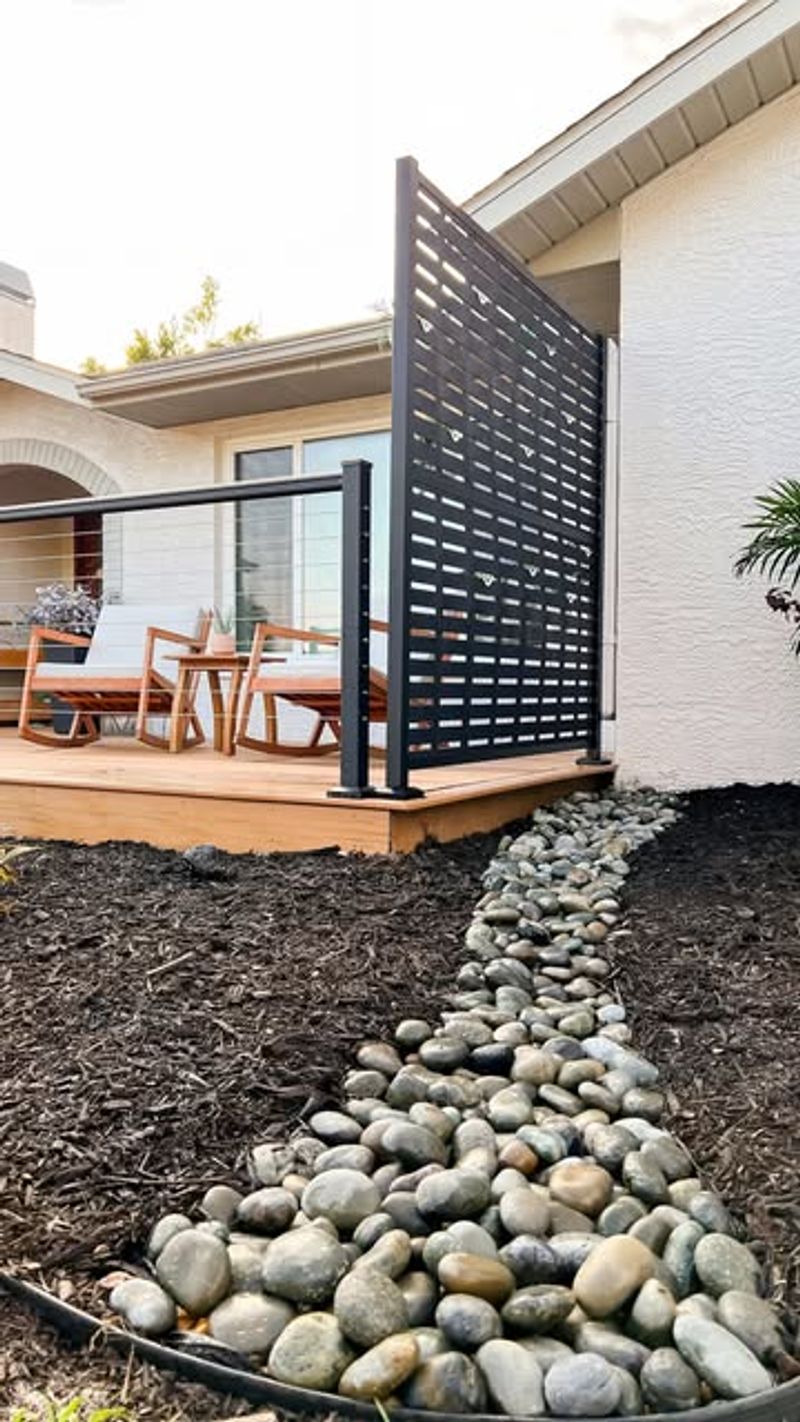
Digging narrow trenches and filling them with gravel creates effective barriers that prevent grass roots from spreading into garden beds throughout Colorado’s growing months.
Pea gravel or crushed stone costs little per bag, and a few bags go a long way when you’re filling shallow trenches around flowerbeds.
This drainage-friendly option helps water flow away from plant roots, reducing waterlogging problems that sometimes plague Colorado gardens during heavy spring rains or snowmelt.
Gravel trenches require minimal maintenance once installed, unlike edging materials that shift, crack, or need regular adjustments to maintain their effectiveness and appearance over time.
Colorado’s rocky soil makes digging trenches easier than in clay-heavy regions, so this project typically goes faster than homeowners initially expect it to.
Combining gravel with landscape fabric underneath prevents weeds from sprouting through while still allowing excellent drainage that keeps borders clean and functional year-round.
Different gravel colors let you coordinate with existing landscape features, creating cohesive designs that tie your entire yard together without expensive hardscaping or stonework.
Wider trenches create more substantial visual separation between lawn and garden areas, making spaces feel more defined and intentionally designed rather than haphazard.
This simple, inexpensive solution works beautifully in xeriscape gardens and traditional landscapes alike, proving its versatility across Colorado’s diverse gardening styles and regional preferences.
Many homeowners find that gravel edging quietly improves both function and appearance without adding clutter or complexity to the landscape.
8. Rubber Edging
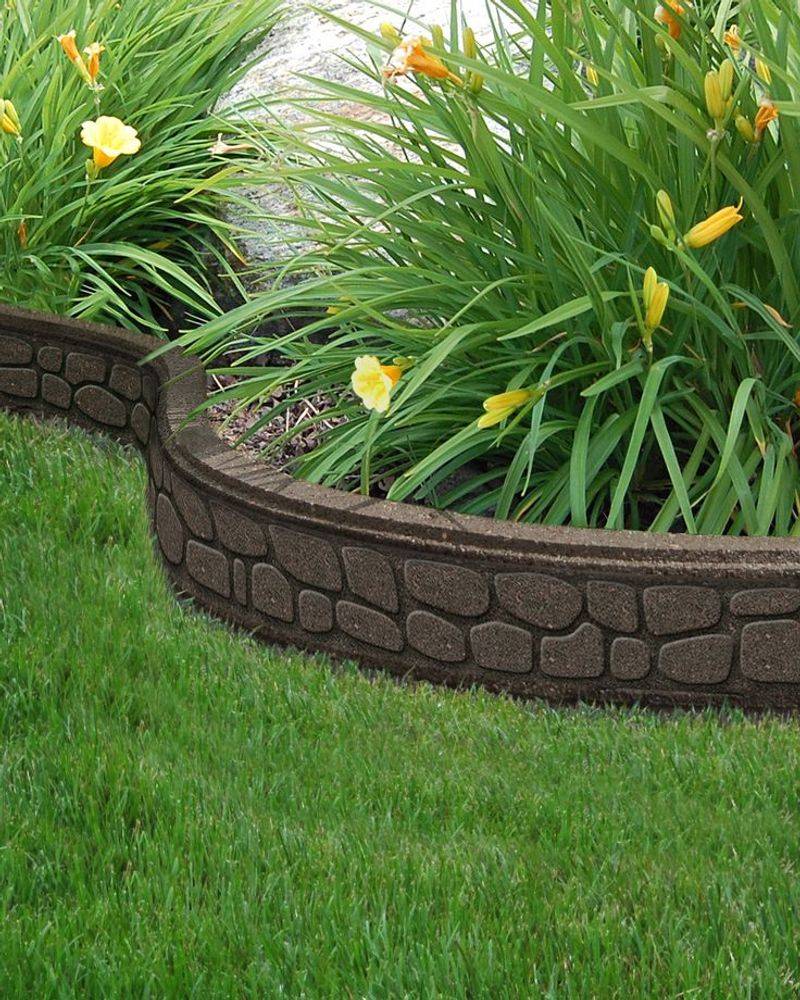
Recycled rubber edging made from old tires offers eco-friendly borders that flex with frost heaving, a common problem in Colorado’s challenging soil conditions.
Rubber won’t crack in cold weather or become brittle under intense sun, outlasting many traditional materials that fail when exposed to the state’s extreme temperatures.
Interlocking rubber pieces snap together quickly, making installation foolproof even for homeowners who’ve never tackled landscaping projects before attempting this simple task.
Colorado gardeners value how rubber edging cushions lawn mower impacts, protecting both equipment and garden borders from damage during routine maintenance and weekly mowing.
Textured surfaces prevent slipping and provide grip in soil, keeping edging firmly in place despite moisture changes and ground movement throughout different seasons.
Lightweight rubber makes transportation and handling easy, so you can complete edging projects without recruiting helpers or renting trucks for material delivery to homes.
Black rubber blends into landscapes naturally, while colored options add playful accents to children’s gardens or themed outdoor spaces throughout your Colorado property design.
Rubber’s flexibility allows it to follow curves and irregular shapes that rigid materials struggle with, giving you freedom to create flowing, organic garden layouts.
This affordable, long-lasting choice combines environmental responsibility with practical performance, making it a smart option for budget-conscious homeowners who care about sustainability and quality.
9. Living Plant Edges
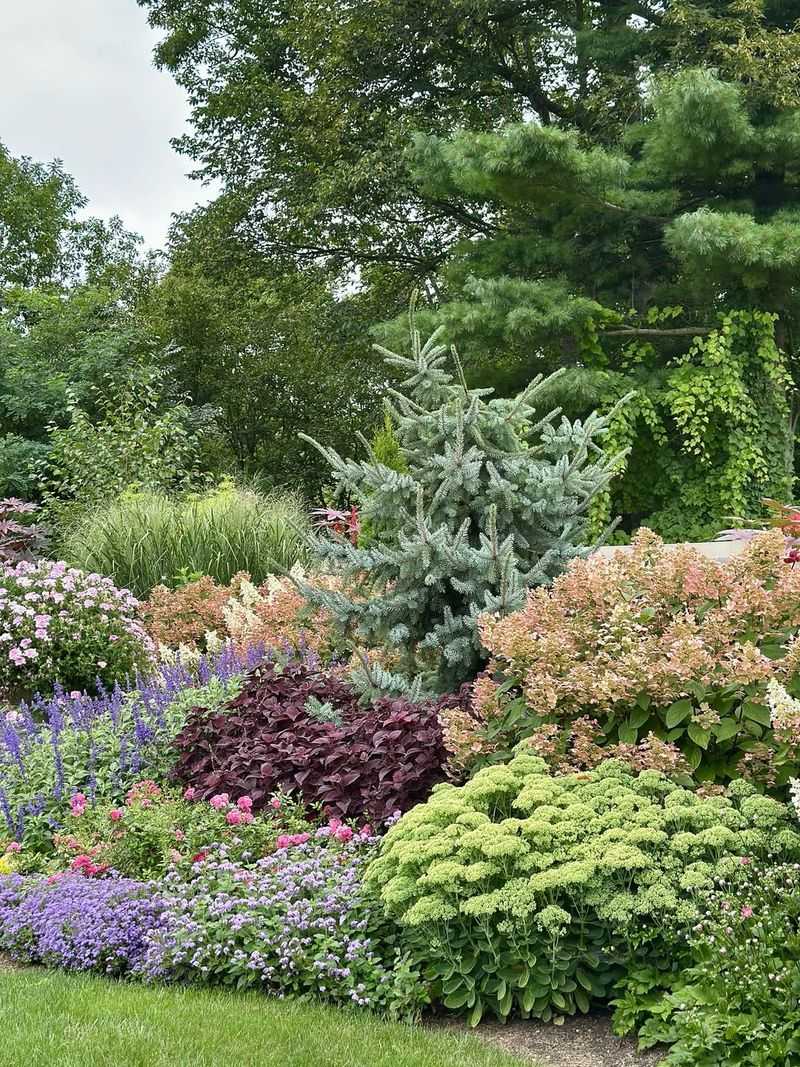
Low-growing groundcovers like creeping thyme or sedum create living borders that soften garden edges while requiring almost zero financial investment beyond initial plant purchases.
Colorado’s native plants work exceptionally well as edging, thriving in local conditions without constant watering or fertilizing that non-native species typically demand from gardeners.
Plant divisions from existing gardens or swaps with neighbors provide free edging material, making this the most budget-friendly option for homeowners watching expenses carefully.
Living edges attract pollinators and beneficial insects, adding ecological value beyond simple border definition that inert materials cannot provide to your outdoor ecosystem.
Flowering groundcovers like alyssum or candytuft add seasonal color that changes throughout the year, creating dynamic borders that evolve rather than remaining static and unchanging.
Colorado’s sunny climate supports many drought-tolerant edging plants that survive with minimal care once established, reducing long-term maintenance time and water costs significantly.
Plant edges naturally blend gardens into lawns, creating soft transitions that feel more organic than hard materials while still defining spaces effectively and attractively.
Trimming living borders takes only minutes with shears, keeping edges neat without the labor-intensive maintenance that some hardscape options require from busy homeowners.
This sustainable, cost-effective approach brings life and movement to garden borders while supporting Colorado’s environment and reducing your landscape’s overall ecological footprint beautifully.
Over time, these living borders often spread and fill in more densely, strengthening the edge naturally without additional planting or expense.