9 Indoor Propagation Ideas To Keep Illinois Homes Growing In January
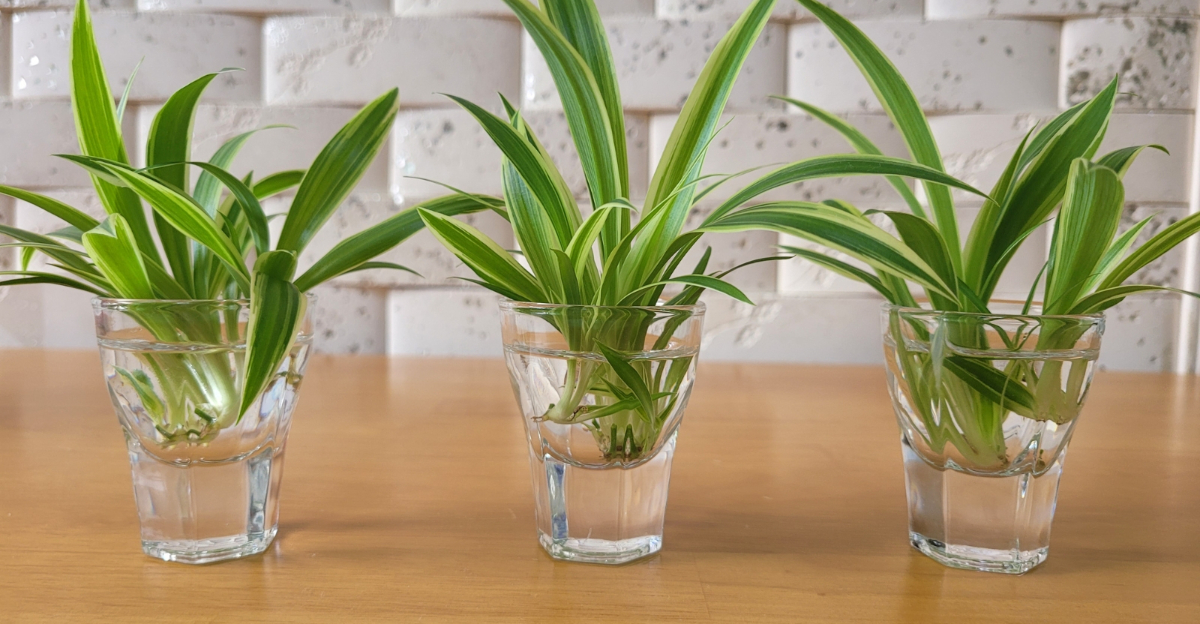
January in Illinois can feel long and colorless indoors, which makes growing something new feel especially satisfying during the coldest weeks.
When outdoor gardens pause, propagation turns windowsills, shelves, and kitchen counters into quiet signs of progress.
Watching roots form and leaves push forward brings a sense of momentum when everything outside feels frozen in place.
Indoor propagation fits naturally into daily routines, turning ordinary moments into small check-ins with living growth.
Illinois homes often provide just enough warmth and light to support steady development without complicated setups.
This time of year invites slower observation, where changes happen gradually but feel rewarding every time they appear.
Propagation also stretches favorite plants further, creating new growth from pieces that might otherwise be overlooked.
There’s something grounding about nurturing plants in January, when patience becomes part of the process.
These indoor propagation ideas keep Illinois homes growing even when winter feels stubborn and unchanging outside.
1. Water Rooting Pothos Cuttings
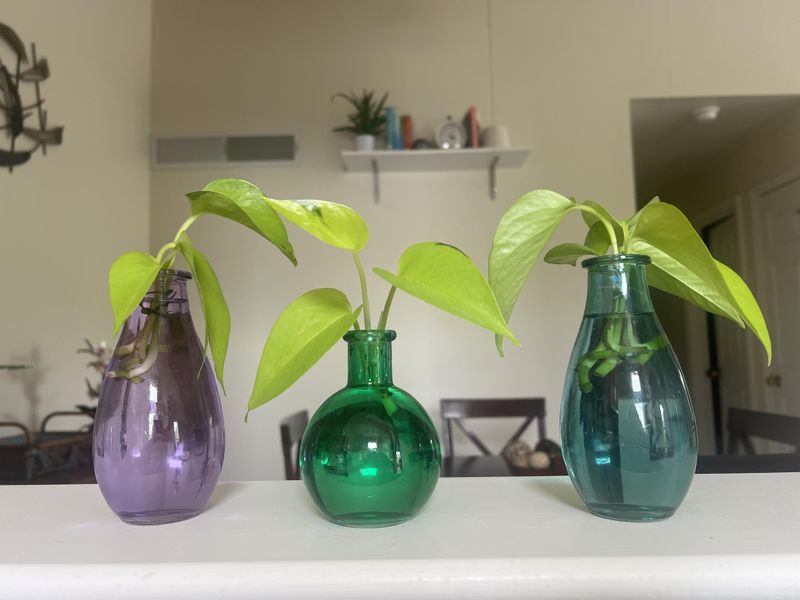
Pothos plants rank among the easiest houseplants to propagate, making them perfect for beginners who want to expand their indoor garden this winter.
Snip a healthy stem just below a node where leaves attach, ensuring each cutting has at least three leaves for best results.
Illinois homes often have dry indoor air during January, but pothos cuttings thrive in simple water-filled containers placed near bright windows.
Clear glass jars work wonderfully because you can watch the roots develop over the next few weeks, which adds excitement to the process.
Change the water every five days to prevent bacterial growth and keep the liquid fresh for optimal root development.
Room temperature water works best since cold water can shock the cutting and slow down the rooting process significantly.
Within two to three weeks, white roots will emerge from the nodes and grow longer each day until they reach several inches.
Once roots measure about three inches long, transfer your new pothos into a pot filled with quality potting soil for continued growth.
This method costs nothing if you already own a pothos plant, and you can create dozens of new plants throughout winter.
Newly potted cuttings adjust quickly when kept in a warm spot with indirect light and evenly moist soil.
Before long, those small starts turn into full, trailing plants that brighten Illinois homes long before spring arrives.
2. Propagating Spider Plant Babies
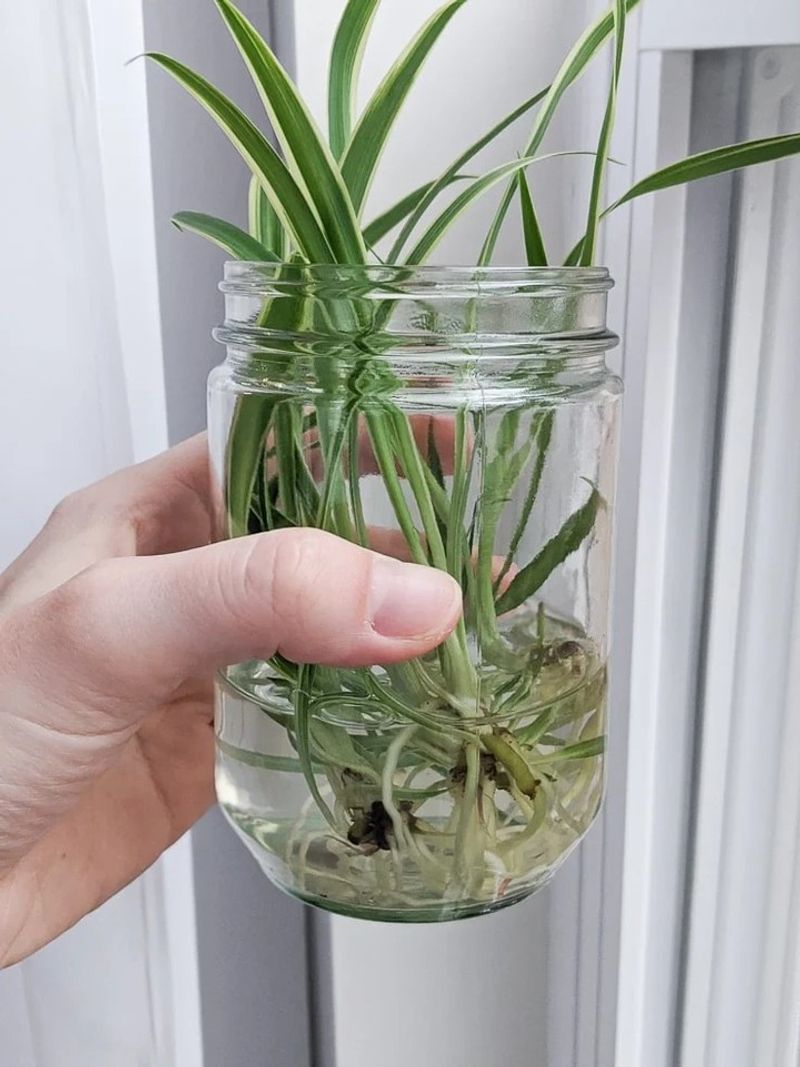
Spider plants naturally produce miniature versions of themselves called plantlets that dangle from long stems like tiny green spiders hanging from webs.
These baby plants come equipped with their own root systems already forming, which makes propagation incredibly simple even for complete novices.
Illinois residents can take advantage of the indoor growing season by snipping these plantlets and starting new plants throughout their homes.
Simply cut the baby plant from the mother using clean scissors, leaving a small stem attached to the plantlet for easier handling.
You can root these babies directly in moist potting soil or place them in water first if you prefer watching roots develop.
Your Illinois Garden Changes Every Week. Your Plan Should Too.
Gardening in Illinois changes quickly throughout the season. Every Friday you’ll receive a simple weekly plan showing exactly what to plant, prune, fertilize, harvest, and protect so you never miss the right timing.
Either method works perfectly well, though soil propagation often produces stronger plants that adapt faster to their permanent containers.
Place your newly potted spider plant babies in bright, indirect light near a window that does not receive harsh afternoon sun exposure.
Keep the soil consistently moist but never waterlogged, as spider plants prefer slightly damp conditions during their establishment period.
Within a month, your new spider plants will develop stronger root systems and begin producing their own babies for future propagation.
3. Rooting Succulent Leaves
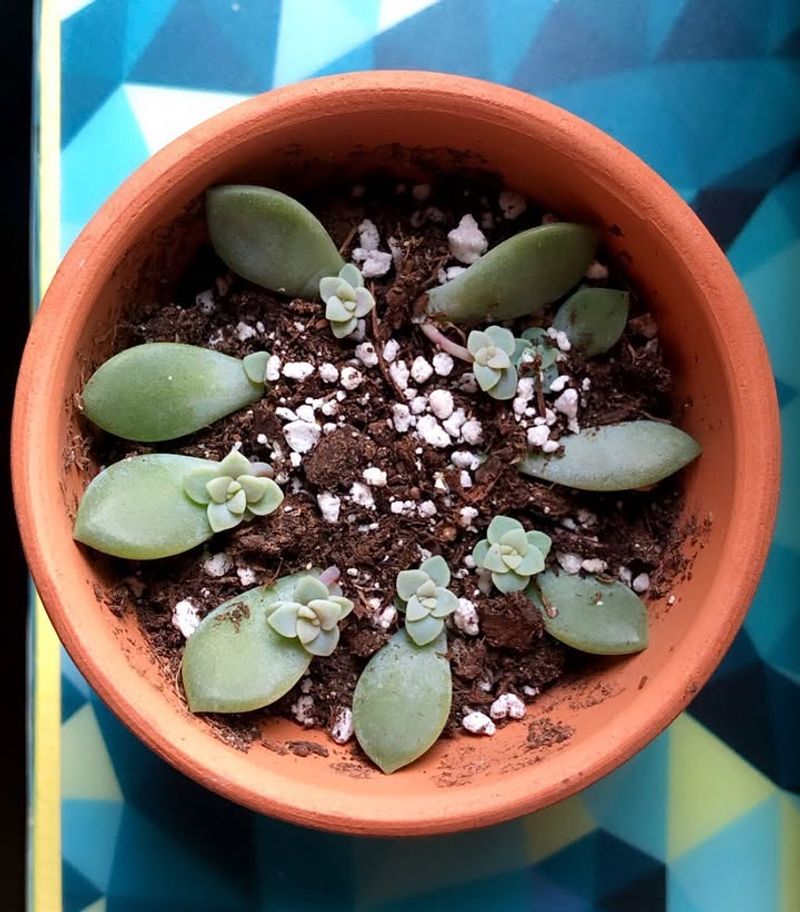
Succulents possess an amazing ability to grow entirely new plants from single leaves, making them fascinating subjects for winter propagation projects.
Gently twist a healthy leaf from the parent plant, ensuring the entire leaf base comes off cleanly without tearing or damage.
Illinois homes with central heating create dry conditions that succulents actually prefer, making January an ideal time for this propagation method.
Lay the leaves on top of dry cactus soil in a shallow tray, keeping the cut end exposed to air rather than buried.
The leaves need time to callus over before they can absorb moisture, which typically takes three to five days in average conditions.
Misting the soil lightly once the callus forms encourages root development without causing the leaf to rot from excess moisture.
Tiny roots will emerge from the leaf base first, followed by a miniature rosette of new leaves that grows larger weekly.
This process moves slowly during winter months but provides endless entertainment as you watch baby succulents form from seemingly lifeless leaves.
Keep the tray in bright light but away from cold windowpanes that might freeze your developing plants overnight during harsh weather.
Once the original leaf shrivels and dries up, the new plant is ready to grow on its own without support.
Transferring young succulents into small pots lets them establish slowly through winter before ramping up growth in spring.
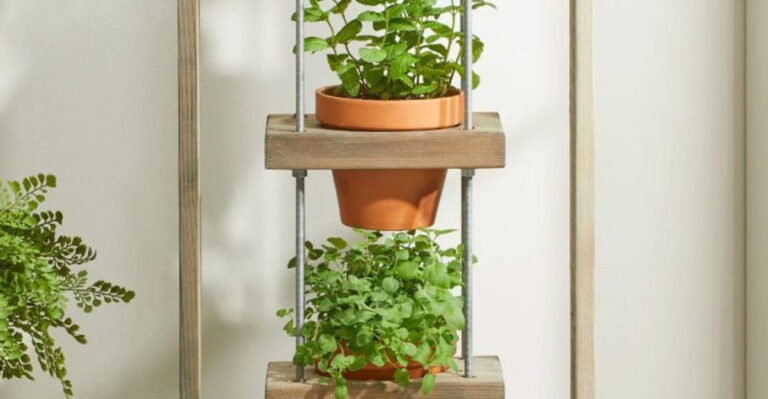
4. Starting Herbs from Grocery Store Cuttings
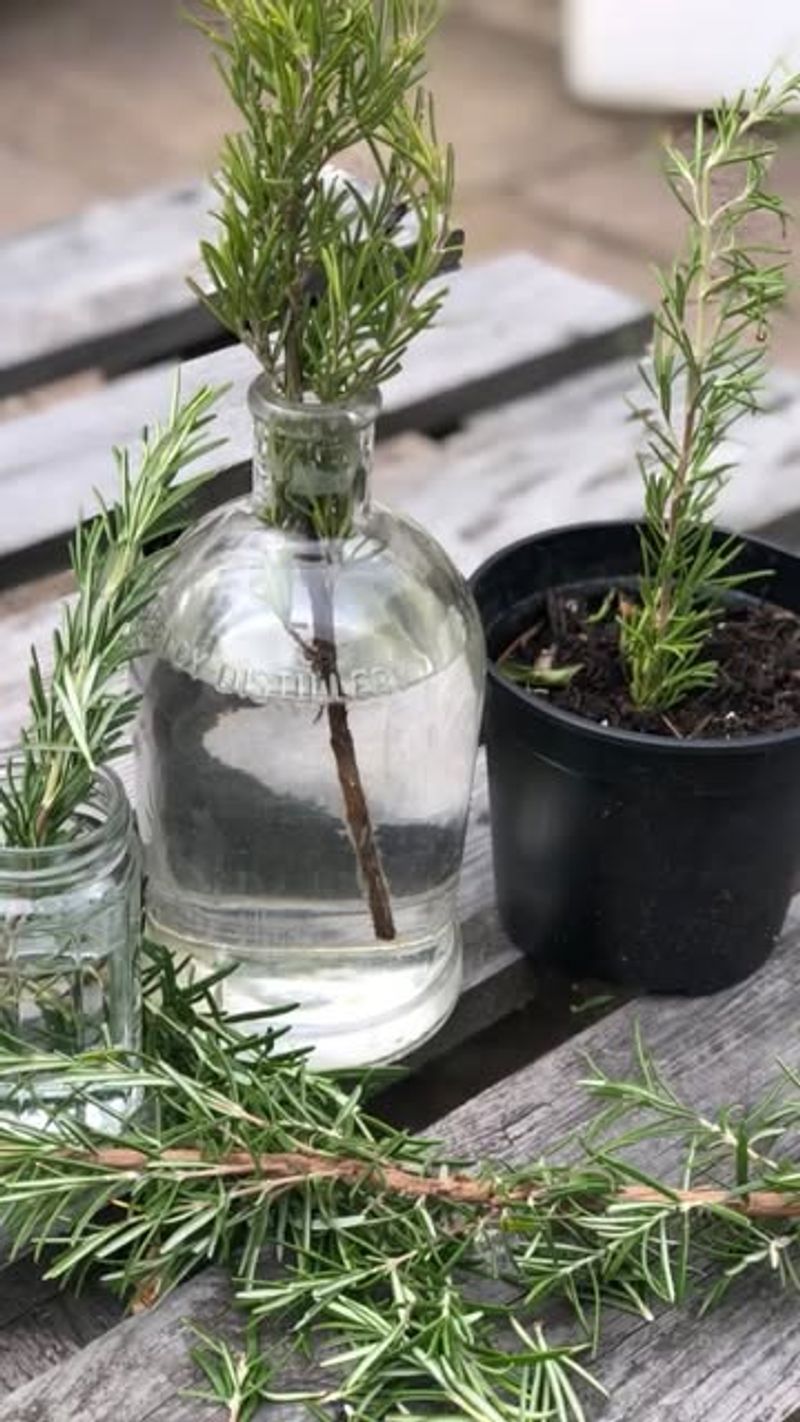
Fresh herb bunches from the grocery store often contain stems that can root and grow into full plants for your Illinois kitchen.
Basil, mint, and cilantro work especially well for this thrifty propagation method that turns cooking ingredients into living houseplants.
Remove the lower leaves from several stems and place them in water near a sunny window where they receive at least six hours of light daily.
The herbs will begin developing roots within one week, transforming what would have been kitchen scraps into valuable plants for future harvests.
Change the water every few days to maintain freshness and prevent the stems from developing slimy bacterial coatings that inhibit root growth.
January provides the perfect opportunity to start this project since fresh herbs cost more during winter months when outdoor gardens lie dormant.
Once roots grow several inches long, transplant your herbs into small pots filled with rich potting soil that drains well.
Position the pots on a south-facing windowsill where they can soak up maximum sunlight during short winter days in the Midwest.
Regular pinching of the growing tips encourages bushier growth and provides you with fresh herbs for cooking throughout the coldest months.
5. Dividing Snake Plant Rhizomes
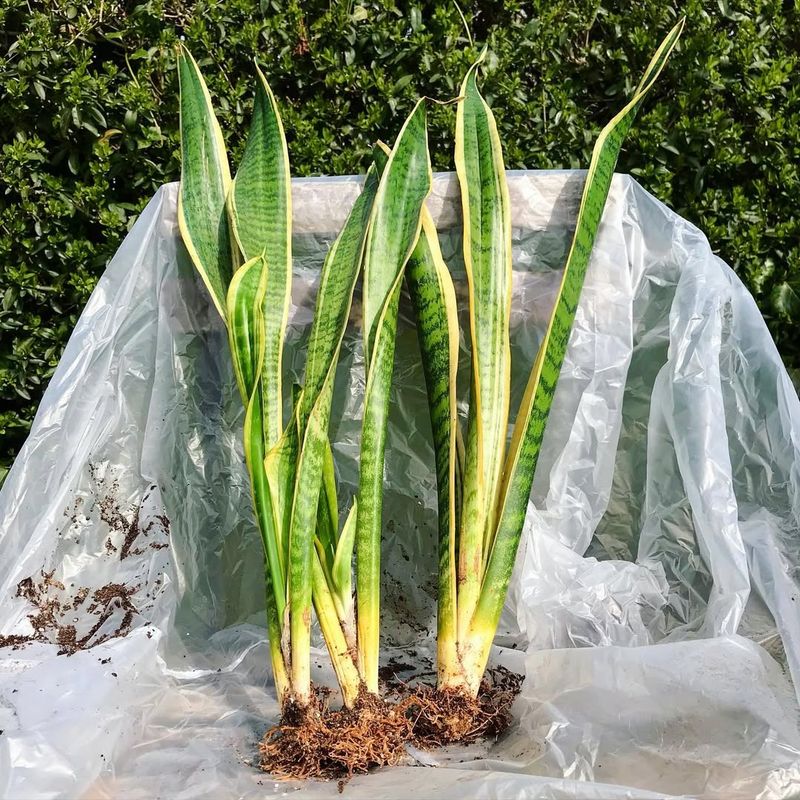
Snake plants grow from underground rhizomes that spread outward and produce new shoots, making them excellent candidates for division propagation during winter months.
When your snake plant becomes crowded in its pot, carefully remove the entire plant and shake off excess soil to expose the rhizome structure.
Illinois gardeners can perform this task indoors without worrying about weather conditions, making January an ideal time for this propagation technique.
Using a clean, sharp knife, cut through the rhizomes to separate individual plants, ensuring each division has both roots and at least two leaves.
The cuts should be clean rather than jagged to minimize damage and reduce the risk of infection in your new plants.
Allow the cut surfaces to dry for several hours before potting to let them form a protective callus layer.
Plant each division in its own container using well-draining cactus or succulent soil that prevents waterlogging and root rot problems.
Snake plants tolerate low light conditions better than most houseplants, making them perfect for darker corners of your home during gloomy winter days.
Water sparingly after dividing, as these tough plants prefer dry conditions and can survive weeks without moisture once established in new pots.
New divisions settle in quickly when kept warm and left undisturbed for the first few weeks after planting.
By late winter, each section begins pushing fresh growth, giving you multiple healthy snake plants from a single crowded pot.
6. Propagating African Violet Leaves
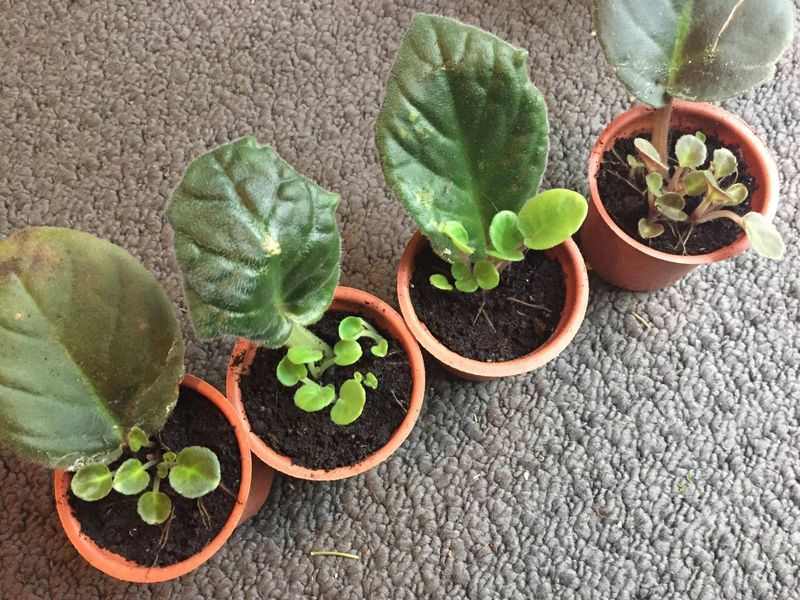
African violets produce charming flowers year-round indoors and propagate easily from single leaves, making them wonderful winter projects for Illinois plant lovers.
Select a healthy, mature leaf from the middle row of the plant rather than the outer or inner leaves for best results.
Cut the leaf with about one inch of stem attached using a clean blade sterilized with rubbing alcohol to prevent disease transmission.
Insert the stem into moist vermiculite or a mix of peat and perlite, burying it about half an inch deep at a slight angle.
Cover the container with a clear plastic bag to create a humid environment that encourages root development without allowing the leaf to dry out.
Place the covered container in bright, indirect light away from cold windows that might chill the developing roots during frigid January nights.
Baby African violet plants will emerge from the base of the leaf stem after six to eight weeks, appearing as tiny clusters of leaves.
Once these babies grow large enough to handle, you can separate them and pot them individually in African violet potting mix.
This propagation method allows you to create multiple new plants from a single parent, filling your Illinois home with colorful blooms throughout winter.
7. Rooting Philodendron Stem Cuttings
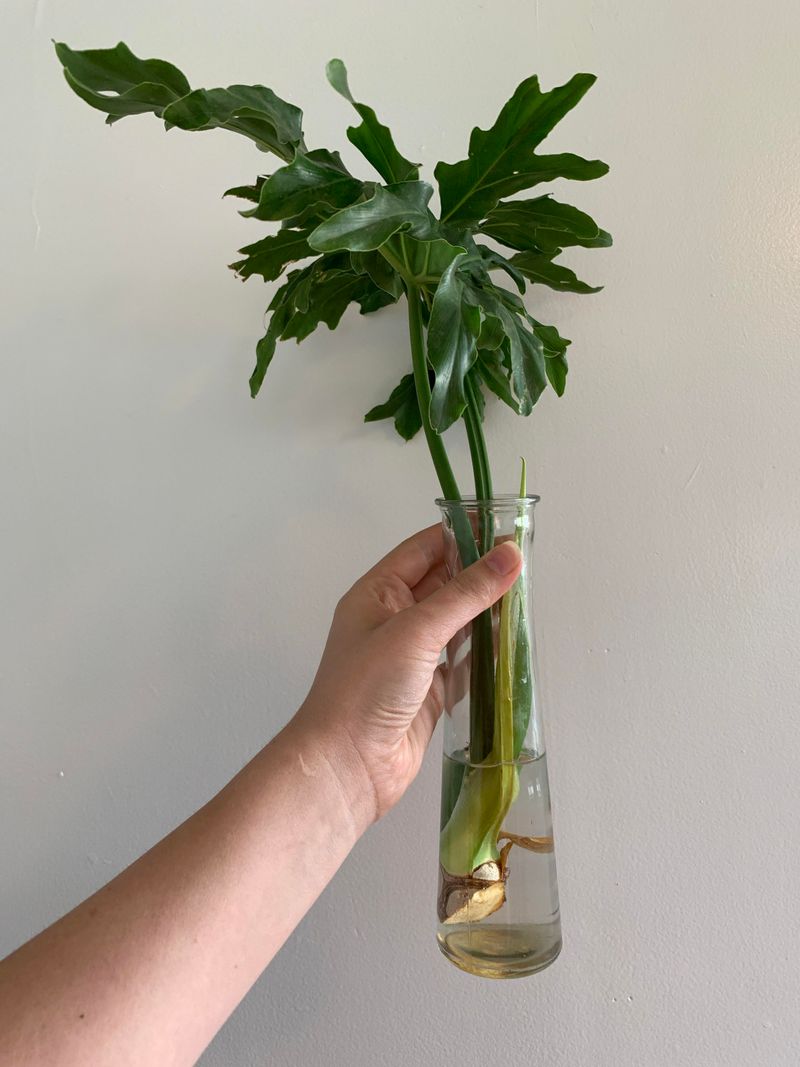
Philodendrons represent some of the most reliable houseplants for propagation, producing roots quickly from stem cuttings taken during any season.
Cut a section of stem that includes at least two nodes where leaves emerge, as these nodes contain the cells necessary for root development.
Illinois homes provide stable temperatures during January that help cuttings establish roots faster than they might in fluctuating outdoor conditions.
Place the cutting in water or directly into moist potting soil, depending on your preference and the results you want to achieve.
Water propagation lets you observe root development, while soil propagation creates plants that adapt more quickly to their permanent containers.
Either approach works well, though water rooting often appeals more to beginners who enjoy watching the transformation happen.
Philodendron cuttings typically develop visible roots within ten to fourteen days when kept in warm, bright locations away from direct sunlight.
Mist the leaves occasionally if your home has particularly dry air from constant furnace use during cold Midwestern winters.
Once roots reach two to three inches long, transplant water-rooted cuttings into pots with well-draining soil and place them in locations with moderate to bright indirect light for continued healthy growth.
New plants establish faster when watered lightly at first, allowing roots to seek moisture without sitting in soggy soil.
Within a month, cuttings often begin unfurling fresh leaves, signaling that they’ve fully transitioned into independent, thriving houseplants.
8. Starting Begonia Cuttings
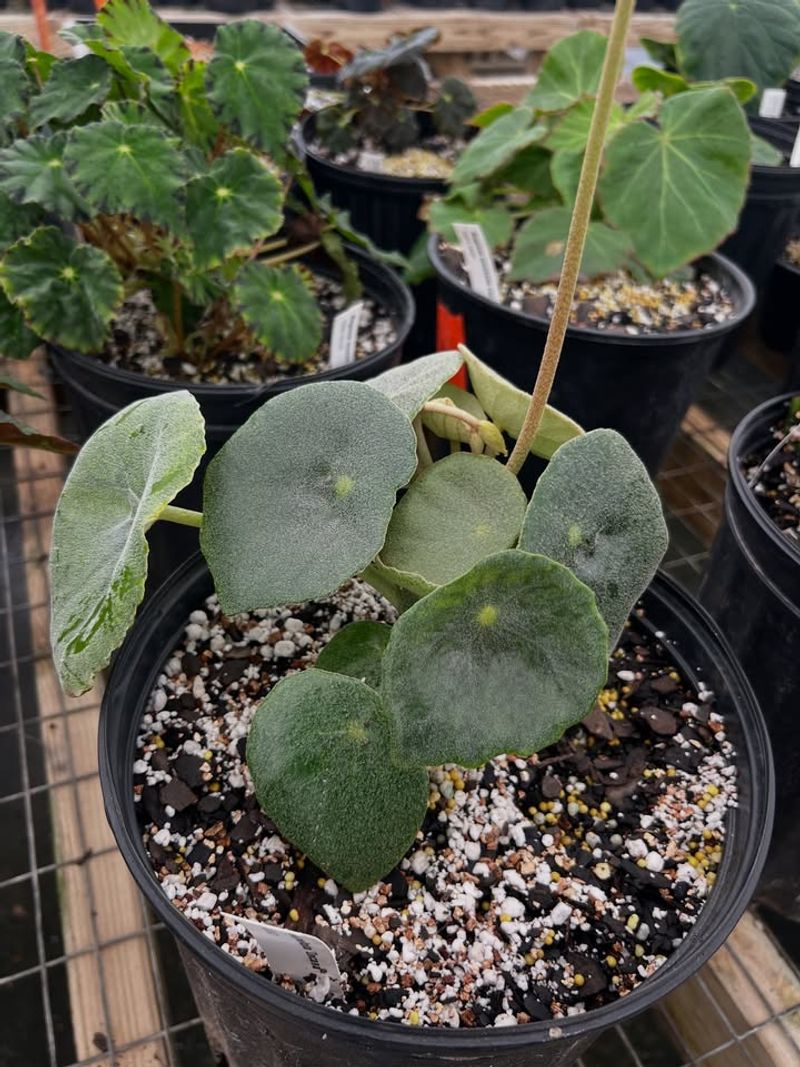
Begonias offer spectacular foliage and flowers that brighten homes during dreary winter months, and they propagate readily from both stem and leaf cuttings.
Choose a healthy stem tip about four inches long with several leaves attached, making your cut just below a node for optimal results.
January provides an excellent opportunity for Illinois gardeners to multiply their begonia collection while plants rest indoors away from freezing outdoor temperatures.
Remove the lower leaves from the cutting and dip the cut end in rooting hormone powder to speed up root development, though this step remains optional.
Insert the prepared cutting into moist potting mix, then cover the pot with a clear plastic bag to maintain humidity around the developing roots.
Place the covered pot in a location with bright, filtered light but never in direct sun that could overheat the enclosed environment.
Roots will form within three to four weeks if you maintain consistent moisture and warmth around the cutting during the rooting period.
Check the cutting by gently tugging on it after a few weeks; resistance indicates roots have developed and anchored the plant.
Remove the plastic covering once roots establish, then gradually acclimate your new begonia to normal household humidity levels before moving it to its permanent location.
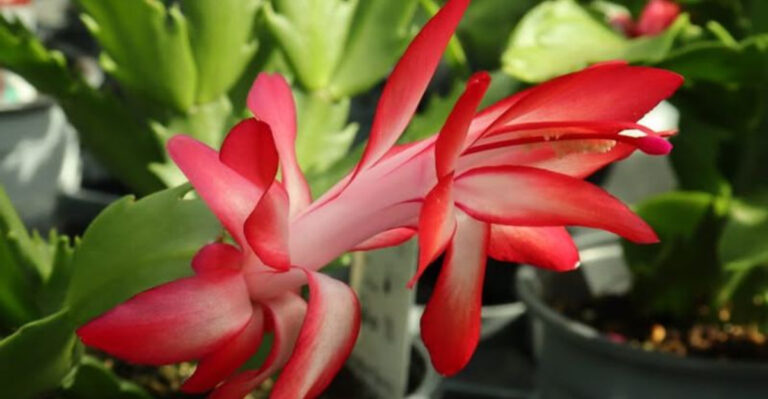
9. Propagating Christmas Cactus Segments
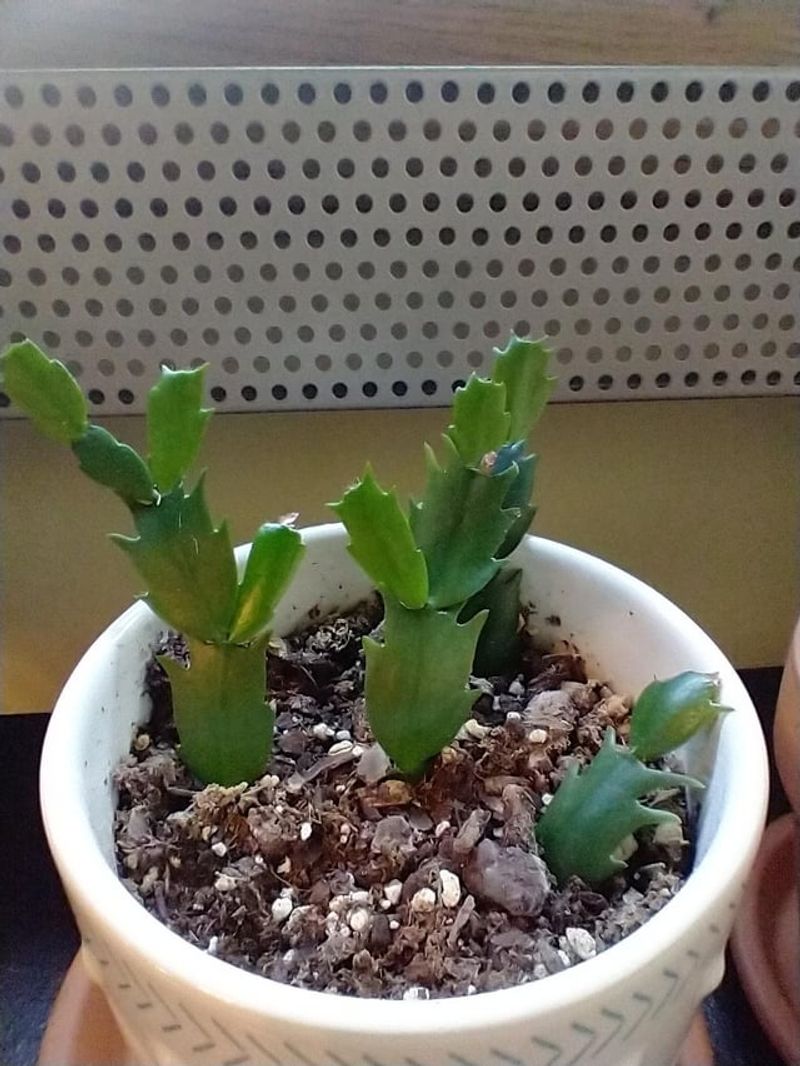
Christmas cacti bloom beautifully during winter months and propagate effortlessly from stem segments, making them perfect projects for January in Illinois.
Twist off a segment that includes two or three joined sections, ensuring a clean break at the natural joint between segments.
These segments contain everything needed to grow into full plants that will bloom for decades with proper care and attention.
Allow the cut end to dry for one day before planting to let it form a callus that protects against rot.
Insert the segment about one inch deep into moist cactus potting mix, then place the pot in bright, indirect light away from heating vents.
Christmas cacti prefer slightly more moisture than desert cacti, so keep the soil lightly damp but never soggy during the rooting phase.
Roots will develop within two to three weeks, and you will notice new growth emerging from the segment tips after about a month.
These plants thrive in the same conditions as their parent, preferring cooler temperatures and moderate light that mimics their natural forest floor habitat.
Your propagated Christmas cactus will reward your efforts with stunning blooms next winter, continuing the cycle of beauty in your Illinois home for years to come.