8 Smart Ways Nevada Growers Keep Jade Plants Healthy
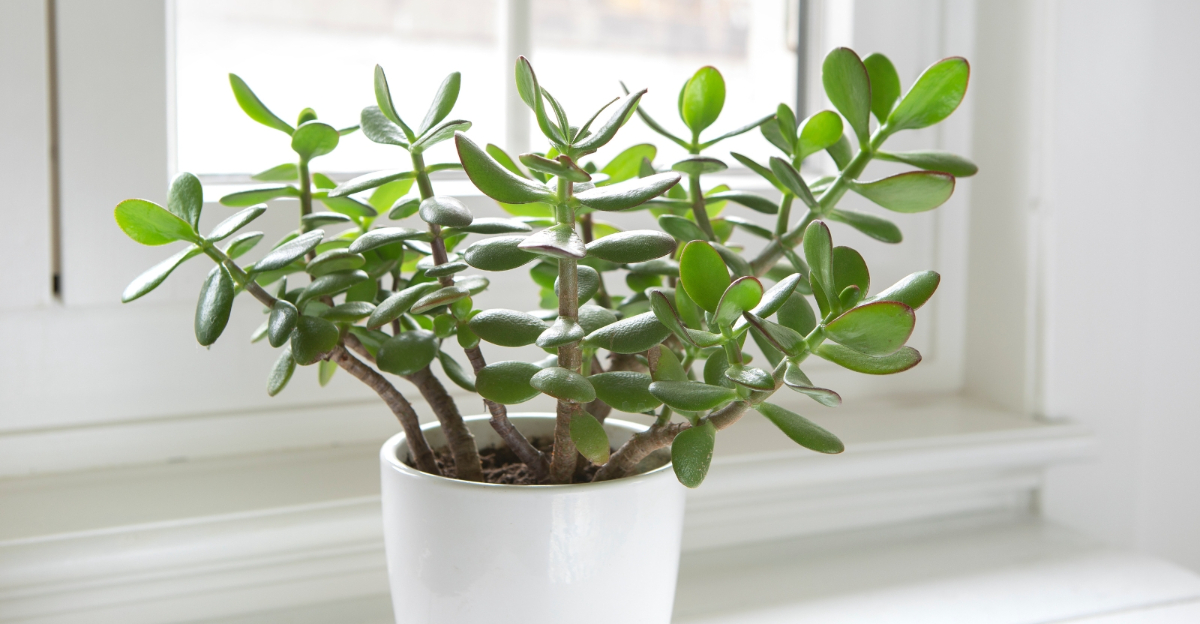
Growing jade plants in Nevada requires more intention than many expect, especially with desert light, dry air, and sudden temperature changes indoors.
What often gets labeled as an easy houseplant can struggle quickly when intense sun and low humidity quietly stress its thick leaves.
Nevada growers learn early that jade plants respond strongly to environment, not schedules copied from cooler or more humid regions.
Subtle details like where a pot sits during the afternoon or how fast soil dries can change plant health dramatically.
Too much sun can scorch leaves, while too little light stretches growth and weakens the plant’s sturdy shape.
Watering mistakes happen fast in Nevada homes, where dry air masks moisture levels and encourages overcorrection.
Successful growers pay attention to leaf firmness, color shifts, and growth pauses instead of relying on generic care advice.
Seasonal changes indoors matter just as much as outdoor weather, especially when heating systems alter humidity for months.
Consistency becomes more valuable than constant adjustments once growers understand how jade plants settle into stable routines.
These smart approaches help Nevada growers keep jade plants compact, resilient, and healthy despite challenging desert conditions year-round.
1. Master the Art of Deep but Infrequent Watering
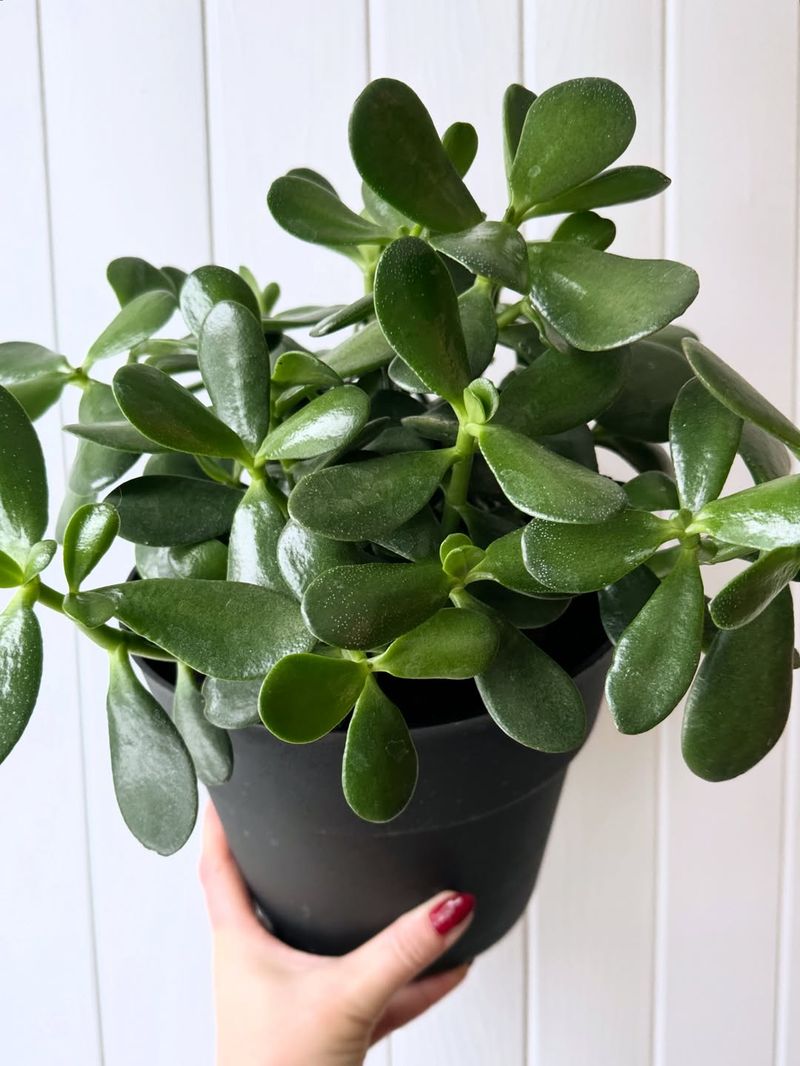
Succulents store moisture in their thick leaves, which means they need a completely different watering approach than most houseplants you might own.
Nevada growers have learned that jade plants respond best when soil dries out completely between waterings instead of staying constantly moist all week.
Overwatering causes root rot faster than almost any other mistake, especially when temperatures drop during winter months across the Silver State.
Professional gardeners recommend checking soil moisture by sticking your finger two inches deep before adding any water to the pot at all.
During summer heat, jade plants may need water every ten to fourteen days, but winter watering should happen only once monthly or less.
Using pots with drainage holes prevents water from pooling at the bottom, which protects roots from sitting in soggy conditions that encourage fungal growth.
Many experienced Nevada growers prefer terracotta pots because they allow excess moisture to evaporate through the porous clay material naturally and efficiently.
When you do water, soak the soil thoroughly until water runs freely from drainage holes, ensuring roots receive adequate hydration throughout the container.
This deep watering method encourages strong root development and mimics natural rainfall patterns jade plants would experience in their native African environment originally.
Placing jade plants in bright light also helps excess moisture dry faster, reducing the risk of overwatering problems.
With the right balance of light and infrequent watering, these succulents thrive in Nevada homes for decades.
2. Provide Bright Indirect Light for Optimal Growth
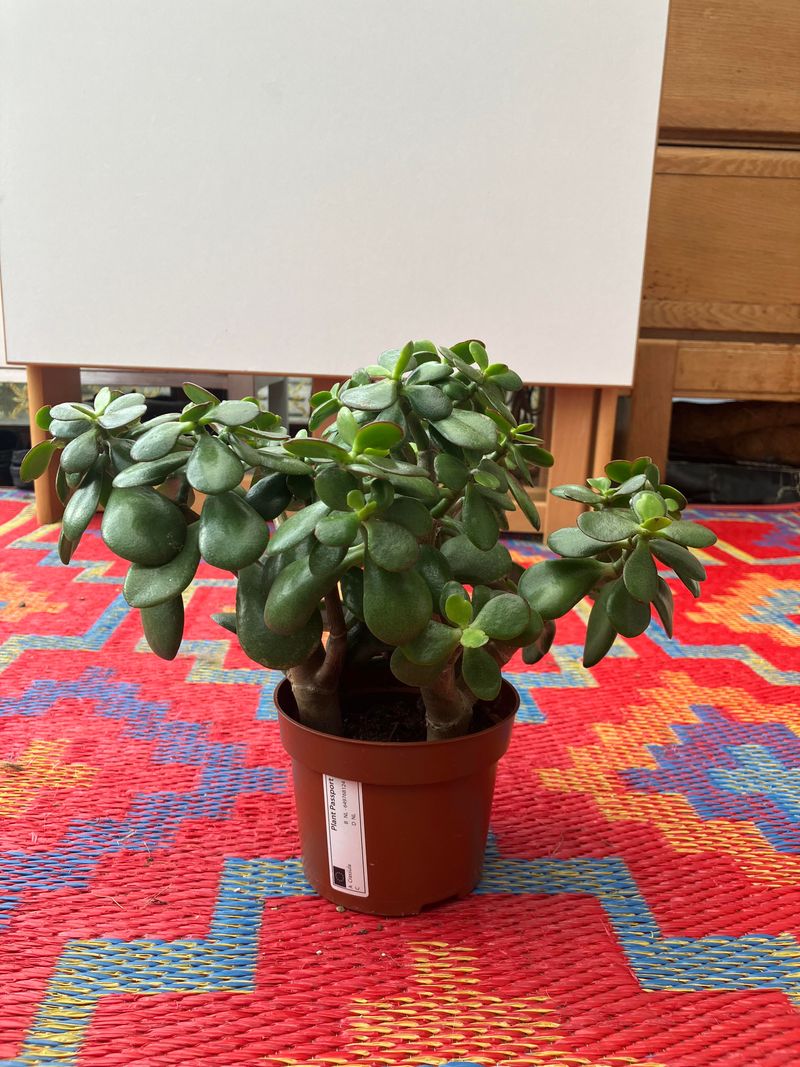
Jade plants love sunlight but can actually suffer from sunburn when exposed to harsh afternoon rays during Nevada’s blazing summer temperatures outdoors.
Finding the perfect balance between enough light and too much intensity makes all the difference for healthy foliage and steady growth rates year-round.
East-facing windows work wonderfully because they provide gentle morning sun without the scorching heat that comes later in the afternoon across Nevada.
Your Nevada Garden Changes Every Week. Your Plan Should Too.
Gardening in Nevada changes quickly throughout the season. Every Friday you’ll receive a simple weekly plan showing exactly what to plant, prune, fertilize, harvest, and protect so you never miss the right timing.
South-facing windows can work too, but you might need sheer curtains to filter intense light during peak hours between noon and four o’clock.
Growers in Las Vegas and Reno often place jade plants a few feet back from windows to avoid direct sun while still capturing plenty of brightness.
If leaves start turning red or brown around the edges, that signals too much direct sun exposure and means you should move the plant immediately.
Indoor jade plants need at least four hours of bright light daily to maintain their vibrant green color and compact, bushy growth habit naturally.
Rotating your pot every few weeks ensures all sides receive equal light exposure, preventing the plant from leaning heavily toward the window over time.
Outdoor jade plants in Nevada should be placed where they receive morning sun and afternoon shade, protecting them from the harshest heat of the day.
3. Choose Fast-Draining Soil Mix for Healthy Roots
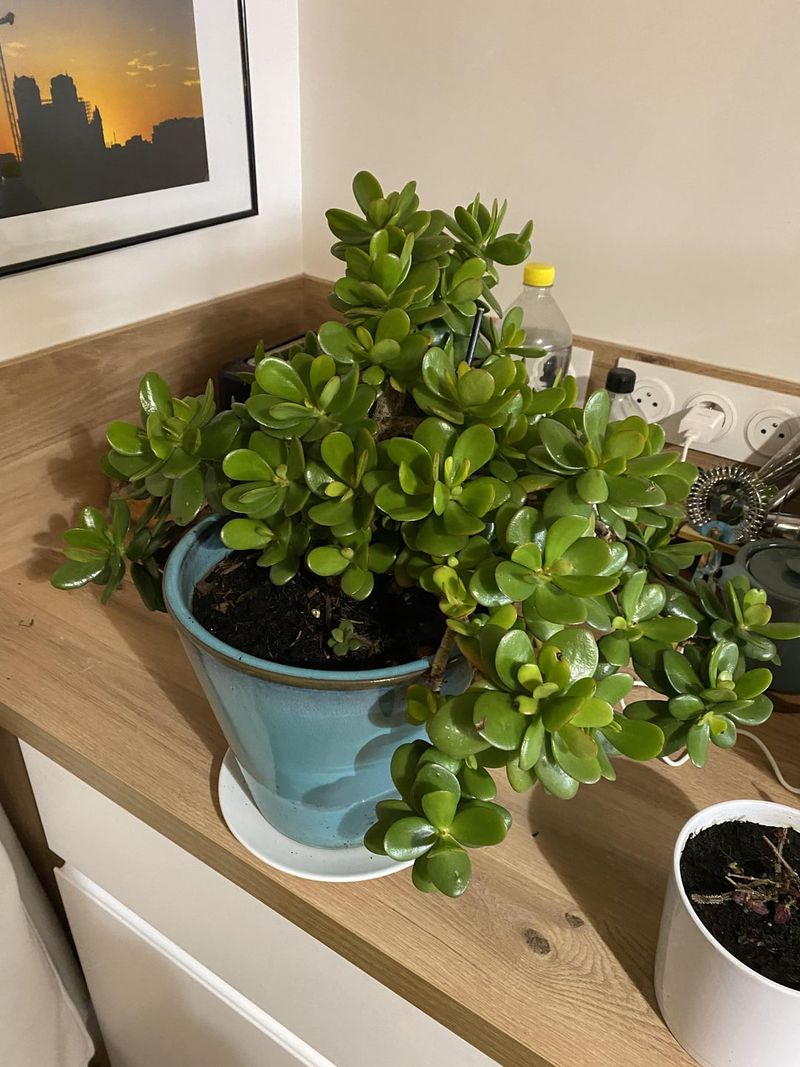
Regular potting soil holds too much moisture for succulents, which creates an environment where roots struggle and fungal problems develop quickly in containers.
Nevada growers swear by specialized cactus and succulent mixes that contain sand, perlite, or pumice to improve drainage and prevent waterlogged root zones.
You can easily make your own mix by combining equal parts standard potting soil, coarse sand, and perlite for an affordable homemade solution.
Some experienced gardeners across Nevada add small amounts of gravel or crushed granite to further enhance drainage and mimic natural rocky soil conditions perfectly.
Fast-draining soil allows water to pass through quickly, giving roots access to moisture without sitting in wet conditions that encourage rot and disease.
When repotting jade plants, always use fresh soil mix rather than reusing old soil, which may harbor pests or pathogens from previous growing seasons.
Compacted soil prevents proper air circulation around roots, so avoid pressing soil down too firmly when filling pots during repotting sessions in your Nevada home.
Adding a layer of small rocks or gravel at the pot bottom does not improve drainage and actually reduces space for healthy root growth.
The right soil mix keeps jade plants thriving for years, supporting strong stems and thick leaves that make these succulents so attractive to collectors everywhere.
Choosing the proper soil also means less guesswork when watering, since excess moisture drains away quickly instead of lingering around the roots.
For Nevada growers, this simple adjustment often makes the difference between a struggling jade plant and one that grows steadily year after year.
4. Maintain Ideal Temperature Range Year-Round

Jade plants prefer temperatures between sixty-five and seventy-five degrees Fahrenheit, which matches indoor conditions in most Nevada homes throughout the year perfectly.
These succulents can tolerate slightly cooler nights, but temperatures below fifty degrees can slow growth dramatically and cause leaf drop over time.
Nevada winters rarely threaten indoor plants, but outdoor jade plants need protection when nighttime temperatures approach freezing in northern parts of the state.
Sudden temperature swings stress plants more than consistent cool or warm conditions, so avoid placing jade plants near heating vents or air conditioners.
During summer months, indoor temperatures in Nevada can climb high, but jade plants handle heat well as long as humidity levels remain low consistently.
Bringing outdoor plants inside before first frost protects them from cold damage that can turn leaves mushy and cause stems to become weak.
Room temperature stability helps jade plants maintain steady growth without experiencing stress that triggers leaf drop or stunted development throughout the growing season.
Growers in Nevada find that jade plants adapt well to typical indoor climates, making them one of the easiest succulents to maintain successfully.
Monitoring temperatures near windows during winter prevents cold drafts from chilling plants, especially when outdoor temperatures plummet overnight in desert regions across the state.
5. Feed Sparingly with Balanced Succulent Fertilizer
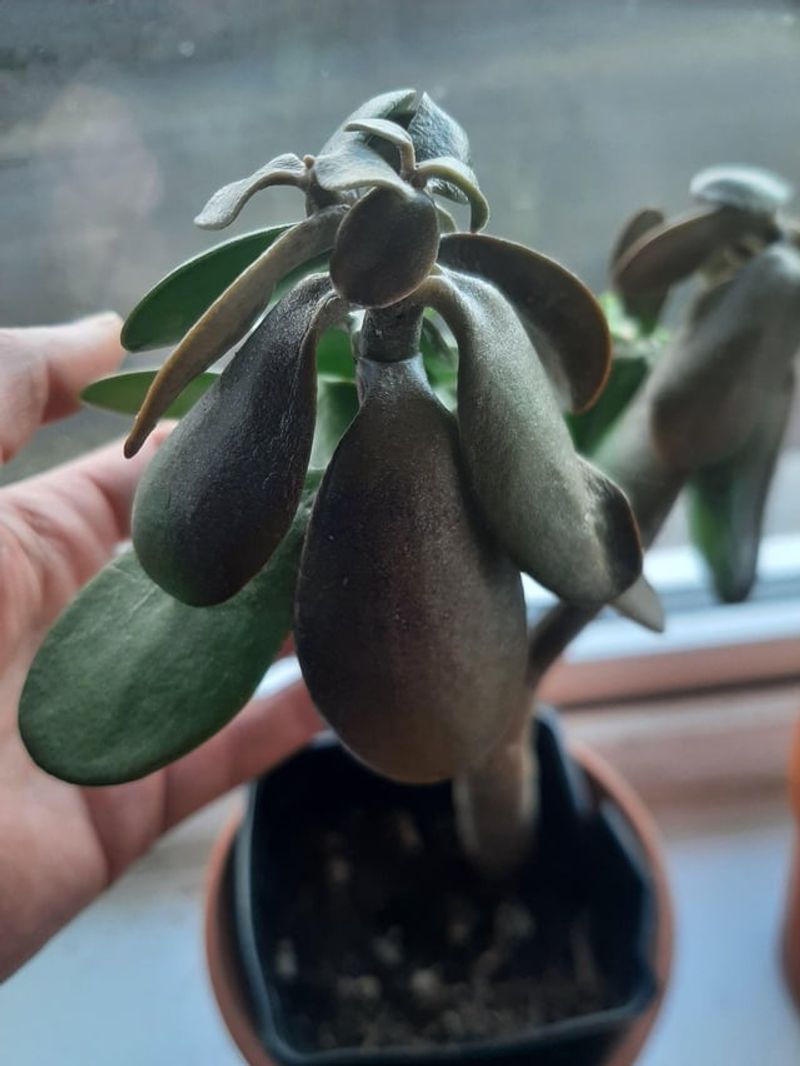
Jade plants grow slowly compared to many houseplants, which means they need far less fertilizer than you might expect from typical gardening advice online.
Over-fertilizing causes salt buildup in soil, which damages roots and leads to brown leaf tips and stunted growth patterns across Nevada growing conditions.
Experienced growers recommend using a balanced liquid fertilizer diluted to half strength once every three to four months during the active growing season only.
Spring and summer represent the best times to fertilize because jade plants grow most actively when daylight hours increase and temperatures rise naturally.
Avoid fertilizing during fall and winter months when growth slows down significantly and plants enter a semi-dormant phase requiring minimal nutrients or water.
Specialized succulent fertilizers work best because they contain lower nitrogen levels and higher phosphorus, supporting strong stems and healthy root development over time.
Flushing soil with plain water occasionally helps remove accumulated salts from fertilizers, especially important in Nevada where tap water already contains high mineral content.
Organic fertilizers like diluted compost tea provide gentle nutrition without the risk of chemical burn that synthetic fertilizers sometimes cause when applied too heavily.
Signs of over-fertilizing include white crusty deposits on soil surface, leaf discoloration, and weak new growth that appears pale or stretched compared to older foliage.
Reducing fertilizer also helps jade plants maintain their compact shape instead of producing weak, leggy growth.
In Nevada homes, less feeding often results in sturdier plants that stay healthy and balanced for many years.
6. Prune Strategically to Encourage Bushy Growth
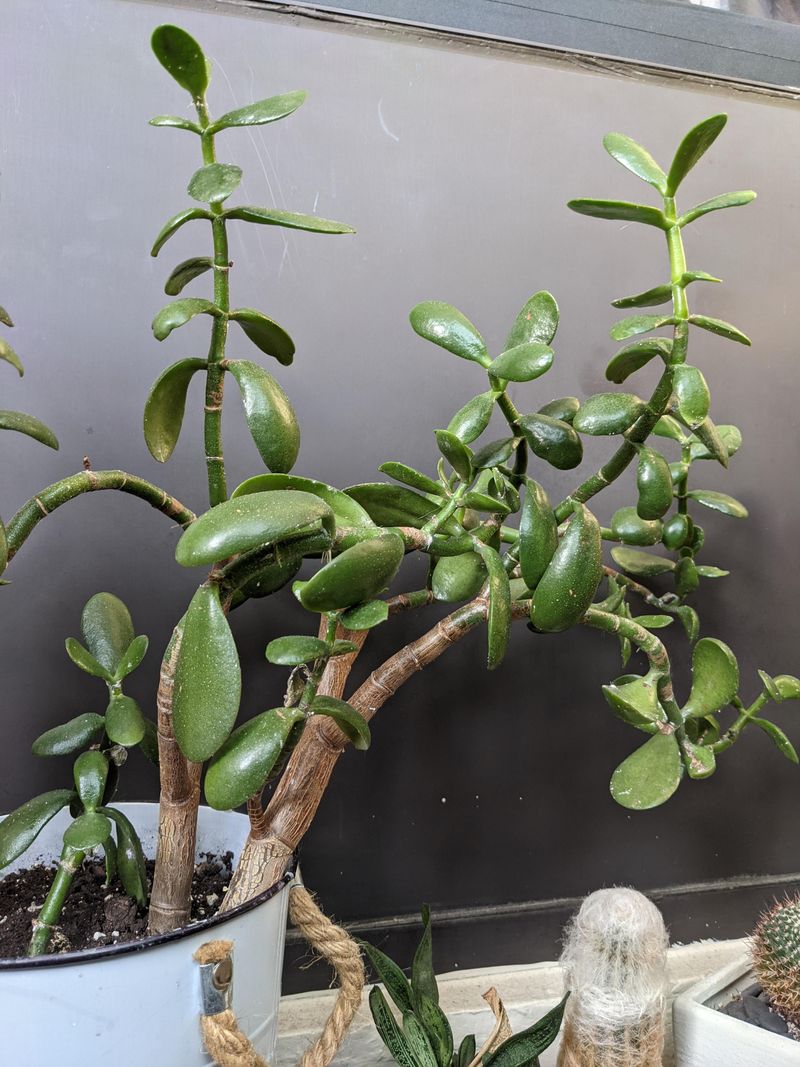
Regular pruning helps jade plants develop fuller, more attractive shapes instead of growing tall and leggy with sparse foliage on long stems over time.
Nevada growers trim back overgrown branches during spring when plants enter their active growth phase and recover quickly from pruning cuts without stress.
Using clean, sharp scissors or pruning shears prevents crushing stems, which can introduce infections and slow healing compared to smooth, precise cuts made carefully.
Remove any dead or damaged leaves promptly because they can harbor pests or diseases that spread to healthy parts of the plant if left unattended.
Pruning encourages branching by stimulating dormant buds below cut points, resulting in bushier plants with multiple stems instead of single tall stalks across Nevada.
You can propagate cuttings from pruned branches by letting them dry for a few days before planting in fresh succulent soil mix successfully.
Avoid removing more than one-third of the plant at once because excessive pruning stresses jade plants and slows recovery time significantly during growing seasons.
Pinching off new growth tips with your fingers encourages compact, dense foliage without needing tools, making it perfect for maintaining small indoor jade plants.
Strategic pruning creates beautiful bonsai-style jade plants that become stunning focal points in Nevada homes, showcasing thick trunks and well-balanced canopy shapes over years.
7. Watch for Common Pests and Address Them Quickly
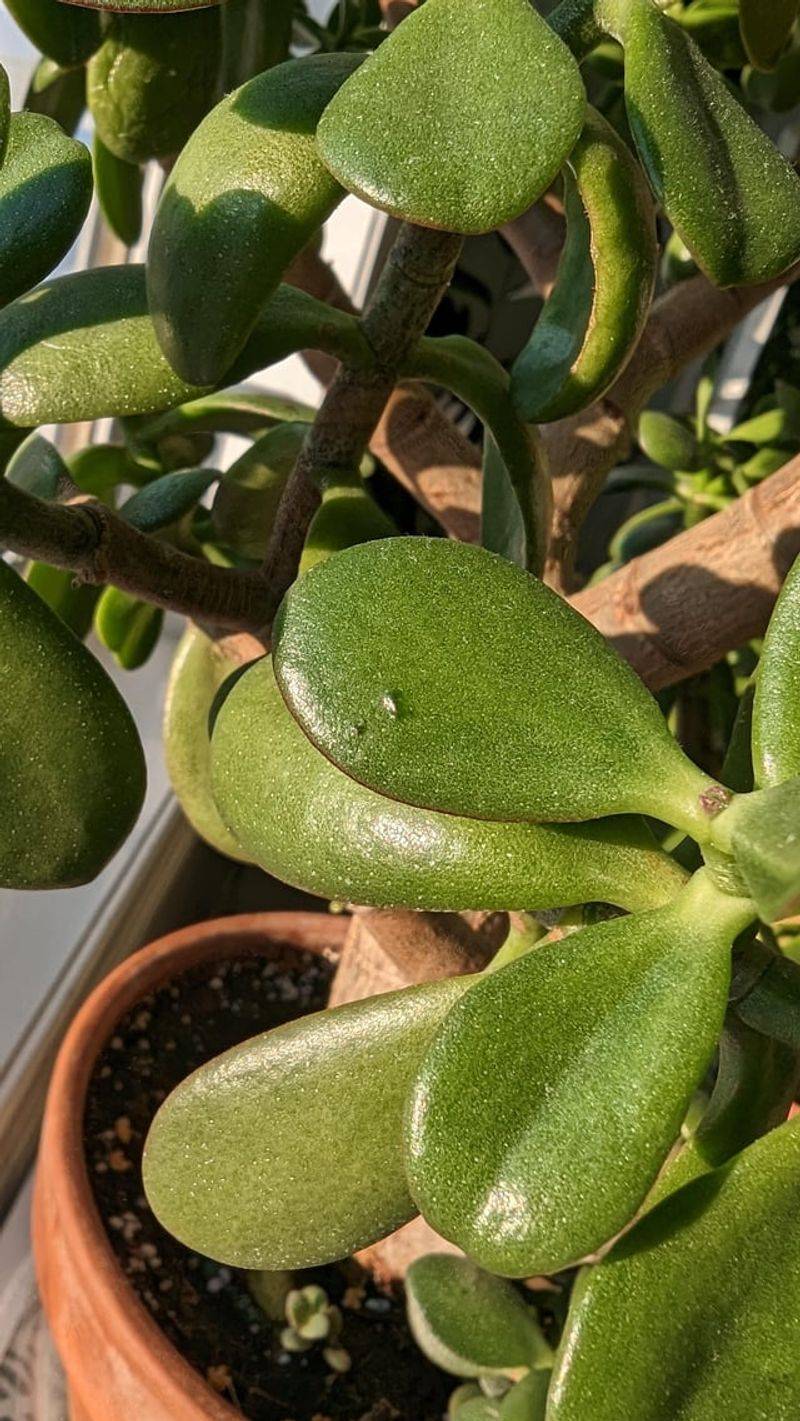
Mealybugs and spider mites pose the biggest pest threats to jade plants, especially when indoor humidity levels drop extremely low during Nevada’s dry seasons.
These tiny insects hide in leaf joints and undersides, sucking plant sap and weakening growth while leaving behind sticky residue or fine webbing.
Inspecting plants regularly helps catch infestations early when they are easiest to control with simple treatments like rubbing alcohol applied with cotton swabs directly.
Isolating affected plants prevents pests from spreading to other houseplants in your Nevada home, which is crucial for maintaining a healthy indoor garden collection.
Neem oil spray works effectively against many common pests and is safe for indoor use, though it requires repeat applications every week for best results.
Wiping leaves gently with a damp cloth removes dust and helps you spot pest problems before they become severe infestations requiring stronger chemical interventions.
Good air circulation around plants discourages pest populations by creating less favorable conditions for insects that thrive in stagnant, humid environments indoors or outdoors.
Overwatering weakens jade plants and makes them more susceptible to pest attacks, so proper watering habits serve as your first line of defense always.
Healthy jade plants naturally resist pests better than stressed plants, making good overall care the most effective prevention strategy for Nevada growers long-term success.
Occasional leaf cleaning also improves light absorption, keeping growth strong and less appealing to pests.
With consistent monitoring and care, most infestations can be managed quickly before they cause lasting damage.
8. Repot Only When Necessary to Minimize Stress
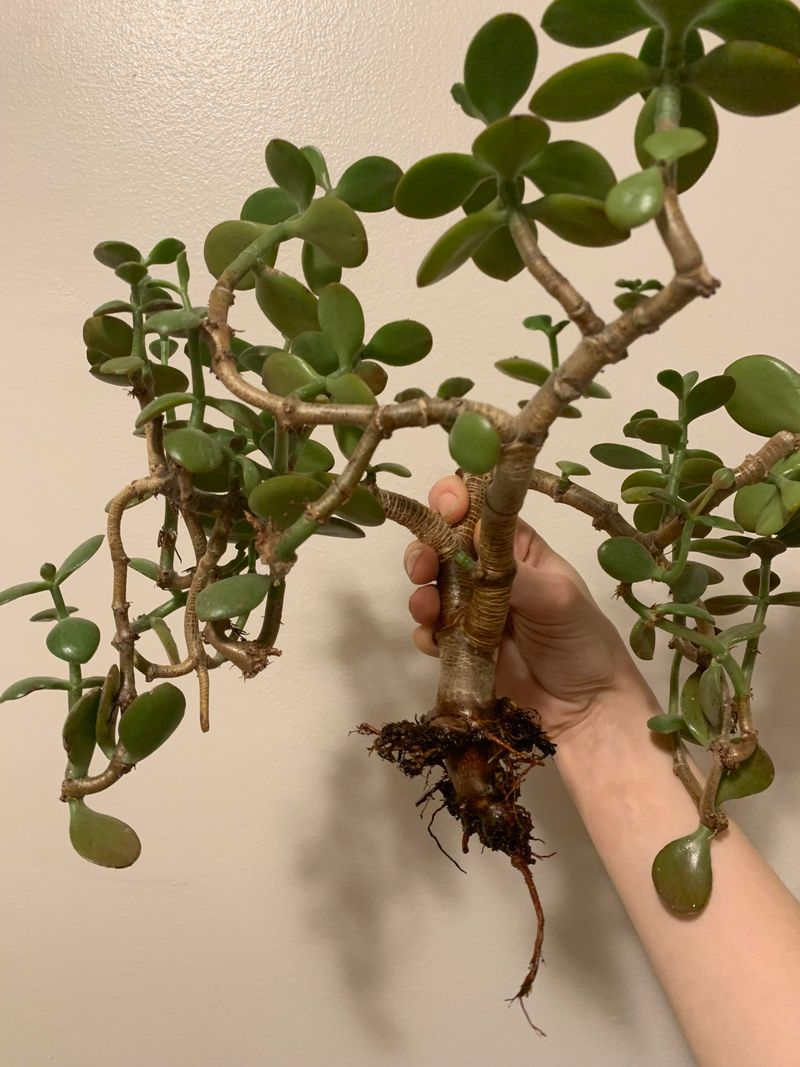
Jade plants actually prefer being slightly root-bound, which means they do not need frequent repotting like many other common houseplants grown in Nevada.
Signs that repotting is necessary include roots growing through drainage holes, water running straight through without absorbing, or extremely slow growth despite good care.
Most jade plants need repotting only every two to three years, giving them time to establish strong root systems in their current containers first.
Spring represents the ideal time for repotting because plants are entering active growth and recover more quickly from the disturbance than during dormant periods.
Choose a pot only one to two inches larger in diameter than the current container because oversized pots hold too much moisture for succulent roots.
Gently loosening root balls during repotting encourages roots to spread into fresh soil, but avoid excessive handling that damages delicate root structures unnecessarily throughout Nevada.
Water sparingly for the first few weeks after repotting to allow roots time to settle and heal any damage sustained during the transplanting process.
Using fresh succulent soil mix during repotting replenishes nutrients and improves drainage, supporting healthy growth for years before the next repotting becomes necessary again.
Patience pays off with jade plants because minimal disturbance allows them to focus energy on growing thick trunks and lush foliage rather than recovering constantly.
Giving jade plants time to settle after repotting often results in stronger, more stable growth over the following months.
For Nevada growers, resisting the urge to repot too often is one of the simplest ways to keep these succulents thriving long term.