10 Garden Plants You Can Shape As Vines Shrubs Or Trees In North Carolina
North Carolina gardens offer a rare flexibility where certain plants naturally adapt to very different forms depending on how they’re guided.
A single plant can climb, spread, or stand on its own, giving gardeners more creative control than many realize at first.
This adaptability feels especially valuable in a state where yards range from coastal plots to mountain slopes and suburban lots.
Choosing plants that shift between vine, shrub, or tree allows landscapes to evolve without starting over each season.
It also makes garden design feel less rigid, since structure can change as space, shade, or needs change over time.
North Carolina’s long growing season encourages experimentation, rewarding patience and thoughtful pruning decisions.
Some plants respond quickly to shaping, while others slowly reveal how versatile they can become with guidance.
That process creates a deeper connection to the garden, where observation matters as much as planting.
Instead of forcing fixed forms, many gardeners learn to work with growth habits already built into these plants.
This flexibility is what makes certain garden plants stand out across North Carolina landscapes year after year.
1. Wisteria

Cascading blooms create unforgettable spring displays when trained properly, making this plant a favorite among experienced gardeners seeking dramatic seasonal color everywhere.
Flexible stems respond beautifully to training along arbors, fences, or pergolas, while strategic pruning transforms wisteria into stunning tree forms across North Carolina landscapes.
Root pruning and summer trimming control aggressive growth patterns, directing energy toward flower production rather than excessive vegetative expansion that overwhelms garden spaces.
Training wisteria as a standard tree requires selecting one strong central leader, removing competing shoots, and staking the trunk until woody maturity develops.
Gardeners appreciate how this adaptable species tolerates various soil types while thriving in full sun conditions common throughout the state during growing seasons.
Regular maintenance prevents wisteria from becoming invasive, ensuring it remains a controlled, beautiful focal point rather than an unmanageable tangle of aggressive vines.
Patience pays off as mature specimens produce breathtaking purple, white, or pink flower clusters that drape elegantly from trained branches each spring.
North Carolina’s climate zone range supports both Asian and American wisteria varieties, offering options for gardeners with different aesthetic preferences and maintenance commitments.
When trained thoughtfully from the start, wisteria rewards gardeners with structure, longevity, and a spring display that becomes more impressive with each passing year.
2. Bougainvillea
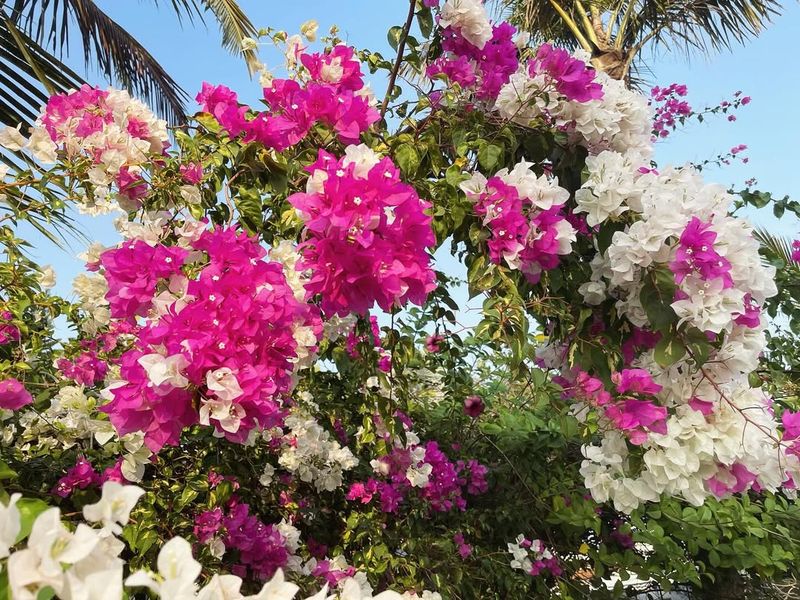
Vibrant papery bracts in magenta, orange, red, and white hues transform gardens into tropical paradises even in temperate zones with proper winter protection.
Coastal North Carolina regions provide ideal conditions for bougainvillea cultivation, where milder winters allow these heat-loving plants to flourish with minimal cold damage concerns.
Training as a shrub involves regular pruning to maintain compact forms, while vine training requires sturdy trellises supporting vigorous growth reaching impressive heights quickly.
Standard tree forms develop through careful selection of one main trunk, consistent removal of lower branches, and patient staking over multiple growing seasons.
Bougainvillea thrives in well-drained soils and full sun exposure, rewarding gardeners with nearly year-round blooms in the warmest areas of the state.
Your North Carolina Garden Changes Every Week. Your Plan Should Too.
Gardening in North Carolina changes quickly throughout the season. Every Friday you’ll receive a simple weekly plan showing exactly what to plant, prune, fertilize, harvest, and protect so you never miss the right timing.
Container cultivation offers flexibility for gardeners in cooler regions, allowing plants to be moved indoors during occasional hard freezes that threaten tender growth.
Thornless varieties provide easier maintenance options, though traditional thorny types often display more vigorous growth habits and denser flowering displays throughout summer months.
Strategic pruning after bloom cycles encourages bushier growth patterns and increased flower production, creating stunning visual impacts in North Carolina landscapes designed for color.
3. Climbing Hydrangea
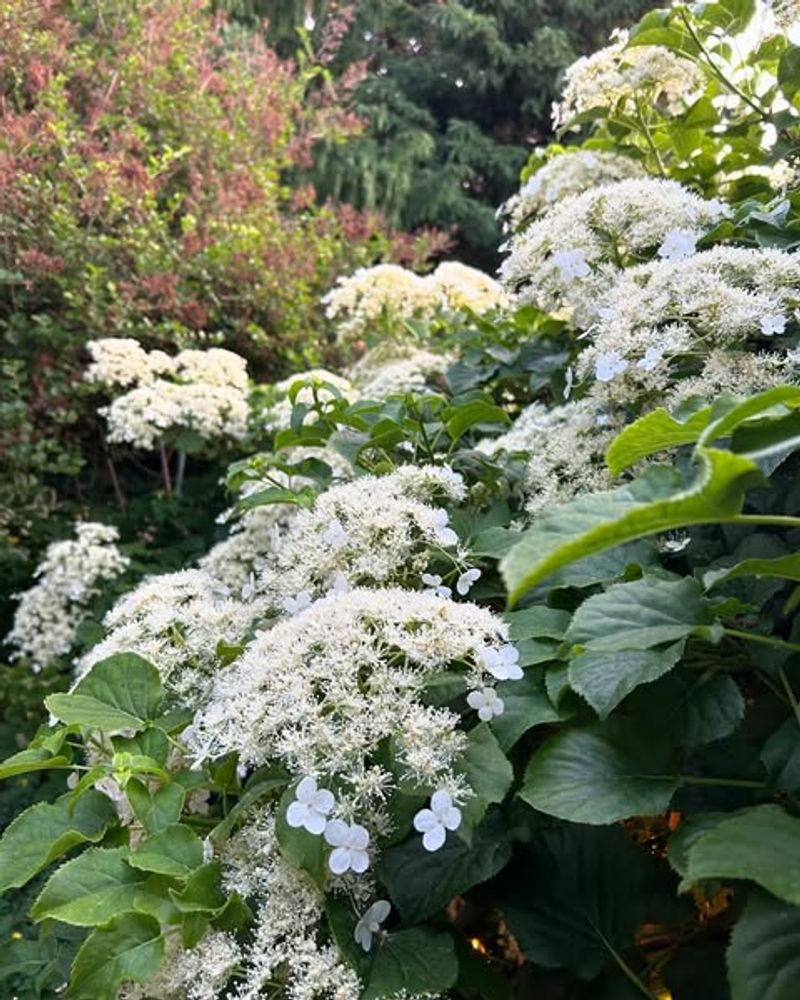
Shade-tolerant climbers bring elegant white blooms to darker garden corners where few other flowering vines successfully establish and thrive over extended periods.
Aerial rootlets attach naturally to brick, stone, or wood surfaces, eliminating the need for elaborate support structures while creating living walls of lush foliage.
North Carolina gardeners can train climbing hydrangea as ground-covering shrubs by removing vertical support, encouraging horizontal spread across slopes or underneath tree canopies.
Tree-form training requires early intervention, selecting a strong central stem and removing competing shoots while providing temporary support until the trunk becomes self-supporting.
Slow initial establishment frustrates impatient gardeners, but mature specimens reward patience with vigorous growth and spectacular late-spring flower displays covering entire surfaces.
Exfoliating cinnamon-colored bark provides winter interest after leaves drop, ensuring year-round visual appeal even during the dormant season in cooler piedmont regions.
Acidic soils common throughout much of the state suit climbing hydrangea perfectly, requiring minimal soil amendments compared to more finicky ornamental species.
Pruning immediately after flowering prevents accidental removal of next season’s buds, maintaining consistent bloom cycles that enhance garden beauty throughout multiple years.
Once established, this versatile climber becomes a long-lived landscape feature that improves with age, adding character and structure to North Carolina gardens year after year.
4. Crape Myrtle

Multi-stemmed natural growth habits make crape myrtle incredibly versatile, adapting easily to shrub, tree, or even espalier forms depending on gardener preferences.
Spectacular summer blooms in shades ranging from white through pink to deep purple provide months of color during the hottest periods across North Carolina landscapes.
Selective pruning creates elegant single-trunk tree forms showcasing beautiful exfoliating bark in shades of cinnamon, gray, and cream that captivate visitors during winter months.
Allowing multiple stems to develop produces lush shrub forms perfect for privacy screens, foundation plantings, or mass plantings creating dramatic seasonal color impacts.
North Carolina’s climate perfectly suits crape myrtle cultivation, with hot summers promoting abundant flowering and mild winters rarely causing significant cold damage to established plants.
Avoiding excessive pruning—often called crape murder—maintains natural branching patterns and promotes healthier plants with better disease resistance and more abundant bloom production.
Newer cultivars offer improved mildew resistance, addressing the primary disease concern that plagued older varieties in humid southern climates during late summer conditions.
Dwarf varieties suit smaller gardens and container cultivation, while standard types reach impressive heights suitable for street tree plantings or large landscape focal points.
5. Star Jasmine
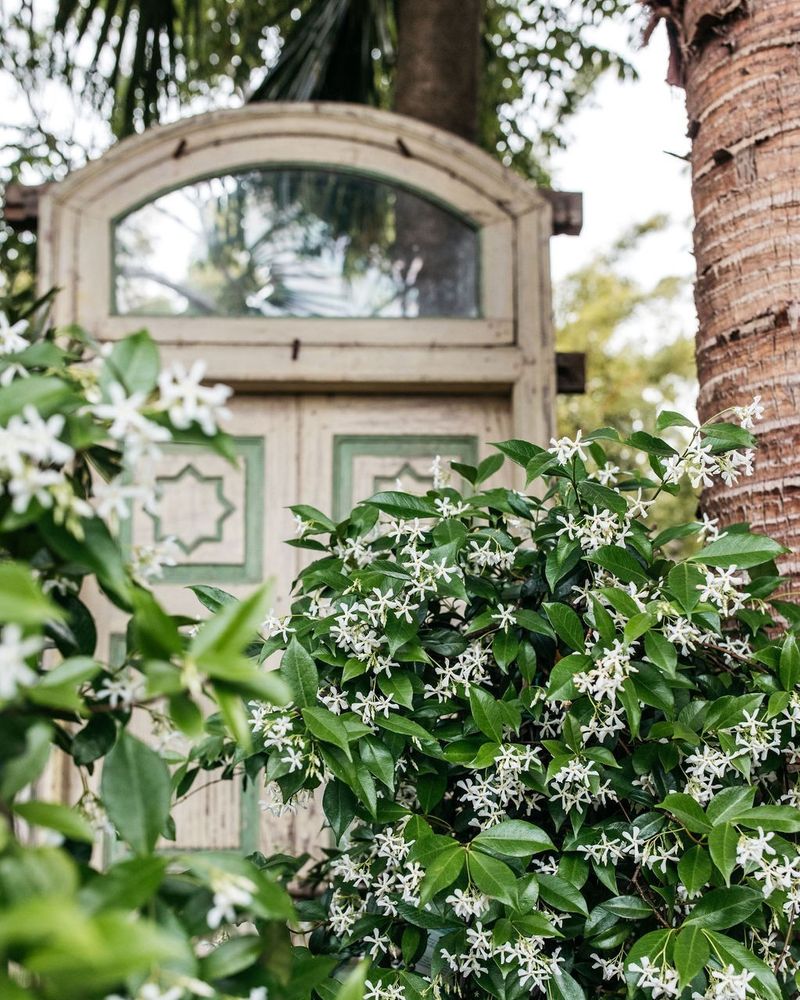
Fragrant white flowers perfume entire gardens during late spring, creating sensory experiences that extend beyond visual beauty into aromatic delight for homeowners and visitors.
Twining stems climb readily up trellises, mailbox posts, or lamp posts, while ground-cover applications create dense evergreen carpets suppressing weeds across North Carolina landscapes.
Training as a small standard tree involves selecting one vigorous stem, removing all competing growth, and providing consistent support until the woody trunk develops sufficient strength.
Dense evergreen foliage provides year-round privacy screening when trained as shrubs or hedges, maintaining attractive appearance even during winter months in milder coastal regions.
North Carolina’s moderate climate supports star jasmine growth throughout most of the state, though occasional hard freezes in mountain areas may cause temporary foliage damage.
Glossy dark green leaves contrast beautifully with the pristine white flowers, creating classic color combinations that complement both formal and informal garden design styles effectively.
Minimal maintenance requirements make star jasmine ideal for busy gardeners seeking beautiful results without intensive care routines or complicated pruning schedules throughout growing seasons.
Container cultivation allows flexibility for gardeners in colder zones, enabling winter protection indoors while enjoying outdoor displays during warm months when fragrance peaks beautifully.
When given the right support and spacing, star jasmine becomes a versatile accent that adds scent, structure, and elegance to North Carolina gardens in multiple forms.
6. Roses
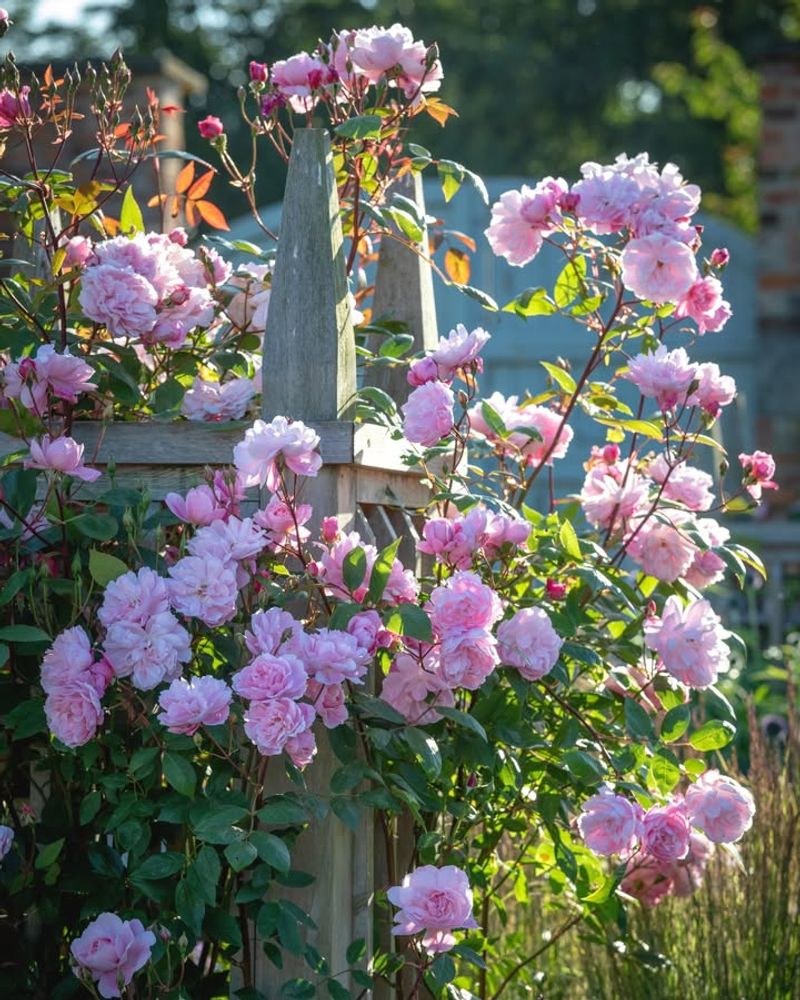
Classic garden favorites adapt to numerous forms through selective breeding and pruning techniques, offering endless possibilities for creative gardeners throughout different landscape situations.
Climbing varieties naturally develop long canes perfect for training along fences, arbors, or pergolas, creating romantic floral displays throughout spring and summer in North Carolina.
Shrub roses maintain bushy growth habits with minimal intervention, providing reliable color and fragrance in mixed borders or foundation plantings across various property styles.
Tree roses, created through grafting techniques, feature standard stems topped with flowering heads, adding formal elegance to container plantings or symmetrical garden designs.
North Carolina’s diverse climate zones support different rose types, from heat-tolerant varieties thriving in coastal areas to cold-hardy selections suitable for mountain region gardens.
Regular deadheading promotes continuous bloom cycles throughout growing seasons, maximizing flower production and maintaining tidy appearances that enhance overall garden aesthetics and curb appeal.
Disease-resistant modern cultivars reduce maintenance requirements compared to older varieties, addressing common concerns about blackspot and powdery mildew in humid southern climates effectively.
Proper site selection with adequate sun exposure and good air circulation prevents many common rose problems, ensuring healthy plants producing abundant blooms year after year.
7. Yew
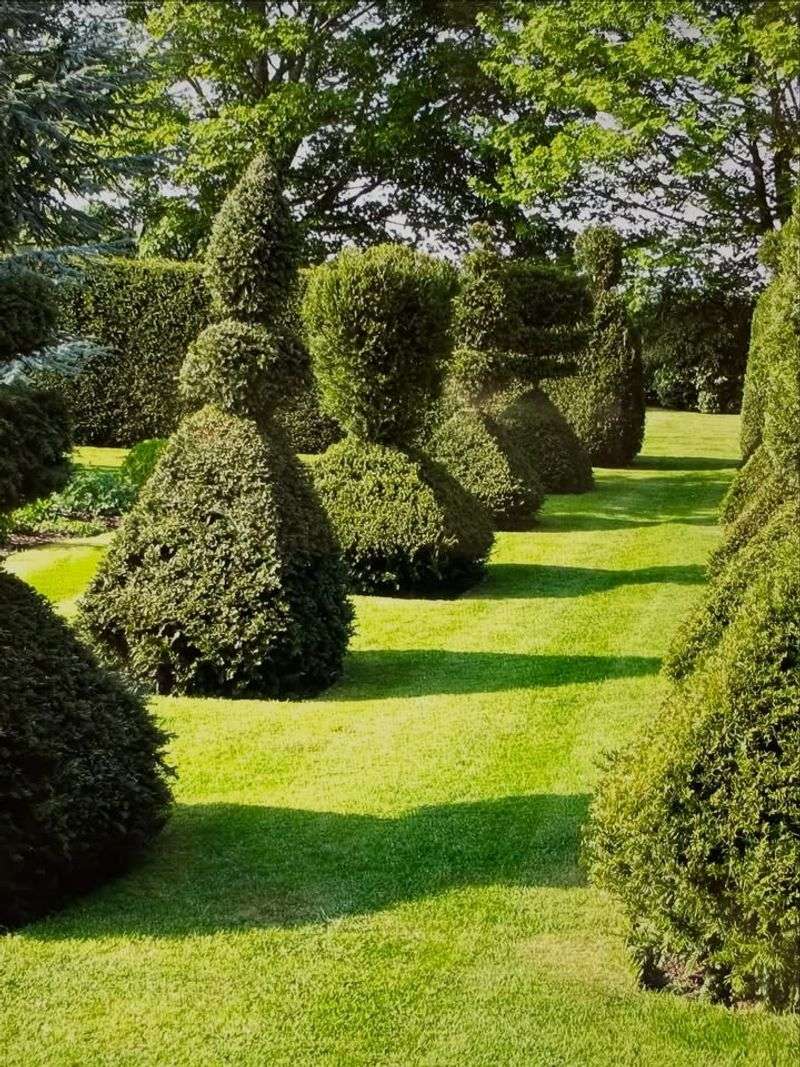
Dense evergreen foliage responds exceptionally well to shearing, making yew one of the most versatile plants for topiary work and formal garden designs.
Natural conical growth habits suit formal tree forms, while aggressive pruning creates tight hedge forms or sculptural shapes limited only by gardener imagination and skill.
North Carolina landscapes benefit from yew’s shade tolerance, thriving in locations where many other evergreens struggle to maintain attractive appearance throughout changing seasons.
Training as standards involves selecting strong central leaders early, removing lower branches progressively, and maintaining desired canopy shapes through regular seasonal pruning interventions.
Slow growth rates make yew ideal for gardeners seeking low-maintenance evergreen options that won’t quickly outgrow intended spaces or require constant corrective pruning.
Various cultivar options offer different foliage colors from deep green to golden yellow, providing design flexibility for creating interesting color combinations within landscape compositions.
Excellent drought tolerance once established reduces watering demands during typical summer dry periods common throughout much of the state during hot weather months.
Caution regarding toxic foliage and seeds protects curious children and pets, though proper placement and education minimize risks while allowing enjoyment of yew’s ornamental qualities.
With thoughtful placement and routine shaping, yew becomes a long-term structural element that brings order, elegance, and reliability to North Carolina gardens year after year.
8. Trumpet Vine
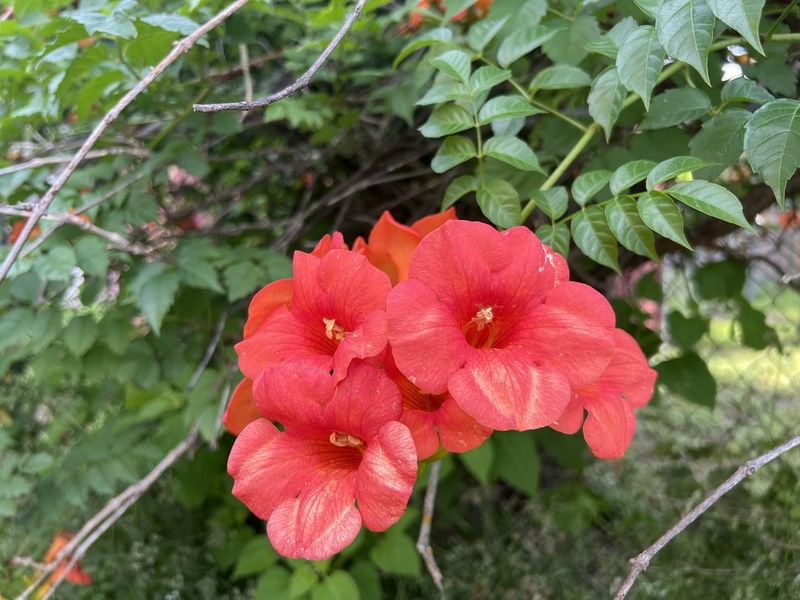
Hummingbirds flock to tubular orange-red flowers throughout summer months, creating dynamic wildlife gardens that entertain nature lovers with constant aerial acrobatics and feeding activity.
Vigorous growth requires strong support structures when trained as vines, while containment pruning transforms trumpet vine into manageable shrub forms for smaller North Carolina gardens.
Aerial rootlets grip surfaces tenaciously, making trumpet vine excellent for covering unsightly fences, walls, or outbuildings with attractive flowering foliage throughout growing seasons.
Training as small trees demands persistent removal of suckers and careful selection of single trunks, creating unusual specimens that surprise visitors with unexpected forms.
North Carolina’s warm climate promotes prolific blooming from early summer through fall, providing extended color displays when many other flowering plants fade during heat.
Aggressive spreading through underground runners requires vigilant management, installing root barriers or regularly removing unwanted shoots to prevent unwelcome expansion into adjacent garden areas.
Native status makes trumpet vine particularly valuable for ecological gardens supporting local pollinator populations while requiring minimal care once established in appropriate locations.
Tolerating poor soils and urban conditions, trumpet vine thrives where fussier plants fail, bringing beauty to challenging sites throughout diverse landscapes statewide.
9. Boxwood
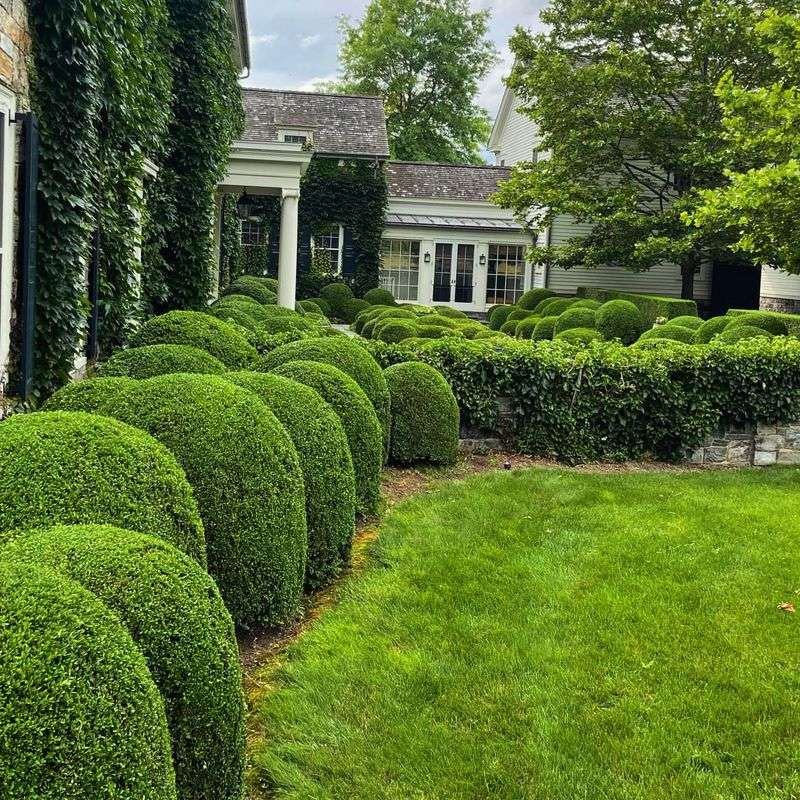
Formal gardens throughout history have featured boxwood’s dense evergreen foliage shaped into precise geometric forms, parterres, and intricate knot garden patterns worldwide.
Slow, compact growth habits make boxwood particularly suited to container cultivation, allowing gardeners to create portable formal elements moved seasonally throughout North Carolina landscapes.
Natural rounded forms require minimal pruning for informal shrub applications, while regular shearing maintains tight hedge forms defining garden rooms or property boundaries effectively.
Training as standards produces elegant lollipop-shaped specimens perfect for flanking doorways, marking pathways, or adding vertical interest to container groupings on patios and terraces.
North Carolina’s moderate climate supports numerous boxwood varieties, though selecting heat-tolerant cultivars ensures success in warmer coastal and piedmont regions during intense summer periods.
Excellent deer resistance protects boxwood from browsing damage common with many other ornamental shrubs, preserving carefully maintained shapes throughout seasons when wildlife pressure intensifies.
Winter bronzing affects some varieties in colder mountain regions, though selecting appropriate cultivars minimizes discoloration while maintaining attractive evergreen presence throughout dormant months.
Proper spacing and air circulation prevent common fungal diseases, ensuring healthy plants maintaining beautiful appearances for decades with appropriate care and maintenance routines.
When chosen carefully and maintained consistently, boxwood delivers timeless structure and refined beauty that anchors North Carolina gardens across changing styles and seasons.
10. Ficus
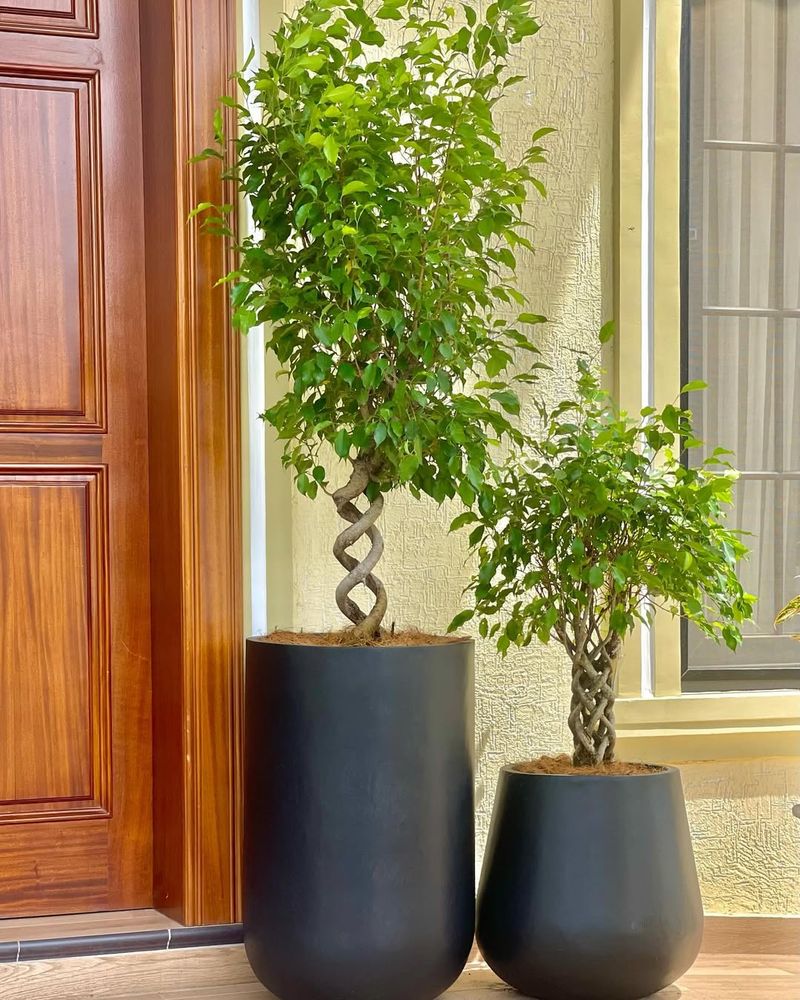
Tropical elegance comes to North Carolina gardens through ficus species, primarily grown as container specimens moved indoors during cold months protecting tender growth.
Natural tree forms develop with minimal intervention, while aggressive pruning creates bushy shrub shapes or elaborate topiary forms showcasing gardener creativity and horticultural skills.
Braided trunk techniques produce unique specimens combining multiple plants into single decorative units, creating conversation pieces for patios, entryways, or indoor display areas.
Coastal regions with mild winters sometimes support outdoor ficus cultivation year-round, though most North Carolina gardeners treat ficus as seasonal outdoor plants requiring winter protection.
Rapid growth rates allow quick recovery from pruning mistakes, encouraging experimentation with different shapes and forms without long-term consequences for overall plant health.
Glossy foliage provides attractive backdrop for flowering plants in mixed container arrangements, adding textural interest and structural elements to seasonal displays throughout warm months.
Consistent watering and bright indirect light promote healthy growth, though ficus tolerates brief periods of neglect better than many other tropical species popular with gardeners.
Leaf drop when moved between environments frustrates beginners, though understanding ficus sensitivity to environmental changes helps gardeners anticipate and minimize this natural stress response.