9 Things California Homes Should Know About Growing Agave
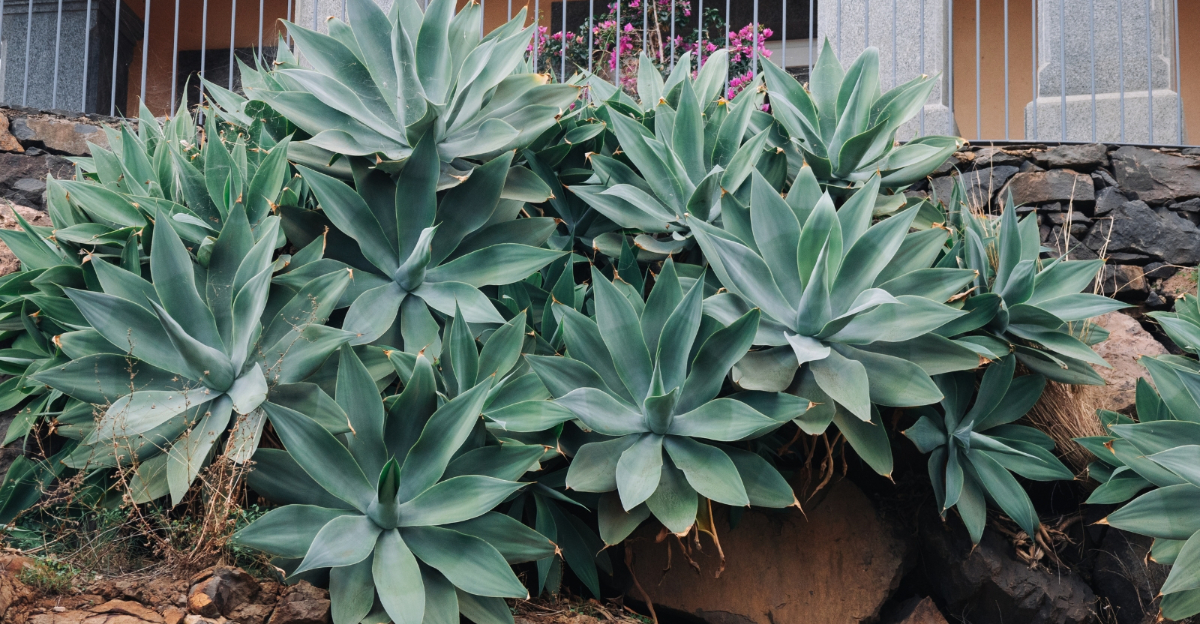
Growing agave in California homes often seems effortless at first, but there is far more happening beneath the surface than many expect.
These striking plants thrive in the state’s climate, yet small mistakes can quickly turn a bold focal point into a problem.
California’s mix of coastal moisture, inland heat, and sudden cold snaps affects agave growth more than most people realize.
What works perfectly in one yard can fail just a few miles away because conditions shift so quickly.
Agave plants also grow with a long timeline in mind, rewarding patience while punishing rushed decisions.
Spacing, placement, and long-term size often matter more than daily care or frequent attention.
Many homeowners are surprised by how agave changes over the years, both above and below ground.
Understanding how these plants behave helps prevent overcrowding, damage, or unexpected maintenance later.
When agave is grown with awareness instead of assumption, it becomes one of the most reliable and dramatic plants in California landscapes.
1. Agave Loves Full Sun and Heat

Most agave varieties originated in hot, arid regions where intense sunlight beats down daily without much shade or cloud cover available.
California homeowners benefit from this natural preference because the state offers plenty of sunshine throughout most of the year in many regions.
Your agave will grow strongest and develop the best color when placed in locations that receive at least six hours of direct sun daily.
Partial shade might work for some varieties, but most agave species show slower growth and weaker structural development without adequate light exposure.
Southern-facing spots in your yard typically provide the most consistent sunlight, making them perfect locations for planting these desert beauties in California gardens.
Morning sun combined with afternoon exposure creates ideal conditions that mimic the plant’s native habitat and encourage healthy development over time.
Avoid placing agave under tree canopies or near tall structures that block sunlight for extended periods during the day.
Insufficient light causes the plant to stretch awkwardly toward available sun, resulting in weak stems and pale leaves that lack characteristic vigor.
California’s climate suits agave perfectly when you choose sunny, open areas that allow these plants to bask in natural warmth and brightness.
2. Well-Draining Soil Is Essential
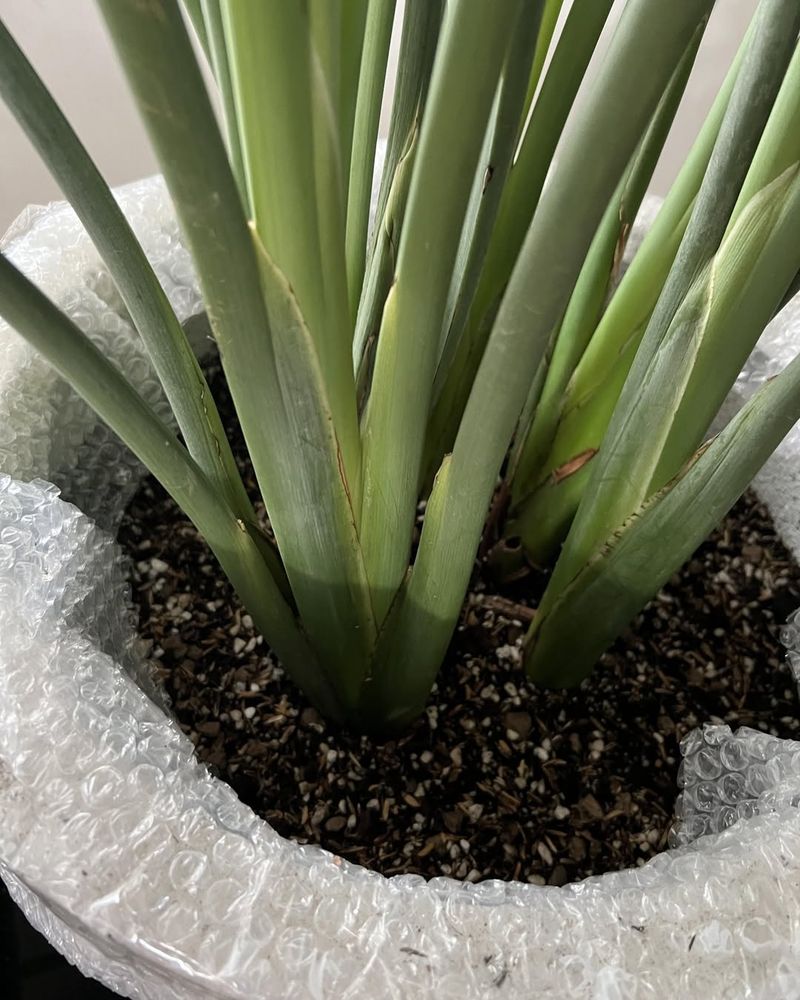
Agave roots rot quickly when sitting in waterlogged soil, making drainage the single most important factor for successful cultivation in any landscape.
Sandy or gravelly soil types work best because water moves through them rapidly, preventing moisture from pooling around sensitive root systems.
California gardeners often deal with heavy clay soils in certain regions, which require amendment with coarse sand, pumice, or perlite before planting agave.
Testing your soil’s drainage is simple: dig a hole about twelve inches deep, fill it with water, and observe how quickly it empties.
Proper drainage means the hole should empty completely within a few hours, indicating water flows freely through the surrounding earth.
If water remains standing after six hours, you need to improve drainage by mixing in organic matter and mineral amendments to lighten the texture.
Your California Garden Changes Every Week. Your Plan Should Too.
Gardening in California changes quickly throughout the season. Every Friday you’ll receive a simple weekly plan showing exactly what to plant, prune, fertilize, harvest, and protect so you never miss the right timing.
Raised beds or mounded planting areas offer excellent solutions for California yards with poor natural drainage that cannot be easily corrected.
Elevating your agave even six to twelve inches above ground level allows excess water to drain away from roots efficiently.
Container planting also works wonderfully for agave, giving you complete control over soil composition and drainage while adding portable beauty to patios and decks.
Good drainage also helps agave tolerate occasional winter rains without stress, which is critical in parts of California that experience sudden wet spells.
When roots stay dry and well-aerated, agave plants grow stronger, hold their shape better, and live far longer in the landscape.
3. Watering Needs Change With Seasons
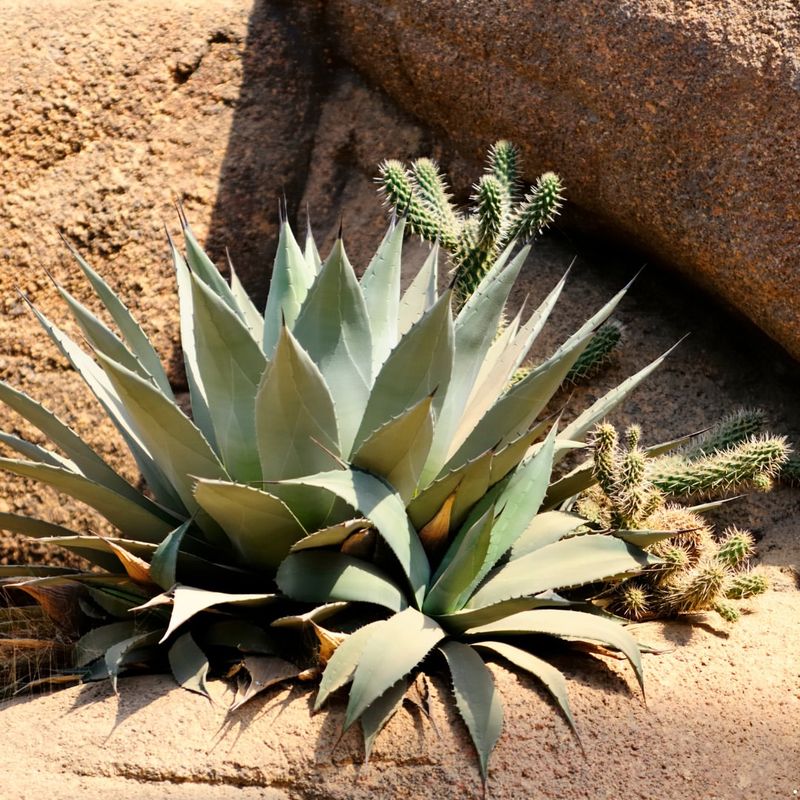
Newly planted agave requires regular watering during its first growing season to establish strong roots that can support the plant long-term.
California homeowners should water deeply once every week or two during spring and summer months, allowing soil to dry completely between waterings.
This watering schedule encourages roots to grow downward in search of moisture, creating a robust foundation that helps the plant survive drought later.
Established agave plants need very little supplemental water, especially during California’s cooler months when natural rainfall often provides sufficient moisture.
Overwatering mature agave is one of the most common mistakes gardeners make, leading to root rot and fungal problems that weaken plants.
During hot summer stretches, a deep watering once every three to four weeks keeps agave healthy without encouraging excessive growth or softness.
Watch for signs of water stress like wrinkled or shriveled leaves, which indicate your agave needs a drink sooner than scheduled.
California’s diverse microclimates mean watering frequency varies depending on your specific location, temperature, humidity, and exposure to wind or coastal fog.
Adjust your watering routine based on how quickly soil dries out and how your individual plants respond to current weather conditions throughout the year.
4. Sharp Leaves Require Careful Placement
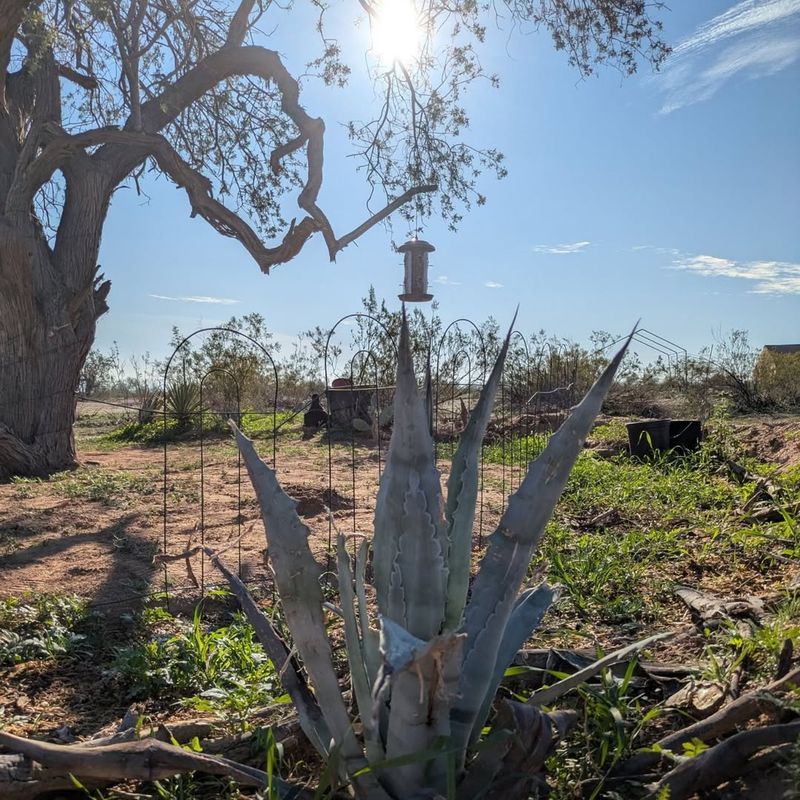
Agave leaves end in needle-sharp points and often feature spiny edges that can cause painful injuries if you brush against them unexpectedly.
California families with young children or pets should position agave plants away from play areas, walkways, and high-traffic zones where accidents might occur.
Strategic placement protects everyone while still allowing you to enjoy the dramatic architectural beauty these plants bring to your landscape design.
Consider planting agave in background areas, along property borders, or within dedicated succulent gardens where people rarely walk or reach casually.
Removing the sharp terminal spine from each leaf tip with pruning shears reduces injury risk without harming the plant’s overall health or appearance.
Some gardeners attach small corks or rubber caps to agave leaf tips as a temporary safety measure while children are young.
Mature agave plants can grow quite large, with leaf spans reaching several feet across depending on the species you choose for your California yard.
Leave plenty of space around each plant at planting time so mature specimens do not encroach on paths or seating areas later.
Proper spacing also improves air circulation, reduces disease risk, and showcases each plant’s natural form without crowding that diminishes visual impact in your landscape.
Wearing thick gloves and long sleeves when working near agave helps prevent cuts during maintenance or cleanup tasks.
Choosing smoother-edged varieties offers a safer way to enjoy agave’s bold look without the constant risk of accidental contact.
5. Fertilizing Should Be Minimal
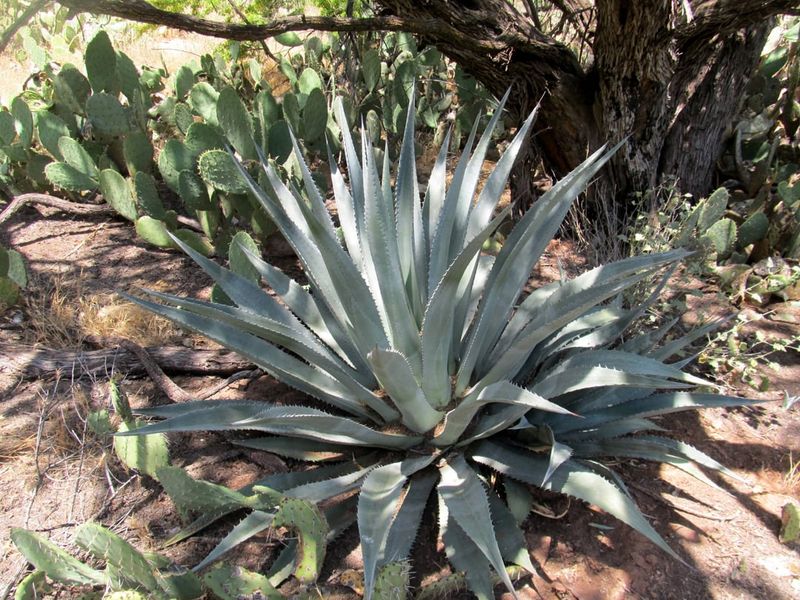
Agave plants evolved in nutrient-poor soils and do not require heavy fertilization to thrive in California gardens or containers.
Excessive feeding causes rapid, weak growth with soft leaves that are more susceptible to pests, diseases, and damage from wind or handling.
A light application of balanced, slow-release fertilizer once in early spring provides sufficient nutrients for healthy growth throughout the entire growing season.
Organic compost worked into the soil at planting time supplies gentle, steady nutrition that supports agave without overwhelming its natural growth patterns.
California gardeners can also use diluted liquid fertilizer at half strength once or twice during the warm months for container-grown specimens.
Avoid high-nitrogen fertilizers that promote lush foliage at the expense of the plant’s natural compact form and structural integrity.
Established agave growing directly in the ground often needs no supplemental fertilizer at all, drawing sufficient nutrients from surrounding soil over time.
Yellowing or pale leaves might indicate nutrient deficiency, but more often signal watering issues or poor drainage that should be addressed first.
Remember that agave grows slowly by nature, so expecting rapid size increases after fertilizing will lead to disappointment and potential overfeeding problems in California landscapes.
Minimal feeding keeps agave sturdy and true to its natural form rather than forcing unnatural, floppy growth.
For California gardeners, restraint with fertilizer is often the key to long-lived, low-maintenance agave plants.
6. Frost Protection Matters in Some Areas
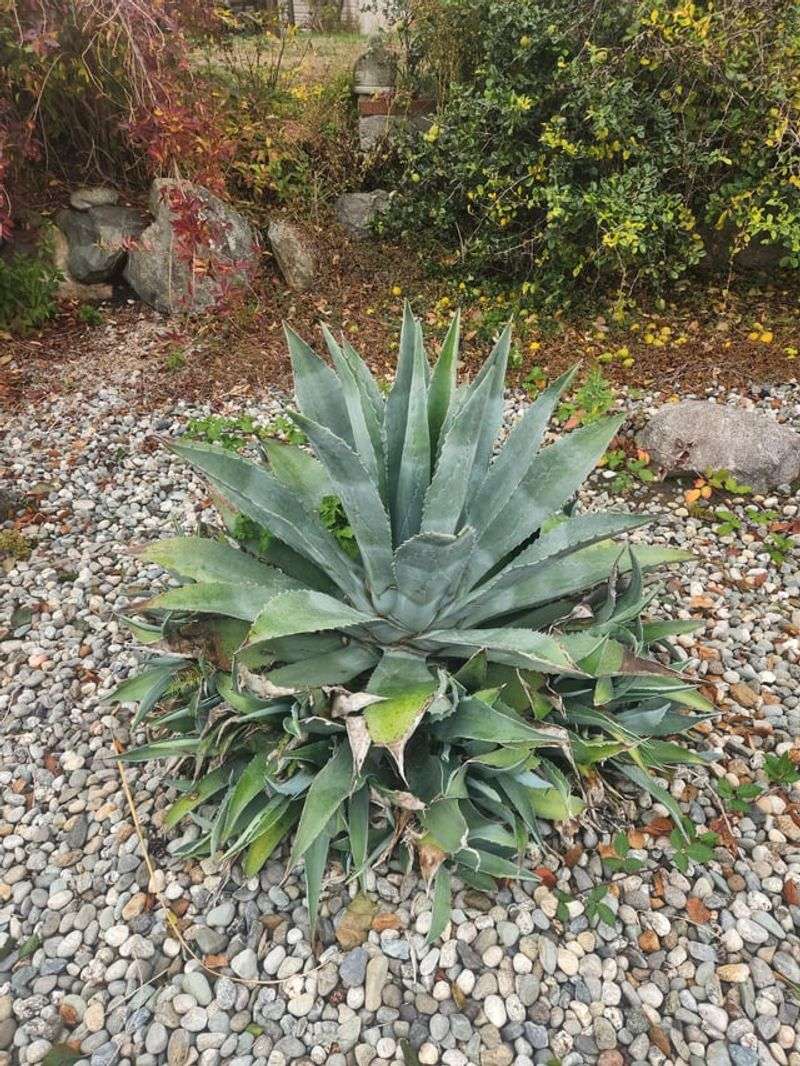
California’s climate varies dramatically from coastal regions to inland valleys and mountain foothills, with some areas experiencing occasional frost during winter months.
Many agave species tolerate light frost without damage, but tender varieties suffer leaf scarring or tissue damage when temperatures drop below freezing overnight.
Research your specific agave variety’s cold hardiness before planting to ensure it matches your local climate conditions and winter temperature ranges.
Coastal California areas rarely see frost, making them ideal for growing even tender agave species that cannot survive freezing temperatures elsewhere.
Inland regions with cold winter nights require hardier varieties like Agave americana or Agave parryi that withstand temperatures well below freezing without protection.
Covering vulnerable plants with frost cloth or moving containers into sheltered locations protects tender agave during unexpected cold snaps in California.
Planting agave near south-facing walls or under eaves creates microclimates that trap heat and offer several degrees of frost protection naturally.
Avoid planting in low-lying areas where cold air settles on winter nights, increasing frost risk even in generally mild California climates.
Mulching around the base of agave plants helps insulate roots from temperature extremes, though excessive mulch against the stem can encourage rot problems.
7. Pests and Diseases Are Usually Minor
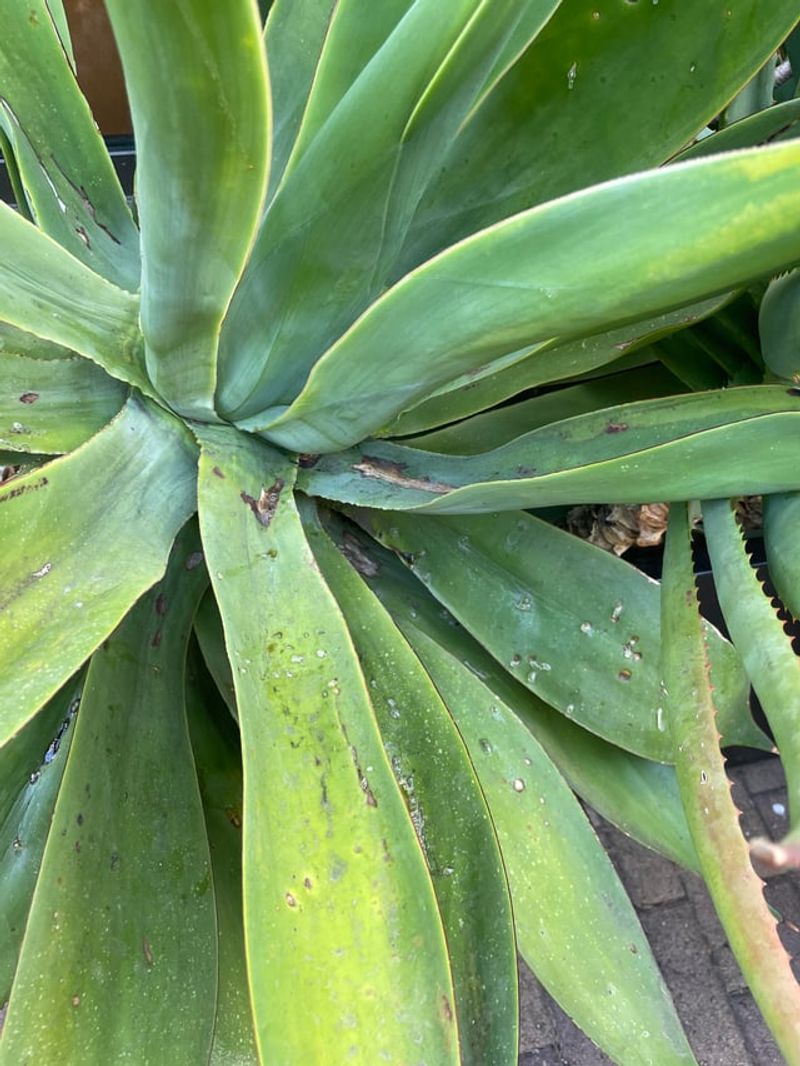
Agave plants face relatively few pest and disease problems compared to other ornamental plants commonly grown in California landscapes and gardens.
Agave snout weevil poses the most serious threat, boring into the plant’s core and causing collapse that cannot be reversed once infestation occurs.
Inspect plants regularly for small holes or sawdust-like material near the base, which indicate weevil activity requiring immediate attention and removal of affected plants.
Scale insects occasionally appear on agave leaves as small, brown, or white bumps that feed on plant sap and weaken overall vigor.
California gardeners can remove light scale infestations by hand or with a strong spray of water that dislodges insects from leaf surfaces.
Horticultural oil sprays provide effective control for heavier infestations without harming beneficial insects or leaving toxic residues in your garden environment.
Root rot caused by overwatering or poor drainage remains the most common problem affecting agave in California yards and container plantings.
Fungal diseases rarely affect agave when cultural conditions remain appropriate, with good air circulation and dry foliage preventing most pathogen development.
Keeping your agave in proper growing conditions with excellent drainage and careful watering prevents nearly all serious health problems these tough plants might face.
8. Propagation From Pups Is Easy
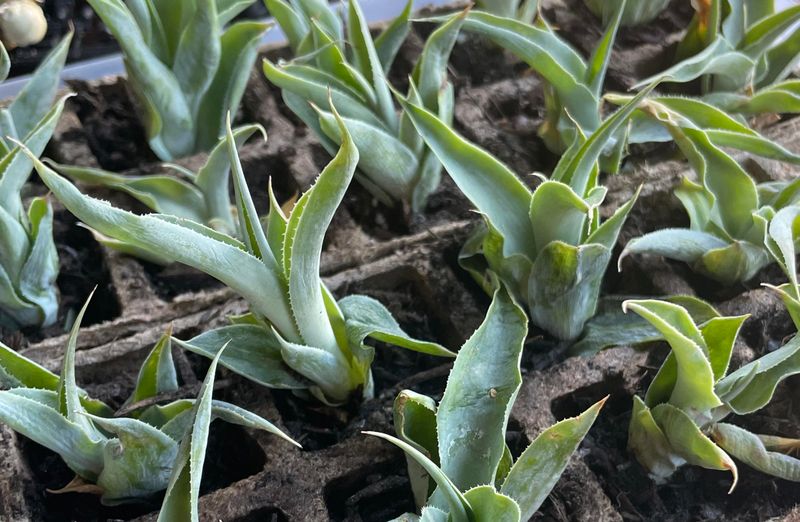
Many agave species produce small offset plants called pups that emerge from the base of the mother plant as it matures.
California gardeners can easily propagate new agave plants by carefully separating these pups with a sharp, clean knife once they reach several inches tall.
Allow the cut surface to dry and callus for a few days before planting in well-draining soil to prevent rot from developing.
Pups often develop their own root systems while still attached to the parent plant, making the transition to independent growth much easier.
Gently dig around the pup to expose its connection point, then sever it cleanly without damaging either the offset or mother plant.
California’s warm climate allows pup propagation almost year-round, though spring and early summer offer the best conditions for quick establishment and growth.
Newly separated pups need consistent moisture for the first few weeks as they develop stronger root systems in their new locations.
Treat young agave offsets like newly planted specimens, providing regular water and protection from intense afternoon sun until they show signs of active growth.
Propagating agave from pups creates genetically identical plants that maintain all the desirable characteristics of the parent, ensuring consistency in your California landscape design.
Once established, these young agaves become just as drought-tolerant as mature plants, requiring very little ongoing care.
For California gardeners, pup propagation offers an easy, cost-free way to expand agave plantings or share favorites with others.
9. Flowering Signals the End of Life
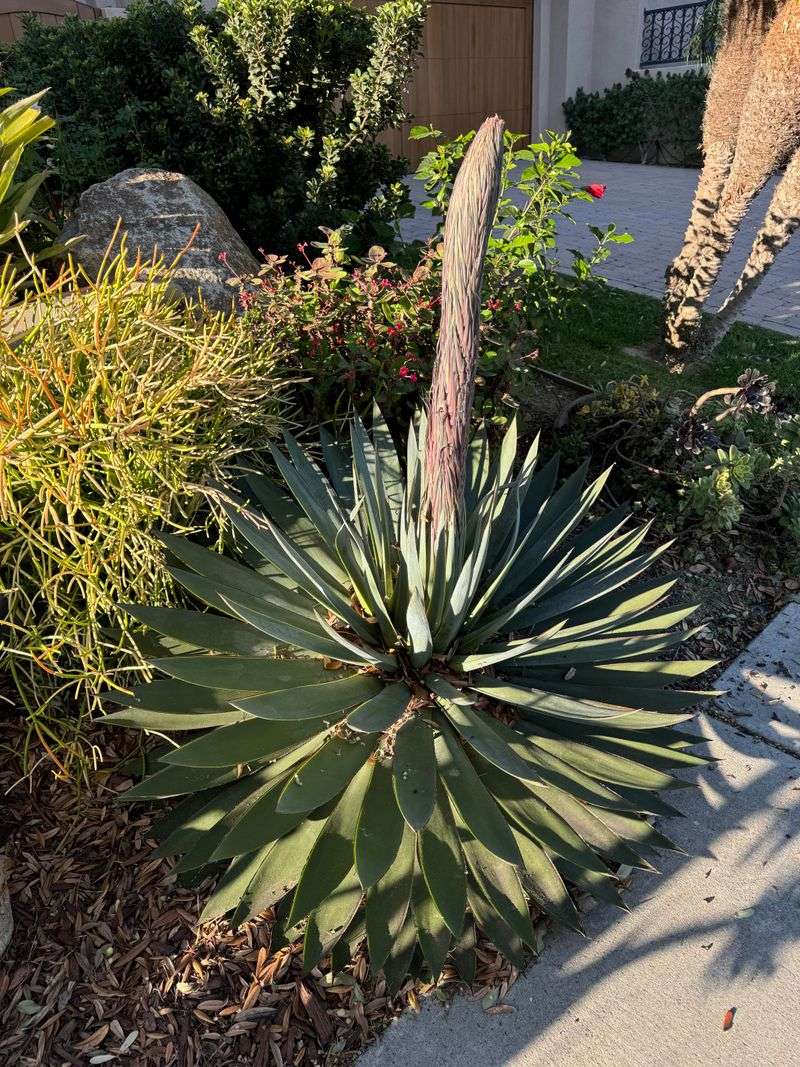
Agave plants are monocarpic, meaning each rosette flowers only once at the end of its life cycle before the plant completes its purpose.
California homeowners should understand that flowering represents a natural conclusion rather than a problem requiring intervention or correction through care adjustments.
The flowering stalk, called a quiote, can shoot up dramatically fast, sometimes reaching fifteen to thirty feet tall depending on the species.
Most agave species take many years to reach flowering maturity, with some varieties requiring ten to thirty years before producing their spectacular bloom.
The flowering process consumes all the plant’s stored energy, resulting in a magnificent display that attracts hummingbirds, bees, and other pollinators throughout California.
After flowering and seed production finish, the main rosette gradually declines, though many species produce numerous pups before this natural conclusion occurs.
Allow the flower stalk to develop fully if you want to collect seeds or enjoy the dramatic architectural statement it creates.
California gardeners can cut down the stalk once flowering finishes if its size or appearance becomes problematic in the landscape.
Remove the spent rosette carefully to make room for pups that will continue the agave presence in your garden for many more years.