Who Is Responsible For Gutter Damage Caused By A Neighbor’s Tree In Massachusetts
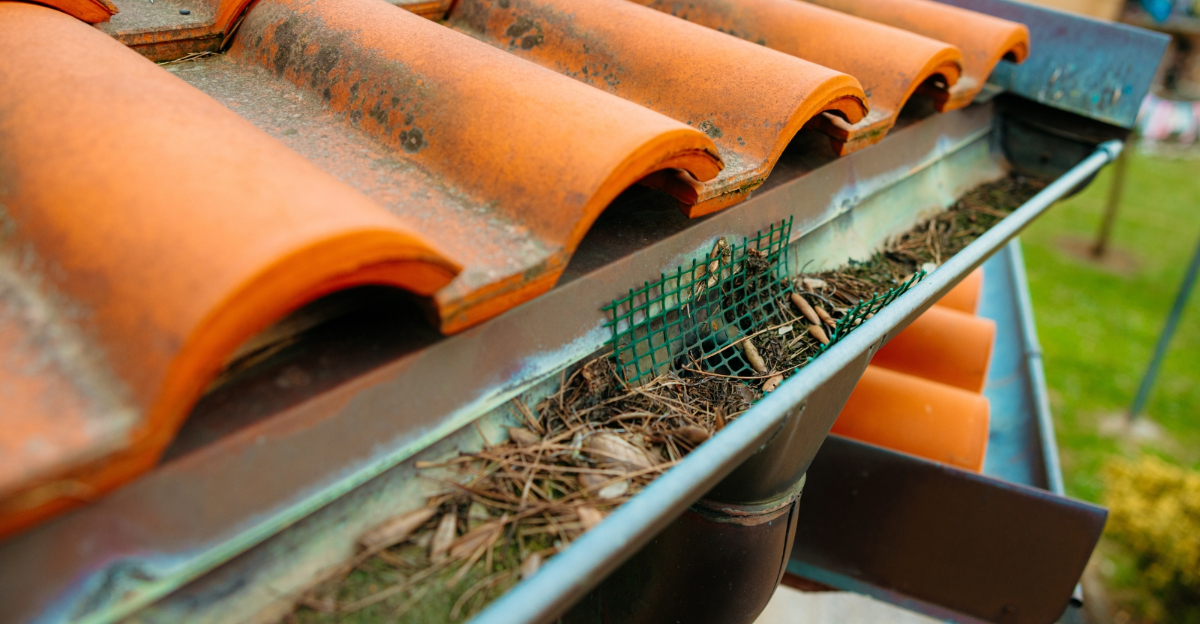
Questions about gutter damage caused by a neighbor’s tree often surface in Massachusetts when falling leaves, branches, or debris start creating expensive problems.
What begins as a routine seasonal cleanup can quickly turn into tension once repairs, water damage, or repeated clogging become part of the picture.
In Massachusetts, responsibility is not always as straightforward as many homeowners assume when a tree crosses property lines.
Property boundaries, maintenance habits, and how damage occurs all influence who may be financially responsible in these situations.
Homeowners are often surprised to learn that the location of the tree alone does not automatically determine liability.
State laws and long-standing legal principles shape how these disputes are viewed, especially when damage develops gradually over time.
Gutter problems caused by overhanging branches tend to raise questions about prevention versus neglect rather than sudden accidents.
Weather events, routine maintenance, and reasonable expectations all factor into how responsibility is evaluated.
These situations can feel uncomfortable because they sit at the intersection of property rights and neighborly relationships.
Understanding how Massachusetts approaches tree-related damage helps homeowners avoid assumptions, costly mistakes, and unnecessary conflict before problems escalate.
1. Massachusetts Law Generally Favors Tree Owners
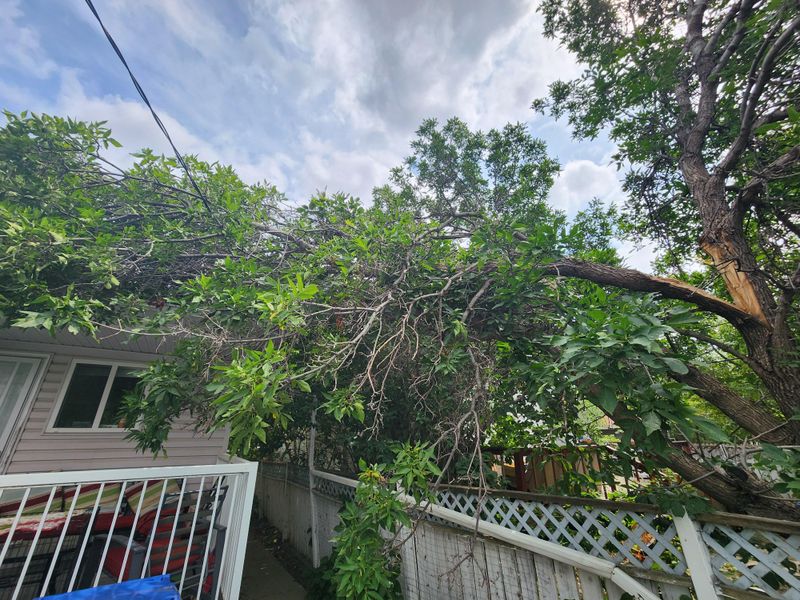
Property boundaries matter significantly when determining who handles the cost of gutter repairs caused by overhanging branches from a neighboring yard.
Massachusetts courts have traditionally ruled that tree owners are not automatically liable for natural debris that falls onto adjacent properties.
Leaves, twigs, and small branches are considered part of normal environmental conditions that all homeowners must manage on their own.
The legal principle is rooted in the idea that nature operates independently of human control and cannot be completely prevented from affecting nearby land.
Homeowners in Massachusetts are expected to maintain their own gutters and remove debris regardless of where it originates from in the neighborhood.
This means you typically cannot force your neighbor to pay for cleaning services or repairs caused by naturally falling leaves and small branches.
However, there are important exceptions to this general rule that property owners should understand before giving up on potential claims.
If a tree is diseased, damaged, or poses an obvious hazard, the owner may have a legal duty to address it properly.
Courts may hold negligent tree owners responsible when they fail to maintain trees that cause foreseeable harm to neighboring properties and structures.
Documenting the condition of the tree with photos and written communication can matter if a dispute escalates.
Notifying a neighbor in writing about a dangerous tree helps establish awareness and can strengthen a negligence claim if damage later occurs.
When conflicts persist, consulting a local attorney or municipal tree warden can clarify responsibilities under Massachusetts law and prevent the situation from worsening.
2. You Can Trim Branches That Cross Your Property Line
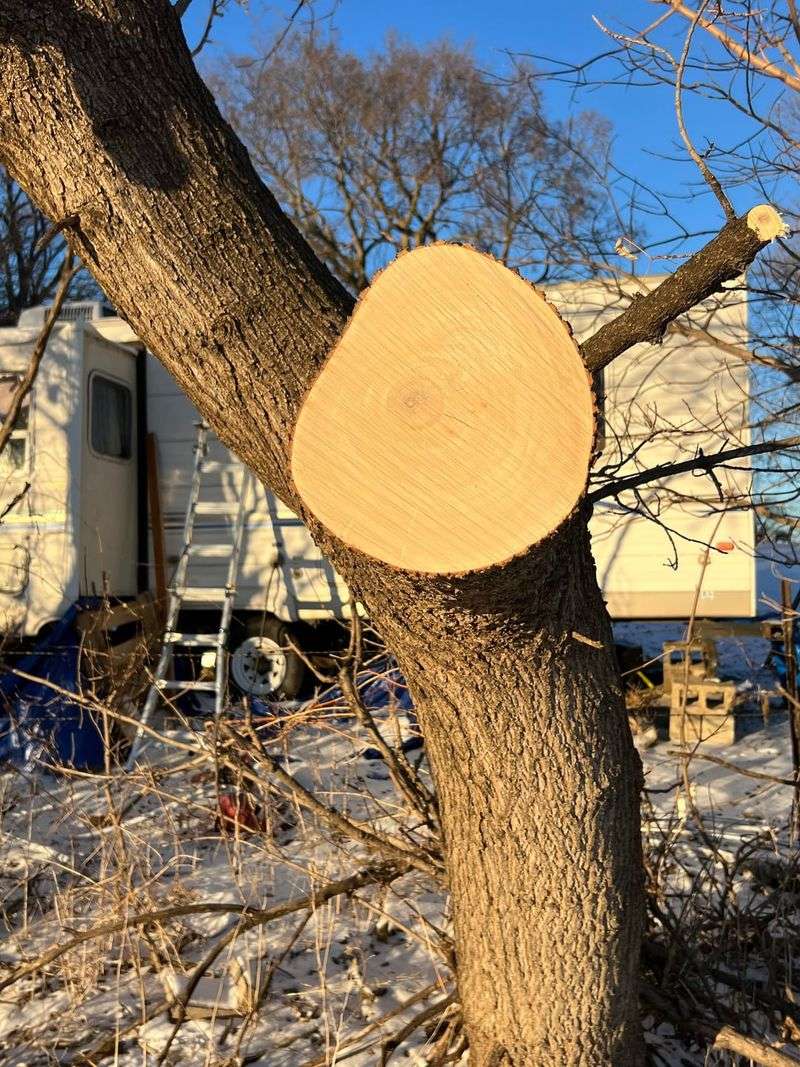
Homeowners have the legal right to trim branches that extend over their property boundary without asking permission from the tree owner first.
Massachusetts law allows you to cut back overhanging limbs up to the property line to protect your gutters and roof from damage.
Your Massachusetts Garden Changes Every Week. Your Plan Should Too.
Gardening in Massachusetts changes quickly throughout the season. Every Friday you’ll receive a simple weekly plan showing exactly what to plant, prune, fertilize, harvest, and protect so you never miss the right timing.
This right exists even if the tree itself is healthy and well-maintained by your neighbor in the adjacent yard.
You must be careful not to damage the tree or cause it harm when exercising this right to trim overhanging vegetation.
Cutting too aggressively or improperly can weaken the tree and make you liable for any damage or decline in its health.
Property owners in Massachusetts should hire professional arborists who understand proper pruning techniques and can avoid causing unnecessary harm to the tree.
Any branches you remove become your responsibility to dispose of properly and cannot be thrown back onto your neighbor’s property.
You also cannot enter your neighbor’s land to perform the trimming work without their explicit permission and cooperation in advance.
The costs of trimming are typically your own expense unless you can prove the tree owner was negligent in maintaining it.
Pruning during the correct season also reduces stress on the tree and lowers the risk of disease or pest problems afterward.
Taking a careful, professional approach protects both your property and your relationship with your neighbor.
3. Negligent Tree Maintenance Can Create Liability
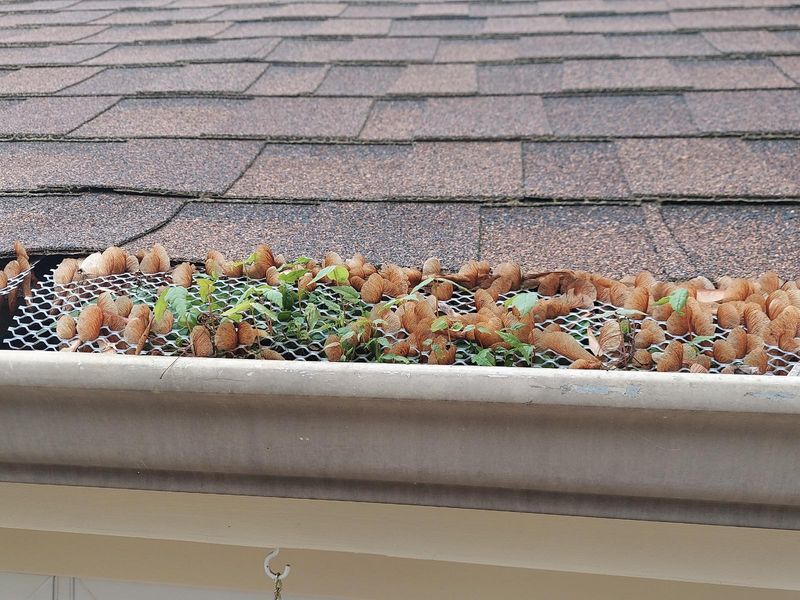
Tree owners in Massachusetts can be held financially responsible when they fail to properly maintain trees that pose obvious risks to neighbors.
A diseased or structurally unsound tree that drops large branches onto your gutters may create a valid claim for damages.
The key legal concept is foreseeability, meaning the owner should have reasonably known the tree posed a danger to surrounding properties.
Documenting the condition of the problem tree is essential if you plan to pursue compensation from your neighbor for repairs.
Take photographs showing visible signs of disease, decay, or structural instability that a reasonable person would recognize as hazardous.
Written communications to your neighbor about the tree’s condition can also strengthen your case by proving they had actual knowledge.
Massachusetts courts have ruled that property owners have a duty to inspect their trees and address obvious hazards before damage occurs.
If a neighbor ignores warnings about a dangerous tree and it subsequently damages your gutters, they may be liable for repairs.
Consulting with an arborist can provide expert testimony about whether the tree showed clear warning signs that should have prompted action.
Homeowners insurance may also play a role, especially when damage is extensive and negligence is involved.
It means the law distinguishes between normal yard debris you must handle yourself and damage caused by a neighbor ignoring an obvious tree hazard.
When neglect is involved, responsibility can shift away from you and onto the tree owner.
4. Communication With Your Neighbor Is Essential
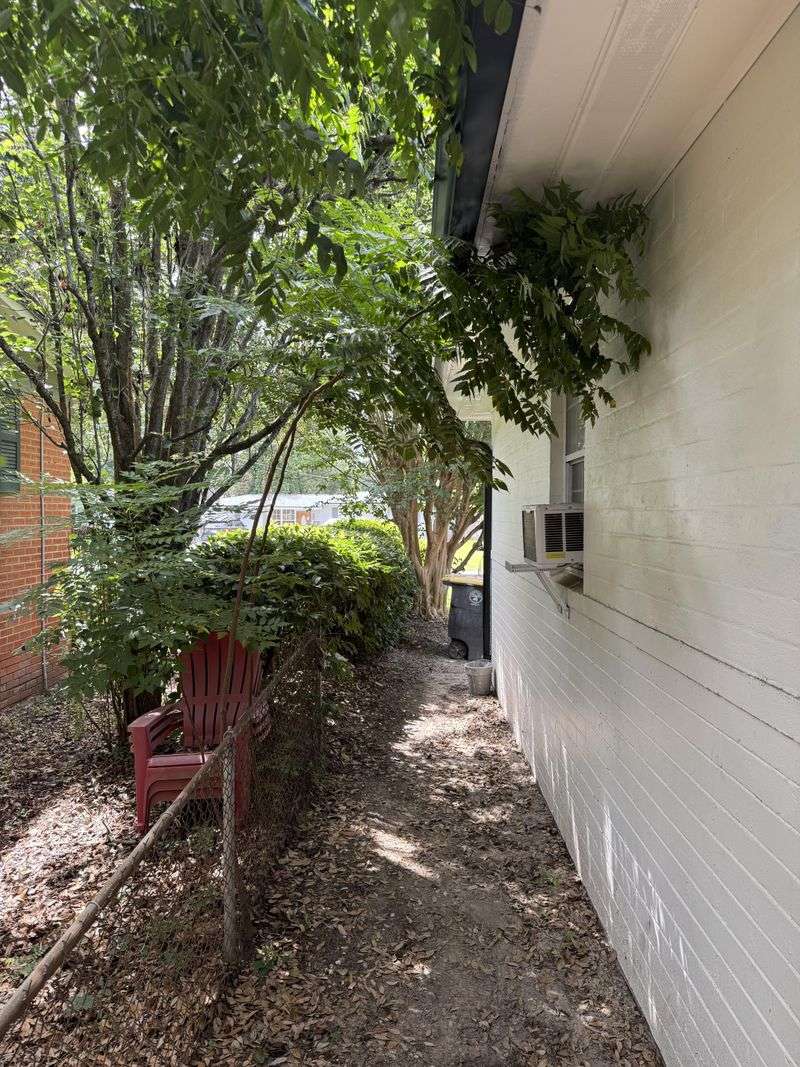
Talking to your neighbor before taking legal action or trimming their tree can prevent conflicts and lead to cooperative solutions.
Many property disputes in Massachusetts escalate unnecessarily because homeowners fail to have calm, respectful conversations about the problem first.
Your neighbor may be completely unaware that their tree is causing damage to your gutters and may be willing to help.
Approach the conversation with a friendly attitude and focus on finding solutions rather than assigning blame for the situation.
Explain how the tree is affecting your property and suggest possible remedies such as professional trimming or increased maintenance schedules.
Offering to share costs can make your neighbor more receptive to working together on a solution that benefits both properties.
If verbal conversations do not lead to resolution, consider sending a polite written notice documenting the issue and your concerns.
Keep copies of all correspondence as they may become important evidence if you eventually need to pursue a legal claim.
Massachusetts property owners who can show they made good-faith efforts to resolve disputes amicably are often viewed more favorably in court.
Mediation services offered by some Massachusetts communities can also help neighbors reach agreements without formal legal action.
Taking these steps often preserves relationships while still protecting your property and financial interests.
5. Homeowners Insurance May Cover Some Damage
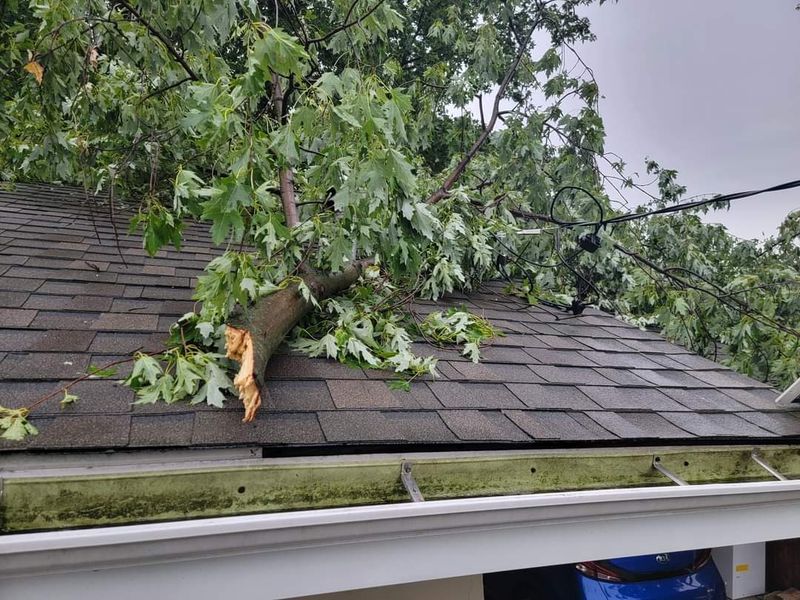
Checking your homeowners insurance policy can reveal coverage options for gutter damage caused by trees regardless of where they originate.
Many policies in Massachusetts include protection for sudden and accidental damage from falling branches or storm-related tree incidents.
Your insurance company may pay for repairs even if the tree belongs to your neighbor and then pursue reimbursement through subrogation.
Standard policies typically exclude damage from gradual wear and tear caused by accumulated leaves and debris over extended time periods.
Insurance is designed to cover unexpected events rather than routine maintenance issues that homeowners should address through regular cleaning schedules.
Review your policy carefully or speak with your agent to understand exactly what types of tree damage are covered.
Filing a claim may affect your premiums in future years, so consider whether the damage cost exceeds your deductible significantly.
For minor gutter repairs, paying out of pocket might be more economical than involving your insurance company and risking rate increases.
Massachusetts homeowners should weigh the financial implications carefully before deciding how to handle tree-related property damage and associated repair costs.
6. Document Everything For Potential Legal Claims
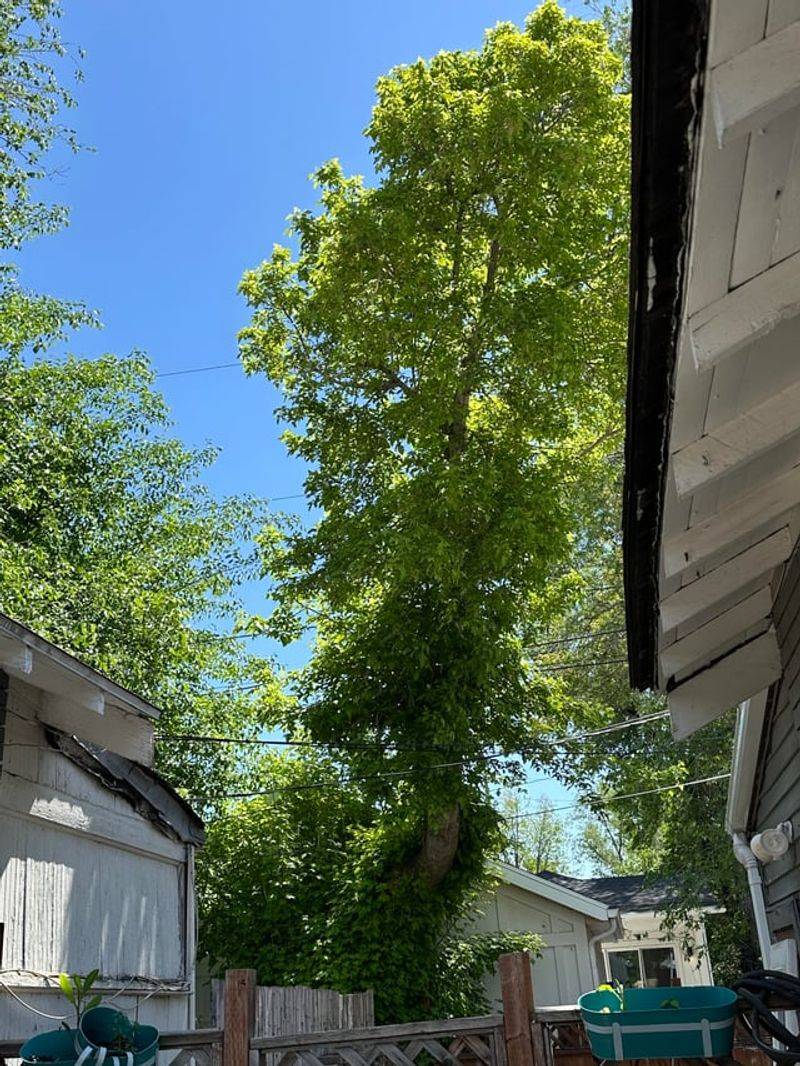
Creating a detailed record of the tree problem and resulting damage strengthens your position if you eventually need to pursue compensation.
Take clear photographs from multiple angles showing the overhanging branches, the condition of your gutters, and any visible damage to your property.
Include date stamps on photos to establish a timeline of when the problem began and how it progressed over time.
Keep receipts for all gutter cleaning services, repairs, and related expenses that result from the neighbor’s tree in Massachusetts.
Written estimates from contractors can document the cost of fixing damage even if you have not yet completed the repairs.
This financial documentation becomes crucial evidence if you file a lawsuit or insurance claim seeking reimbursement from the tree owner.
Save copies of any letters, emails, or text messages you send to your neighbor about the tree and their responses.
These communications can prove you made reasonable efforts to resolve the situation before taking legal action or self-help measures.
Massachusetts courts appreciate when property owners attempt to work out disputes cooperatively before resorting to litigation or aggressive remedies.
Maintaining an organized file with photos, receipts, and correspondence makes it easier to present a clear, credible case if the dispute escalates.
Thorough records also help lawyers or insurers assess responsibility quickly, saving time and reducing unnecessary back-and-forth.
7. Prevention Is Cheaper Than Repairs
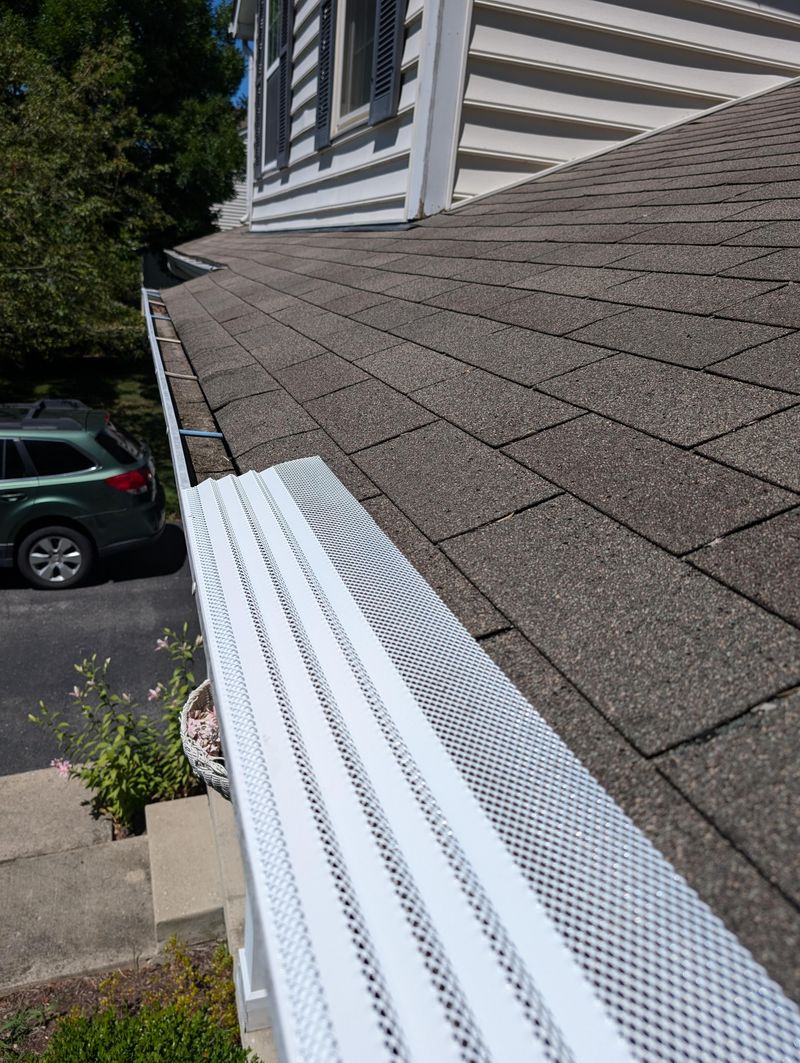
Investing in regular gutter maintenance and protective measures can save you significant money compared to dealing with damage after it occurs.
Installing gutter guards or screens prevents leaves and small debris from accumulating and causing clogs that lead to water damage.
These products are widely available in Massachusetts and can be installed by professionals or handy homeowners with basic tools.
Scheduling professional gutter cleaning at least twice yearly removes debris before it causes problems regardless of where it comes from.
Spring and fall are ideal times for this maintenance as trees shed the most material during these seasonal transitions.
Consistent cleaning extends the life of your gutters and prevents the overflow issues that can damage your home’s foundation and siding.
Trimming branches before they become problematic is another proactive strategy that avoids conflicts with neighbors and prevents future damage.
Even if the tree is not on your property, you can trim portions that cross the boundary line legally.
Massachusetts homeowners who stay ahead of tree issues through regular maintenance typically spend far less than those who wait for damage to occur.
8. Small Claims Court May Be Your Best Option
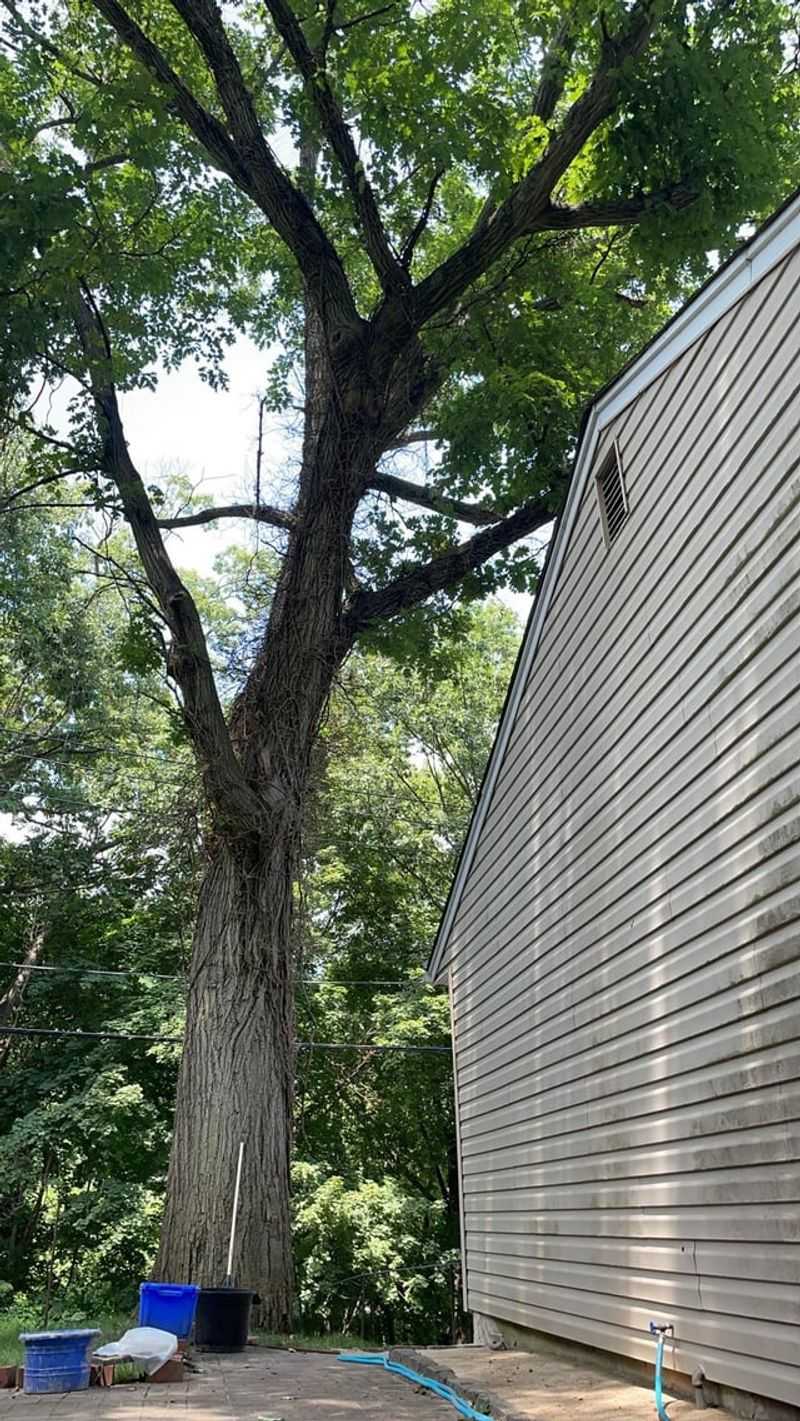
When negotiations fail and damages are relatively modest, small claims court in Massachusetts offers an affordable way to seek compensation.
The current limit for small claims cases is eight thousand dollars, which covers most gutter repair and cleaning costs adequately.
You do not need an attorney to file a small claims case, making it accessible for ordinary homeowners without legal expertise.
Prepare your case by organizing all documentation including photographs, receipts, correspondence, and any expert opinions about the tree’s condition.
Present your evidence clearly and explain why you believe your neighbor was negligent in maintaining their tree and should pay damages.
Massachusetts small claims judges hear these types of property disputes regularly and understand the issues involved in tree damage cases.
The filing fee is minimal compared to the cost of hiring an attorney for a full lawsuit in higher courts.
Cases are typically heard within a few weeks or months, providing relatively quick resolution compared to traditional litigation processes.
Even if you do not recover the full amount you seek, small claims court can result in partial compensation for your expenses.
The process is designed to be straightforward and focused on facts rather than legal technicalities.
For many homeowners, it offers a practical path to resolution without turning a property issue into a prolonged conflict.
9. Professional Arborists Can Provide Expert Opinions
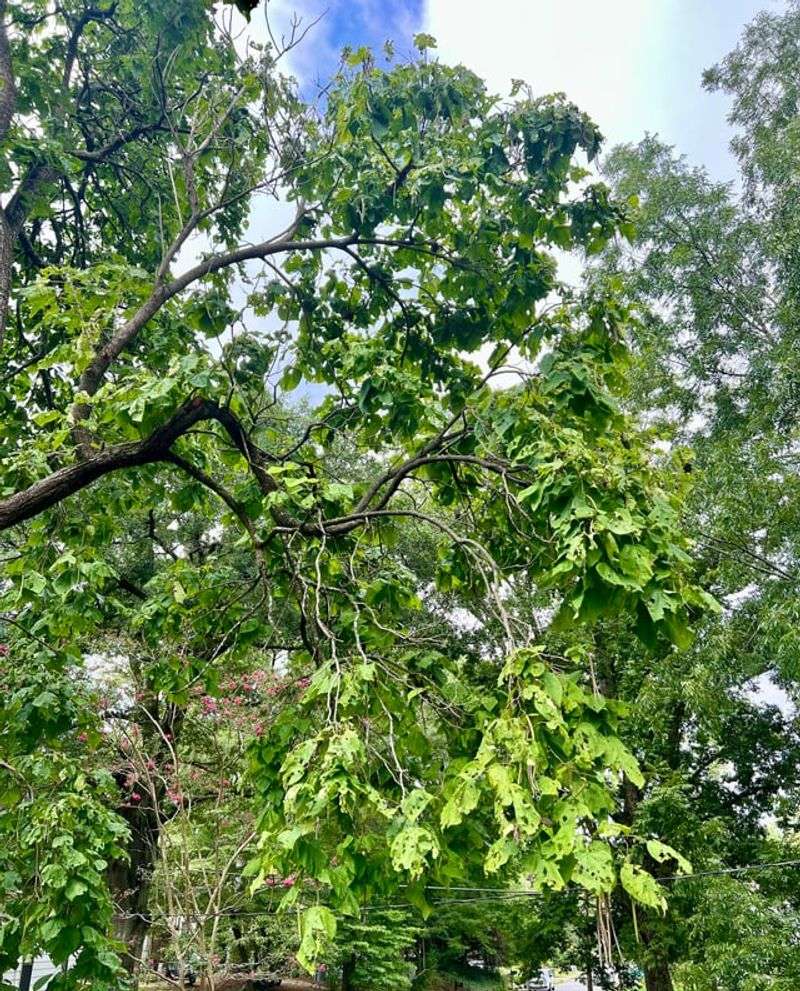
Hiring a certified arborist to evaluate the tree gives you professional insight into whether it poses a genuine hazard to your property.
These tree care specialists in Massachusetts can identify diseases, structural weaknesses, and other problems that may not be obvious to untrained observers.
Their written reports carry significant weight in legal disputes and insurance claims as credible expert testimony about tree conditions.
An arborist can also recommend appropriate trimming or maintenance strategies that protect your gutters while preserving the health of the tree.
This balanced approach shows good faith and may encourage your neighbor to cooperate when presented with professional recommendations.
Massachusetts tree experts understand both the legal standards and the biological needs of trees in creating workable solutions for property owners.
The cost of an arborist consultation is typically modest compared to potential repair expenses and legal fees down the road.
Many will provide free estimates before committing to a full evaluation or written report for your situation.
Consider this investment as insurance against future disputes and a way to make informed decisions about how to proceed with your neighbor.
Having an expert opinion often shifts conversations from opinion-based arguments to fact-based discussions.
This clarity can make it easier to reach a resolution that protects your property without escalating tensions.