9 Proven Ways To Keep Geraniums Thriving Through Winter In Wisconsin
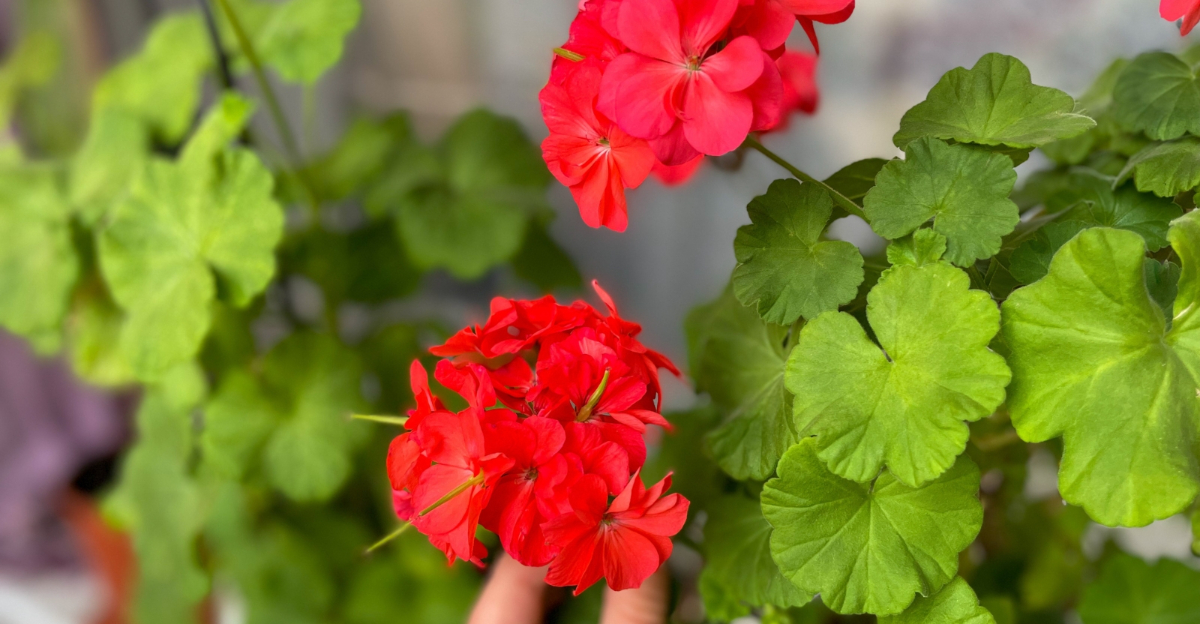
Winter in Wisconsin has a way of testing even the toughest garden favorites, and geraniums are no exception once cold settles in.
What looks like a simple seasonal pause can quietly determine whether these plants return strong or struggle come spring.
Short days, dry indoor air, and sudden temperature swings create challenges that many gardeners underestimate at first.
Geraniums respond quickly to winter conditions, making small choices feel much bigger than they do during the growing season.
Keeping them thriving becomes less about effort and more about timing, observation, and knowing when to intervene.
Wisconsin homes offer just enough warmth and shelter to support healthy plants, but only when conditions stay consistent.
Neglecting winter care often leads to weak growth, leaf drop, or plants that never fully recover later.
On the other hand, thoughtful winter habits can keep geraniums steady, resilient, and ready for a strong return.
Understanding what actually works during Wisconsin winters makes all the difference between barely surviving plants and ones that truly thrive.
1. Bring Potted Geraniums Indoors Before First Frost
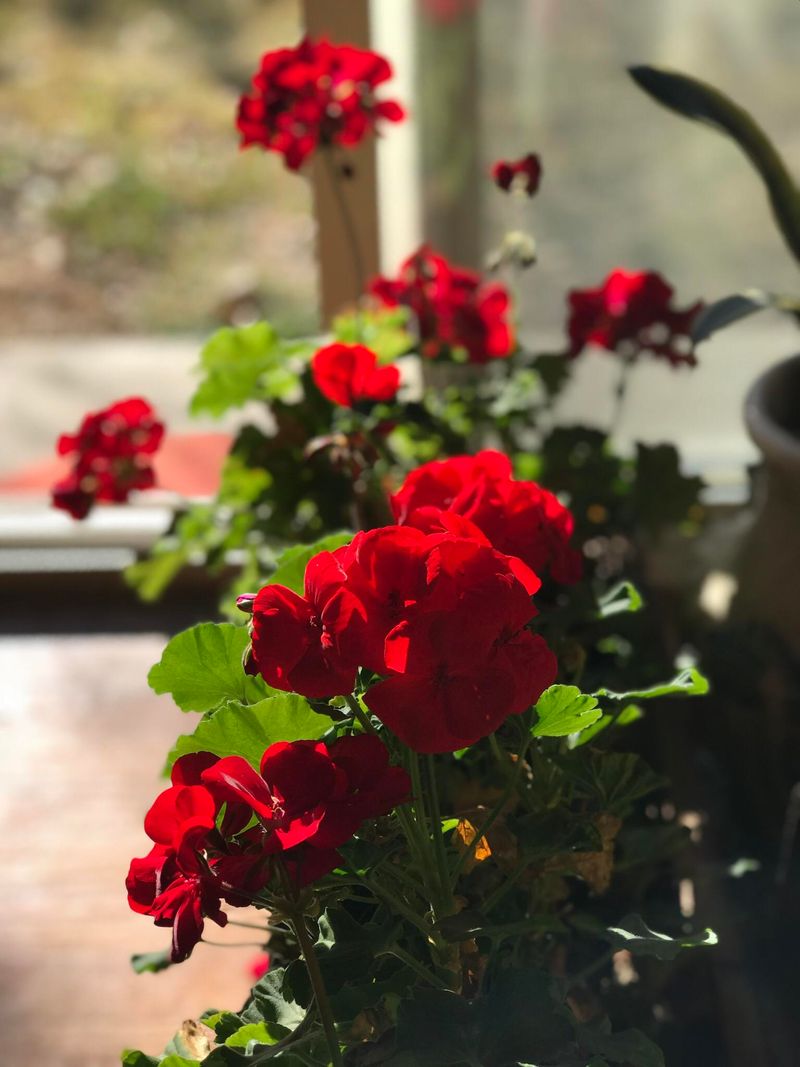
Timing matters when you want to save geraniums from Wisconsin’s freezing temperatures that usually start appearing in late September or October.
Watch local weather forecasts carefully because one unexpected cold night can damage tender leaves and stems beyond repair for the season.
Moving plants inside before frost hits gives them time to adjust to indoor conditions without experiencing shock from temperature changes overnight.
Choose a sunny window where geraniums can receive at least six hours of bright light each day for continued growth indoors.
South-facing windows work best in Wisconsin homes because they provide the most consistent sunlight during short winter days and months.
Clean the leaves gently with water to remove any insects or dirt before bringing pots inside to prevent pest problems later.
Reduce watering frequency after moving plants indoors since they will grow more slowly in cooler indoor temperatures and lower light conditions.
Check soil moisture by sticking your finger one inch deep into the dirt before adding water to avoid root rot.
Wisconsin gardeners who follow this method often see blooms continuing well into December and sometimes even through January months.
Pinching back leggy growth before bringing plants indoors helps keep geraniums compact and easier to manage through winter.
Avoid placing pots near heating vents or drafty doors, as sudden temperature swings can stress the plants.
With steady light and careful watering, geraniums often stay healthy enough to move back outside once Wisconsin spring temperatures return.
2. Store Dormant Geraniums in a Cool Basement
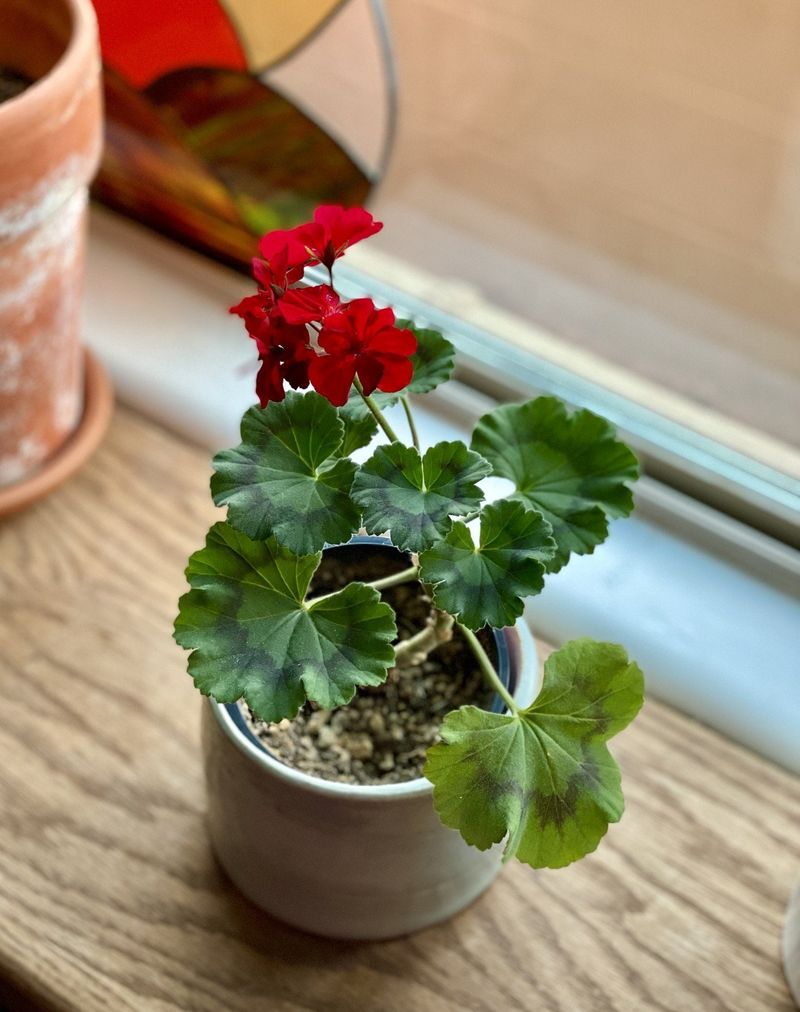
Basements provide ideal storage conditions for geraniums that you want to keep dormant throughout Wisconsin’s coldest months without taking space.
This old-fashioned method has worked for generations of gardeners who needed to save dozens of plants in limited indoor areas.
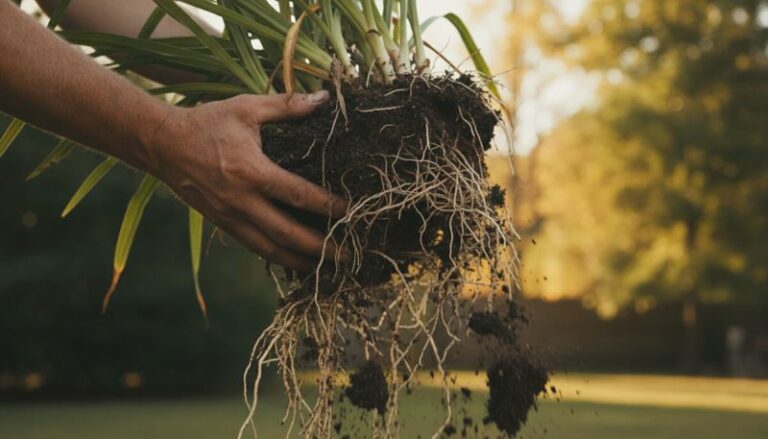
Dig up your geraniums before frost arrives, shake off excess soil, and hang them upside down from ceiling joists or rafters.
Temperature should stay between forty and fifty degrees Fahrenheit in your Wisconsin basement for best results with this storage technique.
Your Wisconsin Garden Changes Every Week. Your Plan Should Too.
Gardening in Wisconsin changes quickly throughout the season. Every Friday you’ll receive a simple weekly plan showing exactly what to plant, prune, fertilize, harvest, and protect so you never miss the right timing.
Check plants monthly and soak roots in water for a few hours if they appear extremely dry or shriveled up.
This process keeps roots alive while the plant rests peacefully without requiring sunlight or regular watering throughout the winter season.
Come springtime in Wisconsin, cut back dead stems to about five inches, pot the plants in fresh soil, and water thoroughly.
Place pots in a sunny spot and watch new growth emerge within two to three weeks as temperatures warm up.
Many Wisconsin gardeners prefer this space-saving method because it allows them to store thirty or forty plants in one small area.
This technique also reduces pest problems since dormant plants are not actively growing indoors.
With proper timing and storage, many geraniums return stronger and more vigorous than the previous season.
3. Take Cuttings to Start New Plants
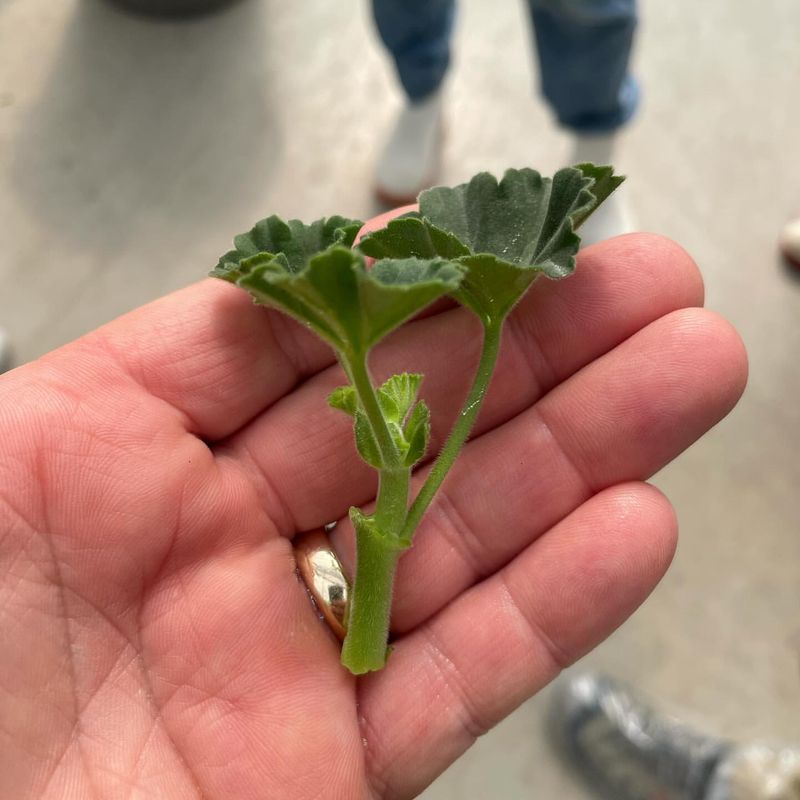
Propagating geraniums from cuttings gives you insurance against losing your favorite varieties during Wisconsin’s unpredictable winter weather and temperature fluctuations.
Select healthy stems that are four to six inches long with several sets of leaves and no visible disease.
Cut just below a leaf node using clean, sharp scissors or pruning shears to ensure a smooth edge that heals quickly.
Remove lower leaves from each cutting, leaving only two or three sets at the top to reduce moisture loss during rooting.
Dip the cut end in rooting hormone powder if you have some available, though it is not absolutely necessary for success.
Place cuttings in small pots filled with moist potting soil or perlite, then cover with a clear plastic bag to maintain humidity.
Wisconsin gardeners should place these pots near a bright window but away from direct sunlight that could overheat the enclosed environment.
Roots typically develop within three to four weeks, and you will notice new leaf growth emerging from the top soon after.
This method works wonderfully because you end up with multiple young plants ready to transplant into bigger pots or outdoors.
Once roots form, remove the plastic covering so the cuttings can adjust to normal indoor conditions.
By spring, these young geraniums are usually strong, compact, and ready for life outside again.
4. Use Grow Lights for Extra Brightness
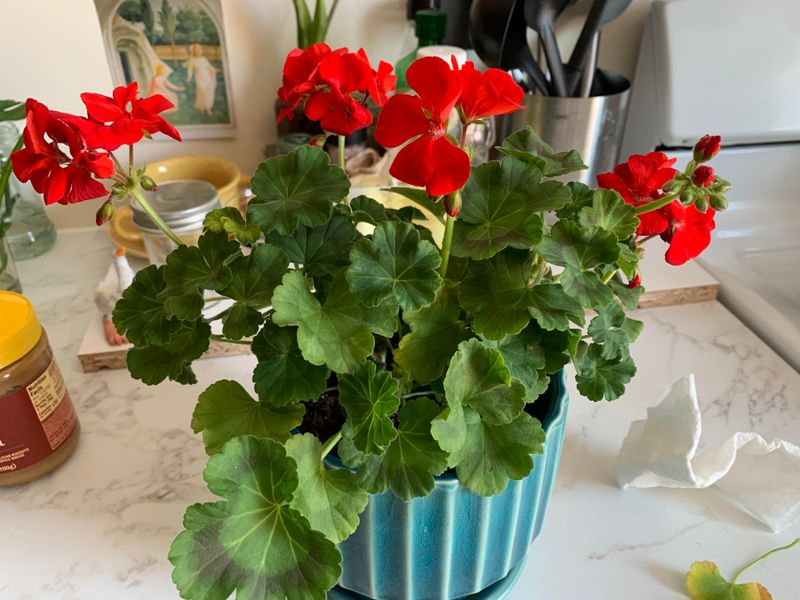
Natural sunlight becomes scarce during Wisconsin winters when days are short and skies often remain cloudy for weeks at a time.
Geraniums need strong light to produce flowers and maintain healthy green foliage instead of becoming leggy and weak looking indoors.
Investing in affordable LED grow lights solves this problem by providing consistent illumination for twelve to fourteen hours each day.
Position lights about twelve inches above plant tops and adjust height as geraniums grow taller to maintain proper distance throughout winter.
Full-spectrum bulbs work best because they mimic natural sunlight and provide all wavelengths plants need for photosynthesis and bloom production.
Wisconsin gardeners who use grow lights report significantly more flowers and stronger stems compared to plants relying only on window light.
Set lights on an automatic timer so you do not have to remember turning them on and off every single day.
This consistency helps plants maintain a regular growing schedule even when outdoor conditions in Wisconsin remain dark and gloomy for months.
Many gardeners find this method so successful that they continue using grow lights year-round for all their indoor plants.
Using lights also allows you to move geraniums away from cold windows without sacrificing brightness.
With reliable lighting, winter care becomes much easier and plants stay attractive until spring returns.
5. Maintain Proper Watering Schedule
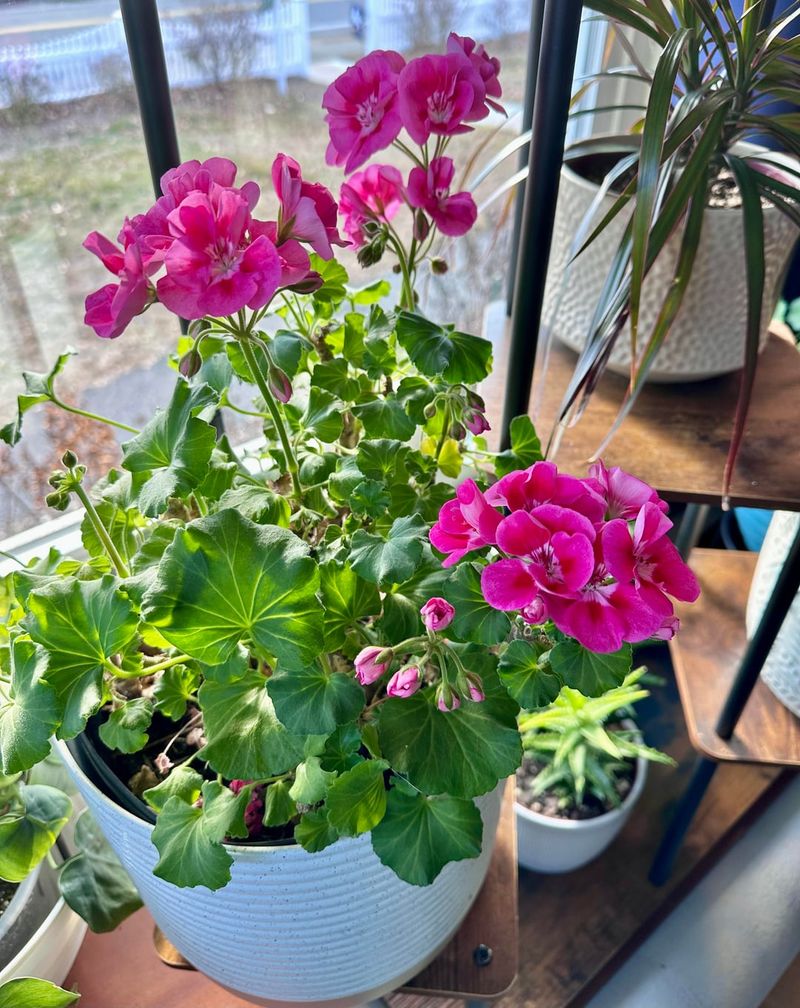
Overwatering damages more indoor geraniums during Wisconsin winters than any other mistake gardeners make with these otherwise tough and forgiving plants.
Indoor air tends to be dry because of heating systems, but plants actually need less water since they grow slowly.
Allow soil to dry out slightly between waterings rather than keeping it constantly moist like you might during summer months outdoors.
Stick your finger into the soil up to the second knuckle to test moisture levels before deciding whether watering is needed.
If dirt feels damp or cool to touch, wait another day or two before checking again to avoid waterlogged roots.
Wisconsin tap water works fine for geraniums, but letting it sit overnight allows chlorine to evaporate and brings water to room temperature.
Water thoroughly until excess drains from the bottom of the pot, then empty saucers so roots do not sit in standing water.
Morning watering works best because it gives foliage time to dry before cooler nighttime temperatures arrive in your Wisconsin home.
Yellowing leaves often signal too much water, while wilting despite moist soil suggests root rot has already begun developing underground.
Consistent watering habits help geraniums stay compact and healthy instead of struggling through winter stress.
When in doubt, it is always safer to underwater slightly than to add extra moisture during Wisconsin’s cold months.
6. Keep Temperatures Consistently Cool at Night
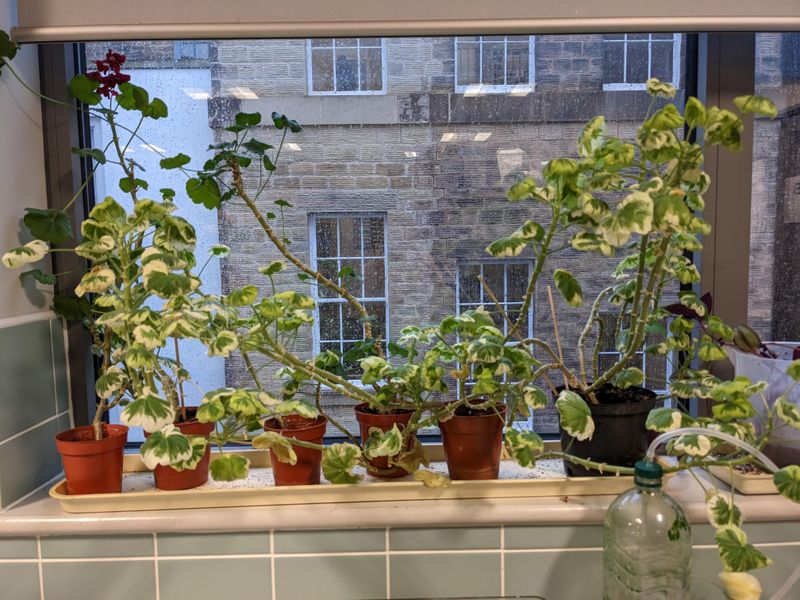
Geraniums actually prefer cooler nighttime temperatures between fifty-five and sixty-five degrees Fahrenheit to stay healthy and produce abundant flowers during Wisconsin winters.
Most homes stay warmer than this range, which can cause plants to become stressed and stop blooming altogether despite good care.
Finding a cooler spot away from heating vents helps geraniums rest properly each night and conserve energy for daytime growth.
Spare bedrooms, enclosed porches, or unheated sunrooms often provide perfect conditions if temperatures stay above freezing throughout Wisconsin’s coldest winter nights.
This temperature drop mimics natural outdoor conditions and triggers hormones that promote bud formation and flowering in many geranium varieties.
Avoid placing plants near drafty windows where temperatures might swing wildly between day and night or during windy weather conditions.
Wisconsin gardeners who maintain this temperature pattern often notice their geraniums bloom continuously rather than taking breaks throughout the winter months.
Plants also develop stronger stems and more compact growth habits when nighttime temperatures drop compared to those kept in constantly warm rooms.
A simple thermometer placed near your plants helps you monitor conditions and make adjustments as needed for optimal results.
Keeping daytime temperatures slightly warmer while allowing nights to cool creates a healthy rhythm plants respond to naturally.
This small adjustment often makes the difference between surviving winter and actually enjoying flowers indoors until spring.
7. Fertilize Sparingly During Winter Months
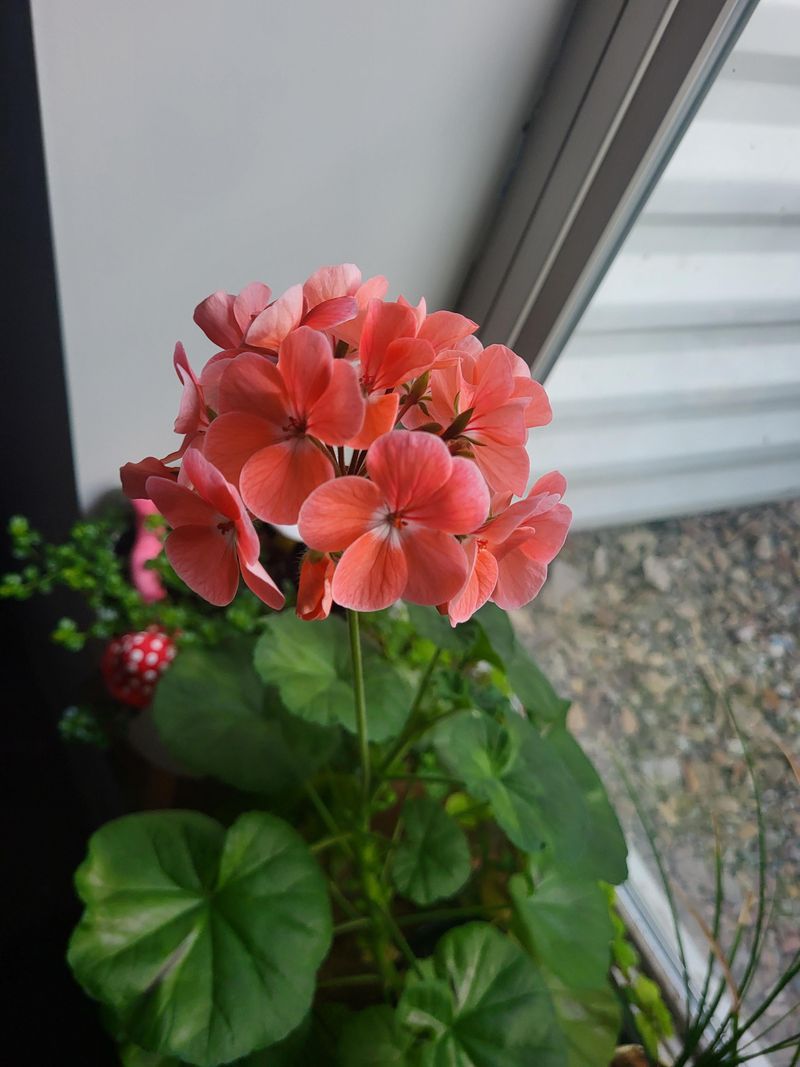
Plant growth slows dramatically during winter in Wisconsin, so geraniums need far less fertilizer than they required during active summer growing seasons.
Applying too much plant food forces weak, spindly growth that becomes susceptible to diseases and pest problems in indoor environments.
Use a balanced water-soluble fertilizer diluted to half the recommended strength once every four to six weeks during winter months only.
Liquid fertilizers work better than granular types for indoor geraniums because they distribute nutrients evenly and allow better control over amounts applied.
Look for formulas with equal numbers like ten-ten-ten or twenty-twenty-twenty to provide balanced nutrition without promoting excessive leafy growth.
Wisconsin gardeners should skip fertilizing completely if plants stop growing or appear to enter dormancy despite adequate light and water.
Resume regular feeding schedules in early spring when days lengthen and you notice new growth emerging from stems and leaf nodes.
Overfertilizing causes salt buildup in potting soil, which appears as white crusty deposits on soil surface or pot rims over time.
Flushing pots with plain water every few months helps remove excess salts and keeps soil chemistry balanced for healthy root development.
Less feeding during winter keeps geraniums compact and prevents stress caused by forced growth.
For Wisconsin homes, patience with fertilizer usually leads to stronger plants once spring returns.
8. Prune Regularly to Encourage Bushy Growth
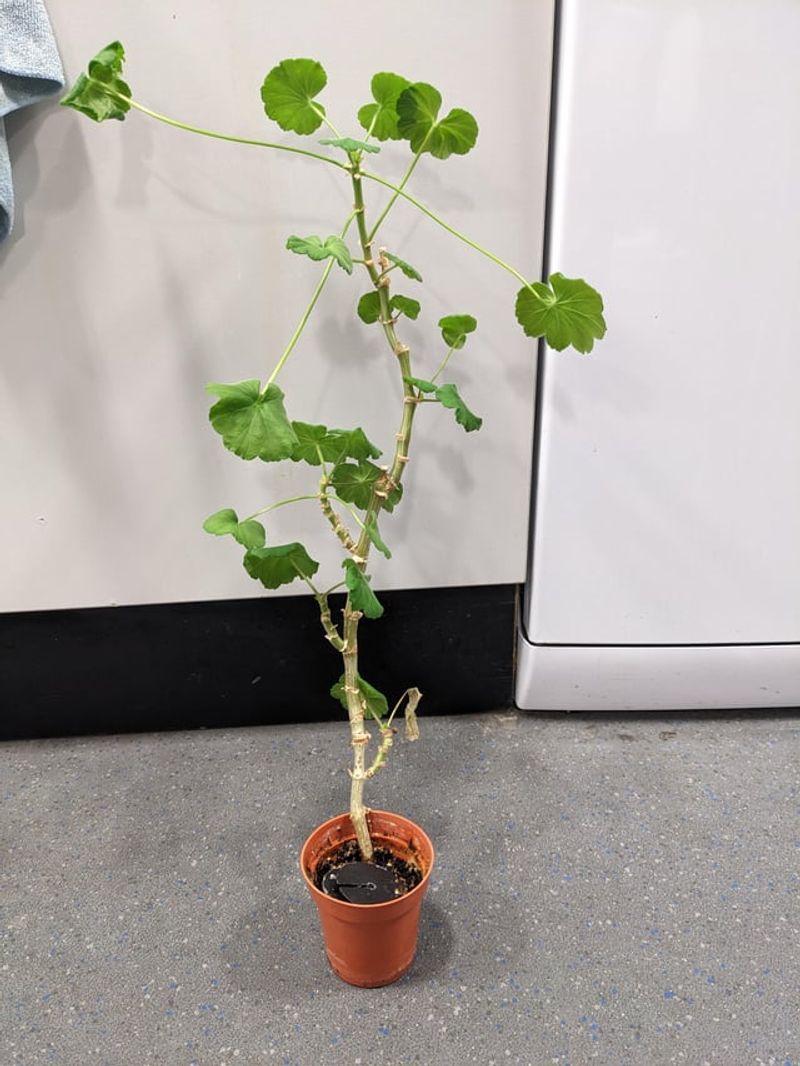
Leggy growth becomes common when geraniums spend months indoors under Wisconsin’s limited winter light conditions even with supplemental grow lights installed.
Pinching back stem tips every few weeks encourages plants to branch out sideways rather than growing tall and spindly looking.
Remove spent flowers regularly by snipping them off just above the next set of leaves to keep plants looking tidy.
This practice also prevents seed formation, which drains energy that could otherwise go into producing more colorful blooms throughout winter months.
Use clean scissors or pruning shears to make cuts at a forty-five degree angle just above a leaf node.
Wisconsin gardeners should save healthy cuttings from pruning sessions and root them to create additional plants for next season or gifts.
Remove any yellowing or brown leaves as soon as you notice them to prevent fungal diseases from spreading to healthy plant tissue.
Regular grooming also improves air circulation around stems and foliage, which reduces humidity levels that encourage mold and mildew growth indoors.
Well-pruned geraniums maintain compact, attractive shapes all winter and transition more easily back to outdoor gardens when Wisconsin spring finally arrives.
Pruning little and often is easier than waiting and cutting back heavily all at once.
This routine keeps geraniums balanced, healthier, and far more attractive through the long winter months.
9. Watch for Common Indoor Pests
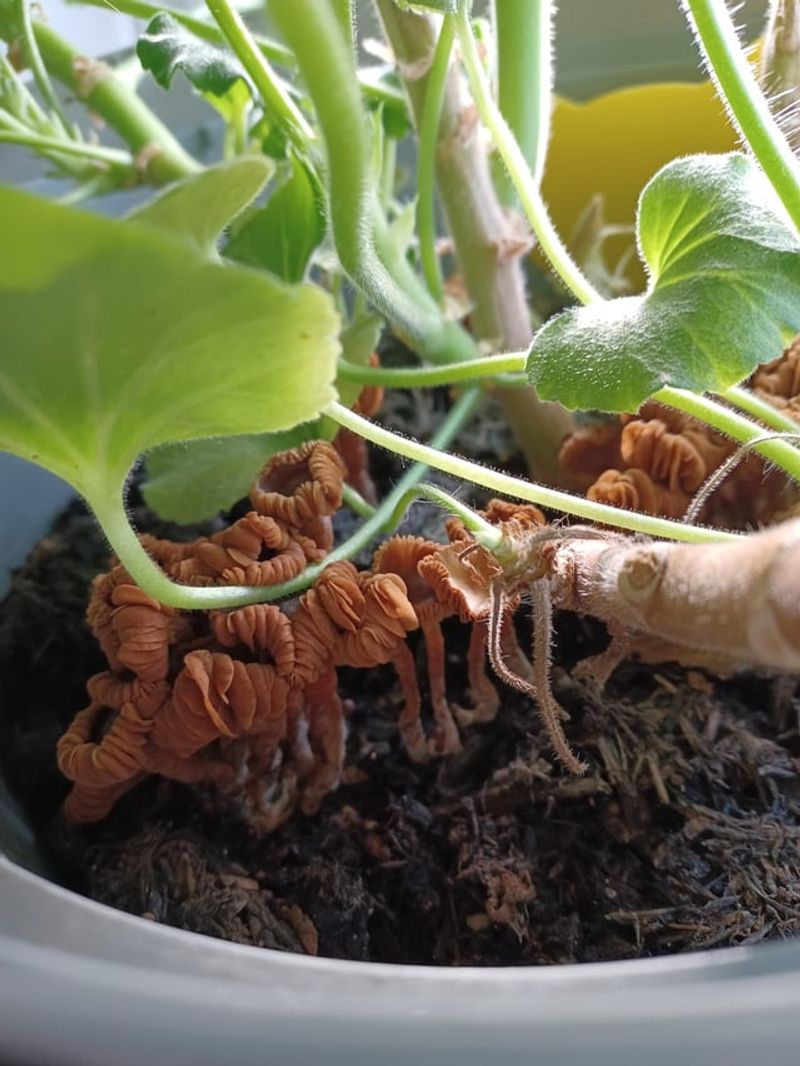
Bringing outdoor plants inside for Wisconsin winters unfortunately also brings insects that thrive in warm, dry indoor environments without natural predators present.
Aphids, whiteflies, and spider mites can quickly multiply on geraniums and spread to other houseplants if you do not catch them early.
Inspect plants weekly by checking undersides of leaves where pests typically hide and lay eggs away from obvious view and detection.
Isolate any infested plants immediately to prevent bugs from crawling or flying to nearby healthy specimens in your Wisconsin home collection.
Spraying leaves with a strong stream of water often dislodges many pests without needing chemical treatments that might damage sensitive foliage.
Insecticidal soap works effectively for heavier infestations and is safe to use indoors when applied according to label directions carefully.
Neem oil serves as both a pesticide and fungicide, making it a versatile choice for organic gardeners concerned about chemicals.
Repeat treatments every five to seven days for two to three weeks to break pest life cycles and eliminate eggs.
Maintaining proper humidity levels and good air circulation helps prevent pest problems from starting in the first place during long Wisconsin winters.
Wiping leaves occasionally with a damp cloth also removes dust that can hide early pest activity.
Healthy, well-lit plants are naturally more resistant, making overall care just as important as treatment.