8 Growing Tips That Help Tomatoes And Basil Thrive In North Carolina
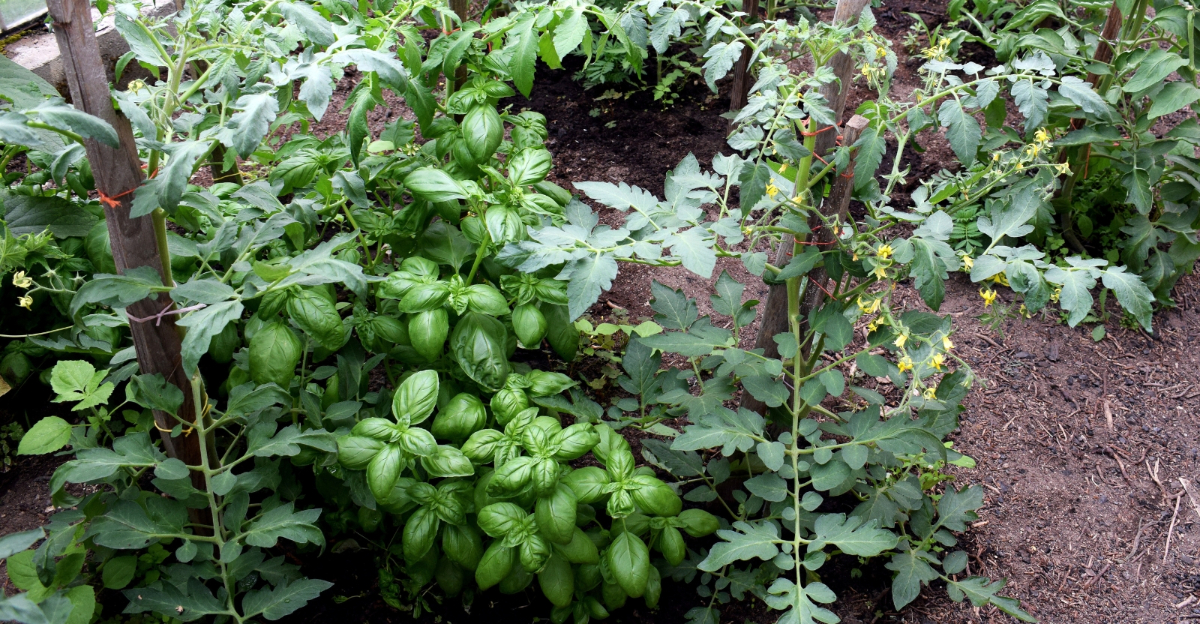
Tomatoes and basil are planted together across North Carolina every year, yet the state’s climate decides quickly which gardens stay effortless and which start slipping.
Spring warmth arrives early and pushes fast leafy growth before roots, spacing, and soil balance have time to stabilize properly.
Humidity settles in almost immediately, hanging in the air and changing how moisture behaves around leaves and stems.
What looks vigorous and promising in early weeks can shift fast once warm nights stop giving plants any real break.
Tomatoes stretch aggressively here, demanding structure and airflow sooner than expected, while basil surges when heat and moisture overlap.
Crowded planting becomes an issue quickly in North Carolina, where growth accelerates faster than many gardeners anticipate.
Rainstorms followed by still air create pressure points that expose weak spacing and inconsistent watering habits.
Beds that felt roomy in April can feel tight and overworked by early summer.
Some gardens move through these conditions smoothly, while others start adjusting reactively as growth compounds.
That contrast shows itself clearly as the season gains speed and space disappears.
1. Choose the Right Planting Time for Your Region
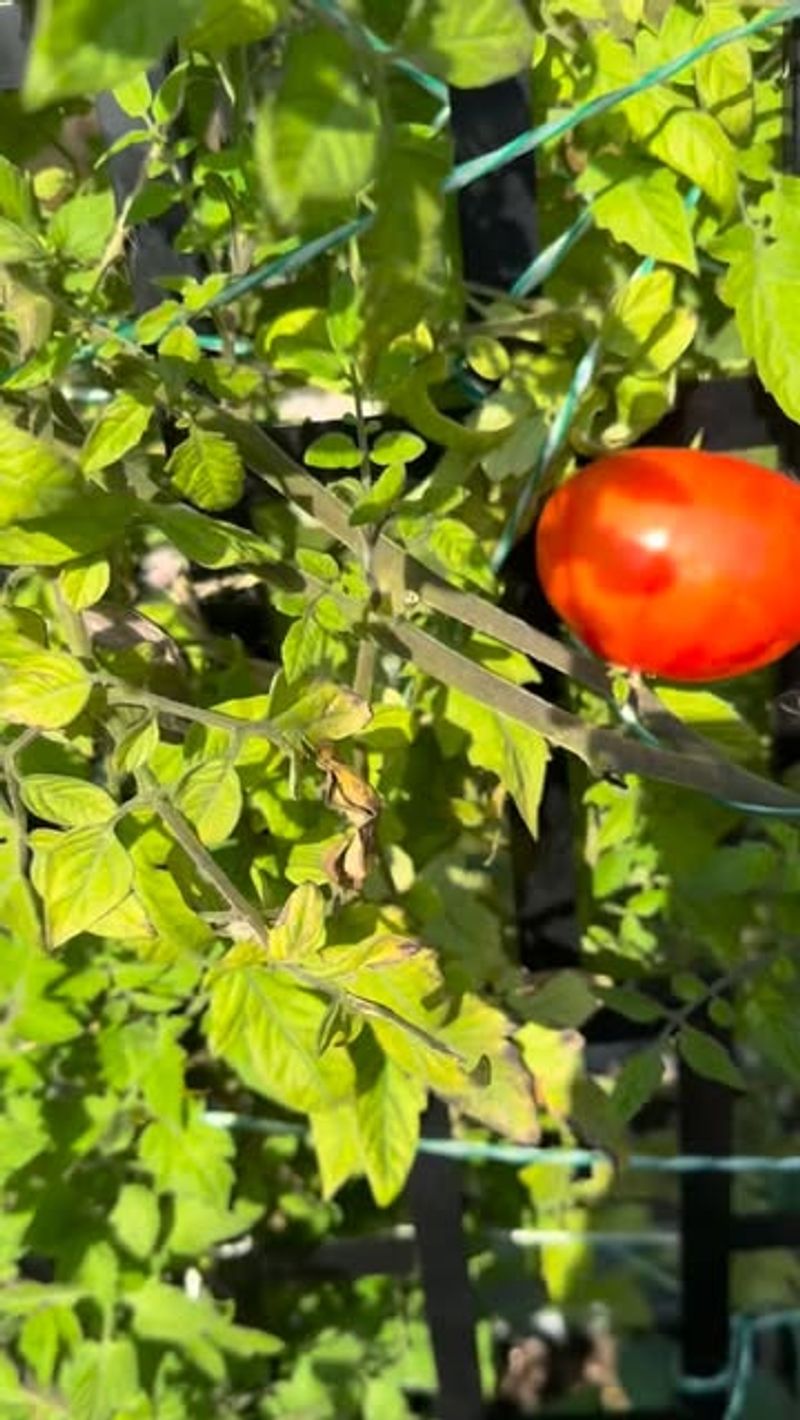
Timing makes all the difference when you want your garden to succeed with these two warm-loving plants in your yard.
North Carolina gardeners should wait until soil temperatures reach at least sixty degrees before planting tomatoes and basil outside in spring.
Frost can damage or stop the growth of both plants, so patience pays off when you check the local weather forecasts carefully.
Most areas across the state can safely plant after the last frost date, which typically falls between mid-April and early May here.
Starting seeds indoors six to eight weeks before your last frost date gives plants a strong head start for the season.
Transplanting seedlings outside when nighttime temperatures stay consistently above fifty degrees helps them adjust without stress or shock to their systems.
Basil is especially sensitive to cold weather and will turn black if exposed to temperatures below fifty degrees for too long.
Planning your planting schedule around your specific area in North Carolina ensures your garden gets off to the best possible start available.
Mark your calendar and prepare your soil early so you are ready when the perfect planting window finally arrives for you.
Waiting until soil temperatures and nighttime lows stabilize allows tomatoes and basil to establish roots before growth accelerates under rising spring heat.
Rushing planting often creates weak foundations that struggle once humidity and fast growth take over.
Early patience also prevents the slow, uneven growth that often follows planting into soil that has not fully warmed across North Carolina.
Plants that establish strong roots under stable conditions handle rising humidity and rapid spring growth with far less stress as the season accelerates.
2. Select a Sunny Location with Proper Drainage
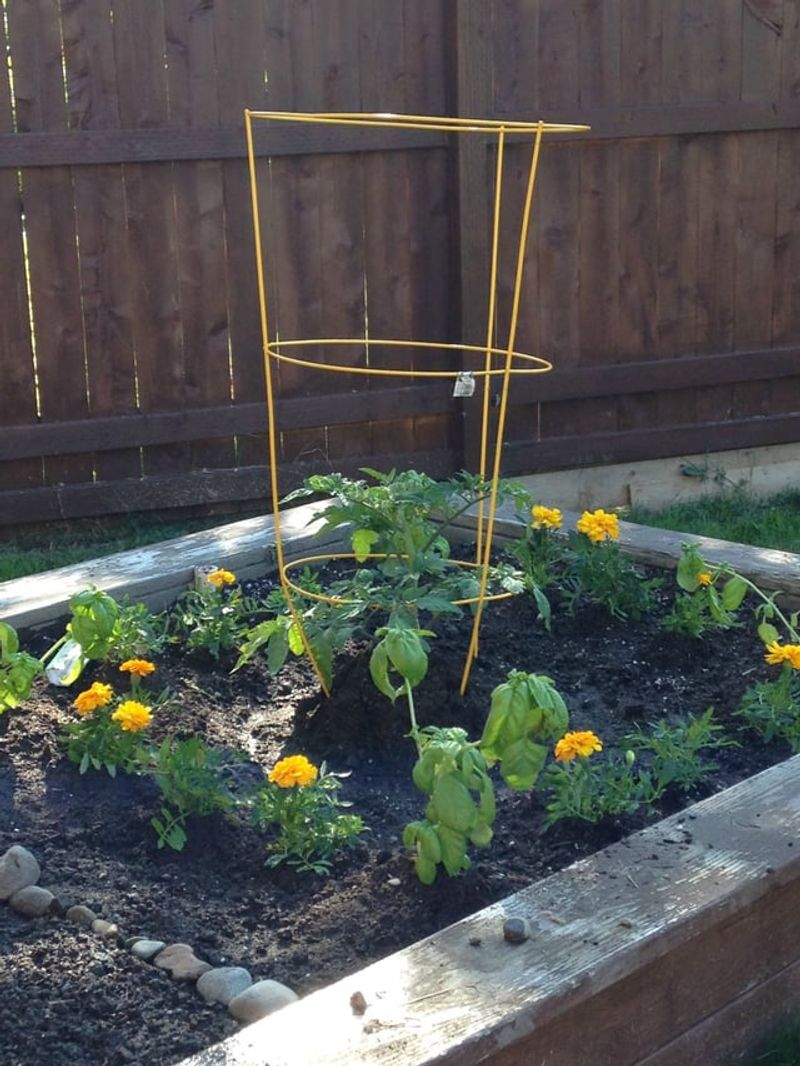
Sunlight fuels the growth and flavor of both tomatoes and basil, so finding the brightest spot in your yard is essential.
Both plants need at least six to eight hours of direct sunlight each day to produce their best harvests for your table.
Your North Carolina Garden Changes Every Week. Your Plan Should Too.
Gardening in North Carolina changes quickly throughout the season. Every Friday you’ll receive a simple weekly plan showing exactly what to plant, prune, fertilize, harvest, and protect so you never miss the right timing.
Shady areas will cause weak stems, fewer fruits, and less aromatic basil leaves that disappoint you when you harvest them later.
Good drainage is equally important because waterlogged soil leads to root problems that weaken plants and reduce their productivity significantly over time.
North Carolina clay soil can hold too much water, so amending it with compost or sand improves drainage and root health dramatically.
Raised beds work wonderfully in areas with heavy clay because they allow excess water to flow away from plant roots naturally.
Observe your garden throughout the day to identify which spots receive the most consistent sunlight without being blocked by buildings or trees.
Avoid low-lying areas where water tends to pool after heavy rains, which are common during summer months across the state here.
Creating the ideal environment from the start saves you frustration and ensures your plants thrive beautifully throughout the entire growing season ahead.
Strong sunlight fuels flavor and structure, but drainage determines whether roots stay healthy once heavy rain arrives.
Beds that drain well prevent stress cycles that quietly reduce productivity as the season intensifies.
3. Improve Soil Quality with Organic Matter
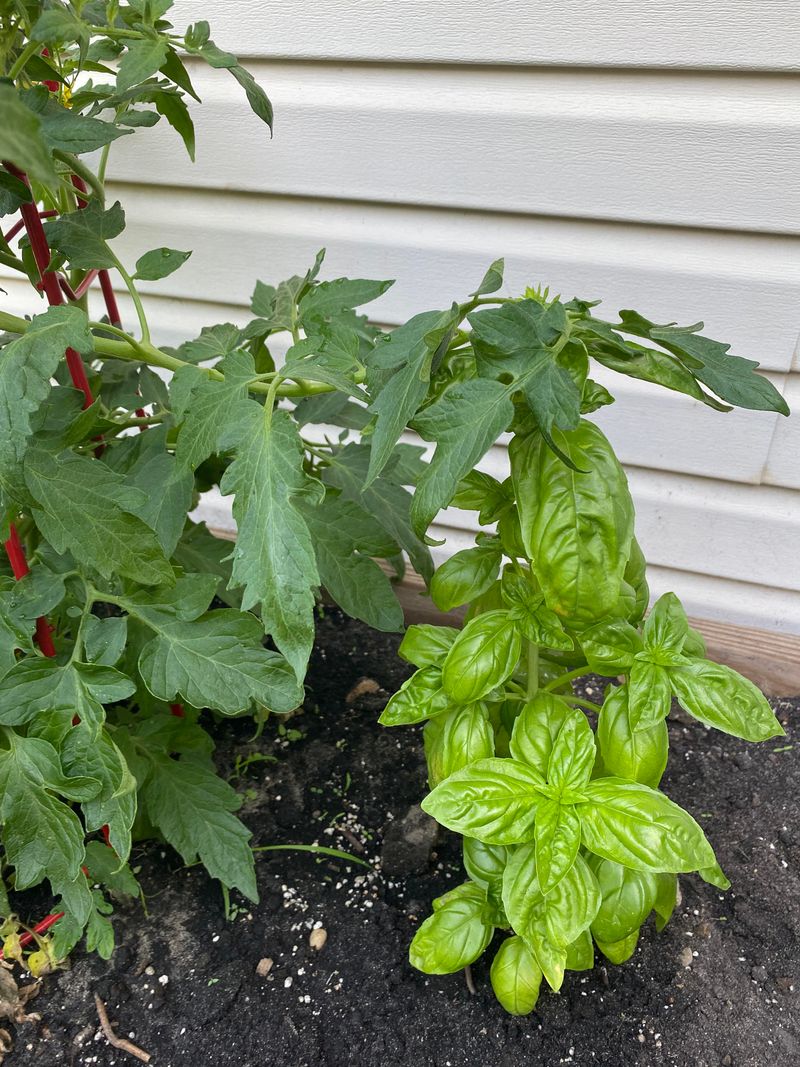
Healthy soil creates the foundation for vigorous plants that resist pests and diseases while producing abundant harvests for your family meals.
Tomatoes and basil both prefer rich, loamy soil with plenty of organic matter mixed in to support their nutrient needs effectively.
Adding compost, aged manure, or leaf mold before planting boosts soil fertility and improves its structure for better root growth below.
North Carolina soils often lack sufficient organic content, so regular amendments help create the ideal growing environment for these two popular crops.
Aim for a soil pH between six and seven, which allows plants to absorb nutrients efficiently from the ground around them.
Testing your soil with a simple kit from a garden center reveals any deficiencies you need to address before planting time arrives.
Mixing in a balanced organic fertilizer at planting time gives seedlings the nutrients they need to establish strong roots quickly and successfully.
Mulching around plants with straw or shredded leaves helps retain moisture, suppress weeds, and gradually adds more organic matter as it breaks down.
Investing time in soil preparation pays off with healthier plants, bigger harvests, and fewer problems throughout the season in your garden space.
Organic-rich soil moderates moisture swings while supporting the rapid nutrient demand both plants develop in North Carolina’s long growing season.
Well-prepared soil keeps growth balanced instead of forcing constant correction later.
Strong soil preparation also improves drainage during heavy rains, which helps roots breathe instead of sitting in compacted, waterlogged ground.
When soil stays loose, fertile, and evenly moist, tomatoes and basil grow steadily without the setbacks that slow production later in the season.
4. Water Consistently and Deeply Throughout the Season
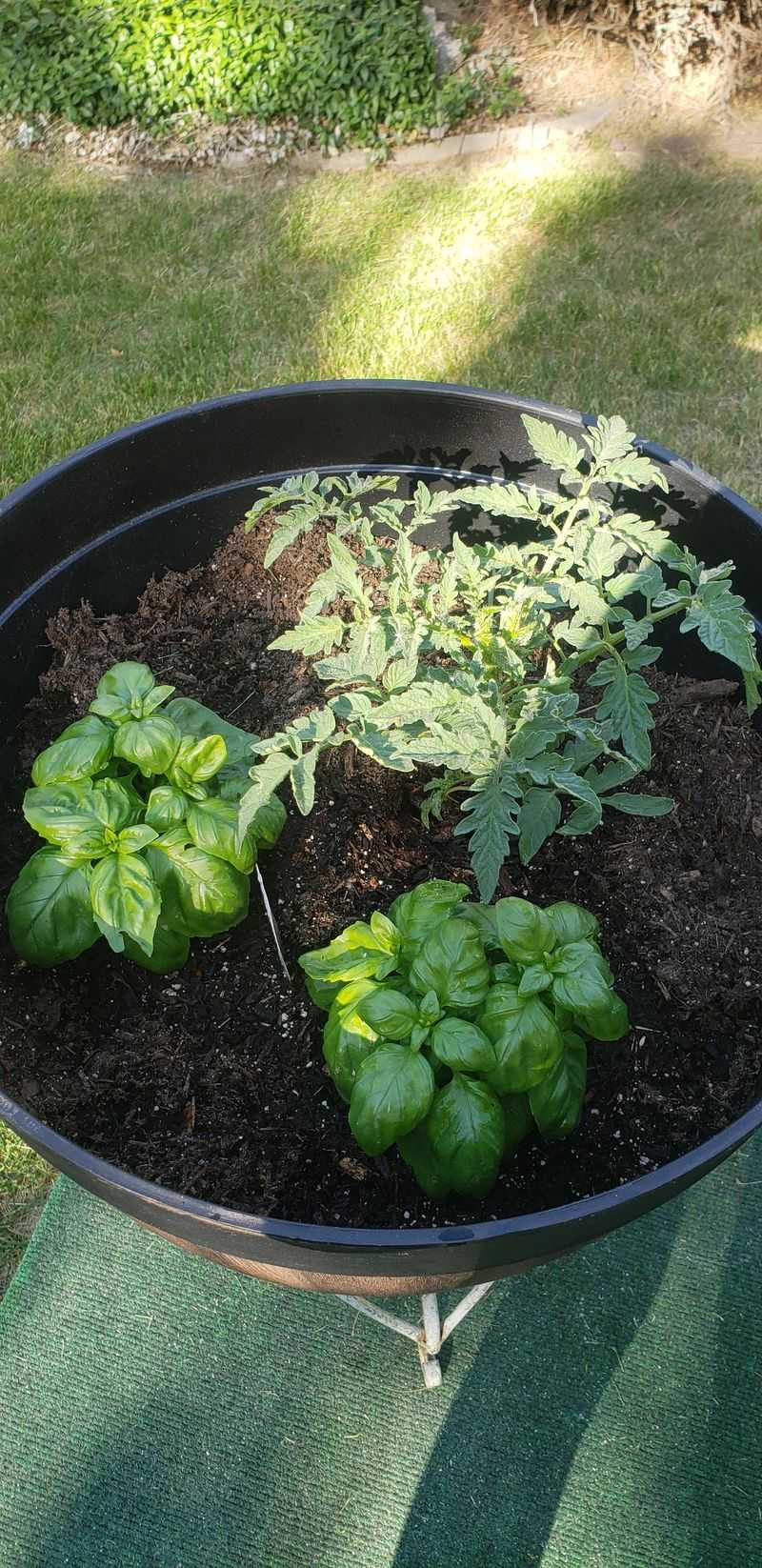
Proper watering keeps plants hydrated and productive, especially during hot summer months when North Carolina temperatures soar into the nineties regularly.
Both tomatoes and basil need consistent moisture to develop strong roots and produce flavorful fruits and leaves for your kitchen use.
Watering deeply once or twice a week encourages roots to grow downward, making plants more drought-tolerant during dry spells later on.
Shallow, frequent watering creates weak root systems that struggle when conditions become stressful or when rainfall becomes irregular across the state.
Aim to provide about one to two inches of water per week, adjusting based on rainfall and temperature conditions in your area.
Drip irrigation or soaker hoses deliver water directly to the root zone, reducing waste and keeping foliage dry to prevent disease problems.
Overhead watering can splash soil onto leaves, spreading fungal diseases that thrive in the humid climate we experience here in North Carolina.
Mulching around plants helps retain soil moisture, reducing the frequency of watering and keeping roots cooler during hot summer afternoons in your garden.
Consistent watering prevents problems like blossom end rot in tomatoes and wilting in basil, ensuring your plants stay healthy and productive always.
Deep, even watering encourages roots to grow downward, helping plants handle heat and dry gaps between storms.
Irregular moisture patterns often reveal themselves through splitting tomatoes and bitter basil leaves.
5. Provide Support for Tomato Plants Early On
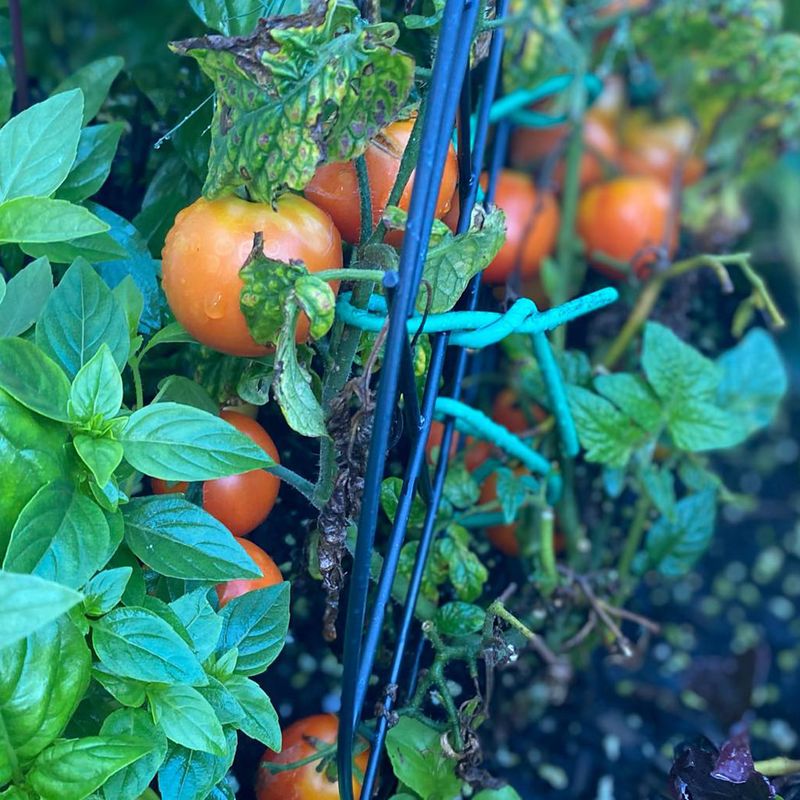
Supporting tomato plants prevents branches from breaking under the weight of heavy fruits and keeps them off the ground for better health.
Stakes, cages, or trellises installed at planting time avoid disturbing roots later when plants are larger and more established in the ground.
Determinate tomato varieties stay compact and work well with cages, while indeterminate types need taller stakes or strong trellises for support.
North Carolina gardeners often grow indeterminate varieties that produce fruit continuously throughout the season, requiring sturdy support structures to hold them upright.
Tying plants loosely to stakes with soft twine or cloth strips prevents damage to stems as they grow taller and heavier.
Pruning lower leaves and suckers improves air circulation, reduces disease risk, and directs energy into fruit production for better overall yields.
Keeping tomato fruits off the soil prevents rot and pest damage, making your harvest cleaner and more appealing for fresh eating or cooking.
Supported plants are easier to inspect for pests and diseases, allowing you to catch problems early before they spread to other plants.
Taking time to support your tomatoes properly results in healthier plants, larger fruits, and a more organized garden space you can enjoy.
Installing supports early prevents root disturbance later, when vines grow aggressively and fruit weight increases.
Good structure also improves airflow, which becomes critical once warm nights remove any natural cooling break.
Early support also helps plants withstand summer storms that can snap unsupported vines or flatten heavy growth overnight.
When airflow stays open around stems and leaves, moisture dries faster, reducing disease pressure during North Carolina’s humid stretch.
6. Fertilize Regularly to Boost Growth and Production
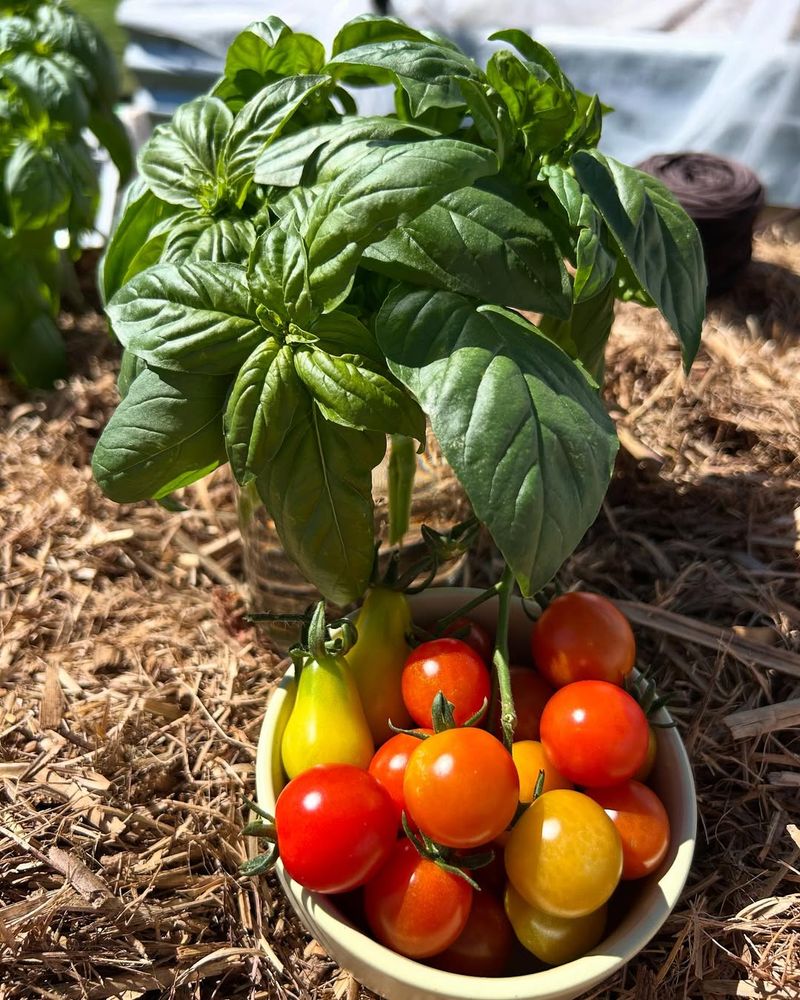
Feeding your plants throughout the growing season ensures they have the nutrients needed to produce abundant harvests for your enjoyment and use.
Tomatoes are heavy feeders that benefit from regular fertilization, especially when fruits begin to set and develop on the vines in summer.
Basil also appreciates consistent feeding, which promotes lush, aromatic foliage that you can harvest repeatedly for cooking and preserving at home.
Use a balanced organic fertilizer or compost tea every two to three weeks to keep plants healthy and productive across North Carolina.
Avoid over-fertilizing with nitrogen-rich products, which can cause excessive leafy growth at the expense of fruit production on tomato plants.
Tomatoes benefit from fertilizers with higher phosphorus and potassium levels, which support flowering and fruit development throughout the entire growing season.
Side-dressing plants with compost or aged manure midway through the season provides a slow-release nutrient boost without burning tender roots.
Foliar feeding with diluted fish emulsion or seaweed extract gives plants a quick nutrient boost during periods of rapid growth or stress.
Monitoring plant health and adjusting your fertilization schedule based on their appearance ensures they receive exactly what they need when they need it.
Steady, balanced feeding supports continuous fruiting without pushing excessive foliage.
Overfeeding, especially with nitrogen, creates dense growth that traps moisture and invites disease pressure.
7. Monitor and Manage Pests and Diseases Proactively
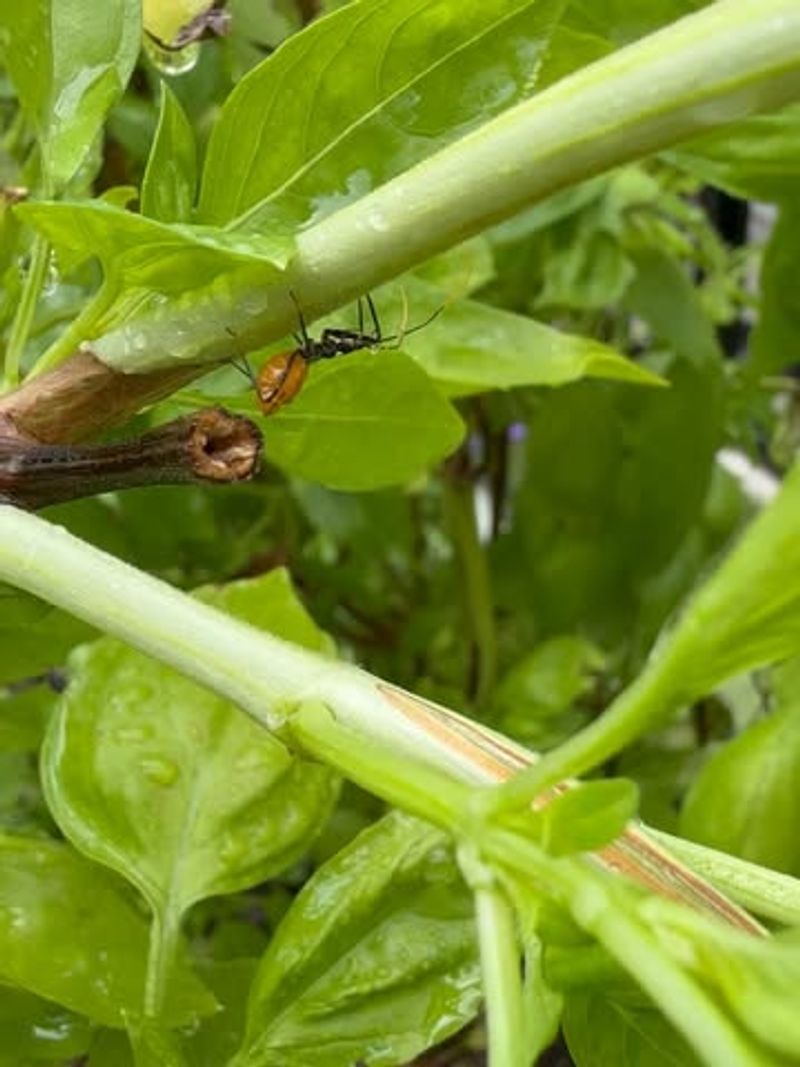
Keeping a close eye on your plants helps you catch pest and disease problems early before they cause serious damage to crops.
Common pests like hornworms, aphids, and whiteflies can quickly damage tomato and basil plants if left unchecked in your North Carolina garden.
Handpicking large pests like hornworms and dropping them into soapy water is an effective, chemical-free way to protect your plants safely.
Spraying plants with a strong stream of water dislodges aphids and other small insects, reducing their populations without using harsh chemical treatments.
Introducing beneficial insects like ladybugs and lacewings helps control pest populations naturally, creating a balanced ecosystem in your garden space.
Fungal diseases like early blight and powdery mildew thrive in the humid conditions common across North Carolina during summer months here.
Spacing plants properly and pruning lower leaves improves air circulation, reducing humidity around foliage and lowering disease risk significantly for you.
Applying organic fungicides or neem oil at the first sign of disease can prevent problems from spreading to other plants nearby.
Regular inspection and proactive management keep your garden healthy and productive, ensuring you enjoy a bountiful harvest without major setbacks or losses.
North Carolina’s humidity allows pests and fungal issues to escalate rapidly if early signs are ignored.
Consistent monitoring keeps problems manageable before they spread through dense growth.
8. Harvest Frequently to Encourage Continued Production
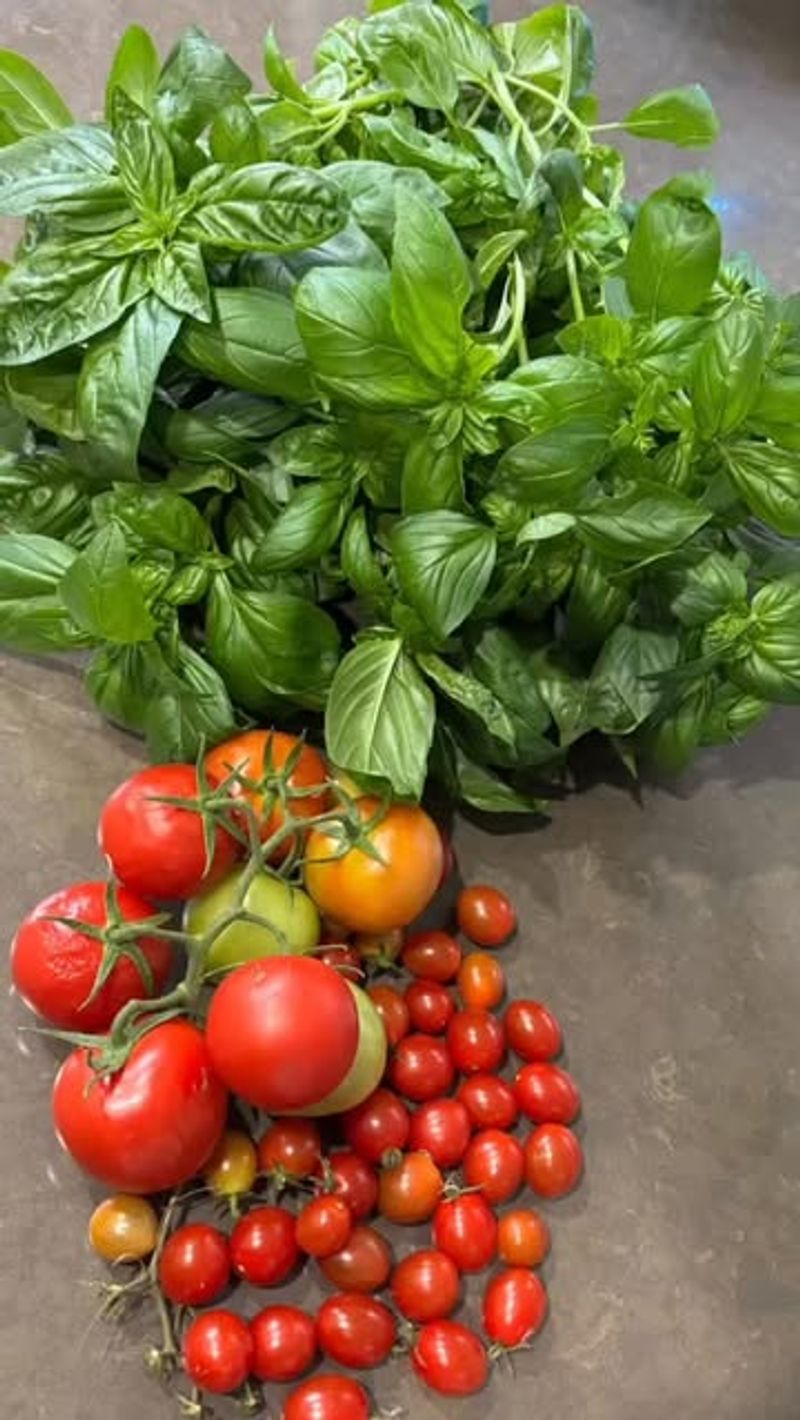
Regular harvesting signals plants to keep producing more fruits and leaves, extending your harvest period throughout the entire growing season ahead.
Picking ripe tomatoes as soon as they reach full color prevents them from becoming overripe and encourages the plant to set more fruit.
Basil responds wonderfully to frequent harvesting, which promotes bushier growth and prevents the plant from flowering and declining too early in summer.
Pinching off basil flower buds redirects energy into leaf production, keeping your plants productive longer across the hot months in North Carolina.
Harvest basil leaves in the morning when their essential oils are most concentrated, giving you the best flavor for cooking and preserving.
Use sharp scissors or pruning shears to make clean cuts, which heal faster and reduce stress on plants compared to tearing leaves.
Tomatoes taste best when allowed to ripen fully on the vine, but you can pick them slightly early if pests or weather threaten.
Storing harvested tomatoes at room temperature preserves their flavor better than refrigeration, which can make them mealy and less appealing to eat.
Enjoying the fruits of your labor regularly motivates you to keep up with garden care and inspires you to try new recipes.
Frequent harvesting signals plants to keep producing instead of shifting toward decline or seed formation.
Regular picking also improves flavor and maintains plant balance as summer conditions intensify.
Regular harvesting also prevents plants from becoming overloaded, which can slow production and strain stems during peak summer growth.
When tomatoes and basil are picked consistently, plants stay balanced, productive, and responsive even as heat and humidity intensify across North Carolina.