10 Weeds That Start Growing In Ohio Long Before Spring Arrives
Ohio landscapes can look completely frozen through winter, yet underground activity tells a different story long before spring officially arrives.
Certain weeds respond immediately to brief warm spells, using thawed soil and weak sunlight to begin quiet early growth.
While lawns and garden beds appear inactive, these plants are already anchoring roots and spreading beneath the surface.
Ohio’s unpredictable freeze-thaw cycles create repeated openings that early weeds exploit before most plants even stir.
They stay low, subtle, and easy to overlook while attention remains focused on cold weather and bare yards.
Short bursts of warmth give these weeds just enough momentum to advance without drawing attention from homeowners.
By late winter, many are already established and positioned to surge as soon as conditions improve.
This early movement happens quietly, weeks before gardeners expect to see anything green returning.
What later feels like a sudden weed invasion often began during the coldest, least noticeable part of the season.
Those plants were already moving while everything else still looked completely asleep.
1. Henbit
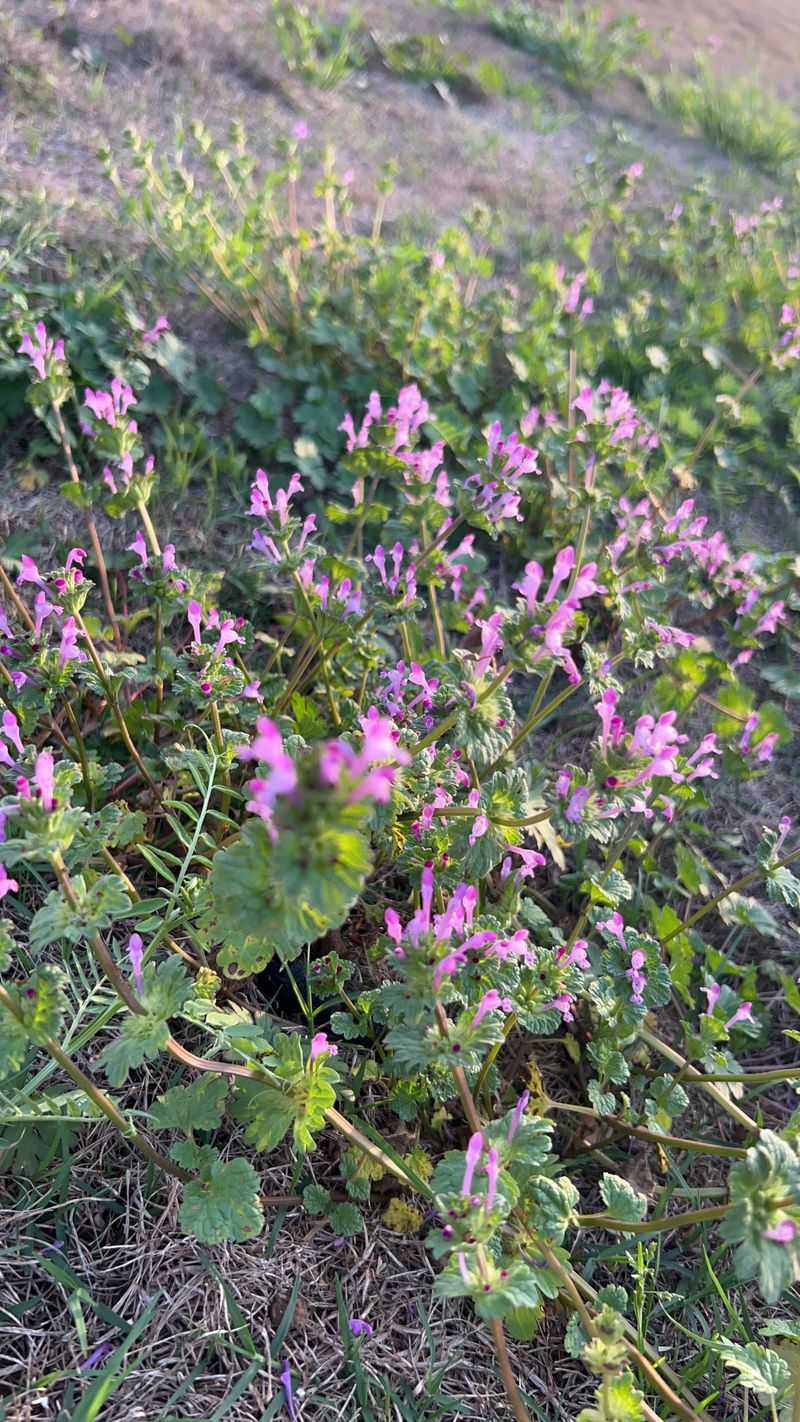
Cold temperatures do not slow this purple-flowered invader down, as it thrives in Ohio yards even when frost still blankets the ground each morning.
Henbit belongs to the mint family and shows off tiny tubular blooms that attract early pollinators searching for food during late winter months.
Its square stems and rounded leaves create dense mats that can smother grass and other desirable plants if left unchecked for too long.
Gardeners often mistake henbit for ground ivy because both weeds share similar growth habits and prefer shady, moist areas around homes and garden beds.
This weed spreads quickly through seeds that germinate in fall and winter, allowing it to establish a strong foothold before most people even think about yard work.
Pulling henbit by hand works best when soil is damp, ensuring you remove the entire root system without leaving pieces behind.
Mulching garden beds in late autumn can prevent henbit seeds from making contact with soil, reducing the chances of a heavy infestation during colder months.
Ohio homeowners should inspect their lawns regularly throughout winter to catch henbit early, making removal easier and less time-consuming when spring gardening season begins.
2. Common Chickweed
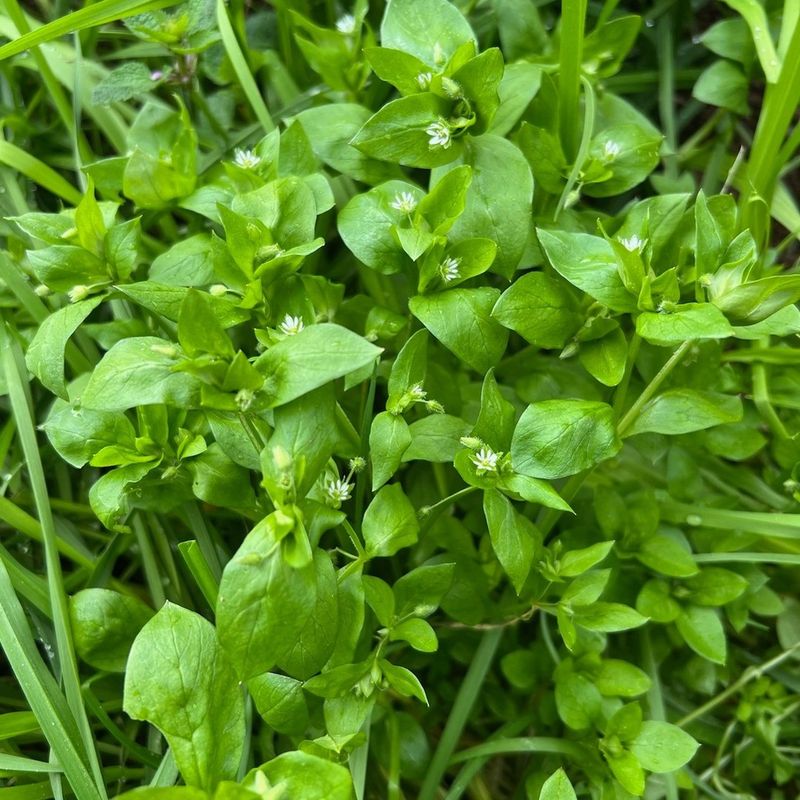
Tiny white star-shaped flowers appear on this low-growing weed even when Ohio temperatures hover just above freezing, signaling its resilience and adaptability to harsh conditions.
Common chickweed forms sprawling mats that spread rapidly across lawns, gardens, and bare soil, stealing nutrients and water from plants you actually want to grow.
Its delicate appearance fools many gardeners into thinking it is harmless, but chickweed can quickly overtake large areas if not managed promptly.
This weed prefers cool, moist environments and often appears in shaded spots where grass struggles to thrive, making it a persistent problem in many Ohio yards.
Chickweed seeds can remain viable in soil for years, waiting for the right conditions to sprout and spread across your property during late winter.
Hand-pulling works well for small patches, but larger infestations may require more aggressive strategies to keep this weed under control.
Your Ohio Garden Changes Every Week. Your Plan Should Too.
Gardening in Ohio changes quickly throughout the season. Every Friday you’ll receive a simple weekly plan showing exactly what to plant, prune, fertilize, harvest, and protect so you never miss the right timing.
Improving soil drainage and increasing sunlight exposure can discourage chickweed growth, as it dislikes dry, sunny conditions that favor healthy grass and garden plants.
Regular monitoring during winter months allows Ohio residents to spot chickweed early, giving them the best chance to remove it before it sets seed.
3. Hairy Bittercress
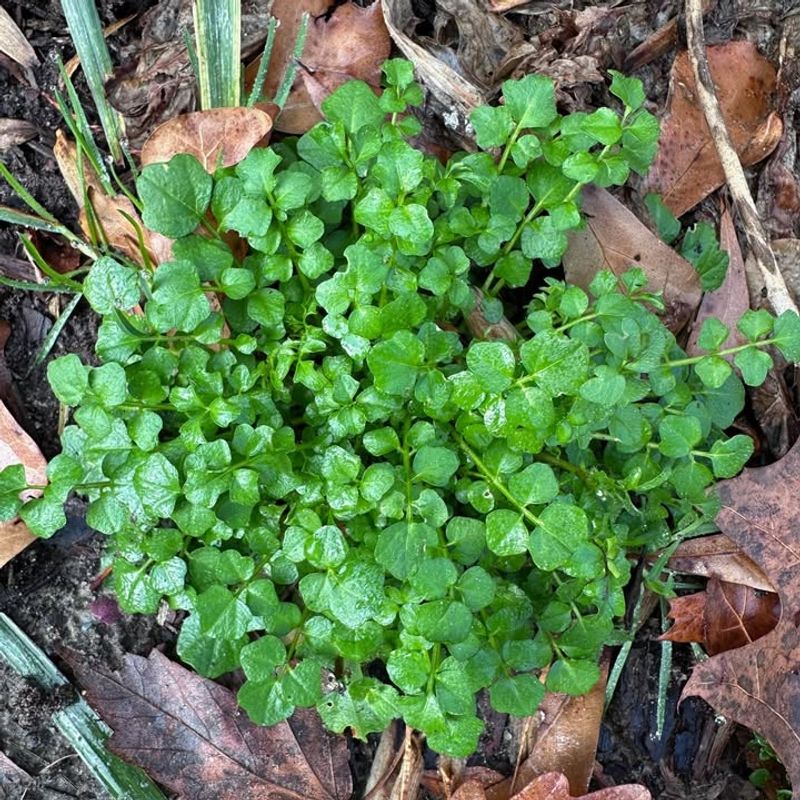
Explosive seed pods give this weed its notorious reputation among Ohio gardeners, as a single touch can send hundreds of seeds flying several feet in every direction.
Hairy bittercress germinates in fall and winter, forming small rosettes of lobed leaves that hug the ground and avoid detection until they suddenly shoot up flowering stalks.
Its rapid life cycle allows multiple generations to develop in a single season, making it incredibly difficult to eliminate once it establishes itself in your yard.
This weed loves disturbed soil and often appears in garden beds, container plants, and cracks in sidewalks or driveways throughout Ohio neighborhoods during cold months.
Hairy bittercress flowers are small and white, appearing on tall stems that rise above the foliage and mature quickly into those infamous explosive seed capsules.
Removing this weed before it flowers is critical, as even a few plants can spread thousands of seeds across your entire property in seconds.
Mulching heavily and minimizing soil disturbance can reduce hairy bittercress infestations, as this weed struggles to germinate in undisturbed, covered ground.
Ohio homeowners should pull this weed carefully and place it in a sealed bag to prevent accidental seed dispersal during removal efforts.
4. Shepherd’s Purse

Heart-shaped seed pods make this winter weed easy to identify once it begins flowering, though by that point it has already spread its roots deep into Ohio soil.
Shepherd’s purse forms a basal rosette of lobed leaves during fall and winter, storing energy to produce tall flowering stalks when conditions become favorable in early spring.
Its seeds can remain dormant in soil for decades, waiting patiently for disturbance or favorable conditions to trigger germination and new growth.
This weed tolerates a wide range of soil types and moisture levels, making it a common sight in Ohio lawns, gardens, and agricultural fields throughout the year.
Shepherd’s purse belongs to the mustard family and shares many characteristics with other early-season weeds, including rapid growth and prolific seed production.
Hand-pulling is effective when plants are young and soil is moist, but older plants develop tough taproots that resist removal efforts.
Preventing seed production is the key to managing shepherd’s purse, as each plant can produce thousands of seeds that spread easily by wind, water, and animals.
Ohio residents should inspect their yards during winter months and remove shepherd’s purse before it flowers, reducing future infestations and protecting desirable plants from competition.
5. Purple Deadnettle
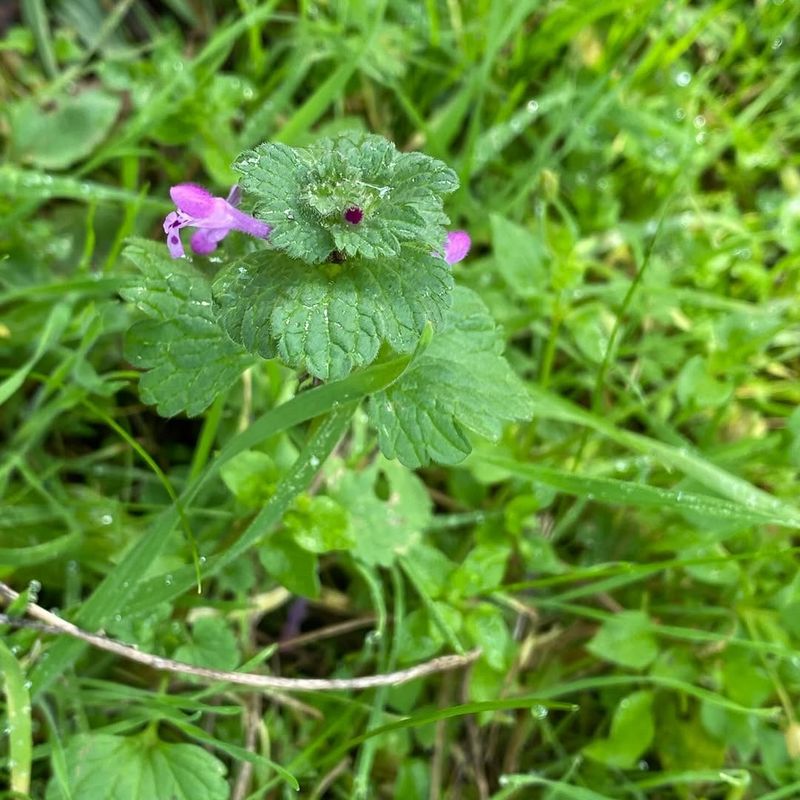
Vibrant purple foliage brightens Ohio landscapes during dreary winter months, but this colorful weed causes headaches for homeowners trying to maintain pristine lawns and gardens.
Purple deadnettle emerges in late fall and continues growing throughout winter, taking advantage of mild spells to expand its territory before spring arrives.
Its square stems and opposite leaves identify it as a member of the mint family, though it lacks the pleasant aroma associated with culinary mints.
This weed produces small purple flowers that bloom even in cold weather, providing early nectar for bees and other pollinators searching for food sources.
Purple deadnettle spreads through seeds and can also root at stem nodes where branches touch moist soil, allowing it to colonize large areas quickly.
Ohio gardeners often find this weed in garden beds, along fence lines, and in thin or bare spots where grass struggles to establish itself.
Hand-pulling works well for small infestations, especially when soil is soft and moist, allowing you to remove the entire root system without leaving fragments behind.
Mulching and maintaining healthy, dense grass can prevent purple deadnettle from gaining a foothold, as this weed prefers open, disturbed soil with minimal competition.
6. Field Pennycress
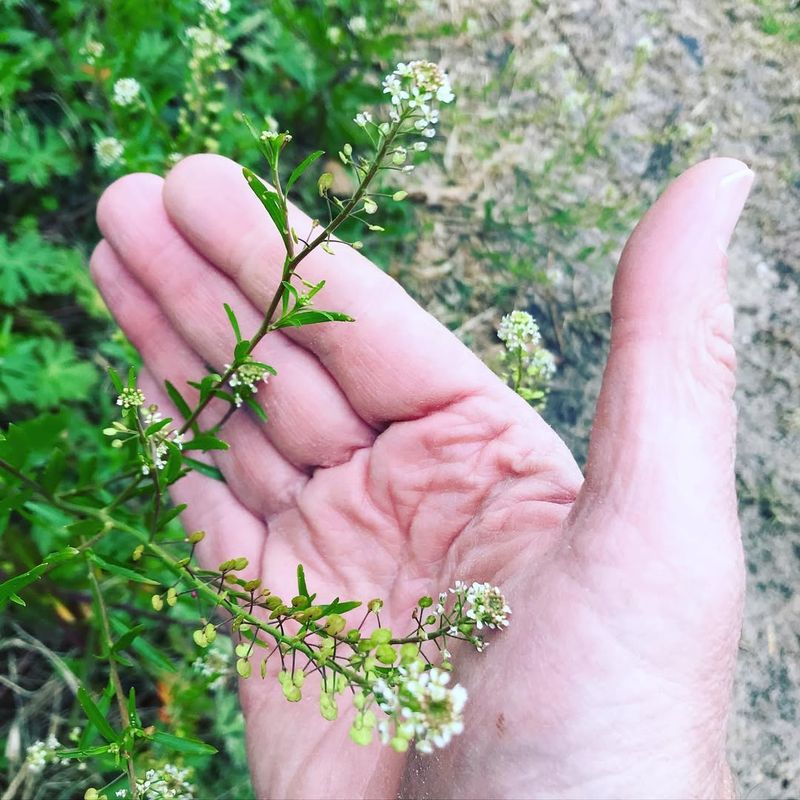
Flat, round seed pods resembling coins give this weed its distinctive name and make it recognizable once flowering stalks emerge in Ohio yards during late winter.
Field pennycress germinates in fall and forms a rosette of smooth, oblong leaves that remain green throughout winter, storing energy for rapid spring growth.
This weed thrives in disturbed soil and often appears in agricultural fields, gardens, and along roadsides where competition from other plants is minimal.
Its white flowers appear early in spring, quickly maturing into those characteristic penny-shaped seed pods that contain numerous seeds ready to spread across your property.
Field pennycress produces a strong, unpleasant odor when crushed, making it easy to identify even before flowers and seed pods develop on mature plants.
Ohio homeowners should remove this weed before it flowers, as each plant can produce thousands of seeds that remain viable in soil for years.
Improving soil health and maintaining dense vegetation can discourage field pennycress, as this weed struggles to compete with established plants in healthy growing conditions.
Regular monitoring during winter months allows you to spot field pennycress rosettes early, giving you the best opportunity to remove them before they spread.
7. Annual Bluegrass
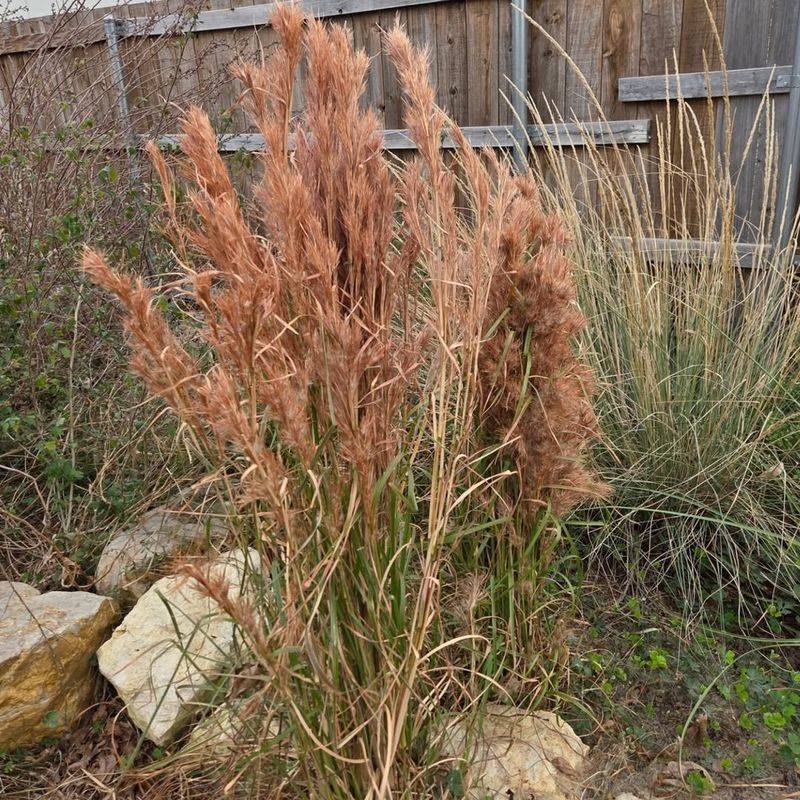
Light green patches appear in Ohio lawns during winter, signaling the presence of this cool-season weed that many homeowners mistake for desirable turf grass species.
Annual bluegrass germinates in late summer and fall, growing vigorously throughout winter and early spring before producing seed heads and declining in hot weather.
Its shallow root system and light color make it stand out against darker, dormant turf grasses, creating an unsightly patchwork appearance in otherwise uniform lawns.
This weed thrives in compacted, poorly drained soil and often appears in high-traffic areas, along sidewalks, and in shaded spots where conditions favor its growth.
Annual bluegrass produces prolific amounts of seed, with a single plant capable of generating hundreds of seeds that spread easily by foot traffic and mowing equipment.
Ohio residents often struggle to control this weed because its seeds can germinate throughout the year, creating continuous waves of new plants.
Improving soil drainage and reducing compaction can discourage annual bluegrass, as this weed prefers wet, compacted conditions that stress desirable grass species.
Hand-pulling small patches works when plants are young, but larger infestations require consistent monitoring and removal efforts throughout winter to prevent seed production and spread.
8. Corn Speedwell
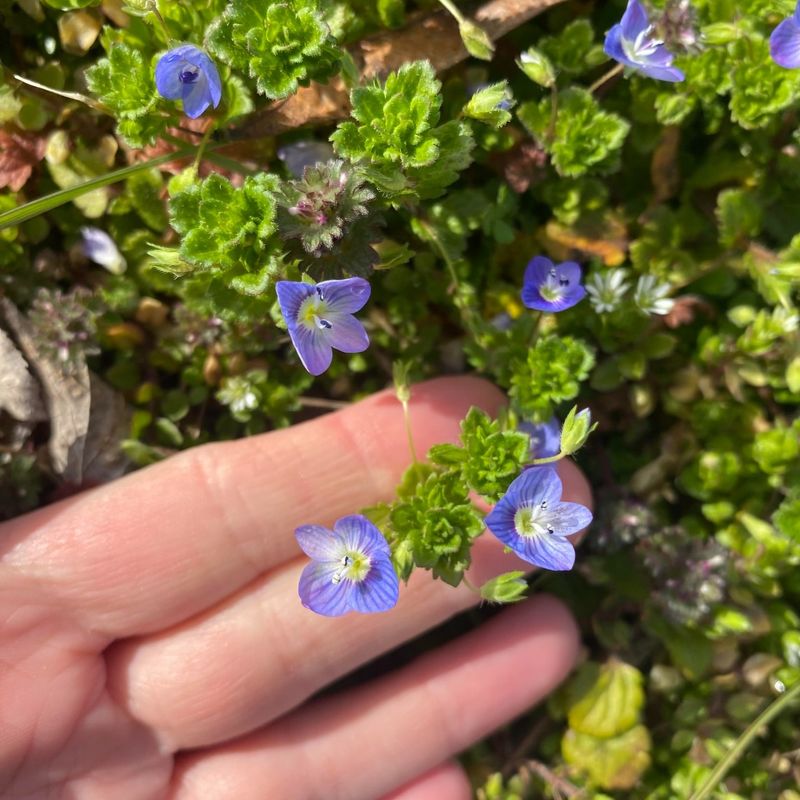
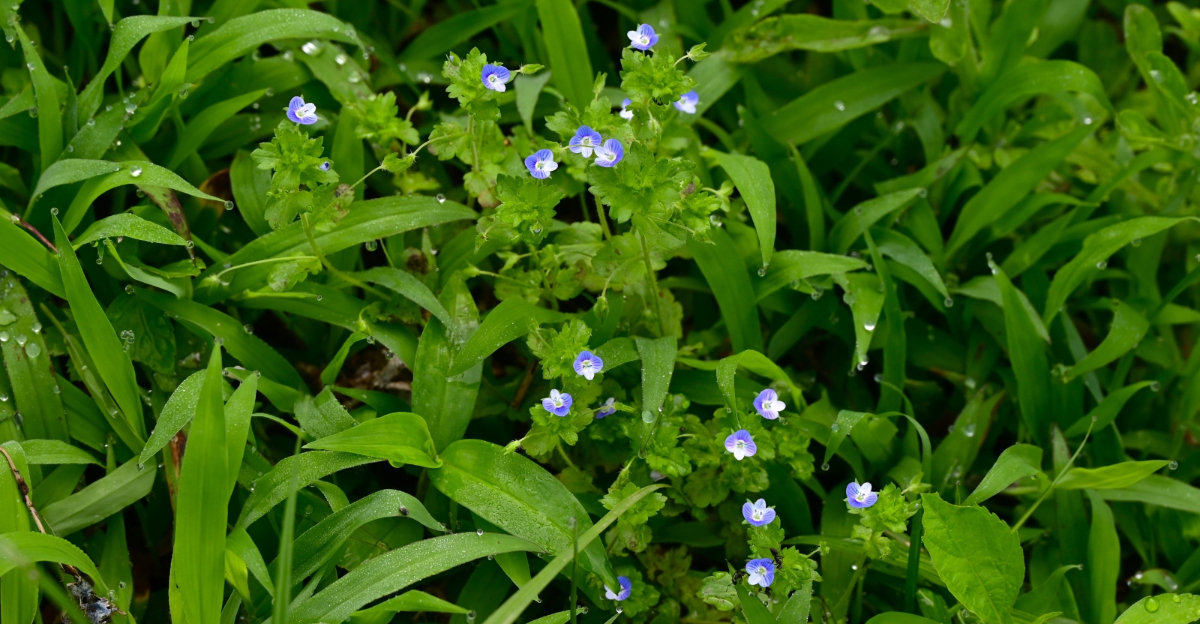
Delicate blue flowers appear surprisingly early on this low-growing weed, adding unwanted color to Ohio lawns and gardens while winter still grips the landscape.
Corn speedwell germinates in fall and continues growing throughout winter, forming dense mats of small, rounded leaves that crowd out grass and other desirable plants.
Its creeping stems root at nodes where they contact moist soil, allowing this weed to spread rapidly across yards and garden beds.
This weed tolerates a wide range of growing conditions but prefers moist, fertile soil and partial shade, making it common in irrigated lawns and gardens.
Corn speedwell produces small blue flowers with white centers that bloom in late winter and early spring, attracting early pollinators while frustrating homeowners trying to maintain weed-free landscapes.
Ohio gardeners often find this weed difficult to control because its creeping growth habit allows it to evade mowing and spread quickly through vegetative reproduction.
Hand-pulling works best when soil is moist, ensuring you remove the entire plant including stems and roots that can regenerate if left behind.
Maintaining healthy, dense grass through proper fertilization and watering can help prevent corn speedwell infestations, as this weed struggles to compete with vigorous turf grasses.
9. Mouse-ear Chickweed
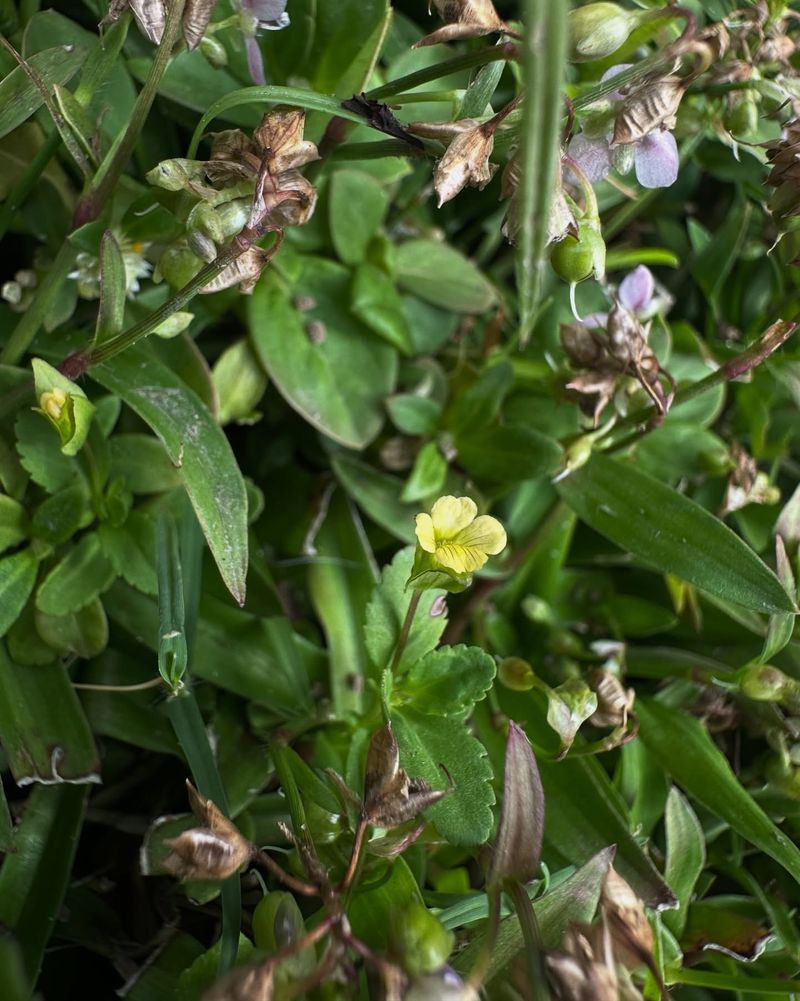
Fuzzy leaves distinguish this weed from its common chickweed cousin, though both species cause similar problems for Ohio homeowners during winter months when most plants remain dormant.
Mouse-ear chickweed is a perennial that spreads through creeping stems and seeds, forming dense mats that smother grass and other desirable vegetation in lawns and gardens.
Its small white flowers appear in spring, but the plant remains green and actively growing throughout winter, taking advantage of cool temperatures to expand its territory.
This weed prefers poor, compacted soil and often appears in thin lawn areas, along pathways, and in neglected garden beds where conditions favor its establishment.
Mouse-ear chickweed’s fuzzy, mouse-ear-shaped leaves help it conserve moisture and tolerate cold temperatures, making it remarkably resilient during Ohio winters.
Hand-pulling is challenging because this weed’s creeping stems break easily, leaving fragments behind that can regenerate into new plants within weeks.
Improving soil quality and maintaining dense, healthy grass can help prevent mouse-ear chickweed infestations, as this weed struggles to compete with vigorous turf in optimal conditions.
Ohio residents should monitor their lawns throughout winter and remove mouse-ear chickweed promptly, preventing it from spreading and producing seeds that complicate future control efforts.
10. Yellow Rocket
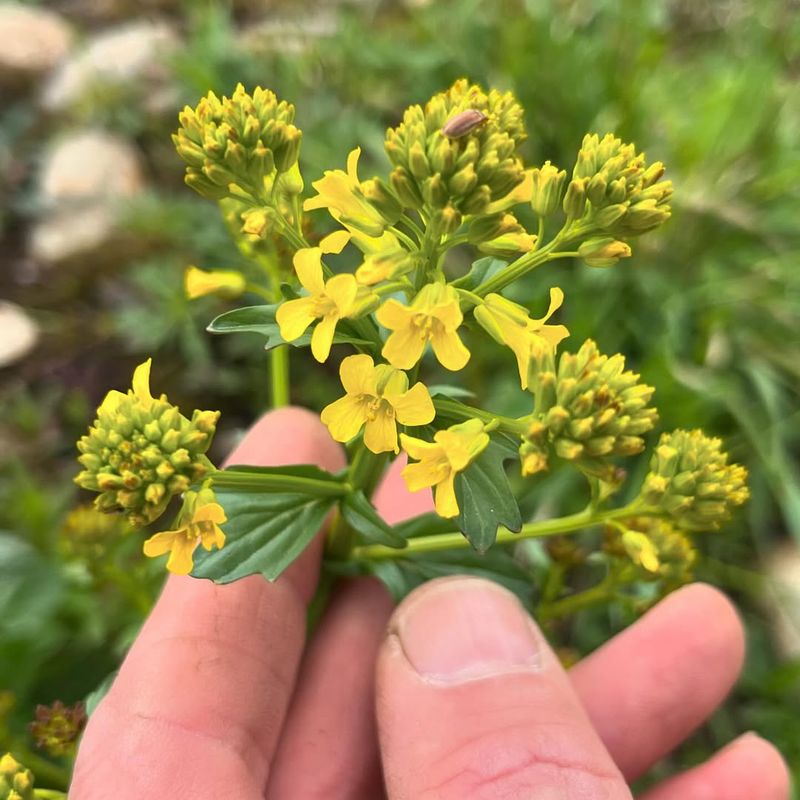
Bright yellow flowers make this weed highly visible in Ohio landscapes during late winter and early spring, though its rosette of dark green leaves begins forming months earlier.
Yellow rocket, also known as winter cress, germinates in fall and remains green throughout winter, storing energy in its roots for explosive spring growth.
This biennial weed forms a rosette of deeply lobed leaves during its first year, then sends up tall flowering stalks in its second season.
Ohio gardeners often encounter yellow rocket in gardens, along roadsides, and in disturbed areas where its seeds have been spread by wind or animals.
Its flowers produce abundant nectar that attracts early pollinators, but the plant’s aggressive growth habit makes it unwelcome in cultivated spaces where it competes with desirable vegetation.
Yellow rocket develops a deep taproot that makes hand-pulling difficult, especially in dry or compacted soil conditions.
Removing yellow rocket during its first-year rosette stage is most effective, as plants are smaller and roots are less established than in second-year flowering plants.
Mulching and maintaining healthy soil can discourage yellow rocket infestations, as this weed prefers disturbed, open ground with minimal competition from established plants.