9 Garden Structures That Can Be Damaged After Heavy Snow In Pennsylvania
Heavy snow in Pennsylvania does more than blanket yards in white, placing unexpected pressure on outdoor structures that often go unnoticed until damage appears.
Snow piles up slowly, adding weight hour after hour, which can stress materials far beyond what they handle during normal winter conditions.
Many garden structures are built for looks and everyday use, not for the sustained load that wet, compacted snow creates.
Freeze and thaw cycles make the problem worse by shifting snow, trapping moisture, and weakening joints and fasteners over time.
What seems sturdy in fall can bend, crack, or collapse once repeated storms stack weight in the same spots.
Pennsylvania’s mix of heavy snowfall, ice, and sudden temperature swings puts extra strain on anything left standing outdoors.
Damage often happens quietly overnight, leaving homeowners surprised by leaning frames or broken sections days later.
Structures that collect snow instead of shedding it are especially vulnerable as winter progresses.
Even small design flaws become bigger issues once snow begins pressing from multiple angles.
Knowing which garden structures struggle most after heavy snow helps prevent costly repairs when winter is at its harshest.
1. Wooden Pergolas
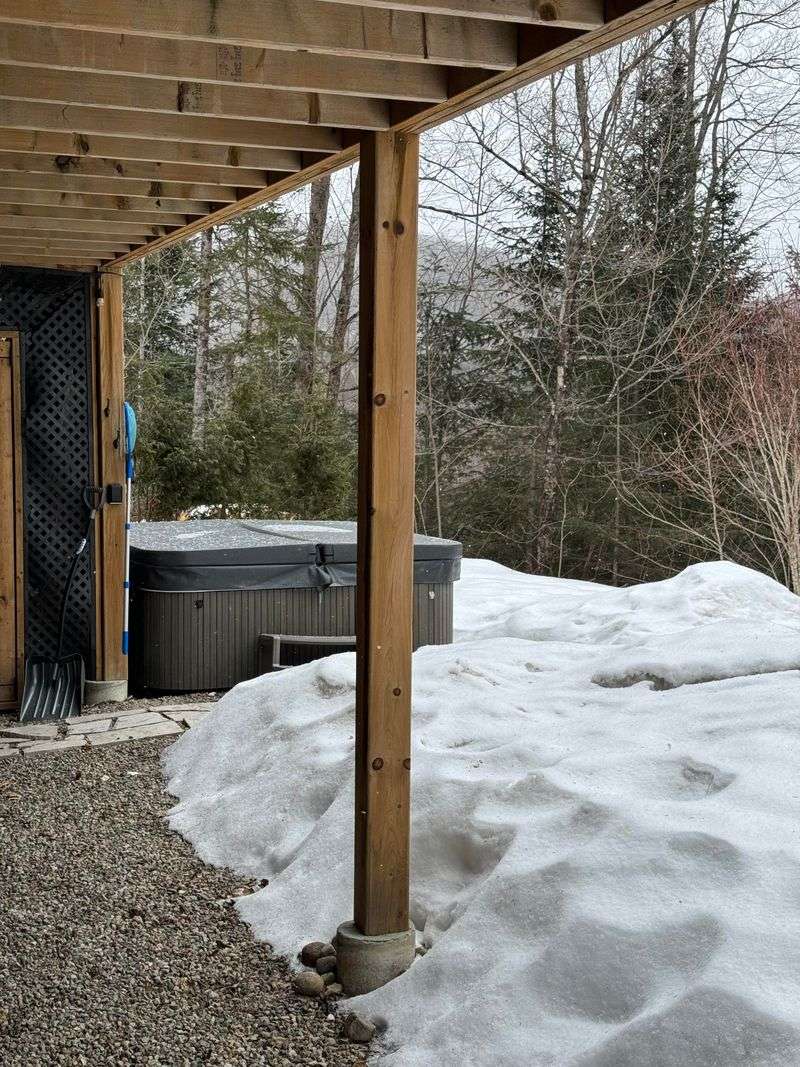
Many homeowners in Pennsylvania love adding wooden pergolas to their backyards because they create beautiful shaded areas for outdoor dining and relaxation throughout warmer months.
Snowfall can pile up quickly on the flat or slightly angled beams, adding hundreds of pounds of pressure that the wood was never designed to hold.
Older pergolas with weathered joints are especially vulnerable because the connections between posts and crossbeams may already be weakened from years of exposure to rain and temperature changes.
When snow accumulates on top, the extra weight can cause beams to crack, split, or even collapse entirely if the structure was not built with winter loads in mind.
Homeowners should regularly inspect their pergolas for signs of rot, loose fasteners, or sagging beams before winter arrives.
Applying a fresh coat of weatherproof sealant can help protect the wood from moisture damage that makes it weaker.
If heavy snow is forecast across Pennsylvania, consider using a broom with a long handle to gently brush off accumulation before it becomes too heavy for the structure to support safely.
Adding a slight pitch to the beams or using a removable winter cover helps snow shed more easily instead of settling and compacting over time.
These preventative adjustments reduce long-term stress on the structure and help pergolas stay safe, stable, and ready for use when warmer Pennsylvania weather returns.
2. Glass Greenhouses
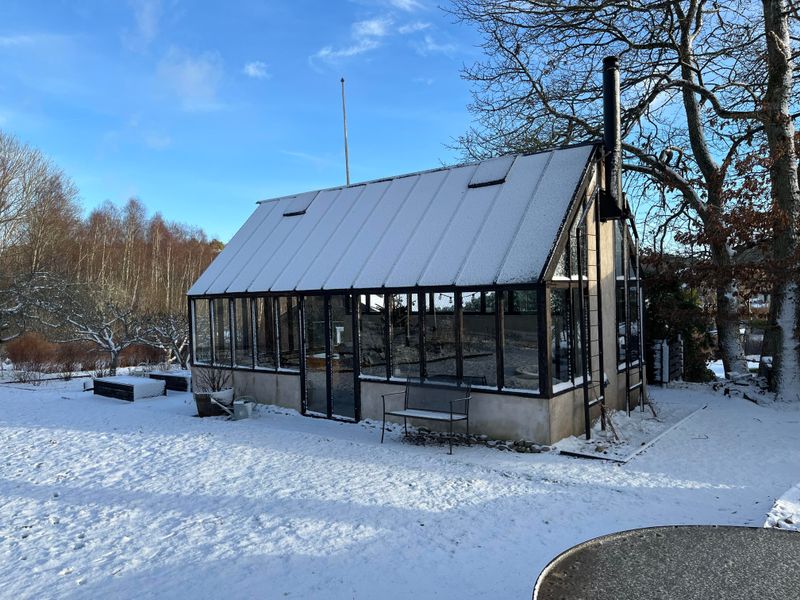
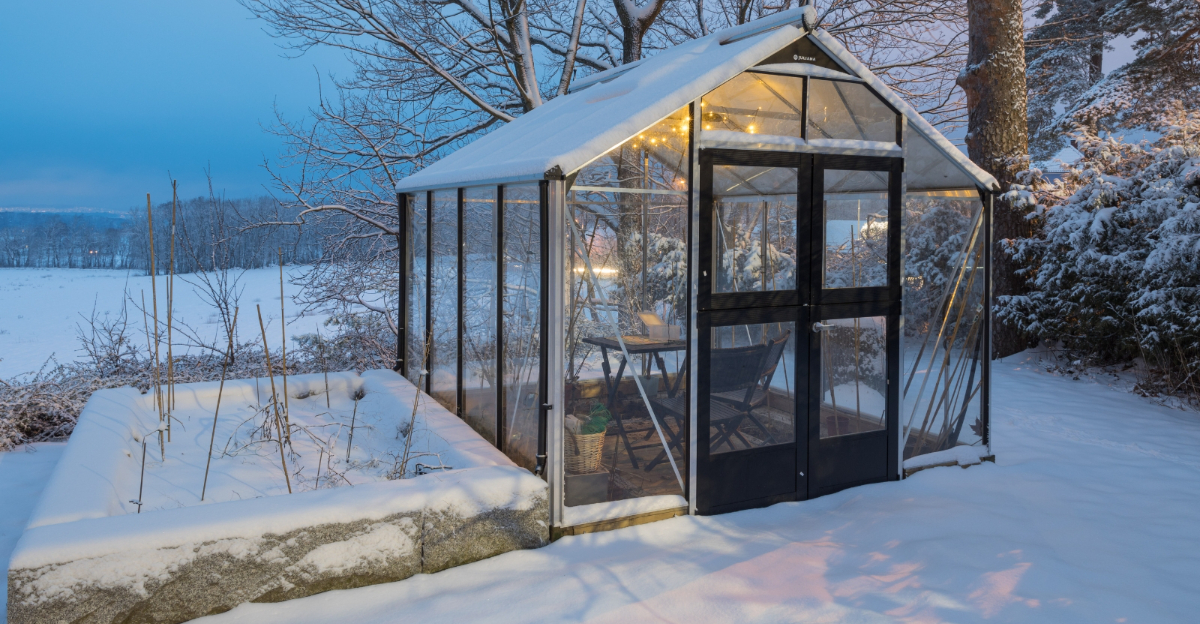
Greenhouses made entirely of glass panels offer excellent light transmission for growing plants year-round, but they face serious risks when winter storms bring heavy snow to Pennsylvania gardens.
Glass is strong under normal conditions, yet it can shatter under the combined weight of wet snow and ice buildup on the roof panels.
Even small cracks in the glass can expand rapidly when freezing temperatures cause the material to contract and become more brittle than usual.
Snow sliding off nearby trees or roofs can also crash onto greenhouse panels, causing sudden breaks that expose your plants to freezing air and ruin months of hard work.
Your Pennsylvania Garden Changes Every Week. Your Plan Should Too.
Gardening in Pennsylvania changes quickly throughout the season. Every Friday you’ll receive a simple weekly plan showing exactly what to plant, prune, fertilize, harvest, and protect so you never miss the right timing.
Regular maintenance is essential, including checking the condition of the silicone seals around each pane and ensuring that the frame itself remains sturdy and rust-free.
Some gardeners in Pennsylvania install temporary support posts inside their greenhouses during winter to help distribute the weight of snow more evenly across the structure.
Heating the greenhouse slightly can also help melt snow as it lands, preventing dangerous accumulation that might lead to costly repairs or complete replacement of shattered glass sections.
3. Garden Arbors
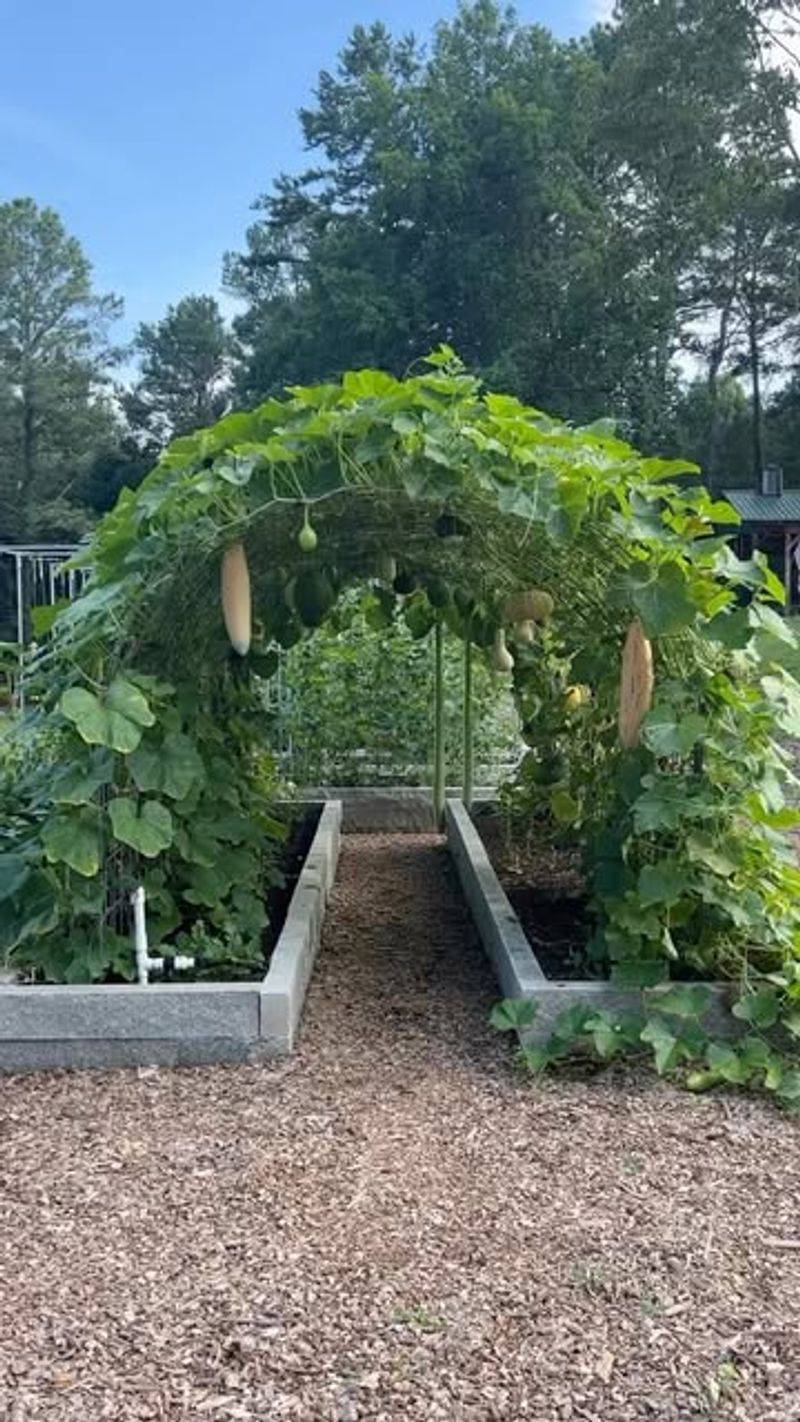
Arbors serve as charming entryways or focal points in Pennsylvania gardens, often supporting climbing roses, clematis, or grapevines that add color and fragrance during the growing season.
Unfortunately, the decorative lattice work and slender posts that make arbors so attractive also make them fragile when snow begins to pile up on their surfaces.
Wet snow clings to the lattice openings and vines, creating a heavy blanket that can bend or snap the delicate wooden or metal framework within hours.
Metal arbors may seem stronger, but they can still buckle under extreme weight, especially if the joints were not welded properly or if rust has weakened key connection points.
Wooden arbors face additional challenges because moisture from melting snow can seep into cracks and freeze again, causing the wood to split from the inside out.
Before winter arrives, remove any dead vines or heavy decorations that could trap snow and add extra weight to the structure.
Applying a protective coating to wooden arbors and checking metal ones for rust spots can extend their lifespan and reduce the chance of collapse during Pennsylvania’s harshest winter weather.
During heavy snow events, gently knocking accumulated snow off the arbor can prevent sudden stress that leads to cracking or warping.
These simple precautions help preserve both the structure and the plants it supports through Pennsylvania’s long winter months.
4. Vinyl or Plastic Storage Sheds
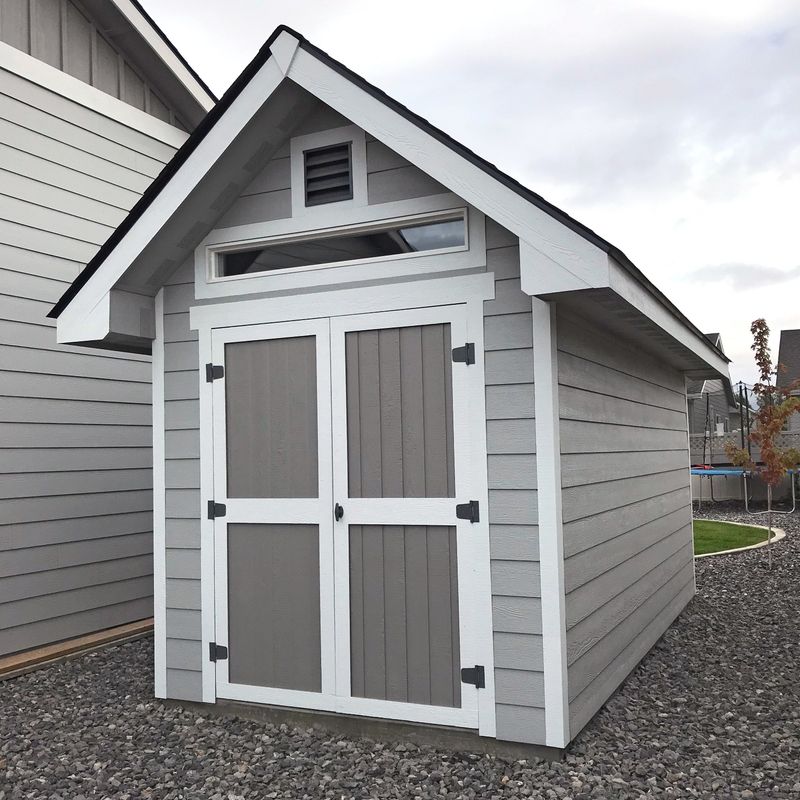
Storage sheds made from vinyl or plastic are popular in Pennsylvania because they cost less than wooden or metal versions and require very little maintenance over time.
However, these lightweight materials are not always designed to handle the heavy snow loads that Pennsylvania winters can bring to suburban and rural properties.
The roof panels on vinyl sheds can sag or crack when several inches of wet snow settle on top, especially if the shed was assembled quickly without proper reinforcement.
Plastic becomes more brittle in freezing temperatures, which means that even a moderate amount of snow can cause panels to snap or buckle under pressure.
The walls of these sheds can also bow inward if snow piles up against the sides and freezes into solid ice that pushes against the structure.
To prevent damage, make sure your shed is anchored securely to the ground and that the roof is sloped enough to allow snow to slide off naturally.
Adding extra support beams inside the shed can help distribute weight more evenly and reduce the risk of roof collapse during heavy Pennsylvania snowstorms that last for several days.
5. Wooden Trellises
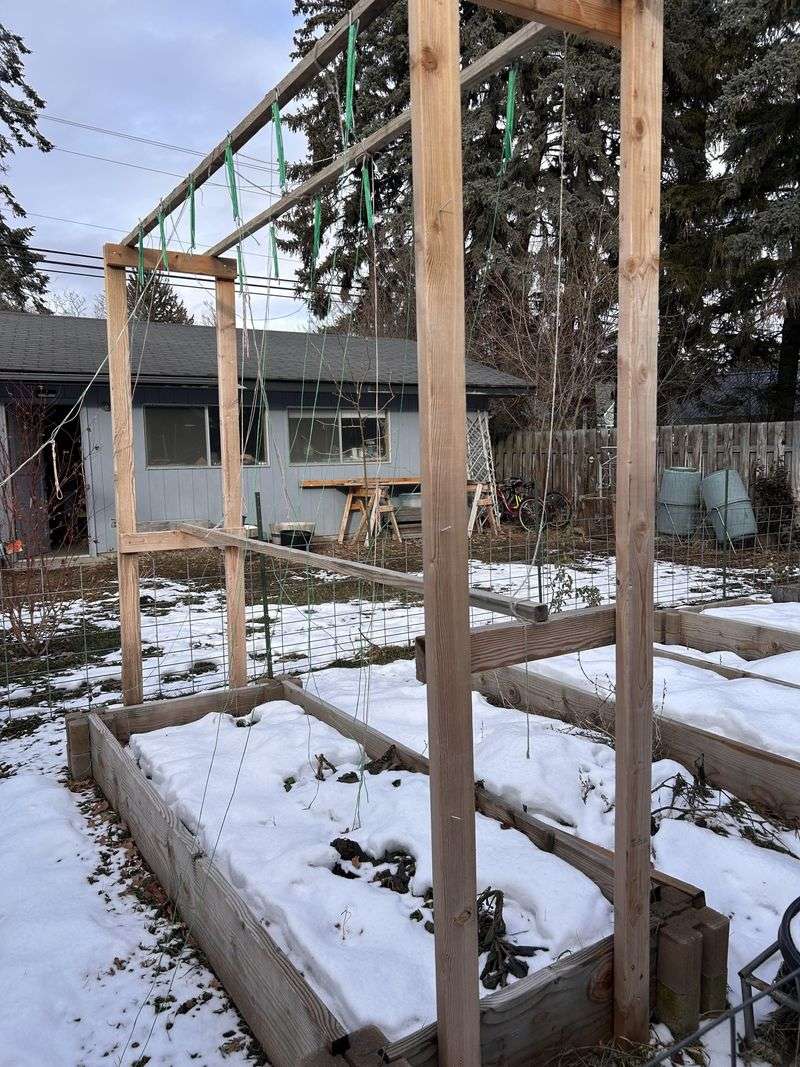
Trellises provide vertical growing space for vegetables like tomatoes and beans, as well as flowering vines that brighten up Pennsylvania gardens during spring and summer months.
Most trellises are built with thin wooden slats or wire mesh attached to lightweight frames, which makes them easy to install but also vulnerable to damage from heavy snow.
Snow can cling to the trellis surface and any remaining plant material, creating a load that causes the entire structure to lean, twist, or fall over completely.
Wooden trellises that have been in the ground for several years may already have weakened bases due to soil moisture and insect activity, making them even less stable when snow arrives.
If the trellis is freestanding rather than attached to a fence or wall, it has a higher chance of toppling under the weight of accumulated snow and ice.
Before winter sets in across Pennsylvania, remove all dead plant material from your trellises and consider taking down any that are not firmly anchored or supported.
Storing lightweight trellises in a garage or shed during the coldest months can prevent damage and extend their useful life for many more growing seasons ahead.
For trellises that must stay in place, reinforcing them with additional stakes or ties before snowfall adds stability when conditions turn harsh.
Taking the time to secure or remove vulnerable trellises helps Pennsylvania gardeners avoid broken structures and unnecessary replacements once spring arrives.
6. Gazebos with Soft Roofs
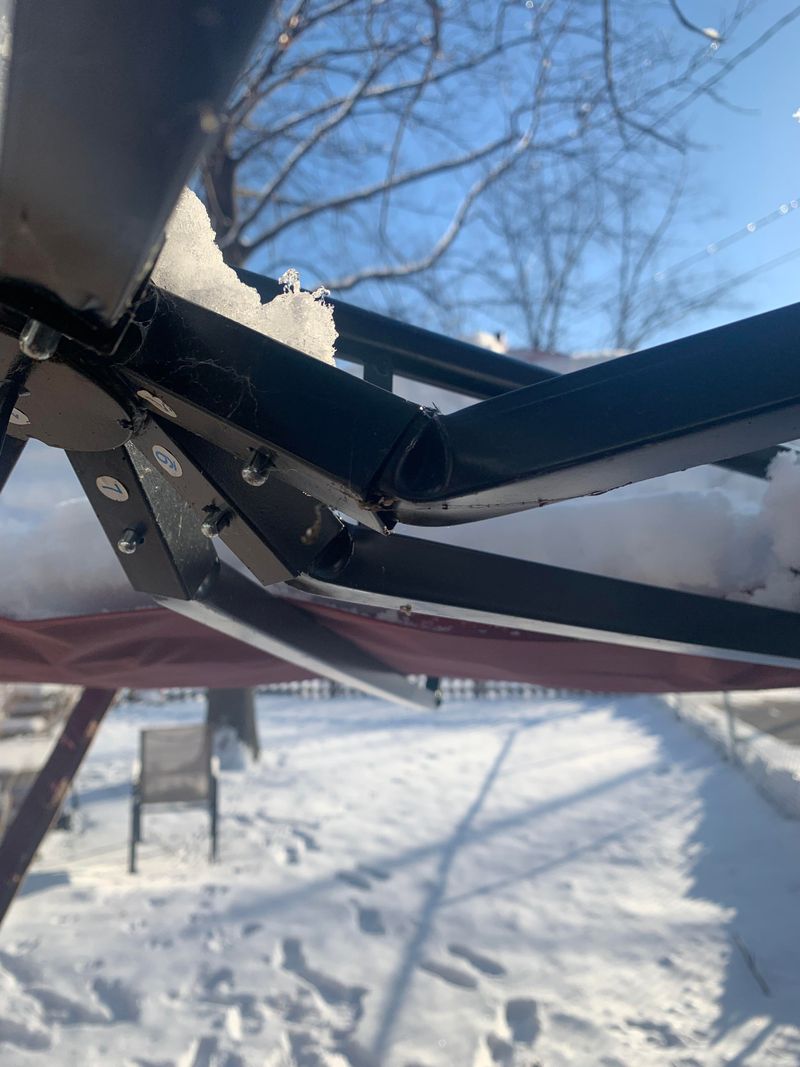
Gazebos with fabric or soft canvas roofs offer a cozy spot for outdoor gatherings in Pennsylvania, providing shade and shelter during warm weather while maintaining an open, airy feel.
Soft-top gazebos are much lighter and easier to assemble than their hardtop counterparts, but they are not built to withstand the heavy snow loads that Pennsylvania winters can deliver.
Snow collects in the center of the fabric roof, creating a sagging pocket that holds even more snow and water as it melts and refreezes overnight.
This extra weight can tear the fabric, bend the support poles, or even cause the entire frame to collapse if the snow is not removed promptly.
Fabric roofs can also become damaged by ice that forms along the seams and stitching, leading to rips that let cold air and moisture inside the gazebo.
Many manufacturers recommend removing soft-top roofs before winter arrives to prevent damage and extend the life of the material.
If you choose to leave the roof on, make sure to brush off snow after every storm and check the frame regularly for signs of stress or bending that could lead to bigger problems down the road.
7. Metal Carports
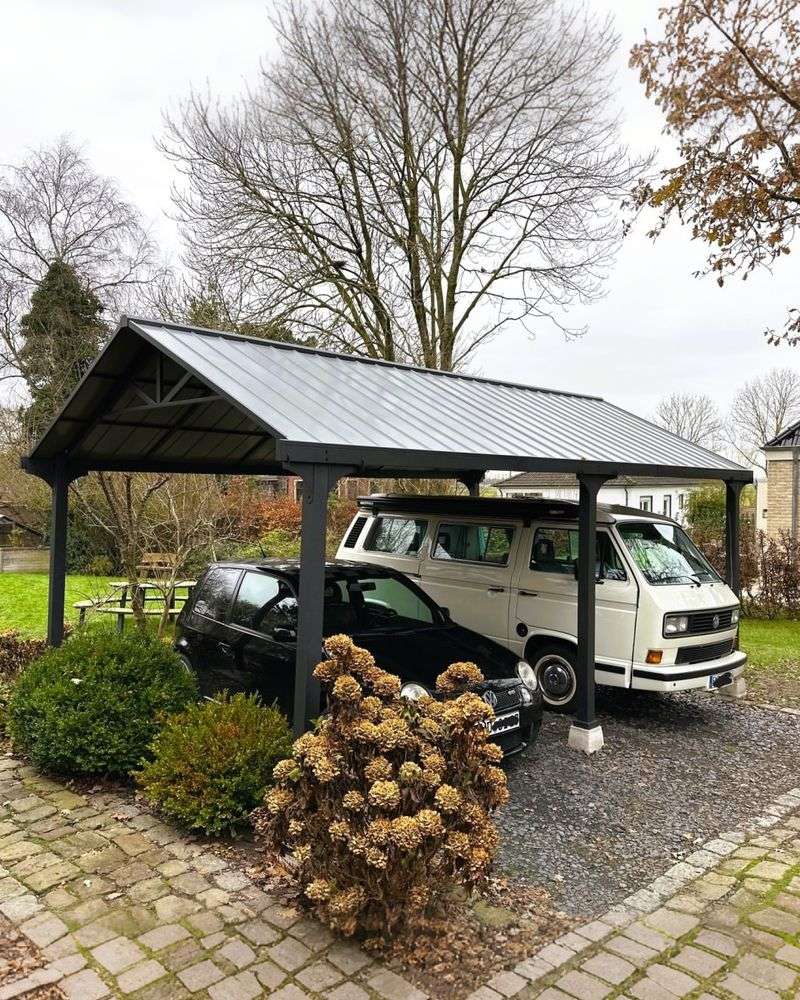
Metal carports are a practical solution for protecting vehicles and equipment from the elements in Pennsylvania, offering a less expensive alternative to building a full garage on your property.
These structures feature a metal frame covered by a steel or aluminum roof, which can be surprisingly strong under normal conditions but may struggle when heavy, wet snow piles up quickly.
The roof panels on metal carports are often designed with a slight slope to help snow slide off, but if the angle is too shallow or if snow freezes in place, the weight can cause the roof to buckle or collapse.
Rust and corrosion at the joints can weaken the frame over time, especially if the carport was not treated with a protective coating before installation.
Snow that melts during the day and refreezes at night can also create ice dams along the edges of the roof, adding even more weight to an already stressed structure.
Regularly inspect your metal carport for rust spots, loose bolts, and bent or sagging roof panels before winter weather arrives in Pennsylvania.
Clearing snow from the roof after each storm can prevent dangerous buildup and help your carport last for many more years without expensive repairs or replacement.
Installing additional roof supports or bracing before winter can significantly increase the carport’s ability to handle sudden snow loads without deforming.
Taking proactive steps to manage snow and address structural weaknesses helps ensure metal carports remain safe, functional, and reliable throughout Pennsylvania’s toughest winter conditions.
8. Wooden Garden Bridges
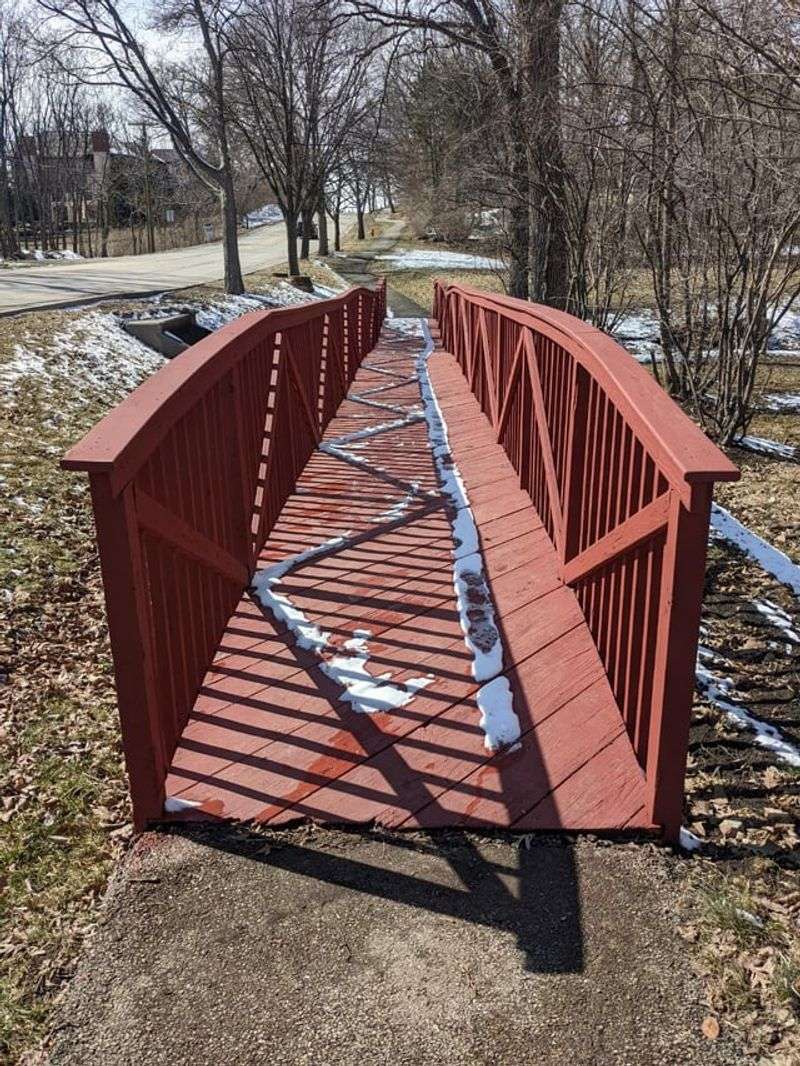
Garden bridges add a touch of charm and elegance to Pennsylvania landscapes, often spanning small streams, ponds, or decorative rock beds to create a sense of adventure and discovery.
These structures are typically made from wood and feature arched or flat designs with railings on both sides for safety and visual appeal.
Heavy snow can cover the entire bridge surface, adding significant weight to the railings, deck boards, and support beams underneath that hold the structure in place.
Moisture from melting snow can seep into cracks and joints in the wood, causing it to swell and then contract as temperatures drop again, which weakens the overall structure over time.
Bridges that cross actual water sources face additional challenges because the constant moisture from below can lead to rot and decay that makes the wood much less able to support heavy loads.
Homeowners in Pennsylvania should inspect their garden bridges each fall, looking for loose boards, wobbly railings, and signs of rot or insect damage that could make the structure unsafe.
Applying a waterproof sealant to the wood and clearing snow from the bridge after each storm can help protect your investment and keep this beautiful feature safe for years to come.
9. Lattice Fence Panels
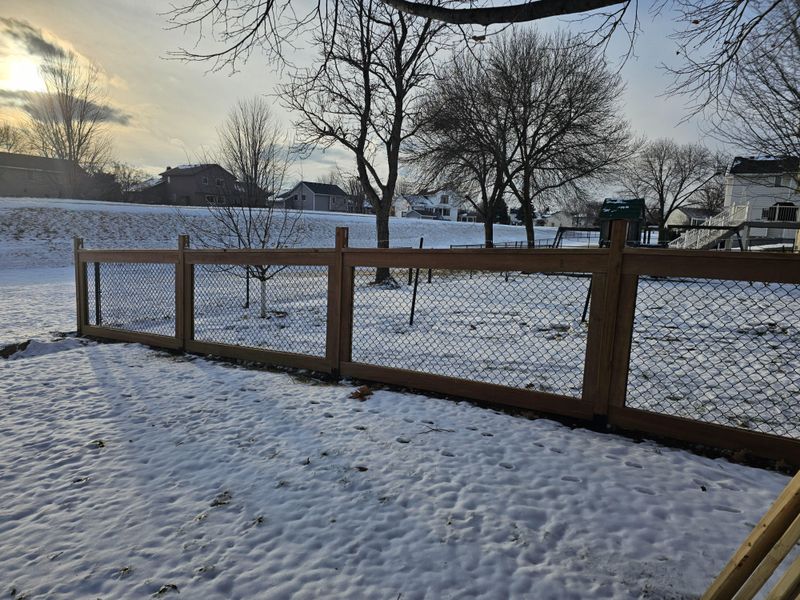
Lattice fence panels are a popular choice for Pennsylvania homeowners who want to add privacy, support climbing plants, or create decorative borders around patios and garden beds.
The crisscross pattern of thin wooden or vinyl strips looks elegant and allows air and light to pass through, but this same design makes lattice panels weak when snow begins to accumulate.
Snow and ice can fill the small openings in the lattice, creating a solid sheet of frozen weight that pushes against the delicate strips and causes them to crack or break.
Vinyl lattice may seem low-maintenance, but it becomes brittle in cold temperatures and can snap easily under the pressure of heavy snow that builds up over several days.
Wooden lattice faces similar challenges, with the added risk of moisture damage that leads to rot and decay in the joints where the strips are fastened together.
If your lattice panels are attached to a fence or wall, the added weight of snow can pull the entire section away from its mounting points, requiring costly repairs or replacement.
Before winter arrives in Pennsylvania, inspect your lattice panels for damage, reinforce any loose sections, and consider removing panels that are particularly fragile or exposed to heavy snow accumulation from nearby roofs or trees.
Installing temporary supports or backing panels behind lattice sections can help distribute weight and reduce stress during heavy snowfall.
Taking preventative steps before winter weather sets in can save Pennsylvania homeowners from dealing with broken panels, structural damage, and avoidable repair costs in early spring.