Things Maryland Homeowners Can’t Have In Their Yard Without Approval
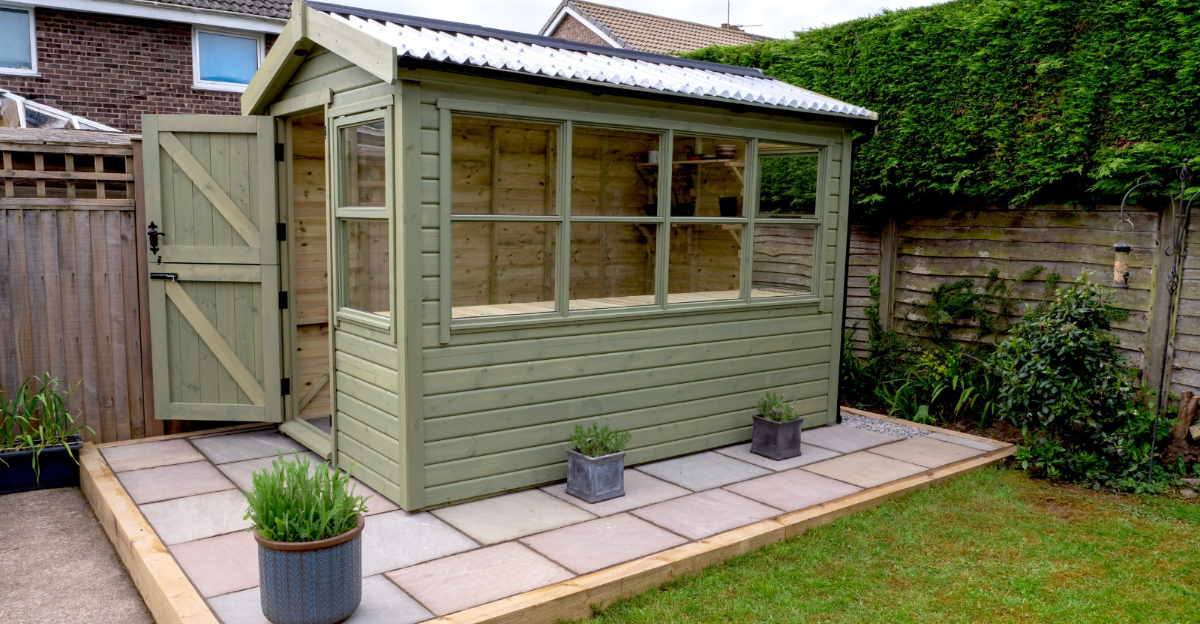
Maryland yards may look like personal space, but many outdoor choices are shaped by rules homeowners do not always realize exist.
What feels like a simple upgrade or personal touch can quickly turn into an issue once visibility, safety, or neighborhood standards come into play.
Local governments and homeowner associations across Maryland pay closer attention to yards than many residents expect.
Rules are often tied to appearance, drainage, environmental impact, or how changes affect nearby properties.
Some restrictions are easy to overlook because they are enforced only after a complaint or inspection happens.
Homeowners are often surprised to learn that approval is required even when a feature sits fully within their property lines.
These rules are rarely meant to be punitive, but they can still lead to fines, forced removal, or costly revisions.
The challenge is that requirements can vary by county, city, or neighborhood association.
What is allowed in one Maryland community may be restricted just a few miles away.
Knowing which yard features typically require approval helps prevent unpleasant surprises once a project is already in place.
1. Fences Over Six Feet Tall
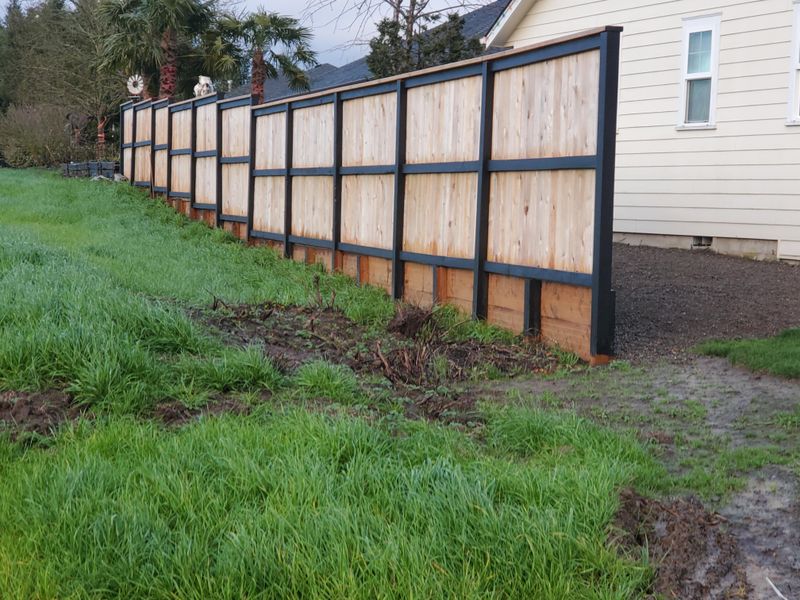
Many Maryland counties impose strict height limits on residential fencing, and exceeding those boundaries without permission can lead to costly enforcement actions from local officials.
Privacy matters to homeowners, but towering barriers might block sightlines for drivers or create shade issues that upset neighbors living beside your property line.
Zoning boards review fence applications to ensure structures comply with setback requirements, material standards, and aesthetic guidelines that preserve neighborhood character and safety standards.
Some communities allow taller fences in backyards but restrict front yard installations to maintain an open, welcoming appearance along streets and public sidewalks.
Homeowners associations in Maryland often layer additional rules on top of county codes, requiring specific colors, materials, or styles that match the community aesthetic.
Submitting detailed plans with measurements, photos, and material samples speeds up the approval process and demonstrates your commitment to following established community guidelines.
Skipping the permit process might seem faster initially, but enforcement officers can order removal, issue fines, or require expensive modifications to bring structures into compliance.
Consulting with neighbors before applying can prevent disputes and show goodwill, making the approval process smoother when officials review your fence proposal later.
Maryland homeowners who take time to understand local rules avoid headaches and build features that enhance property value while respecting community standards and neighbor relationships.
2. Sheds and Accessory Structures
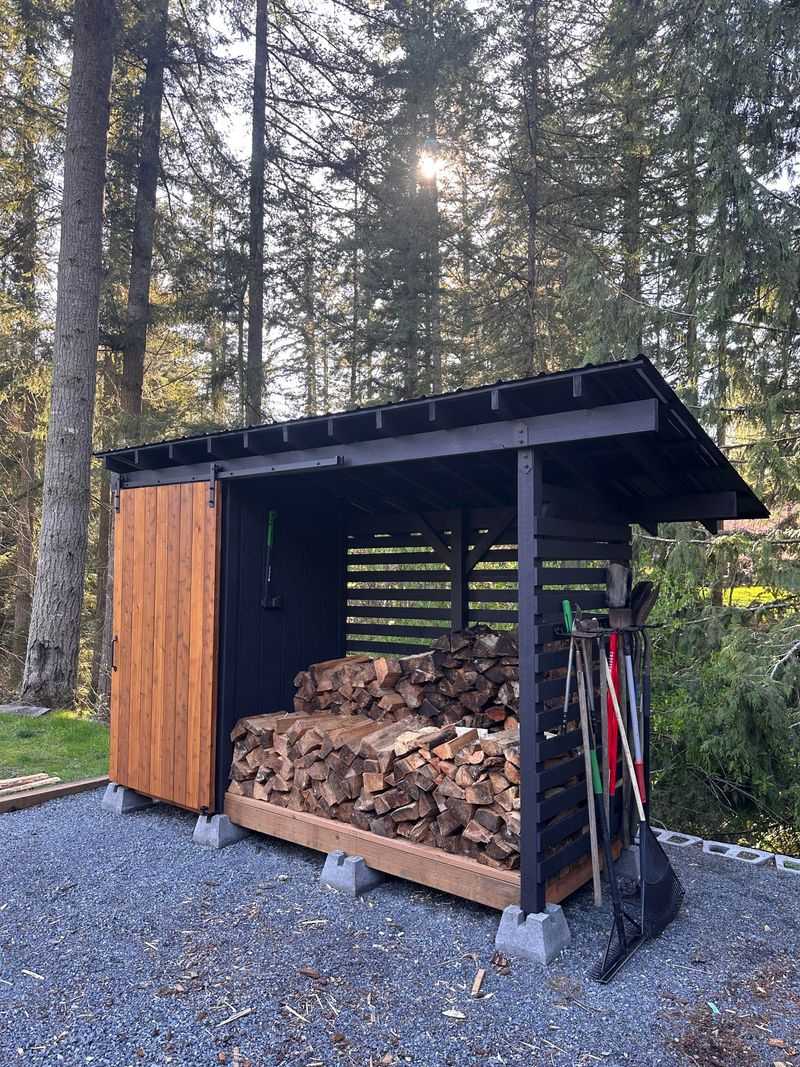
Building codes in Maryland typically classify sheds, gazebos, and similar structures as accessory buildings that require permits before construction begins on your residential lot.
Size restrictions vary by county, but most jurisdictions limit accessory structures to a percentage of your lot size or impose maximum square footage caps.
Placement rules matter too, since setback requirements keep sheds away from property lines, septic systems, and utility easements to prevent conflicts with neighbors or service providers.
Permanent foundations often trigger stricter permitting processes than temporary structures, so homeowners must decide whether mobility or stability matters more for their storage needs.
Your Maryland Garden Changes Every Week. Your Plan Should Too.
Gardening in Maryland changes quickly throughout the season. Every Friday you’ll receive a simple weekly plan showing exactly what to plant, prune, fertilize, harvest, and protect so you never miss the right timing.
Electrical wiring, plumbing, or HVAC installations inside sheds elevate the complexity of permits and may require inspections from multiple county departments before officials grant approval.
Maryland homeowners who skip permits risk fines, forced removal, or complications when selling their property, since title searches can reveal unpermitted structures that delay closing.
Prefabricated sheds from big-box stores still need permits in most jurisdictions, despite marketing that suggests they are simple, hassle-free additions to your yard.
Working with a contractor who understands local Maryland codes can streamline the application process and ensure your shed meets all structural, electrical, and safety standards.
Taking the time to secure proper approvals protects your investment and keeps your outdoor projects compliant with the regulations that govern residential properties statewide.
3. Swimming Pools and Hot Tubs
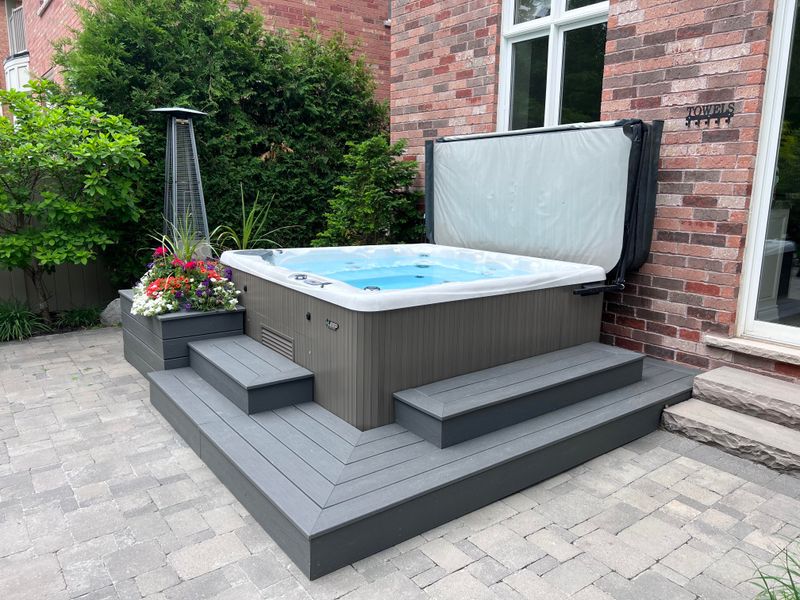
Installing a swimming pool or hot tub in Maryland requires multiple permits, inspections, and safety features that protect users and comply with state and local codes.
Barrier requirements mandate fencing, self-closing gates, and alarms to prevent unsupervised access by young children, reducing the risk of accidents on residential properties.
Setback rules keep pools away from property lines, septic systems, and utility easements, ensuring emergency access and preventing conflicts with adjacent homeowners or service crews.
Electrical work for pumps, heaters, and lighting must meet National Electrical Code standards, and licensed electricians typically handle installations to ensure safe, compliant wiring throughout.
Drainage plans are crucial, since improperly managed water runoff can flood neighboring yards or damage foundations, leading to disputes and potential liability for property owners.
Maryland counties often require final inspections before homeowners can fill and use pools, verifying that all safety features, barriers, and mechanical systems function correctly and safely.
Homeowners associations may impose additional restrictions on pool size, location, or design, requiring architectural review board approval before any construction begins on your lot.
Skipping permits for pools or hot tubs can void homeowner insurance policies, leaving you financially exposed if accidents occur or if storms damage the unpermitted structure.
Researching Maryland regulations and working with licensed contractors ensures your pool project proceeds smoothly, meets all safety standards, and adds lasting value to your property.
4. Decks and Patios
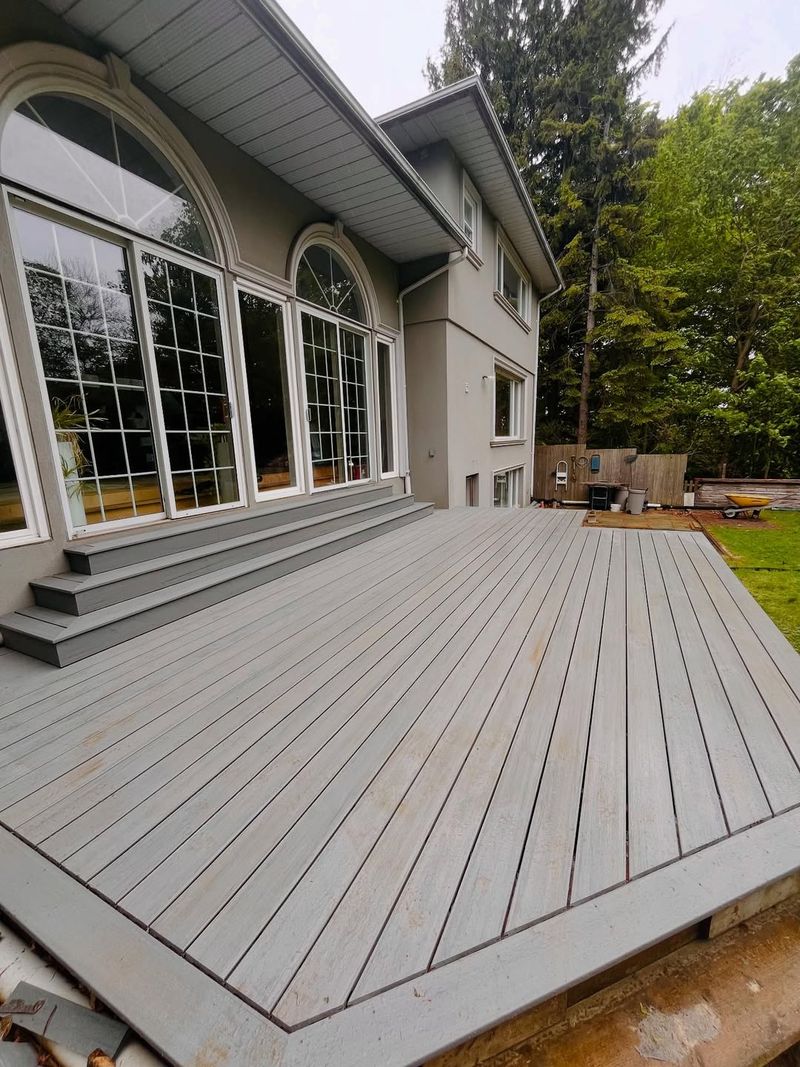
Outdoor living spaces like decks and patios enhance your Maryland home, but building codes require permits to ensure structures can support weight and withstand weather safely.
Elevated decks pose fall risks, so railing height, spacing, and structural integrity standards protect users and prevent accidents that could lead to injuries or legal liability.
Footings and foundations must extend below the frost line to prevent shifting or collapse during freeze-thaw cycles common in Maryland winters, ensuring long-term stability and safety.
Attached decks connect to your home, so building officials inspect ledger board installations to verify secure fastening that prevents structural failure or separation from the house.
Patio permits might seem unnecessary for ground-level projects, but grading, drainage, and material choices still require review to prevent erosion or water damage near foundations.
Maryland homeowners who build without permits risk failed inspections during home sales, forcing last-minute repairs or price reductions that diminish property value and complicate transactions.
Pressure-treated lumber, composite materials, and fastener choices must meet code requirements to resist decay, corrosion, and structural failure over decades of outdoor exposure and use.
Working with experienced contractors familiar with Maryland regulations ensures your deck or patio meets all safety standards, passes inspections, and provides years of enjoyment for your family.
Investing time in the permitting process protects your investment, keeps your outdoor space compliant, and prevents costly enforcement actions from county officials or homeowner associations.
5. Driveways and Parking Pads
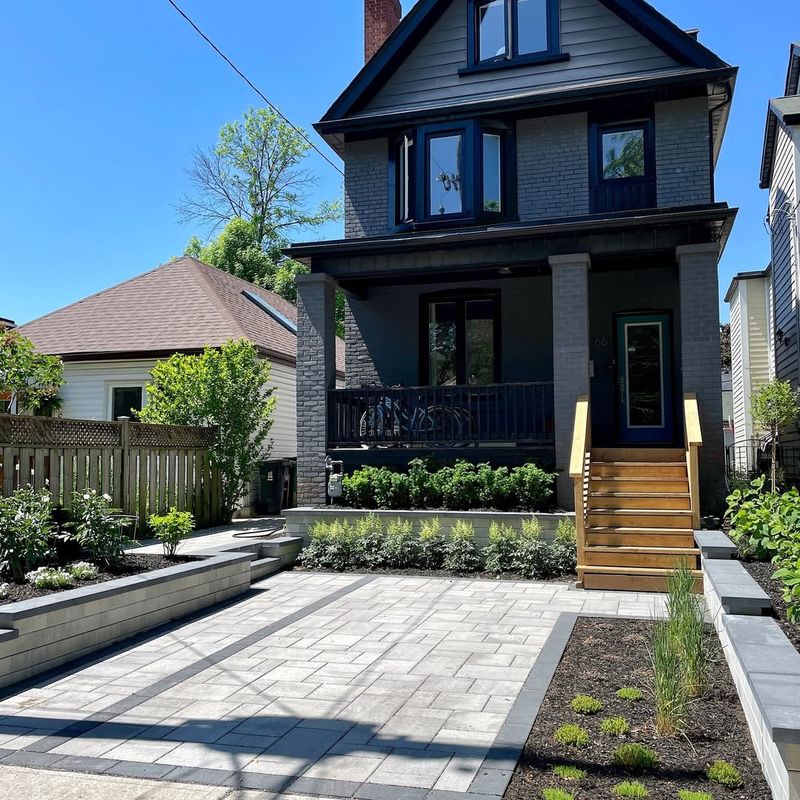
Expanding or adding driveways in Maryland requires permits to ensure proper drainage, prevent erosion, and comply with zoning rules that limit impervious surface coverage on lots.
Stormwater management regulations aim to reduce runoff that overwhelms municipal systems, so permeable pavers or retention features might be necessary for larger paving projects on properties.
Curb cuts and driveway aprons that connect to public streets need approval from county or municipal road departments, ensuring safe vehicle access and proper grading.
Parking pads in front yards often face stricter restrictions than those in backyards, since counties prioritize maintaining green space and aesthetic standards along residential streets.
Maryland homeowners who pave without permits risk fines, mandatory removal, or expensive retrofits to add drainage features that meet current stormwater management standards and environmental regulations.
Grading plans submitted with permit applications demonstrate how water will flow off the new surface, preventing pooling, flooding, or erosion that could damage your property or neighbors’ yards.
Homeowners associations may restrict driveway materials, colors, or sizes, requiring architectural review approval before you begin any paving or expansion projects on your residential lot.
Licensed contractors familiar with Maryland codes can design driveways that meet all regulatory requirements, pass inspections, and provide durable, attractive access to your home for years.
Taking the time to secure proper approvals ensures your driveway project enhances property value, complies with environmental standards, and avoids costly enforcement actions from local authorities.
6. Outdoor Kitchens and Fire Pits
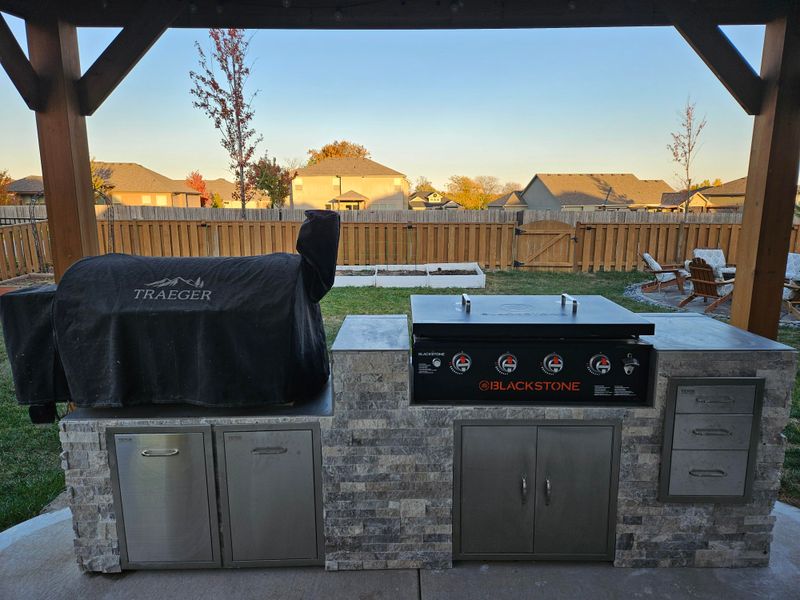
Outdoor kitchens with built-in grills, sinks, or refrigerators typically require permits in Maryland, since gas lines, electrical connections, and plumbing involve safety and code compliance.
Fire pits and fireplaces need approval in many jurisdictions, with rules governing size, fuel type, and distance from structures to prevent accidental fires or smoke nuisances.
Gas line installations must meet strict safety standards, and licensed plumbers or gas fitters usually handle connections to ensure leak-free, code-compliant installations on residential properties.
Electrical outlets and lighting near outdoor kitchens require GFCI protection and weatherproof enclosures, preventing shock hazards and ensuring safe operation in wet or humid conditions common in Maryland.
Permanent structures like pergolas or roofs over outdoor kitchens might trigger additional permitting requirements, especially if they exceed certain square footage or height thresholds set by counties.
Maryland homeowners who install outdoor kitchens without permits risk insurance complications if fires or accidents occur, since insurers may deny claims for unpermitted structures or installations.
Smoke from fire pits can upset neighbors, so understanding local ordinances about open flames, burn times, and fuel restrictions helps you avoid complaints and enforcement actions.
Working with licensed contractors ensures your outdoor kitchen meets all building, electrical, and gas codes, passes inspections, and provides a safe, functional space for entertaining guests.
Securing proper approvals protects your investment, keeps your outdoor living space compliant, and ensures your family can enjoy cooking and gathering outdoors safely for years to come.
7. Playsets and Trampolines
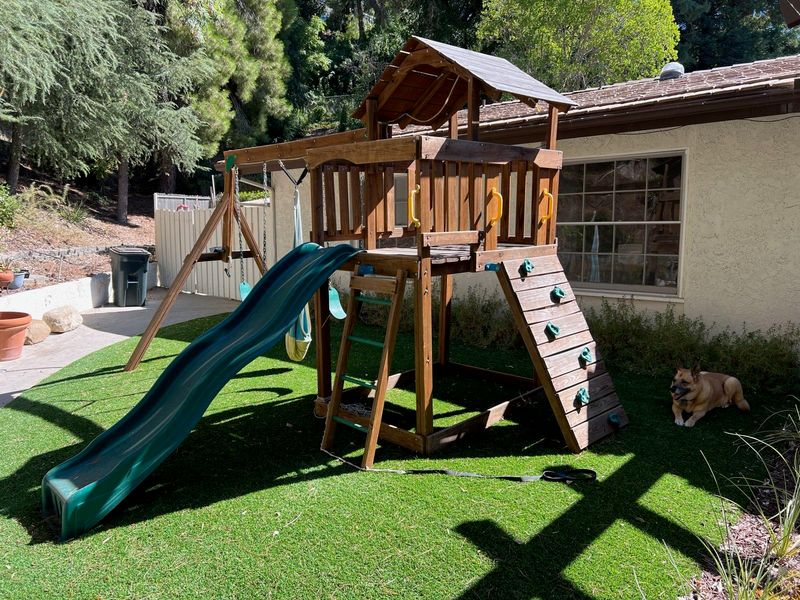
Large playsets with swings, slides, and climbing features might seem like simple additions, but some Maryland jurisdictions require permits for structures over certain heights or sizes.
Safety surfacing like wood chips, rubber mulch, or foam mats must extend beyond equipment edges, creating fall zones that reduce injury risks for children playing on structures.
Anchoring requirements prevent playsets and trampolines from tipping or shifting during use, ensuring stability and reducing the chance of accidents that could harm kids or damage property.
Trampolines pose liability concerns, so homeowners associations in Maryland often restrict or ban them entirely, requiring approval even if county codes allow installation on residential lots.
Insurance companies may raise premiums or exclude coverage for trampoline-related injuries, so checking your policy before installation helps you understand financial risks and coverage limitations.
Setback rules keep playsets away from property lines, ensuring swings and slides do not encroach on neighbors’ yards or create noise complaints that lead to disputes.
Maryland homeowners who install play equipment without checking HOA rules or county codes risk fines, forced removal, or conflicts with neighbors who object to structures near boundaries.
Choosing equipment that meets ASTM safety standards and following manufacturer installation guidelines reduces injury risks and demonstrates responsible ownership if liability questions arise later.
Taking time to research local Maryland regulations and secure necessary approvals ensures your children can play safely while keeping your property compliant and avoiding costly enforcement actions.
8. Satellite Dishes and Antennas
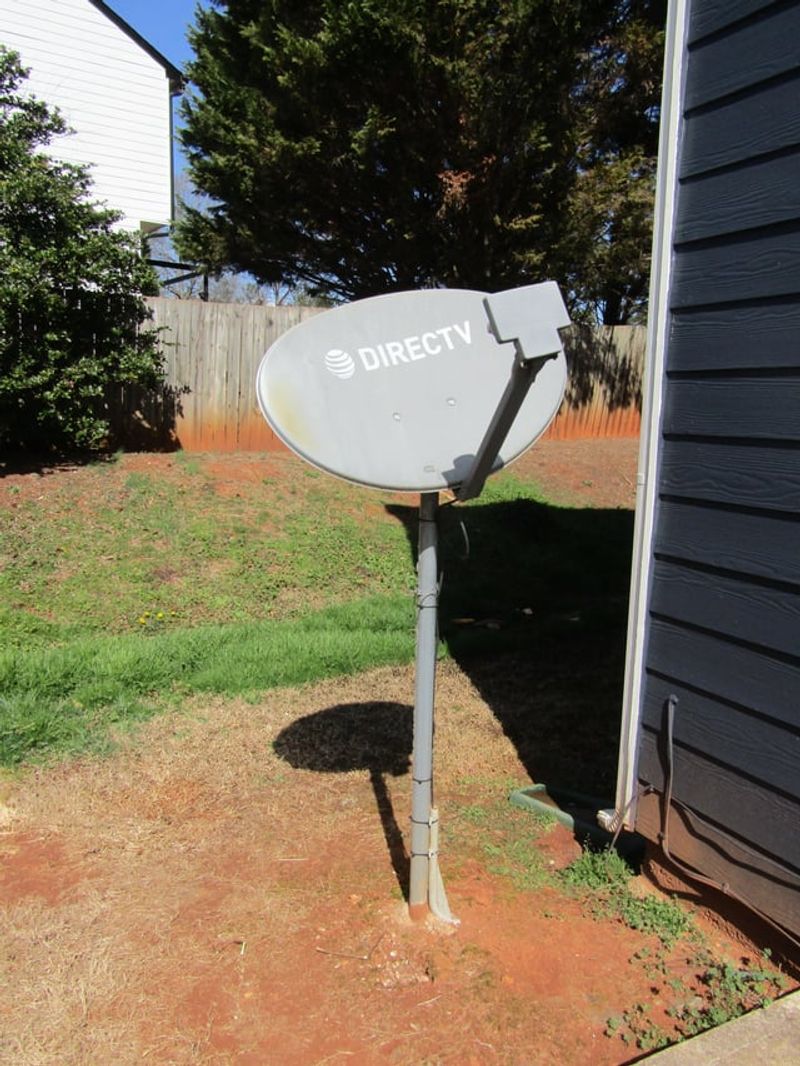
Federal regulations protect homeowners’ rights to install satellite dishes and antennas, but Maryland local rules and HOA covenants can still impose reasonable restrictions on placement and appearance.
Size limits often apply, with dishes over a certain diameter requiring additional approvals or facing outright bans in communities that prioritize aesthetic standards and visual uniformity.
Roof-mounted installations might violate architectural guidelines or building codes if they compromise structural integrity, create leak risks, or detract from neighborhood character and property values.
Ground-mounted dishes in front yards typically face stricter scrutiny than those in backyards, since communities aim to maintain curb appeal and prevent visual clutter along streets.
Maryland homeowners must balance their need for satellite reception with community standards, often requiring compromise on dish placement, color, or screening to gain approval from associations.
Submitting installation plans with photos, measurements, and technical specifications helps review boards understand your needs and evaluate whether the proposal meets community guidelines and aesthetic standards.
Professional installers familiar with Maryland HOA rules can recommend compliant placement options that provide strong signal reception while respecting community covenants and architectural review requirements.
Ignoring approval processes can lead to fines, forced removal, or legal disputes that cost more than working collaboratively with your association from the start of planning.
Understanding your rights under federal law while respecting local Maryland regulations ensures you can install the equipment you need without violating community standards or angering neighbors.
9. Chicken Coops and Beehives
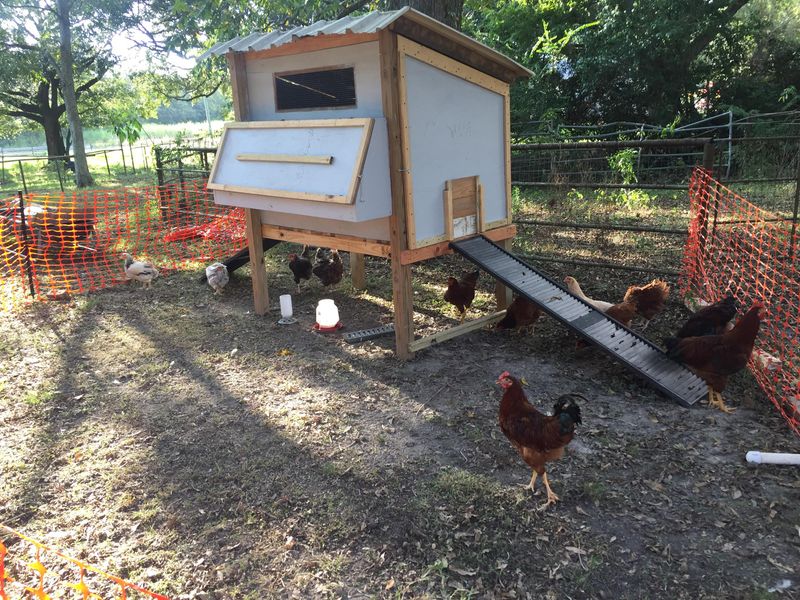
Urban farming trends have made backyard chickens and beehives popular in Maryland, but zoning laws and health codes strictly regulate livestock and insect keeping on residential properties.
Chicken coop permits often limit flock sizes, require minimum distances from neighboring homes, and ban roosters to prevent noise complaints that disrupt neighborhood peace and quiet.
Beehive regulations aim to protect public safety while supporting pollinators, requiring beekeepers to register hives, maintain certain distances from property lines, and follow best management practices.
Maryland counties vary widely in their approach to backyard farming, with some allowing chickens and bees with permits while others prohibit them entirely in residential zones.
Homeowners associations frequently ban chickens and beehives regardless of county rules, viewing them as nuisances that detract from property values and create odors, pests, or safety concerns.
Securing permits demonstrates your commitment to responsible animal husbandry and helps prevent conflicts with neighbors who might otherwise complain about noise, smells, or fears of stings.
Proper coop and hive placement, regular maintenance, and good fencing or barriers reduce complaints and show officials you take Maryland regulations and community standards seriously.
Consulting with local agricultural extension offices provides valuable guidance on best practices, helping you raise chickens or bees safely while complying with all applicable Maryland laws and ordinances.
Understanding local Maryland rules before starting your urban farming project avoids costly mistakes, ensures compliance, and helps you enjoy the benefits of fresh eggs or honey responsibly.