8 Results Michigan Gardeners Notice With Uncut Perennials In Winter
Michigan gardens look quiet in winter, but leaving perennials uncut changes what happens beneath the surface more than many expect.
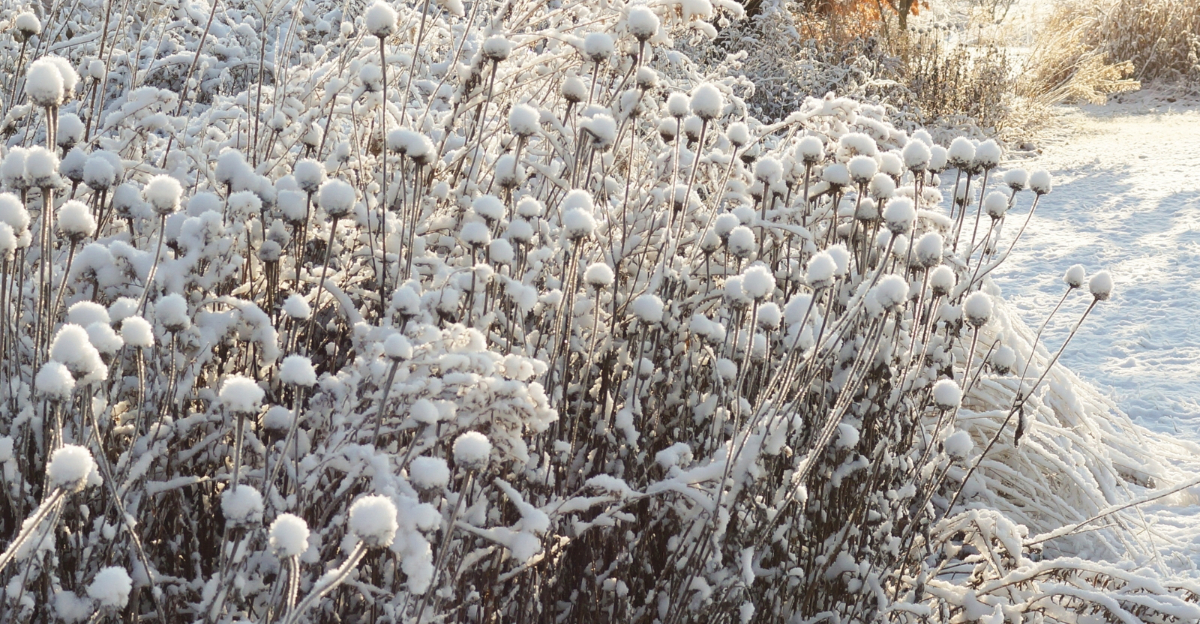
Stems, seed heads, and dried foliage stay standing through snow, wind, and freezing temperatures, subtly reshaping how the garden behaves.
Cold settles differently when plant material remains in place, affecting soil insulation and moisture levels throughout the season.
Snow collects around uncut plants instead of blowing away, creating pockets of protection during harsh temperature swings.
Wildlife activity often increases, as birds, insects, and small animals use standing perennials for shelter and food.
Garden beds feel messier at first glance, yet they quietly gain resilience as winter progresses.
Michigan’s freeze and thaw cycles interact differently with soil when roots are shielded by old growth.
Some gardeners notice fewer winter losses once plants are left intact instead of trimmed back early.
Others observe changes in spring timing, with growth emerging unevenly but often stronger.
These winter results become noticeable long before the garden looks awake again.
1. Increased Bird Activity Throughout The Cold Season
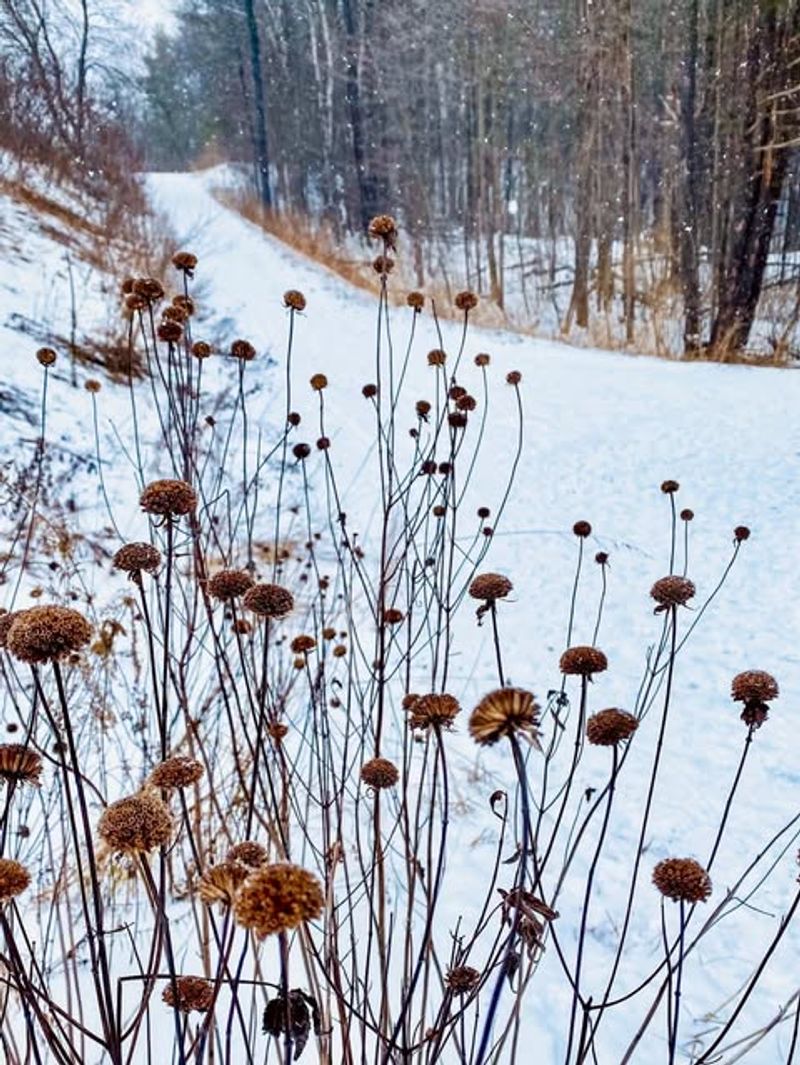
Leaving seed heads standing provides natural food sources that attract colorful birds to Michigan yards all winter long without any extra effort needed.
Cardinals, finches, and chickadees flock to gardens where coneflowers, black-eyed Susans, and other perennials remain uncut during the coldest months of the year.
Watching these feathered visitors brings joy to homeowners who might otherwise see only snow-covered landscapes through their windows during long Michigan winters.
Seed heads offer high-energy nutrition that helps birds survive when temperatures drop and natural food becomes scarce across the entire state region.
Gardeners notice more species visiting their properties compared to neighbors who cleared everything away before the first snowfall arrived in their communities.
Some birds even establish regular feeding patterns, returning daily to the same plants that provide reliable nourishment throughout the harshest weather conditions.
This natural approach eliminates the need for constant bird feeder refills, saving both time and money while supporting local wildlife populations effectively and sustainably.
Children especially love identifying different bird species that visit, turning winter gardens into outdoor classrooms that teach valuable lessons about nature and ecosystems.
The movement and color birds bring create visual interest in otherwise dormant landscapes, making Michigan properties feel alive even during January’s bleakest days.
Seed heads also add subtle structure and texture to winter gardens, catching frost and snow in surprisingly beautiful ways.
Leaving plants standing supports a healthier backyard ecosystem that benefits birds well beyond the winter season.
2. Natural Insulation For Plant Roots And Crowns

Standing stems and dried foliage trap snow around plant bases, creating protective layers that insulate roots from extreme temperature swings common in Michigan.
This natural blanket prevents the freeze-thaw cycles that damage plant crowns and cause heaving, which pushes roots out of the ground dangerously.
Gardeners across the state notice healthier spring growth from perennials that enjoyed this extra protection compared to those cut back completely in fall.
The hollow stems of many plants like Joe Pye weed and ornamental grasses hold air pockets that provide additional insulation benefits throughout winter.
Your Michigan Garden Changes Every Week. Your Plan Should Too.
Gardening in Michigan changes quickly throughout the season. Every Friday you’ll receive a simple weekly plan showing exactly what to plant, prune, fertilize, harvest, and protect so you never miss the right timing.
Snow accumulation around uncut perennials stays in place longer, melting slowly and delivering moisture directly to root zones when spring arrives in Michigan.
This protection proves especially valuable during winters with little snow cover, when exposed soil experiences more severe freezing that harms plant survival rates.
Root systems remain stronger and more extensive, allowing plants to emerge faster and bloom earlier when warm weather finally returns to the region.
Many Michigan gardeners report fewer plant losses and reduced need for replacements after adopting this simple winter care practice in their landscapes.
The energy plants save by not recovering from winter damage translates into more vigorous growth and better flowering performance during the upcoming season.
3. Stunning Visual Interest In Snowy Landscapes
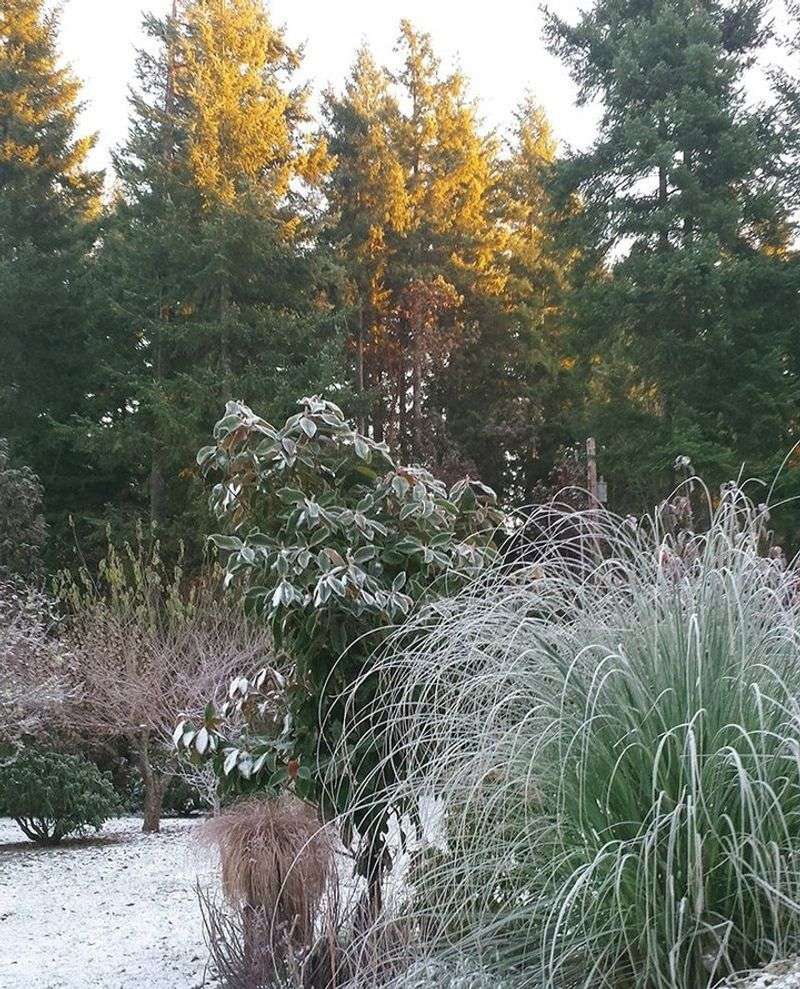
Dried flower heads and ornamental grass plumes create architectural beauty that stands out dramatically against white snow in Michigan yards during winter months.
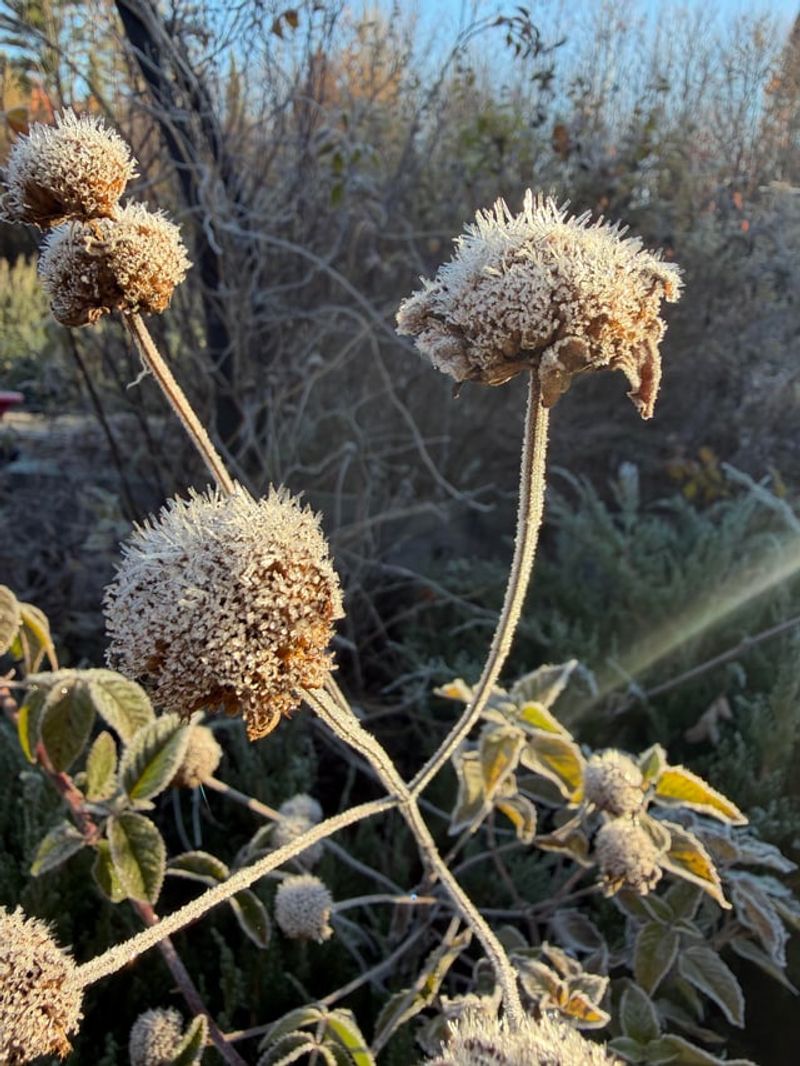
Frost coats seed heads and stems with sparkling crystals that catch morning sunlight, transforming ordinary gardens into magical displays that delight homeowners daily.
Instead of looking at bare, empty beds, gardeners enjoy texture, form, and structure that add dimension to winter landscapes throughout the state.
Tall plants like Russian sage, sedum, and echinacea provide vertical elements that break up flat snow surfaces and create interesting shadows across the yard.
Many homeowners discover that their winter gardens become unexpected focal points that neighbors admire and ask about during walks through Michigan neighborhoods.
The golden and bronze tones of dried foliage offer warm color contrasts that soften the stark appearance of leafless trees and frozen ground.
Photography enthusiasts find endless opportunities to capture beautiful images of frost-covered perennials that showcase nature’s artistry in surprising ways throughout the season.
This aesthetic appeal proves that gardens need not look dead or neglected just because growing season has ended across the entire state region.
Homeowners feel more connected to their outdoor spaces year-round, appreciating the beauty that persists even when temperatures plunge below freezing in Michigan.
Even on the coldest days, these standing plants give Michigan yards a sense of intention and life rather than a forgotten, shut-down look.
That lingering beauty often changes how homeowners see winter itself, turning a quiet season into one filled with visual interest and small daily moments of enjoyment.
Those textures catch drifting snow and shifting light differently each day, making the landscape feel subtly new even when nothing else changes.
What once felt like a long pause between seasons becomes a time when the yard still offers something to notice, appreciate, and quietly enjoy.
4. Beneficial Insect Habitat And Overwintering Sites
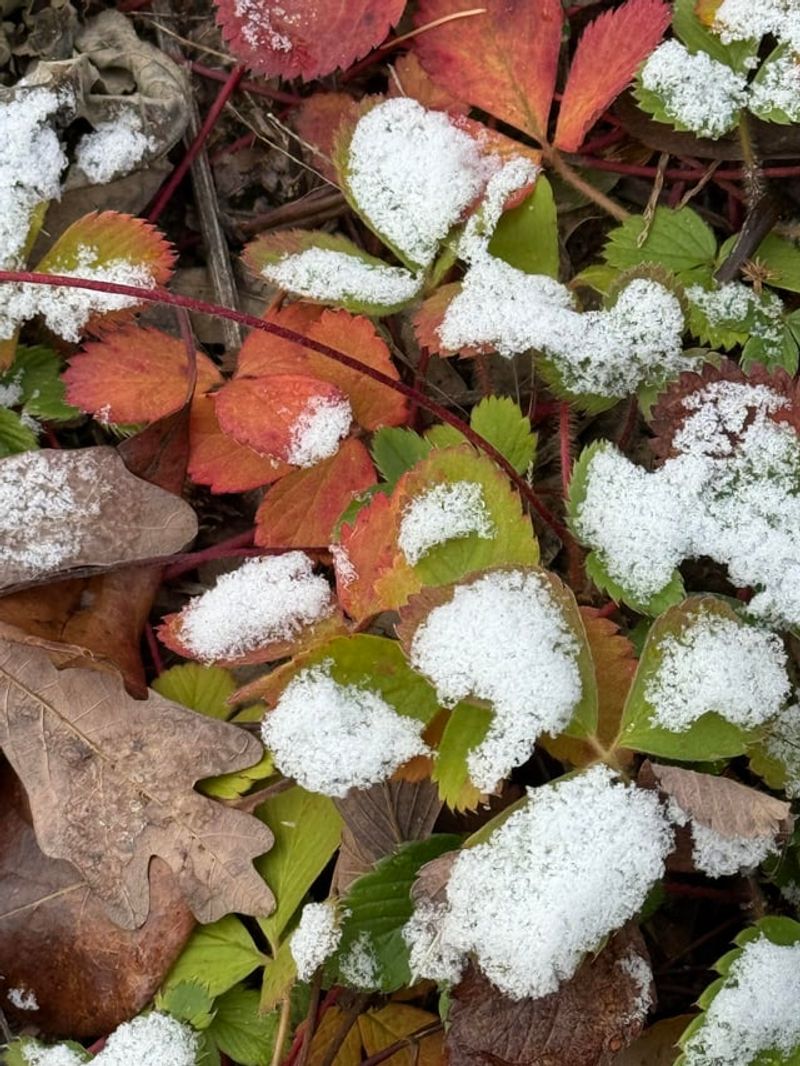
Hollow stems provide essential shelter for native bees, ladybugs, and other helpful insects that need safe places to survive Michigan’s harsh winter conditions.
Many beneficial species lay eggs inside dried plant material or hibernate within the protection of standing stems until spring warmth triggers their emergence.
Gardeners who leave perennials standing notice stronger pest control the following season because beneficial insect populations remain healthy and abundant throughout winter.
Cutting everything down eliminates these critical habitats, forcing helpful insects to find shelter elsewhere or perish during cold snaps that sweep across Michigan.
Native pollinators especially depend on this type of winter refuge, and their presence in spring means better pollination for vegetables, fruits, and flowers.
Ladybugs that overwinter in gardens emerge ready to consume aphids and other pests before infestations become serious problems requiring intervention from homeowners.
This natural approach supports ecosystem balance and reduces the need for chemical pesticides, creating healthier environments for families and pets across the state.
Children can learn about beneficial insects by carefully examining dried stems in late winter, discovering cocoons and egg cases that reveal nature’s cycles.
Michigan gardeners appreciate that this simple practice contributes to broader conservation efforts while improving their own garden health and productivity throughout the growing season.
By spring, these overwintering insects reappear exactly where they are needed most, already integrated into the garden ecosystem.
That early presence often makes the entire growing season feel more balanced, active, and resilient without extra effort from homeowners.
5. Reduced Soil Erosion And Nutrient Retention
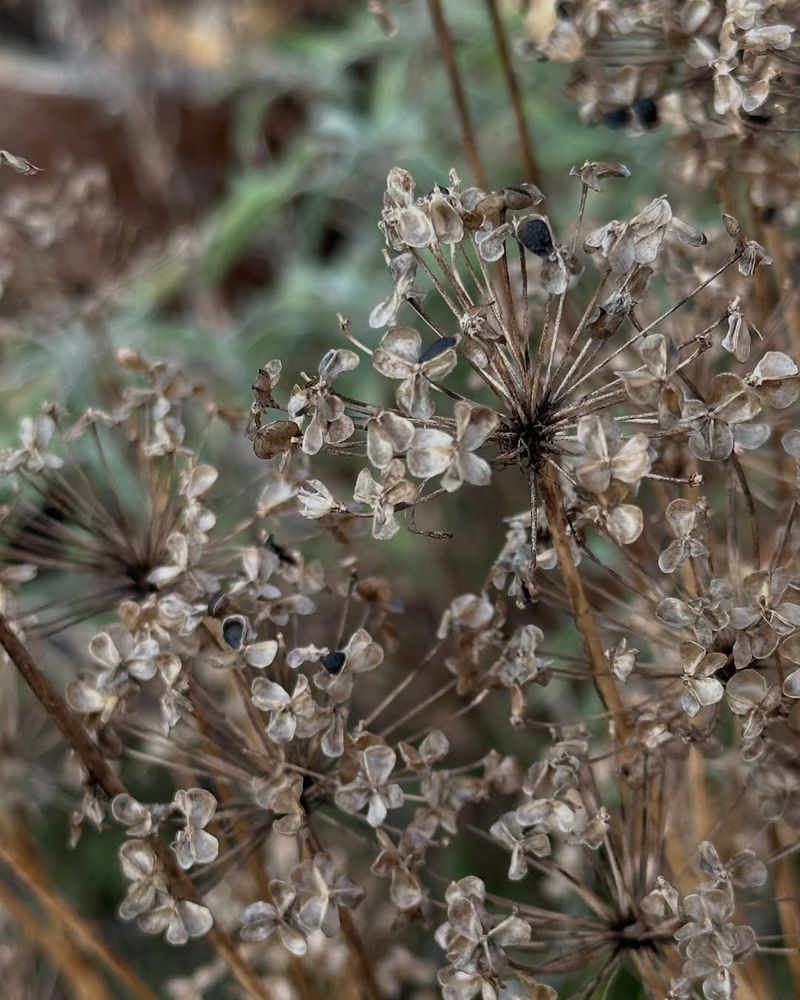
Standing perennial stems slow wind movement across garden beds, preventing topsoil from blowing away during Michigan’s frequent winter storms and windy conditions.
Root systems remain active underground even when tops appear dormant, holding soil particles in place and preventing erosion on slopes or unprotected areas.
Gardeners notice less soil loss and better soil structure in spring when beds have been protected by standing plant material throughout winter.
Dried foliage that eventually breaks down adds organic matter directly to the soil surface, enriching beds naturally without requiring compost applications from homeowners.
This decomposition process releases nutrients slowly over time, making them available to plants when spring growth begins across gardens throughout the state.
Rain and melting snow infiltrate soil more effectively around standing stems rather than running off bare, compacted surfaces that lack plant material.
Michigan’s clay soils especially benefit from this improved water penetration, which helps prevent puddling and supports healthier root development in spring and summer.
Less erosion means gardeners spend less time and money replacing lost soil or dealing with uneven bed surfaces that develop over winter months.
This protective effect proves particularly valuable in newer gardens where soil structure hasn’t fully developed and remains vulnerable to weather damage throughout Michigan winters.
Over time, this natural protection helps gardens mature faster by preserving the soil layers plants rely on for long-term health.
By spring, beds feel more stable and workable, setting the stage for stronger growth without extra repair or intervention.
6. Time And Labor Savings During Busy Fall Season
Skipping fall perennial cutting eliminates hours of labor when gardeners already face numerous other tasks preparing Michigan properties for winter weather ahead.
Many homeowners feel overwhelmed by autumn yard work demands including leaf removal, lawn care, and vegetable garden cleanup before frost arrives statewide.
Leaving perennials standing means more time for other priorities like planting spring bulbs, mulching beds, or simply enjoying beautiful fall weather with family.
Spring cleanup often proves easier because dried stems break apart more readily after winter weathering compared to tough, freshly cut fall foliage.
Gardeners across Michigan appreciate the flexibility to tackle perennial trimming when weather warms and outdoor work becomes pleasant rather than rushed or uncomfortable.
This approach reduces physical strain on gardeners who might struggle with extensive cutting and hauling during cold, damp autumn conditions common throughout the state.
Tool maintenance needs decrease because pruners and shears see less use, and there’s no need to bag and dispose of massive quantities of plant material.
Some communities charge for yard waste removal or limit pickup dates, making fall cleanup more complicated and expensive for homeowners who cut everything down.
By postponing this task, Michigan gardeners simplify their routines and reduce stress during an already demanding season filled with holiday preparations and other obligations.
7. Enhanced Wildlife Corridors And Ecosystem Support

Standing perennials create connected habitat patches that allow small mammals, birds, and insects to move safely through Michigan neighborhoods during winter months.
These natural corridors prove especially important in suburban areas where development has fragmented wildlife habitat and limited available shelter for native species.
Gardeners notice increased biodiversity in their yards, with more species visiting and utilizing gardens that provide winter structure compared to cleared properties nearby.
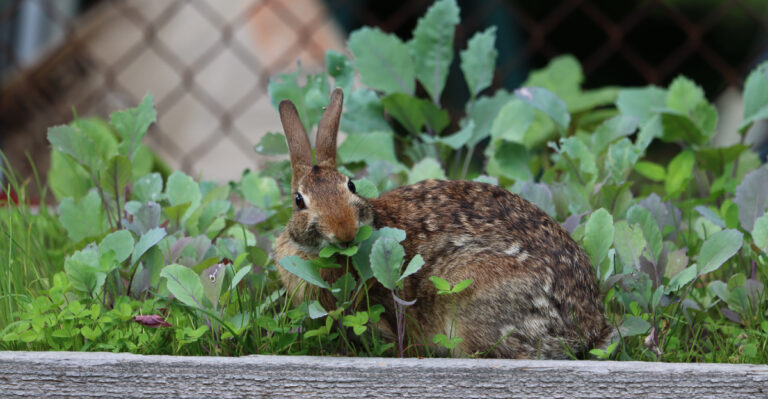
Rabbits, chipmunks, and other small animals find protection from predators and harsh weather within dense stands of dried perennial growth throughout the state.
This habitat supports entire food chains, from insects that feed birds to small mammals that sustain larger predators like hawks and owls.
Michigan gardeners who embrace this practice contribute to regional conservation efforts without requiring special training, equipment, or significant financial investment from their households.
Children develop deeper appreciation for nature by observing the wildlife activity that uncut gardens support, learning valuable lessons about ecosystem interconnections firsthand.
Property values may even benefit as landscaping that supports wildlife becomes increasingly popular among environmentally conscious homebuyers searching throughout the state.
This simple choice transforms ordinary yards into meaningful wildlife sanctuaries that make real differences for species struggling to adapt to human-dominated landscapes.
Even brief moments of shelter can determine whether animals survive prolonged cold spells or food shortages during winter.
By leaving perennials standing, homeowners quietly support wildlife resilience while making neighborhoods feel more alive even in the coldest months.
8. Improved Plant Identification And Garden Planning
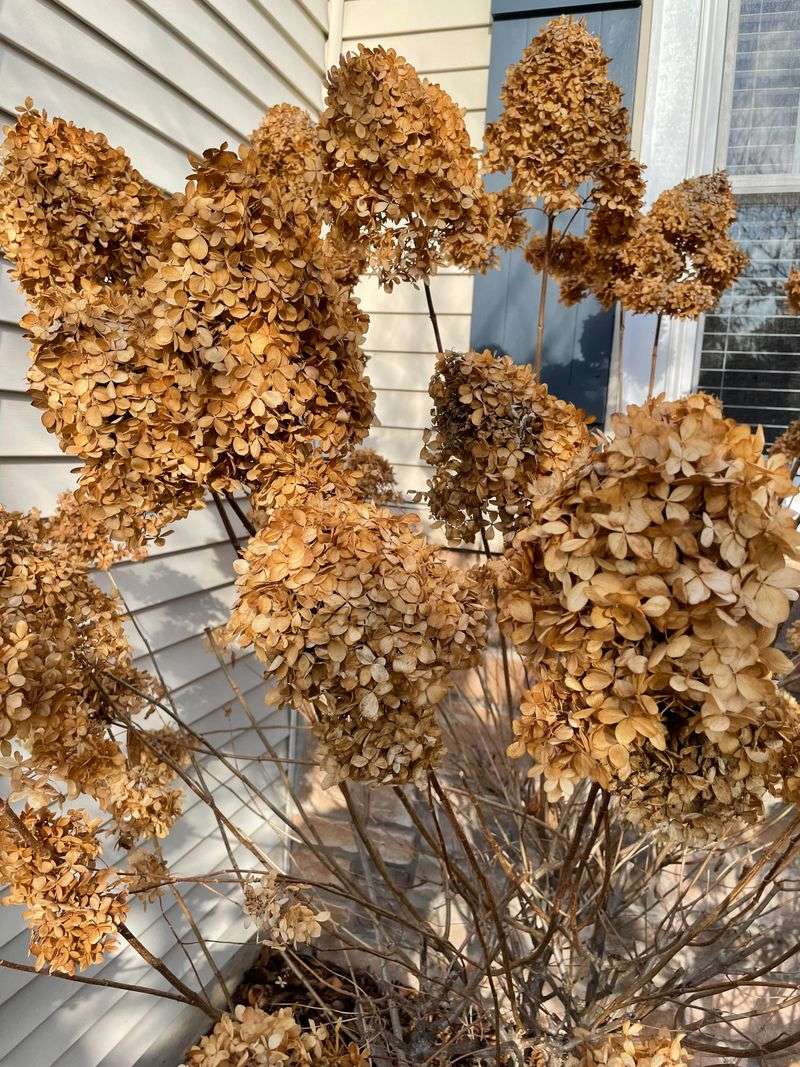
Standing stems help gardeners remember exactly where each perennial variety grows, eliminating springtime confusion about which plants occupy specific garden locations.
Michigan homeowners avoid accidentally damaging emerging plants with shovels or foot traffic because dried stems clearly mark occupied spaces throughout winter months.
This visibility proves especially helpful in large gardens or newer plantings where gardeners haven’t yet memorized every plant’s location within their beds.
Dried foliage characteristics help identify plants even without flowers, teaching gardeners to recognize species by stem structure, seed head shape, and growth habits.
Winter garden observations allow better planning for spring additions, as gardeners can see gaps, overcrowded areas, or color distribution issues more clearly.
Taking notes or photographs of standing winter gardens helps Michigan homeowners make informed decisions about relocating plants or adjusting garden designs before spring.
This planning time proves valuable because spring arrives quickly and busy planting schedules leave little opportunity for thoughtful design considerations across the state.
Gardeners can also assess plant performance more accurately, identifying which varieties thrived and deserve more space versus those that underperformed and need replacement.
Standing perennials essentially serve as natural garden markers that improve organization and help Michigan homeowners develop more successful, beautiful landscapes over time.
That clarity reduces guesswork once soil thaws, making early spring work calmer and more efficient.
With plants clearly mapped out, gardeners start the season with confidence instead of uncertainty.
This awareness leads to more intentional choices instead of rushed decisions once planting season arrives.
Winter becomes a useful planning window that helps gardens come back stronger and more organized each year.