8 Clever Ways Michigan Gardeners Start Seeds With Toilet Paper Rolls
Michigan gardeners rarely wait for outdoor soil to warm up, especially when winter drags on and planting season still feels far away.
Seed starting moves indoors early, where creativity, timing, and space all matter just as much as light and temperature.
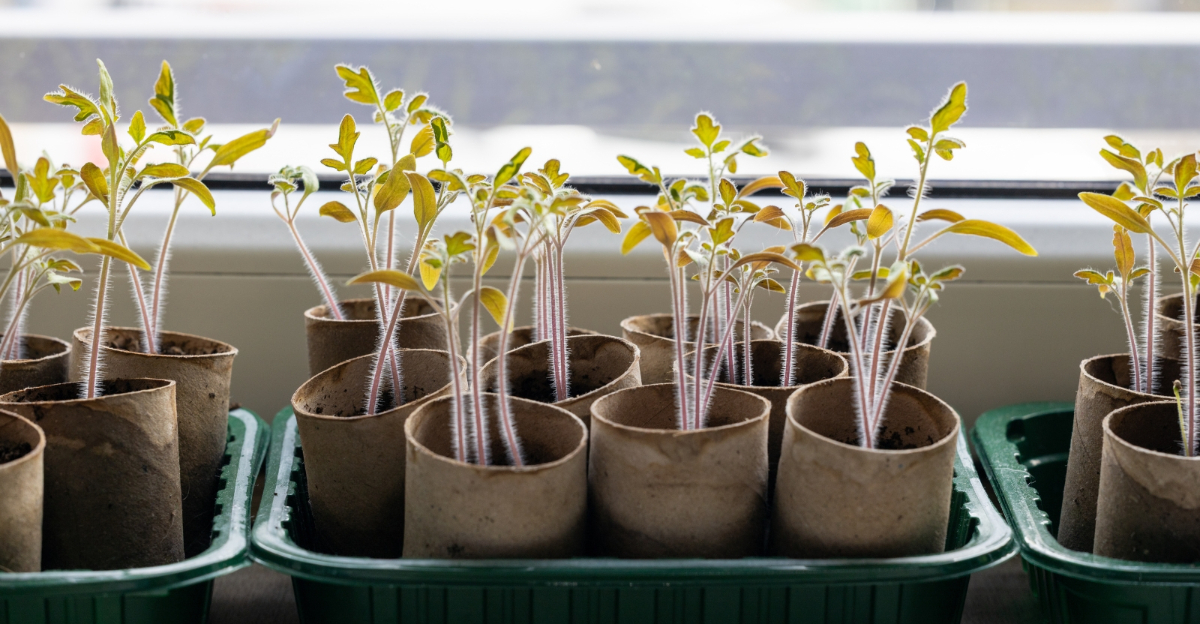
Toilet paper rolls quickly turn into a practical solution once gardeners notice how closely their shape mimics deep, narrow seed-starting cells.
They line up neatly on windowsills, shelves, and trays, making them easy to organize even in small kitchens or spare rooms.
Michigan’s long, unpredictable winters push gardeners to experiment sooner, often using what is already on hand instead of buying new supplies.
These cardboard tubes hold soil surprisingly well, encouraging roots to grow downward instead of tangling or circling too early.
Moisture stays more controlled when seedlings remain contained, reducing the mess and uneven drying common with shallow trays.
Transplanting feels easier and less stressful because seedlings can go directly into soil without disturbing developing root systems.
What begins as a simple recycling habit often turns into a dependable routine repeated every winter without much thought.
Those humble cardboard rolls usually signal the real start of gardening season, long before Michigan soil is ready outside.
1. Creating Individual Seedling Pots from Single Rolls
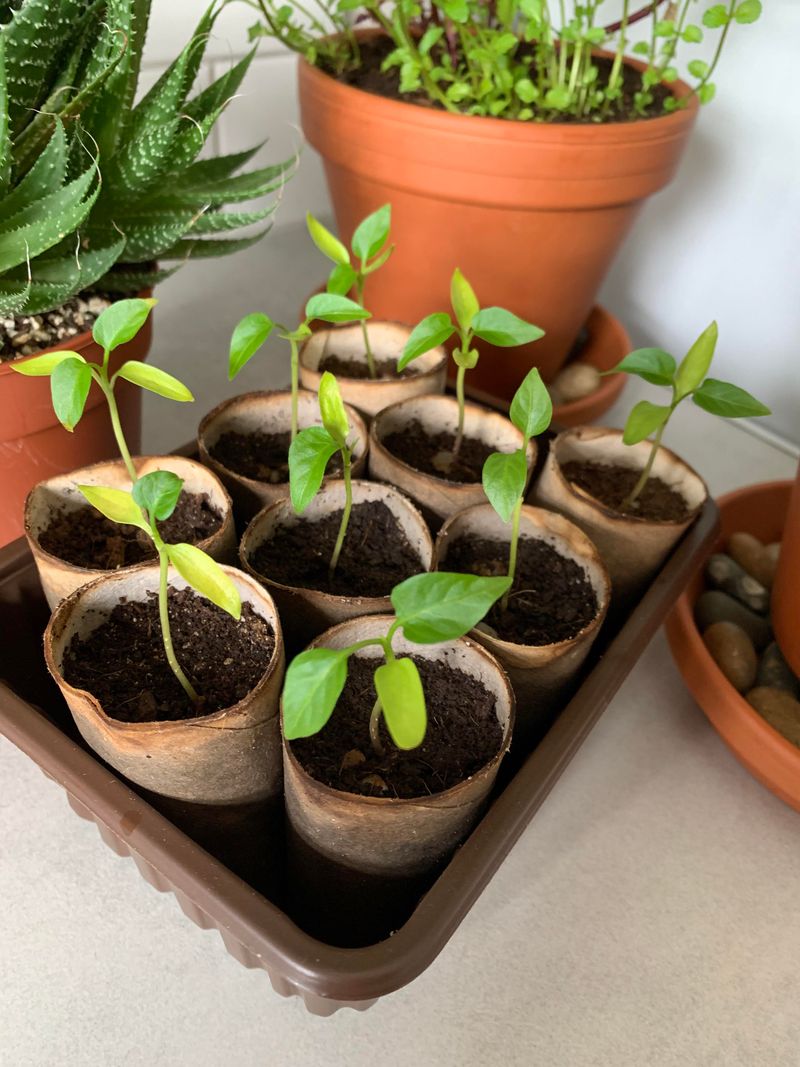
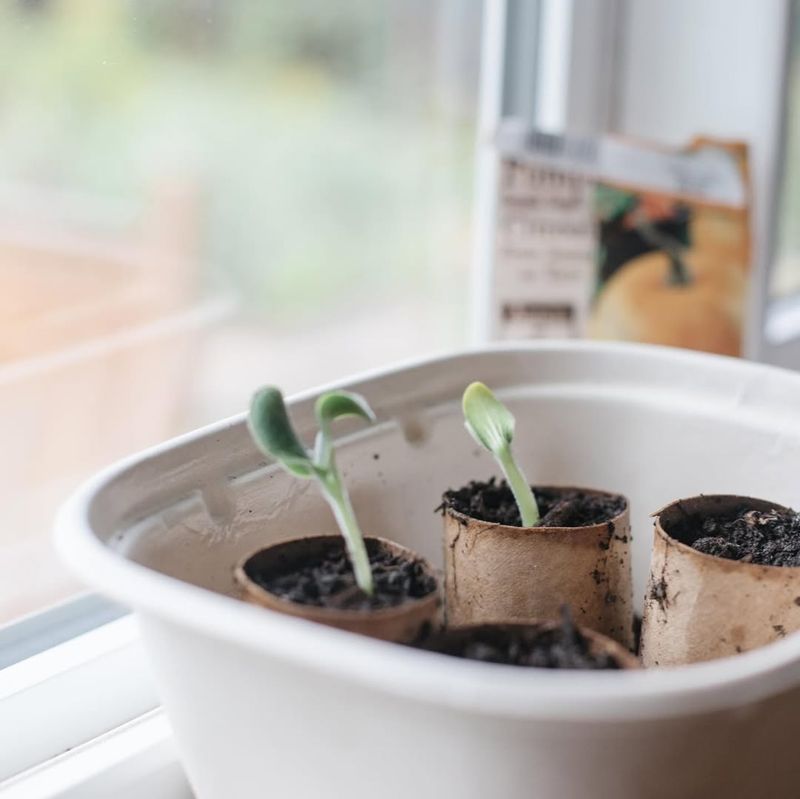
Cardboard tubes transform into perfect little containers when you make four cuts around one end and fold the flaps inward to create a sturdy bottom.
Michigan gardeners love this method because each seedling gets its own space to develop roots without competing with neighbors for nutrients or moisture in the soil.
Fill each tube with quality potting mix, leaving about half an inch at the top so water does not overflow when you provide moisture to young plants.
Place your filled tubes snugly together in a waterproof tray to prevent them from tipping over and to make watering multiple seedlings much easier throughout the day.
Drop two or three seeds into each tube, then cover them lightly with soil according to the specific depth requirements listed on your seed packets.
Keep the soil consistently moist but never waterlogged, as too much water can cause the cardboard to break down prematurely before transplant time arrives in spring.
When Michigan weather warms up and frost danger passes, plant the entire tube directly into your garden bed without disturbing the delicate root system inside.
The cardboard decomposes naturally underground, adding organic matter to your soil while the seedling continues growing strong and healthy throughout the entire growing season ahead.
This approach reduces transplant shock and helps seedlings adjust faster once they move outdoors into real garden conditions.
For Michigan gardeners starting seeds indoors, it turns everyday household waste into a practical tool that simplifies early planting while cutting down on plastic pots.
2. Building a Multi-Cell Seed Starting Tray System
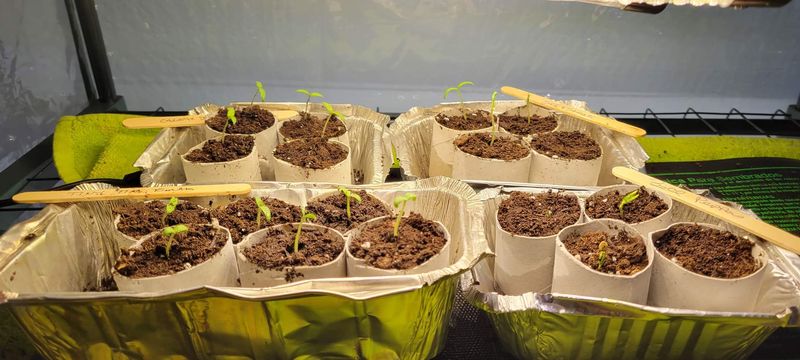
Arranging multiple toilet paper rolls together in a shallow box creates an organized grid system that maximizes space while keeping everything neat and accessible for daily care.
Michigan gardeners appreciate how this setup allows them to start dozens of plants in a compact area, perfect for windowsills or under grow lights indoors during cold months.
Your Michigan Garden Changes Every Week. Your Plan Should Too.
Gardening in Michigan changes quickly throughout the season. Every Friday you’ll receive a simple weekly plan showing exactly what to plant, prune, fertilize, harvest, and protect so you never miss the right timing.
Choose a box with sides tall enough to support the rolls but shallow enough that light can reach all the seedlings evenly from above without shadows.
Line the bottom of your box with plastic or a garbage bag to protect surfaces from water damage when you irrigate your baby plants regularly.
Stand the toilet paper rolls upright inside the box, packing them tightly so they support each other and remain stable even when the cardboard becomes slightly damp.
Label each roll or section with the plant variety name and planting date using a permanent marker so you can track germination rates and growth progress accurately.
This system works wonderfully for starting vegetables like tomatoes, peppers, and herbs that Michigan gardeners want to get going early before the last frost date arrives.
When transplanting time comes, simply lift out individual tubes and plant them directly into garden beds, making the transition smooth and stress-free for developing root systems.
3. Crafting Tall Tubes for Deep-Rooted Vegetables
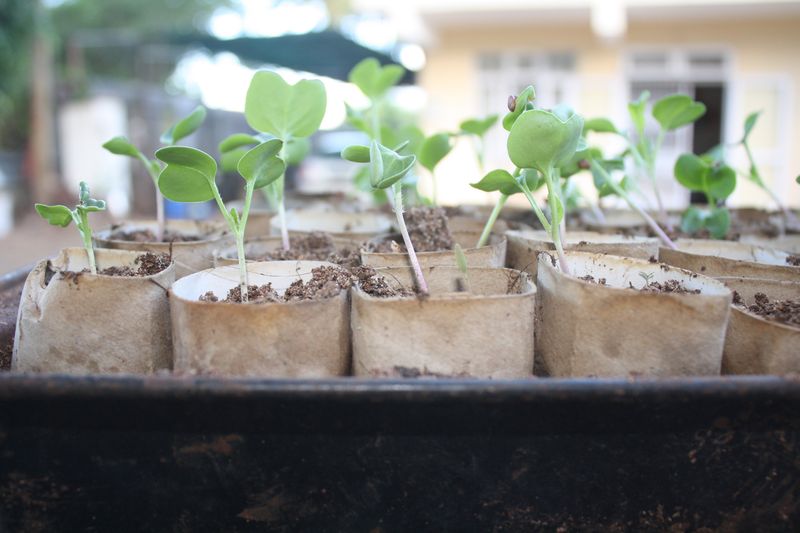
Some vegetables develop long taproots early in their growth, and standard toilet paper rolls might not provide enough depth for these particular plant varieties to thrive properly.
Michigan gardeners solve this problem by connecting two toilet paper rolls together vertically, creating a taller container that accommodates deeper root systems without restriction or crowding.
Slide one tube inside another about an inch deep, creating a secure connection that holds together well even when filled with moist potting soil and water.
This technique works exceptionally well for carrots, parsnips, and certain flowers that need extra room below ground to develop their characteristic long root structures successfully.
Fill the extended tube completely with loose, well-draining potting mix that allows roots to penetrate easily as they grow downward searching for nutrients and moisture underground.
Place these taller tubes in a deep tray or container that can catch excess water and provide stability so they do not topple over during watering sessions.
Michigan conditions often require starting these crops indoors several weeks before outdoor planting becomes possible due to unpredictable spring weather patterns and late frost risks in many regions.
When transplant time arrives, the entire biodegradable tube goes into the ground, and roots simply grow through the decomposing cardboard into the surrounding garden soil naturally.
This extra depth gives seedlings a head start that often leads to straighter roots and better harvest quality later in the season.
For Michigan gardeners, it is a simple adjustment that makes early indoor starting far more effective for crops that dislike shallow containers.
4. Making Self-Watering Seed Starters with Wicking
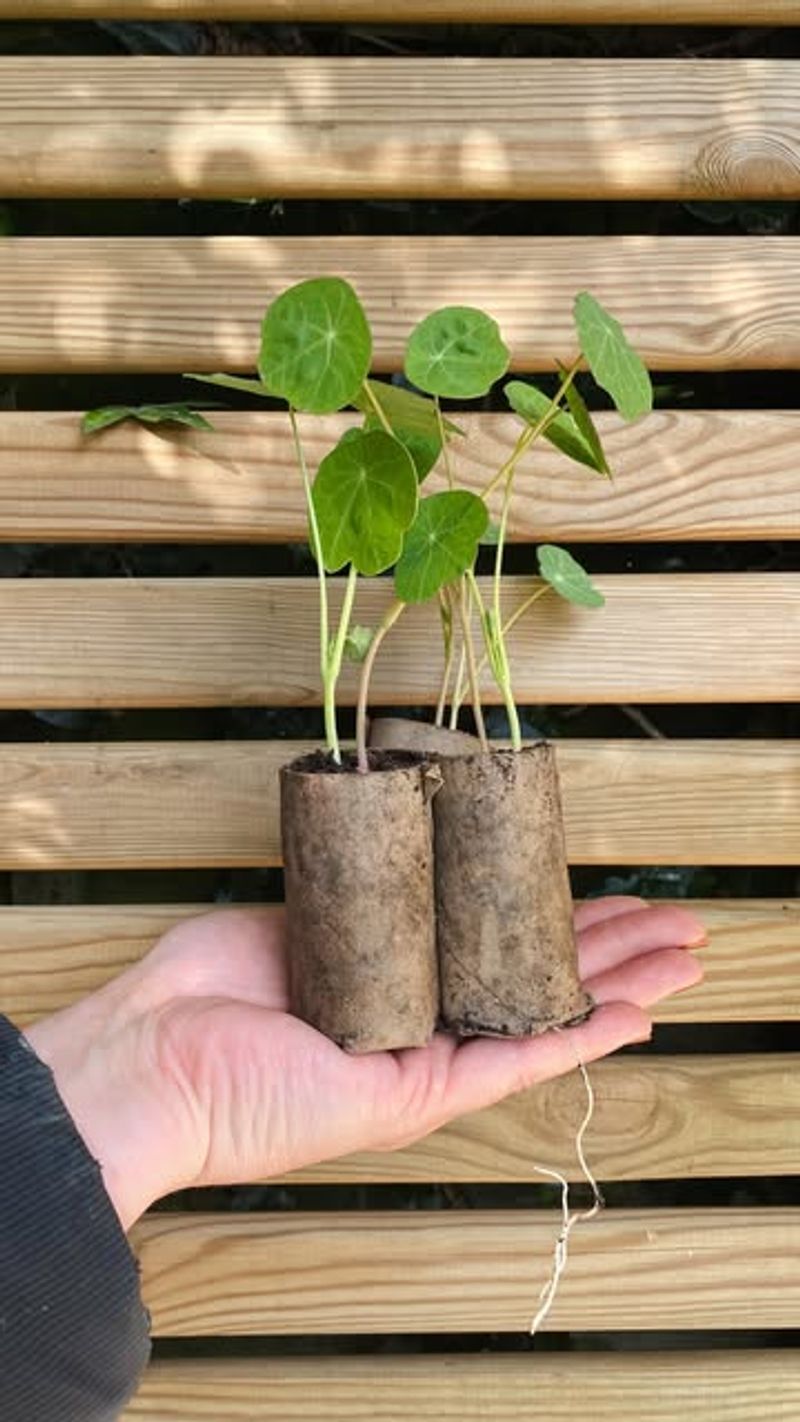
Busy schedules sometimes make it challenging to water seedlings consistently, but Michigan gardeners have found a clever solution using toilet paper rolls and simple wicking materials like cotton string.
Cut a piece of cotton string or yarn about six inches long, then thread it through a small hole poked in the bottom of the toilet paper roll.
Let about three inches of the string hang below the roll while the remaining length extends up into the potting soil inside, creating a moisture pathway that works automatically.
Fill the roll with soil and plant your seeds as usual, making sure the internal portion of the string runs up through the center of the soil.
Place your prepared rolls in a tray filled with about an inch of water, allowing the hanging strings to touch the water and draw moisture upward constantly.
The cotton wicks water up into the soil gradually, keeping it consistently moist without overwatering or allowing it to dry out completely between your watering sessions throughout busy weeks.
This system proves especially valuable for Michigan gardeners who travel occasionally or have irregular schedules but still want to successfully start seeds indoors during late winter and early spring.
Check the water level in your tray every few days and refill as needed to ensure the wicks remain in contact with moisture and continue functioning properly.
5. Designing Biodegradable Seed Tape Holders

Seed tape helps gardeners achieve perfect spacing, and toilet paper rolls can hold these strips in an organized way that makes planting day much faster and more efficient.
Michigan gardeners create custom seed tape by spacing seeds along strips of toilet paper or newspaper at precise intervals recommended for each specific vegetable or flower variety.
Roll the prepared seed tape around empty toilet paper tubes, keeping different varieties separate and clearly labeled to avoid confusion when planting time finally arrives in spring.
This storage method protects your homemade seed tape from damage, moisture, and pests while keeping everything organized in a compact space until you are ready to use it.
When planting day comes, simply unroll the seed tape into prepared furrows in your Michigan garden bed, cover lightly with soil, and water gently to activate germination.
The toilet paper or newspaper material breaks down quickly in the soil, leaving seeds perfectly positioned at the ideal depth and spacing for optimal growth throughout the season.
This technique eliminates the tedious task of individually placing tiny seeds and reduces thinning work later since seeds are already spaced correctly from the very beginning of planting.
Store your seed tape rolls in a cool, dry location until planting time to keep seeds viable and prevent premature germination or damage from humidity and temperature fluctuations indoors.
Everything stays neat and easy to grab, even when multiple crops are planned across different beds and planting dates.
That kind of simple organization turns planting into a smooth, satisfying task instead of a rushed, messy chore.
6. Constructing Protective Collars for Transplanted Seedlings
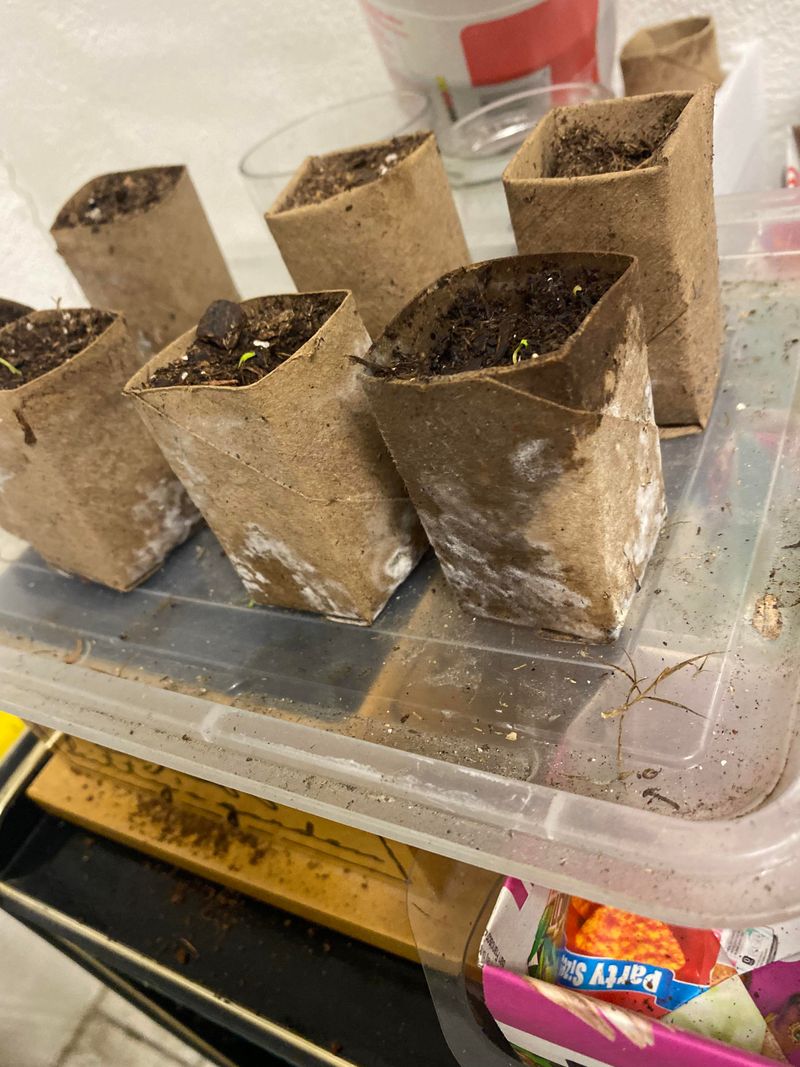
Young transplants face numerous threats outdoors, including cutworms, wind damage, and accidental disturbance from pets or wildlife that wander through Michigan gardens at night searching for food.
Cutting toilet paper rolls into rings about two inches tall creates protective collars that shield tender stems from these common dangers during the vulnerable first weeks after transplanting outdoors.
Slip a cardboard ring around each seedling at transplant time, pushing it about an inch into the soil so it stands firmly upright around the young plant stem.
The collar creates a physical barrier that prevents cutworms from wrapping around stems and damaging plants during nighttime feeding activities that often destroy transplants completely within hours.
This protection also reduces wind damage by providing structural support to young stems that have not yet developed enough strength to withstand Michigan spring breezes and storms.
The cardboard material eventually breaks down in the soil, adding organic matter to your garden while the plant grows strong enough to survive on its own without assistance.
Michigan gardeners find this method especially useful for protecting tomatoes, peppers, and brassicas that seem particularly attractive to pests and vulnerable to environmental stress after transplanting from indoor conditions.
This simple technique costs nothing but saves countless plants from damage, making it one of the most valuable uses for toilet paper rolls in the entire gardening process.
7. Developing a Vertical Hanging Garden Starter
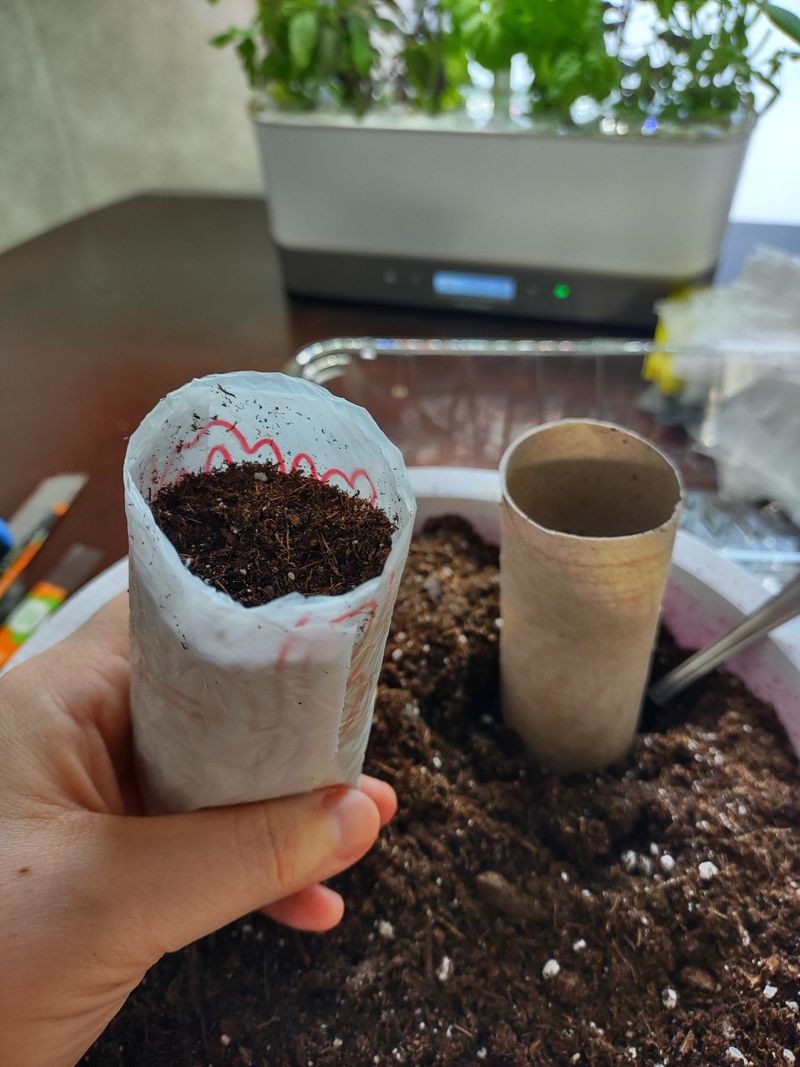
Space limitations challenge many Michigan gardeners who live in apartments or homes with limited sunny windowsill area available for starting seeds indoors during late winter and early spring.
Creating a vertical hanging system using toilet paper rolls maximizes growing space by utilizing wall area instead of precious horizontal surfaces that are often already crowded with other items.
Attach toilet paper rolls to a sturdy board or piece of cardboard using strong glue or staples, arranging them in rows that allow light to reach all seedlings equally.
Hang your board near a south-facing window or under grow lights where plants will receive adequate illumination for healthy growth and strong stem development throughout the germination period.
Fill each tube with potting mix and plant your seeds according to packet directions, then water carefully to avoid creating excessive drips that might damage floors or furniture below.
This vertical arrangement works particularly well for herbs, lettuce, and other small plants that Michigan gardeners want to start early but that do not require extremely deep containers initially.
Monitor moisture levels carefully since vertical arrangements can dry out faster than traditional horizontal setups due to increased air circulation around all sides of each individual container throughout the day.
When transplant time arrives, remove the tubes from the board and plant them directly into garden beds or larger pots, maintaining the root systems without any disturbance or stress.
8. Forming Compostable Plant Markers and Labels
Keeping track of different plant varieties becomes challenging when you are starting multiple types of seeds, but Michigan gardeners have discovered that toilet paper rolls make excellent labeling materials too.
Cut the cardboard tubes into strips about one inch wide and three inches long, creating sturdy tags that hold up well to moisture and handling throughout the entire growing season.
Write plant names and planting dates directly on these strips using permanent marker or pencil, creating clear labels that remain legible even when exposed to water during regular watering sessions.
Insert one end of each strip into the soil next to the corresponding plant, leaving the labeled portion visible above the soil surface for easy identification whenever you need it.
Unlike plastic markers that last forever and contribute to waste, these cardboard labels eventually break down in the soil after serving their purpose throughout the growing season successfully.
This labeling method costs absolutely nothing since you are using materials that would otherwise go into the recycling bin, making it both economical and environmentally responsible for conscious gardeners.
Michigan gardeners appreciate having biodegradable markers that do not clutter the garden or require collection and storage at the end of each season like traditional plastic or wooden stakes.
The natural brown color of cardboard blends nicely with soil and mulch, keeping your garden looking tidy and natural rather than cluttered with brightly colored plastic markers everywhere.