11 Fast-Growing Fruit Trees Worth Planting In California This Year
California gardens are bursting with potential—but nothing delivers quicker rewards than a fast-growing fruit tree.
While traditional trees can take years to produce, these speedy varieties offer fruits in record time, helping gardeners enjoy harvests sooner and make the most of their outdoor space.
Why wait years when you can start enjoying fresh fruit this season?
These eleven fruit trees thrive in California’s sun-soaked climate, offering resilience, flavor, and rapid growth.
From juicy peaches and plump plums to tangy citrus, selecting the right varieties ensures you get strong, productive trees without endless waiting.
Proper care, soil preparation, and strategic placement make all the difference in helping these trees reach maturity fast.
Plant smart, and your California garden will reward you with fruit sooner than you think.
For California gardeners, choosing fast-growing fruit trees means more delicious produce, less waiting, and a landscape that looks vibrant quickly.
Whether you’re planting your first orchard or adding to an existing one, these trees are a smart investment for flavor, beauty, and speed.
Grow fast, harvest faster—and savor the fruits of your labor this year!
1. Meyer Lemon For Year-Round Citrus
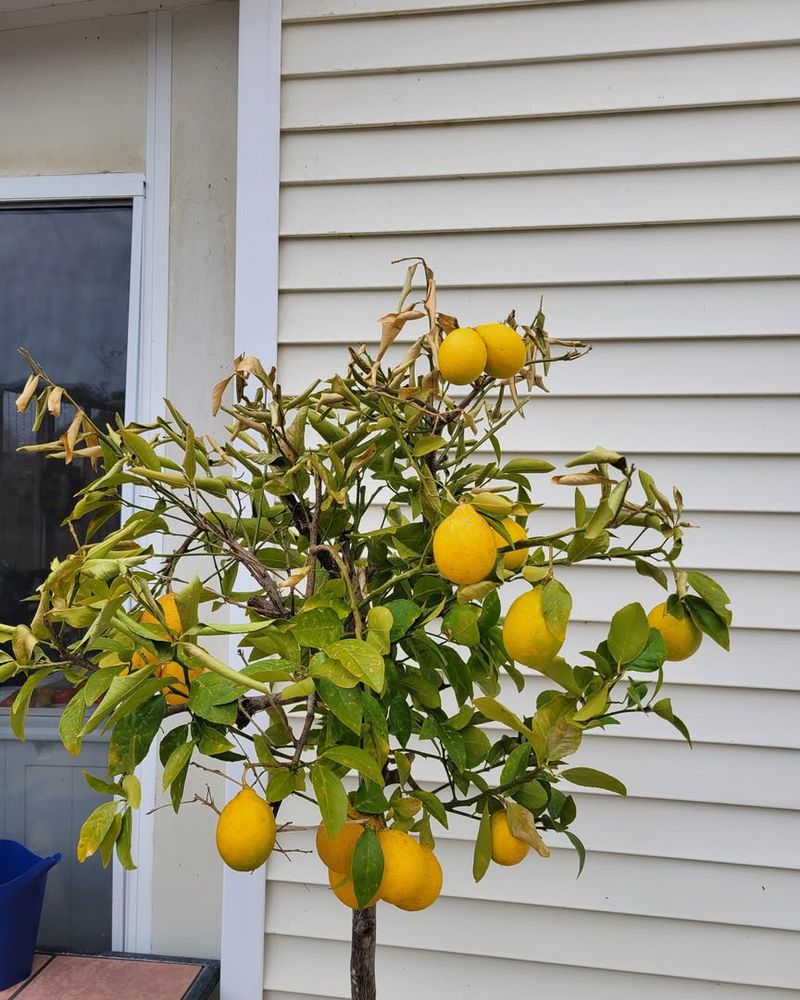
California’s Mediterranean climate creates the perfect environment for Meyer lemon trees to flourish, and these beauties are famous for producing fruit faster than most citrus varieties.
With proper care and warm conditions, a young Meyer lemon can start bearing fruit within just one to two years after planting, which is incredibly rewarding for gardeners eager to enjoy their harvest.
The tree’s compact size makes it ideal for patios, small yards, or even large containers, so you can grow fresh citrus no matter your space limitations.
Meyer lemons taste sweeter and less acidic than regular lemons, with a hint of mandarin orange that makes them perfect for cooking, baking, and fresh lemonade.
These trees love full sun and well-draining soil, and they appreciate consistent watering to keep their roots healthy and productive.
Because California’s winters are generally mild, Meyer lemons can produce fruit multiple times throughout the year, giving you a steady supply of bright yellow citrus.
Pruning helps maintain shape and encourages new growth, while regular feeding with citrus fertilizer keeps the tree strong and fruitful.
The fragrant white blossoms that appear before fruiting add beauty and a delightful scent to your garden space.
With minimal chill hours required, Meyer lemons adapt well to coastal and inland California regions alike, making them a versatile and fast-growing choice for any home orchard.
2. Valencia Orange For Reliable Backyard Harvests
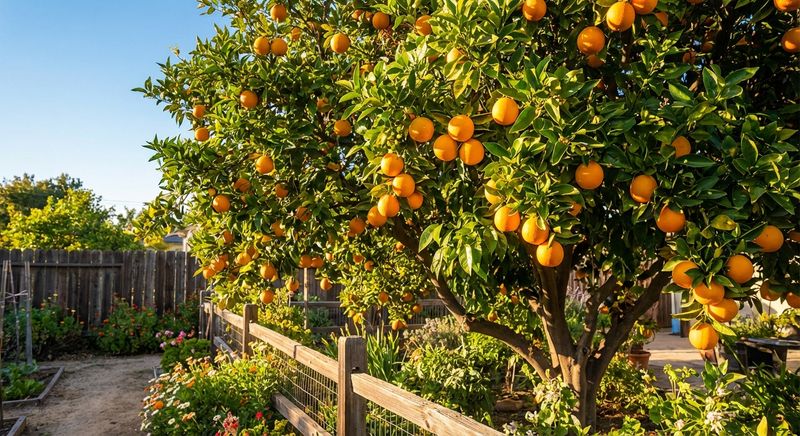
Valencia orange trees are legendary in California for their reliability and quick establishment, making them a favorite among backyard growers who want consistent citrus crops.
These trees adapt beautifully to California’s warm climate and can begin producing fruit within two to three years after planting, especially when given plenty of sunshine and regular water.
Valencia oranges are known for their sweet, juicy flesh and thin skin, making them ideal for fresh eating and juicing throughout the spring and summer months.
Your California Garden Changes Every Week. Your Plan Should Too.
Gardening in California changes quickly throughout the season. Every Friday you’ll receive a simple weekly plan showing exactly what to plant, prune, fertilize, harvest, and protect so you never miss the right timing.
The trees grow vigorously in well-draining soil and appreciate deep watering sessions that encourage strong root development.
Full sun exposure is essential for the best fruit production, and California’s long sunny days provide exactly what these trees need to thrive.
Valencia oranges can reach a mature height of around fifteen to twenty feet, but you can keep them smaller with regular pruning to fit your garden layout.
One of the best features of Valencia oranges is their ability to hold fruit on the tree for several months without losing quality, giving you a flexible harvest window.
The blossoms are fragrant and attract beneficial pollinators to your garden, adding ecological value beyond just fruit production.
With minimal pest issues and excellent heat tolerance, Valencia oranges are a dependable and fast-growing option for California orchards of all sizes.
3. Fig Trees That Produce In Just One Season
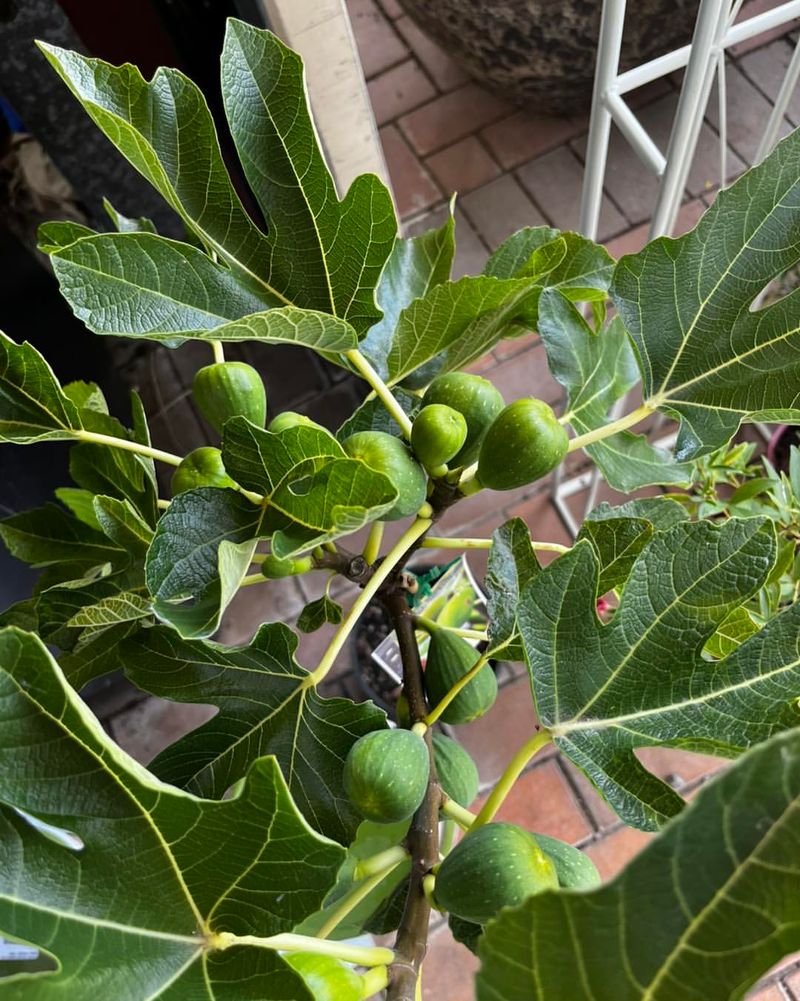
Few fruit trees can match the speed and simplicity of figs when it comes to producing a harvest in California, and many varieties will bear fruit in their very first season after planting.
Figs thrive in California’s hot, dry summers and require very little chill time during winter, making them perfectly suited to the state’s diverse climate zones from coast to inland valleys.
Varieties like Black Mission, Brown Turkey, and Kadota are especially popular for their reliability and delicious, sweet fruit that ripens from summer into fall.
Fig trees grow quickly and can reach a productive size within just a couple of years, providing abundant harvests that you can enjoy fresh, dried, or preserved.
They prefer full sun and well-draining soil, and once established, they are remarkably drought-tolerant, which is a huge advantage in California’s water-conscious landscape.
The trees have a spreading, attractive shape with large, lobed leaves that create beautiful shade and add ornamental value to your garden.
Pruning in late winter helps control size and encourages new fruiting wood, while mulching around the base retains moisture and keeps roots cool during hot spells.
Figs are also relatively pest-free and disease-resistant, making them a low-maintenance choice for gardeners of all experience levels.
With their rapid growth and quick fruiting, fig trees are a top pick for anyone looking to enjoy homegrown fruit without a long wait.
4. Dwarf Peach Trees For Quick Yields
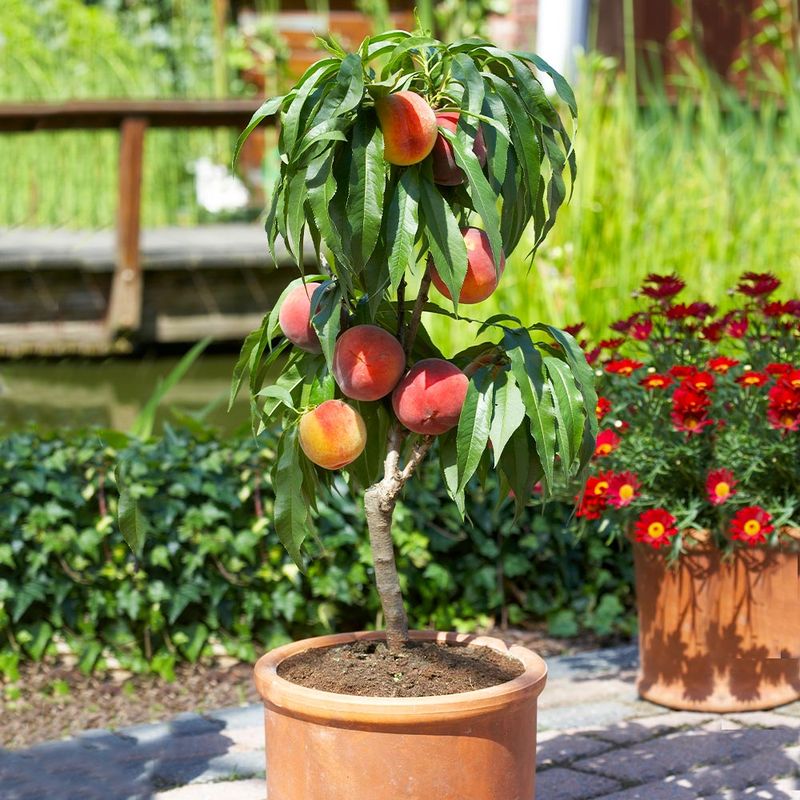
Dwarf peach trees are a fantastic option for California gardeners who want fast results and delicious stone fruit without needing a massive yard.
These compact trees typically start producing peaches within two to three years, and their smaller size makes them perfect for urban gardens, patios, or spaces where full-sized trees simply won’t fit.
California’s long, warm growing season gives dwarf peaches plenty of time to ripen fully, resulting in sweet, juicy fruit that tastes incredible fresh off the tree.
Varieties like Bonanza, Elberta, and Tropic Snow are bred specifically for smaller spaces and perform beautifully in California’s climate zones.
Dwarf peaches need full sun and well-draining soil, and they benefit from regular watering during the growing season to support healthy fruit development.
Pruning in late winter helps maintain shape, encourages strong branching, and improves air circulation, which reduces the risk of fungal issues.
One of the biggest advantages of dwarf peach trees is how easy they are to harvest, since the fruit stays within arm’s reach without needing ladders or special tools.
These trees also require fewer chill hours than many standard peach varieties, making them adaptable to warmer California regions.
With proper care, including thinning fruit to prevent overcrowding, dwarf peach trees deliver impressive yields year after year, making them a smart investment for fast-growing fruit production.
5. Pomegranate Trees For Drought-Friendly Fruit
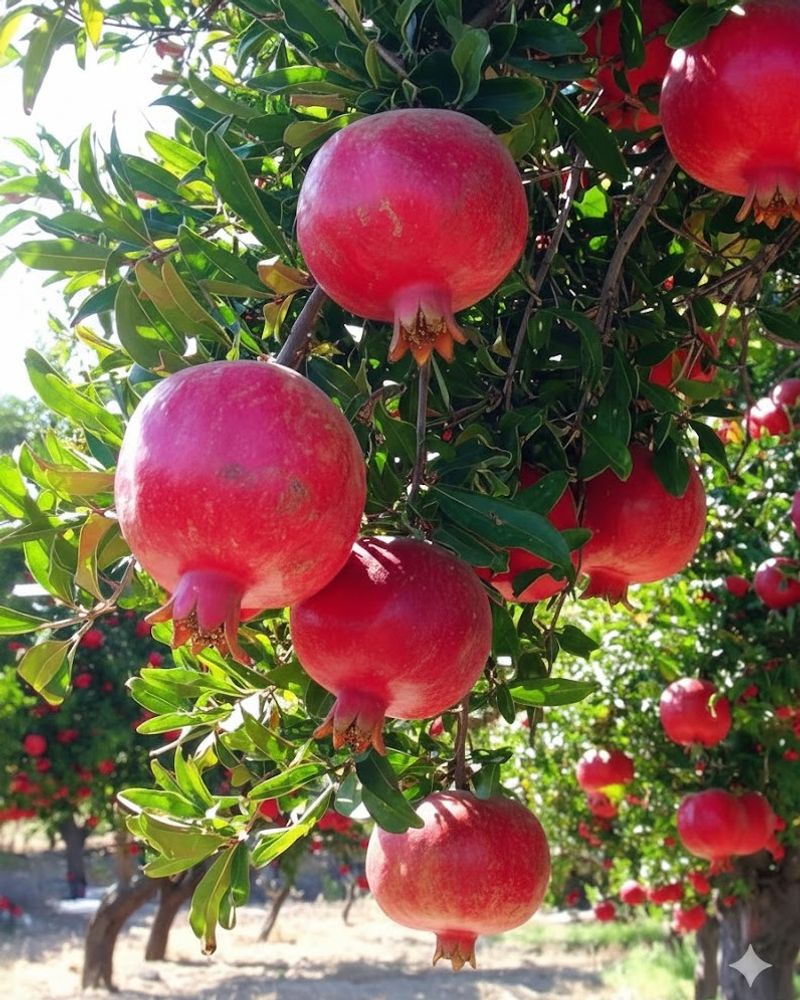
Pomegranate trees are perfectly suited to California’s dry summers and Mediterranean climate, and they grow quickly while producing stunning fruit that’s both beautiful and nutritious.
These trees can start bearing fruit within two to three years after planting, and they thrive in full sun with minimal water once established, making them an excellent choice for water-wise landscaping.
Varieties like Wonderful and Eversweet are especially popular in California for their large, sweet arils and reliable production.
Pomegranates tolerate heat exceptionally well and actually prefer hot, dry conditions during the summer months, which helps the fruit develop its signature deep red color and rich flavor.
The trees have attractive orange-red blossoms in spring and glossy green foliage that turns golden in fall, adding seasonal interest to your garden beyond just the fruit harvest.
Well-draining soil is important to prevent root issues, and pomegranates grow best in areas with full sun exposure throughout the day.
Pruning helps shape the tree and encourages better fruit production, while thinning out crowded branches improves air circulation and light penetration.
Pomegranates are relatively pest-free and disease-resistant, making them a low-maintenance option for busy gardeners.
With their fast growth, drought tolerance, and delicious fruit, pomegranate trees are a top choice for California growers looking to maximize productivity while conserving water resources.
6. Guava Trees For Warm-Climate Speed
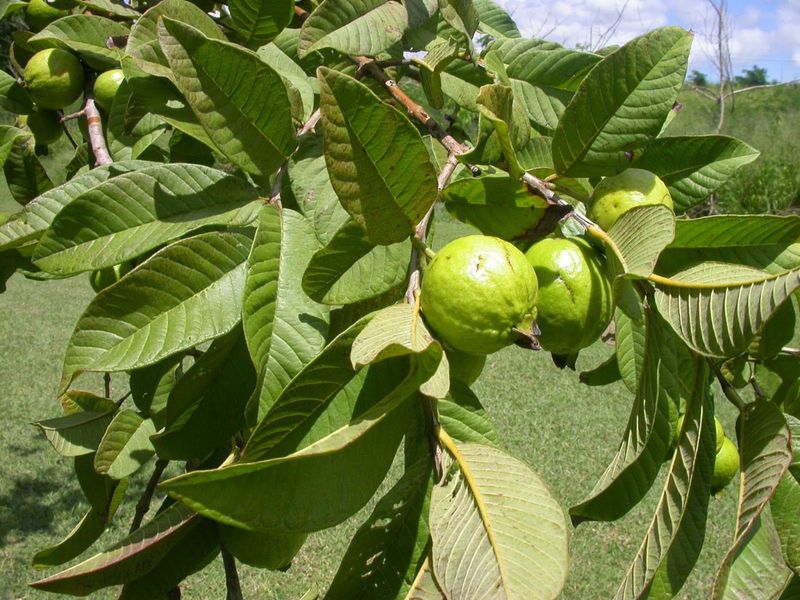
Guava trees are among the fastest-growing fruit trees for Southern and Central California, where warm temperatures and mild winters create ideal conditions for these tropical beauties to flourish.
Many guava varieties can produce fruit within just two to three years, and some even bear a small crop in their first year if conditions are right.
The fruit has a unique, sweet-tart flavor and aromatic fragrance that makes it popular for fresh eating, juices, jams, and desserts.
Guavas love full sun and well-draining soil, and they appreciate regular watering during the growing season to support vigorous growth and heavy fruiting.
Varieties like Strawberry Guava and Pineapple Guava adapt well to California’s climate and can tolerate some drought once established, though consistent moisture improves fruit quality.
The trees grow quickly and can reach heights of ten to fifteen feet, but they respond well to pruning if you want to keep them more compact.
Guava trees are also relatively pest-resistant and easy to care for, making them a great choice for gardeners who want a productive tree without a lot of fuss.
The fruit ripens in late summer and fall, providing a harvest when many other fruit trees have finished for the season.
With their rapid growth, delicious fruit, and tropical appeal, guava trees are a wonderful addition to warm California gardens.
7. Avocado Trees That Mature Faster Than You Think
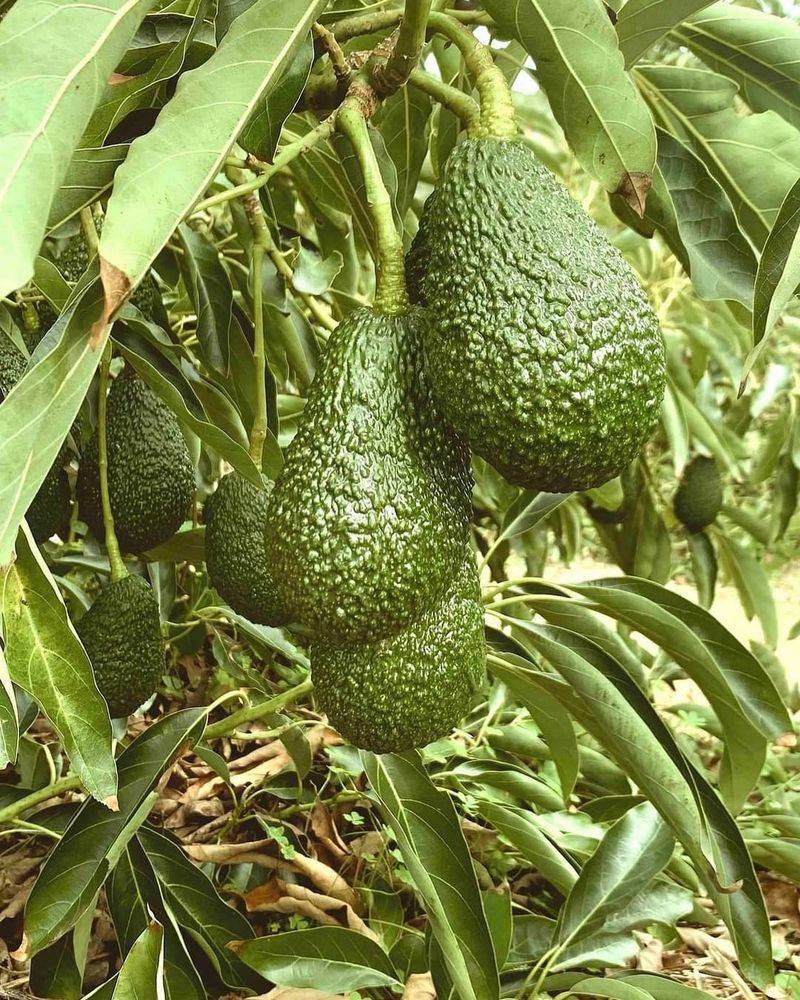
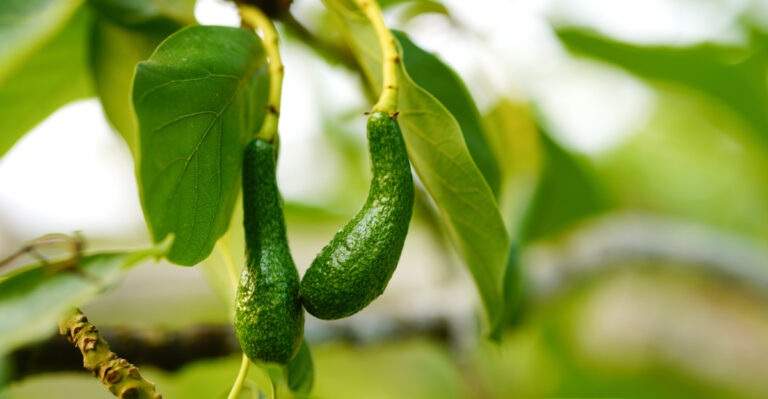
Avocado trees have a reputation for taking years to produce, but grafted varieties can surprise you by bearing fruit in as little as three to four years, which is much faster than seed-grown trees.
California’s coastal and inland regions provide excellent growing conditions for avocados, with varieties like Hass, Fuerte, and Bacon thriving in different climate zones throughout the state.
Grafted trees come with mature fruiting wood already attached, which significantly speeds up the time to first harvest.
Avocados prefer well-draining soil and consistent moisture, though they don’t like waterlogged roots, so proper drainage is essential for healthy growth.
Full sun exposure is ideal, and trees planted in coastal areas benefit from the mild temperatures and ocean breezes that help regulate heat.
Inland growers should choose heat-tolerant varieties and provide afternoon shade during the hottest months to prevent sunburn on the fruit and foliage.
Regular feeding with a balanced fertilizer designed for avocados keeps the tree healthy and productive, while mulching around the base helps retain moisture and regulate soil temperature.
Pruning is minimal but can help shape the tree and improve light penetration to the interior branches.
With their creamy, nutrient-rich fruit and faster-than-expected production from grafted varieties, avocado trees are a rewarding choice for California gardeners willing to invest a bit of patience and care.
8. Mulberry Trees For Rapid Growth And Heavy Crops
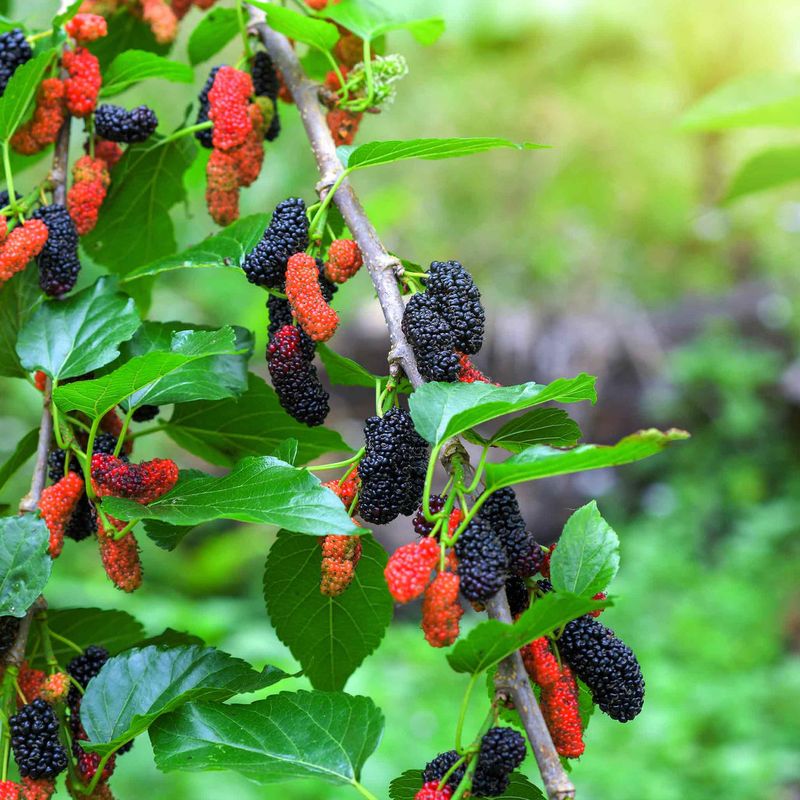
Mulberry trees are legendary for their fast growth and generous fruit production, making them a favorite for California gardeners who want quick results and abundant harvests.
These trees can grow several feet per year and often start producing fruit within two to three years after planting, with some varieties bearing small crops even sooner.
The berries are sweet, juicy, and delicious fresh or made into jams, pies, and smoothies, and the trees produce heavily throughout the late spring and summer months.
Mulberries thrive in California’s warm climate and tolerate a wide range of soil types, though they prefer well-draining soil and full sun for best fruit production.
Varieties like Persian, Pakistan, and Dwarf Everbearing are popular choices for California growers, offering different berry sizes and flavors to suit your taste.
The trees are remarkably low-maintenance and drought-tolerant once established, making them a practical choice for water-conscious landscapes.
Pruning helps control the tree’s size and shape, and removing lower branches can keep the fruit easier to harvest and reduce mess on the ground.
Mulberries are also highly attractive to birds, so netting may be necessary if you want to protect your harvest.
With their rapid growth, heavy production, and minimal care requirements, mulberry trees are an excellent option for California gardeners looking to maximize fruit yield in a short amount of time.
9. Loquat Trees For Early-Season Fruit
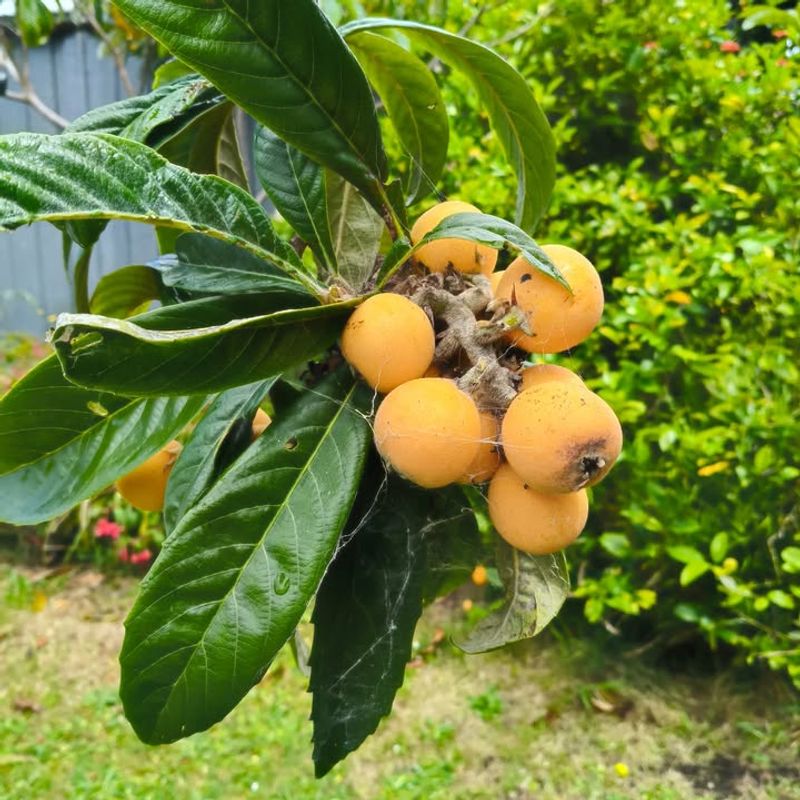
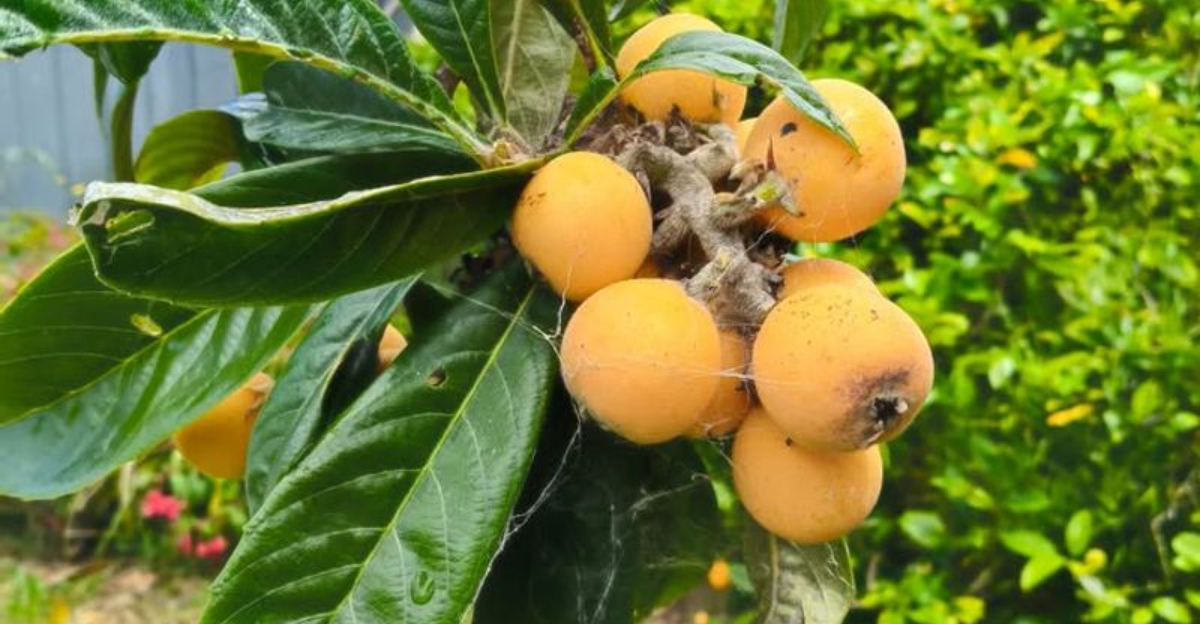
Loquat trees are fast-growing evergreens that produce delicious fruit earlier in the season than almost any other fruit tree, making them a unique and valuable addition to California gardens.
These trees can start bearing fruit within two to three years, and the loquats ripen in late winter to early spring, providing fresh fruit when few other trees are harvesting.
The fruit has a sweet, tangy flavor with hints of apricot and mango, and it’s perfect for eating fresh, making preserves, or baking into desserts.
Loquats thrive in California’s mild climate and tolerate a wide range of soil conditions, though they prefer well-draining soil and full sun for the best fruit production.
The trees are also remarkably drought-tolerant once established, making them a smart choice for water-wise landscaping.
Loquats grow quickly and can reach heights of fifteen to twenty-five feet, with attractive glossy green leaves that provide year-round beauty and shade.
One of the best features of loquat trees is their low maintenance requirements, as they need very little pruning and are generally pest-free and disease-resistant.
The fragrant white flowers that appear in fall add visual interest and attract pollinators to your garden.
With their rapid growth, early-season fruit, and minimal care needs, loquat trees are a fantastic choice for California gardeners looking to extend their harvest season and enjoy fresh fruit when other trees are still dormant.
10. Apple Trees For Cooler California Zones
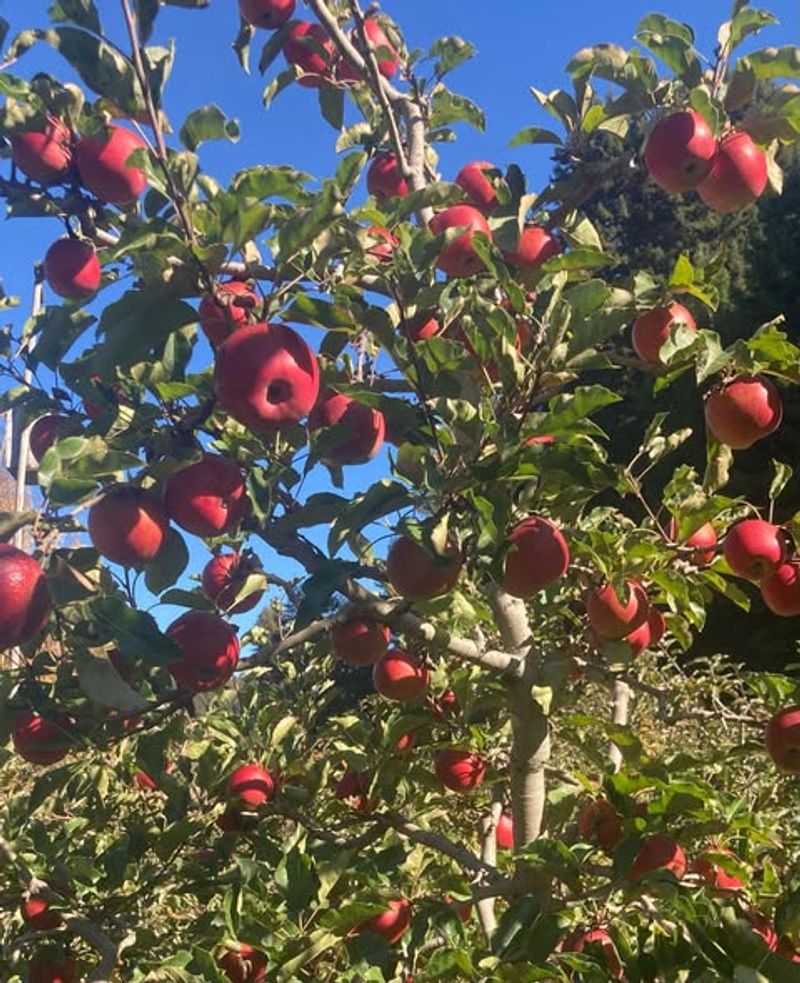
Apple trees are a classic choice for Northern California and mountain regions, where cooler temperatures and adequate chill hours create perfect conditions for many varieties to thrive and produce quickly.
Low-chill apple varieties like Anna, Dorsett Golden, and Fuji are especially well-suited to California’s diverse climate zones and can start bearing fruit within two to three years after planting.
These apples taste crisp, sweet, and refreshing, making them perfect for fresh eating, baking, and cider making.
Apples prefer full sun and well-draining soil, and they benefit from regular watering during the growing season to support healthy fruit development.
Cooler regions with more pronounced seasons provide the chill hours that apples need to set fruit properly, while low-chill varieties adapt well to milder areas.
Pruning in late winter helps shape the tree, encourages strong branching, and improves air circulation, which reduces the risk of fungal diseases.
Thinning fruit in early summer ensures that the remaining apples grow larger and sweeter, and it prevents branches from breaking under the weight of heavy crops.
Apple trees also benefit from cross-pollination, so planting two or more compatible varieties nearby can significantly improve fruit set and yields.
With the right variety selection and proper care, apple trees can be fast-growing and productive in California’s cooler zones, rewarding you with delicious homegrown fruit for years to come.
11. Apricot For Fast, Flavorful Harvests
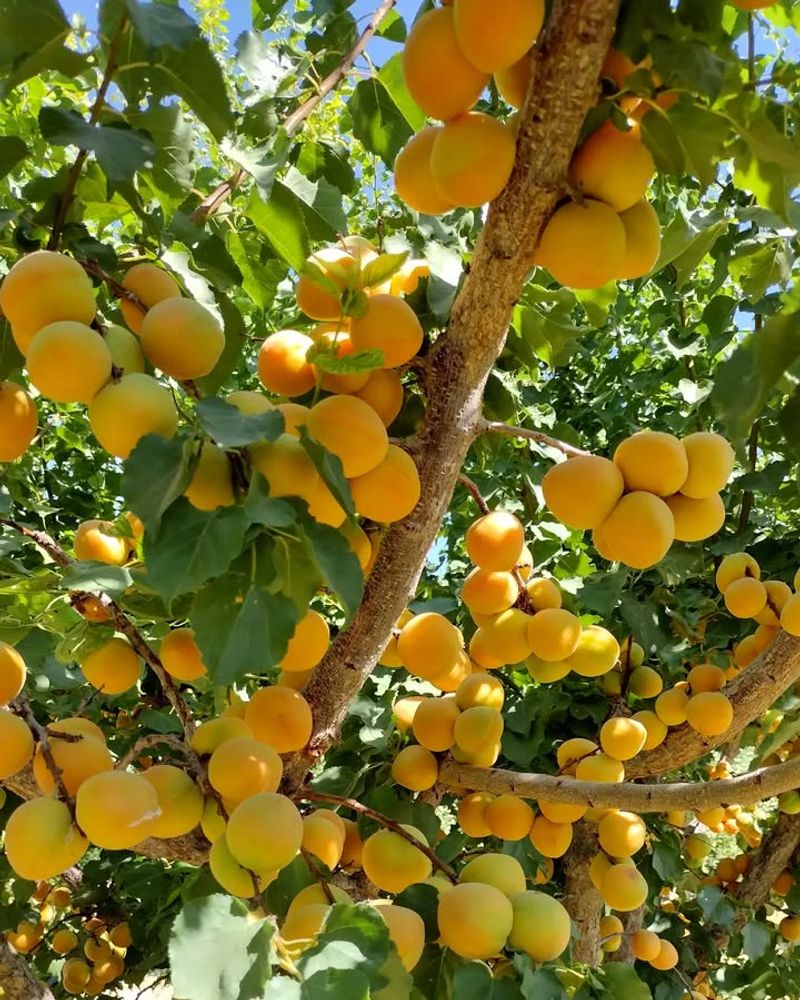
Apricot trees are one of the best choices for California gardeners who want a fruit tree that grows quickly and begins producing earlier than most.
Thanks to California’s long growing season and abundant sunshine, apricots establish fast and often bear fruit within just two to three years after planting.
They thrive in well-drained soil and full sun, and once their roots are settled, they need less water than many other fruit trees, making them well suited to both inland and coastal climates.
Apricots bloom early in the season, filling the tree with soft pink and white flowers that attract pollinators and signal that spring has arrived.
By late spring or early summer, those blossoms turn into sweet, golden fruit that ripens weeks before peaches and many plums, giving you one of the first fresh harvests of the year.
With proper pruning and light thinning, a healthy apricot tree can produce heavy crops without growing too large, making it ideal for backyard orchards and home gardens.
For California growers who want fast results, rich flavor, and a tree that doesn’t require constant attention, apricot delivers an unbeatable combination of beauty, productivity, and early reward.