Easy Ways To Start A Simple Vegetable Garden In Arizona
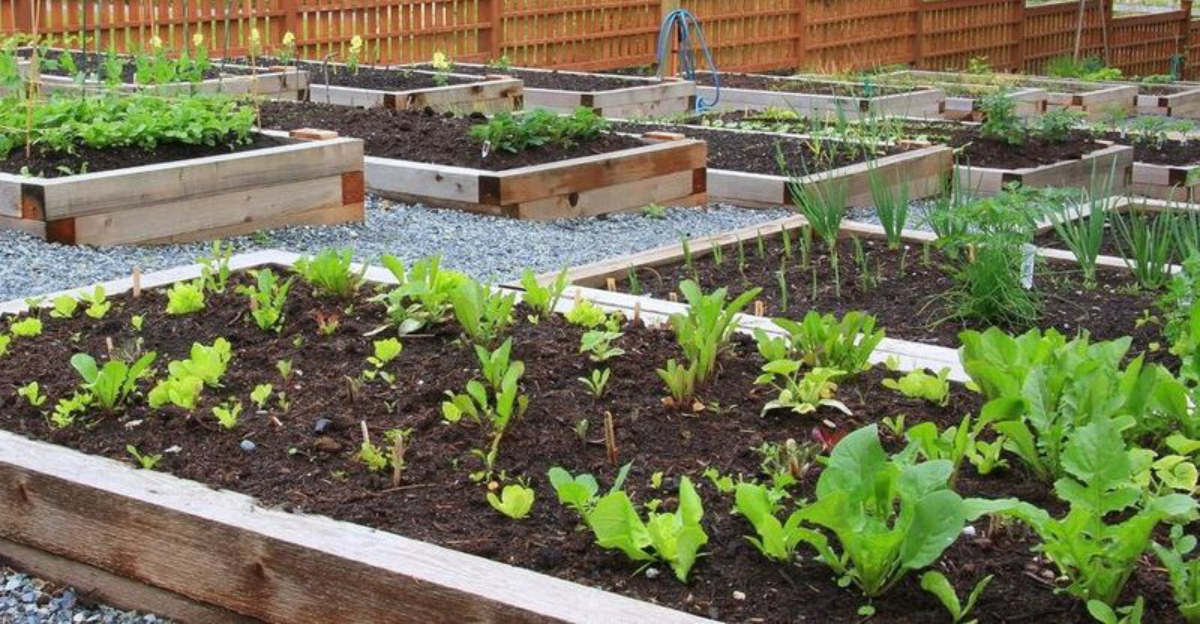
Starting a vegetable garden in Arizona might sound challenging, especially with the region’s dry climate and intense sun, but it’s more doable than you think. In fact, Arizona’s long growing season and sunny skies can be a major advantage once you learn how to work with them.
Whether you’re working with a backyard, a balcony, or just a few containers, there are simple steps you can take to start growing your own fresh, homegrown produce.
With a little planning and the right plant choices, even beginners can enjoy crisp lettuce, juicy tomatoes, spicy peppers, and more, right outside their door.
The key to success is knowing when and what to plant. Arizona’s gardening calendar looks different from other parts of the country, and that’s actually good news. You can grow something almost year-round with proper timing. By starting small and keeping things simple, you’ll build confidence and harvests as you go.
1. Understand Arizona’s Unique Planting Seasons
Arizona gardeners enjoy a special advantage that many other states do not have, which is the ability to grow vegetables during multiple seasons throughout the year. Unlike traditional spring and summer gardens in cooler climates, Arizona has two main planting seasons that work best for different types of vegetables.
The fall and winter months, from September through February, are ideal for cool-season crops like lettuce, broccoli, carrots, and spinach because the temperatures are mild and comfortable for these plants. During this time, the Arizona climate mimics what spring feels like in other parts of the country, giving you perfect growing conditions.
When summer arrives with its intense heat, many cool-season vegetables will struggle and bolt, which means they stop producing and go to seed. However, this is when warm-season crops like tomatoes, peppers, squash, and melons truly thrive if planted at the right time.
Most warm-season vegetables should actually be planted in early spring, around March or April in Arizona, so they can establish strong roots before the extreme summer heat arrives.
Some experienced Arizona gardeners even grow heat-loving crops during summer if they provide adequate shade and consistent watering.
Understanding these two distinct growing seasons will completely change your gardening success rate in Arizona. Many beginners make the mistake of trying to plant tomatoes in June or lettuce in July, only to watch their plants struggle in conditions they were not meant for.
By timing your planting according to Arizona’s climate, you work with nature instead of fighting against it. Local nurseries and extension offices often provide planting calendars specific to your Arizona zone, which can be incredibly helpful as you plan your garden throughout the year.
2. Choose The Right Vegetables For Desert Conditions
Not every vegetable will be happy growing in the Arizona desert, so picking varieties that can handle the unique conditions will save you a lot of frustration and disappointment.
Some vegetables naturally tolerate heat better than others, while certain varieties have been specifically bred to thrive in hot, dry climates like those found across Arizona.
Your Arizona Garden Changes Every Week. Your Plan Should Too.
Gardening in Arizona changes quickly throughout the season. Every Friday you’ll receive a simple weekly plan showing exactly what to plant, prune, fertilize, harvest, and protect so you never miss the right timing.
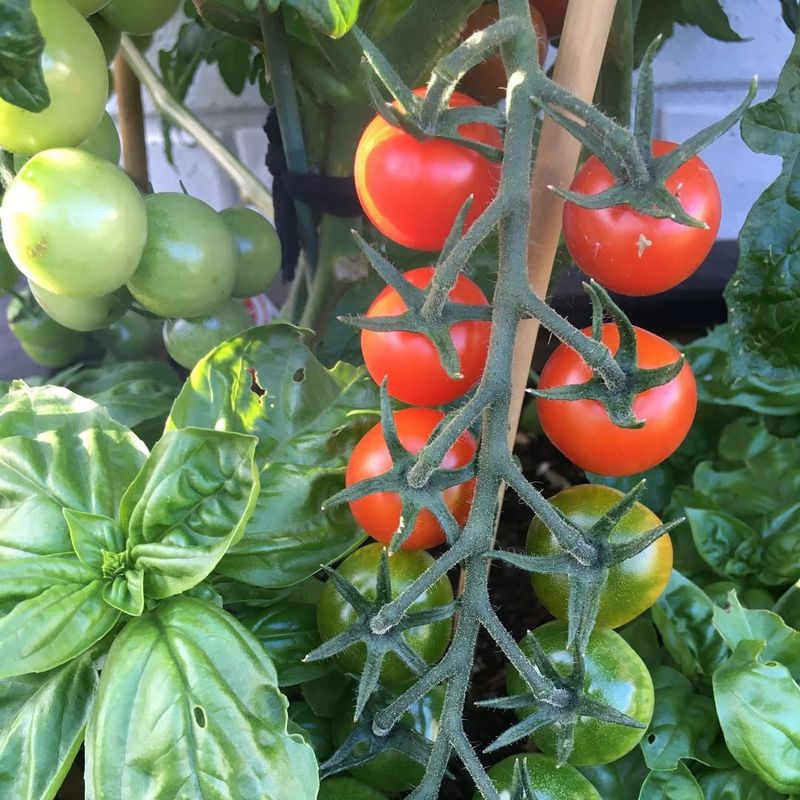
Tomatoes are a favorite among Arizona gardeners, but choosing heat-tolerant varieties like Phoenix, Heatwave, or Surefire will give you much better results than standard types that might wilt under intense sun.
Peppers are another excellent choice for Arizona because they actually love the heat and will produce abundantly throughout the warm months. Both sweet bell peppers and hot varieties like jalapenos and serranos grow exceptionally well in Arizona gardens.
Squash and zucchini are also great options since they grow quickly and can handle the warmth, though they do need consistent watering to produce well. For cooler months, leafy greens like lettuce, kale, Swiss chard, and spinach will flourish and provide you with fresh salads all winter long.
Root vegetables such as carrots, beets, and radishes also do wonderfully during Arizona’s mild winters. Herbs like basil, cilantro, and oregano can be grown nearly year-round with some protection during extreme temperatures.
Avoid vegetables that prefer consistently cool temperatures, like peas and Brussels sprouts, unless you can provide them with ideal microclimates. Many Arizona gardeners have found that choosing regionally appropriate varieties makes all the difference between a struggling garden and one that produces abundantly.
Visit local nurseries in Arizona that stock varieties specifically selected for desert growing, and do not hesitate to ask experienced staff for their recommendations.
3. Improve Your Soil With Organic Matter
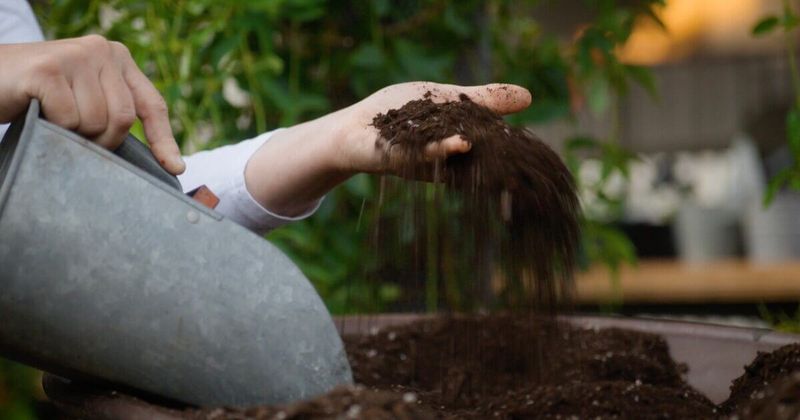
Arizona soil presents one of the biggest challenges for new vegetable gardeners because the native desert soil is often rocky, compacted, and lacking in the nutrients and organic matter that vegetables need to thrive.
Most Arizona soil is alkaline with a high pH, which can make it difficult for plants to absorb essential nutrients even when they are present in the ground.
The good news is that you can dramatically improve your soil quality by adding plenty of organic matter, which helps create the loose, rich environment that vegetable roots love.
Compost is absolutely your best friend when gardening in Arizona. Adding several inches of quality compost to your garden beds will improve soil structure, help retain moisture, and provide slow-release nutrients that feed your plants throughout the growing season.
You can make your own compost from kitchen scraps and yard waste, or purchase it from local suppliers in Arizona who understand what desert gardens need. Well-aged manure is another excellent amendment that adds both nutrients and organic matter, though it should be composted first to avoid burning plant roots.
Many successful Arizona gardeners also add materials like coconut coir or peat moss to help improve water retention in the sandy, fast-draining desert soil. Some also incorporate vermiculite or perlite to improve soil texture and aeration.
Before planting, work these amendments into your soil to a depth of at least 12 inches to give roots plenty of room to grow and access nutrients.
Testing your soil pH through your local Arizona extension office can also help you understand what specific amendments your garden might need to create the ideal growing environment for vegetables.
4. Set Up An Efficient Watering System

Water management is absolutely critical for vegetable gardening success in Arizona because the desert climate means water evaporates quickly and plants can become stressed without consistent moisture.
Hand watering with a hose might seem simple at first, but it can become time-consuming and often leads to uneven watering that stresses plants and reduces production.
Setting up an efficient watering system from the start will save you time, conserve water, and help your vegetables grow much more consistently throughout the season.
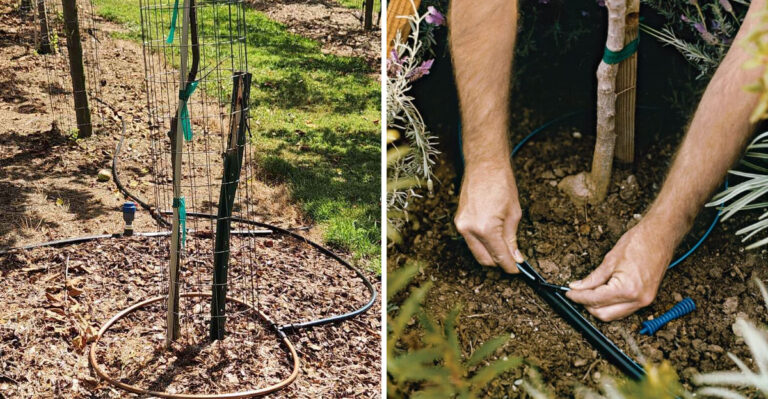
Drip irrigation is considered the gold standard for Arizona vegetable gardens because it delivers water directly to plant roots with minimal waste from evaporation. These systems use tubes with small emitters that slowly drip water right where plants need it most, keeping the soil consistently moist without overwatering.
You can purchase affordable drip irrigation kits at most garden centers throughout Arizona, and they are surprisingly easy to install even for complete beginners. Drip systems also help prevent fungal diseases that can develop when leaves stay wet from overhead watering.
Soaker hoses are another excellent option that work similarly to drip irrigation but are even simpler to set up and move around as needed. These porous hoses allow water to seep out slowly along their entire length, making them perfect for vegetable rows.
Whatever system you choose, adding a timer will make your life much easier by automatically watering your garden at the best times, usually early morning or evening when evaporation rates are lowest in Arizona.
Mulching around your plants with straw or wood chips will further reduce water needs by keeping soil cooler and slowing evaporation, which is especially important during Arizona’s scorching summer months.
5. Provide Shade During Intense Summer Heat
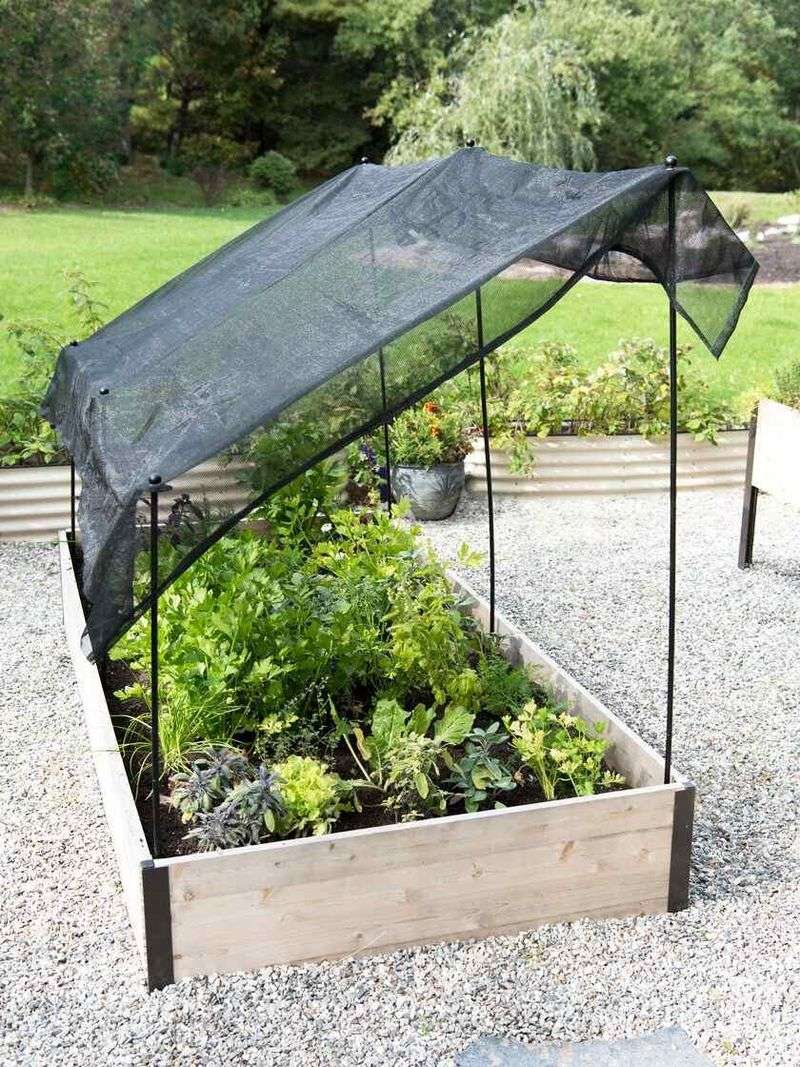
Even heat-loving vegetables can struggle when Arizona summer temperatures regularly soar above 100 degrees, and the intense desert sun can actually damage plants and reduce production during the hottest months.
Providing strategic shade for your vegetable garden during summer is one of the smartest things you can do to extend your growing season and keep plants productive when temperatures climb.
Shade does not mean complete darkness, but rather filtering the harsh afternoon sun while still allowing plants to receive the light they need for growth.
Shade cloth is an inexpensive and highly effective solution used by Arizona gardeners throughout the state. This woven fabric comes in different densities, typically ranging from 30 percent to 70 percent shade, and can be suspended over your garden beds using posts or frames.
For most vegetables during Arizona summers, a 40 to 50 percent shade cloth works well, blocking enough sun to keep temperatures manageable while still allowing sufficient light for photosynthesis. Many gardeners install shade structures that can be easily removed during cooler months when full sun is beneficial.
You can also create natural shade by planting taller crops on the south or west side of your garden to protect more delicate vegetables from the afternoon sun.
Some Arizona gardeners grow vegetables under trees that provide dappled shade, though you need to be careful about root competition and ensure your plants still receive adequate light.
Even something as simple as an old bedsheet suspended over tomato plants during a heat wave can prevent sunscald and keep them producing.
Remember that shade becomes especially important in low desert areas of Arizona like Phoenix and Tucson where summer temperatures are most extreme and can stress even the toughest vegetable varieties.
6. Start Small And Expand As You Learn
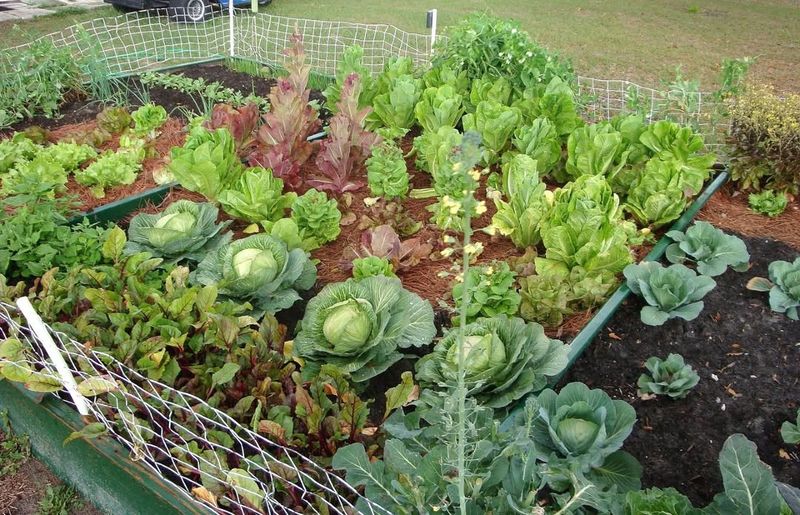
One of the biggest mistakes new gardeners make in Arizona is starting with a garden that is too large and then feeling overwhelmed when they cannot keep up with the watering, weeding, and maintenance required. Beginning with a small, manageable space allows you to learn the unique rhythms of desert gardening without becoming discouraged or exhausted by the workload.
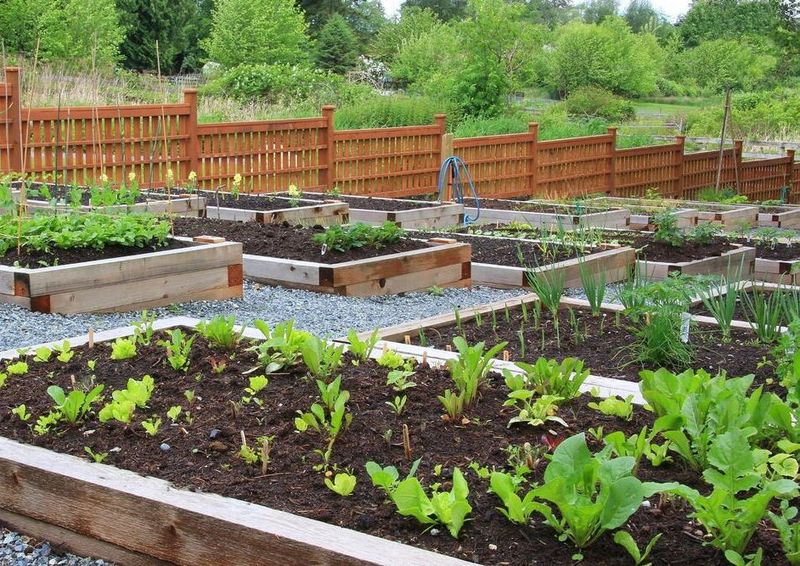
A garden bed that is just four feet by eight feet can produce a surprising amount of vegetables when properly cared for, and success with a small space will give you the confidence and knowledge to expand in future seasons.
Starting small also means you can focus your resources on doing things right, like properly amending the soil, setting up a good watering system, and choosing the best varieties for Arizona conditions.
You will have time to observe how different vegetables perform in your specific location, learn about pest issues common to your area, and figure out the timing that works best for planting.
Many experienced Arizona gardeners recommend beginning with just three or four types of vegetables that you actually enjoy eating, rather than trying to grow everything at once.
Container gardening is another excellent way to start small, especially if you have limited yard space or want to test the waters before committing to in-ground beds. Pots and containers can be moved to take advantage of sun and shade as seasons change in Arizona, and they can be easier to manage for beginners.
As you gain experience and confidence, you can gradually add more beds or containers to your garden. Remember that gardening in Arizona is a learning process, and every season will teach you something new about what works best in your specific location and climate zone.
Patience and starting small will lead to much greater long-term success and enjoyment.