These Are The Best Ways To Create A Low-Maintenance Front Yard Feature In Arizona
If you live in Arizona, you already know your front yard doesn’t need to be filled with grass to look beautiful. In fact, in a dry and often scorching climate like Arizona’s, low-maintenance landscaping isn’t just convenient, it’s smart.
By designing a front yard that thrives with little water, fewer resources, and minimal upkeep, you can still have a stunning space that turns heads and welcomes guests year-round.
From native plants that don’t mind the heat to creative hardscape features that reduce maintenance altogether, there are plenty of simple ways to transform your yard into something both functional and beautiful.
Imagine a yard filled with bold textures, warm colors, and resilient plants that do the hard work for you. Whether you want to cut down on your water bill, save time, or simply embrace the Southwestern style, there are easy ways to do it without sacrificing curb appeal.
Don’t let your front yard be a source of stress. Discover how you can create a stunning low-maintenance landscape that works with Arizona’s climate, not against it. These smart ideas will help you build a yard that’s not only easy to care for, but also hard to forget.
1. Native Desert Plants That Thrive Without Fussing
Arizona’s natural landscape offers an incredible variety of plants that have adapted to survive with minimal water and care.
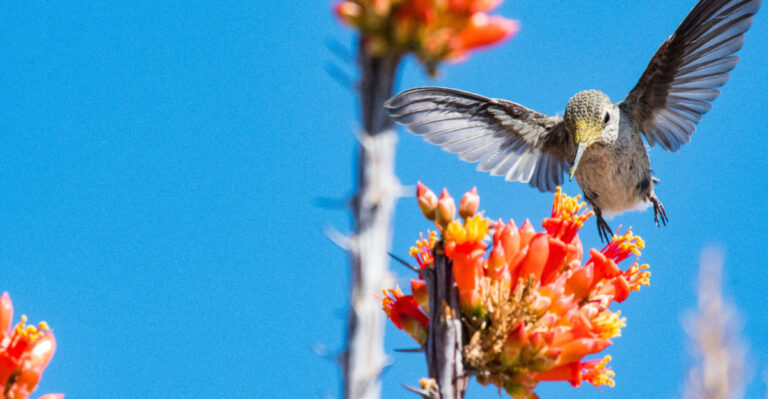
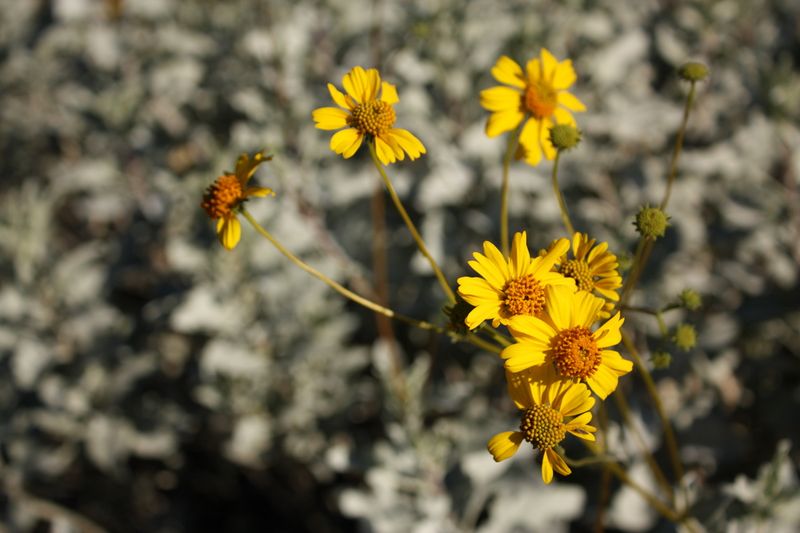
Palo verde trees, ocotillo, and desert marigolds are just a few examples of native species that can transform your front yard into a colorful, vibrant space.
These plants have evolved over thousands of years to handle the extreme conditions, which means they require far less attention than traditional landscaping choices.
Choosing native plants reduces your water bill significantly since they need watering only occasionally once established. Many Arizona natives also provide beautiful seasonal blooms that add bursts of color throughout the year.
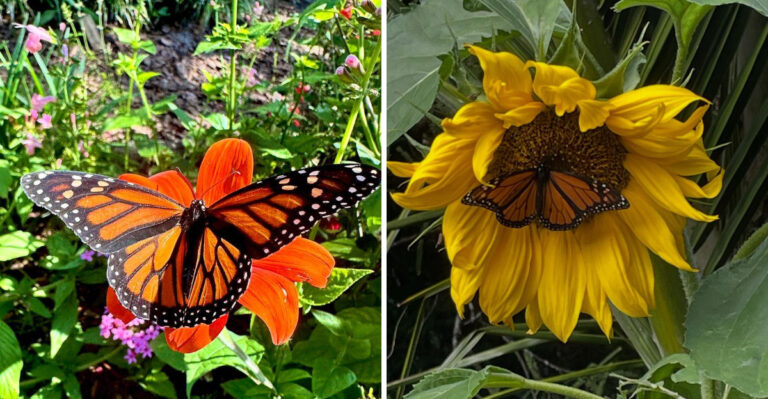
Desert marigolds produce cheerful yellow flowers, while brittlebush offers bright blooms in spring that attract butterflies and hummingbirds.
Another advantage is that native plants rarely need fertilizers or pesticides since they are naturally resistant to local pests and diseases.
This makes them an environmentally friendly choice that supports local wildlife. Planting a mix of different native species creates visual interest with varied textures, heights, and colors.
When selecting native plants for your Arizona front yard, consider grouping them according to their water needs to make irrigation even simpler. Visit local nurseries that specialize in desert plants to get advice on the best options for your specific area.
With native desert plants, you get a beautiful landscape that practically takes care of itself while celebrating the unique beauty of the Arizona desert.
2. Decorative Rock And Gravel Groundcover
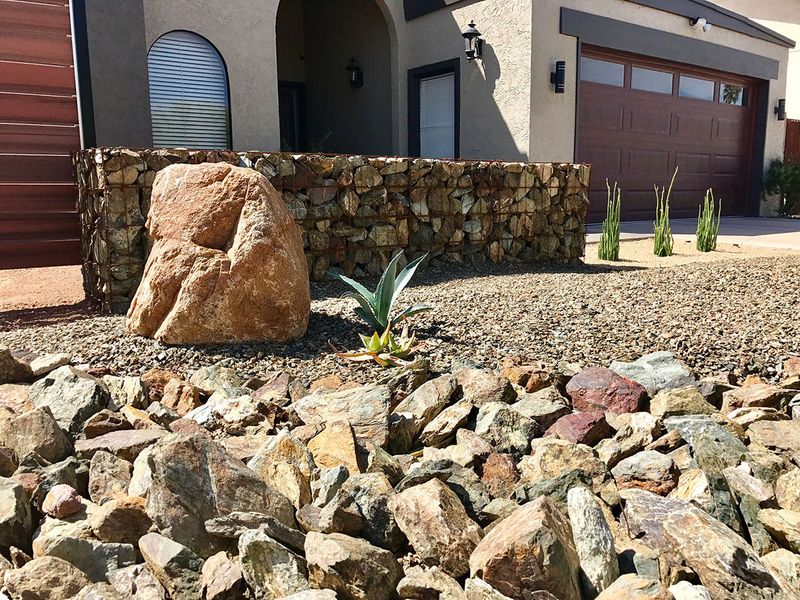
Replacing traditional grass with decorative rock or gravel is one of the smartest moves you can make for a low-maintenance Arizona front yard. Grass lawns demand constant watering, mowing, and fertilizing, which is both expensive and time-consuming in the desert climate.
Decorative rock comes in numerous colors, sizes, and textures, allowing you to create a customized look that complements your home’s style.
Your Arizona Garden Changes Every Week. Your Plan Should Too.
Gardening in Arizona changes quickly throughout the season. Every Friday you’ll receive a simple weekly plan showing exactly what to plant, prune, fertilize, harvest, and protect so you never miss the right timing.
River rock, pea gravel, and crushed granite are popular choices that provide excellent coverage while preventing weed growth. The rocks also help retain moisture in the soil beneath, which benefits any plants you include in your design.
Unlike grass, rock groundcover never needs mowing, watering, or reseeding, making it the ultimate low-maintenance solution.
Installing decorative rock is relatively straightforward, though proper preparation is important for long-lasting results.
Start by laying down landscape fabric to prevent weeds from pushing through. Then add a layer of rock at least two to three inches deep for adequate coverage.
Different rock colors can create distinct moods in your yard. Tan and beige tones blend naturally with the Arizona landscape, while red or black rocks make a bold statement.
You can even combine different rock types to create patterns or define separate areas. Many homeowners in Arizona use decorative rock to create pathways, borders around plant beds, or as a complete groundcover.
This approach dramatically reduces yard maintenance while giving you a clean, polished appearance that stays attractive year-round.
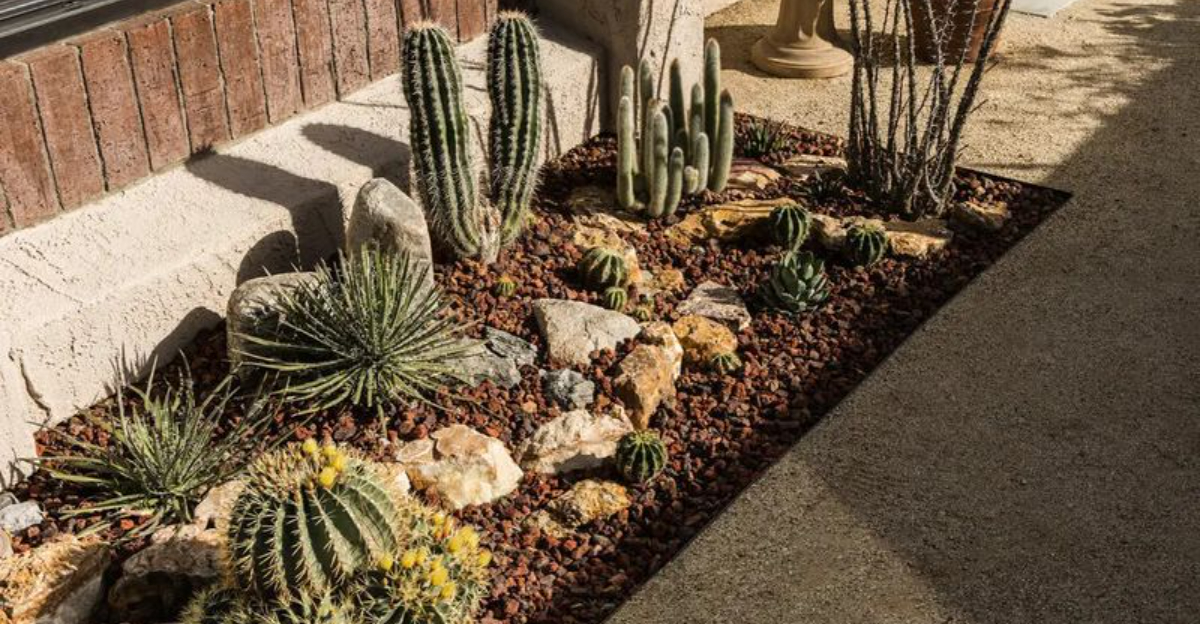
3. Drought-Tolerant Succulents And Cacti Gardens
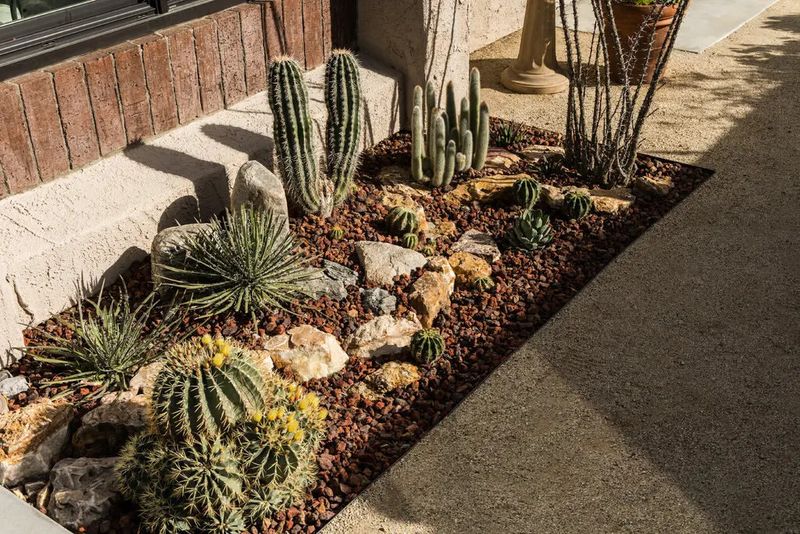
Succulents and cacti are nature’s water-saving champions, making them perfect for Arizona front yards. These remarkable plants store water in their thick leaves and stems, allowing them to survive long periods without rainfall or irrigation.
Agave, aloe vera, and various cactus species create stunning visual displays with their unique shapes and occasional spectacular blooms. A well-designed succulent garden requires almost no maintenance once established.
Most varieties need watering only once every few weeks during hot months and even less during cooler seasons. They also resist most pests and diseases naturally, eliminating the need for chemical treatments.
Mixing different types of succulents and cacti creates interesting contrasts in form, size, and color. Tall saguaro or barrel cacti can serve as focal points, while low-growing sedums and echeverias fill in spaces between rocks.
Some succulents, like certain agave varieties, produce dramatic flower stalks that reach impressive heights. When planting succulents and cacti, ensure your soil drains well since these plants cannot tolerate standing water.
Adding sand or pumice to your soil improves drainage significantly. Arrange your plants in groupings that mimic natural desert clusters for an authentic Arizona look.
Many succulents change colors with the seasons or stress, adding another layer of visual interest to your landscape.
From blue-grey agaves to purple-tinged echeverias, these plants offer far more variety than most people realize. A succulent and cactus garden gives you a stunning, sculptural landscape that thrives on neglect.
4. Artificial Turf For Green Spaces Without Watering
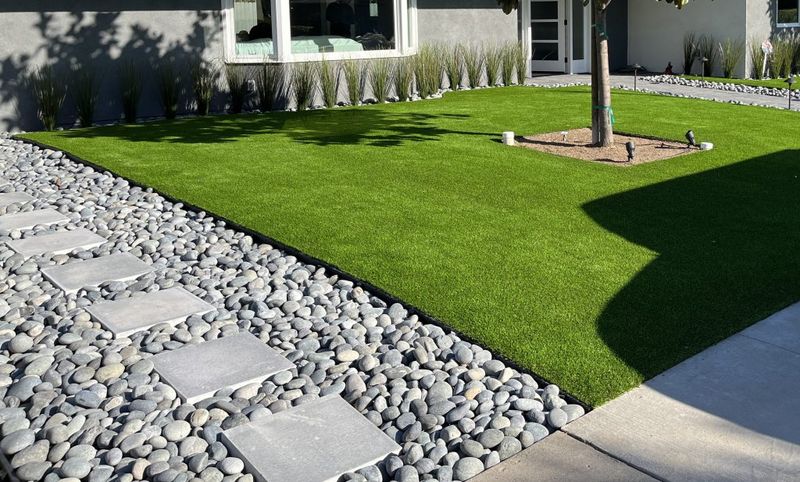
If you love the look of a green lawn but hate the maintenance, modern artificial turf offers an excellent compromise for Arizona homeowners. Today’s synthetic grass looks remarkably realistic, with varied blade colors and textures that mimic natural grass.
Unlike real lawns, artificial turf never needs mowing, watering, or fertilizing, saving you countless hours and substantial money on water bills.
Quality artificial turf can last fifteen to twenty years with minimal care, making it a worthwhile investment. It stays green and lush throughout the year, regardless of Arizona’s extreme heat or occasional cold snaps.
Many newer products include cooling technology that reduces surface temperature, making the turf more comfortable during hot summer months.
Installation requires proper ground preparation, including removing existing grass, grading the soil, and adding a base layer of crushed rock for drainage.
Once installed, artificial turf only needs occasional rinsing to remove dust and debris. Pet owners appreciate that artificial turf is easy to clean and does not develop muddy patches or worn spots.
Artificial turf works well for small areas where you want a touch of green without committing to high-maintenance grass. Consider using it for a small front lawn area, around walkways, or as accent strips between hardscaping elements.
The upfront cost is higher than seeding natural grass, but the long-term savings in water, maintenance, and time make it economical.
Many Arizona municipalities offer rebates for removing grass and installing water-wise alternatives, which can help offset installation costs. Artificial turf gives you the aesthetic appeal of grass without any of the typical lawn care headaches.
5. Mulched Plant Beds With Desert-Adapted Shrubs
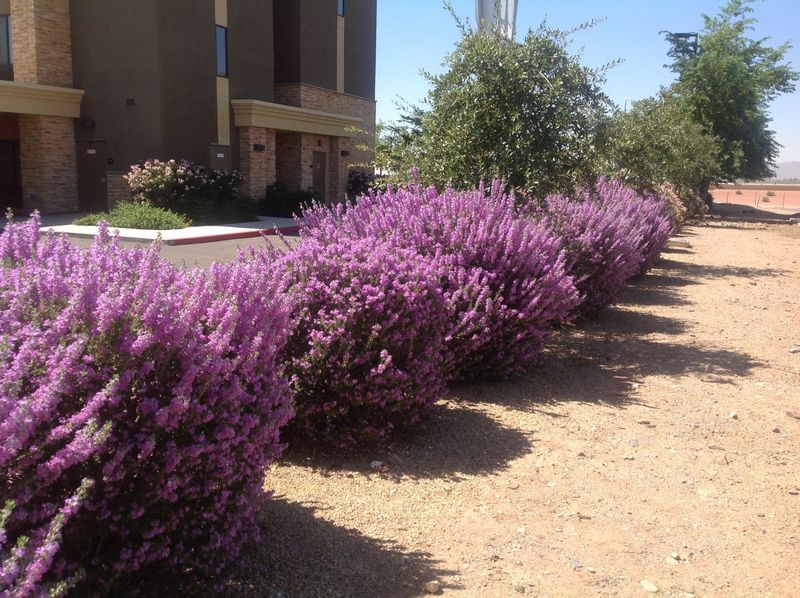
Creating defined plant beds filled with desert-adapted shrubs and topped with organic mulch combines beauty with practicality.
Shrubs like Texas ranger, desert spoon, and fairy duster provide structure, color, and texture while requiring minimal water once their roots establish.
Mulch helps retain soil moisture, regulates temperature, and gradually improves soil quality as it breaks down. Desert-adapted shrubs offer seasonal interest with colorful blooms and attractive foliage throughout the year.
Texas ranger produces purple flowers after summer rains, while red bird of paradise blooms continuously from spring through fall. These shrubs naturally maintain compact shapes, reducing the need for frequent pruning.
Organic mulches like shredded bark or wood chips work well in Arizona, though they need replenishing every year or two as they decompose.
Some homeowners prefer inorganic mulches like decomposed granite, which lasts longer and complements the desert aesthetic. Either option helps prevent weeds and keeps your plant beds looking tidy.
When designing mulched beds, create flowing, curved edges rather than straight lines for a more natural appearance.
Group shrubs in odd numbers (threes or fives) for visual appeal, and leave adequate space between plants for growth. This prevents overcrowding and reduces competition for water and nutrients.
Mulched plant beds require occasional weeding and mulch topping, but overall maintenance is minimal compared to traditional landscaping.
The combination of hardy shrubs and protective mulch creates an attractive, cohesive look that enhances your Arizona home’s curb appeal while respecting the desert environment and your valuable time.
6. Hardscaping With Pavers And Pathways
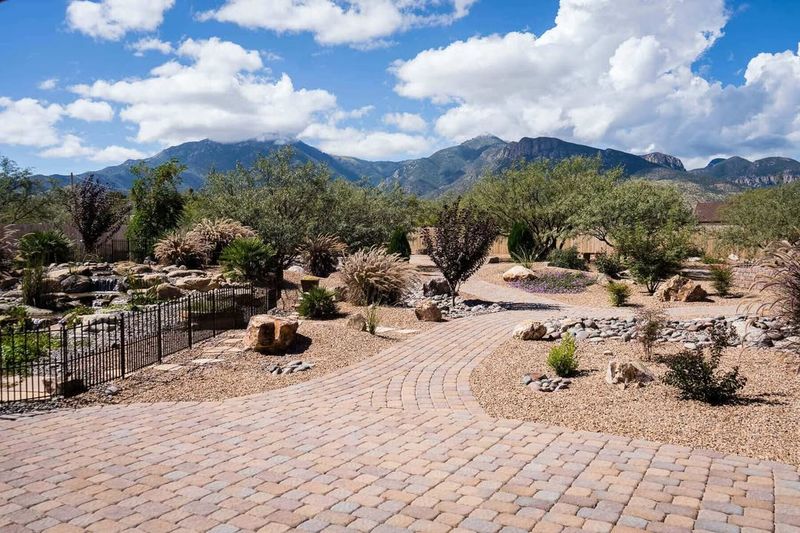
Incorporating hardscaping elements like pavers, flagstone pathways, and decorative borders reduces the amount of plantable area while adding structure and visual interest to your Arizona front yard.
Hardscaping requires virtually no maintenance beyond occasional sweeping or rinsing, making it an ideal feature for busy homeowners.
Stone, concrete, and brick materials withstand Arizona’s intense sun and temperature fluctuations without deteriorating.
Pathways guide visitors through your landscape while protecting plants from foot traffic. Flagstone creates a natural, rustic look that complements desert surroundings, while concrete pavers offer clean lines and modern appeal.
You can arrange pavers in various patterns, from simple straight lines to intricate designs that become focal points.
Hardscaping also helps with drainage and erosion control during Arizona’s occasional heavy rains. Properly installed pathways and patios allow water to flow where needed rather than pooling in unwanted areas.
Permeable pavers are especially beneficial as they let water soak into the ground while providing solid surfaces. Consider adding a small seating area with pavers or a decorative rock garden bordered by stone edging.
These features increase your usable outdoor space while decreasing maintenance demands. Mixing hardscaping with strategic plant placement creates balance and prevents your yard from looking barren.
The initial investment in quality hardscaping pays off through decades of low-maintenance beauty. Unlike wooden decks that require staining or grass that needs constant care, stone and concrete elements simply endure.
Many Arizona homeowners find that expanding their hardscaping reduces yard work dramatically while creating elegant, functional outdoor spaces that enhance their home’s value and appeal.
7. Drip Irrigation Systems For Efficient Watering
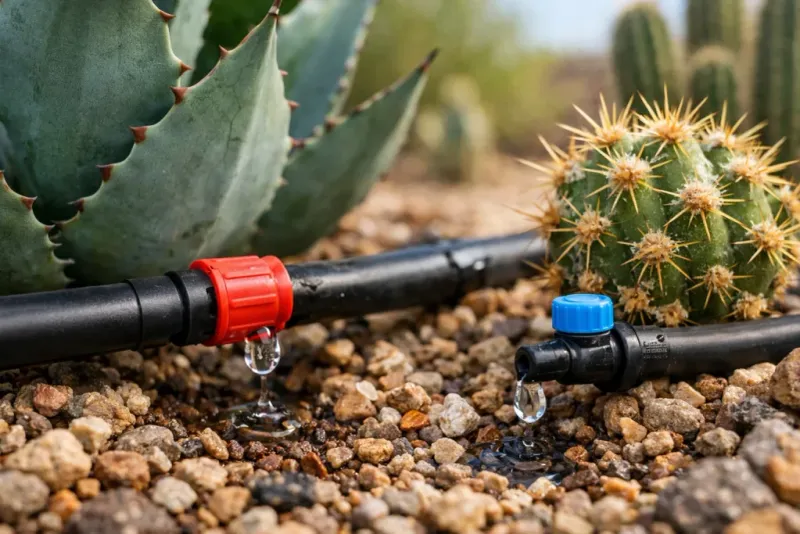
Installing a drip irrigation system is one of the best investments you can make for a low-maintenance Arizona landscape. Unlike traditional sprinklers that waste water through evaporation and overspray, drip systems deliver water directly to plant roots where it is needed most.
This targeted approach uses up to fifty percent less water while keeping plants healthier and reducing weed growth in unplanted areas.
Drip irrigation systems work perfectly with Arizona’s desert plants, which prefer infrequent deep watering rather than frequent shallow watering.
You can customize the system to provide different amounts of water to different plants based on their specific needs. Emitters, small devices that control water flow, can be adjusted for each plant.
Modern drip systems connect to timers that automatically water your landscape on a set schedule, eliminating the need to remember when to water.
Many newer systems include smart controllers that adjust watering based on weather conditions, further reducing water waste. Once installed and programmed, your system runs automatically, freeing you from watering duties.
Installation is more involved than simply turning on a hose, but many homeowners successfully install basic drip systems themselves using kits from home improvement stores.
The system includes mainline tubing, smaller distribution tubing, emitters, and stakes to hold everything in place.Professional installation ensures optimal design and coverage if you prefer expert help.
Drip irrigation systems require minimal maintenance, usually just checking for clogged emitters or damaged tubing once or twice yearly. The water savings alone typically pay for the system within a few years, and the convenience is priceless.
For Arizona homeowners committed to low-maintenance landscaping, drip irrigation is an essential component that keeps plants thriving with minimal effort.