Don’t Make These 7 Garden Mistakes Before Oregon Spring Rains
Many Oregon gardeners have had that moment of looking back and thinking, ‘I didn’t see that coming.’ It happens to a lot of us, especially here in Oregon where spring rains can change everything almost overnight.
You might be feeling eager to get started, pulling weeds, planting early, or cleaning things up before the season really begins.
But have you ever paused and wondered if now is truly the right time?
Oregon spring rain has a way of magnifying garden mistakes. Soil gets compacted, roots sit in too much moisture, and plants can struggle before they’ve even had a chance to grow.
Even well-meaning tasks, done a little too early, can create issues that linger all season long. It’s not about doing less, just doing things in the right order.
If you’ve ever felt frustrated watching a garden underperform despite your best efforts, you’re not alone. Gardening here comes with its own learning curve, and mistakes are part of it.
1. Ignoring Drainage Problems
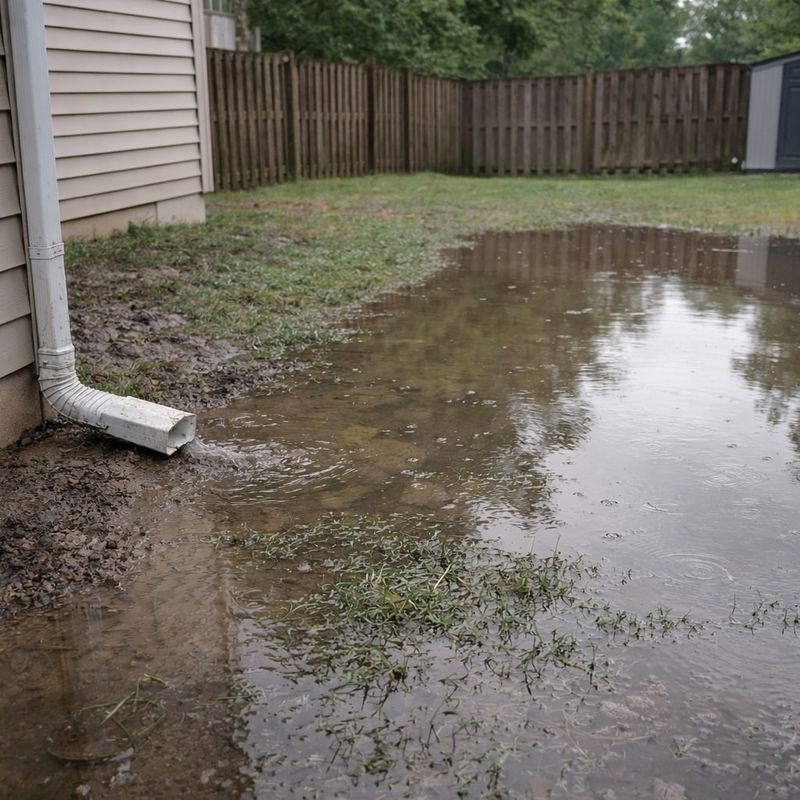
Water pooling in your garden beds might seem harmless at first. A puddle here and there after a light rain does not always raise alarms.
But once Oregon’s spring rains really start, those same spots can turn into swampy messes that drown plant roots and invite pests.
Poor drainage happens when soil gets too compacted or when your beds sit in low spots. Clay-heavy soil, common in many Oregon yards, makes the problem worse because it does not absorb water quickly.
Roots need oxygen, and standing water cuts off that supply fast.
Before the rains begin, walk around your garden and look for areas where water tends to collect. You can fix these spots by adding organic matter like compost to improve soil structure.
Raised beds also work well if you have persistent drainage issues.
Another simple trick is to create gentle slopes or swales that guide water away from plant roots. Even a small adjustment in grade can make a huge difference.
Do not wait until your garden turns into a pond to address this issue.
Good drainage supports healthy root systems and reduces the risk of rot and disease. Taking time now to improve water flow will pay off all season long.
Your plants will thank you when they can breathe even during the wettest weeks of spring.
2. Planting Too Early
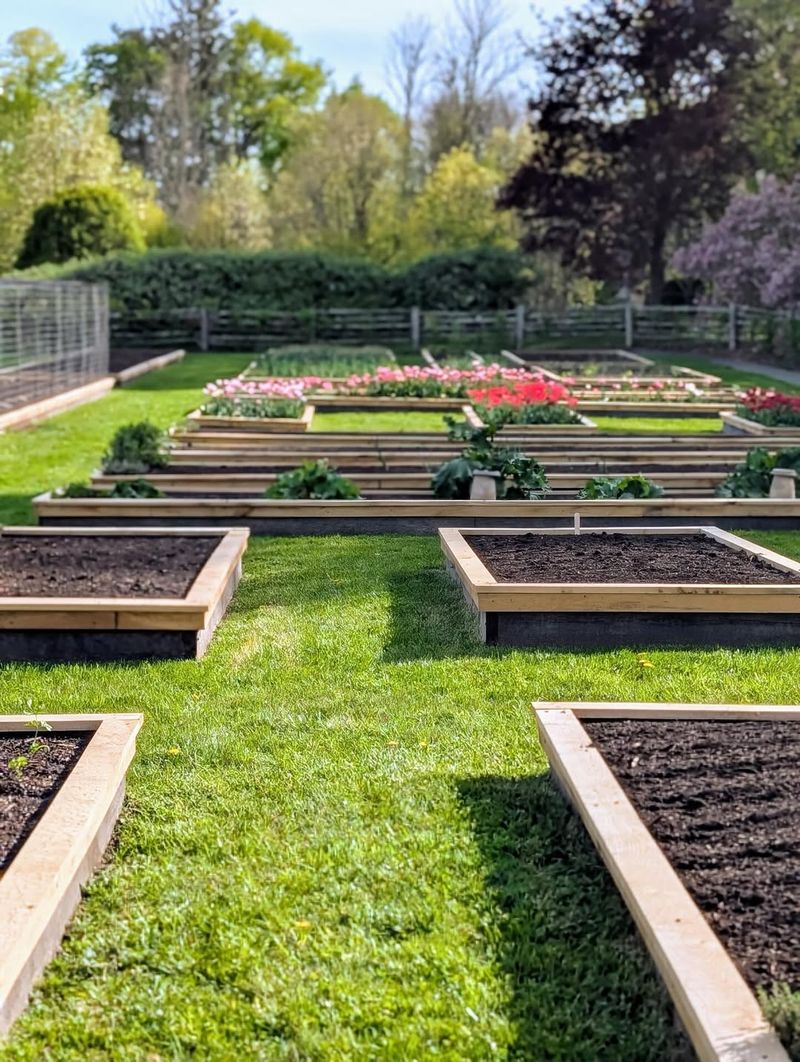
Warm February days can trick even experienced gardeners into thinking spring has arrived for good. You see a sunny weekend and feel tempted to start planting tomatoes or peppers right away.
But Oregon weather is unpredictable, and cold snaps can return without warning.
Tender plants suffer when soil temperatures stay too low. Seeds might rot before they sprout, and young transplants can get stunted or damaged by unexpected frost.
Even if plants survive, they often grow slowly and produce less than those planted at the right time.
Check your soil temperature with a simple thermometer before you plant anything sensitive to cold. Most warm-season vegetables need soil that stays consistently above 50 degrees.
Your Oregon Garden Changes Every Week. Your Plan Should Too.
Gardening in Oregon changes quickly throughout the season. Every Friday you’ll receive a simple weekly plan showing exactly what to plant, prune, fertilize, harvest, and protect so you never miss the right timing.
Waiting just a few extra weeks can make all the difference in how well your garden performs.
Cool-season crops like lettuce, peas, and kale can handle early planting much better. Focus on those first, and save the heat-lovers for late April or May.
Patience really does pay off when it comes to timing your planting schedule.
If you are eager to get started, prepare your beds and start seeds indoors instead. That way, everything will be ready to go once the weather truly settles.
Smart timing leads to stronger plants and better harvests all summer long.
3. Skipping Mulch Application
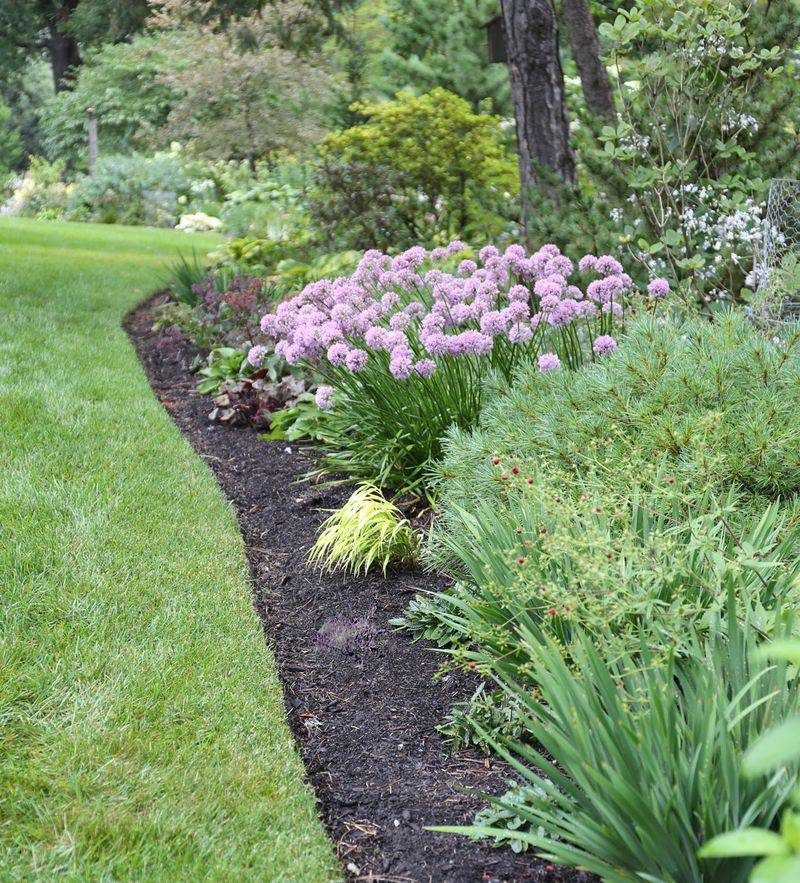
Bare soil might look clean and tidy, but it creates problems once the rains start. Water hits the surface hard and can splash soil onto leaves, spreading disease and making a muddy mess.
Without protection, soil also erodes quickly and loses valuable nutrients.
Mulch acts like a protective blanket for your garden beds. It cushions the impact of raindrops, keeps soil in place, and helps maintain even moisture levels.
As mulch breaks down, it also adds organic matter that improves soil health over time.
Apply a layer of mulch two to three inches thick around your plants before the heavy rains arrive. Wood chips, straw, and shredded leaves all work well.
Just make sure to keep mulch a few inches away from plant stems to prevent rot.
Mulch also helps control weeds, which love to sprout during wet spring weather. A good layer blocks sunlight and makes it harder for weed seeds to take root.
That means less work for you later when you would rather enjoy your garden than weed it.
Do not underestimate how much easier mulch makes garden care during rainy months. It saves time, protects plants, and improves soil all at once.
A small effort now leads to a healthier, more productive garden throughout the growing season.
4. Overworking Wet Soil
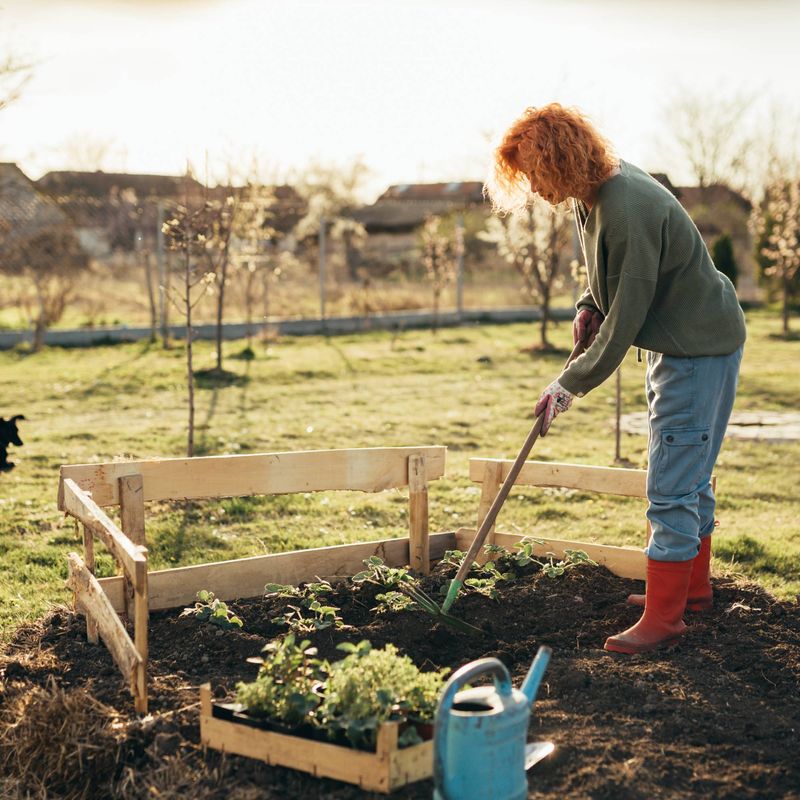
Grabbing a shovel on a rainy day might feel productive, but working wet soil does more harm than good. When you dig or till soil that is too moist, you destroy its structure.
Clumps form, air pockets collapse, and the soil becomes dense and hard to manage.
Compacted soil makes it difficult for roots to grow and for water to drain properly. What starts as an attempt to prepare your garden can actually set you back for months.
Once soil structure breaks down, it takes a long time and a lot of organic matter to rebuild it.
Test your soil before you work it by grabbing a handful and squeezing. If water drips out or the soil forms a tight ball that does not crumble, it is too wet.
Wait a few days for things to dry out before you start digging or planting.
Patience is key during Oregon’s wet spring months. You might feel eager to get your beds ready, but rushing the process causes problems that last all season.
Healthy soil structure supports strong plant growth and makes gardening easier in the long run.
If you absolutely must work in your garden, stick to raised beds or containers where drainage is better. Otherwise, take a break and focus on planning or starting seeds indoors until conditions improve outside.
5. Forgetting To Clean Gutters And Downspouts
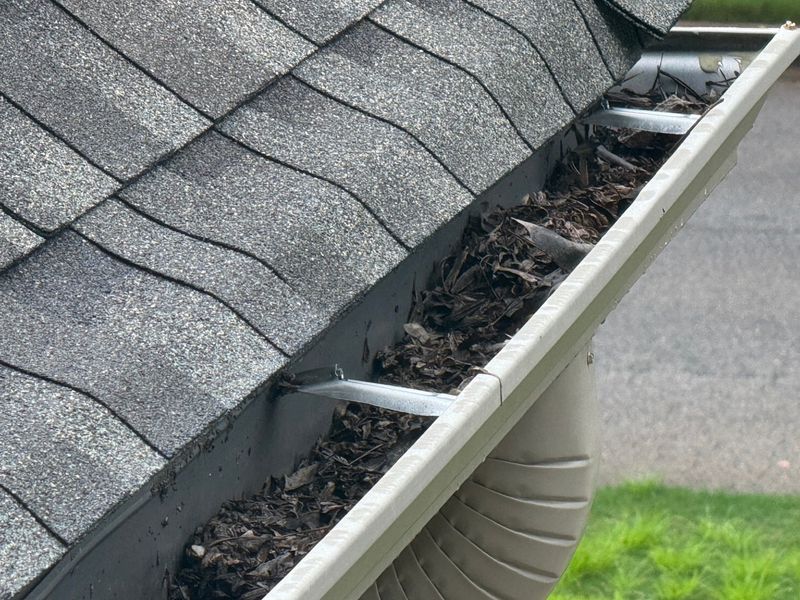
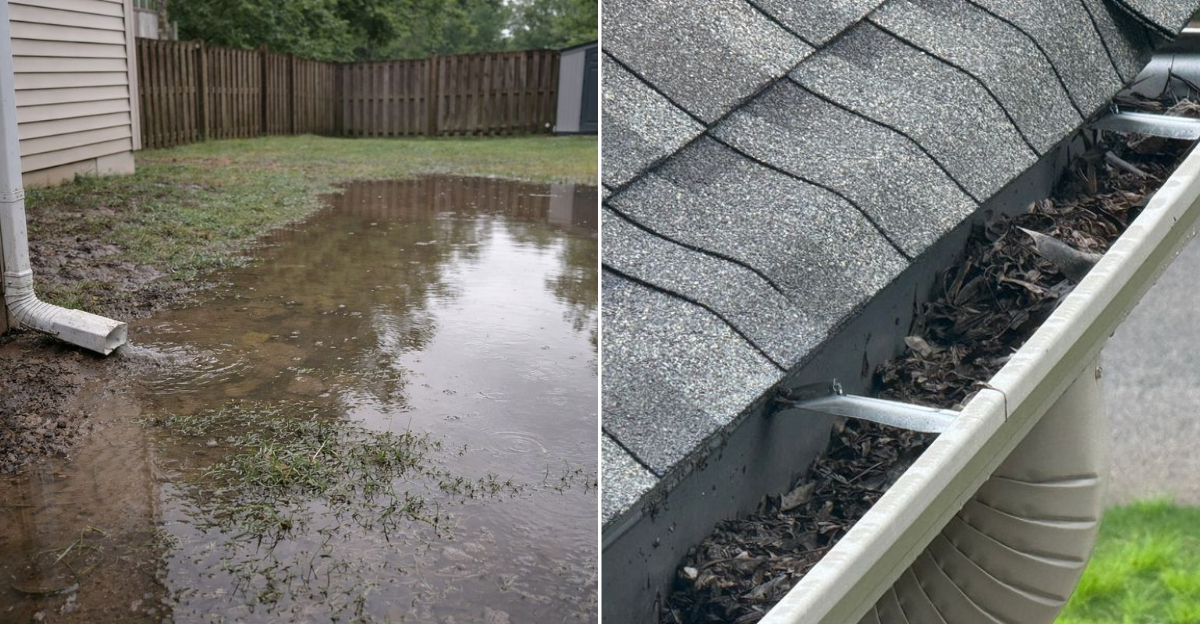
Gutters might not seem like a garden issue, but they play a big role in managing water around your yard. Clogged gutters overflow during heavy rains, and all that water dumps right next to your foundation or into garden beds.
Too much water in the wrong places causes erosion, flooding, and root damage.
Leaves, twigs, and debris build up in gutters over fall and winter. By the time spring rains arrive, many gutters are completely blocked.
Water spills over the sides and creates problems that could easily be avoided with a little maintenance.
Take an afternoon to clear out your gutters and check that downspouts direct water away from your garden beds. Extensions on downspouts can help move water to safer spots where it will not drown your plants.
Even a small adjustment makes a big difference during heavy rainstorms.
Proper gutter care also protects your home from water damage and reduces the risk of foundation problems. It is one of those simple tasks that many people overlook until something goes wrong.
A clean gutter system keeps water flowing where it should instead of creating chaos in your yard.
If you have rain barrels, make sure they are clean and ready to collect runoff as well. Capturing rainwater gives you a free resource for watering your garden later when things dry out in summer.
6. Neglecting Weeds Now
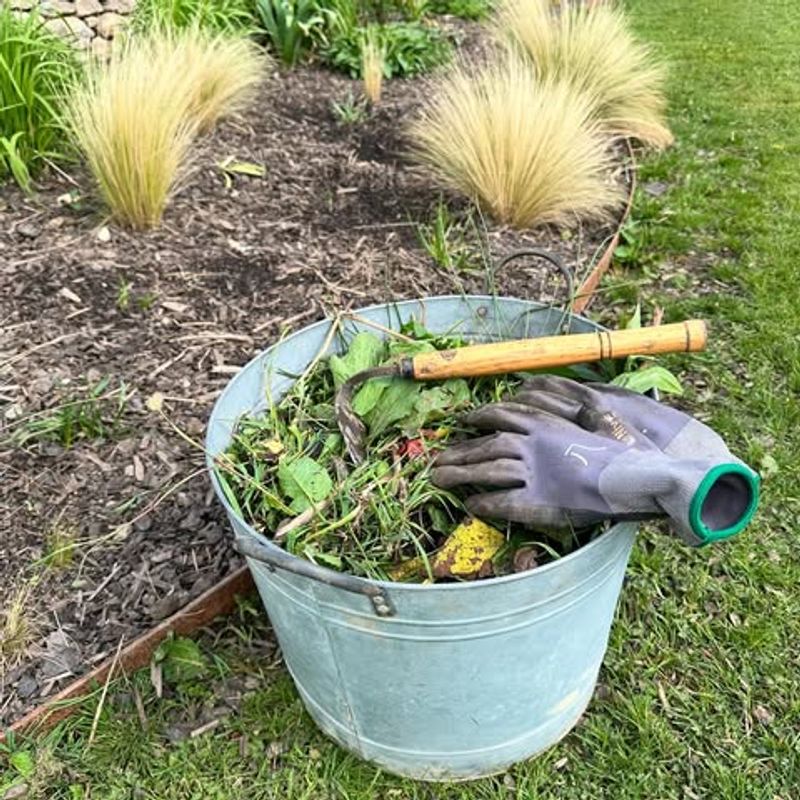
A few weeds popping up in late winter might not seem like a big deal. You figure you can pull them later when you have more time.
But once the spring rains start, weeds explode with growth and spread faster than you can imagine.
Weeds compete with your plants for water, nutrients, and light. They also provide hiding spots for pests and can harbor diseases that spread to your vegetables and flowers.
Letting them get established now means spending hours trying to catch up later when they are much harder to remove.
Take advantage of dry days before the rains to pull or hoe weeds while they are still small. Young weeds come out easily, roots and all, and have not yet set seed.
A quick pass through your beds now saves you tons of work down the road.
Mulching after you weed helps prevent new ones from sprouting. The combination of weeding and mulching creates a strong defense against unwanted plants.
You will spend less time fighting weeds and more time enjoying your garden all season long.
Do not forget pathways and borders where weeds love to hide. Keeping those areas clean reduces the number of weed seeds blowing into your beds.
A little effort now pays off with a tidier, healthier garden that requires less constant attention later.
7. Leaving Garden Tools And Supplies Outside
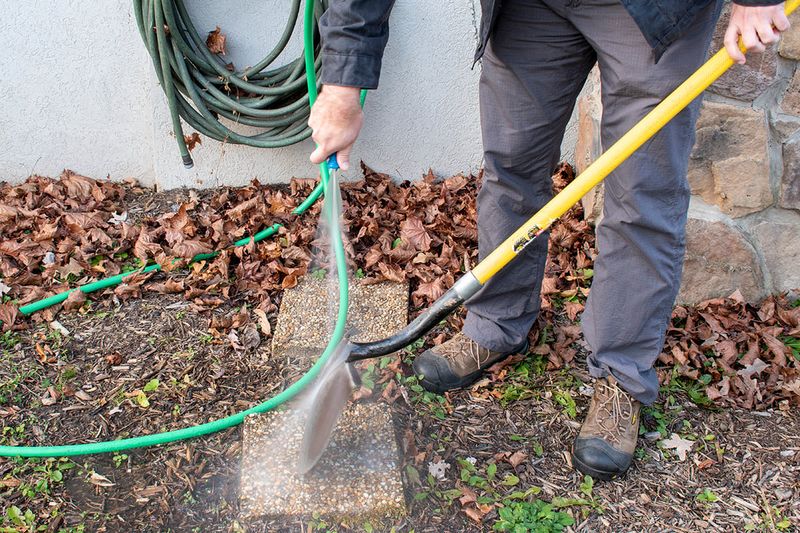
Tools left scattered around the yard might seem convenient, but spring rains can ruin them fast. Metal rusts, wooden handles swell and crack, and even plastic parts can degrade when exposed to constant moisture.
Replacing tools gets expensive, especially when a little care could make them last for years.
Rain also damages bags of soil, fertilizer, and other supplies left uncovered. Once these products get wet, they clump together, lose effectiveness, or become unusable altogether.
You end up wasting money and creating extra work for yourself when you could have simply stored things properly.
Before the rainy season hits, gather all your tools and supplies and find them a dry home. A shed, garage, or even a covered area under an overhang works well.
Clean and oil your tools before storing them to prevent rust and keep them in good working order.
Organize your storage space so you can find what you need quickly when the weather clears. Hooks, bins, and shelves make it easy to keep everything tidy and accessible.
A little organization now saves time and frustration when you are ready to get back to gardening.
Taking care of your tools shows respect for your investment and makes every gardening task easier. Well-maintained equipment works better and lasts longer, which means more enjoyment and less hassle throughout the growing season.