These 9 Plants Need Winter Pruning In Oregon
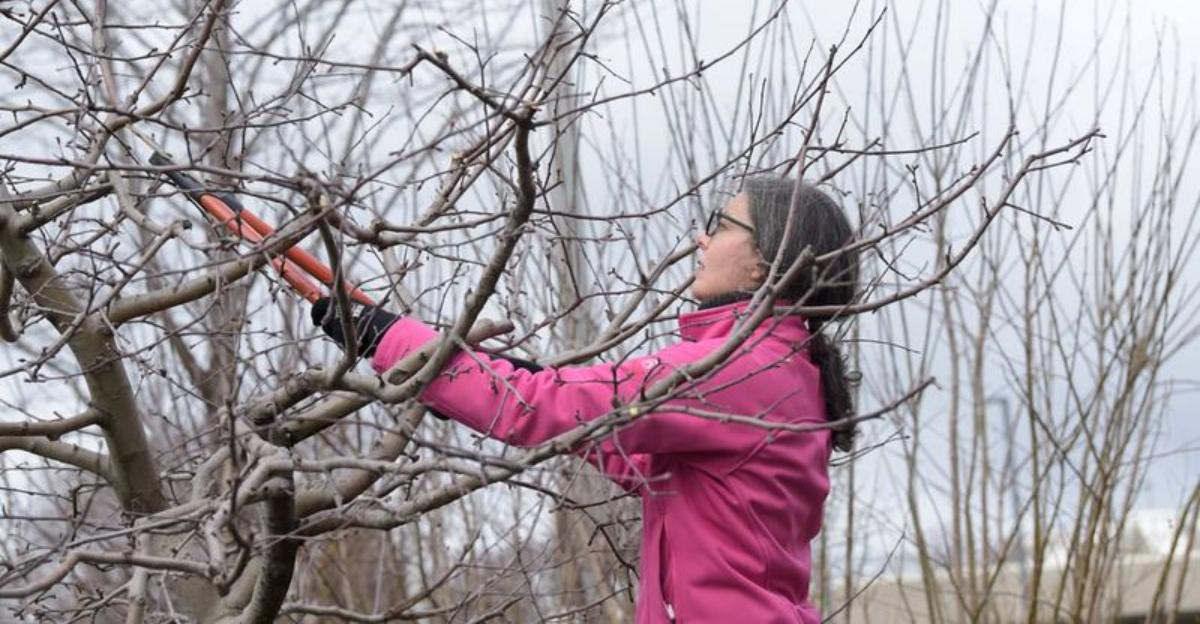
You might notice it during a quiet moment outside, a branch that’s grown the wrong way, stems crossing over each other, or a plant that looks heavier than it should. Winter has a way of slowing everything down just enough for those details to stand out.
Is this a good time to prune, or better to wait?
In Oregon, winter pruning can be surprisingly helpful for certain plants. While everything is resting, it’s easier to see a plant’s shape and make careful cuts without stressing new growth.
Pruning now can improve airflow, reduce disease, and help plants come back stronger when the seasons change. Still, it’s not always obvious which plants benefit from winter pruning and which ones prefer to be left alone.
If you’ve ever felt unsure about cutting back in colder months, you’re not alone. Many gardeners worry about doing harm, even when their instincts say something needs attention.
These plants are good candidates for winter pruning in Oregon, and knowing which ones they are can make the task feel more manageable. A few thoughtful cuts now can set the stage for healthier growth later on.
1. Pear trees
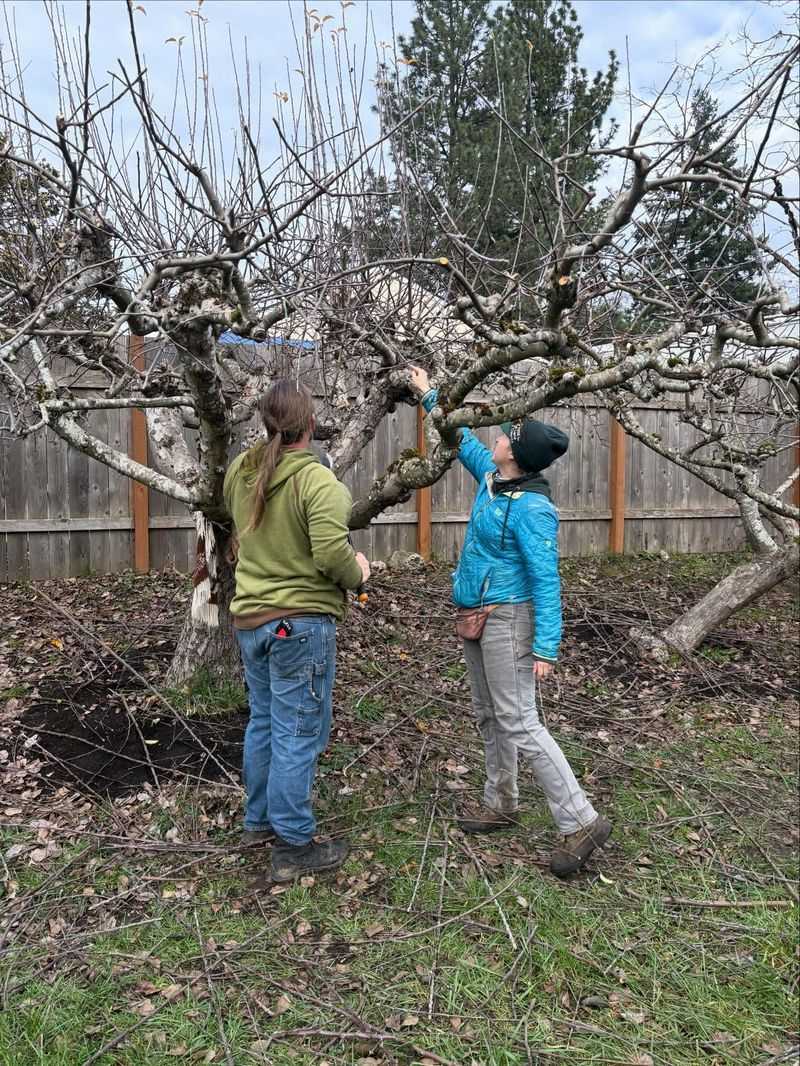
Pear trees share many similarities with apples when it comes to winter pruning, but they do have a few quirks. They tend to grow more upright, so you’ll want to encourage horizontal branching by cutting back to buds that point outward and downward.
This helps create a more open shape and prevents the tree from becoming too tall and narrow.
Timing matters for pears. Aim to prune in late winter, just before the buds begin to swell.
This reduces the risk of fire blight, a bacterial disease that can spread easily through fresh cuts during wet weather. Always sterilize your tools, especially if you see any signs of infection.
Remove any vertical shoots, called water sprouts, as they take energy away from fruit production. Also, thin out crowded branches to improve airflow and light penetration.
Pear trees can become dense if left unpruned, which makes them more susceptible to disease and reduces the quality of the fruit.
For young pear trees, focus on building a sturdy scaffold of main branches. Mature trees need regular thinning to maintain their shape and productivity.
Winter pruning keeps your pear trees manageable and healthy, and it sets the stage for a strong bloom and a fruitful harvest when the growing season arrives.
2. Apple trees
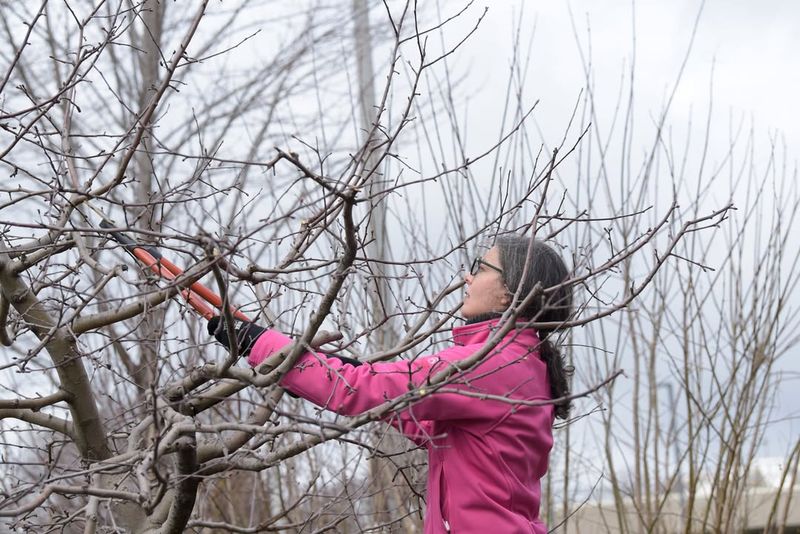
Oregon’s apple trees thrive when you prune them during their dormant period, typically between late January and early March. Dormancy makes it easier to see the tree’s structure and remove any branches that cross, rub, or grow inward.
You want to open up the canopy so sunlight and air can reach every part of the tree, which helps prevent fungal problems and encourages better fruit production.
Start by cutting out any damaged or diseased wood, then focus on thinning crowded areas. Make clean cuts just above an outward-facing bud to encourage the tree to grow in the right direction.
Your Oregon Garden Changes Every Week. Your Plan Should Too.
Gardening in Oregon changes quickly throughout the season. Every Friday you’ll receive a simple weekly plan showing exactly what to plant, prune, fertilize, harvest, and protect so you never miss the right timing.
Avoid leaving stubs, as they can invite pests and rot.
Young apple trees need careful shaping to establish a strong framework, while mature trees benefit from regular maintenance to keep them productive. If your tree has grown too tall, you can lower the canopy by cutting back to a lateral branch.
Winter pruning also helps control the size of your apple tree, making it easier to harvest fruit and manage pests. Sharpen your tools before you start, and always disinfect your pruners between cuts if you spot any signs of disease.
With consistent winter care, your apple trees will reward you with healthier growth and a more abundant harvest each fall.
3. Grape vines
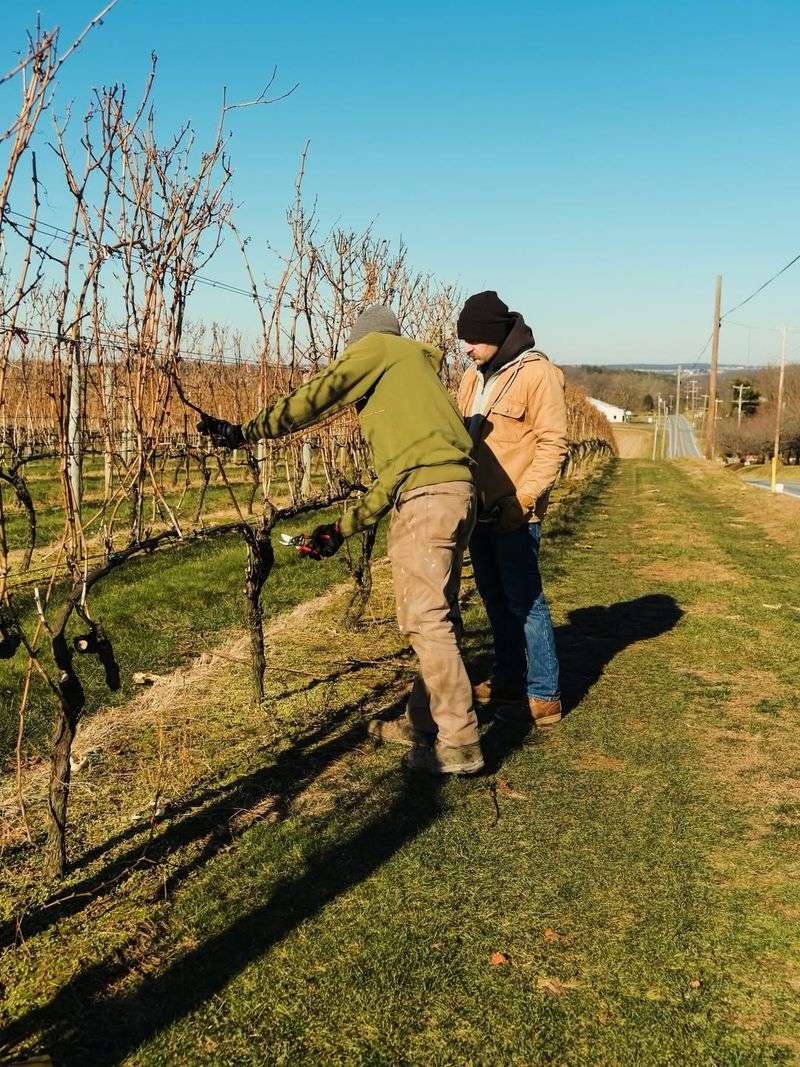
Grapevines need aggressive winter pruning to stay productive and manageable. Without regular cuts, they can quickly become a tangled mess of woody stems that produce fewer and smaller clusters of fruit.
In Oregon, late winter is the ideal time to prune, once the coldest weather has passed but before the buds start to break.
Focus on removing most of the previous year’s growth, leaving just a few strong canes with a limited number of buds. The exact method depends on your training system, whether you use a trellis, arbor, or fence.
For most home gardeners, a spur or cane pruning system works well.
Each bud you leave behind has the potential to produce a cluster of grapes, so you need to balance fruit production with the vine’s overall health. Too many buds can lead to overcrowding and poor fruit quality, while too few can limit your harvest.
Remove any damaged or weak canes, and cut back to healthy wood. Grapevines bleed sap when pruned, but this is normal and won’t harm the plant.
Winter pruning keeps your vines under control, improves air circulation, and ensures you get the best possible fruit come harvest time. With consistent care, your grapevines will reward you with abundant clusters and vigorous growth season after season.
4. Roses (Especially Hybrid Tea, Floribunda, And Shrub Types)
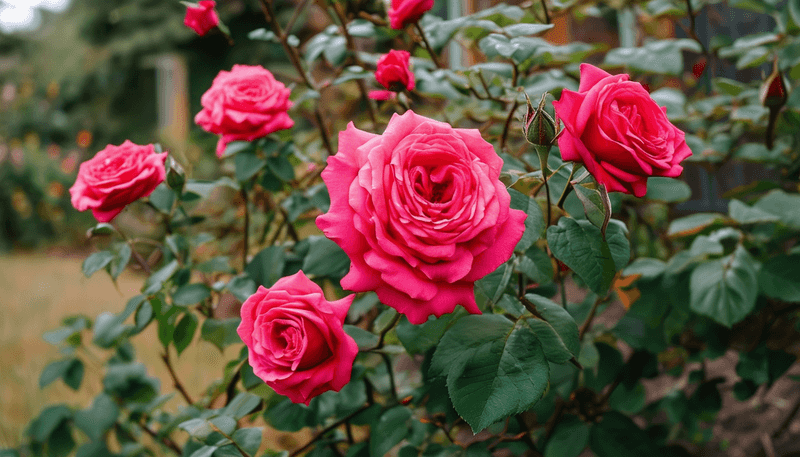
These gorgeous plants benefit greatly from winter pruning, especially hybrid teas, floribundas, and shrub varieties. Pruning during dormancy encourages vigorous new growth and helps shape the plant for a beautiful display of blooms in spring and summer.
In Oregon, late February to early March is the best window, once the risk of hard frost has passed but before the buds start to swell.
Begin by removing any damaged, diseased, or weak canes, cutting them down to healthy tissue. Look for canes that are green on the inside, not brown or black.
Next, thin out crowded growth to open up the center of the plant, which improves air circulation and reduces the risk of fungal diseases like black spot and powdery mildew.
For hybrid teas and floribundas, cut the remaining canes back to about 12 to 18 inches, making your cuts just above an outward-facing bud. This encourages the plant to grow outward rather than inward, creating a vase-shaped structure.
Shrub roses can be pruned less severely, focusing on shaping and removing older wood.
Always use sharp, clean pruners to make smooth cuts at a 45-degree angle. Remove any leaves that cling to the canes, and clear away debris from around the base of the plant.
Winter pruning keeps your roses healthy, productive, and looking their best throughout the growing season.
5. Blueberries
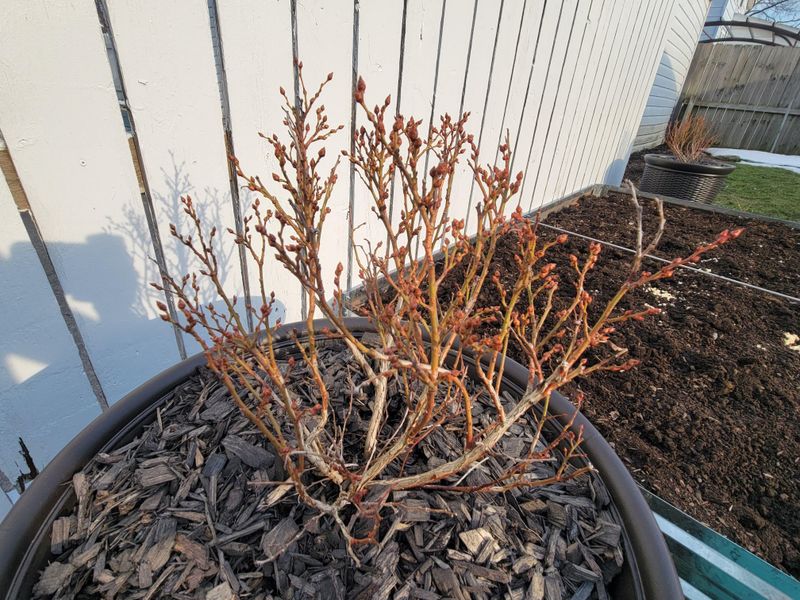
Blueberry bushes produce the best fruit on younger wood, so regular winter pruning is important for maintaining productivity. In Oregon, late winter is the perfect time to prune, once the coldest weather has passed but before the buds begin to swell.
Dormant pruning allows you to see the structure of the plant clearly and make thoughtful cuts without stressing the bush.
Start by removing any wood that is older than six years, as it produces fewer and smaller berries. Look for thick, grayish canes and cut them down to the ground.
Next, thin out any weak, spindly growth and remove branches that cross or rub against each other.
Focus on keeping the center of the bush open to improve air circulation and light penetration. This helps reduce disease pressure and encourages more even ripening of the fruit.
Also, remove any low-hanging branches that touch or nearly touch the ground, as they can become a pathway for pests and diseases.
Young blueberry bushes need minimal pruning, mainly to shape the plant and remove damaged wood. Mature bushes benefit from more aggressive thinning to keep them productive and manageable.
Winter pruning also encourages strong new growth, which will bear the best fruit in the coming season. With consistent care, your blueberry bushes will produce abundant, high-quality berries year after year.
6. Currants And Gooseberries
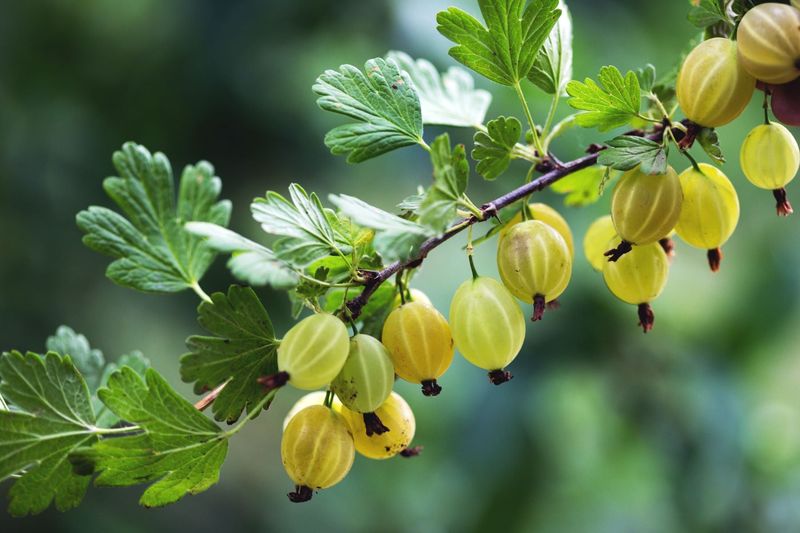
Winter pruning keeps these plants productive and healthy. Both plants fruit best on wood that is one to three years old, so regular pruning helps maintain a good balance of young and mature canes.
Late winter, before the buds break, is the ideal time to prune.
Start by removing any canes that are older than three or four years, cutting them down to the base of the plant. Older wood produces fewer and smaller berries, so getting rid of it makes room for new, more productive growth.
Also, thin out any weak or damaged canes, and remove branches that crowd the center of the bush.
Gooseberries can be prickly, so wear gloves and long sleeves when pruning. Focus on creating an open, vase-shaped structure that allows air and light to reach all parts of the plant.
This reduces the risk of fungal diseases and makes it easier to harvest the fruit.
Currants are less thorny and easier to work with, but they still benefit from the same approach. Remove any low-hanging branches that touch the ground, as they can spread disease and attract pests.
Winter pruning keeps your currants and gooseberries manageable and ensures you get a generous harvest of tart, flavorful berries each summer. With a little attention each year, these bushes will reward you with reliable production.
7. Fig trees
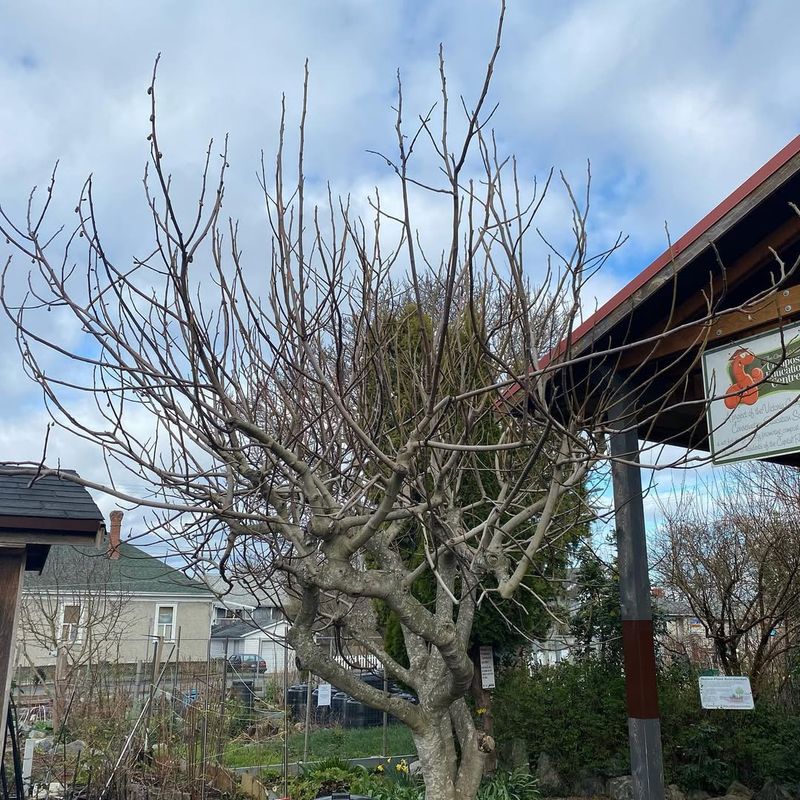
Fig trees can be a bit tricky in Oregon, as they need protection from hard frosts and benefit from careful winter pruning. In milder areas, figs can grow quite large, while in colder zones, they may need to be treated as a semi-perennial, with the top growth trimmed back each year.
Late winter, just before the buds begin to swell, is the best time to prune.
Start by removing any wood that was damaged by frost or cold weather. Cut back to healthy tissue, where the interior is green and moist, not brown or dry.
Next, thin out crowded branches to improve air circulation and light penetration, which helps the fruit ripen more evenly.
If your fig tree has grown too large, you can reduce its size by cutting back to a lateral branch. Figs produce fruit on new growth, so don’t worry about cutting off too much.
In fact, moderate pruning can encourage more vigorous growth and a better crop.
For container-grown figs, winter pruning helps keep the plant manageable and encourages fruiting on the new wood. Remove any suckers that grow from the base, as they take energy away from the main trunk.
Winter pruning keeps your fig tree healthy and productive, and with the right care, you can enjoy fresh figs even in Oregon’s cooler climate.
8. Wisteria
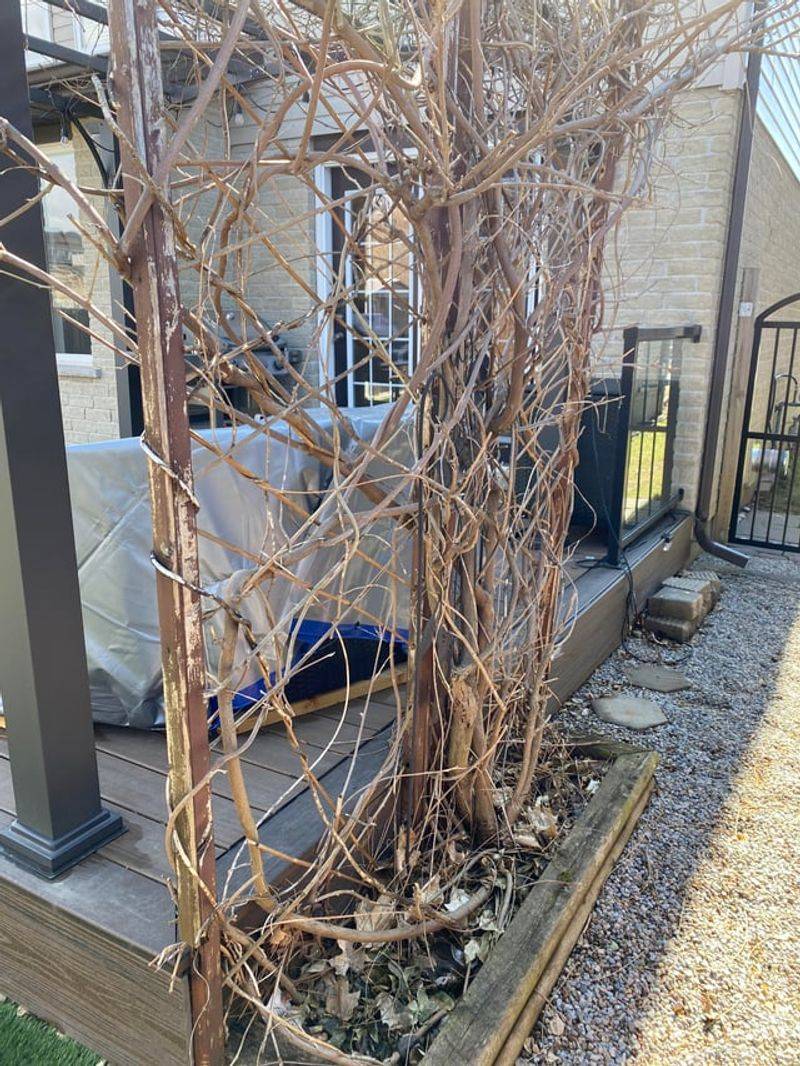
This is a vigorous vine that can quickly takes over if not kept in check with regular pruning. Winter pruning is one of two main pruning sessions for wisteria, and it helps control the plant’s size and encourages better flowering.
In Oregon, late winter, before the buds break, is the ideal time to prune.
Start by cutting back the long, whippy shoots that grew during the previous summer. Reduce them to two or three buds from the main framework of the vine.
This concentrates the plant’s energy into producing flower buds rather than excessive leafy growth.
Also, remove any tangled or crossing branches, and thin out crowded areas to improve air circulation. Wisteria can become a dense mass of stems if left unpruned, which reduces flowering and makes the plant harder to manage.
Focus on maintaining a clear framework of main stems, with short spurs that will bear the flowers.
If your wisteria has grown too large, you can cut back more aggressively, but be aware that this may reduce flowering for a season or two. Winter pruning keeps your wisteria under control and encourages a spectacular display of fragrant blooms in spring.
With consistent care, your wisteria will remain a stunning focal point in your garden, rather than an unruly tangle of vines.
9. Hydrangeas (Such As Panicle And Smooth Hydrangeas)
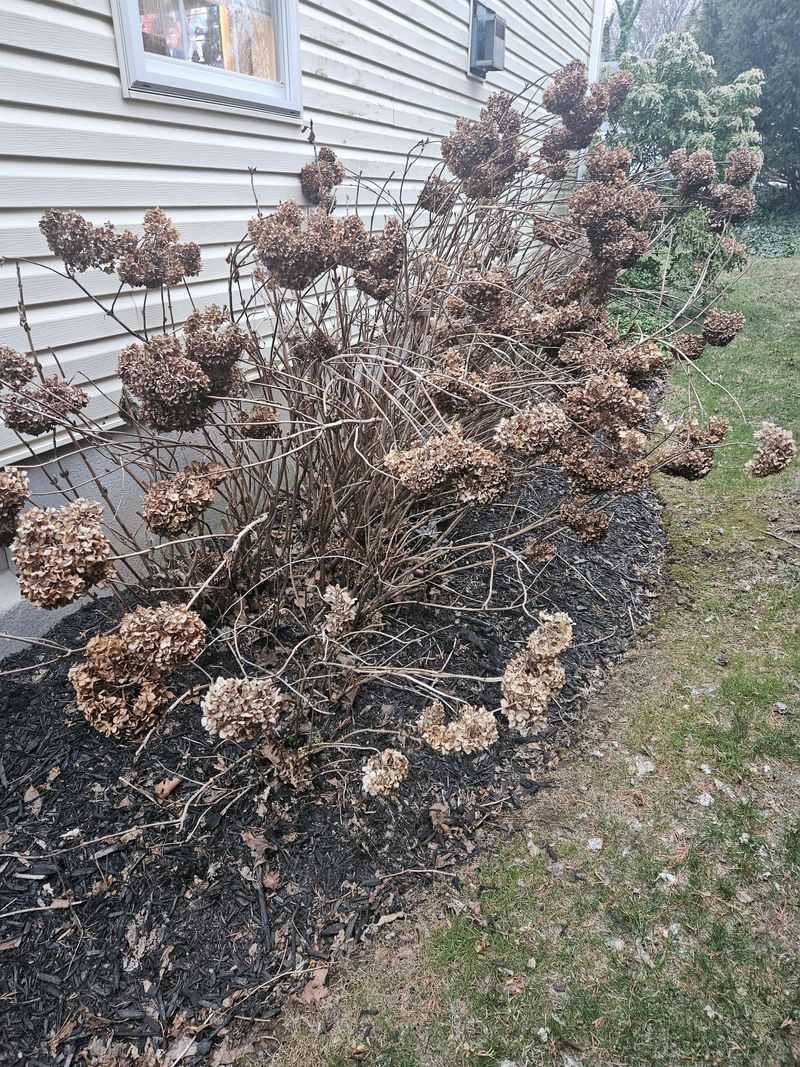
Not all hydrangeas need winter pruning, but varieties that bloom on new wood, such as panicle hydrangeas and smooth hydrangeas, benefit greatly from it. These types produce flowers on the current season’s growth, so cutting them back in late winter encourages vigorous new shoots and a more abundant display of blooms.
In Oregon, late February to early March is the best time to prune.
Start by removing any damaged or weak stems, cutting them down to the base of the plant. Next, cut back the remaining stems to a height of 12 to 18 inches, or to a pair of strong buds.
This may seem drastic, but these hydrangeas respond well to hard pruning and will quickly put out new growth in spring.
For panicle hydrangeas, you can also thin out crowded stems to improve air circulation and create a more open structure. This helps prevent disease and allows the flowers to develop fully.
Smooth hydrangeas can be cut back even more aggressively if needed, as they are very forgiving and will regrow quickly.
Avoid pruning hydrangeas that bloom on old wood, such as mophead and lacecap varieties, as this will remove the flower buds. Winter pruning keeps your new-wood hydrangeas healthy, manageable, and full of blooms throughout the summer.
With the right approach, you can enjoy a stunning display of flowers year after year.