Vermont Gardeners Keep Spotting These Small Insects In The Snow
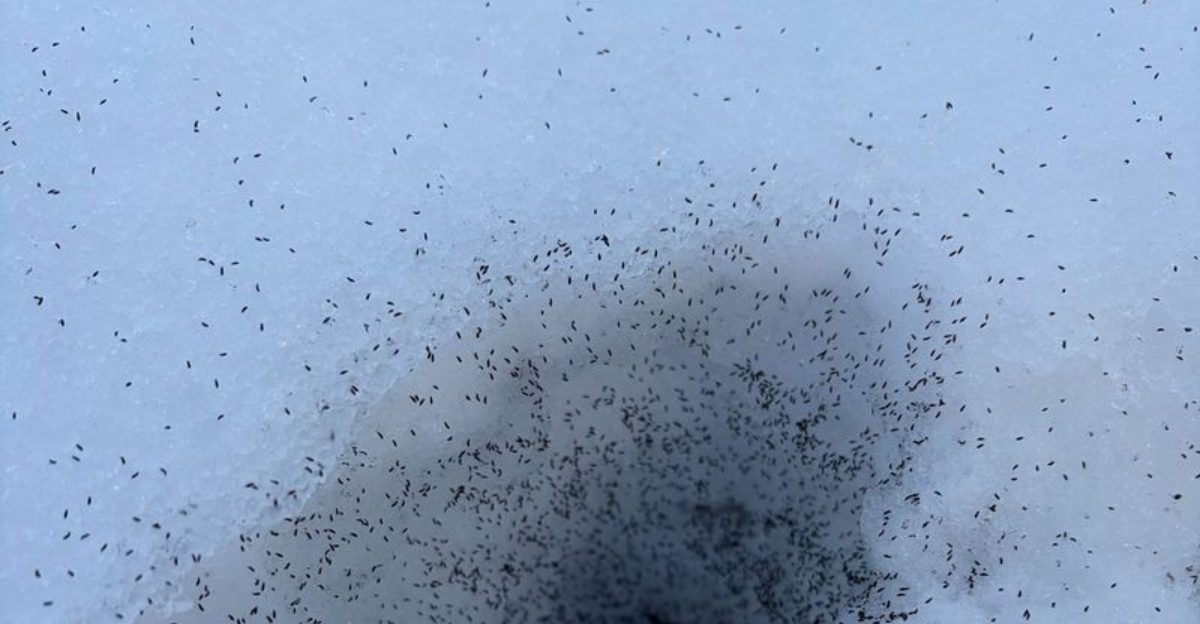
On a cold winter morning in Vermont, when the ground is covered in fresh snow and the garden seems completely asleep, some gardeners are surprised to notice tiny black specks hopping across the white surface.
At first glance, it can be alarming. Are these bugs surviving the cold? Are they harmful to plants, soil, or even people?
These mysterious little jumpers are known as snow fleas, and despite their name, they are not fleas at all. Still, their sudden appearance in the middle of winter raises plenty of questions for curious gardeners.
Snow fleas are most often spotted during mild winter days, especially when temperatures hover just above freezing. Against bright snow, their small, dark bodies stand out clearly, making them impossible to ignore.
Many Vermont gardeners worry that these insects signal a problem in the garden or that they may damage plants once spring arrives. The truth, however, is far more interesting and far less troubling than most people expect.
Understanding snow fleas can ease worries and even deepen your appreciation for the hidden life in your garden during winter. These cold-loving insects play a role in breaking down organic matter and supporting healthy soil.
Once you know the facts, you may start seeing them not as pests, but as one of winter’s most surprising garden visitors.
1. Snow Fleas Are Not Actually Fleas
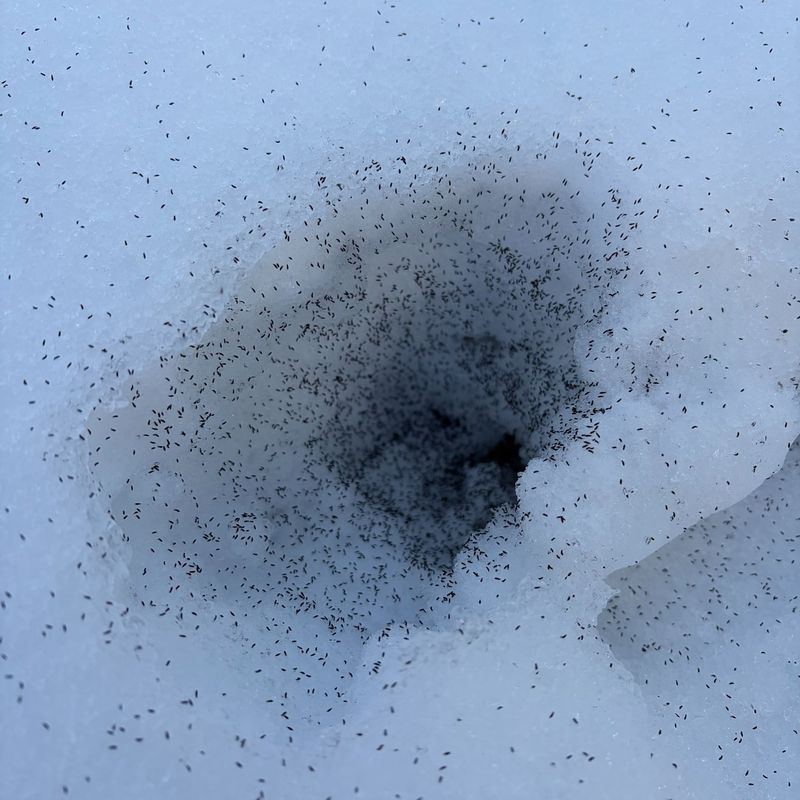
Many people hear the name and immediately think of the biting pests that bother pets, but snow fleas have nothing in common with true fleas. Snow fleas belong to a group of tiny insects called springtails, scientifically known as Collembola.
These creatures have been around for millions of years and play an important role in breaking down organic matter in soil and leaf litter.
Unlike real fleas that feed on blood, snow fleas eat decaying plant material, fungi, and bacteria found in the soil. They help recycle nutrients back into the earth, making them beneficial for gardens and forests.
Vermont gardeners who spot these insects can rest easy knowing they pose no threat to humans, pets, or plants. Snow fleas get their nickname from their ability to jump, which they accomplish using a special forked appendage called a furcula tucked under their body.
When they release this structure, it propels them several inches into the air, creating the appearance of tiny black specks hopping across the snow. This jumping behavior is what makes them so noticeable during winter.
Understanding that snow fleas are harmless springtails rather than parasitic insects helps gardeners appreciate their presence.
Vermont winters can feel lifeless, but these tiny creatures remind us that nature continues its work even beneath the snow. Observing them can be a fun way to connect with the natural world during the coldest season.
2. They Thrive In Cold Temperatures
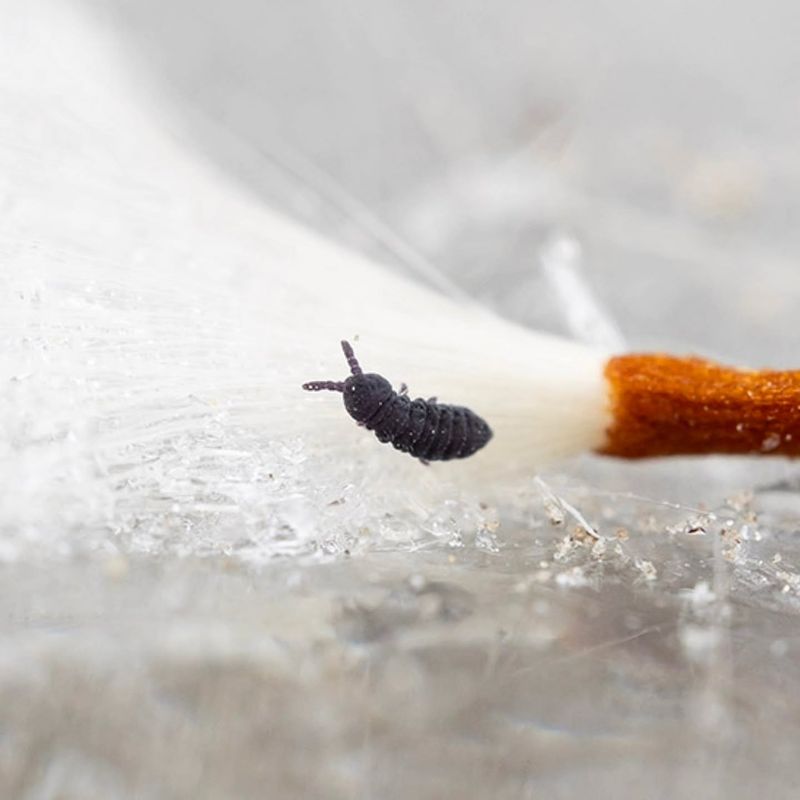
Most insects disappear when temperatures drop, but snow fleas are built differently. These remarkable springtails contain a special protein that acts like antifreeze in their bodies, preventing ice crystals from forming in their cells.
This adaptation allows them to remain active even when temperatures hover around freezing, which is why Vermont gardeners spot them on milder winter days.
Snow fleas typically emerge when temperatures rise above freezing, usually on sunny late-winter afternoons. During these warmer spells, they crawl up from the soil and leaf litter where they spend most of their time.
The contrast of their dark bodies against bright white snow makes them incredibly visible, even though they measure only about two millimeters long.
Their ability to survive cold is not just about antifreeze proteins. Snow fleas also seek shelter in protected microhabitats like under bark, in rotting logs, or beneath layers of leaves and snow.
These spots provide insulation and maintain slightly warmer temperatures than the open air. When conditions improve, they venture out to feed and search for mates.
Vermont winters can be harsh, but snow fleas have mastered survival in these conditions. Their presence indicates that life continues beneath the frozen surface, working to decompose organic material and enrich the soil.
Gardeners who notice these insects can take it as a positive sign that their soil ecosystem remains healthy and active throughout winter.
3. They Appear In Large Groups
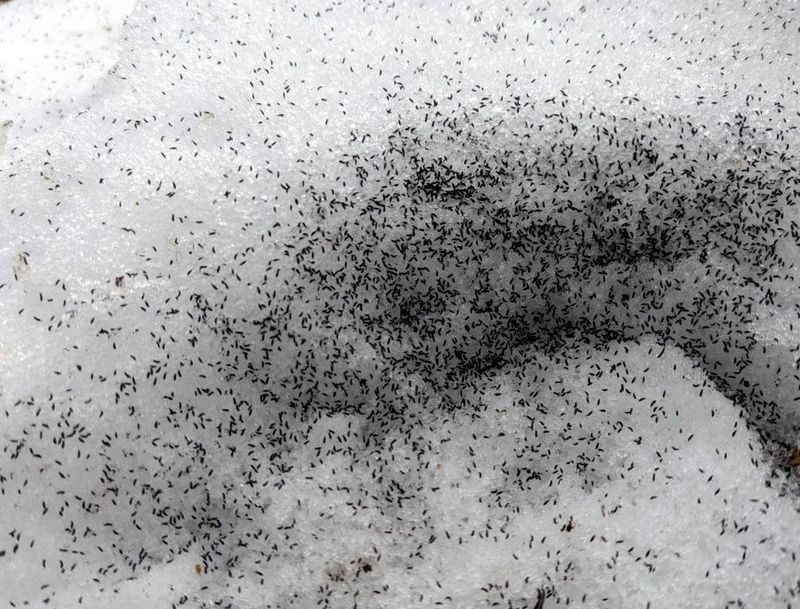
Spotting one or two snow fleas might not catch your attention, but these insects often appear in massive congregations that look like pepper sprinkled across the snow.
Vermont gardeners sometimes report seeing thousands of them clustered together, creating dark patches that seem to move and shimmer. This grouping behavior happens for several reasons related to their biology and survival needs.
Snow fleas gather in areas where food sources are abundant, such as near decomposing leaves, rotting wood, or areas with rich organic matter. When temperatures warm up enough for them to become active, they all emerge at once from their hiding spots.
This synchronized activity creates the impression of sudden population explosions, though the insects were there all along, just hidden beneath the snow.
Gathering in groups may also help with reproduction, as springtails need to find mates during their brief periods of surface activity. By concentrating in specific areas, they increase their chances of successful breeding.
The warmth generated by sunny spots on the snow also attracts them, as these areas provide slightly more comfortable conditions for activity.
For Vermont gardeners, encountering these large groups can be startling at first. However, recognizing this as natural behavior helps reduce any concern.
The masses of snow fleas indicate a thriving decomposer community working beneath your garden, breaking down last season’s plant material and preparing the soil for spring growth. Rather than a problem, these gatherings signal ecosystem health.
4. They Help Decompose Organic Matter
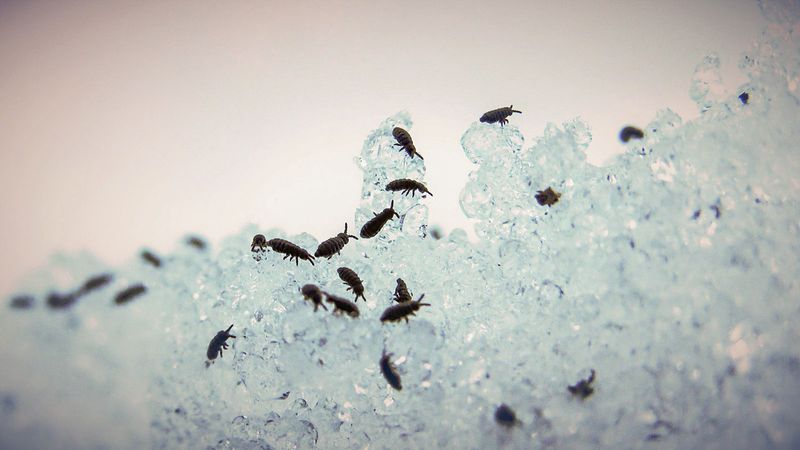
Gardens depend on nutrient cycling to remain productive, and snow fleas play an unsung role in this process. These tiny springtails spend most of their lives in soil and leaf litter, feeding on fungi, bacteria, algae, and decaying plant material.
By consuming and breaking down these materials, they help convert organic matter into nutrients that plants can use.
When snow fleas eat decomposing leaves and other debris, they speed up the breakdown process that might otherwise take much longer. Their digestive systems process organic material and return it to the soil in forms more accessible to plant roots.
This makes them valuable allies for Vermont gardeners who want healthy, fertile soil without relying heavily on synthetic fertilizers.
Snow fleas also help control fungal and bacterial populations in the soil by feeding on them. This natural regulation prevents any single organism from dominating the soil ecosystem.
A balanced soil community supports better plant health and reduces the likelihood of disease problems that can plague gardens.
Vermont gardeners who maintain organic practices especially benefit from having robust springtail populations. Leaving leaf litter in place during fall and winter provides habitat and food for these beneficial insects.
Come spring, the decomposed material enriched by snow flea activity creates a nutrient-rich environment for new plant growth. Appreciating their role helps gardeners see these tiny jumpers as garden helpers rather than curiosities.
5. They Are Most Visible On Warm Winter Days
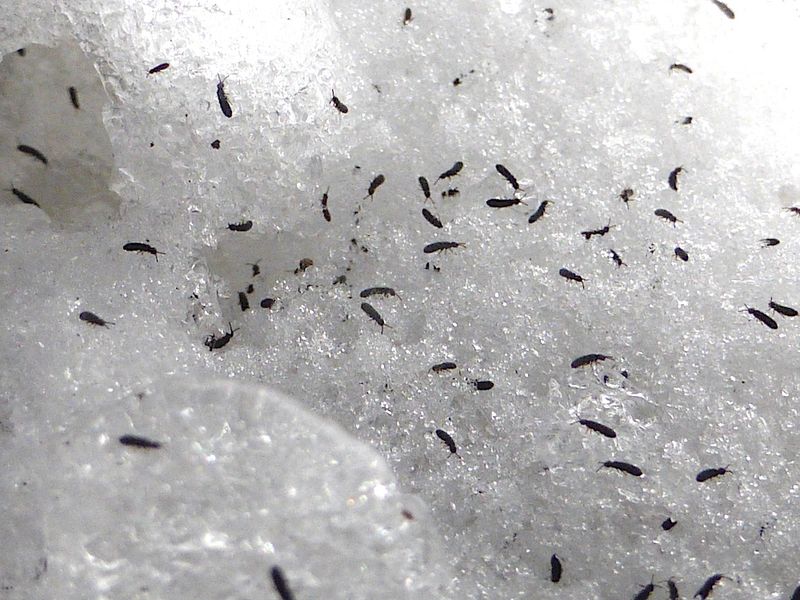
Timing matters when it comes to spotting snow fleas in Vermont gardens. These springtails remain hidden most of the time, but they make their appearance during brief warm spells in late winter or early spring.
When afternoon temperatures climb above freezing, especially on sunny days, snow fleas emerge from their sheltered spots and become visible on the snow surface.
The warmth triggers their activity because it provides conditions suitable for feeding and moving around. Snow fleas take advantage of these temperature windows to search for food, mates, and new habitats.
Vermont gardeners who walk through their yards on these milder days are most likely to notice the tiny dark specks hopping across the white landscape.
Interestingly, snow fleas seem to prefer overcast days following a warm spell or the transition periods between winter and spring. During these times, the snow begins to melt slightly, creating moisture that the insects need.
They avoid extremely cold days by retreating into the insulating layers of soil, leaf litter, and snow where temperatures remain more stable.
For anyone wanting to observe snow fleas, the best strategy is to check garden areas on late winter afternoons when temperatures rise. Look near tree bases, around compost piles, or in areas with lots of organic debris.
Vermont gardeners who take time to observe these insects during their active periods gain insight into the hidden rhythms of their garden ecosystems and can better understand seasonal changes happening beneath the surface.
6. They Jump Using A Special Body Part
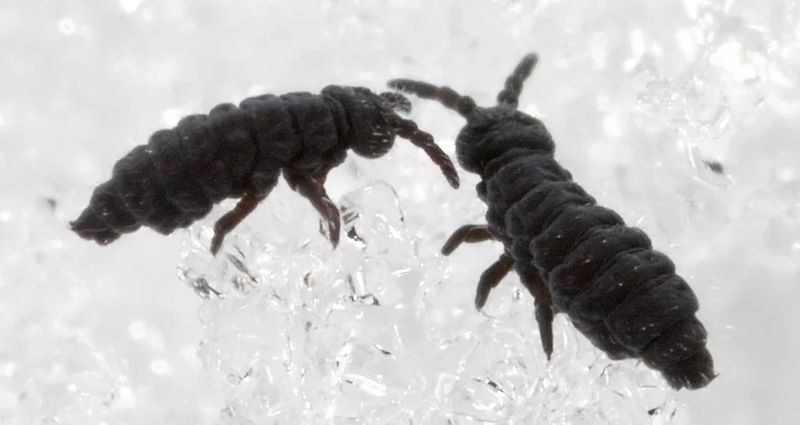
What makes snow fleas so entertaining to watch is their remarkable jumping ability, which seems almost magical given their tiny size. Unlike grasshoppers or fleas that use legs to jump, springtails employ a completely different mechanism.
They possess a forked appendage called a furcula that folds up beneath their abdomen, held in place by a small clasp called a retinaculum.
When a snow flea wants to jump, it releases the furcula, which snaps downward against the surface with considerable force. This action launches the insect several inches into the air, which is impressive considering they measure only about two millimeters long.
The jump serves multiple purposes, including escaping potential threats and moving quickly across the snow to find food or mates.
The jumping motion is not precisely controlled, meaning snow fleas cannot aim where they land. Instead, they launch themselves in random directions, which is why you might see them hopping erratically across the snow.
This unpredictable movement actually helps them avoid predators that might be hunting them. Vermont gardeners watching these jumps might find it amusing to see the insects bouncing around like tiny popcorn kernels.
Understanding this unique jumping mechanism helps explain why snow fleas are so noticeable despite their small size. Their movement catches the eye, especially against the stillness of a snowy landscape.
For gardeners interested in the natural world, observing this behavior offers a glimpse into the clever adaptations that allow even the smallest creatures to thrive in challenging environments.
7. They Indicate Healthy Soil Ecosystems
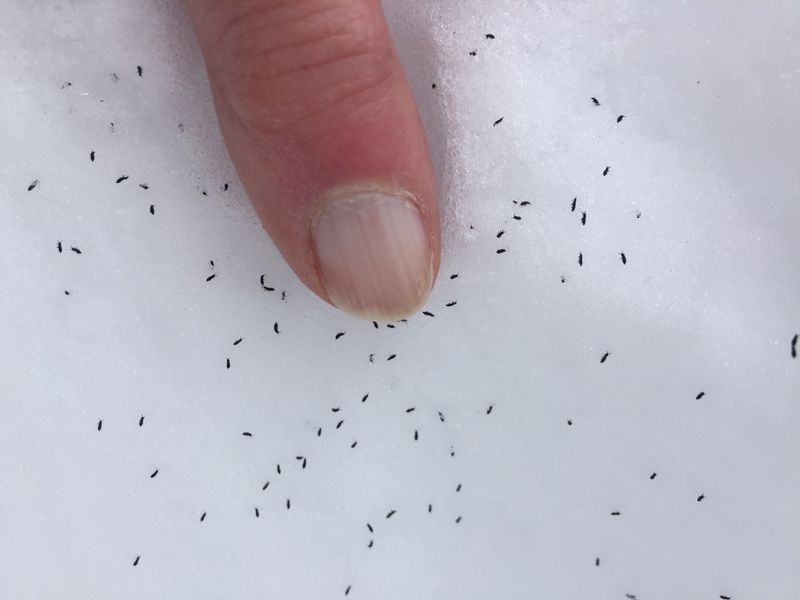
Finding snow fleas in your Vermont garden is actually good news. These springtails are bioindicators, meaning their presence signals certain environmental conditions.
Specifically, abundant snow flea populations suggest that your soil contains plenty of organic matter and supports a diverse community of microorganisms. Healthy soil ecosystems are essential for productive gardens and sustainable landscapes.
Snow fleas cannot survive in heavily compacted, chemically treated, or nutrient-poor soils. They need organic material to feed on and loose soil structure that allows them to move freely.
When gardeners spot these insects, it indicates that their soil management practices are working. Composting, mulching, and avoiding harsh chemicals all create conditions that support springtail populations.
The presence of snow fleas also suggests that other beneficial soil organisms are likely thriving as well. Earthworms, beneficial bacteria, mycorrhizal fungi, and other decomposers often coexist with springtails in healthy soil ecosystems.
Together, these organisms create a living soil that supports plant health naturally, reducing the need for synthetic inputs and producing more resilient gardens.
Vermont gardeners who want to encourage snow fleas should focus on building organic matter in their soil. Leaving leaf litter in place, adding compost regularly, and using organic mulches all provide habitat and food for these beneficial insects.
Rather than viewing snow fleas as pests or oddities, recognizing them as indicators of soil health transforms them into welcome garden residents. Their presence confirms that your gardening practices are creating a thriving ecosystem beneath the snow.