Yes, You Can Plant These 13 Oregon Native Plants In January
January isn’t usually the month people think of when it comes to planting. The days are short, the ground is damp, and most gardens look like they’re on pause.
Still, you might find yourself eyeing an empty spot in the yard or wondering if it’s really necessary to wait until spring to get started. Is it too early, or could some plants actually handle it?
In Oregon, certain native plants are more adaptable than we give them credit for. Many are used to cool temperatures and wet soil, and planting them in January can help them settle in slowly before active growth begins.
It’s a quieter way to garden, without the rush that comes later in the year.
If you’ve been itching to do something outdoors, even just a little, you’re not alone. Planting now can feel reassuring, especially when you know which plants are suited for it.
These Oregon native plants are strong candidates for January planting, giving you a head start while working with the season rather than against it.
1. Red-flowering currant (Ribes sanguineum)
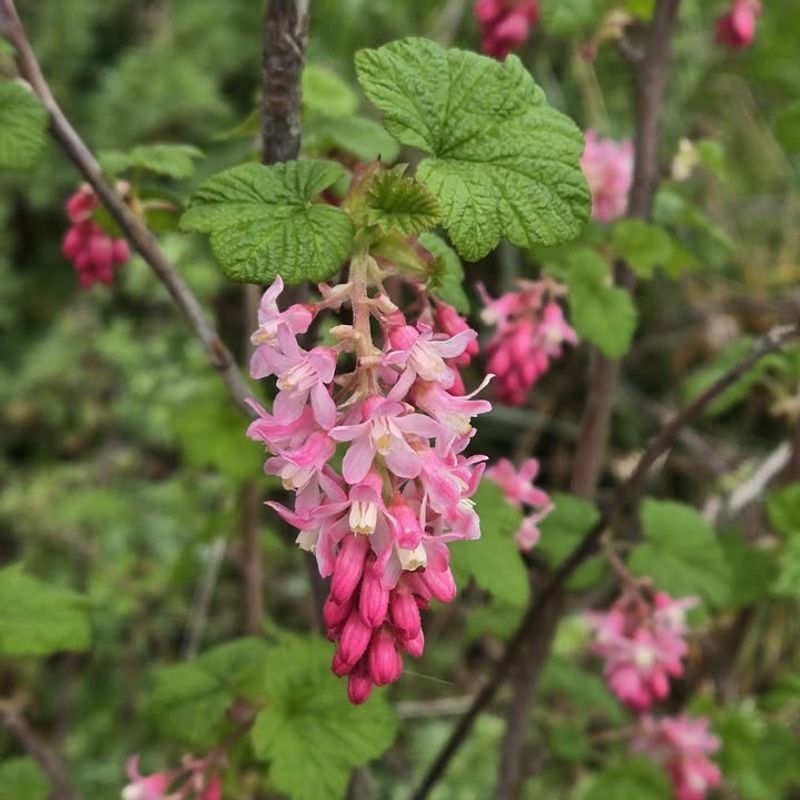
Bright pink blossoms dangle from arching branches in early spring, making red-flowering currant one of Oregon’s showiest native shrubs. Hummingbirds absolutely adore the tubular flowers that appear in February and March, often while snow still dusts the mountains.
Planting this beauty in January means roots establish during dormancy, preparing the shrub for explosive spring growth.
This deciduous shrub grows four to ten feet tall and wide, perfect for filling in awkward corners or creating a natural privacy screen. It tolerates both sun and partial shade, though flowering is more abundant with good light.
The foliage has a pleasant fragrance when brushed against, adding another sensory dimension to your garden.
Red-flowering currant adapts to various soil types as long as drainage is decent. Once established, it handles summer drought like a champ, needing minimal supplemental water.
The blue-black berries that follow the flowers feed birds throughout summer.
January planting takes advantage of Oregon’s wet season, reducing your watering duties significantly. Just dig a hole twice as wide as the root ball, amend with compost, and water thoroughly.
This native will reward your effort with years of color and wildlife activity.
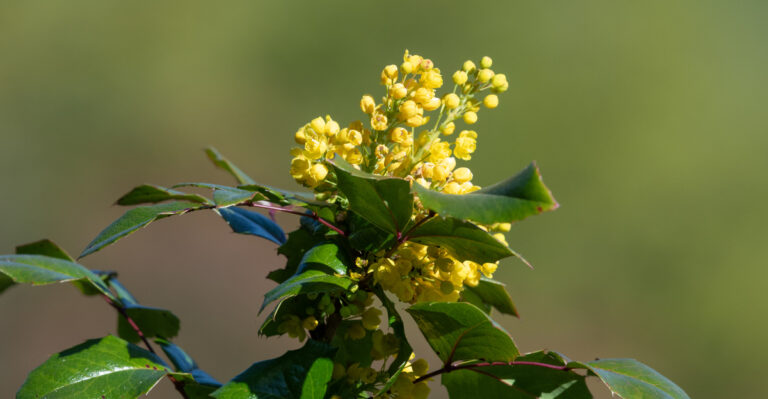
2. Oregon grape (Mahonia aquifolium)
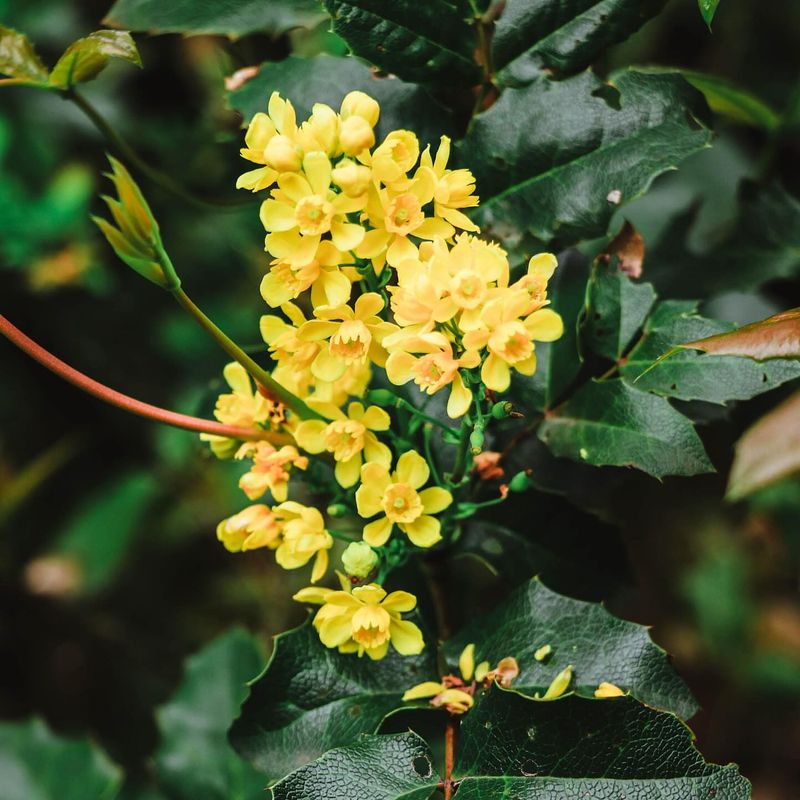
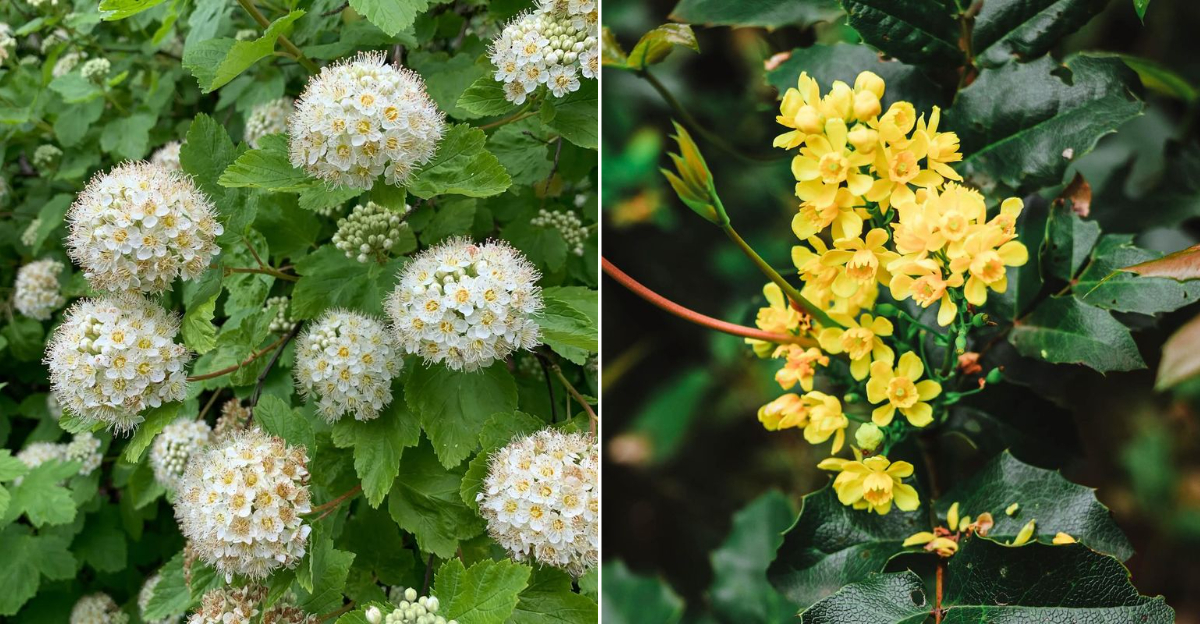
Oregon’s state flower brings year-round interest with its holly-like evergreen leaves that turn burgundy in winter. Clusters of cheerful yellow flowers brighten late winter and early spring, followed by blue-purple berries that birds devour.
Planting in January allows this tough shrub to root in deeply before warmer weather arrives.
Oregon grape grows slowly to about three to six feet tall, making it ideal for foundation plantings or woodland edges. The glossy, spiny leaves deter browsing deer while providing shelter for small birds and beneficial insects.
It thrives in shade to partial sun, handling dry shade better than most plants once established.
This native shrub tolerates a wide range of soils, from clay to sandy loam, as long as water doesn’t stand around the roots. During establishment, keep soil consistently moist but not soggy.
Your Oregon Garden Changes Every Week. Your Plan Should Too.
Gardening in Oregon changes quickly throughout the season. Every Friday you’ll receive a simple weekly plan showing exactly what to plant, prune, fertilize, harvest, and protect so you never miss the right timing.
After the first year, Oregon grape becomes remarkably drought-tolerant and low-maintenance.
The berries are edible but quite tart, traditionally used for jelly and wine by indigenous peoples. January is perfect for planting because cool, wet conditions match this plant’s natural habitat in Oregon forests.
Mulch around the base to conserve moisture and suppress weeds as it settles in.
3. Western sword fern (Polystichum munitum)
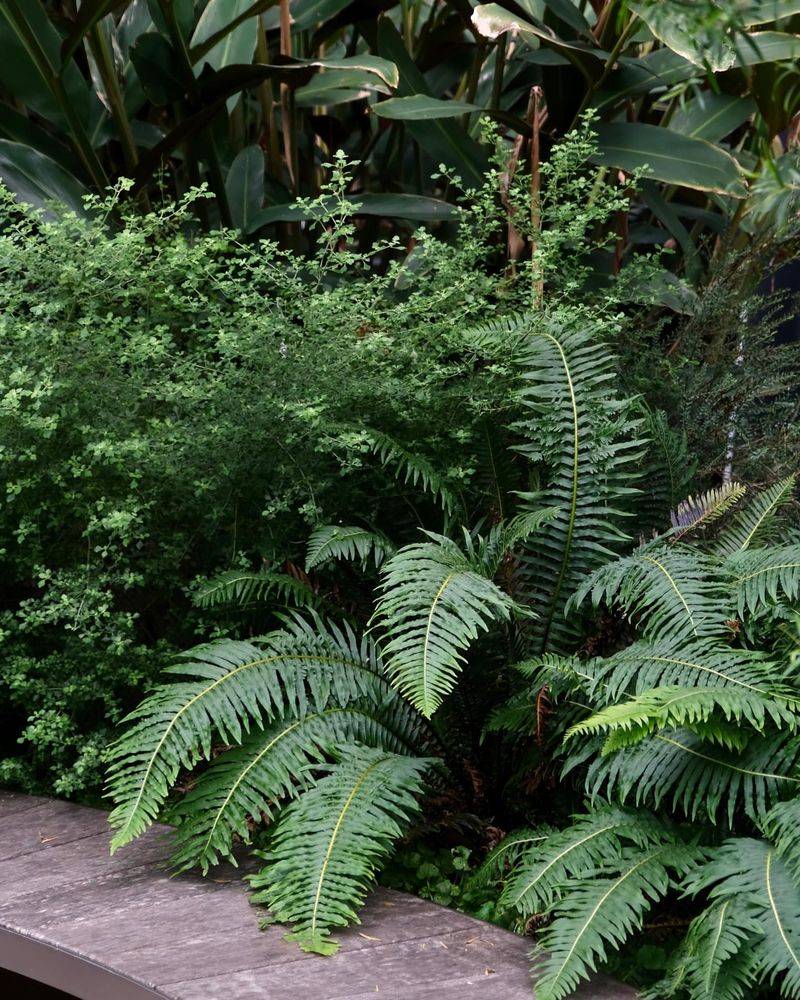
Elegant fronds arch gracefully from a central crown, creating lush green texture in shady corners where other plants struggle. Western sword fern is Oregon’s most recognizable native fern, thriving in forests from the coast to the Cascades.
January planting capitalizes on winter moisture to help these woodland beauties establish strong root systems.
Individual fronds can reach four feet long, forming impressive clumps over time that spread slowly but steadily. This evergreen fern maintains its good looks through winter, providing structure and color when many plants look bare.
It prefers shade to partial shade and rich, humus-laden soil that mimics forest floors.
Once established, sword fern tolerates summer drought surprisingly well for a fern, though it looks best with occasional deep watering during dry spells. Slugs and snails sometimes nibble young fronds, but established plants shrug off most pests.
The dense growth provides excellent cover for ground-dwelling birds and small mammals.
Planting in January takes advantage of Oregon’s rainy season, minimizing transplant shock and watering needs. Simply plant at the same depth it grew in the pot, water well, and mulch with leaf compost or bark.
This native fern will gradually naturalize, creating a peaceful woodland atmosphere in your garden.
4. Salal (Gaultheria shallon)
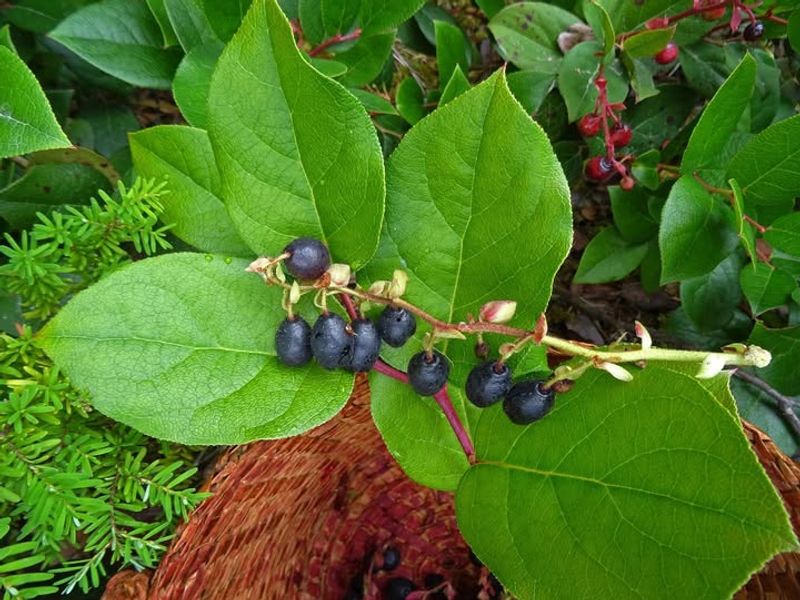
Glossy evergreen leaves and delicate pink bell-shaped flowers make salal a Pacific Northwest treasure. This versatile shrub grows naturally in coastal forests and understory areas, adapting to both sun and shade with equal grace.
January planting allows roots to spread through moist soil before spring growth begins in earnest.
Salal typically reaches three to five feet tall but can be kept lower with occasional pruning. The leathery leaves are popular with florists for arrangements, staying fresh and attractive for weeks after cutting.
Small white to pink flowers bloom in spring, attracting native bees and other pollinators to your garden.
Dark purple berries ripen in late summer and fall, providing important food for birds, bears, and historically for indigenous peoples who ate them fresh and dried. The fruit has a mild, slightly sweet flavor that some people enjoy straight from the bush.
Salal tolerates poor soil and drought once established, making it exceptionally low-maintenance.
This native shrub works beautifully as a groundcover on slopes, in woodland gardens, or as an informal hedge. January’s cool, wet weather is ideal for planting because salal establishes best when temperatures are mild.
Water regularly through the first summer, then enjoy years of carefree beauty and wildlife benefits.
5. Snowberry (Symphoricarpos albus)
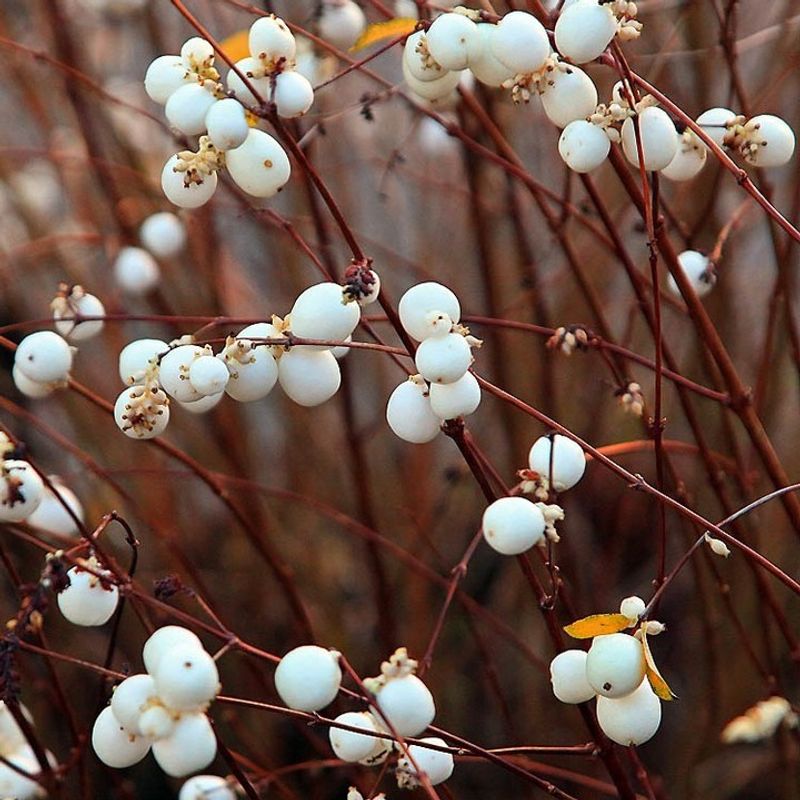
White berries resembling tiny snowballs cluster along arching stems in fall and winter, creating striking contrast against bare branches. Snowberry earns its common name from these distinctive fruits that persist long after leaves drop.
Planting in January gives this deciduous shrub a head start on root development before active growth resumes.
Growing three to six feet tall, snowberry spreads by underground runners to form colonies in the wild. In gardens, it can be contained with occasional removal of suckers or allowed to naturalize in informal areas.
The shrub tolerates a wide range of conditions, from full sun to deep shade, wet to dry soils.
Small pink flowers bloom in late spring and summer, attracting bees and butterflies despite their modest appearance. The real show comes in autumn when those signature white berries appear, often lasting well into winter.
Birds eventually eat the berries, though they seem to prefer other food sources first.
Snowberry works well for erosion control on slopes, as an understory plant beneath trees, or in wildlife hedgerows. January planting during dormancy reduces transplant stress and takes advantage of natural rainfall.
This tough native adapts to challenging sites where fussier plants fail, asking almost nothing in return for seasonal interest and wildlife value.
6. Kinnikinnick (Arctostaphylos uva-ursi)
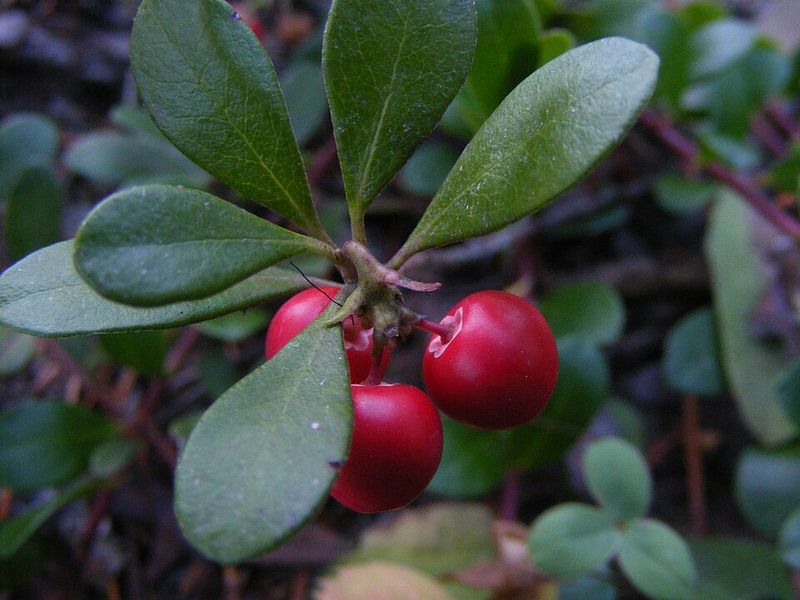
Low-growing branches hug the ground like a living carpet, covered with small, glossy evergreen leaves that bronze in winter. Kinnikinnick, also called bearberry, makes an outstanding groundcover for sunny, well-drained sites.
January planting allows this slow-growing native to establish roots during cool weather, preparing it for summer heat.
This prostrate shrub grows only six to twelve inches tall but spreads several feet wide over time. Tiny pink urn-shaped flowers appear in spring, followed by bright red berries that persist into winter.
The berries attract birds while the dense foliage provides shelter for ground-nesting insects and small animals.
Kinnikinnick thrives in poor, rocky, or sandy soils where other plants struggle, making it perfect for challenging sites. It requires excellent drainage and actually prefers lean soil over rich, amended ground.
Once established, it needs no supplemental water in most Oregon locations, handling drought with remarkable resilience.
Use kinnikinnick on slopes for erosion control, as a lawn alternative in sunny areas, or to cascade over walls and edges. January is an excellent planting time because the plant is dormant and winter rains provide consistent moisture.
Space plants about three feet apart, water thoroughly at planting, and then step back to watch this native slowly knit together into a beautiful, maintenance-free carpet.
7. Nootka rose (Rosa nutkana)
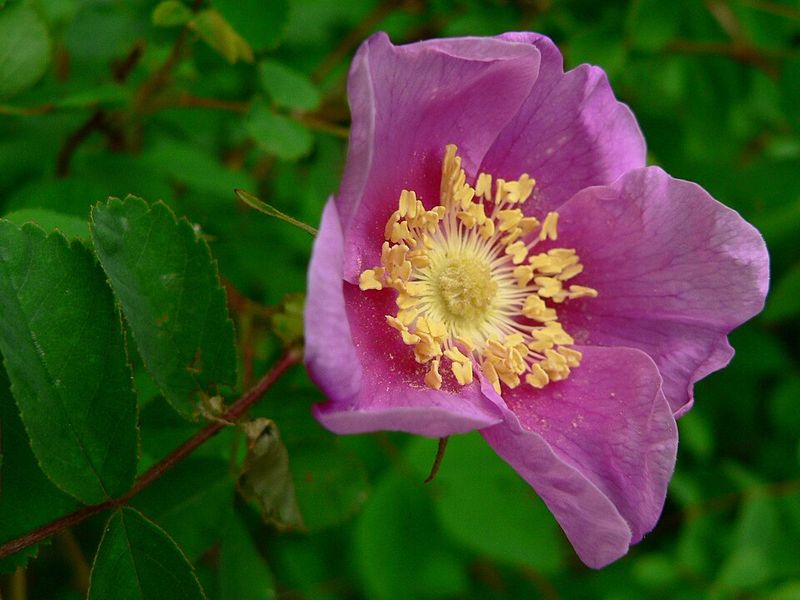
Fragrant pink blooms grace this wild rose in late spring and early summer, filling the air with classic rose perfume. Nootka rose grows naturally along streams and forest edges throughout Oregon, bringing cottage garden charm to native landscapes.
January planting during dormancy gives bare-root roses the best chance to establish strong root systems.
This deciduous shrub typically reaches four to eight feet tall with an equal spread, forming thickets in the wild through suckering. In gardens, it can be maintained as a single-stemmed specimen or allowed to naturalize in informal areas.
The stems bear scattered thorns, providing protective cover for nesting birds.
Large single flowers, about two to three inches across, feature five pink petals surrounding golden stamens. After blooming, bright red rose hips develop, packed with vitamin C and beloved by birds and wildlife.
The hips persist through winter, adding color when the garden looks bleak.
Nootka rose tolerates wet sites better than many roses, making it ideal for rain gardens or naturally moist areas. It also adapts to average garden conditions with regular water during establishment.
January planting takes advantage of dormancy and winter moisture, reducing stress on the plant. Prune out dead canes in late winter to encourage vigorous new growth and abundant flowers.
8. Pacific ninebark (Physocarpus capitatus)
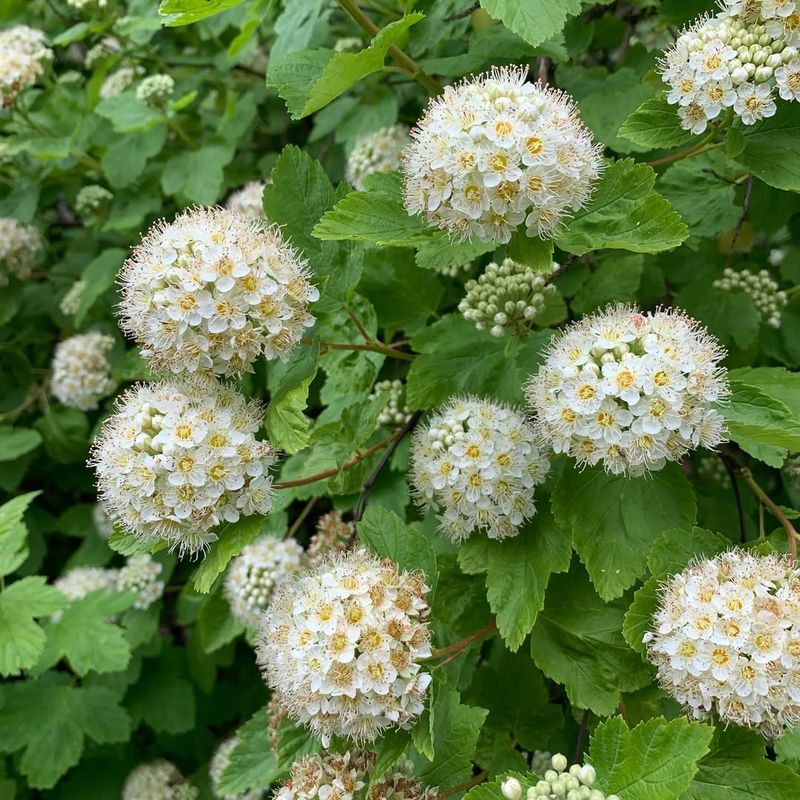
Peeling bark in shades of cinnamon and brown adds winter interest to this deciduous shrub that most people overlook until they discover its many charms. Pacific ninebark thrives in wet areas along streams and seeps, making it perfect for challenging damp spots in the garden.
January planting aligns perfectly with this moisture-loving native’s preferences.
Growing six to twelve feet tall, this shrub forms an attractive upright to rounded shape with arching branches. Clusters of small white flowers bloom in late spring, attracting numerous pollinators with their sweet fragrance.
The flowers give way to reddish seed capsules that persist into fall, providing visual interest and bird food.
Maple-like leaves emerge bright green in spring, maintaining good color through summer before dropping in autumn. The real standout feature is the exfoliating bark that reveals multiple layers, creating texture and color during the dormant season.
This characteristic makes ninebark valuable for winter gardens that need structure and interest.
Pacific ninebark tolerates wet, even boggy soils that would rot the roots of less adaptable plants. It also grows in average garden conditions with regular water, showing remarkable flexibility.
January is ideal for planting because the shrub is dormant and Oregon’s winter rains provide consistent moisture. Prune in late winter to control size and encourage fresh growth with better bark display.
9. Serviceberry (Amelanchier alnifolia)
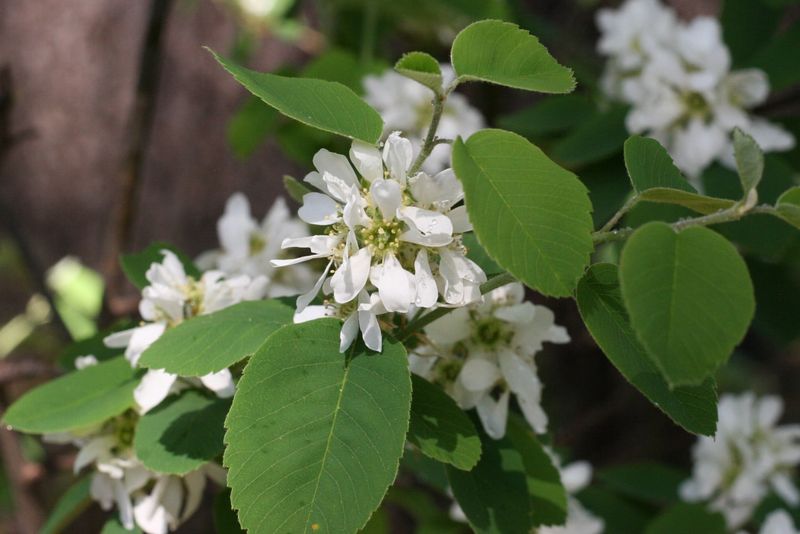
Clouds of white flowers cover this small tree or large shrub in early spring, often blooming before leaves fully emerge. Serviceberry offers four-season interest with spring flowers, edible summer berries, fall color, and attractive branching structure in winter.
January planting during dormancy gives this native the best start for vigorous growth come spring.
Typically growing ten to fifteen feet tall, serviceberry can be trained as a single-trunk tree or left as a multi-stemmed shrub. Oval leaves emerge bronze-tinted, mature to blue-green, then turn brilliant orange and red in autumn.
The flowers attract early-season pollinators, including native bees emerging from winter dormancy.
Dark purple berries ripen in early summer, tasting like a cross between blueberries and apples with a hint of almond. Birds compete vigorously for the fruit, so you need to harvest quickly if you want some for yourself.
The berries make excellent pies, jams, and fresh eating, prized by indigenous peoples for centuries.
Serviceberry adapts to sun or partial shade and various soil types, though it prefers consistent moisture. Once established, it tolerates some drought but produces better fruit with regular water.
January planting takes advantage of cool, wet weather to minimize transplant shock. This native truly deserves a place in every Oregon edible landscape for its beauty and delicious harvest.
10. Vine maple (Acer circinatum)
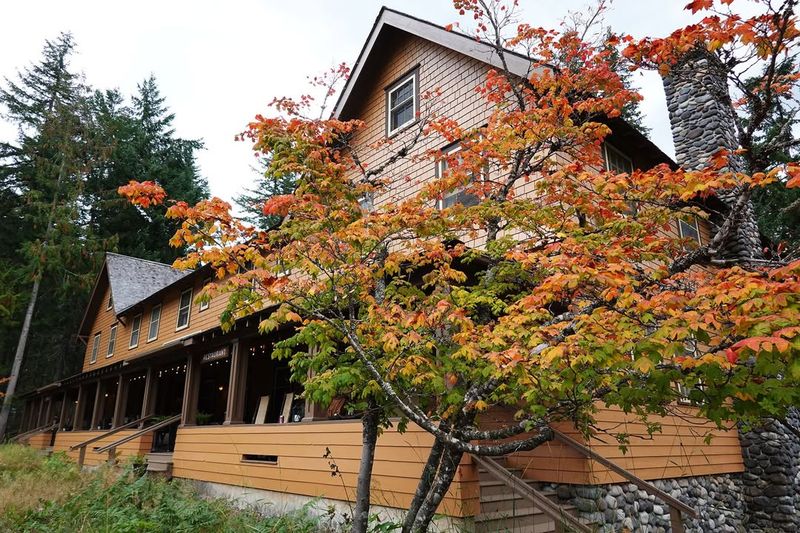
Graceful branches twist and turn in artistic patterns, creating living sculpture in woodland gardens. Vine maple grows naturally in the understory of Oregon forests, where it often leans and sprawls rather than growing strictly upright.
January planting during dormancy reduces stress on this deciduous native, allowing roots to establish before leaf-out.
Usually reaching fifteen to twenty feet tall, vine maple can be trained into a small tree form or left to develop its natural multi-stemmed, spreading habit. The round, deeply lobed leaves resemble Japanese maple foliage but belong to a tough Pacific Northwest native.
Small reddish flowers bloom in spring, followed by paired winged seeds that spin like helicopters when they fall.
Fall color is absolutely spectacular, with leaves turning brilliant shades of orange, red, and yellow that rival any ornamental maple. The show varies from year to year depending on weather conditions, but it always impresses.
In winter, the smooth gray-green bark and twisting branches provide architectural interest.
Vine maple prefers shade to partial shade and consistent moisture, making it perfect for woodland gardens or shady corners. It tolerates some sun if given adequate water, though leaf scorch can occur in hot, dry conditions.
January is an excellent planting time because the tree is dormant and winter rains provide natural irrigation. Mulch well to conserve moisture and protect shallow roots.
11. Douglas spirea (Spiraea douglasii)
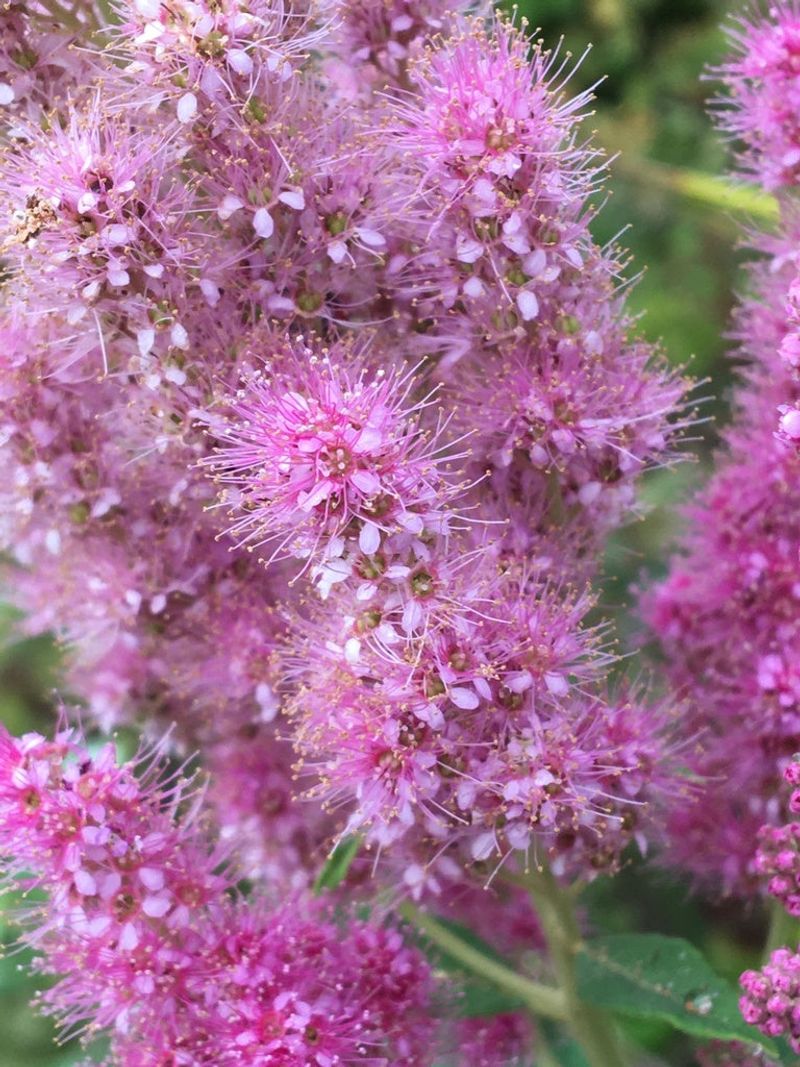
Fuzzy pink flower spikes rise above the foliage in summer like cotton candy on stems, attracting butterflies and bees from across the garden. Douglas spirea thrives in wet meadows and stream edges, making it invaluable for rain gardens and boggy areas where other shrubs struggle.
January planting takes advantage of naturally moist conditions this native prefers.
This deciduous shrub grows three to six feet tall, spreading slowly by underground stems to form colonies. Narrow leaves are dark green above and pale beneath, creating subtle two-tone effect when breezes flip the foliage.
The upright growth habit makes Douglas spirea useful for informal hedges or mass plantings.
The rosy pink flower clusters bloom from June through August, providing nectar when many spring bloomers have finished. Butterflies, especially swallowtails, visit frequently to feed on the abundant nectar.
After flowering, small dry capsules form, persisting into winter and adding texture to the garden.
Douglas spirea tolerates standing water and poorly drained soils that would be fatal to less adaptable plants. It also grows in average garden conditions with regular watering, showing impressive flexibility.
January planting during dormancy minimizes transplant shock and takes advantage of Oregon’s rainy season. This native asks little in return for months of color and wildlife benefits, making it a smart choice for low-maintenance landscapes.
12. Twinflower (Linnaea borealis)
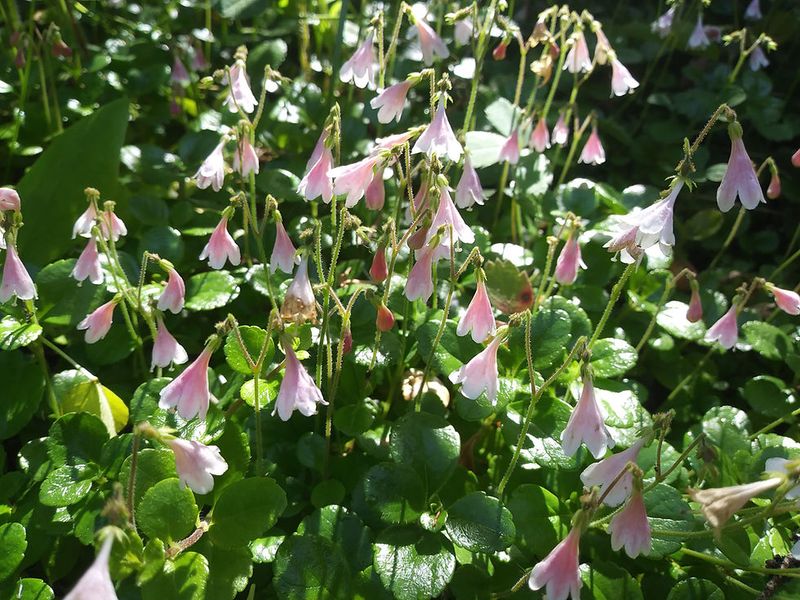
Delicate pink bell-shaped flowers dangle in pairs from thread-like stems above a carpet of tiny evergreen leaves. Twinflower is one of Oregon’s most charming woodland natives, though it often goes unnoticed due to its diminutive size.
January planting allows this slow-growing groundcover to establish roots during cool, moist conditions it loves.
This creeping plant grows only two to four inches tall, spreading by trailing stems that root where they touch the ground. The small, rounded leaves remain green through winter, forming a fine-textured mat beneath trees and shrubs.
In late spring to early summer, the paired flowers appear, sweetly fragrant and irresistible to small native bees.
Twinflower requires shade and consistently moist, acidic soil rich in organic matter. It naturally grows in conifer forests where thick duff layers keep the ground cool and damp.
In gardens, it needs similar conditions, making it perfect for woodland gardens or shady rock gardens with good soil preparation.
This native spreads slowly but eventually creates a beautiful evergreen carpet that suppresses weeds and provides habitat for ground-dwelling insects. It pairs wonderfully with ferns, native woodland wildflowers, and shade-loving shrubs.
January planting during dormancy gives twinflower time to settle in before flowering season. Be patient with this little native because it takes time to establish, but the delicate beauty is worth the wait.
13. Red osier dogwood (Cornus sericea)
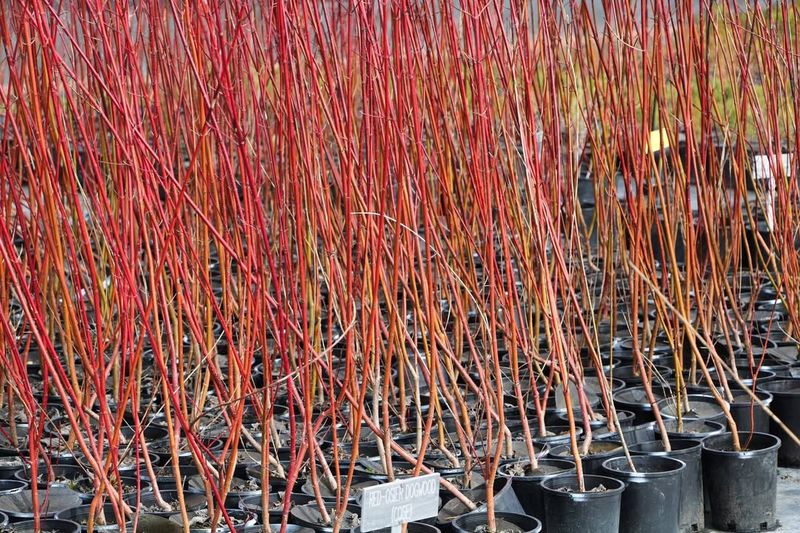
Brilliant red stems glow like embers against winter snow and gray skies, making red osier dogwood a standout in the dormant season landscape. This deciduous shrub thrives in wet areas throughout Oregon, bringing color when the garden needs it most.
January planting during dormancy allows roots to establish in the moist conditions this native craves.
Growing six to ten feet tall, red osier dogwood spreads by underground stems to form thickets in the wild. In gardens, it can be contained with pruning or allowed to naturalize along streams and pond edges.
The stems are brightest red on young growth, so periodic pruning encourages fresh, colorful shoots.
Clusters of small white flowers bloom in late spring, attracting numerous pollinators despite their modest appearance. White to bluish berries follow in late summer, quickly consumed by birds who relish the high-fat fruit.
The berries are technically edible but quite bitter, better left for wildlife.
Oval leaves emerge bright green, sometimes with reddish tints, turning burgundy to purple in fall before dropping. Red osier dogwood tolerates standing water and poorly drained soils, making it perfect for rain gardens and wet ditches.
January is ideal for planting because the shrub is dormant and winter moisture supports establishment. Prune older stems to the ground every few years to maintain the brightest red color for maximum winter impact.