These 11 Plants Fail In Oregon’s Winter Soil (Try These Instead)
It usually starts with good intentions. You plant something you love, give it water, tuck it into the soil, and expect it to settle in just fine.
Then winter rolls through, the ground stays wet for weeks, and suddenly that plant doesn’t look so good. Have you ever stood in your yard and wondered why something that seemed like a safe choice just didn’t make it?
Oregon’s winter soil can be tricky. It’s cold, often heavy, and holds onto moisture longer than many plants can handle.
Even hardy-looking favorites can struggle when their roots sit in soggy ground for too long. That doesn’t mean you did anything wrong.
A lot of gardening here comes down to matching the right plant to the right conditions, and winter tends to reveal those mismatches pretty clearly.
If you’ve lost a plant or two and felt discouraged, you’re not alone. Most Oregon gardeners learn this lesson the hard way at least once.
The good news is that there are plants that handle winter soil much better, smarter alternatives that are more likely to thrive and save you frustration down the line.
1. Lavender

Most lavender varieties come from Mediterranean climates where winters stay dry and mild. Oregon’s wet winter soil creates a hostile environment for these sun-loving herbs.
Water sits around the roots for weeks, and lavender cannot tolerate this constant moisture. The roots rot quickly when drainage is poor, and most varieties turn brown and mushy by February.
Spanish lavender and French lavender are especially vulnerable in our climate. Even English lavender, which handles cold better, struggles with prolonged wetness.
You might see your lavender looking healthy in fall, but winter rains spell trouble. The combination of cold temperatures and soggy soil is simply too much for these plants to handle.
Instead, try rosemary varieties bred for the Pacific Northwest. Arp rosemary and Hill Hardy rosemary both tolerate wet winters far better than lavender.
They offer similar evergreen foliage and aromatic leaves for cooking. Another excellent alternative is Oregon grape, a native shrub with yellow flowers in spring and attractive blue berries.
Both options thrive in our rainy climate and provide year-round interest without the worry of winter loss.
2. Bougainvillea
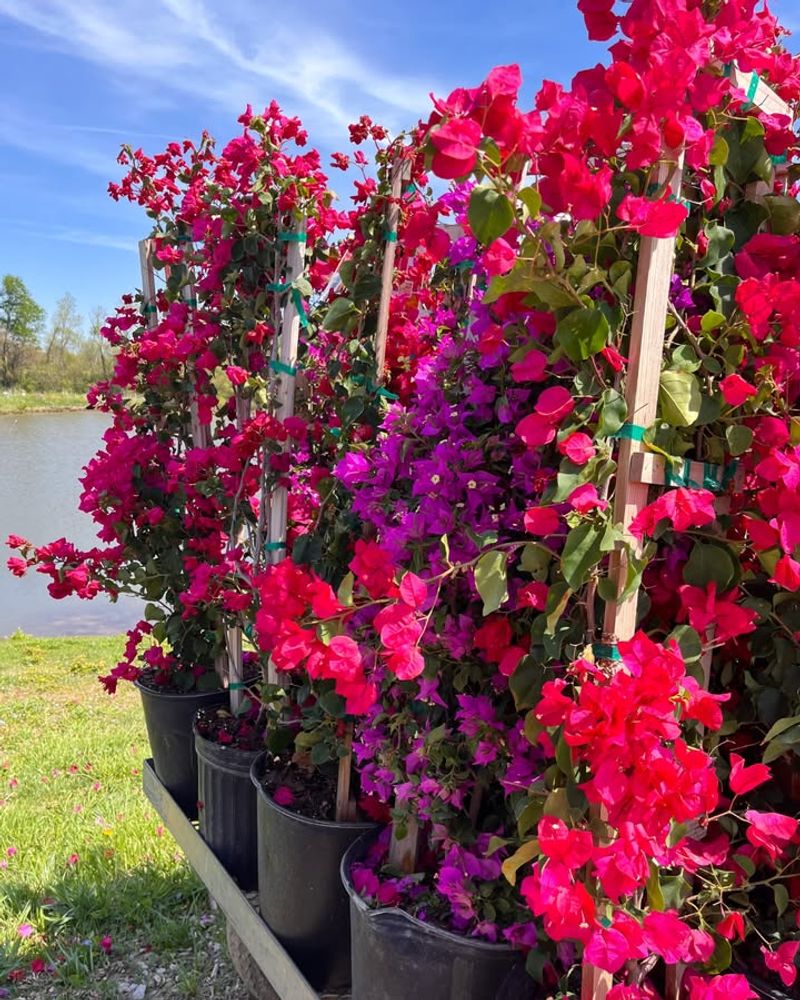
Bougainvillea brings vibrant color to warm-climate gardens with its papery bracts in pink, red, orange, and purple. This tropical beauty needs heat and sunshine to flourish.
When temperatures drop below 30 degrees Fahrenheit, bougainvillea suffers serious damage. Oregon winters regularly dip into the 20s, making outdoor survival impossible for this frost-tender plant.
Even a single night of freezing temperatures can damage the leaves and stems. The plant goes into shock and cannot recover once the cold sets in.
Wet soil makes matters worse because bougainvillea needs excellent drainage at all times. Our winter rains combined with cold create the worst possible conditions for this sun worshipper.
For similar bold color during the cooler months, plant winter-blooming heather instead. Varieties like Erica carnea bloom from November through April with pink, white, or red flowers.
Your Oregon Garden Changes Every Week. Your Plan Should Too.
Gardening in Oregon changes quickly throughout the season. Every Friday you’ll receive a simple weekly plan showing exactly what to plant, prune, fertilize, harvest, and protect so you never miss the right timing.
Hellebores also provide stunning winter blooms in shades of pink, purple, white, and green. Both plants actually prefer Oregon’s cool, moist winters and will reward you with color when most other plants rest.
They handle our climate beautifully and need minimal care once established in the garden.
3. Hibiscus (Tropical Varieties)

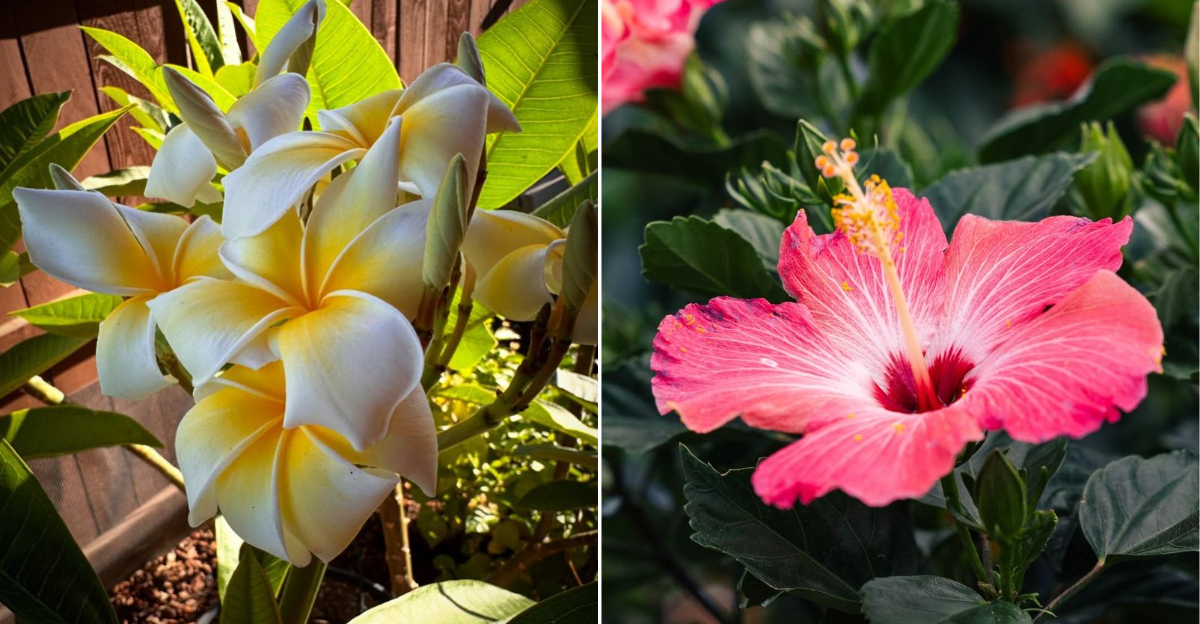
Tropical hibiscus produces those gorgeous, dinner-plate-sized flowers in every color imaginable. Garden centers sell them all summer long, and they look fantastic on patios and decks.
However, these beauties cannot survive even a light frost. When temperatures approach freezing, tropical hibiscus loses leaves and stems turn black.
Oregon winters are far too cold for these heat-loving plants to survive outdoors.
Many gardeners try to overwinter tropical hibiscus indoors, but this proves challenging. The plants need bright light, warm temperatures, and consistent care to make it through until spring.
Most end up dropping leaves and looking sad by February. The effort rarely pays off compared to choosing plants that naturally thrive in our climate.
Hardy hibiscus varieties offer a much better option for Oregon gardens. Rose mallow hibiscus (Hibiscus moscheutos) produces similarly large flowers in summer and goes dormant in winter naturally.
The roots survive our cold, wet soil without any problem. Camellias provide another excellent alternative with showy flowers from fall through spring.
Sasanqua camellias bloom in fall, while japonica varieties flower in late winter and early spring, giving you color when you need it most in Oregon gardens.
4. Citrus Trees
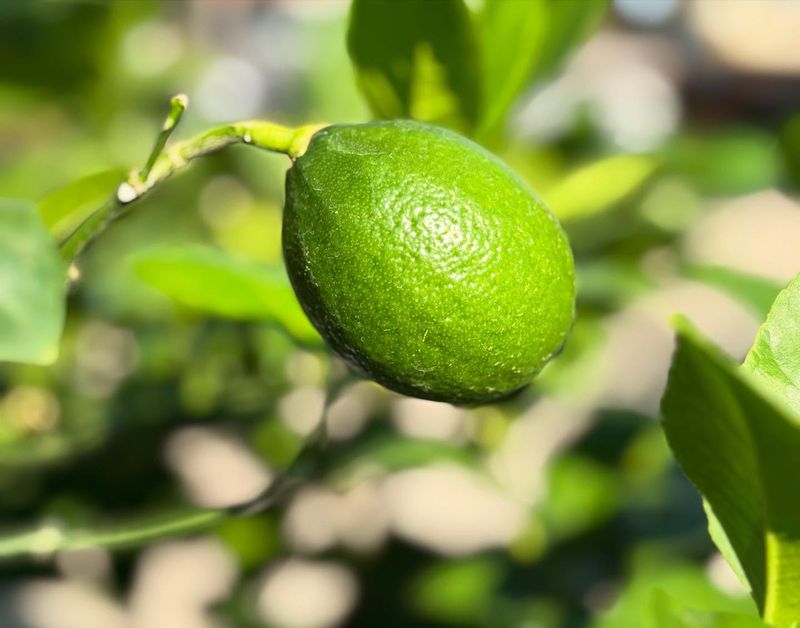
Growing your own lemons, limes, and oranges sounds amazing. Citrus trees produce fragrant flowers and delicious fruit in warm climates.
Unfortunately, most citrus varieties cannot tolerate temperatures below 25 degrees Fahrenheit. Oregon’s winter cold snaps easily reach into the teens, especially east of the Cascades.
Even in milder areas like Portland, occasional freezes will damage or destroy citrus trees planted outdoors.
The trees not only suffer from cold air but also from cold, wet soil. Citrus roots need warmth and excellent drainage year-round.
Oregon’s winter soil stays cold and saturated for months. This combination leads to root problems and eventual decline even if the tree survives the air temperature.
You might keep a citrus tree alive for a year or two, but long-term success outdoors is nearly impossible in our climate.
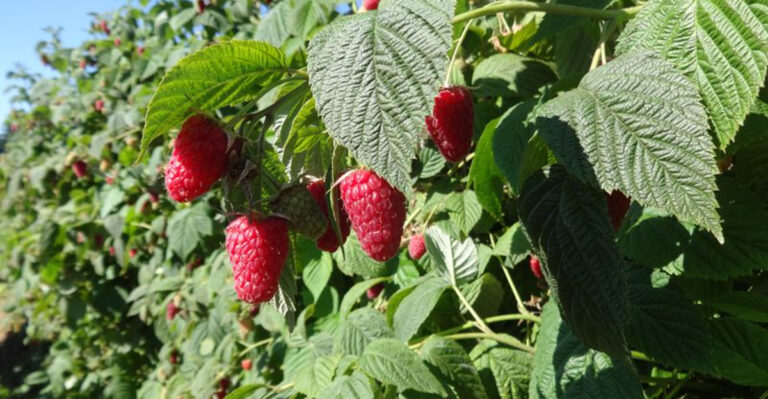
For homegrown fruit that actually thrives here, plant hardy kiwi vines or blueberry bushes. Hardy kiwi produces smooth-skinned, grape-sized fruits with amazing flavor.
Blueberries love our acidic soil and provide beautiful fall color along with delicious berries. Both options handle Oregon winters perfectly and produce abundant crops without the constant worry of freeze damage.
You get fresh fruit without fighting against our natural climate conditions.
5. Lantana
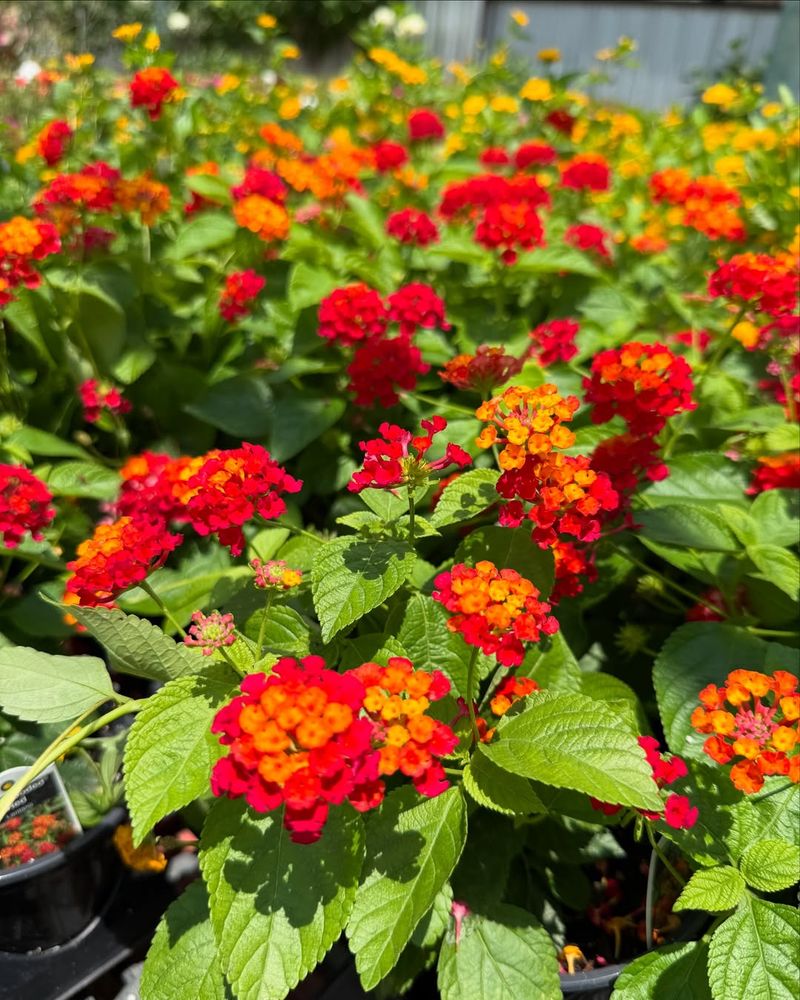
Lantana clusters of tiny flowers attract butterflies and hummingbirds all summer long. This tough plant handles heat and drought beautifully, making it popular in hot, dry climates.
Colors range from yellow and orange to pink, purple, and white. Lantana seems indestructible during summer months, but appearances can be deceiving when it comes to cold tolerance.
Once temperatures drop below freezing, lantana suffers significant damage. The stems turn black and the leaves wither away.
In zones warmer than Oregon, lantana might resprout from roots in spring. However, our combination of cold temperatures and saturated winter soil prevents this recovery.
The roots cannot survive months of cold, wet conditions. By spring, nothing remains to regrow.
For similar butterfly-attracting color that survives Oregon winters, plant sedums and asters instead. Autumn Joy sedum produces pink flower clusters in late summer that butterflies adore.
Asters bloom in fall with purple, pink, or white daisy-like flowers that pollinators love. Both plants are completely hardy in our climate and come back stronger each year.
Oregon grape also attracts early-season pollinators with bright yellow flowers in late winter, giving you wildlife value throughout the year without replanting.
6. Impatiens (Standard Varieties)
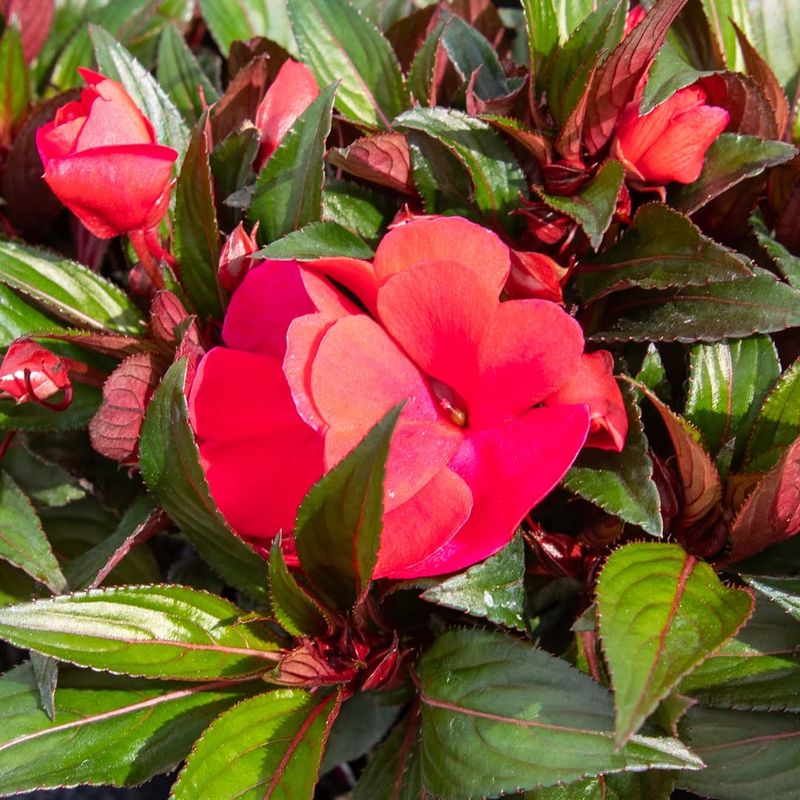
Standard impatiens bring cheerful color to shady summer gardens across the country. These annual flowers bloom nonstop from spring through fall with minimal care.
However, they are true warm-season annuals that cannot tolerate any frost whatsoever. The first cold snap in fall turns impatiens to mush overnight.
They simply cannot survive Oregon winters outdoors, and the cold, wet soil would rot any roots that might try to persist.
Some gardeners hope these flowers might self-seed and return in spring. Unfortunately, impatiens seeds need warm soil to germinate, and Oregon’s soil stays cold well into late spring.
You will not see volunteers appearing the following year. Replanting every spring gets expensive and creates unnecessary work when better options exist for year-round garden interest.
New Guinea impatiens face the same problems despite being slightly tougher. For reliable color in shade that handles Oregon winters, plant hellebores or primroses instead.
Hellebores bloom from December through April with nodding flowers in many colors. Primroses start blooming in late winter and continue into spring.
Both plants thrive in our cool, moist climate and return year after year. Ferns also provide beautiful texture in shady spots and remain evergreen through winter, giving you structure when other plants disappear.
7. Oleander
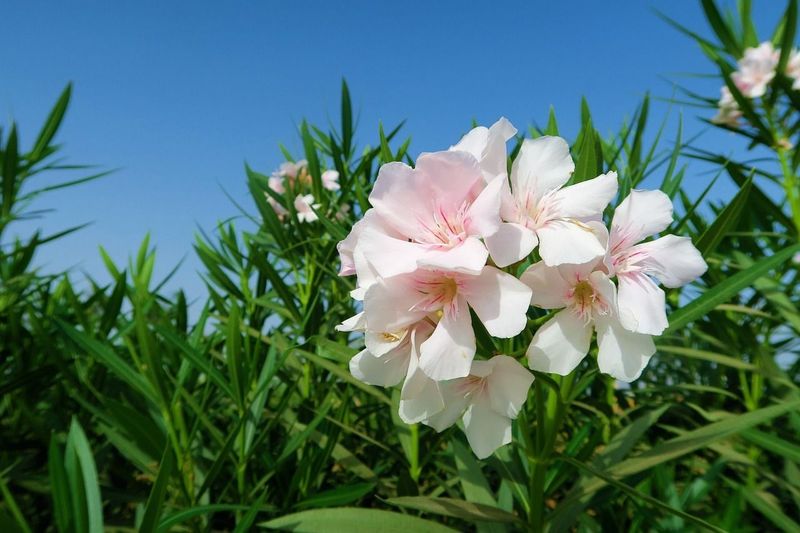
Oleander shrubs line highways and decorate landscapes throughout California and the Southwest. These evergreen plants produce beautiful flowers in shades of pink, red, white, and yellow all summer long.
They tolerate heat, drought, and poor soil with ease. Oleander seems nearly indestructible in warm climates, leading some gardeners to try them in Oregon.
This experiment always ends badly. Oleander cannot survive temperatures below 20 degrees Fahrenheit, and most varieties show damage even at 25 degrees.
Oregon winters regularly reach these temperatures, especially during cold snaps. The evergreen leaves turn brown, stems suffer damage, and the plant struggles or fails completely.
Even if protected, the wet winter soil creates root problems that compound cold damage.
For similar evergreen structure with flowers, choose rhododendrons or azaleas instead. These plants were practically made for Oregon’s climate.
They thrive in our acidic soil and handle wet winters without complaint. Rhododendrons bloom in spring with massive flower clusters, while azaleas offer brilliant color in various shades.
Both provide year-round evergreen foliage and return reliably every year. Pieris is another excellent choice with early spring flowers and colorful new growth that adds interest.
All three options far outperform oleander in Pacific Northwest gardens.
8. Plumeria
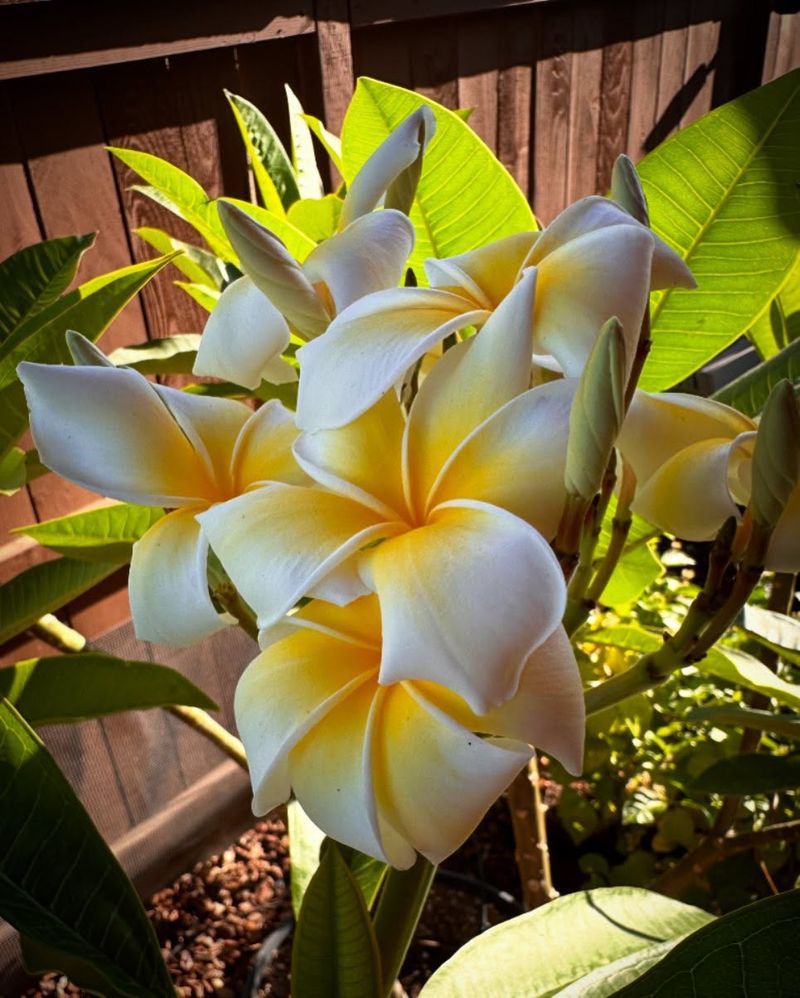
These gorgeous flowers smell absolutely amazing and come in stunning color combinations. These tropical trees produce the flowers used in Hawaiian leis.
The fragrance alone makes gardeners want to try growing them. Plumeria thrives in tropical and subtropical climates where temperatures never drop near freezing.
Oregon winters are completely incompatible with this tender tropical plant.
Any frost will damage plumeria severely. Temperatures in the 30s cause leaf drop, and anything below freezing damages or destroys the stems.
The plant cannot survive outdoors through an Oregon winter under any circumstances. Even keeping plumeria alive indoors proves difficult because they need warmth, humidity, and bright light.
Most indoor attempts result in struggling plants that never bloom.
For wonderful fragrance in an Oregon-hardy plant, choose daphne or sweet box instead. Daphne odora blooms in late winter with intensely fragrant pink or white flowers.
Sweet box (Sarcococca) produces tiny white flowers in winter with a honey-like scent that carries across the garden. Both plants are evergreen and completely hardy in our climate.
Witch hazel also blooms in winter with fragrant, spidery flowers in yellow, orange, or red. These alternatives give you amazing fragrance without the frustration of trying to grow tropical plants in the wrong climate.
9. Succulents (Tender Varieties)

Succulents have become incredibly popular for their easy care and architectural shapes. Varieties like echeveria, aeonium, and jade plant create stunning container displays and rock gardens.
These plants store water in thick leaves, making them perfect for dry climates. However, most popular succulent varieties come from warm regions and cannot handle freezing temperatures or wet conditions.
When temperatures drop below freezing, the water inside succulent leaves freezes and expands. This causes the cells to burst, turning leaves to mush.
Oregon’s winter combination of cold and rain is especially problematic. Even if temperatures stay above freezing, constant moisture causes rot in these drought-adapted plants.
Most tender succulents turn to slime within weeks of winter weather arriving.
Fortunately, some succulents actually thrive in Oregon winters. Sedums (stonecrops) are completely hardy and come in dozens of varieties with different colors and growth habits.
Sempervivums (hens and chicks) survive our coldest winters and even look better after frost. Both types handle wet soil much better than tender succulents.
For similar architectural interest, try hardy agaves or yuccas that tolerate our climate. These tough plants provide the same sculptural quality without the winter losses that frustrate gardeners trying to grow tender varieties.
10. Geraniums (Pelargonium)
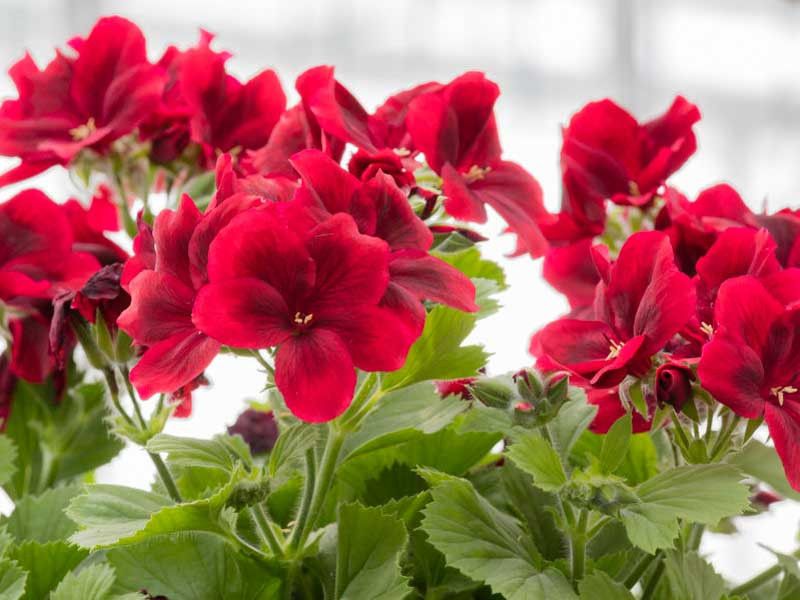
Bright red geraniums in pots are a classic summer sight on porches and patios everywhere. These cheerful plants bloom continuously through summer with minimal deadheading.
Many varieties also have fragrant leaves with scents like lemon, rose, or chocolate mint. Geraniums seem tough and reliable during warm months, leading some gardeners to think they might survive mild Oregon winters.
Unfortunately, true geraniums (Pelargonium) are tender perennials that cannot survive freezing temperatures. Even a light frost damages the leaves and flowers.
Hard freezes turn the entire plant to mush overnight. Oregon’s winter cold is simply too much for these South African natives.
The wet soil makes survival even more unlikely because geraniums prefer drier conditions and good drainage.
For similar bright color that actually enjoys Oregon winters, plant hardy geraniums (Geranium) instead. Despite the similar name, these are completely different plants.
Hardy geraniums are true perennials that survive our coldest winters and bloom from spring through fall. Varieties like Rozanne produce blue flowers for months.
For evergreen foliage with flowers, try heucheras (coral bells) which offer colorful leaves year-round plus delicate flower spikes in summer. Both options provide reliable color without the need to replant every year or bring plants indoors for winter protection.
11. Mandevilla
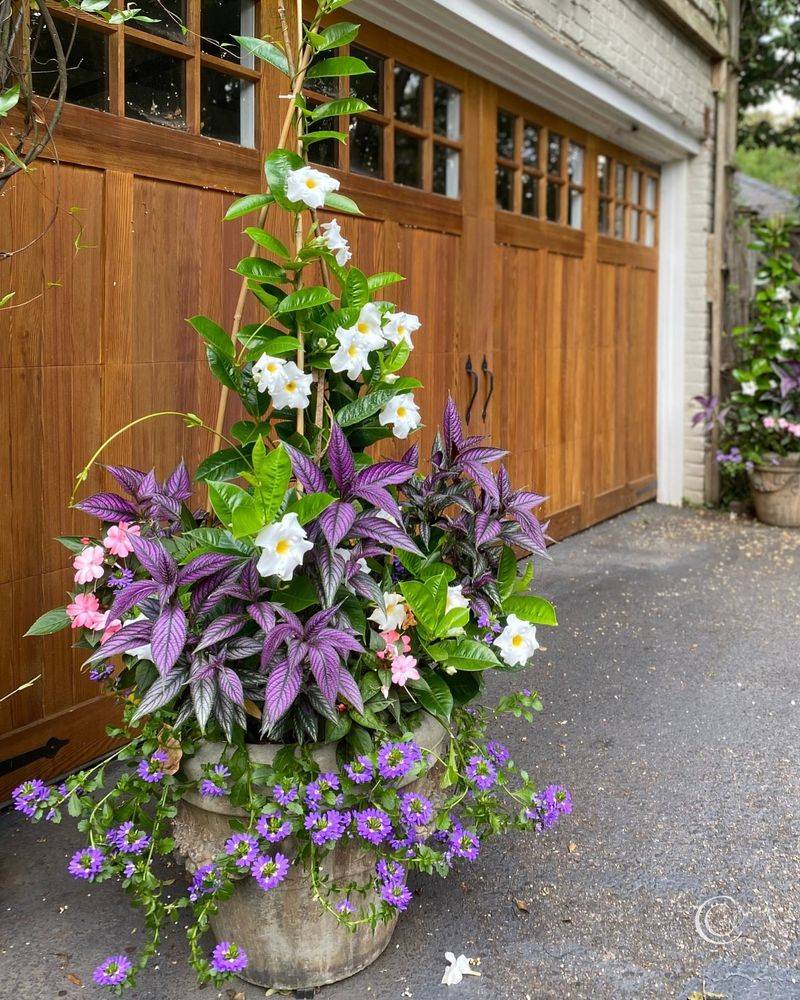
These tropical climbers can cover a trellis or arbor quickly with glossy green leaves and continuous blooms. The flowers are large and showy, making mandevilla a tempting choice for vertical interest.
Garden centers sell them every spring, and they perform beautifully in containers or garden beds during warm weather.
When cold weather arrives, mandevilla faces serious problems. These tropical vines cannot tolerate any frost whatsoever.
Temperatures below 45 degrees stress the plant, and anything near freezing causes severe damage or complete loss. Oregon’s winter temperatures are far too cold for outdoor survival.
The plant will not go dormant and wait for spring like hardy vines do.
For gorgeous flowers on a vine that survives Oregon winters, choose clematis instead. Hundreds of clematis varieties exist with flowers in every color and size imaginable.
They bloom from spring through fall depending on variety. Clematis roots stay cool and moist in our climate, which they love.
For evergreen coverage, try climbing hydrangea which produces white flowers in summer and interesting peeling bark in winter. Both options are completely hardy and return stronger each year, giving you beautiful vertical interest without the annual expense of replacing tender tropical vines.