Neighbor’s Tree Fell In Your Yard? Who’s Really Responsible In California
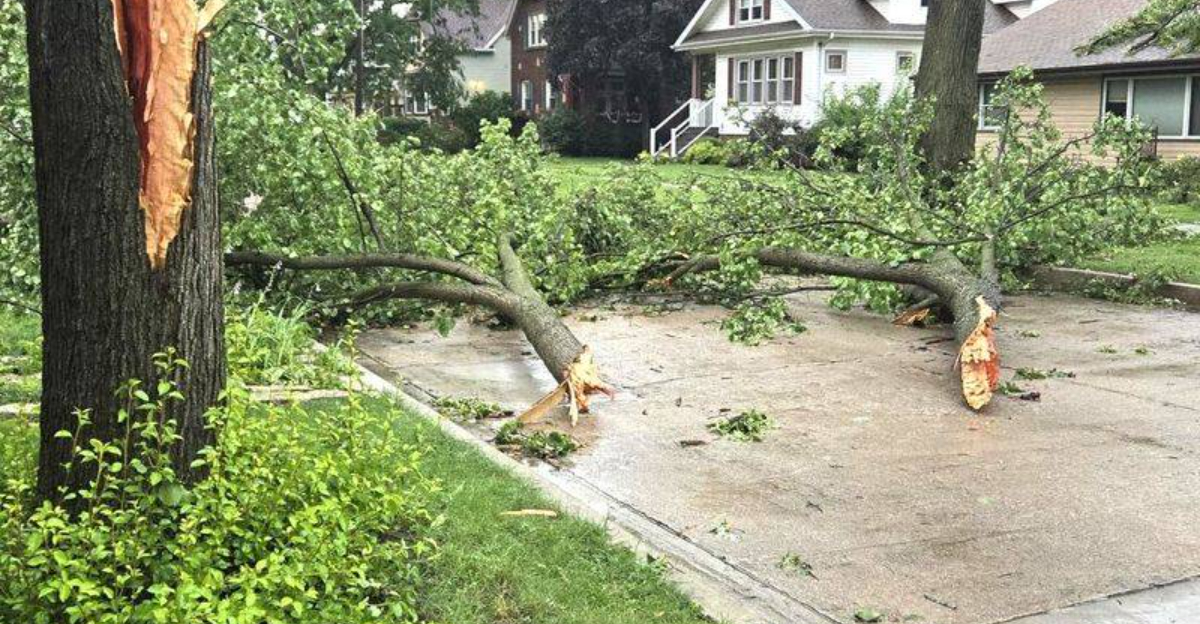
A sudden crash, shattered branches, and a neighbor’s tree sprawled across your yard—it’s a scenario no homeowner wants to face. In California, the question isn’t just who cleans it up—it’s who pays for the damage.
Liability can be surprisingly complicated, and knowing your rights and responsibilities is essential to avoid costly disputes. One fallen tree can spark more than cleanup—it can spark a legal battle.
California law distinguishes between healthy trees that fall due to natural events and trees that are clearly negligent or diseased. Homeowners may be liable if they ignored known hazards, while neighbors may be responsible for damages caused by poorly maintained trees.
Insurance, property lines, and prior warnings all factor into who picks up the tab. Not every fallen branch automatically makes your neighbor guilty.
Understanding your legal standing can save money, time, and stress. By documenting the situation, contacting insurers, and knowing local laws, you can handle the aftermath smartly, keeping relationships—and your property—intact.
Fallen trees are messy—but the right knowledge keeps the cleanup fair.
The Tree Owner Is Not Automatically Responsible

Property ownership doesn’t automatically equal financial liability when it comes to fallen trees in California. Many homeowners mistakenly believe that if a tree originates from a neighbor’s yard, that neighbor must pay for all resulting damage regardless of circumstances.
This common misconception leads to frustrated expectations and unnecessary conflicts between otherwise friendly neighbors.
California’s legal framework approaches tree falls with a nuanced perspective that considers multiple factors before assigning responsibility.
The law recognizes that trees are living organisms subject to natural forces beyond human control, and simply owning the land where a tree grows doesn’t make someone liable for every consequence of that tree’s existence. Courts evaluate the specific conditions surrounding each incident rather than applying a blanket rule.
The key distinction revolves around whether the tree owner acted reasonably in maintaining their property. If they regularly inspected their trees and addressed obvious hazards, they’ve fulfilled their legal duty even if an apparently healthy tree eventually falls.
This balanced approach protects property owners from being held responsible for unpredictable natural events while still holding negligent parties accountable. Understanding this fundamental principle helps set realistic expectations when dealing with fallen tree situations and guides your next steps appropriately.
Negligence Changes Everything
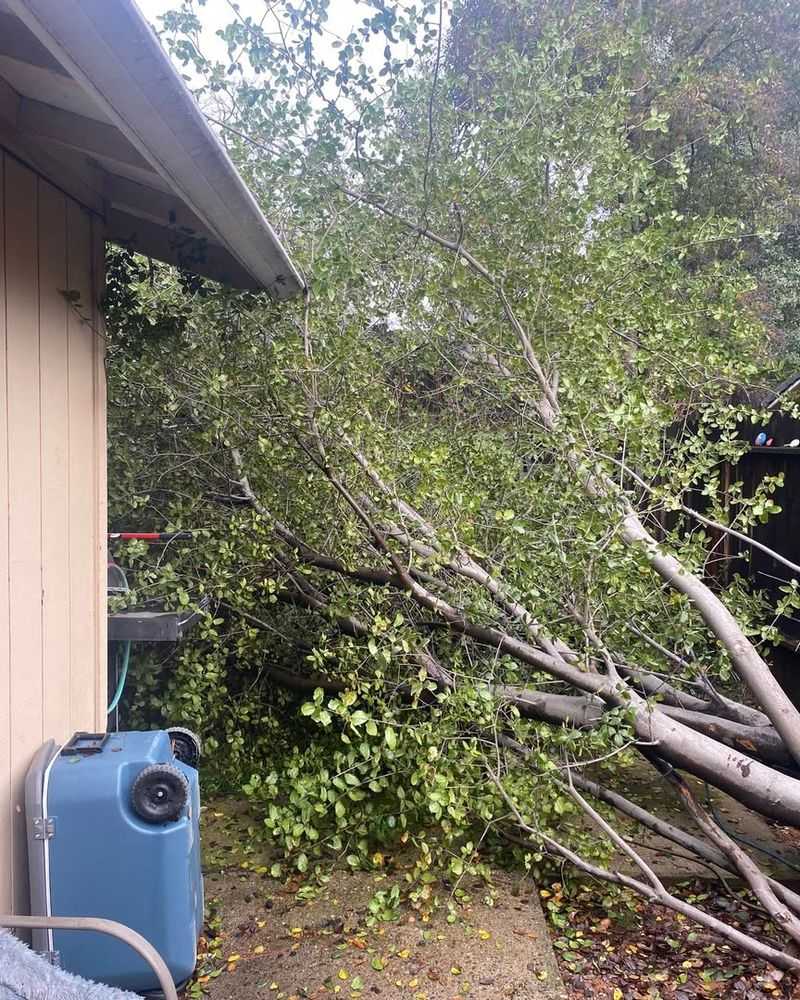
The entire liability equation transforms dramatically when a tree owner ignores obvious warning signs of danger. A tree displaying visible decay, significant leaning, extensive rot, or large sections without foliage represents a hazard that reasonable property owners should address before disaster strikes.
When these clear indicators exist and go unaddressed, the “Act of God” defense crumbles, and financial responsibility shifts squarely onto the negligent owner’s shoulders.
California courts have consistently held property owners accountable when they fail to maintain trees in reasonably safe condition. This legal principle applies whether the owner actively noticed the problem or simply should have noticed it through reasonable property inspection.
Your California Garden Changes Every Week. Your Plan Should Too.
Gardening in California changes quickly throughout the season. Every Friday you’ll receive a simple weekly plan showing exactly what to plant, prune, fertilize, harvest, and protect so you never miss the right timing.
Ignorance doesn’t provide protection when obvious signs were visible to anyone paying attention. The law expects property owners to exercise basic care in monitoring large trees that could potentially cause significant damage if they fail.
Proving negligence requires demonstrating that the tree exhibited clear warning signs before falling. Photographs showing extensive fungal growth, hollow sections, substantial leaning, or large portions without bark can establish that the tree posed an obvious risk.
Expert testimony from certified arborists further strengthens claims by providing professional opinions about how long the dangerous condition existed and whether a reasonable owner should have taken action.
Proof Matters More Than Opinions
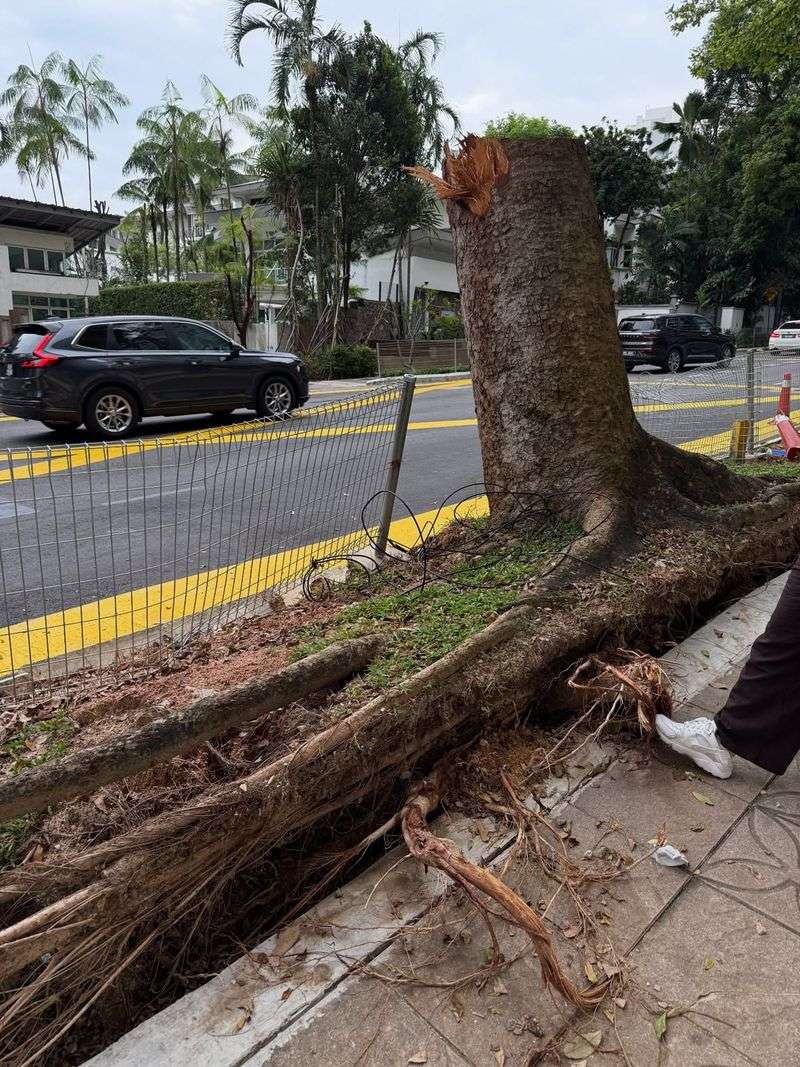
Winning a liability case against a neighbor requires concrete evidence rather than assumptions or gut feelings about tree health. California courts demand clear documentation showing the tree owner either knew about the dangerous condition or reasonably should have discovered it through normal property maintenance.
Personal beliefs about what your neighbor should have noticed won’t convince insurance adjusters or judges without supporting facts.
Strong evidence includes dated photographs showing progressive deterioration, written communications where you alerted your neighbor to concerns, and professional assessments from certified arborists documenting hazardous conditions. Video footage of the tree before it fell, particularly showing movement during normal winds or visible structural problems, provides compelling support for negligence claims.
Even testimony from other neighbors who observed and discussed the tree’s declining condition can bolster your case significantly.
The burden of proof rests entirely on the person claiming negligence, making thorough documentation essential from the moment you first notice concerning signs. Keep detailed records of any conversations with your neighbor about tree concerns, save copies of all written notices, and take regular photos if you observe progressive deterioration.
Without this evidence, even legitimate negligence claims often fail because the property owner can simply claim they never noticed any problems with what appeared to be a healthy tree.
Damage To Your Yard Is Your Responsibility Unless Negligence Is Proven
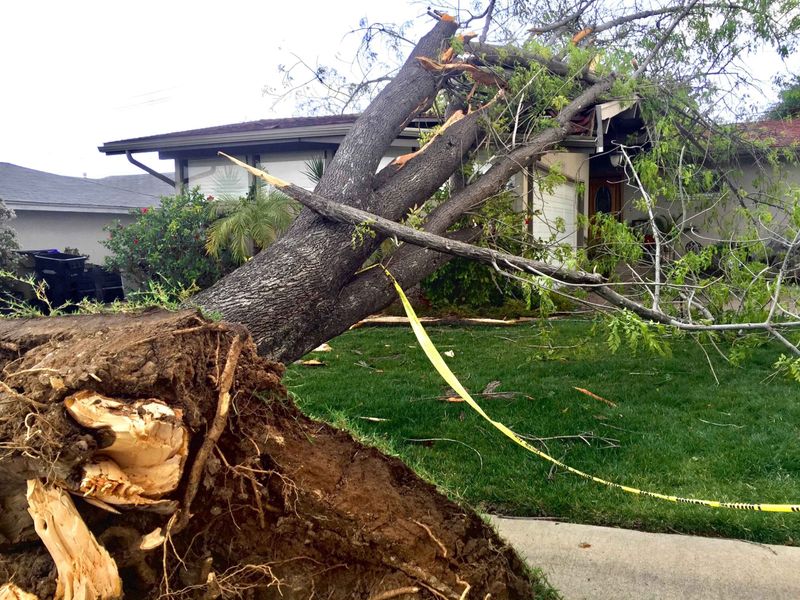
Cleanup costs for tree debris on your property typically come out of your own pocket when weather causes the fall. This reality catches many homeowners off guard, especially when facing expensive removal of massive trunks, crushed fencing, or damaged landscaping.
California law places this burden on the property where the damage occurred rather than where the tree originated, assuming the fall resulted from natural causes rather than poor maintenance.
Your homeowner’s insurance policy usually provides the most practical solution for covering these unexpected expenses. Most policies include provisions for storm damage and debris removal, though you’ll need to pay your deductible before coverage kicks in.
The insurance company handles the immediate costs and later investigates whether they can recover money from your neighbor’s insurer if evidence of negligence emerges. This approach gets your property restored quickly while legal questions get resolved separately.
However, if you successfully prove the neighbor neglected a visibly dangerous tree, you can recover costs for removal, repairs, and even diminished property value. This requires building a solid case with the evidence discussed earlier, then either negotiating with the neighbor’s insurance company or potentially filing a lawsuit.
Many homeowners find that consulting with a property attorney before pursuing negligence claims helps them understand whether their evidence justifies the time and expense of legal action.
Damage To Their Yard Is Their Responsibility
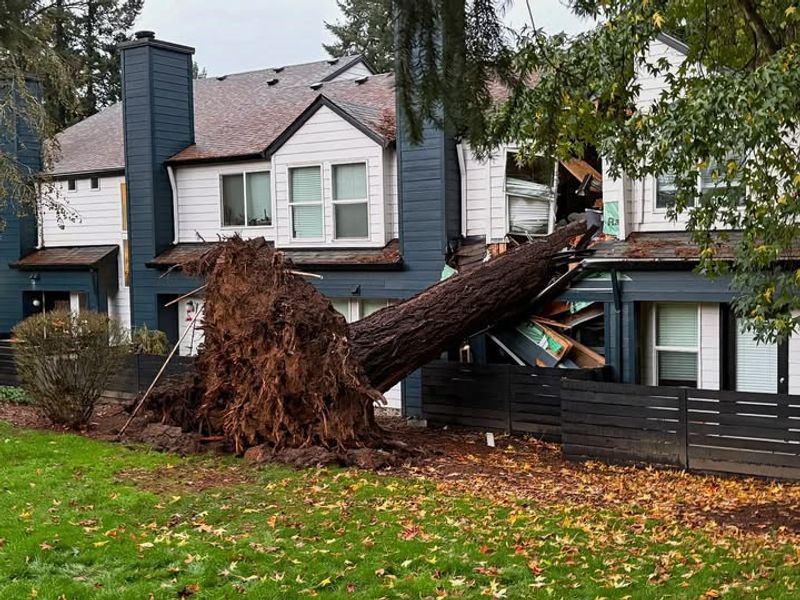
Property lines create clear boundaries for responsibility, even when the same tree causes damage on both sides of the fence. Whatever portion of the tree remains on your neighbor’s property becomes their problem to address, while the section that crossed into your yard falls under your jurisdiction.
This division applies regardless of who might ultimately bear financial liability for negligence, creating an immediate practical split in cleanup duties.
Imagine a large tree that splits during a storm, with half falling onto your lawn and the other half collapsing into your neighbor’s garden. You handle removal and repairs on your side while they deal with their side, even though the tree originated from their property.
Each homeowner typically files claims with their own insurance company for their respective damage, and the insurers later sort out any reimbursement issues if negligence factors emerge from the investigation.
This principle extends beyond just the main trunk to include branches, roots, and all associated debris. If a tree falls at an angle where most of it lands in your yard but some branches remain over the property line, those branches stay your neighbor’s responsibility even though they’re attached to debris on your property.
Clear communication about where you’ll each focus cleanup efforts prevents confusion and potential conflicts during an already stressful situation.
Your Homeowner’s Insurance Usually Pays First
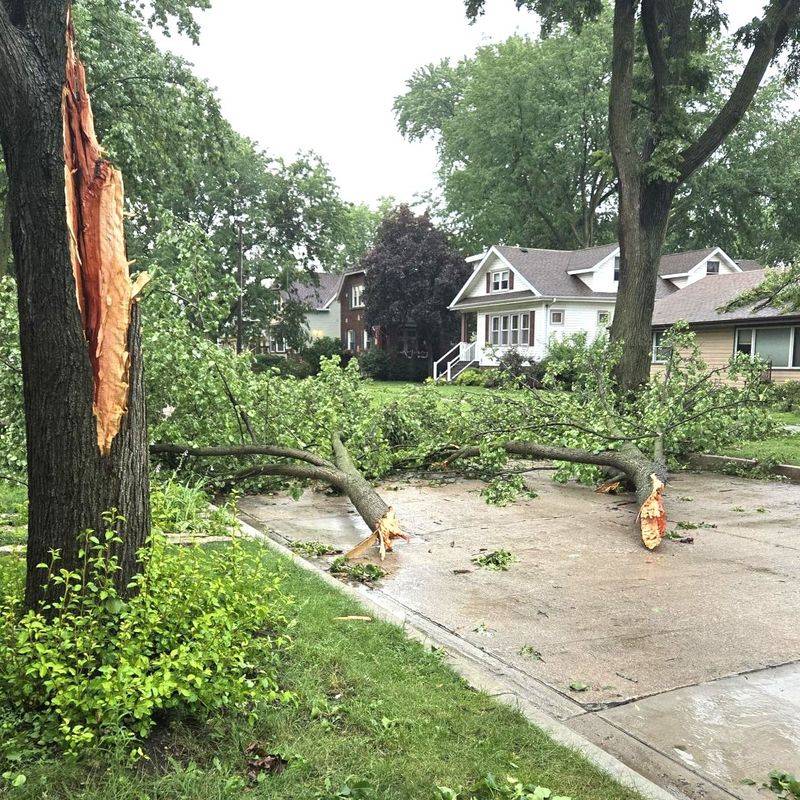
Insurance companies streamline fallen tree situations by immediately covering their own policyholders rather than debating liability before providing assistance. When you file a claim for storm damage from a fallen tree, your insurer typically processes it quickly under your policy’s coverage provisions, allowing repairs and cleanup to proceed without delay.
This approach benefits homeowners by providing fast financial relief during stressful situations rather than forcing them to wait while insurance companies investigate and argue about fault.
The process called “subrogation” allows your insurance company to later pursue reimbursement from your neighbor’s insurer if evidence supports a negligence claim. Your insurer’s legal team handles this investigation and any resulting negotiations or lawsuits, removing that burden from your shoulders.
If they successfully recover money from the other party, they may refund part or all of your deductible, though this outcome isn’t guaranteed and can take months or even years to resolve.
Understanding this sequence helps you respond appropriately when disaster strikes. File promptly with your own insurance company rather than waiting to resolve liability questions with your neighbor, document everything thoroughly to support potential subrogation efforts, and let the insurance professionals handle the complex legal aspects.
This approach gets your property restored quickly while preserving your rights to potential reimbursement if negligence eventually gets established through proper channels.
Prior Written Notice Strengthens Your Case
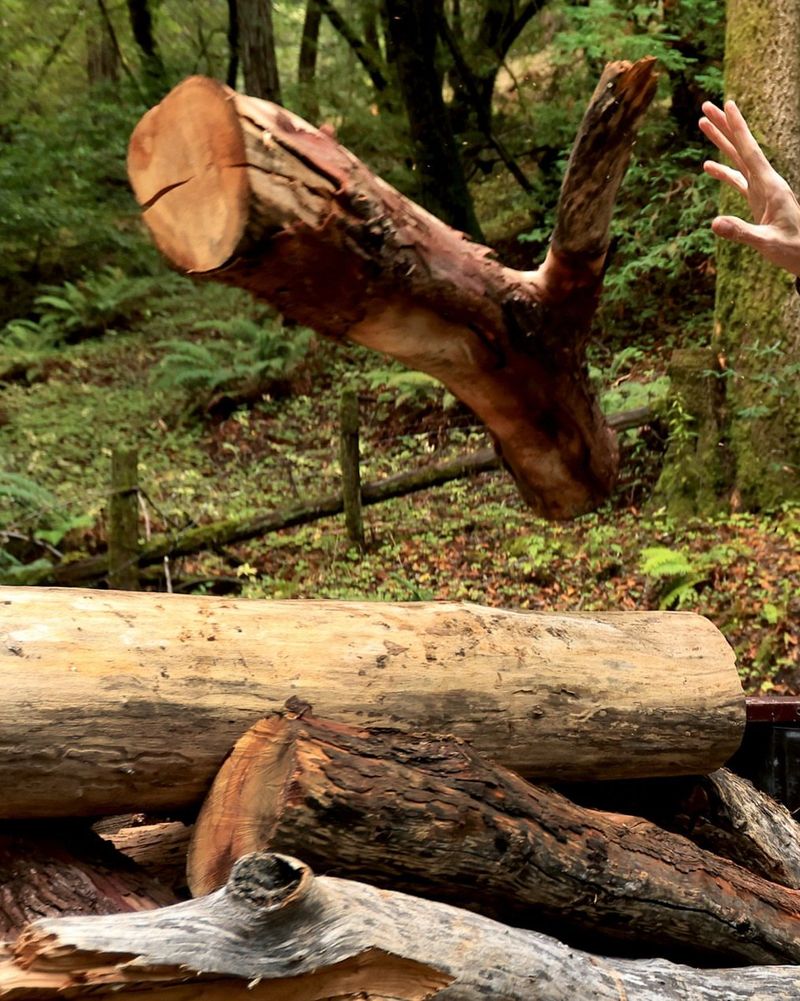
A simple letter or email warning your neighbor about a dangerous tree before it falls can make the difference between winning and losing a negligence claim. Written documentation creates an indisputable record that the property owner received specific information about the hazard and had an opportunity to address it before damage occurred.
Courts and insurance companies view this evidence as particularly compelling because it eliminates any argument that the owner didn’t know about the problem.
Your written notice should describe the specific concerns in clear, factual terms without exaggeration or emotional language. Mention observable problems like significant leaning, large sections without foliage, visible rot or cavities, concerning sounds during wind, or whatever specific issues you’ve noticed.
Include the date and consider sending it via certified mail with return receipt requested, or at minimum use email where you can prove delivery. Attach photographs showing the conditions you’re describing to create visual documentation alongside your written description.
Even if your neighbor ignores the warning and takes no action, you’ve established crucial evidence that protects your interests if the tree eventually falls. This documentation shows the owner had actual knowledge of the danger rather than requiring you to prove they should have known about it.
Many property attorneys recommend sending such notices whenever you have legitimate concerns about a neighbor’s tree, both to encourage preventive action and to protect yourself if prevention doesn’t occur.
You Own The Fallen Part Once It’s On Your Land
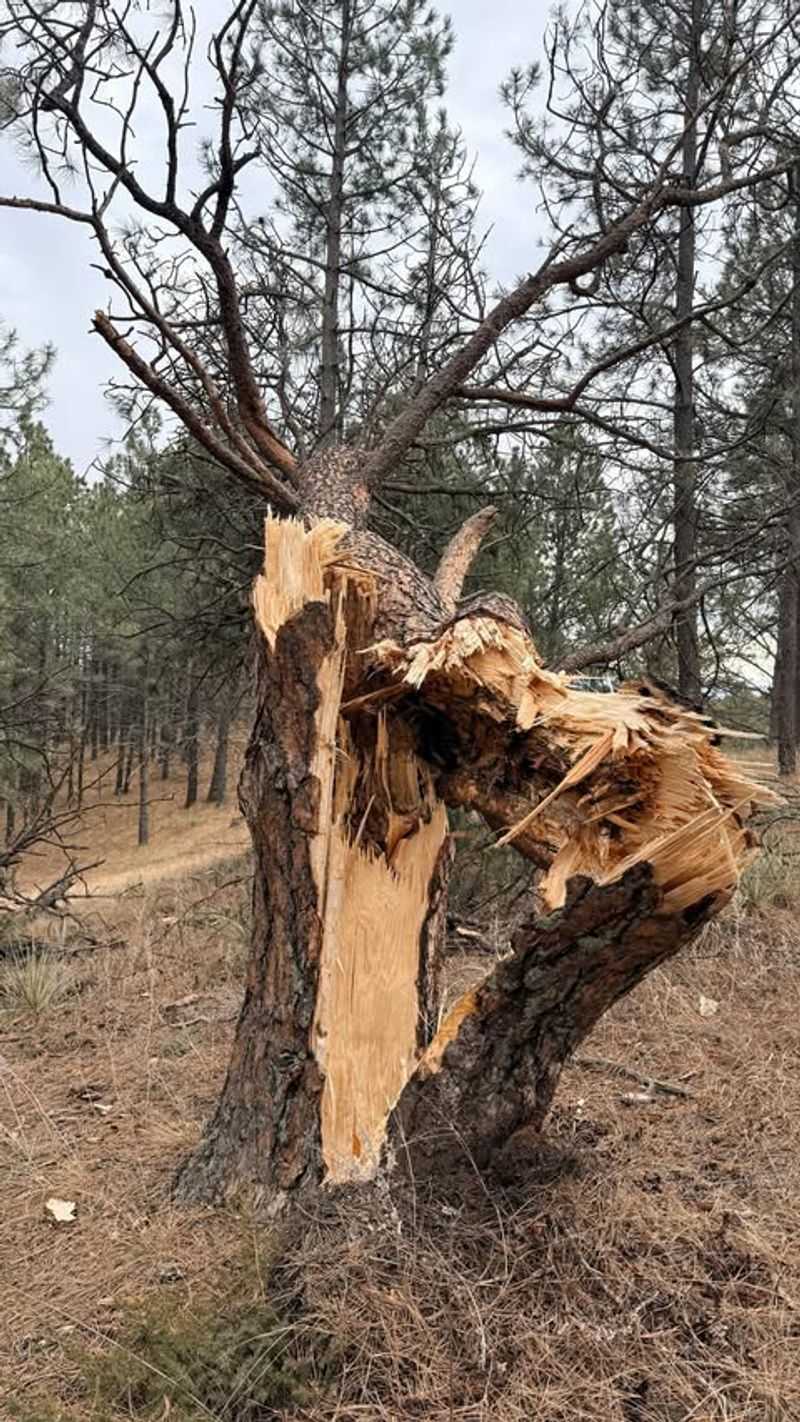
Legal ownership of tree debris transfers to you the moment it comes to rest on your property, creating both rights and responsibilities most homeowners don’t expect. This principle means you can’t simply demand that your neighbor come remove their tree from your yard, even though it originated from their property.
Instead, you gain ownership of potentially valuable wood along with the obligation to handle removal, giving you complete control over how and when cleanup occurs.
This ownership extends to all portions of the tree on your side of the property line, including the trunk, branches, leaves, and any attached elements. You can choose to have it professionally removed, cut it up yourself for firewood, hire someone to haul it away, or even mill valuable lumber if the wood quality justifies that effort.
Some homeowners with fallen hardwood trees discover their unexpected “gift” has significant value when processed properly, partially offsetting cleanup costs through sale of quality lumber.
However, ownership also means you can’t push debris back over the fence or otherwise return it to your neighbor’s property without their permission. You must arrange and pay for disposal or removal unless you successfully establish negligence that shifts financial responsibility.
Understanding this ownership transfer helps you plan appropriately for cleanup and avoid conflicts based on mistaken assumptions about who must physically handle the fallen tree.