9 Ways To Keep Your Geraniums Alive Through A Minnesota Winter
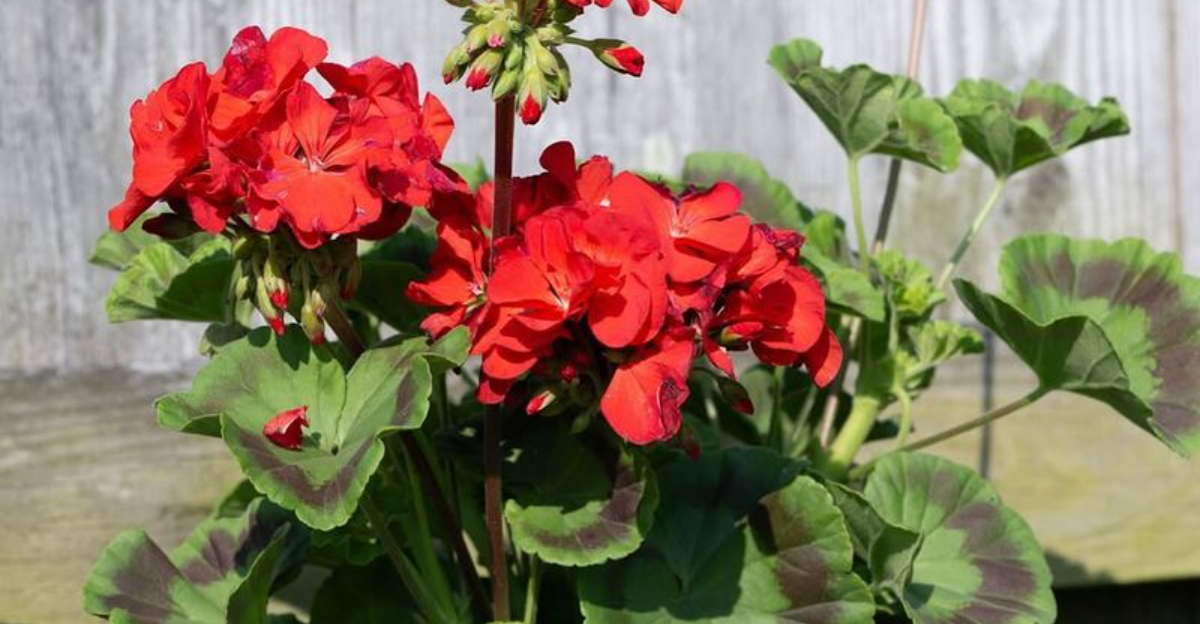
Geraniums are a staple of vibrant summer gardens, but Minnesota winters can be harsh enough to turn those bright blooms into a memory. The key is preparation: with the right techniques, you can keep your geraniums healthy and ready to bloom again next season.
Don’t let frost and snow turn your colorful plants into a winter casualty!
These nine strategies guide Minnesota gardeners through overwintering geraniums, from proper pruning and soil care to indoor lighting and watering adjustments. By moving pots indoors, taking cuttings, or carefully storing dormant plants, you ensure your geraniums survive freezing temperatures and emerge strong in spring.
With a little effort now, you can enjoy vibrant blooms for years to come.
Understanding your plants’ needs during cold months turns winter from a threat into a season of opportunity. Minnesota gardeners who follow these tips can preserve their favorite geraniums, protect their investment, and enjoy a head start on spring color.
Winter doesn’t have to mean losing your garden favorites!
1. Bring Geraniums Indoors Before The First Hard Frost
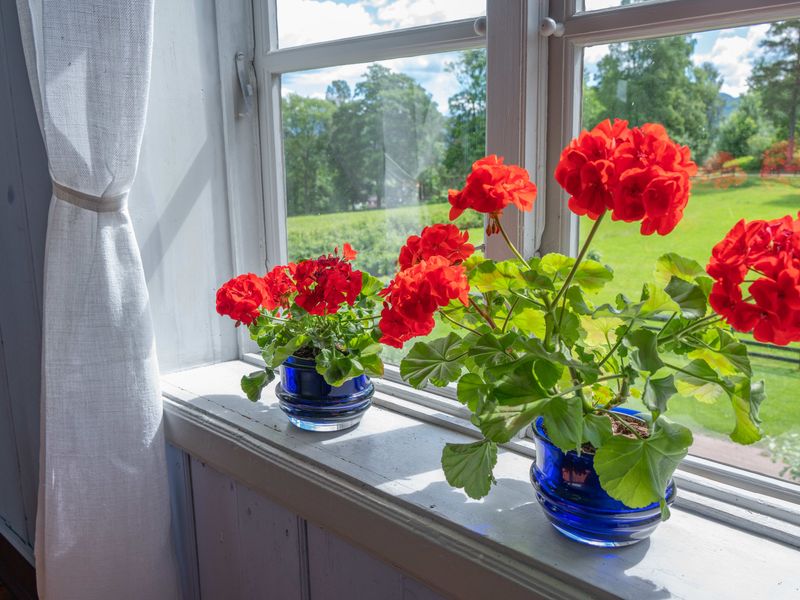
Minnesota’s autumn weather can turn on a dime, and one unexpected freeze can spell disaster for tender geraniums still sitting outside in pots or garden beds. Cold shock happens fast when temperatures plunge below freezing, causing cell damage in leaves and stems that weakens plants beyond recovery.
Most gardeners in Minnesota know that the first hard frost typically arrives sometime in late September or early October, depending on which part of the state you call home.
Planning ahead means checking the forecast regularly once Labor Day passes and having a strategy ready to move plants indoors on short notice. Geraniums are tropical at heart, originally from South Africa, so they have zero tolerance for freezing conditions.
Even a light frost can cause visible damage, turning leaves brown at the edges and making stems mushy.
The best approach is to bring your geraniums inside while they still look healthy and vibrant, ideally when nighttime temperatures start dipping into the low forties. This gives plants time to adjust to indoor conditions without the added stress of cold injury.
Waiting too long risks losing the whole plant, so err on the side of caution and get them inside early for a smooth transition into winter dormancy.
2. Trim Plants Back To Reduce Stress
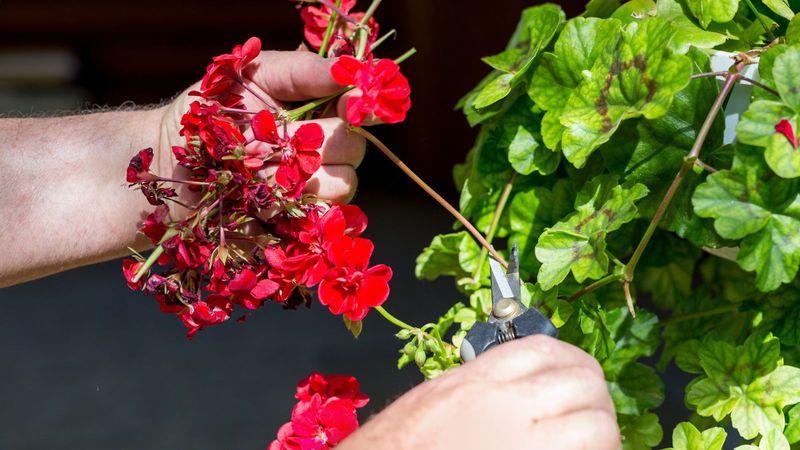
Once your geraniums are safely inside, giving them a good haircut helps them conserve precious energy during the long, dark Minnesota winter months ahead. Cutting back the stems by about one-third to one-half their height reduces the amount of foliage the plant needs to support when light levels drop and growth naturally slows down.
This pruning also encourages the plant to focus its resources on root health and survival rather than trying to maintain lots of leafy growth.
Use clean, sharp scissors or pruning shears to make cuts just above a leaf node, which is where new growth will emerge come springtime. Don’t worry about being too precise—geraniums are forgiving plants that bounce back beautifully from a solid trim.
Your Minnesota Garden Changes Every Week. Your Plan Should Too.
Gardening in Minnesota changes quickly throughout the season. Every Friday you’ll receive a simple weekly plan showing exactly what to plant, prune, fertilize, harvest, and protect so you never miss the right timing.
Some gardeners even cut their plants back quite severely, leaving just a few inches of stem, and the geraniums still rebound with vigor when conditions improve.
Trimming also makes the plants more compact and easier to fit on windowsills or shelves where space might be limited during winter. Plus, a smaller plant uses less water, which helps prevent one of the biggest overwintering mistakes: root rot from overly moist soil.
A well-trimmed geranium is a happy geranium ready to rest and recharge.
3. Remove All Unhealthy Or Diseased Growth
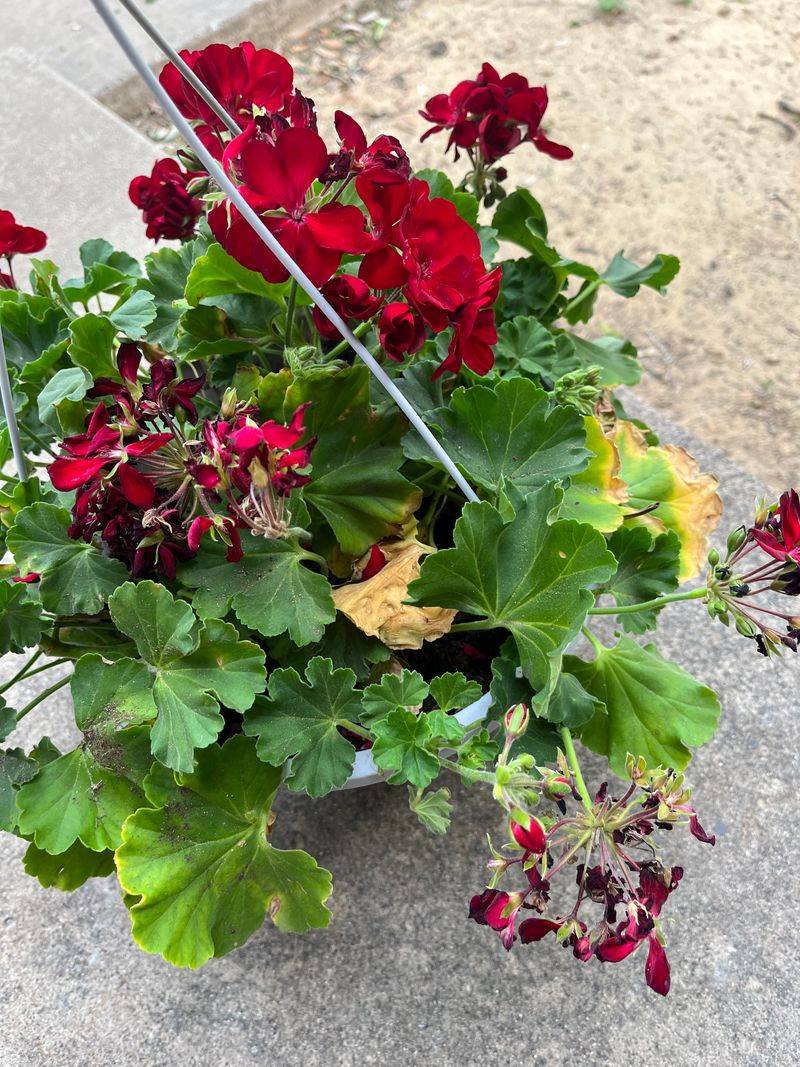
Before your geraniums settle into their winter quarters, take a few minutes to inspect each plant carefully and remove any foliage that looks unhealthy, yellowed, spotted, or damaged.
This cleanup step is crucial because bringing outdoor plants inside also means potentially bringing in unwanted guests like fungus, mold spores, and insect eggs that thrive in the warm, dry air of Minnesota homes.
Removing compromised leaves and stems now prevents problems from spreading and taking over your entire plant during the months ahead.
Start by pulling off any yellowed or brown leaves, checking the undersides for signs of pests or disease. If you spot sticky residue, tiny bugs, or fuzzy mold, address it immediately with a gentle spray of water or insecticidal soap before the plant comes inside.
Healthy plants are much more resilient during dormancy, so this pre-winter grooming sets them up for success.
Think of this step as giving your geraniums a fresh start in their new indoor environment. Clean plants also look better sitting on your windowsill and are less likely to drop leaves or develop musty smells as winter drags on.
A little effort now saves headaches later and keeps your indoor gardening experience pleasant and rewarding.
4. Give Geraniums The Brightest Light You Have
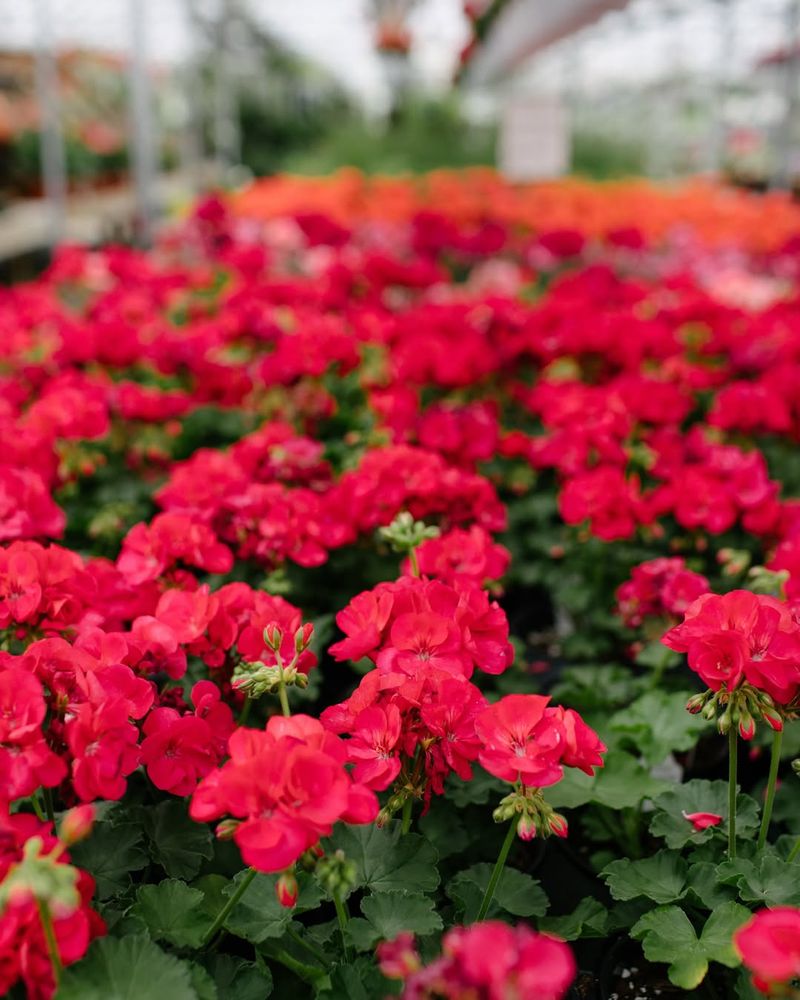
Minnesota winters are notoriously dark, with short days and weak sunlight that barely peeks through cloudy skies for weeks on end. Geraniums naturally crave bright light, and without it, they become leggy, pale, and weak as they stretch desperately toward whatever dim rays they can find.
Placing your plants in the brightest spot available—ideally a south-facing or west-facing window—gives them the best chance to maintain healthy foliage and even produce a few blooms if conditions are just right.
South-facing windows receive the most direct sunlight during winter months, making them prime real estate for light-hungry geraniums. If your home lacks ideal window exposure, consider supplementing with a grow light positioned a few inches above the plants to provide consistent illumination for at least six to eight hours daily.
Grow lights have become affordable and energy-efficient, and they make a noticeable difference in plant health during the darkest months.
Rotate your pots every week or so to ensure all sides of the plant receive equal light, preventing lopsided growth. Even with the best window, Minnesota’s winter sun is weak compared to summer, so don’t expect rapid growth or abundant flowers.
The goal is simply to keep plants healthy and photosynthesizing enough to stay strong until longer, brighter days return in spring.
5. Water Sparingly During Winter Dormancy

Here’s a truth every Minnesota gardener needs to hear: more overwintered geraniums succumb to soggy soil than to any other cause during the cold months. When growth slows to a crawl and plants enter a semi-dormant state, their water needs plummet dramatically compared to the thirsty days of summer.
Roots sitting in constantly moist soil quickly develop rot, turning mushy and brown, which compromises the entire plant and often leads to total collapse before spring even arrives.
The key is to let the soil dry out almost completely between waterings, checking moisture levels by sticking your finger an inch or two down into the potting mix. If it feels dry at that depth, it’s time to water lightly, giving just enough to moisten the soil without leaving it soggy.
Many experienced gardeners water their overwintering geraniums only once every two to three weeks, sometimes even less frequently if the home is cool and humidity is low.
When you do water, use room-temperature water and pour it slowly, allowing excess to drain completely from the bottom of the pot. Never let pots sit in saucers filled with standing water, as this invites root problems.
Trust that your geraniums can handle a bit of dryness far better than they can handle wet feet, and you’ll have healthy plants ready to burst back into growth when spring finally returns.
6. Keep Plants Cool But Not Cold
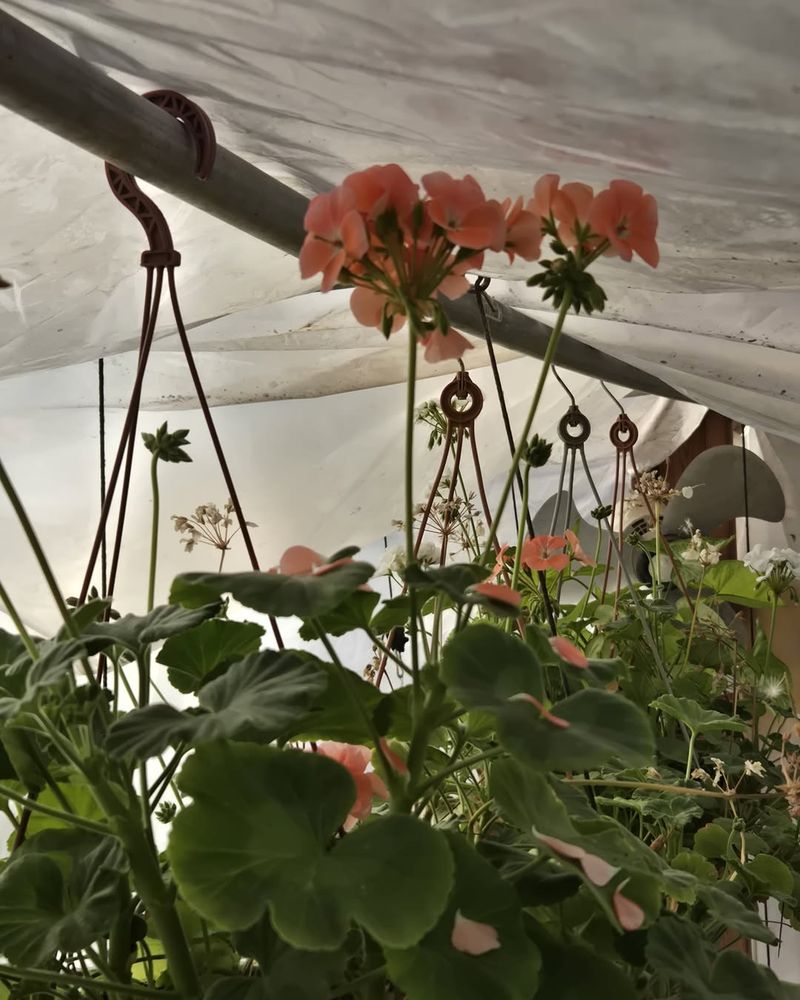
Temperature control plays a surprisingly important role in successfully overwintering geraniums in Minnesota homes, where indoor heating systems can create desert-like conditions. Geraniums actually prefer cooler temperatures during their winter rest period, ideally somewhere between 55 and 65 degrees Fahrenheit, which helps them conserve energy and slip into a natural dormancy.
Rooms that are too warm encourage the plant to keep growing actively, which drains its energy reserves when light levels are insufficient to support healthy growth.
Basements, enclosed porches, spare bedrooms, or mudrooms often provide the perfect cool environment without exposing plants to freezing temperatures. Avoid placing geraniums near heating vents, radiators, or wood stoves, as the hot, dry air can stress plants and cause leaves to brown and drop.
Similarly, keep them away from drafty windows or exterior doors where cold air might sneak in and cause damage on particularly frigid nights.
A consistent, moderate temperature helps geraniums maintain just enough metabolic activity to stay healthy without exhausting themselves trying to grow in less-than-ideal conditions. If your entire home runs warm, don’t worry too much—geraniums are adaptable and will survive, though they may become a bit leggy.
The important thing is avoiding temperature extremes and sudden fluctuations that shock plants and weaken their resilience going into spring.
7. Watch For Whiteflies And Aphids Indoors
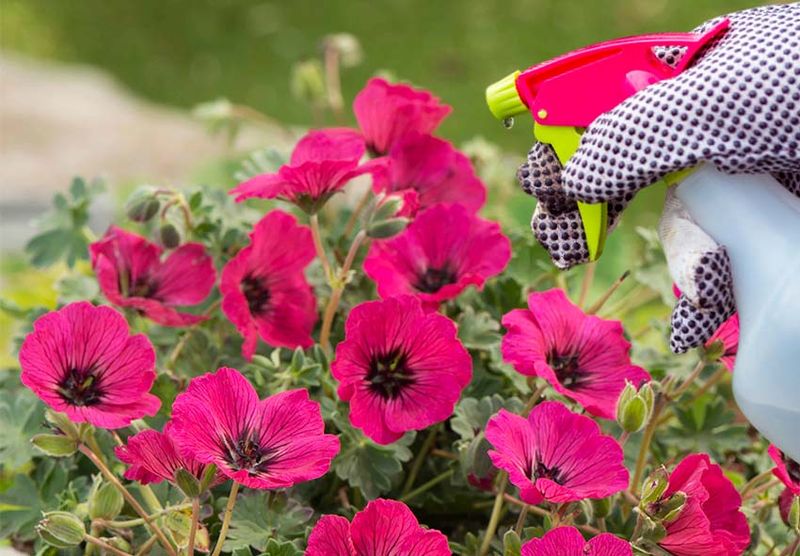
Bringing outdoor plants inside for the winter can sometimes mean unwittingly inviting tiny troublemakers into your home, and geraniums are particularly attractive to pests like whiteflies and aphids. These insects often hitch a ride on foliage or hide in soil, then multiply rapidly in the warm, sheltered environment of your house.
Without natural predators like ladybugs and lacewings, pest populations can explode quickly, weakening plants and creating a frustrating mess.
Whiteflies are small, moth-like insects that cluster on the undersides of leaves and flutter up in a cloud when disturbed. Aphids are tiny, soft-bodied bugs that come in various colors—green, black, or brown—and tend to gather on new growth and stem tips, sucking sap and leaving behind sticky honeydew.
Both pests can be controlled if caught early, so make it a habit to inspect your geraniums weekly, checking under leaves and along stems for any signs of activity.
If you spot pests, start with the gentlest control method: a strong spray of water to knock them off the plant, or wipe them away with a damp cloth. For persistent infestations, insecticidal soap or neem oil works well and won’t harm the plant when used according to package directions.
Catching problems early keeps your geraniums healthy and prevents pests from spreading to other houseplants sharing your indoor space.
8. Let Plants Rest Instead Of Forcing Blooms

It’s tempting to treat your overwintering geraniums like regular houseplants and try to coax them into blooming throughout the winter months, but resisting that urge actually benefits the plants in the long run.
Geraniums need a period of rest to recharge their energy reserves, much like perennials do outdoors under a blanket of snow.
Forcing them to flower during Minnesota’s dark, cold winter drains their strength and leaves them exhausted and less vigorous when it’s time to return outdoors in spring.
Think of winter as a well-deserved vacation for your geraniums, a time when they can slow down, conserve resources, and prepare for the burst of growth that comes with longer days and stronger sunlight.
You might see a few flowers pop up here and there, especially if your plants are in a particularly bright spot, and that’s perfectly fine. Just don’t fertilize or try to push them into heavy blooming by overwatering or cranking up the heat.
Plants that rest properly during winter come roaring back to life in spring with thick, healthy stems, abundant foliage, and loads of flower buds ready to burst into color. Patience now pays off later with a spectacular show in your garden beds and containers once warm weather returns.
Embrace the quiet season and let your geraniums take it easy—they’ve earned it after a long summer of blooming.
9. Refresh And Restart Growth In Early Spring
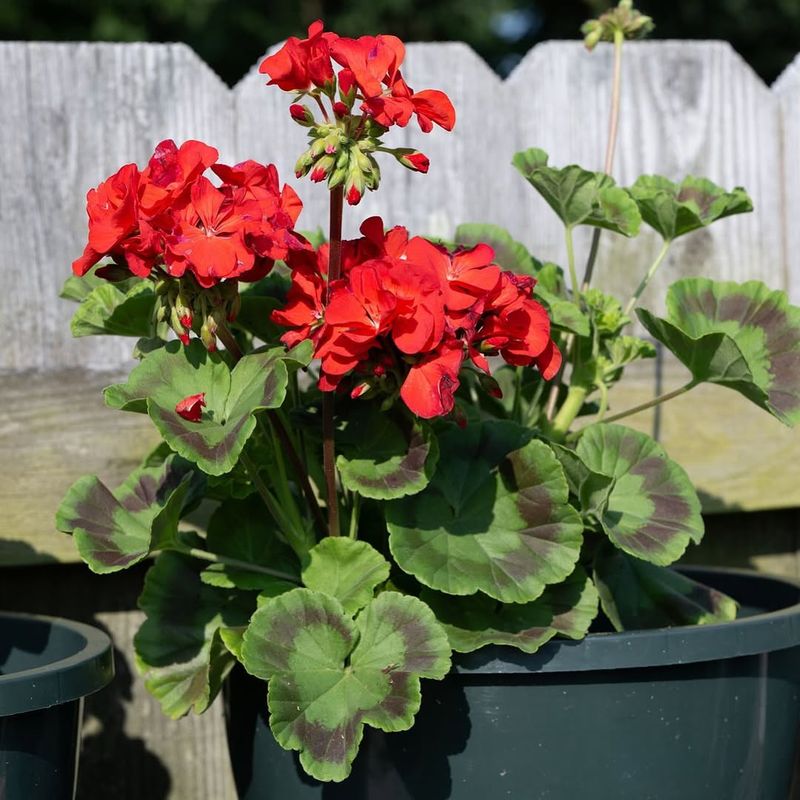
As Minnesota days gradually lengthen and the sun climbs higher in the sky around late February or early March, your geraniums will sense the change and begin to wake up from their winter slumber. This is the perfect time to give them a little encouragement and help them transition back into active growth mode.
Start by pruning away any leggy or weak stems that developed during the darker months, cutting back to strong, healthy growth to encourage a bushier, more compact shape.
Increase watering frequency slightly as new growth appears, but continue to let the soil dry out between waterings to avoid shocking the roots.
If you haven’t fertilized at all during winter—which is the right approach—now is the time to introduce a diluted, balanced liquid fertilizer every two to three weeks to support fresh foliage and budding flowers.
Moving plants to an even brighter location or increasing supplemental light helps jumpstart photosynthesis and signals to the plant that it’s time to get growing again.
By mid to late May, when the threat of frost has passed, your refreshed geraniums will be ready to head back outside, where they’ll quickly respond to natural sunlight, warmth, and fresh air.
Many gardeners are amazed at how quickly their overwintered plants rebound, often growing larger and blooming more profusely than store-bought plants because they have established root systems and plenty of stored energy ready to unleash.