These Slow-Growing Plants Stay Neat And Easy In Arizona Landscapes
Keeping a landscape neat in Arizona can feel like a constant challenge, especially with fast-growing plants that quickly get out of control.
Between strong sun, warm temperatures, and limited water, many homeowners want plants that look good without needing constant trimming or upkeep.
That’s where slow-growing plants make a big difference. They hold their shape longer, require less maintenance, and fit perfectly into Arizona’s desert-friendly landscapes.
Slow-growing plants are ideal for busy homeowners who want a clean, polished yard without spending every weekend pruning. They help landscapes stay organized and attractive even during long, hot seasons.
A low-maintenance landscape doesn’t have to look plain or boring. The right plants can stay tidy, healthy, and visually appealing with minimal effort.
Choosing slow-growing plants is one of the easiest ways to create a landscape that works with Arizona’s climate instead of fighting it. These plants are especially valuable in Arizona because they often need less water, grow at a manageable pace, and adapt well to heat and dry conditions.
Once established, they offer long-lasting beauty without demanding constant attention. For Arizona homeowners looking for simplicity and style, slow-growing plants can be a smart and rewarding choice.
1. Desert Spoon (Dasylirion Wheeleri)
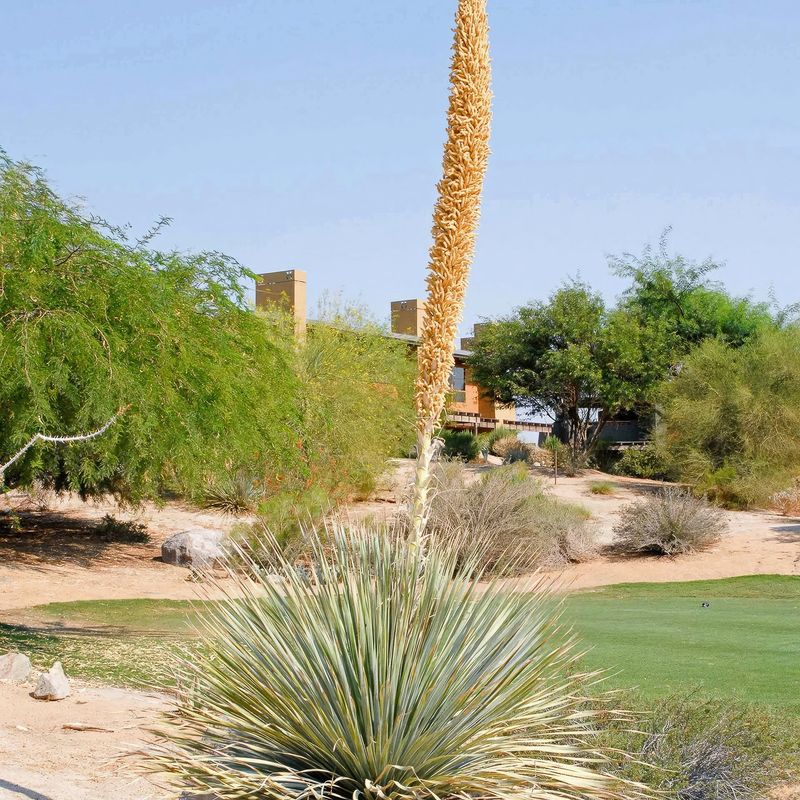
Picture a plant that looks like an architectural sculpture right in your Arizona yard. Desert Spoon brings that exact vibe with its fountain of narrow, spiky leaves radiating from a central point.
This native plant grows incredibly slowly, adding just an inch or two each year, which means you plant it once and enjoy the same neat appearance for decades. The blue-green foliage creates a stunning focal point without ever threatening to overtake your garden beds or pathways.
Maintenance becomes almost nonexistent with Desert Spoon in your landscape. You might spend ten minutes once a year pulling off the oldest dried leaves from the bottom, and that’s about it.
No pruning shears required, no constant shaping, just natural beauty that takes care of itself. This plant thrives in full sun across Arizona, from low desert areas to higher elevations, making it incredibly versatile for different parts of the state.
Water requirements stay minimal once this tough plant establishes itself in your soil. During the first year, you’ll water regularly to help roots develop, but after that, natural rainfall often provides enough moisture.
The plant can reach about four feet tall and wide at maturity, but remember, that takes many years. In spring, mature Desert Spoons send up a dramatic flower stalk that can reach fifteen feet, adding unexpected vertical interest to your landscape design.
Pair Desert Spoon with rocks, gravel, or other desert plants for a cohesive Arizona landscape that practically maintains itself while looking professionally designed year-round.
2. Parry’s Agave (Agave Parryi)
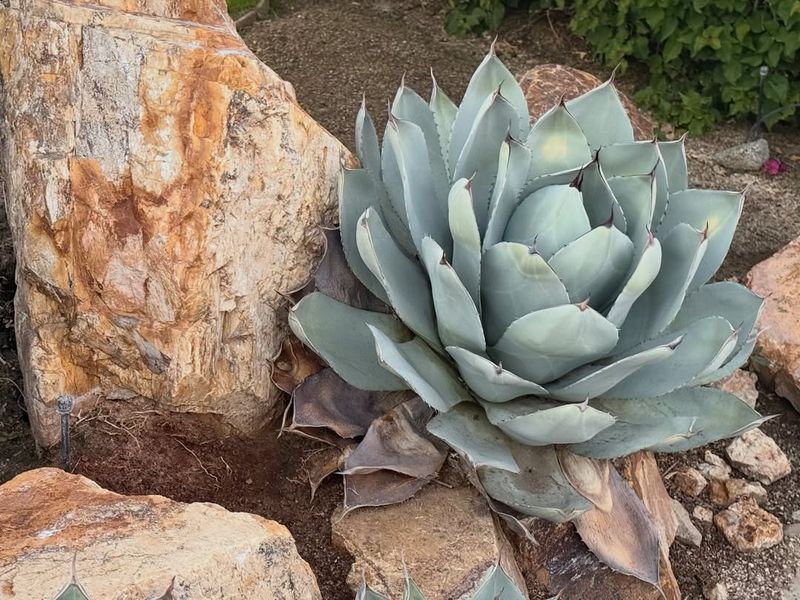
Compact and perfectly symmetrical, Parry’s Agave looks like nature decided to create a living piece of art. Each leaf forms a precise rosette pattern that stays tight and organized without any help from you.
Growing at a pace that makes a snail look speedy, this agave typically adds less than an inch per year, maintaining its tidy twelve to eighteen-inch diameter for many years. The thick, gray-blue leaves end in dark spines, giving the plant a bold presence that demands attention in any Arizona garden.
Your Arizona Garden Changes Every Week. Your Plan Should Too.
Gardening in Arizona changes quickly throughout the season. Every Friday you’ll receive a simple weekly plan showing exactly what to plant, prune, fertilize, harvest, and protect so you never miss the right timing.
Cold hardiness sets Parry’s Agave apart from many other succulents, making it perfect for higher elevation areas around Flagstaff and Prescott, though it also thrives in lower desert regions.
This plant handles temperature swings that would damage more sensitive species, surviving freezing winter nights and scorching summer days without complaint.
Once established, it needs water only every few weeks during the hottest months and can survive entirely on rainfall during cooler seasons.
Placement matters with this spiny beauty, so keep it away from pathways where people might brush against those sharp leaf tips. Use it as a specimen plant in rock gardens, or group several together for dramatic impact.
The silvery color contrasts beautifully with darker volcanic rock or red desert stone commonly used in Arizona landscapes.
Eventually, after ten to twenty years, Parry’s Agave will send up a spectacular flower stalk and complete its life cycle, but until then, you get years of effortless beauty that stays exactly where you planted it.
3. Dwarf Mugo Pine (Pinus Mugo Var. Pumilio)

For Arizona homeowners who miss the greenery of pine trees but don’t want the mess and size of full-grown conifers, Dwarf Mugo Pine delivers the perfect compromise. This compact evergreen grows in a dense, rounded mound that rarely exceeds three feet in height even after many years.
The short, dark green needles stay attractive year-round, providing constant color in your landscape when many desert plants go dormant or look stressed during extreme weather.
Growth rate stays remarkably slow, with most plants adding only two to four inches annually, meaning the shape you see when you plant it remains essentially the same for years.
This makes design planning much easier since you won’t need to account for dramatic size changes or worry about the plant outgrowing its space.
Dwarf Mugo Pine works beautifully in higher elevation Arizona communities where temperatures drop significantly in winter, though it also adapts to warmer areas with some afternoon shade.
Pruning becomes optional rather than mandatory with this naturally tidy pine. Some gardeners never touch their plants, while others might trim new growth candles in spring to maintain an even tighter form.
Either approach works fine, giving you flexibility based on your preferences and time availability.
Water needs stay moderate, more than desert natives but far less than traditional lawn grass. The plant appreciates well-draining soil, which most Arizona yards naturally provide.
Use Dwarf Mugo Pine near entryways, in foundation plantings, or as a textural contrast to spiky desert plants for a landscape that combines different plant styles into one cohesive, easy-care design.
4. Blue Elf Aloe (Aloe ‘Blue Elf’)
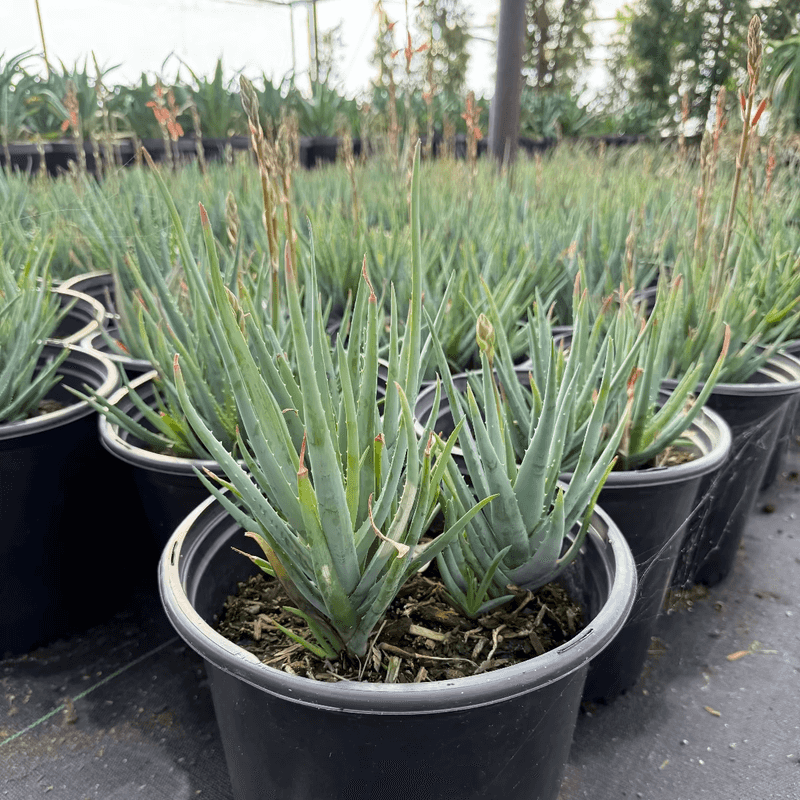
Small but mighty describes Blue Elf Aloe perfectly. This hybrid aloe stays compact, typically reaching only about twelve inches tall and wide, making it ideal for tight spaces, container gardens, or border plantings throughout Arizona.
The powder-blue leaves form tight rosettes that cluster together, creating a textured groundcover effect without spreading aggressively like some plants do.
Growth happens so gradually that you’ll barely notice changes from one season to the next, keeping your design looking intentional and controlled.
Flowering performance gives Blue Elf Aloe bonus points beyond its tidy growth habit. In late winter and early spring, vibrant coral-orange flower spikes emerge above the foliage, attracting hummingbirds to your yard when other food sources might be scarce.
The blooms last for weeks, providing extended color during a time when many Arizona gardens look drab. After flowering finishes, simply snip off the spent stalks, and the plant returns to its neat, compact form.
Drought tolerance makes this aloe a water-wise champion for Arizona landscapes. Once roots establish, the plant stores moisture in its thick leaves, allowing it to go weeks without supplemental irrigation.
It handles full sun in most Arizona locations, though in the hottest low desert areas, some afternoon shade helps prevent leaf tip browning during peak summer months.
Pair Blue Elf Aloe with other succulents, use it to edge pathways, or plant it in groups for a modern, low-maintenance groundcover that stays exactly where you want it without constant trimming or containment efforts year after year.
5. Compact Texas Sage (Leucophyllum Frutescens ‘Compacta’)
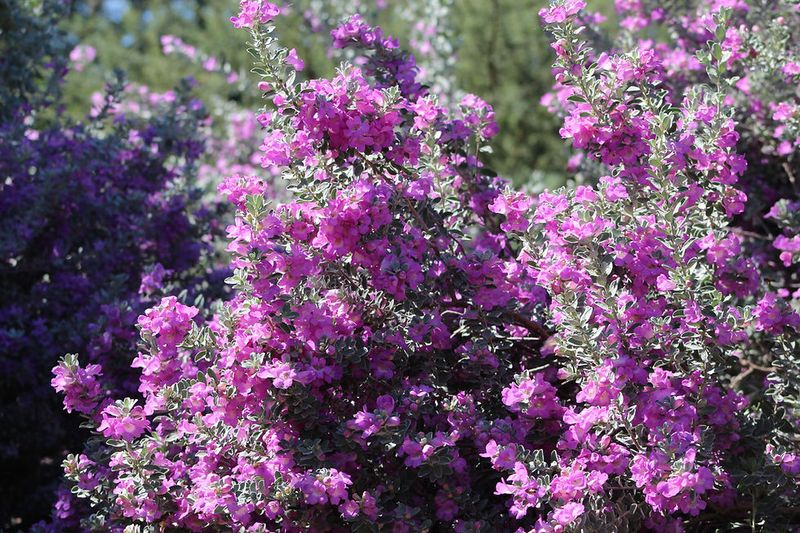
When monsoon rains arrive in Arizona, Compact Texas Sage puts on a show that makes neighbors stop and ask what that stunning plant is.
This smaller variety of the popular Texas Sage grows to about three feet tall and wide, roughly half the size of standard types, making it perfect for today’s smaller yards and modern landscape designs.
The silvery-gray foliage provides year-round interest, creating a soft, cooling visual effect that contrasts beautifully with darker green plants or colorful flowers.
Blooming happens in response to humidity changes, which in Arizona typically means during and after summer monsoon storms. The entire plant becomes covered in tubular purple flowers that last for weeks, transforming your landscape into a pollinator paradise.
Bees and butterflies flock to the nectar-rich blooms, bringing life and movement to your outdoor space. Between bloom cycles, the neat, rounded form and attractive foliage keep the plant looking good without any effort from you.
Slow growth means you can plant Compact Texas Sage near walkways, under windows, or in foundation beds without worrying about it blocking views or requiring constant cutting back.
An annual light shaping in early spring keeps the plant dense and full, but even without this minimal maintenance, it maintains a respectable appearance.
Arizona’s intense sun and heat don’t faze this tough shrub, which actually performs better in full sun than in shade.
Water requirements drop dramatically after establishment, with the plant surviving on rainfall alone in many parts of Arizona. For best flowering and foliage color, provide a deep watering every two to three weeks during the hottest months.
6. Golden Barrel Cactus (Echinocactus Grusonii)
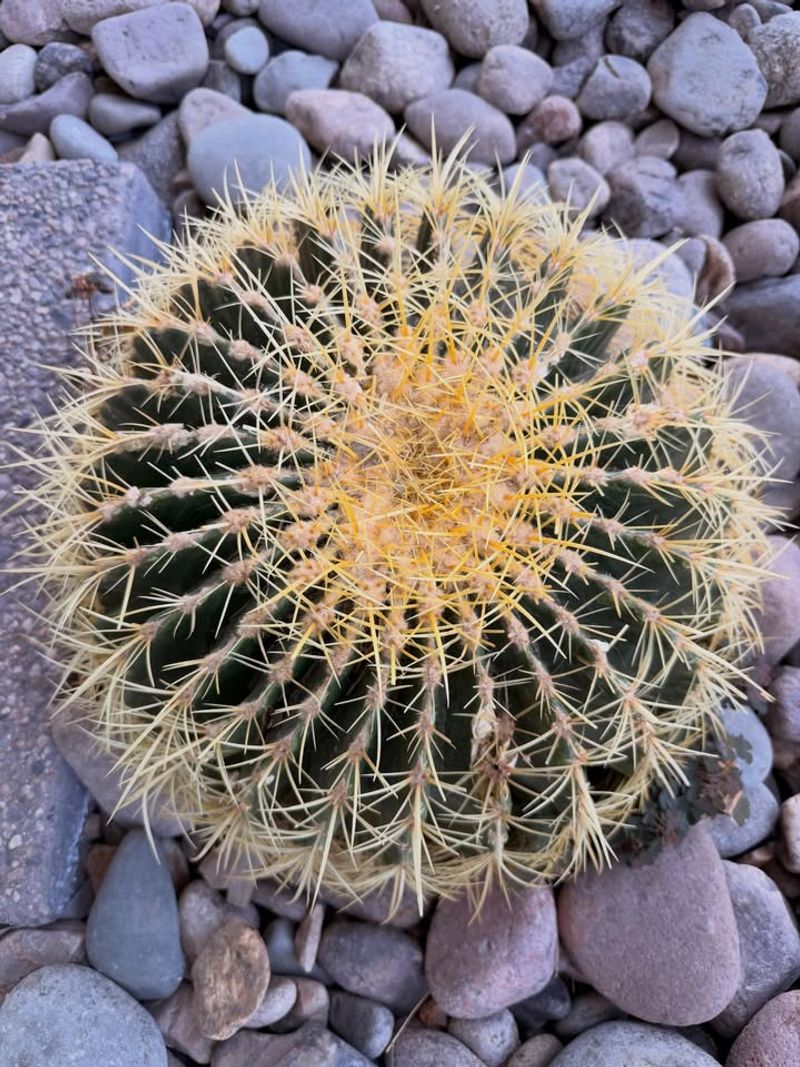
Round, golden, and covered in orderly rows of spines, Golden Barrel Cactus brings sculptural beauty to Arizona landscapes with zero maintenance demands.
This slow-growing cactus starts small, often just a few inches across, and takes decades to reach its maximum size of about three feet in diameter.
The methodical growth pattern means your landscape design stays stable and predictable, with the cactus maintaining its perfect spherical shape year after year without any intervention from you.
Sunlight brings out the best golden-yellow color in the spines, making this cactus glow when backlit during Arizona’s spectacular sunrises and sunsets.
The plant thrives in full sun across all areas of the state, from Phoenix to Tucson and beyond, handling extreme heat without stress.
Unlike some cacti that develop awkward shapes or lean toward light, Golden Barrel maintains its symmetrical form naturally, always looking professionally placed even though it requires no adjustment or staking.
Watering becomes almost unnecessary once this cactus establishes itself in your landscape. During the first growing season, provide water every two to three weeks to encourage root development.
After that, natural rainfall typically provides sufficient moisture, though an occasional deep watering during extended dry periods helps maintain the plump, healthy appearance.
The plant stores water efficiently in its thick flesh, allowing it to survive months without supplemental irrigation.
Use Golden Barrel Cactus as a focal point in rock gardens, group several of varying sizes for a desert vignette, or place a single specimen in a large decorative pot near your entryway for instant curb appeal that lasts for generations.
7. Trailing Rosemary (Rosmarinus Officinalis ‘Prostratus’)
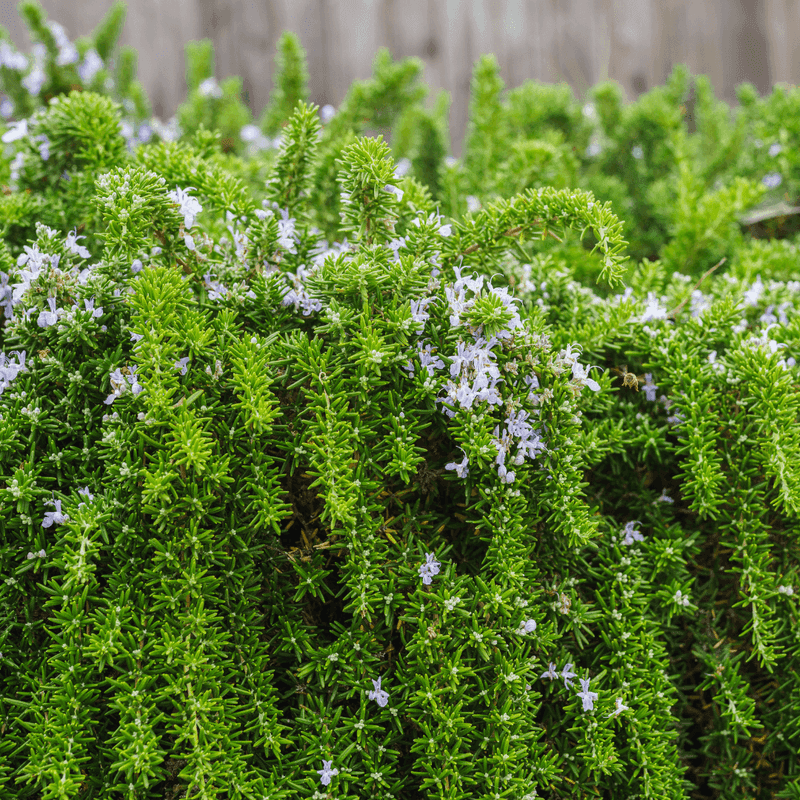
Fragrant, useful, and beautifully behaved, Trailing Rosemary serves multiple purposes in Arizona landscapes while demanding almost nothing in return.
This low-growing variety spreads horizontally rather than growing upward, creating a carpet of aromatic foliage that cascades elegantly over walls, rocks, or slopes.
Growth happens gradually, with the plant expanding outward by just a few inches each year, giving you plenty of time to enjoy each stage without worrying about it taking over your entire yard.
Culinary value adds practical benefits to the ornamental appeal. Simply step outside and snip fresh rosemary whenever a recipe calls for it, enjoying the convenience of herbs growing right outside your door.
The needle-like leaves release their distinctive scent when brushed against, creating a sensory experience as you walk past. In spring, small blue flowers appear along the stems, attracting bees and adding delicate color to the deep green foliage.
Arizona’s climate suits Trailing Rosemary perfectly, with the plant thriving in full sun and well-draining soil found naturally across most of the state.
Once established, it tolerates drought remarkably well, though occasional deep watering during extreme heat keeps the foliage looking fresh and vibrant.
The plant handles both low and high desert conditions, making it versatile for different Arizona communities.
Pruning needs stay minimal, with most gardeners harvesting sprigs for cooking providing all the trimming the plant requires. If it spreads beyond its intended area, simply cut back the wandering stems.
Use Trailing Rosemary along pathways to release fragrance when people walk by, or plant it on slopes where its spreading habit helps control erosion while looking intentional and attractive.
8. Yucca ‘Bright Star’ (Yucca Gloriosa ‘Bright Star’)
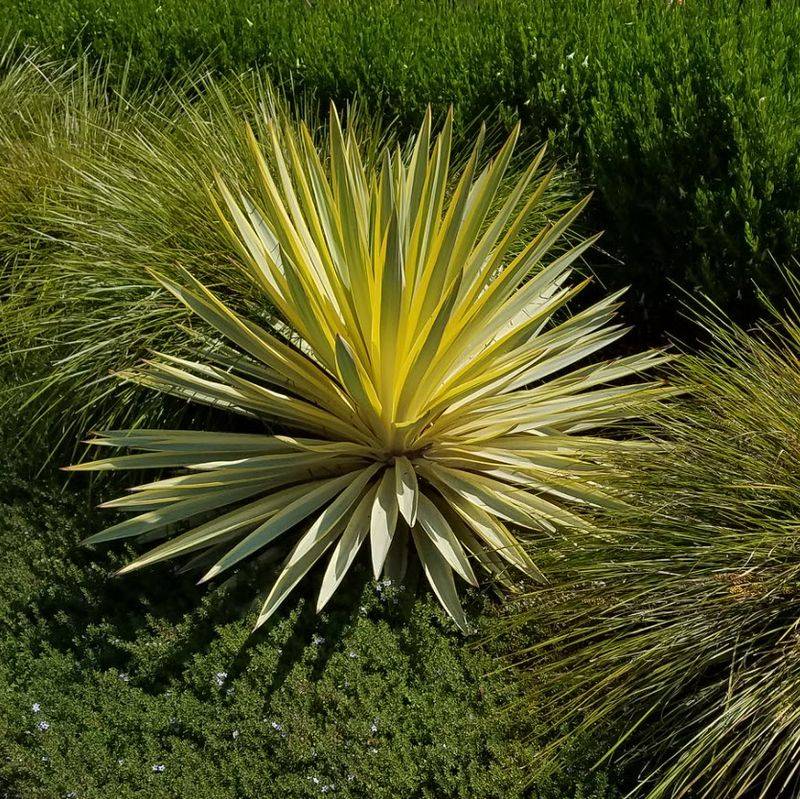
Striped leaves in shades of green, yellow, and cream make Yucca ‘Bright Star’ a standout plant that looks exotic but grows tough as nails in Arizona conditions.
This variegated yucca forms a compact rosette of sword-shaped leaves that grow slowly upward, eventually creating a short trunk topped with foliage.
The growth rate stays leisurely, with the plant taking years to reach its mature height of about three feet, making it manageable for smaller spaces while still providing dramatic visual impact.
Color variations intensify in full sun, with the yellow and cream stripes becoming more pronounced when the plant receives plenty of direct light. This makes Yucca ‘Bright Star’ perfect for brightening up areas of your Arizona landscape that might otherwise feel monotone or dull.
The variegation provides built-in interest that lasts all year, eliminating the need for seasonal color rotations or constant replanting like you’d do with annual flowers.
Flower stalks emerge in summer, shooting up several feet above the foliage and producing clusters of creamy-white, bell-shaped blooms.
The flowers attract moths and other nighttime pollinators, adding ecological value to your landscape. After flowering finishes, simply cut the stalk at the base, and the plant returns to its neat, compact form.
Drought tolerance ranks high with this yucca, which can survive extended periods without water once established. For best appearance, provide deep watering every few weeks during the hottest months.
The plant handles reflected heat from walls and pavement without complaint, making it ideal for challenging spots in Arizona landscapes where other plants struggle to survive and look presentable.