9 Backyard Checks Oregon Homeowners Should Make After Heavy Rain
After a stretch of heavy rain, it’s natural to step into the backyard and take a quick look around. Maybe you’re checking the fence line, noticing soggy patches of grass, or spotting puddles that weren’t there before.
Have you ever wondered which of those changes matter and which will sort themselves out on their own?
In Oregon, rainfall can uncover small issues that quietly grow into bigger problems if they’re ignored. Soil shifts, water pools where it shouldn’t, and drainage paths change without much warning.
Even healthy-looking trees, beds, and hardscapes can be affected in subtle ways after a soaking rain.
If you’ve been unsure where to start or what deserves a closer look, you’re not alone. Most homeowners only notice problems once they’ve become hard to fix.
Taking a few minutes to check certain areas now can save time and stress later. These backyard checks are especially helpful for Oregon homeowners after heavy rain, offering a simple way to spot concerns early and keep your outdoor space in good shape.
1. Gutters And Downspouts
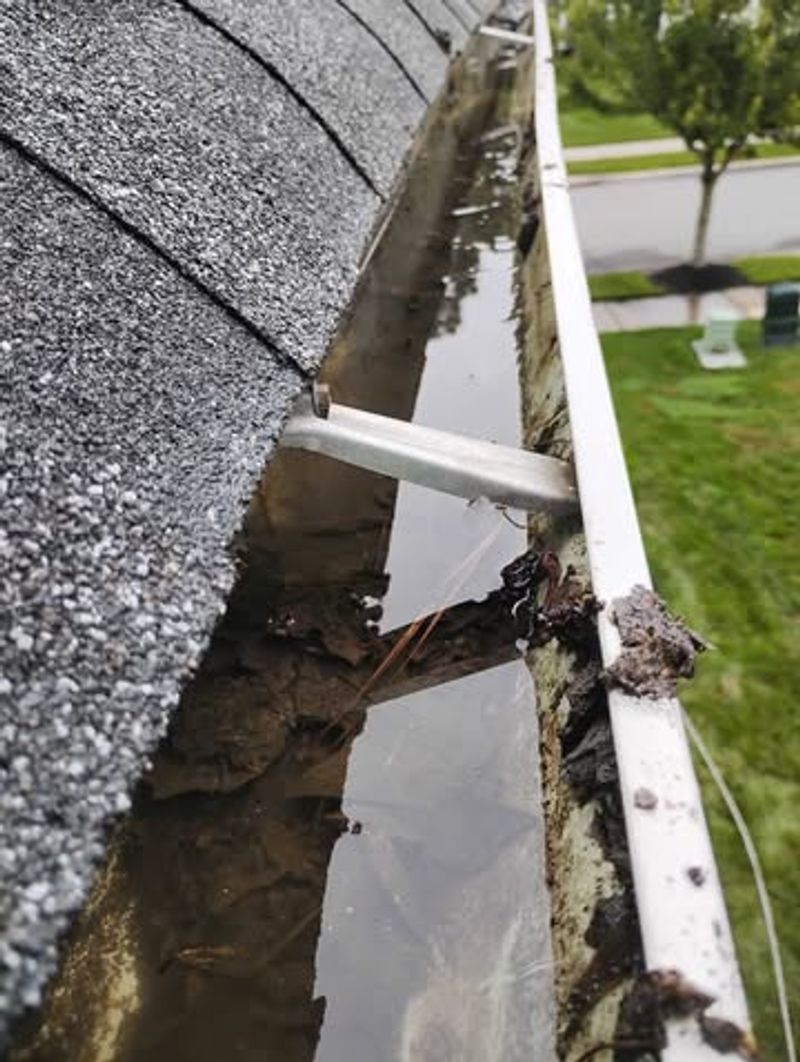
Rainwater should flow smoothly from your roof through gutters and away from your foundation. When leaves, twigs, and debris pile up inside the gutters, water overflows and spills right next to your house.
That extra moisture can seep into basements, crawl spaces, or even weaken the foundation over time.
Walk around your home and look up at the gutters. Do you see water stains on the siding below them?
Are there puddles forming near the foundation? Those are signs that your gutters might be clogged or damaged.
Check the downspouts too. They should direct water at least five feet away from your home.
If the water just dumps right next to the house, you need to add an extension or adjust the angle.
Cleaning gutters is not the most fun job, but it matters. Use a ladder safely, wear gloves, and scoop out the gunk.
You can also install gutter guards to reduce how often you need to clean them.
Regular gutter maintenance protects your home from water damage. After a big storm, a quick check can reveal problems before they become costly repairs.
2. Foundation And Basement Windows
Your home’s foundation keeps everything standing strong, but water is its worst enemy. Heavy rain can pool around the base of your house, and over time, that moisture finds cracks and weak spots.
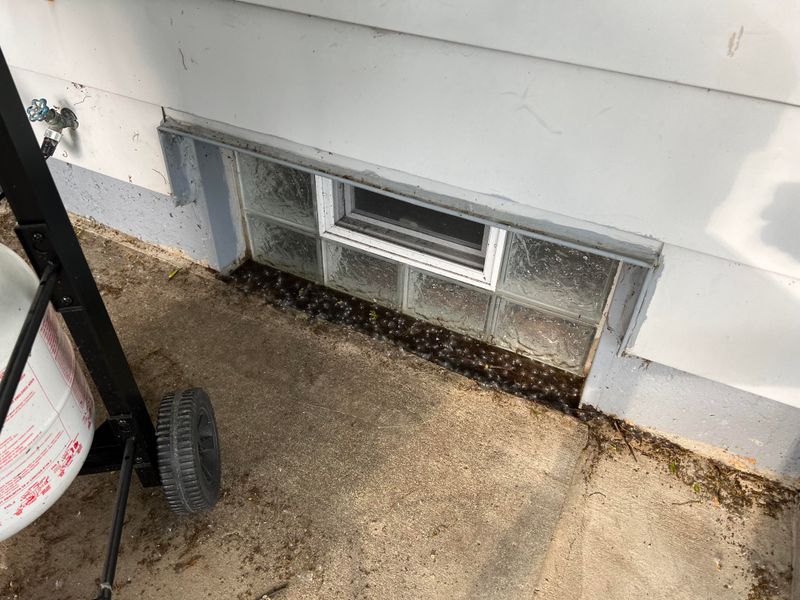
Basement windows sit low to the ground, making them especially vulnerable to flooding.
Take a walk around your entire house and look closely at the ground near the foundation. Are there puddles sitting there hours after the rain stopped?
Does the soil slope toward the house instead of away from it? These issues need attention fast.
Peek at your basement windows too. Are the window wells filled with water?
Do you see mud or debris piled up against the glass? Window wells should have proper drainage to prevent water from building up and leaking inside.
Your Oregon Garden Changes Every Week. Your Plan Should Too.
Gardening in Oregon changes quickly throughout the season. Every Friday you’ll receive a simple weekly plan showing exactly what to plant, prune, fertilize, harvest, and protect so you never miss the right timing.
If you spot standing water, you might need to regrade the soil so it slopes away from your home. Adding gravel to window wells can also improve drainage.
Some homeowners install covers to keep rain and debris out altogether.
Catching foundation problems early saves you from expensive repairs later. A little prevention goes a long way when it comes to protecting your home from water damage.
3. Yard Drainage And Low Spots
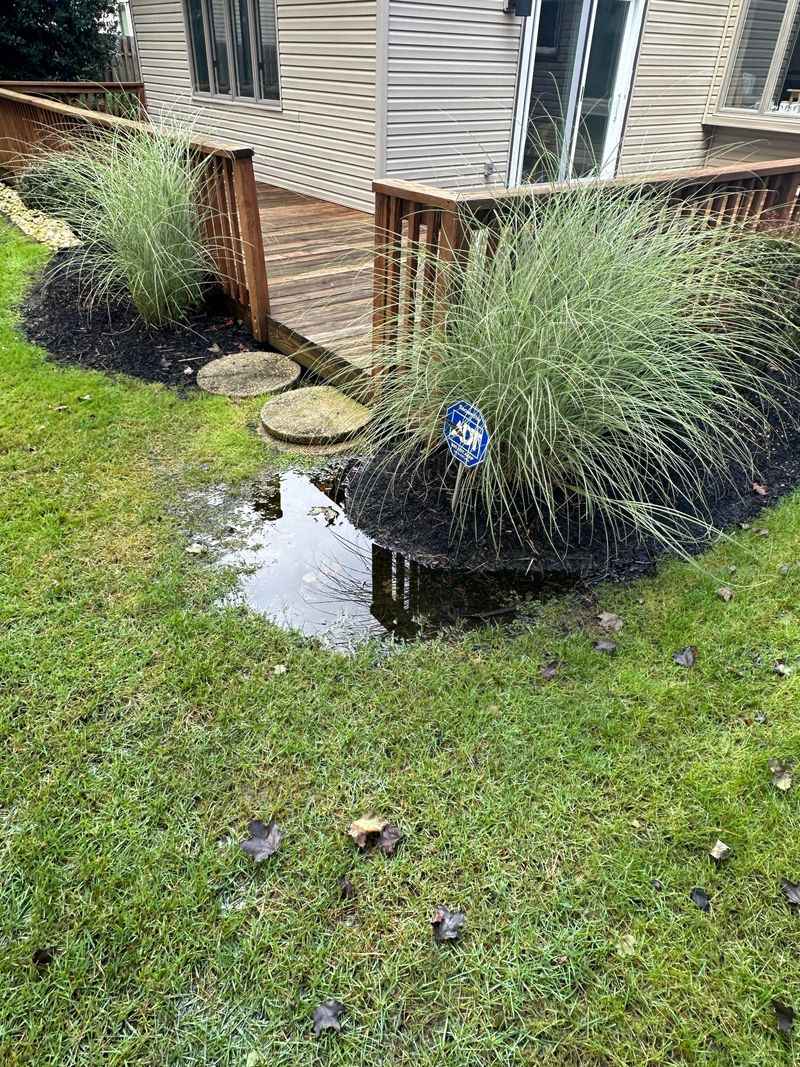
Some yards just seem to collect water in certain areas. Maybe there is a dip near the fence or a low spot in the middle of the lawn.
After heavy rain, these places turn into mini ponds that take forever to dry out. Standing water is not just annoying, it can harm your grass, attract mosquitoes, and create muddy messes.
Walk your property and note where puddles form. Do they sit in the same spots every time it rains?
That tells you the ground is not draining properly. Clay-heavy Oregon soil can make drainage problems even worse because water does not soak in quickly.
Poor drainage can also damage plant roots. Grass and flowers need oxygen in the soil, and when water sits too long, roots suffocate.
You might notice brown patches or wilting plants in those soggy areas.
Fixing drainage issues might mean adding a French drain, installing a dry creek bed, or regrading the yard. Sometimes, aerating the soil or adding organic matter helps water soak in better.
For smaller low spots, you can fill them in with topsoil and reseed.
Addressing drainage problems keeps your yard healthy and usable. No one wants a swamp in their backyard every time it rains.
4. Trees And Branches
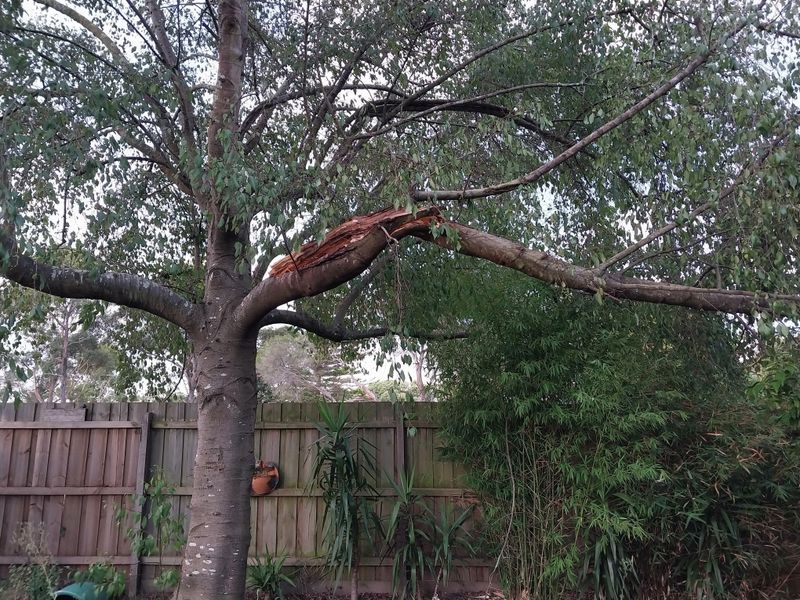
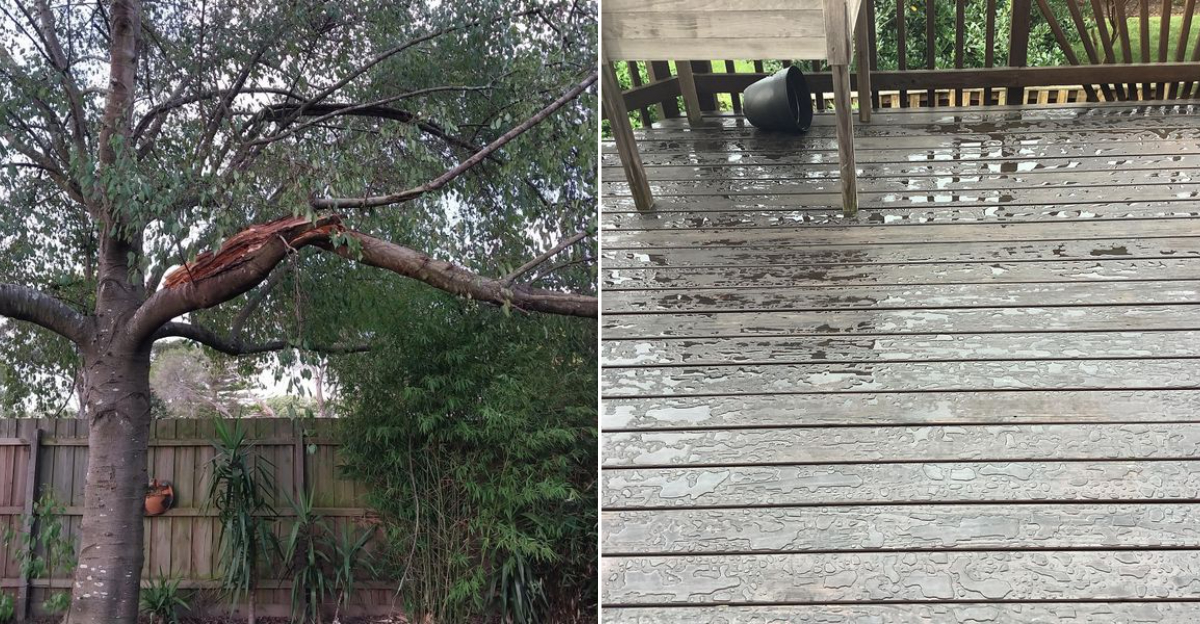
Wind and rain work together to test the strength of every tree on your property. Heavy storms can snap branches, loosen roots, and even topple entire trees.
After the weather clears, take a good look at the trees in your yard. You might spot damage that could pose a danger to your home, fence, or family.
Start by checking for broken or hanging branches. Even small limbs can cause damage if they fall on a roof, car, or person.
Look for cracks in the trunk or large branches too. If you see splits in the bark or wood, the tree might be unstable.
Pay attention to the ground around the base of each tree. Is the soil lifted or cracked?
Are roots exposed or leaning? These signs mean the tree might be losing its grip in the ground.
Saturated soil makes it easier for trees to tip over, especially if they are already weak or have shallow roots.
Remove broken branches safely or call a professional if the job is too big. If a tree looks unstable, do not wait to get it inspected.
Removing a hazardous tree is much cheaper than repairing the damage it causes when it falls.
5. Fences And Gates
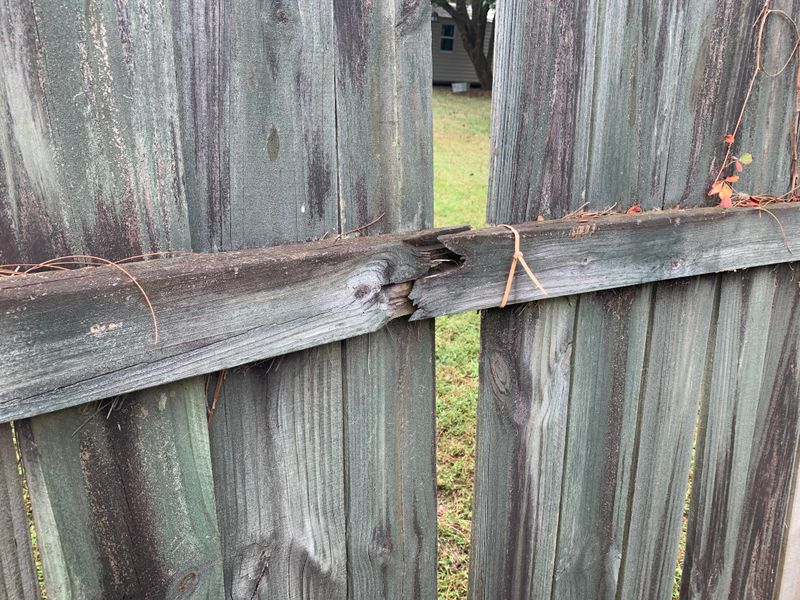
Fences take a beating during storms. Rain softens the soil around fence posts, and wind pushes against the boards or panels.
Over time, this combination can cause posts to lean, boards to crack, or gates to sag. A damaged fence is not just an eyesore, it can also compromise your privacy and security.
Walk along your fence line and give each post a gentle shake. Does it wiggle or feel loose?
That means the post is not anchored firmly in the ground anymore. Heavy rain can wash away the soil around posts, leaving them unstable.
Check the boards or panels for cracks, warping, or missing pieces. Wood fences are especially vulnerable to moisture damage.
If water sits against the wood too long, it can rot or warp. Metal fences can rust, and vinyl can crack in cold weather.
Inspect gates too. Do they swing smoothly, or do they drag on the ground?
Are the hinges rusted or loose? A sagging gate is often a sign that the post needs reinforcement or the hinges need adjustment.
Fixing fence problems early prevents bigger issues later. Tighten loose posts with concrete or replace damaged boards before the next storm hits.
6. Patios, Decks, And Walkways
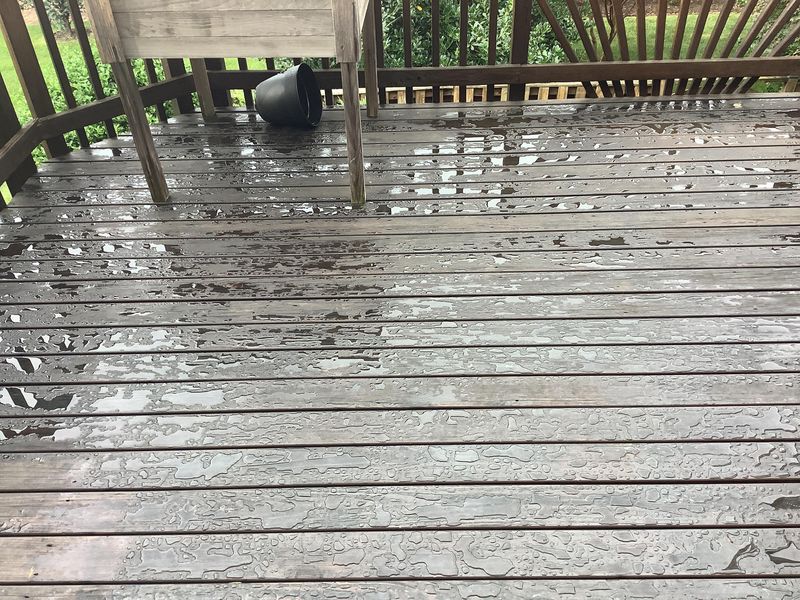
Outdoor living spaces like patios, decks, and walkways face constant exposure to Oregon weather. Rain can reveal cracks, uneven surfaces, and drainage problems you might not notice during dry months.
Water pooling on a deck or patio can lead to rot, mold, and slippery surfaces that become safety hazards.
Check your deck boards for soft spots or discoloration. Press down gently on the wood.
If it feels spongy, moisture has already started to damage it. Look underneath the deck too if you can.
Water should not be pooling under there.
Concrete patios and walkways can develop cracks or sink in certain areas. When water freezes in those cracks, it expands and makes the damage worse.
Walk across your patio and notice if any sections feel uneven or wobbly. That could mean the ground underneath has shifted or eroded.
Inspect railings and stairs on your deck. Are they sturdy?
Do the steps feel secure? Loose railings or wobbly steps are accidents waiting to happen, especially when surfaces are wet and slippery.
Clean off any leaves or debris that trap moisture against wood or concrete. Seal cracks in concrete and treat wood decks with a water-resistant sealant to extend their life and keep them safe.
7. Garden Beds And Soil Erosion
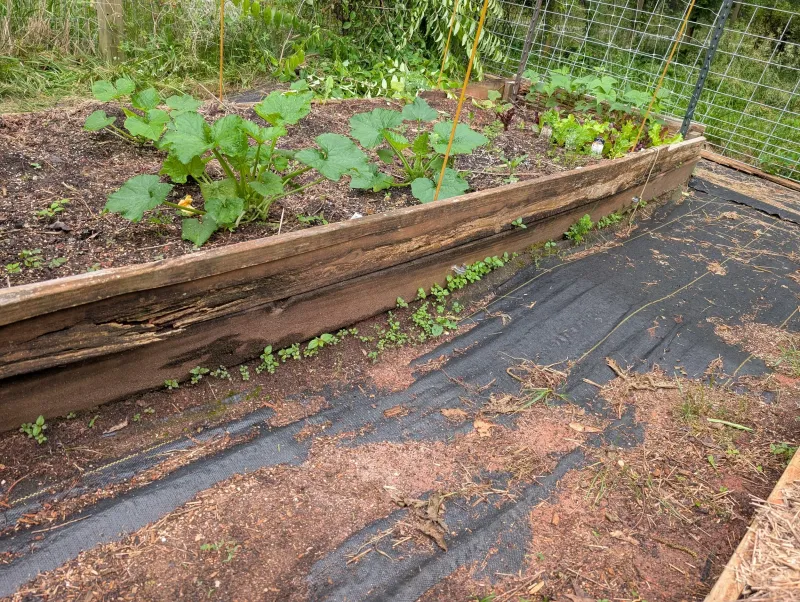
Garden beds can take a real hit during heavy rain. Water rushes through, washing away topsoil, mulch, and even small plants.
Erosion is not just a cosmetic problem, it removes the nutrient-rich soil your plants need to thrive. You might also notice that some plants look stressed or flattened after a storm.
Walk through your garden and look for signs of erosion. Are there channels or grooves where water carved through the soil?
Is mulch scattered across the lawn or piled up in one corner? These are clues that water is not flowing through your garden the way it should.
Check your plants too. Are they leaning or partially uprooted?
Heavy rain can loosen roots, especially in younger or shallow-rooted plants. Soggy soil can also suffocate roots, causing leaves to yellow or wilt even though the ground is wet.
To prevent erosion, add more mulch to help absorb water and protect the soil. Consider installing edging or small barriers to slow down water flow.
Planting ground covers or adding rocks can also help stabilize the soil.
Healthy garden beds need good drainage and stable soil. A little maintenance after each storm keeps your plants happy and your garden looking great all season long.
8. Lawn Condition And Thatch Buildup
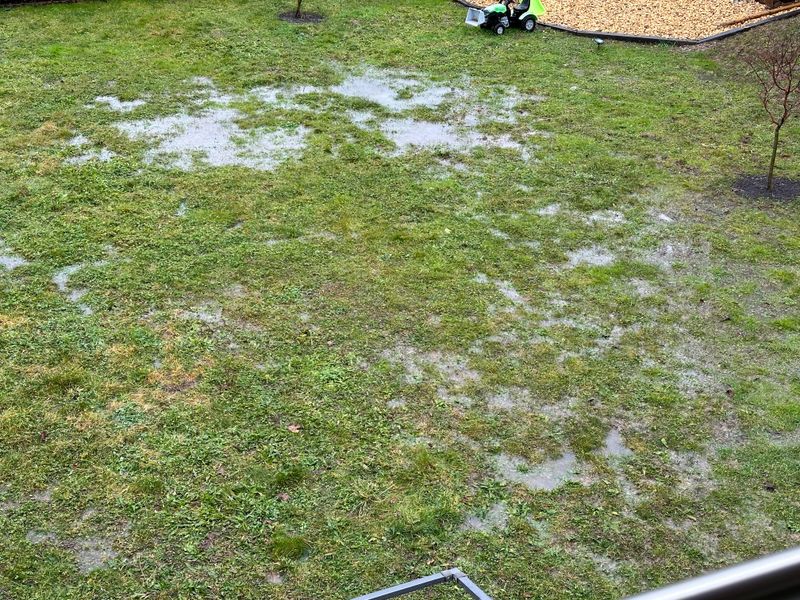
Your lawn can tell you a lot about how well your yard handles rain. After a heavy storm, you might notice areas where grass looks stressed, waterlogged, or patchy.
Sometimes the problem is not just drainage, it is thatch buildup or compacted soil that prevents water from soaking in properly.
Thatch is a layer of withered grass, roots, and organic matter that sits between the green grass and the soil. A thin layer is normal, but when it gets too thick, it acts like a sponge and holds water on the surface.
This can drown your grass and create mushy, muddy spots.
Walk across your lawn and notice how it feels underfoot. Does it squish or stay soggy for days?
That could mean poor drainage, compacted soil, or too much thatch. Look for brown or yellow patches too.
These areas might be suffocating from too much water or not enough oxygen in the soil.
Aerating your lawn helps water soak in better by breaking up compacted soil. Dethatching removes the excess buildup and lets air and water reach the roots.
Both tasks are easier to do in spring or fall when the grass is actively growing.
A healthy lawn bounces back quickly after rain. Regular maintenance keeps your grass green and resilient through Oregon’s wet winters.
9. Outdoor Furniture And Equipment
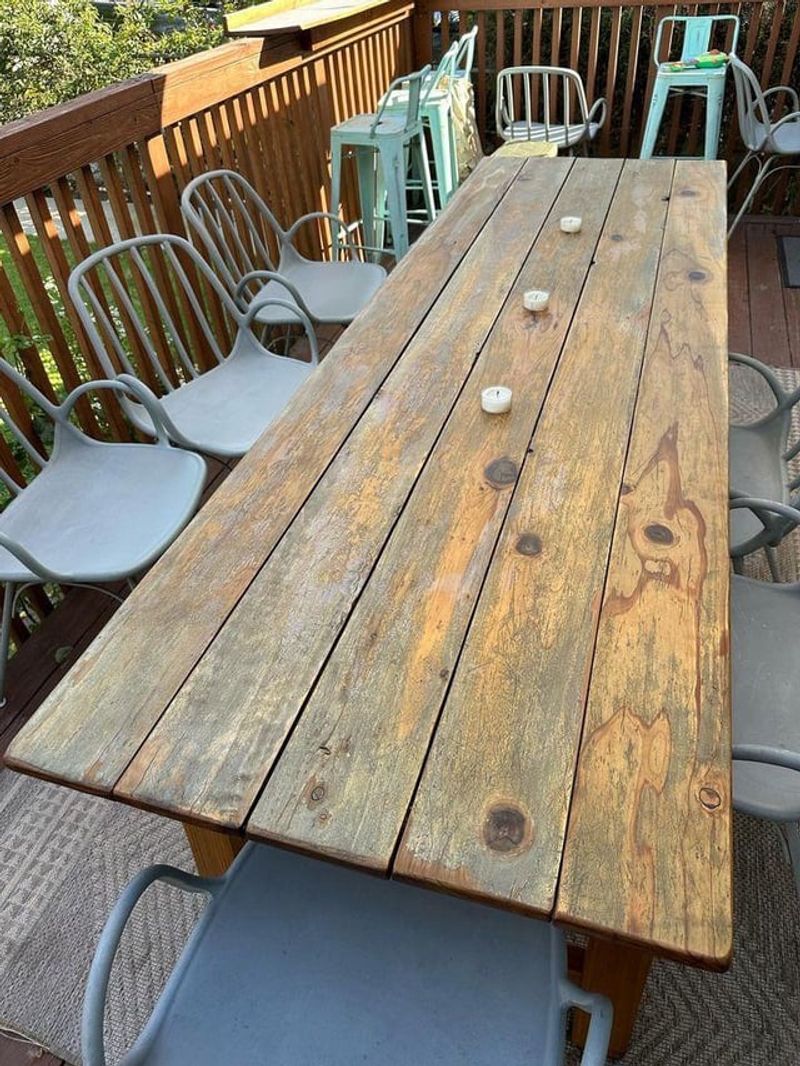
Outdoor furniture, grills, toys, and tools often get forgotten during storms. Rain can damage wood, rust metal, and warp cushions if items are left exposed.
Even waterproof materials can suffer when water sits on them for too long. A quick check after heavy rain helps you spot damage before it gets worse.
Look at your patio furniture. Are cushions soaked through?
Is water pooling on table surfaces? Fabric cushions can develop mold or mildew if they stay wet too long.
Wooden furniture can crack or warp when moisture soaks into the grain.
Check metal items like grills, fire pits, and garden tools. Are there signs of rust forming?
Even stainless steel can corrode if water sits on it repeatedly. Rust weakens metal and shortens the life of your equipment.
Inspect any outdoor storage boxes or sheds. Did water leak inside?
Tools and equipment stored in damp conditions can rust or grow mold. Make sure lids and doors seal properly to keep moisture out.
Dry off furniture and cushions as soon as possible after a storm. Store items under cover or bring them inside when heavy rain is expected.
A little effort now saves you from replacing expensive outdoor items later. Protecting your investment keeps your backyard ready for fun when the sun comes back out.