The 7 Plant Diseases You Should Watch For During Oregon Winters
Winter in Oregon can make the garden feel quiet, but that doesn’t mean problems stop. You might notice a plant looking a little off while everything else is resting, darker spots on leaves, stems that seem softer than usual, or growth that never quite bounced back.
Have you ever brushed it off, thinking winter would take care of it on its own?
Our cool temperatures and constant moisture create conditions that certain plant diseases really like. Fungal issues, rot, and lingering infections often show up during winter, even when plants aren’t actively growing.
Because changes happen slowly this time of year, it’s easy to miss early warning signs or assume they aren’t serious.
If you’ve ever been surprised by a plant that struggled more than expected come spring, you’re not alone. Many winter plant problems actually start months earlier.
Paying attention now doesn’t mean extra work, it just means knowing what to look for. These are the plant diseases worth watching for during Oregon winters, so you can catch issues early and protect your garden before the growing season begins again.
1. Why Oregon Winters Create The Perfect Conditions For Plant Disease
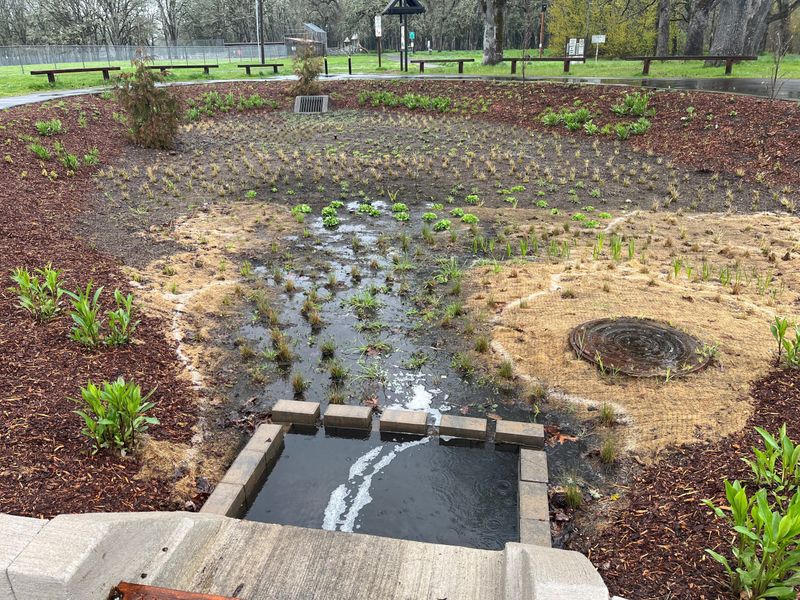
Rain falls steadily from November through March across most of Oregon, leaving soil saturated and plant leaves wet for days at a time. Fungal spores and bacterial pathogens love this kind of environment because moisture allows them to germinate, spread, and infect plant tissue much more easily than in dry weather.
Your garden becomes a breeding ground without you even realizing it.
Cool temperatures between 35 and 55 degrees slow down plant growth, which means your shrubs, trees, and perennials can’t fight off infections as effectively as they do in warmer months. At the same time, many disease organisms remain active in these conditions, quietly working their way into roots, stems, and leaves.
It’s a mismatch that puts your plants at a disadvantage.
Poor drainage makes everything worse. If your soil holds water like a sponge or your pots don’t have enough drainage holes, roots sit in standing water and suffocate.
Oxygen can’t reach them, and that stress opens the door for root rot and other soil-borne diseases. Even well-established plants can struggle when their roots are waterlogged week after week.
Understanding why Oregon winters favor disease helps you stay one step ahead and protect your garden before serious damage sets in.
2. Root Rot Problems Caused By Cold, Wet Soil
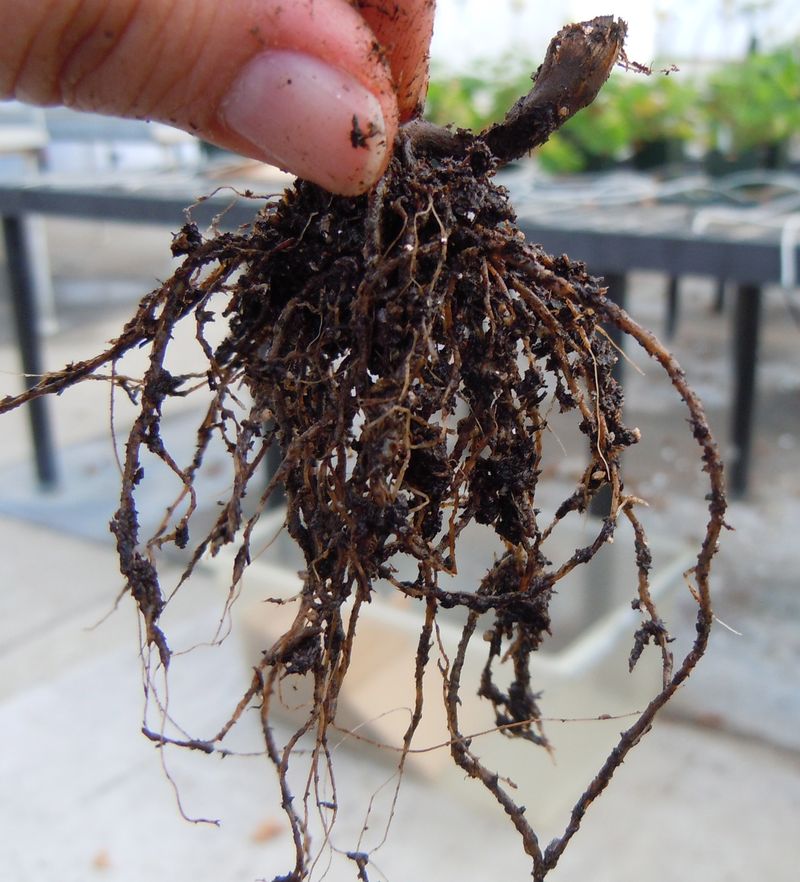
Root rot sneaks up quietly because it happens underground where you can’t see it until symptoms appear above the soil line. Plants affected by root rot often show yellowing leaves, wilting even after rain, and stunted growth that doesn’t make sense given the season.
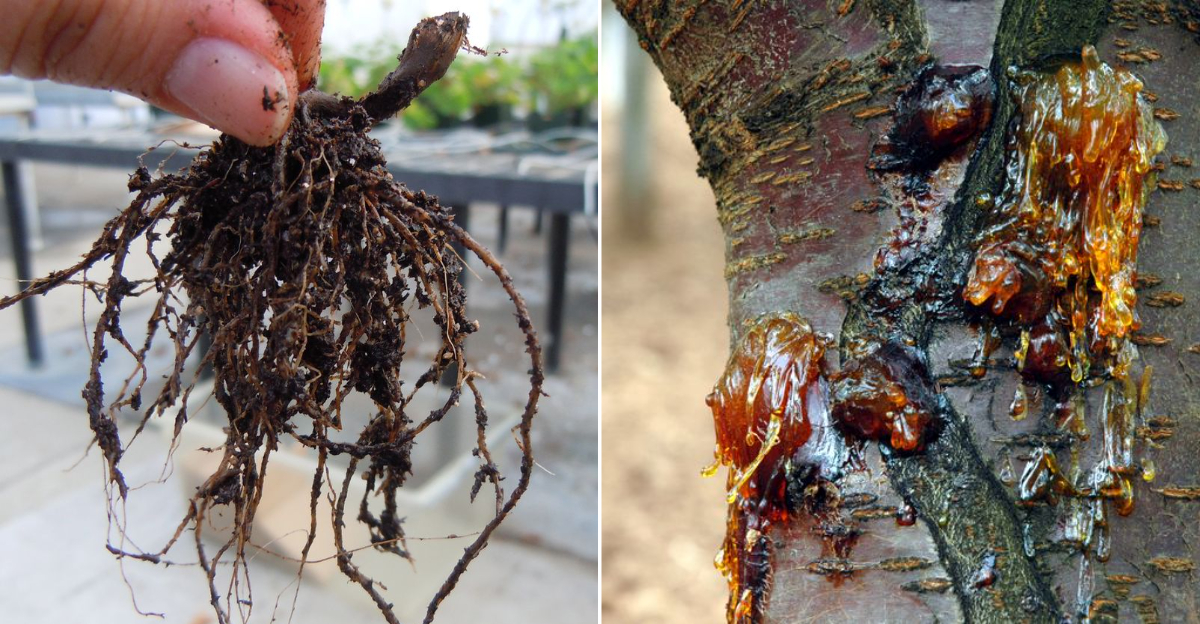
When you dig around the base, you might find roots that are brown, mushy, and smell faintly sour instead of firm and white.
Phytophthora and Pythium are two common fungi responsible for root rot in Oregon gardens during winter. Both thrive in cold, waterlogged soil and attack a wide range of plants including rhododendrons, azaleas, boxwood, conifers, and even fruit trees.
Your Oregon Garden Changes Every Week. Your Plan Should Too.
Gardening in Oregon changes quickly throughout the season. Every Friday you’ll receive a simple weekly plan showing exactly what to plant, prune, fertilize, harvest, and protect so you never miss the right timing.
Once these pathogens take hold, they spread quickly through the root system and can kill a plant within weeks if conditions stay wet.
Prevention works better than treatment when it comes to root rot. Improve drainage by adding compost or planting on slight mounds to keep roots above standing water.
Avoid overwatering during winter since rainfall usually provides more than enough moisture. If you’re planting new shrubs or trees, choose varieties known to tolerate wet conditions.
Inspect your garden regularly and remove any plants showing severe root rot to prevent the disease from spreading to neighboring plants through the soil.
3. Fungal Leaf Spots That Linger Through Winter
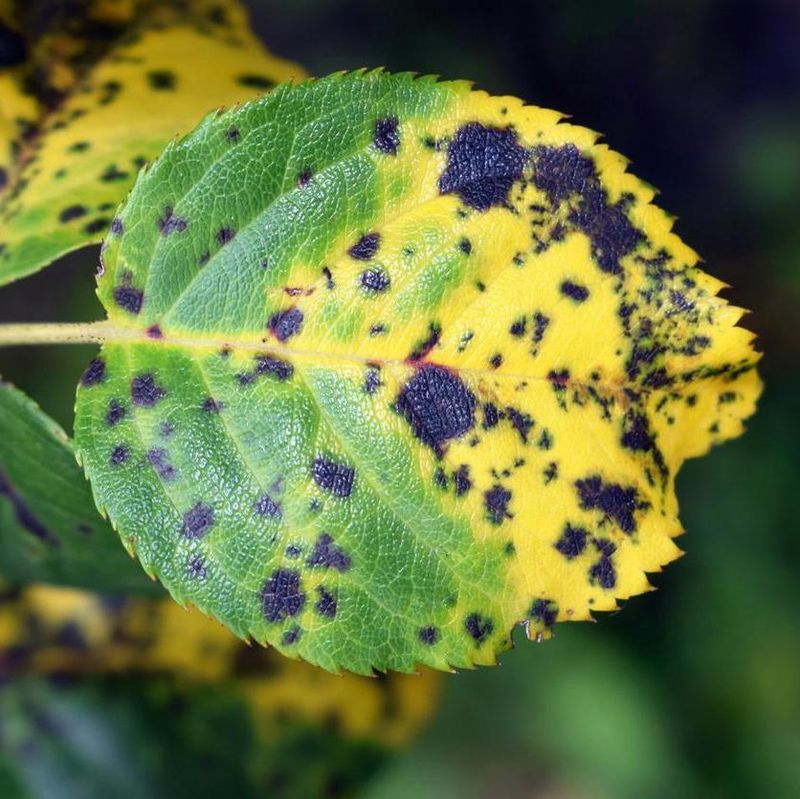
Walk through your garden on a drizzly January morning and you’ll likely notice dark spots scattered across the leaves of camellias, hollies, and laurels. Fungal leaf spots show up as circular or irregular blotches in shades of brown, black, or purple, sometimes with a yellow halo around the edges.
These spots start small but can merge together and cover large portions of a leaf as the season progresses.
Several fungi cause leaf spot diseases in Oregon winters, with wet foliage providing the perfect launching pad for spores to land and infect healthy tissue. Rain splashes spores from infected leaves onto clean ones, and the cycle continues as long as conditions stay moist.
Evergreen plants are especially vulnerable because they hold onto their leaves year-round, giving fungi plenty of time to establish themselves.
While leaf spots rarely kill a mature plant outright, heavy infections weaken your plants and make them more susceptible to other problems down the road. Rake up and dispose of fallen leaves to reduce the number of spores hanging around your garden.
Prune out heavily spotted branches to improve air circulation and help foliage dry faster after rain.
Avoid overhead watering if possible, and space plants far enough apart so they’re not crowding each other and trapping moisture between branches.
4. Powdery Mildew That Survives The Cold
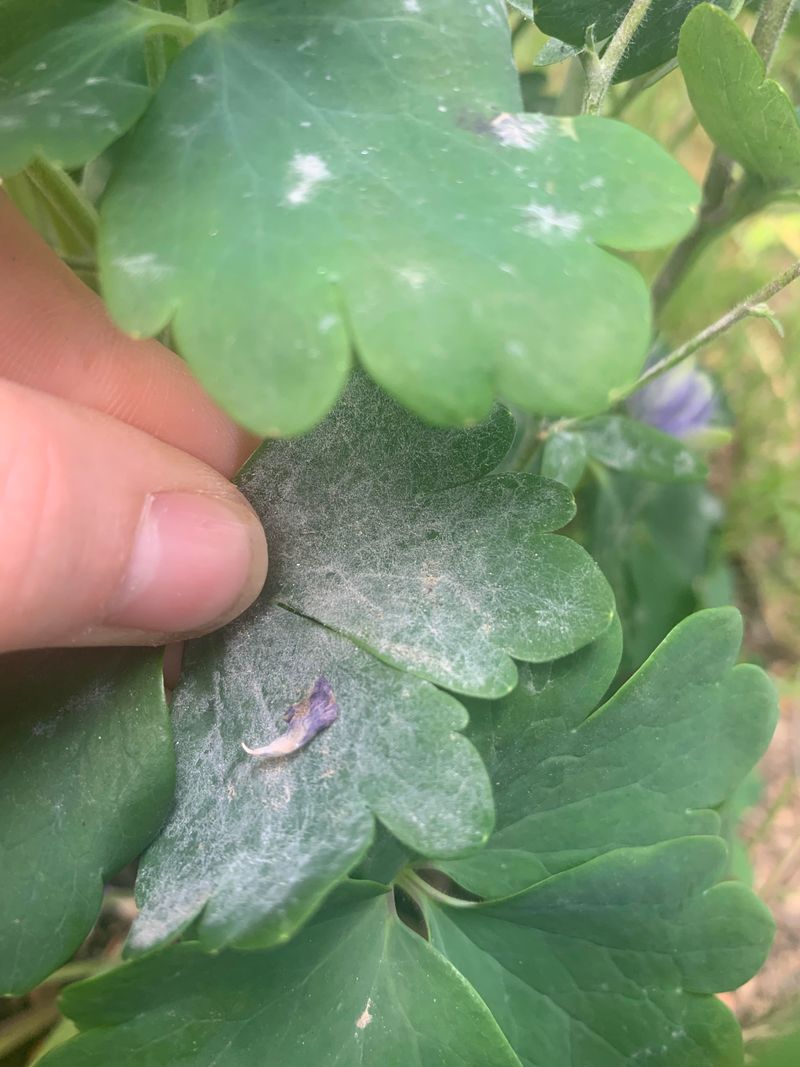
Most people associate powdery mildew with hot, dry summers, but certain strains actually thrive in Oregon’s cool, damp winters. You’ll recognize it by the white or grayish powder that coats the surface of leaves, stems, and even flower buds.
It looks almost like someone dusted your plants with flour, and it can spread quickly if left unchecked.
Winter-active powdery mildew affects plants like hellebores, pansies, and some ornamental grasses that remain green and growing during the colder months. Unlike many other fungi, powdery mildew doesn’t need standing water to germinate.
High humidity and moderate temperatures between 40 and 60 degrees provide all the moisture it needs to grow and spread from plant to plant.
Infected leaves may become distorted, curl at the edges, or drop prematurely, weakening the plant over time. Good air circulation helps reduce humidity around your plants, so thin out crowded growth and avoid planting too densely.
Remove and discard heavily infected leaves as soon as you spot them to slow the spread.
Organic fungicides containing sulfur or potassium bicarbonate can help control powdery mildew if applied early, but prevention through proper spacing and pruning is your best long-term strategy for keeping this disease in check throughout winter.
5. Cankers That Develop On Trees And Shrubs
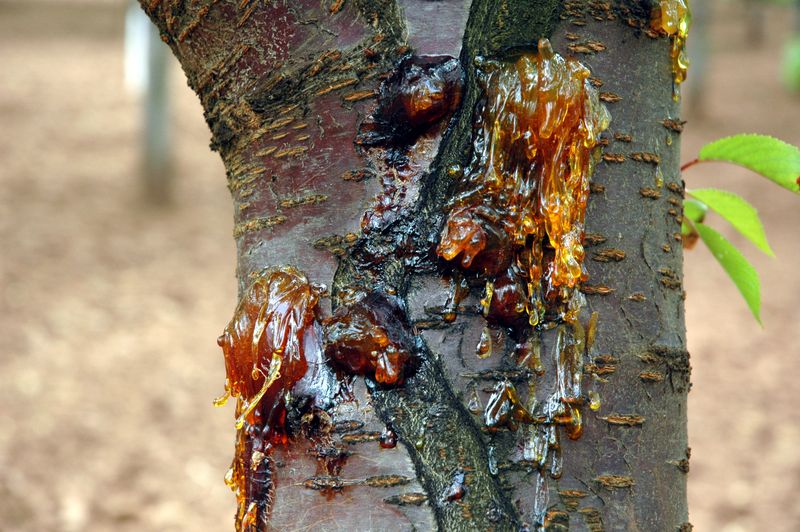
Cankers are sunken, dead areas that form on the bark of trees and shrubs, and winter is when many of them become noticeable. You might see oozing sap, cracked bark, or discolored patches on the trunks and branches of fruit trees, maples, dogwoods, and conifers.
These wounds often start small but expand over time, girdling branches and cutting off the flow of water and nutrients.
Fungal and bacterial pathogens cause cankers by entering through wounds created by pruning cuts, frost cracks, or mechanical damage from lawn equipment. Oregon’s wet winters provide ideal conditions for these pathogens to spread and infect vulnerable tissue.
Once a canker forms, the tree or shrub struggles to heal itself because growth slows down in cold weather.
Inspect your trees and shrubs regularly during winter, looking for any unusual swelling, discoloration, or dieback. Prune out cankered branches during dry weather, cutting at least six inches below the visible damage to remove all infected tissue.
Sterilize your pruning tools between cuts with rubbing alcohol or a bleach solution to avoid spreading the disease.
Avoid pruning during wet weather since open wounds are more likely to become infected when moisture is present. Keep your trees healthy with proper watering, mulching, and fertilization so they can resist canker diseases more effectively.
6. Moss And Algae That Signal Bigger Issues
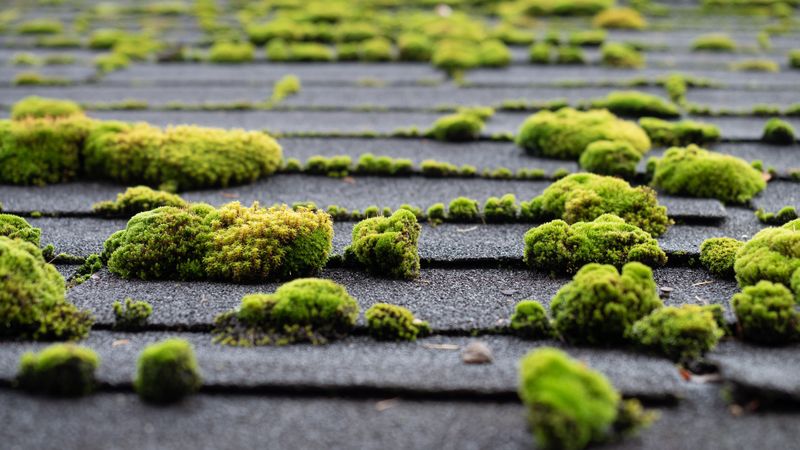
Moss and algae love Oregon winters, and you’ll find them growing on everything from tree bark to patio pavers to the north side of your house. While moss itself doesn’t harm healthy trees, its presence often signals poor air circulation, excessive shade, or prolonged moisture.
Algae, on the other hand, can coat leaves and block sunlight, reducing a plant’s ability to photosynthesize and grow.
Green or black algae often appears on the leaves of camellias, magnolias, and other broadleaf evergreens that stay wet for long periods. It looks like a thin, slimy film and can make your plants appear dull and unhealthy.
The algae doesn’t infect the plant directly, but it creates an environment where fungal diseases can take hold more easily.
Improving air circulation is the key to controlling moss and algae. Prune back overhanging branches to let more light and air reach your plants, and thin out dense growth to help foliage dry faster after rain.
Remove moss from tree bark by gently brushing it off with a soft-bristled brush, but avoid using harsh chemicals that could damage the bark.
For algae on leaves, a gentle spray with water can wash it away, though it may return if conditions stay damp. Focus on creating a healthier growing environment rather than fighting a losing battle against moisture.
7. How To Reduce Disease Pressure Before Spring Arrives
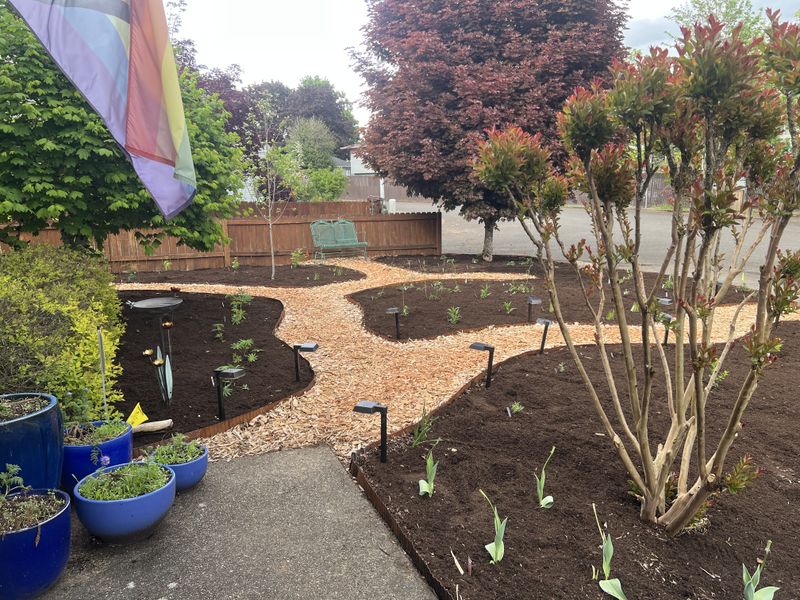
Taking action now, while your garden is still in its winter slumber, sets you up for a healthier growing season ahead. Start by cleaning up fallen leaves, pruned branches, and any plant debris that’s accumulated over the past few months.
Disease organisms overwinter in this material, waiting for warmer weather to reinfect your plants, so removing it breaks that cycle.
Check your drainage situation and make improvements where water pools or soil stays soggy for days after rain. Adding compost to heavy clay soil increases drainage, while creating shallow swales or installing French drains can redirect excess water away from plant roots.
Even small changes make a big difference when it comes to preventing root rot and other water-related diseases.
Prune out any dead, diseased, or damaged branches during dry spells in late winter, always cutting back to healthy wood. This reduces the number of infection sites and improves air circulation throughout your plants.
Sterilize your tools between cuts to avoid spreading pathogens from one plant to another.
Mulch around the base of trees and shrubs with a two- to three-inch layer of compost or bark chips, keeping it a few inches away from the trunk. Mulch moderates soil temperature, improves drainage, and adds organic matter that supports beneficial soil organisms capable of outcompeting disease-causing fungi.