Who Covers Damage From A Neighbor’s Falling Tree Branches In Pennsylvania
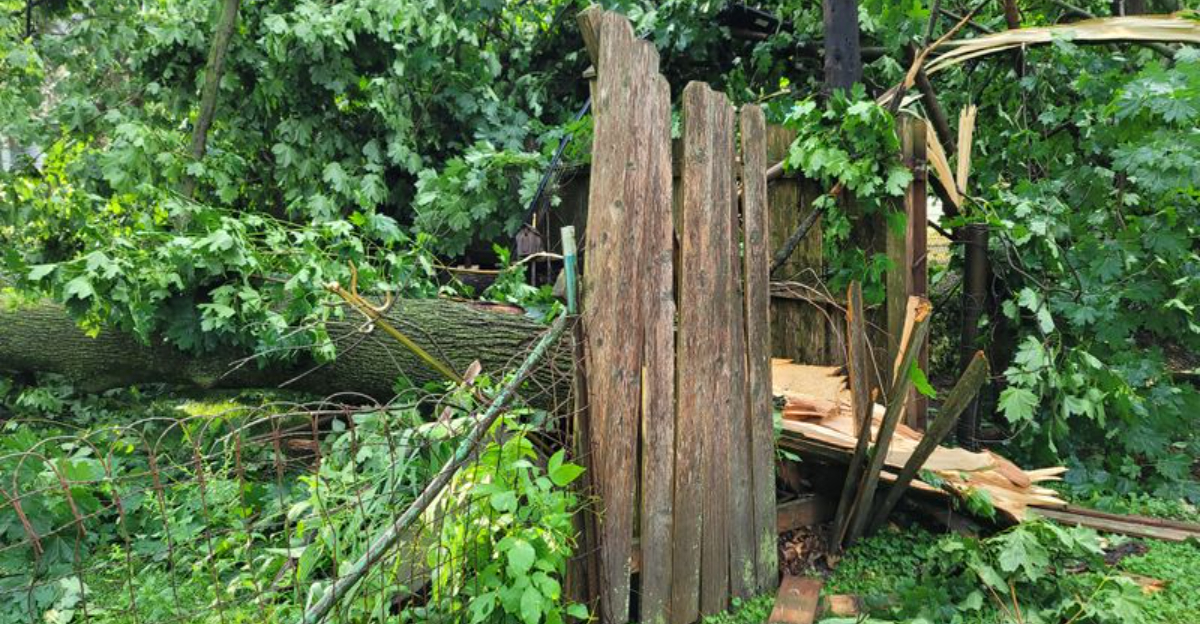
Falling tree branches in Pennsylvania often catch homeowners off guard, especially when the damage crosses property lines. What feels like a simple cleanup can quickly turn into a stressful question about responsibility.
Many Pennsylvania residents assume the answer is obvious until they realize the rules are not always clear.
Weather plays a big role, since storms and high winds are common causes of falling branches. Those natural events can change how responsibility is viewed.
Problems often feel more personal when a neighbor’s tree is involved. Emotions can rise fast when repairs, insurance calls, and conversations all collide.
Pennsylvania law does not always place blame based only on where the tree grows. The condition of the tree and prior knowledge can matter just as much.
Small branch damage can feel minor at first. Over time, repeated issues can create tension between neighbors.
Understanding general responsibility guidelines helps homeowners respond calmly. It also makes conversations easier before misunderstandings grow.
Clear information gives Pennsylvania homeowners confidence when dealing with unexpected tree damage.
1. Pennsylvania Follows the Act of God Rule
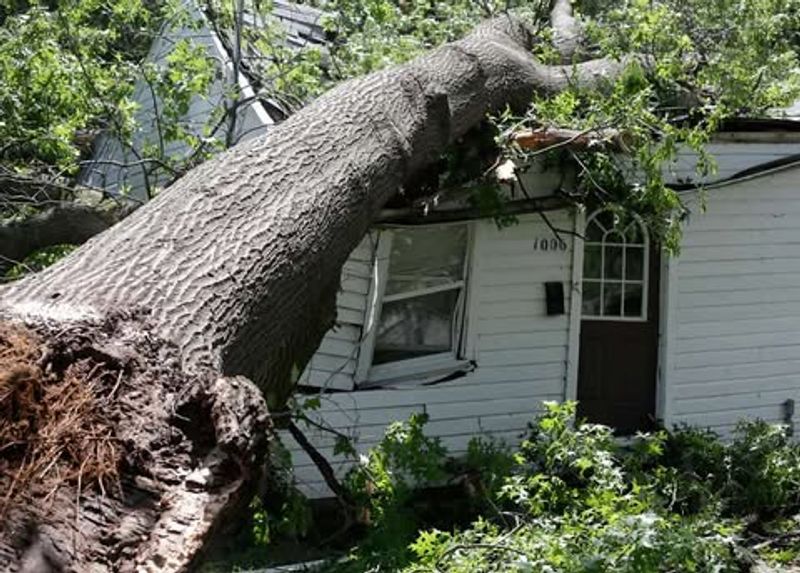
Natural disasters and weather events play a big role in how tree damage cases get handled across Pennsylvania.
If a healthy tree or branch falls during a storm, high winds, or other natural causes, Pennsylvania law generally does not hold the tree owner responsible unless they knew or should have known the tree was dangerous.
Your own homeowner’s insurance usually covers the damage to your property in these situations.
The neighbor who owns the tree isn’t automatically responsible just because the branch came from their yard.
Pennsylvania courts have long recognized that property owners can’t control Mother Nature.
This means you’ll likely file a claim with your own insurance company rather than seeking payment from your neighbor.
However, this rule only applies when the tree was healthy and well-maintained before it fell. If the tree showed signs of disease, rot, or instability that the neighbor ignored, different rules come into play.
Documenting the tree’s condition before and after the incident becomes important for insurance claims in Pennsylvania.
This rule exists to recognize that severe weather events are outside human control and cannot always be prevented through reasonable care.
When storms or high winds cause a healthy tree to fail, the situation is generally treated as unavoidable rather than the result of wrongdoing.
This approach helps reduce conflict between neighbors by keeping fault from being automatically assigned.
Homeowners often find that insurance coverage is designed to step in during these situations and handle the financial impact.
Understanding this rule early allows people to respond thoughtfully instead of reacting out of frustration or confusion.
2. Negligence Changes Everything About Liability
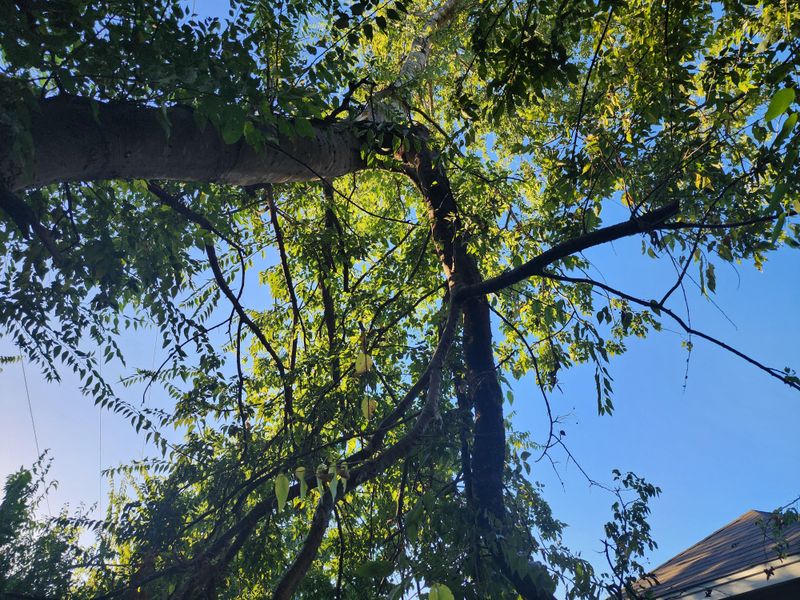
Property owners across Pennsylvania have a legal duty to maintain trees on their land and keep them reasonably safe.
When someone ignores obvious warning signs like dead branches, visible decay, or leaning trunks, they might be held responsible for any damage that occurs.
Negligence means the neighbor knew or should have known about the hazard but failed to take action.
Your Pennsylvania Garden Changes Every Week. Your Plan Should Too.
Gardening in Pennsylvania changes quickly throughout the season. Every Friday you’ll receive a simple weekly plan showing exactly what to plant, prune, fertilize, harvest, and protect so you never miss the right timing.
Proving negligence requires evidence that the tree posed a clear danger before it fell. Photos showing rot, previous complaints you made to the neighbor, or expert testimony from an arborist can strengthen your case.
Pennsylvania law expects reasonable people to address visible tree problems that could harm others.
If you can demonstrate that your neighbor was negligent in caring for their tree, you may be able to recover damages directly from them or their homeowner’s insurance.
This shifts the financial burden away from your own policy. Keep records of any conversations where you warned the neighbor about concerning tree conditions in Pennsylvania.
Negligence becomes relevant when warning signs were visible and no reasonable action was taken to address them.
Pennsylvania law looks closely at whether a property owner ignored conditions that suggested a tree posed a real risk.
Evidence such as photos, written notices, or professional assessments helps clarify what was known beforehand.
These situations are evaluated based on behavior rather than ownership alone.
Clear documentation plays a key role in determining whether responsibility shifts from insurance to the neighbor involved.
3. Your Homeowner’s Insurance Typically Covers the Initial Damage
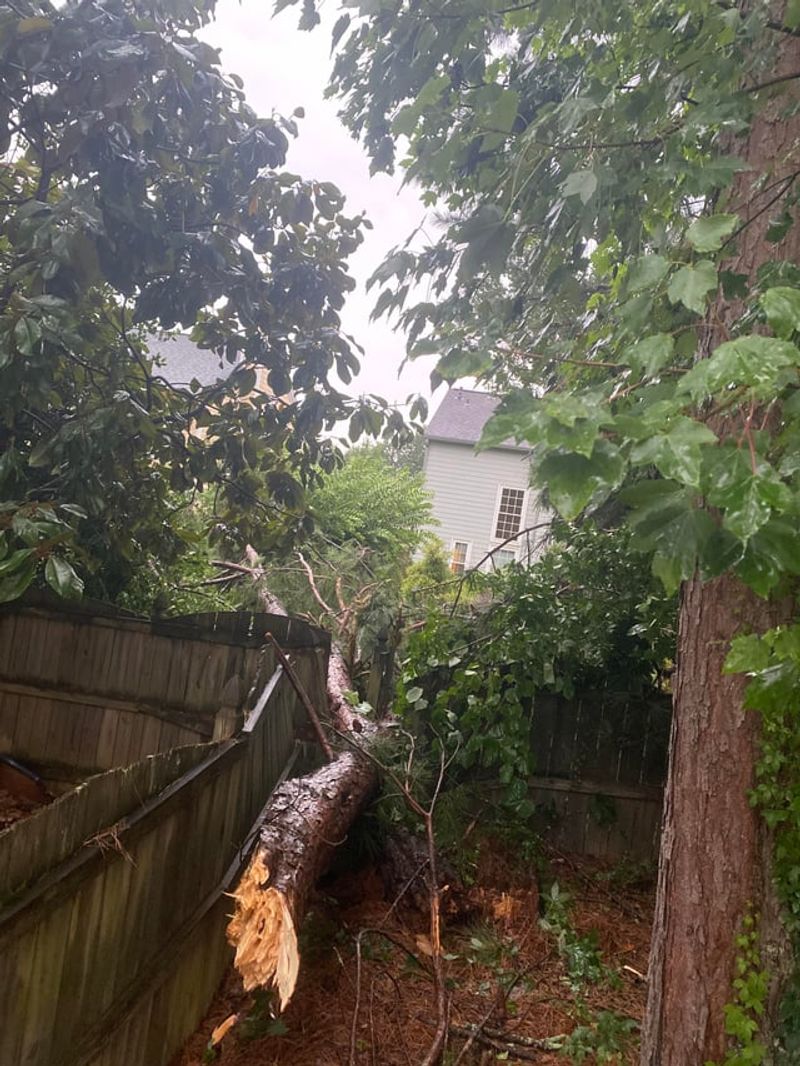
Most standard homeowner’s insurance policies in Pennsylvania include coverage for damage caused by falling trees and branches, regardless of where the tree was rooted.
This means your insurance company will likely pay for repairs to your house, garage, fence, or other structures after a deductible.
Coverage usually extends to debris removal as well.
Filing a claim with your own insurer often provides the fastest path to getting repairs started. Insurance companies handle these situations regularly and can process claims efficiently.
Your policy should cover the actual damage, though you’ll need to pay your deductible first before benefits kick in.
After paying your claim, your insurance company might pursue subrogation against the neighbor if they believe negligence was involved.
You won’t have to handle this legal process yourself, as your insurance company takes over once they’ve covered your damages in Pennsylvania.
Insurance policies are structured to respond quickly when unexpected property damage occurs.
Filing a claim often provides the most direct path to repairs without needing immediate legal involvement.
Coverage usually applies regardless of where the tree originated, which surprises many homeowners.
Deductibles and policy limits still apply, making it important to understand coverage details ahead of time.
This process allows repairs to move forward while responsibility questions are reviewed separately.
4. Warning Your Neighbor About Dangerous Trees Matters
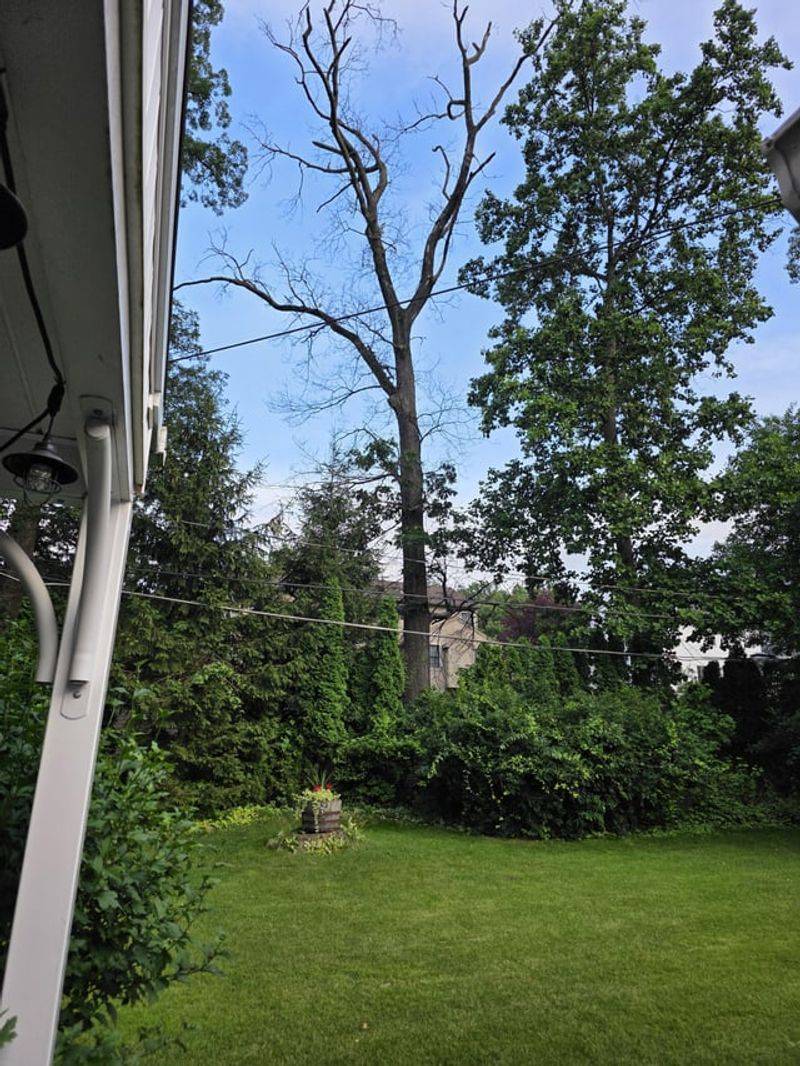
Communicating concerns about hazardous trees creates an important paper trail in Pennsylvania. When you notice a neighbor’s tree showing signs of trouble, sending them a written notice documents your awareness of the problem.
This letter should describe the specific issues you’ve observed, such as cracked limbs, fungal growth, or unusual leaning.
Certified mail with return receipt provides proof that your neighbor received the warning. If damage occurs later, this documentation can help establish that the neighbor had knowledge of the dangerous condition.
Pennsylvania courts consider whether the property owner was given a reasonable opportunity to address the hazard.
Keep copies of all correspondence, photos, and any responses from your neighbor. Some homeowners also hire certified arborists to inspect concerning trees and provide written reports.
These professional assessments carry significant weight if a dispute ends up in court or during insurance negotiations across Pennsylvania.
Notifying a neighbor about visible tree concerns helps establish awareness before damage happens.
Written communication creates a record that shows concerns were raised in a reasonable and timely manner.
This step gives the tree owner an opportunity to address the issue before it escalates.
Courts often consider whether a warning was provided when evaluating responsibility later.
Clear communication can prevent misunderstandings and support safer outcomes for everyone involved.
5. Small Claims Court Offers an Option for Minor Damages
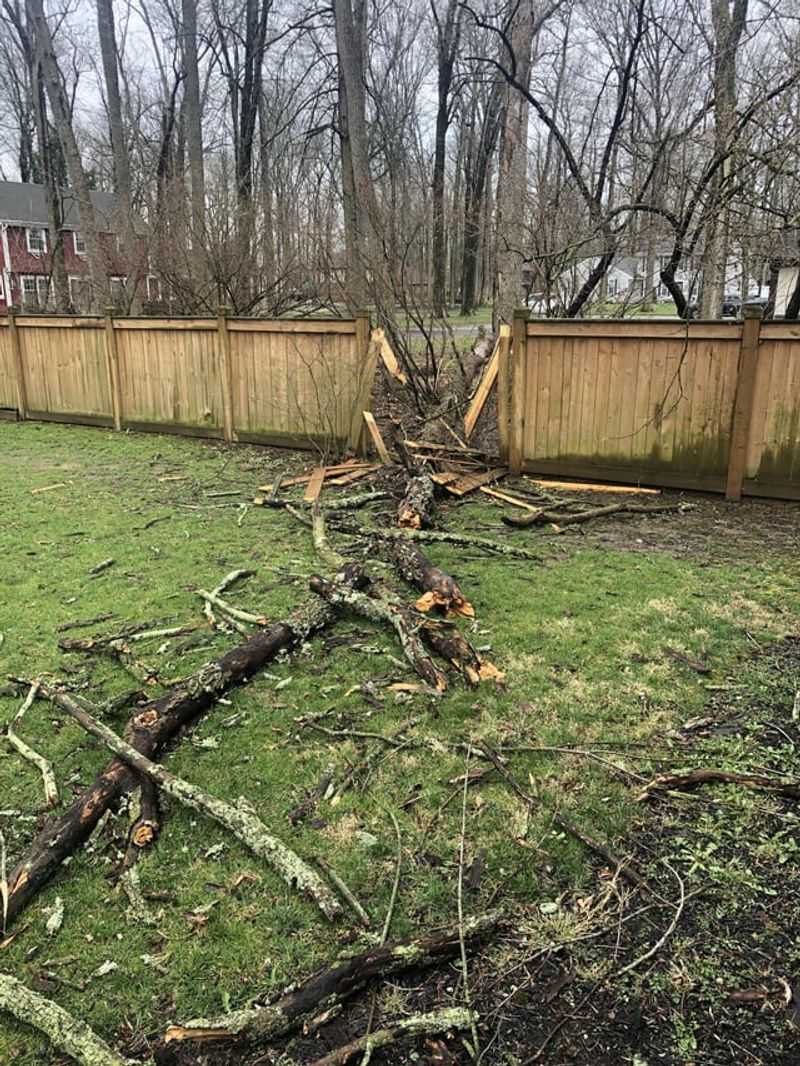
When damage costs fall below Pennsylvania’s small claims court limit, this venue provides an accessible way to resolve disputes without hiring expensive attorneys.
Small claims courts handle cases involving amounts up to a certain threshold, making them ideal for fence repairs, minor roof damage, or vehicle dents caused by falling branches.
Filing fees remain relatively low, and the process moves faster than traditional civil court. You’ll need to present evidence showing the damage amount and, if claiming negligence, proof that the neighbor failed to maintain their tree properly.
Bring photos, repair estimates, and any warning letters you sent.
Judges in Pennsylvania small claims courts hear both sides and make decisions based on the evidence presented. If you win, the court issues a judgment requiring the neighbor to pay the awarded amount.
While small claims court works well for straightforward cases, larger or more complex damage situations might require regular civil court proceedings in Pennsylvania.
Small claims court provides a practical option when damage costs remain relatively limited.
The process focuses on evidence and documentation rather than complex legal arguments.
Homeowners can present repair estimates, photos, and written records to support their case.
Decisions are based on what can be reasonably demonstrated rather than assumptions.
This option allows disputes to be resolved without the expense of lengthy court proceedings.
6. Branches Hanging Over Property Lines Create Special Situations
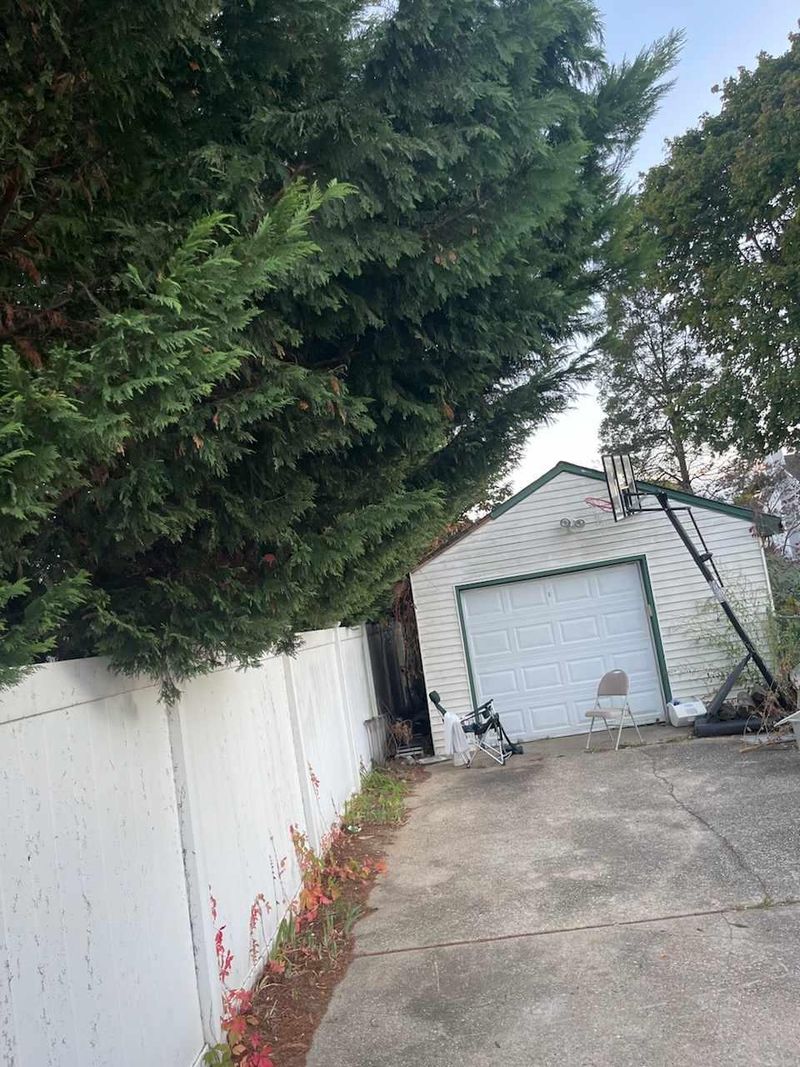
Pennsylvania law gives property owners the right to trim branches that extend over their property line, but with important limitations. You can cut back overhanging branches up to the boundary line without asking permission, as long as you don’t harm the tree’s overall health.
This right helps homeowners manage vegetation that might pose risks to their property.
However, you can’t go onto your neighbor’s property to do the trimming without their consent, and you’re responsible for any damage you cause to the tree. If your trimming results in the tree becoming diseased or unstable, you could face liability.
Many Pennsylvania homeowners choose to discuss the situation with neighbors first to maintain good relationships.
Professional tree services familiar with Pennsylvania property laws can handle the trimming properly while respecting boundary lines and tree health.
Overhanging branches introduce shared concerns that require careful handling.
Property owners generally have limited rights to manage vegetation crossing boundaries.
Improper trimming can unintentionally create liability if the tree becomes damaged.
Open communication often helps prevent disagreements before action is taken.
Professional services familiar with local standards can reduce risk while respecting property lines.
7. Documentation Protects You Before and After Incidents
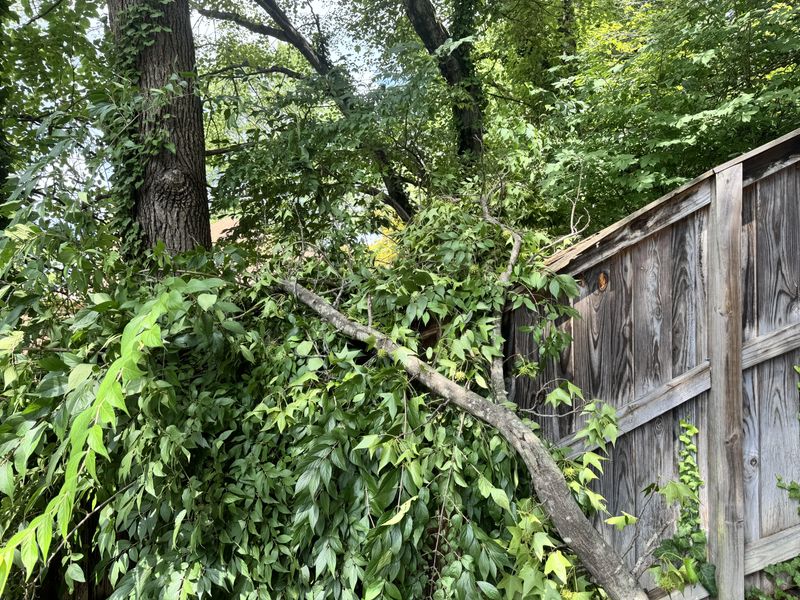
Creating a visual and written record of tree conditions in your Pennsylvania neighborhood provides valuable protection if damage occurs. Take dated photos of any concerning trees on neighboring properties, especially those with dead branches, cracks, or other visible problems.
These images establish the tree’s condition at a specific point in time.
After damage occurs, photograph everything immediately from multiple angles. Capture where the branch or tree fell, the damage it caused, and the tree’s stump or remaining trunk if possible.
These photos support insurance claims and potential legal actions. Include items in the photos that show scale, like a measuring tape or common objects.
Written notes about weather conditions, when the damage occurred, and any relevant circumstances also help build your case. If you previously contacted the neighbor about tree concerns, include copies of those communications.
Pennsylvania insurance adjusters and courts rely heavily on documentation when determining liability and coverage amounts.
Photos and written records help clearly establish the condition of trees before any damage occurs, which becomes important if responsibility is later questioned.
Time-stamped images add reliability by showing exactly when issues were visible, reducing disputes caused by fading memories or conflicting accounts.
After an incident, detailed documentation supports insurance reviews and legal evaluations by providing a consistent, factual record of what happened.
Including notes about weather conditions, timing, and surrounding circumstances adds context that can influence how responsibility is assessed.
Consistent recordkeeping strengthens credibility and helps all parties rely on facts rather than assumptions during resolution.
8. Municipal Trees Follow Different Rules in Pennsylvania
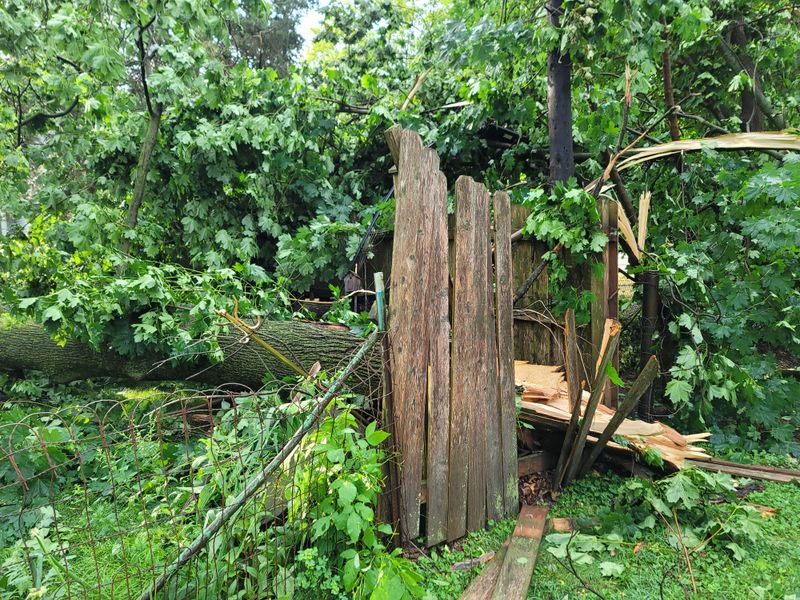
Trees located on public property or in the right-of-way between sidewalks and streets belong to local municipalities in Pennsylvania. When branches from these publicly owned trees cause damage to private property, homeowners must follow different procedures than they would with neighbor disputes.
The city or township manages these trees, but liability depends on notice, response time, and Pennsylvania’s governmental immunity rules.
Reporting hazardous municipal trees to local authorities creates an official record of the problem. Many Pennsylvania municipalities have dedicated departments or hotlines for tree-related concerns.
Once notified, the government entity has a duty to inspect and address dangerous conditions within a reasonable timeframe.
If a municipal tree causes damage and you can prove the local government knew about the hazard but failed to act, you might have a claim against the municipality.
These cases often involve more complex legal requirements than disputes between private property owners in Pennsylvania.
Trees located on public property are governed by different legal standards than those on private land, which often surprises homeowners.
Responsibility in these cases frequently depends on whether the municipality had prior notice of a hazardous condition and enough time to respond.
Reporting concerns early creates an official record that may become critical if damage later occurs.
Response timelines, inspection practices, and governmental immunity rules all affect how these situations are handled.
Because additional procedures apply, resolving issues involving municipal trees often requires more patience and follow-through.
9. Preventive Measures Save Money and Relationships
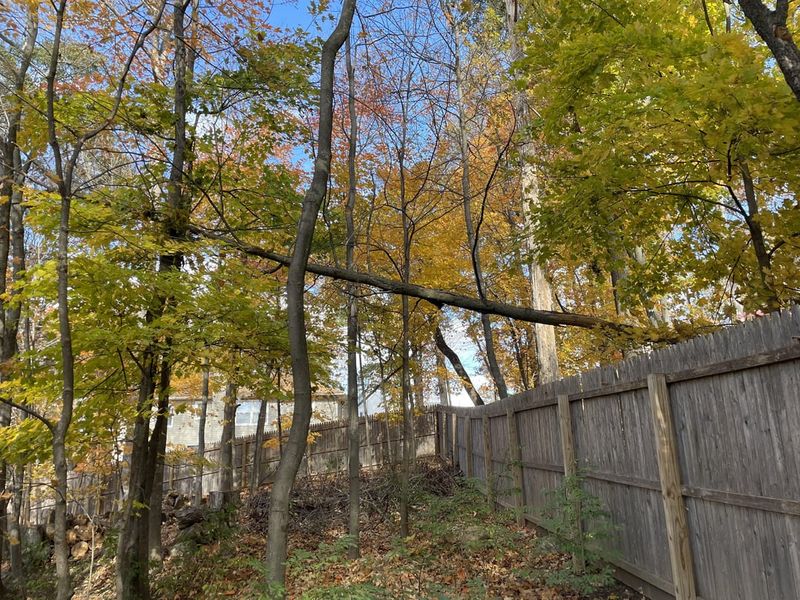
Regular tree maintenance prevents many problems before they cause expensive damage across Pennsylvania properties. Hiring certified arborists to inspect trees on your property identifies potential hazards early.
These professionals can recommend pruning, cabling, or removal when necessary. Investing in tree care costs far less than dealing with damage and insurance claims.
Building positive relationships with neighbors makes addressing tree concerns much easier. Friendly conversations about shared tree hazards often lead to cooperative solutions.
Some Pennsylvania neighbors even split the cost of removing problematic trees that threaten both properties. Good communication prevents disputes from escalating into legal battles.
Reviewing your homeowner’s insurance policy helps you understand your coverage before problems arise. Know your deductible, coverage limits, and what types of tree damage the policy includes.
Some Pennsylvania homeowners add umbrella policies for extra protection. Prevention and preparation create peace of mind and protect your financial interests when dealing with trees near property lines.
Routine inspections help identify potential tree hazards before they develop into costly or disruptive problems.
Professional assessments can reveal structural or health issues that are not obvious during casual observation.
Addressing concerns early often costs far less than repairs, insurance claims, or legal disputes after damage happens.
Open communication with neighbors encourages cooperation and reduces the likelihood of tension or misunderstanding.
Preparation helps protect finances while also preserving positive relationships within the community.