11 Leafy Greens Arizona Gardeners Start For Homegrown Salads
Arizona’s growing season doesn’t pause just because temperatures swing, which is why leafy greens fit so naturally into home gardens across the state. Warm days and mild winters give gardeners more chances to grow fresh salad greens without long waiting periods.
Leafy greens feel especially rewarding in Arizona because they sprout fast and show results quickly. That steady progress keeps motivation high even during unpredictable weather shifts.
Many Arizona gardeners start greens early to take advantage of cooler windows before intense heat settles in. These early plantings often lead to fuller harvests and better flavor.
Homegrown salads feel different when greens are picked minutes before meals. Texture, freshness, and taste all stand out more than store-bought options.
Choosing the right leafy greens helps Arizona gardens stay productive without constant effort.
Some varieties handle heat better while others thrive during cooler stretches.
Arizona gardeners often mix fast-growing greens to keep harvests steady instead of overwhelming all at once.
This approach makes salads feel like a regular habit rather than a short seasonal treat.
Starting leafy greens at home gives Arizona gardeners control over quality and timing. That control turns simple meals into something personal and satisfying.
Once leafy greens become part of the routine, homegrown salads feel easy to maintain and hard to give up.
1. Butterhead Lettuce
Soft, tender leaves make butterhead lettuce a favorite among gardeners who want something delicate and flavorful for their salad bowls.
This variety forms loose, rounded heads with leaves that almost melt in your mouth when you bite into them.
Arizona growers find that butterhead does particularly well during fall and spring when temperatures stay mild and comfortable.
Planting butterhead in late September or early October gives you the best chance for success in desert regions. The cooler nights help the leaves develop their signature buttery texture without becoming bitter or tough.
You can harvest individual outer leaves as the plant grows, or wait until the whole head reaches full size.
Butterhead needs consistent moisture to keep those delicate leaves crisp and sweet.
Mulching around the base helps retain water and keeps the soil cool during warmer days.
Many Arizona gardeners grow this lettuce in partial shade during late spring to extend the harvest season before summer heat arrives.
With careful timing and steady care, butterhead lettuce rewards Arizona gardeners with repeated harvests that stay tender and flavorful across the cooler growing months.
2. Arugula
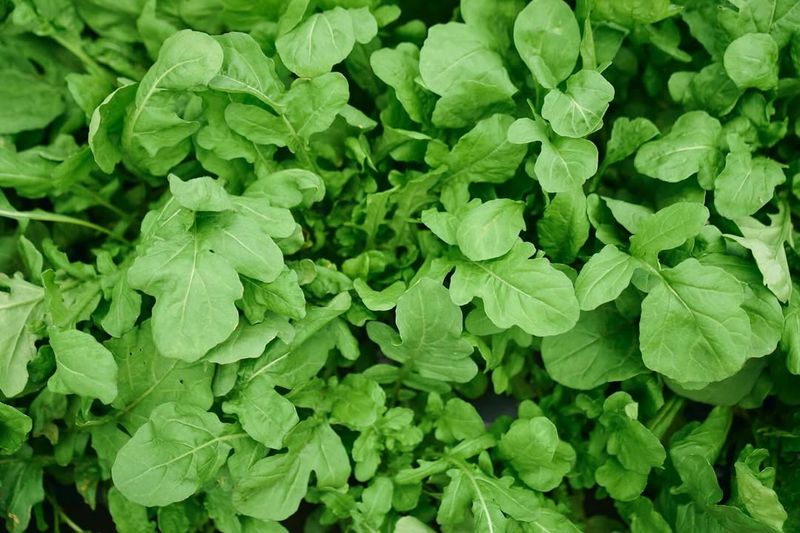
Peppery flavor and quick growth make arugula an absolute winner for anyone wanting fast results from their garden beds. Seeds sprout within days, and you can start snipping leaves in as little as three weeks after planting.
Arizona’s cooler months provide perfect conditions for this spicy green to develop its bold taste without turning overly sharp.
Fall planting works wonderfully across the state, with many gardeners sowing seeds directly into garden beds in October.
Arugula tolerates light frosts, which actually enhances its peppery punch and makes the leaves even more flavorful.
Successive planting every two weeks ensures you have fresh arugula throughout the entire cool season.
Your Arizona Garden Changes Every Week. Your Plan Should Too.
Gardening in Arizona changes quickly throughout the season. Every Friday you’ll receive a simple weekly plan showing exactly what to plant, prune, fertilize, harvest, and protect so you never miss the right timing.
This green prefers full sun during winter months but appreciates some afternoon shade as spring temperatures climb.
Regular harvesting encourages new growth and prevents the plant from bolting too quickly. Arizona gardeners often mix arugula with milder greens to balance out its distinctive spicy kick in fresh salads.
Because it grows so quickly and handles cool weather well, arugula fits easily into Arizona gardens where fast, reliable harvests make seasonal planting especially rewarding.
3. Romaine Lettuce
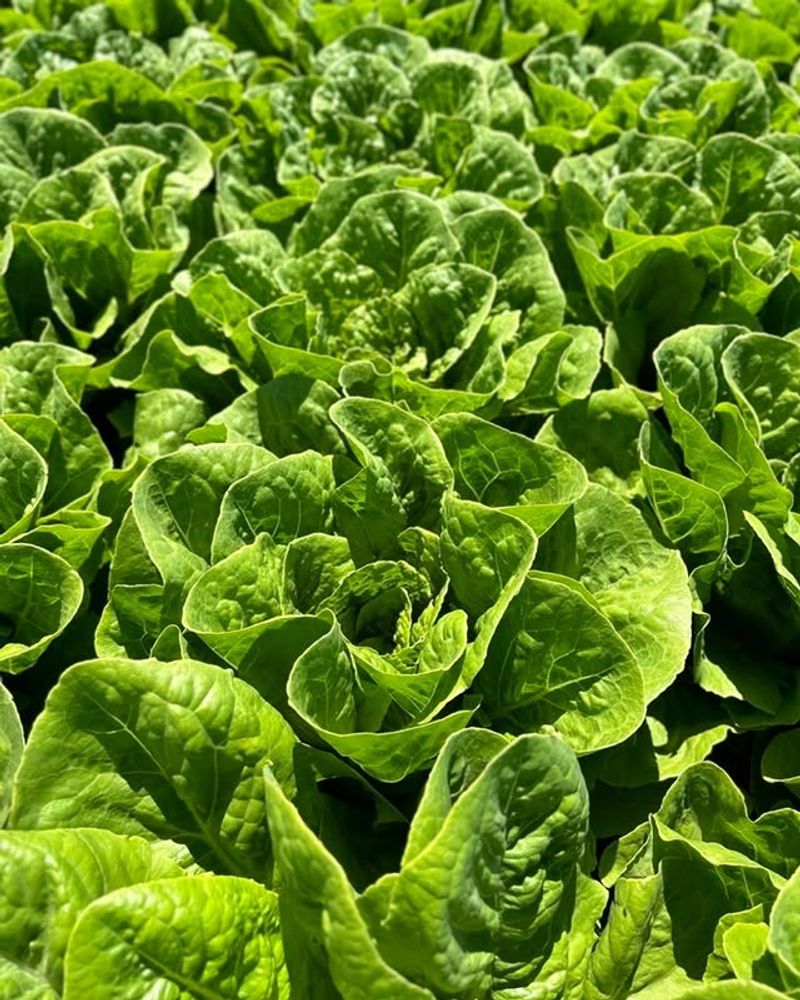
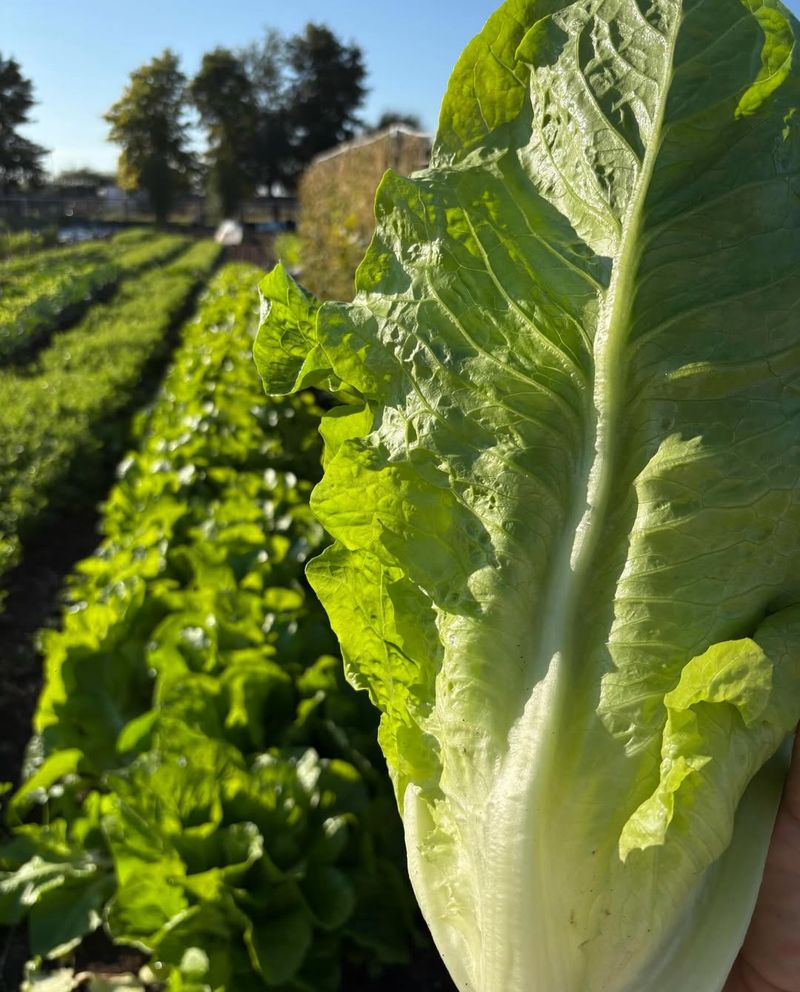
Tall, sturdy heads with crisp ribs running through each leaf make romaine lettuce a staple in gardens throughout Arizona.
This classic variety stands up well to light heat stress better than many other lettuces, giving you a longer harvest window.
The upright growth habit also makes romaine less susceptible to soil-borne diseases and easier to keep clean.
Starting seeds indoors in late summer allows you to transplant strong seedlings when outdoor temperatures begin cooling down.
Romaine takes longer to mature than loose-leaf varieties, usually around 70 to 75 days from seed to harvest. Arizona gardeners appreciate that the tight heads stay fresh longer after picking compared to more delicate lettuce types.
Consistent watering keeps the leaves crisp and prevents bitter flavors from developing as the plant matures.
Many desert gardeners use shade cloth during late spring to protect romaine from intense afternoon sun. The crunchy texture and mild flavor make this green perfect for classic Caesar salads and hearty sandwiches.
With proper spacing and steady moisture, romaine lettuce continues producing dense, flavorful heads that hold up well in Arizona’s extended cool-season growing window.
4. Spinach
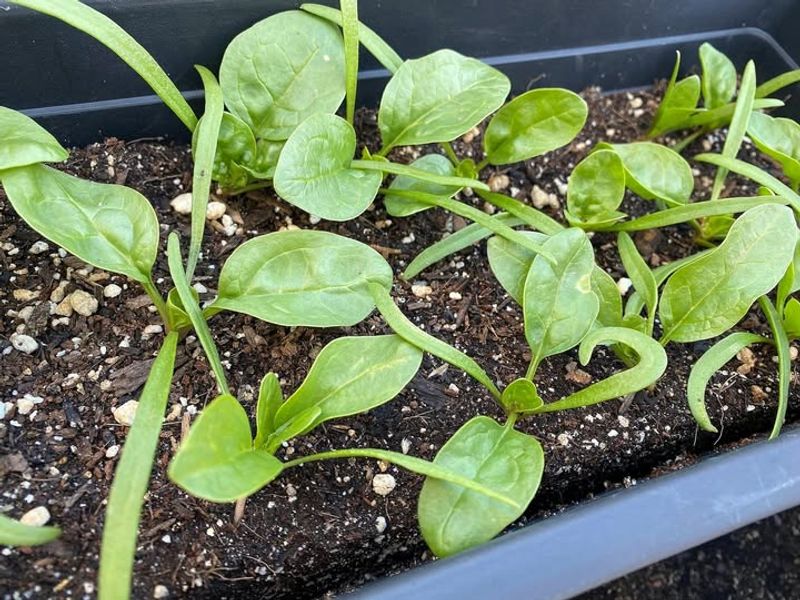
Dark green, nutrient-packed leaves grow abundantly when you plant spinach during Arizona’s cooler months.
This powerhouse vegetable thrives in temperatures that would make tomatoes shiver, producing tender leaves perfect for fresh eating or light cooking.
Desert gardeners have discovered that spinach planted in October often produces harvests well into March.
Seeds germinate best when soil temperatures drop below 70 degrees, making fall the ideal planting time across the state.
Spinach develops deep roots that help it access moisture even when surface soil dries out between waterings. You can pick individual leaves or harvest entire plants depending on how quickly you want to use your crop.
This green tolerates partial shade better than most salad vegetables, making it perfect for spots that get morning sun but afternoon protection.
Arizona growers often interplant spinach with taller crops that provide natural shading as spring approaches.
Regular feeding with compost tea keeps leaves dark green and growing vigorously throughout the season.
As temperatures stay mild, spinach keeps pushing out fresh growth, making it easy to harvest repeatedly without stressing the plant or sacrificing leaf quality.
5. Swiss Chard
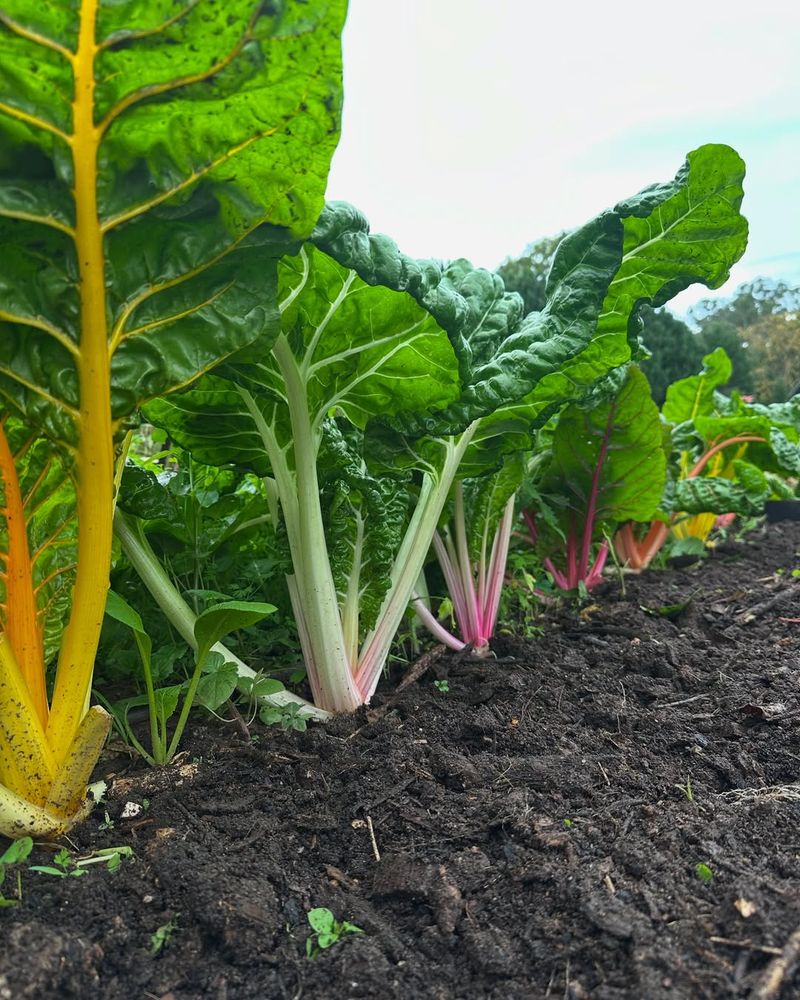
Colorful stems in shades of red, yellow, and white make Swiss chard as beautiful as it is delicious in Arizona gardens. This hardy green tolerates both cool and moderately warm temperatures, giving you a much longer harvest season than most salad vegetables.
The large, crinkled leaves add wonderful texture to fresh salads when picked young and tender.
Planting chard in early fall allows the roots to establish before winter, resulting in vigorous spring growth across the state.
Unlike lettuce, chard rarely bolts even when temperatures fluctuate, making it incredibly reliable for desert gardeners.
You can keep harvesting outer leaves while the plant continues producing new growth from the center.
Arizona’s intense sun actually enhances the vibrant stem colors, creating a stunning display in your vegetable beds.
Chard handles heat better than most leafy greens, often producing well into May before summer temperatures become too extreme.
The mild flavor works wonderfully in mixed green salads or sautéed as a cooked side dish.
6. Kale
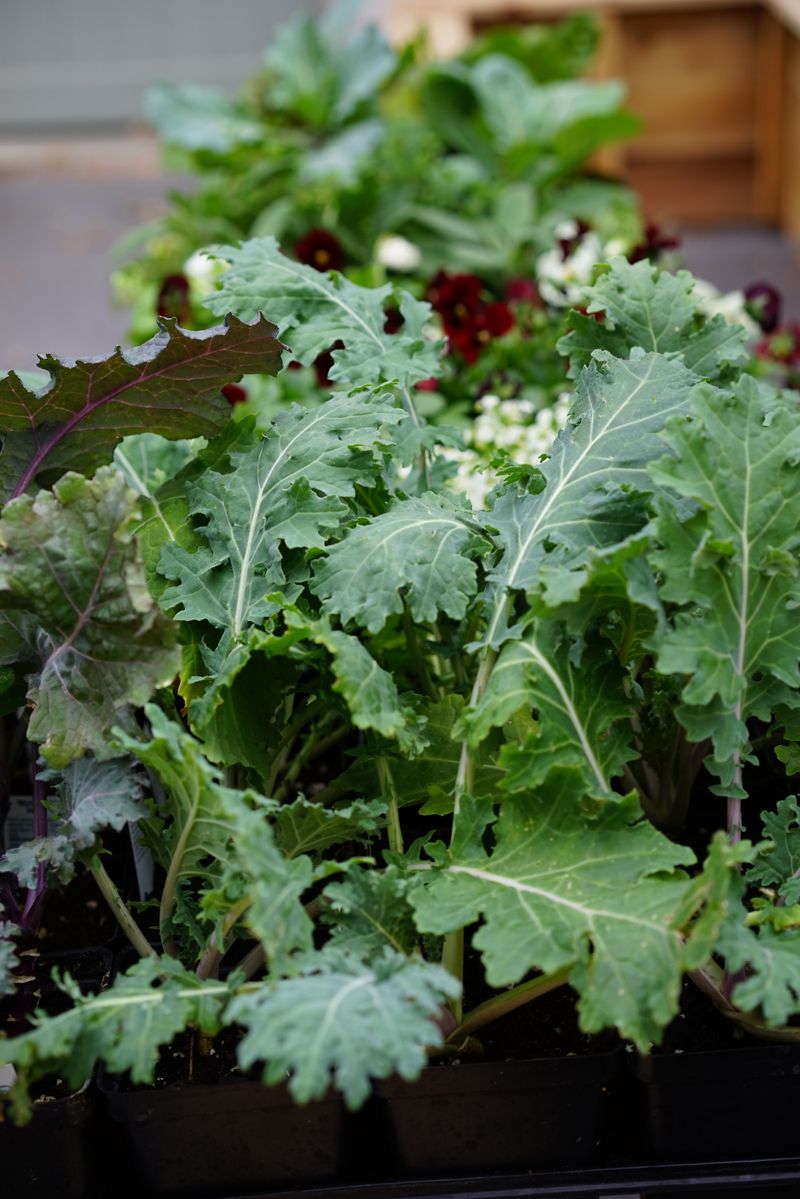
Ruffled, sturdy leaves packed with vitamins make kale a champion performer in Arizona’s cooler season gardens. This tough green laughs at light frosts that would damage more delicate lettuce varieties, actually becoming sweeter after cold nights.
Desert gardeners appreciate that kale continues producing even when other greens start struggling with temperature swings.
Starting seeds in August or early September gives plants time to mature before the first cool weather arrives across the state.
Kale grows slowly but steadily, with each plant capable of producing leaves for months when harvested correctly.
Young, small leaves work beautifully in fresh salads, while larger leaves are perfect for cooking or blending into smoothies.
This green needs space to spread, so give each plant at least 18 inches in all directions for best results. Arizona growers find that kale planted in fall often survives well into summer with adequate shade protection.
Regular harvesting of lower leaves encourages the plant to keep producing fresh growth from the top.
Kale rewards consistent harvesting by continuing to send out fresh leaves for many weeks.
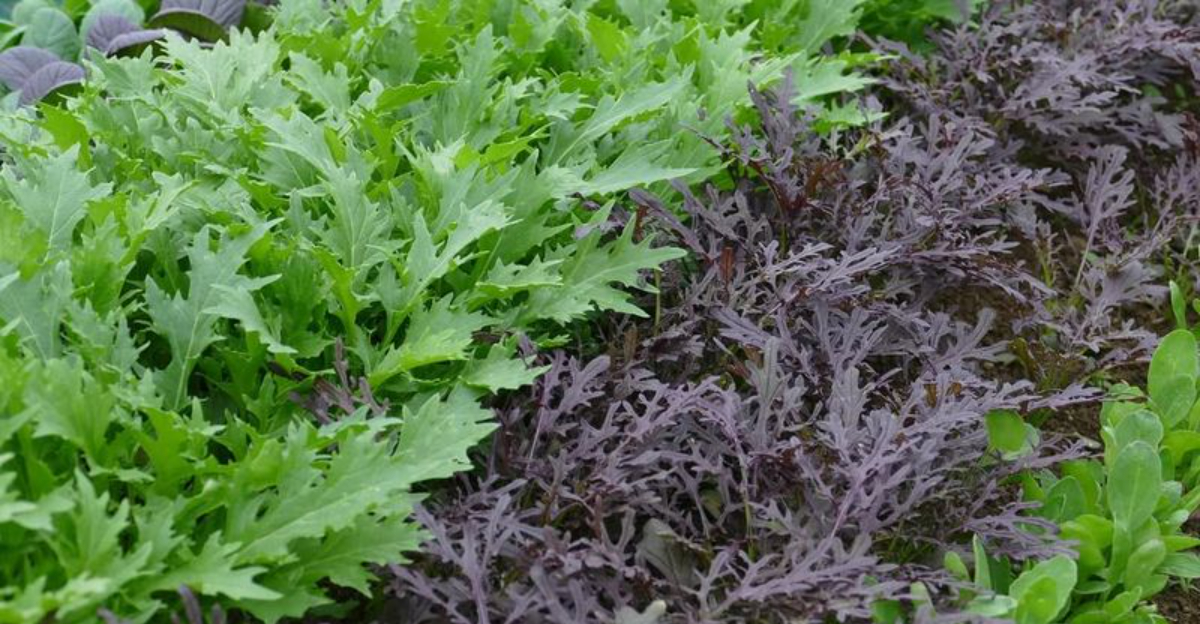
7. Mizuna
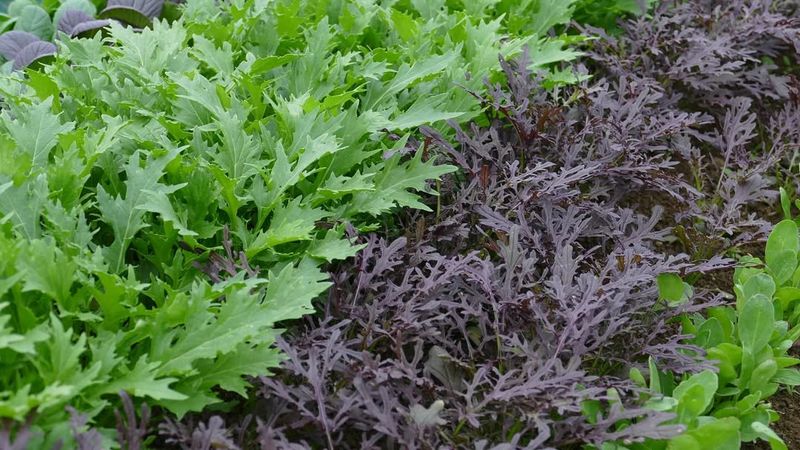
Feathery, serrated leaves with a mild mustard flavor bring Asian flair to Arizona salad gardens.
This fast-growing green produces abundantly from a single plant, with leaves that stay tender even as they mature.
Desert gardeners love that mizuna handles temperature fluctuations better than most salad greens, making it perfect for unpredictable spring weather.
Seeds sprout quickly when planted in fall, often showing green shoots within a week of sowing. Mizuna grows in attractive rosettes that look almost ornamental in garden beds across the state.
The slightly spicy flavor adds interest to salad mixes without overwhelming milder greens like butterhead or romaine.
This green tolerates light shade, making it useful for spots that get filtered sun during winter months in Arizona.
Harvesting outer leaves encourages the plant to keep producing new growth from the center for weeks.
Many gardeners find mizuna more forgiving than lettuce when watering schedules get inconsistent during busy weeks.
8. Mache
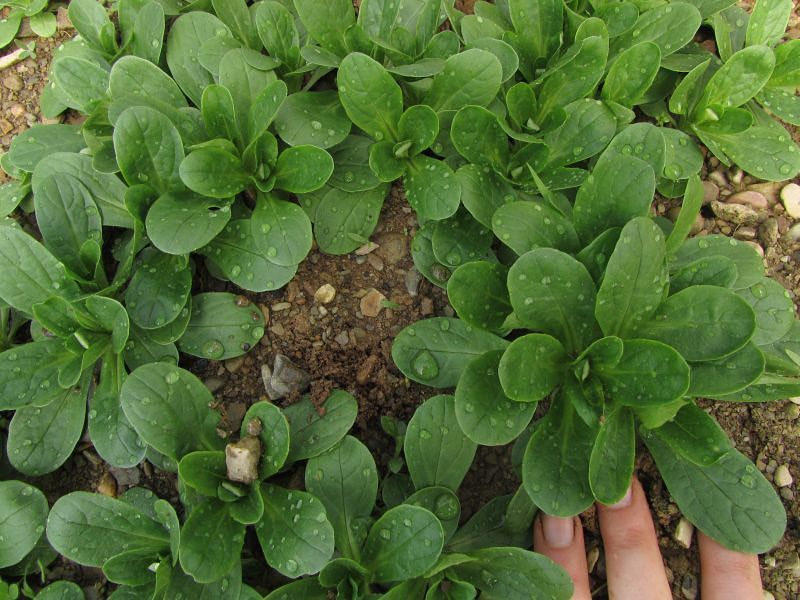
Tiny, spoon-shaped leaves with a nutty sweetness make mache a gourmet treat for Arizona gardeners willing to try something different.
This European favorite tolerates cold better than almost any other salad green, thriving during winter months when temperatures drop.
The compact rosettes stay low to the ground, making mache perfect for small garden spaces or container growing.
Planting in late fall works best across the state, as mache actually prefers cooler temperatures for germination and growth.
Seeds are small and need consistent moisture to sprout, so covering them lightly with soil helps retain humidity.
Arizona growers find that mache produces best in partial shade, especially as spring sunshine intensifies.
This green grows slowly compared to lettuce or arugula, but the unique flavor makes the wait worthwhile. Entire rosettes can be harvested at once, or you can pick individual leaves as needed.
Mache stays tender even in fluctuating temperatures, rarely developing the bitterness that affects other greens during warm spells.
9. Mustard Greens
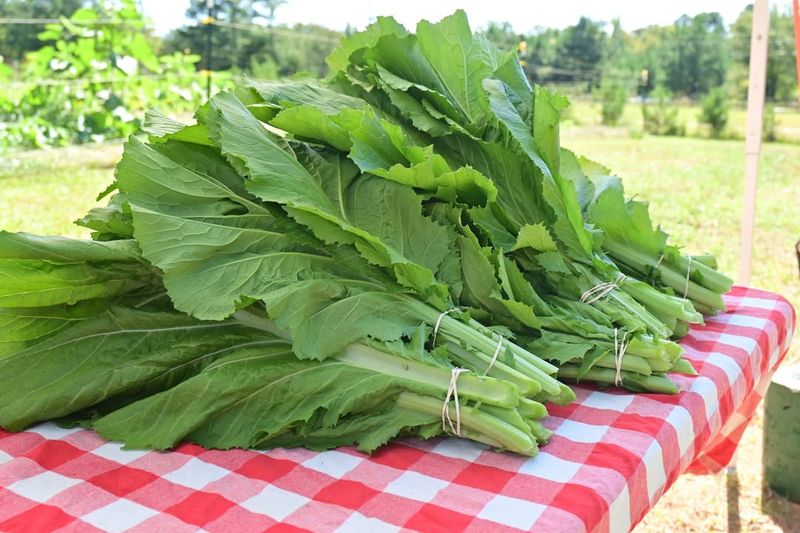
Bold, spicy flavor and rapid growth make mustard greens a favorite among Arizona gardeners who want something with personality.
These hardy plants tolerate both cool and moderately warm temperatures, giving you flexibility in planting times throughout fall and winter.
The large, textured leaves add visual interest to garden beds while providing zesty additions to salad mixes.
Seeds germinate quickly when planted directly in garden soil during October or November across the state.
Mustard greens grow vigorously, often reaching harvestable size within 40 days of planting.
Young leaves offer milder flavor perfect for fresh salads, while mature leaves pack more punch for cooking or adding bold taste to sandwiches.
Arizona’s cooler nights help develop the characteristic spicy flavor without making leaves unbearably hot.
Many desert gardeners plant mustard greens in succession every few weeks to ensure continuous harvests. These greens rarely suffer from pest problems, making them easy choices for organic growing methods in home gardens.
10. Oakleaf Lettuce
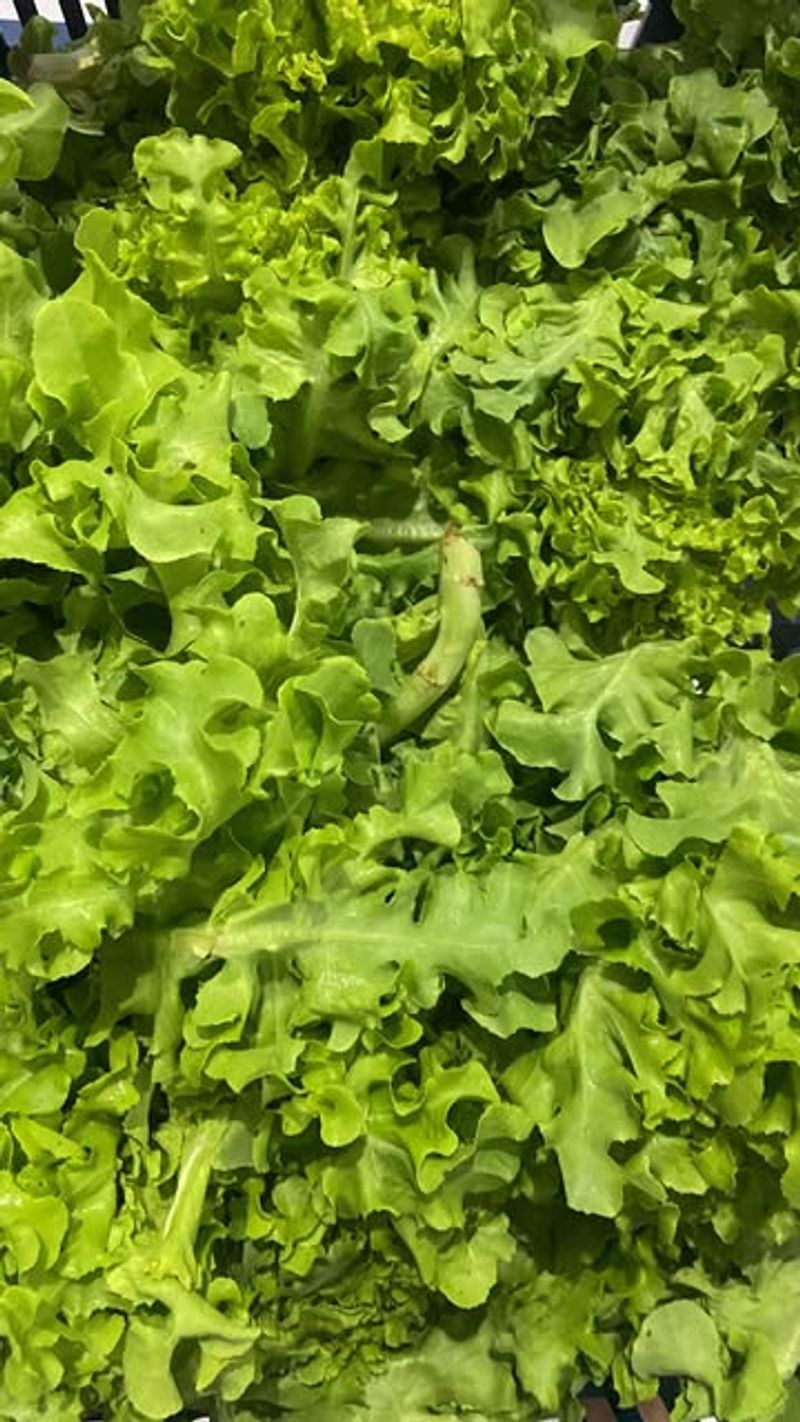
Lobed leaves resembling miniature oak tree foliage give this lettuce variety its charming name and distinctive appearance.
The loose, open growth habit makes oakleaf lettuce less prone to rot and disease compared to tight-heading varieties.
Arizona gardeners appreciate that this green produces continuously when you harvest outer leaves regularly throughout the growing season.
Fall planting in late September or October provides ideal conditions for oakleaf to establish strong roots before winter.
The tender leaves stay mild and sweet even as plants mature, rarely developing bitter flavors. Both red and green varieties grow well across the state, adding beautiful color contrast to garden beds.
This lettuce tolerates light heat better than many other loose-leaf types, extending your harvest into late spring.
Oakleaf grows well in containers, making it perfect for Arizona gardeners with limited space or poor soil. The delicate texture and mild flavor work wonderfully as a base for salads featuring bolder greens like arugula or mustard.
11. Endive
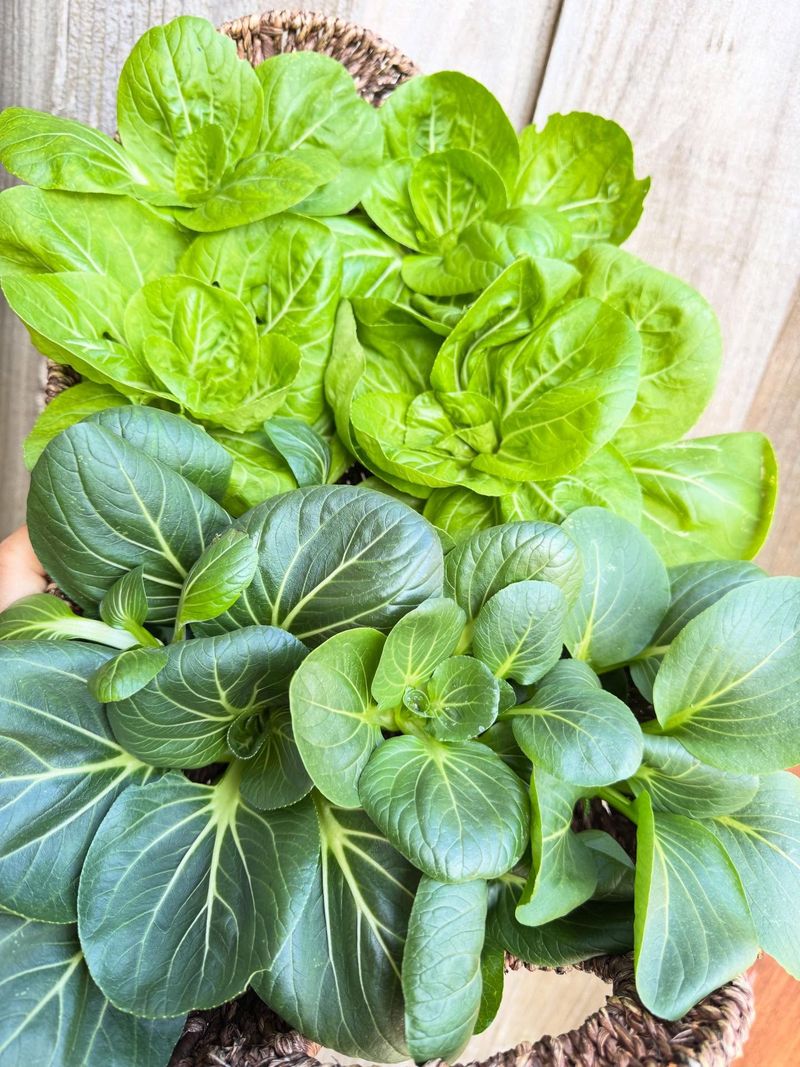
Slightly bitter, crisp leaves bring sophisticated flavor to salads for Arizona gardeners who enjoy complex tastes.
This cool-season green forms tight heads with curly or broad leaves depending on the variety you choose. Desert growers find that endive handles temperature fluctuations particularly well, making it reliable even during unpredictable spring weather.
Starting seeds in late summer or early fall gives plants time to mature before winter cold arrives across the state.
Endive takes longer to reach harvest size than lettuce, usually around 85 to 100 days from planting. The slight bitterness mellows when leaves are blanched by covering the center of the plant for a week before harvesting.
Arizona’s dry climate actually benefits endive by reducing problems with rot and fungal diseases common in humid regions.
This green stays crisp even after picking, making it excellent for preparing salads ahead of time. Many gardeners mix small amounts of endive with milder greens to add depth and interest to their homegrown salad blends.