9 Things Snow Is Quietly Doing To Minnesota Gardens
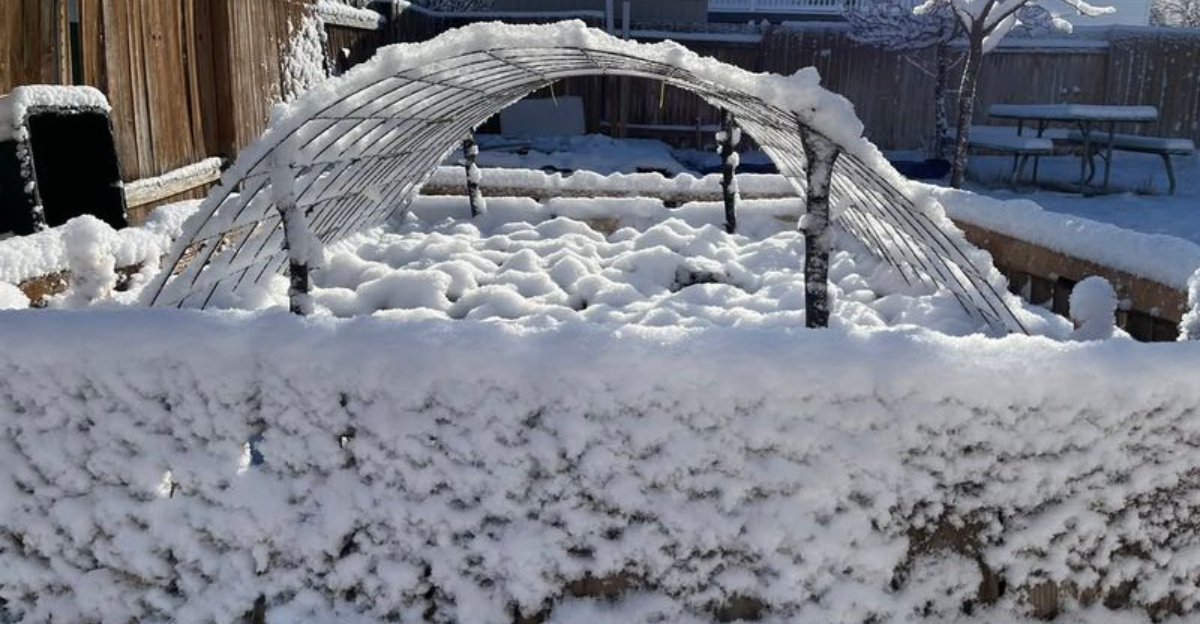
Minnesota gardens look frozen and silent in winter, yet a lot is happening long before spring shows up. Snow quietly changes how soil, plants, and roots behave during the coldest months.
Beneath the surface, insulation from snow keeps roots from facing the harshest temperature swings.
That protection often decides which plants return strong when warmer days arrive.
As snow settles, moisture gets locked in rather than blown away by winter winds. Slow melting later feeds soil without flooding it.
Heavy snow presses garden beds down and prevents repeated lifting during freeze and thaw cycles. That pressure keeps roots anchored instead of exposed.
Microbial life continues working under snow even when everything above looks lifeless.
Those tiny processes shape soil health weeks ahead of planting season.
Snow also blocks drying winds that would otherwise strip moisture from crowns and stems. Gardens emerge less stressed because of that shield.
While beds seem inactive, decomposition quietly continues under the snowpack. Nutrients begin cycling long before gardeners step outside again.
Fewer weeds gain a foothold during snowy months, reducing early competition once spring arrives. That head start often surprises Minnesota gardeners.
By the time snow finally melts, gardens are already moving forward. Winter never truly stops them, it just works in a quieter way.
1. Insulating Plant Roots from Harsh Freezing Temperatures

Plant roots need protection when Minnesota temperatures plunge below zero. Snow acts like a thick blanket spread across the soil surface, trapping air pockets that prevent extreme cold from penetrating deep into the ground.
This natural insulation keeps soil temperatures more stable than exposed areas.
Gardeners across Minnesota have noticed that plants under snow cover survive winter better than those in bare spots. The temperature difference can be dramatic, sometimes twenty degrees warmer under snow compared to exposed soil.
Root systems stay dormant and protected instead of experiencing damaging freeze-thaw cycles.
Perennials especially benefit from this protective covering throughout the long winter months. Snow depth matters too, with deeper accumulation providing better insulation for delicate root systems.
Even a few inches makes a significant difference in plant survival rates. Minnesota gardeners who understand this often leave snow undisturbed in garden beds rather than clearing it away completely.
This insulation reduces stress on roots that would otherwise be damaged by extreme cold penetrating deep into the soil.
Stable underground temperatures help plants conserve energy through winter instead of repeatedly reacting to sudden freezes.
2. Providing Slow-Release Moisture for Spring Growth
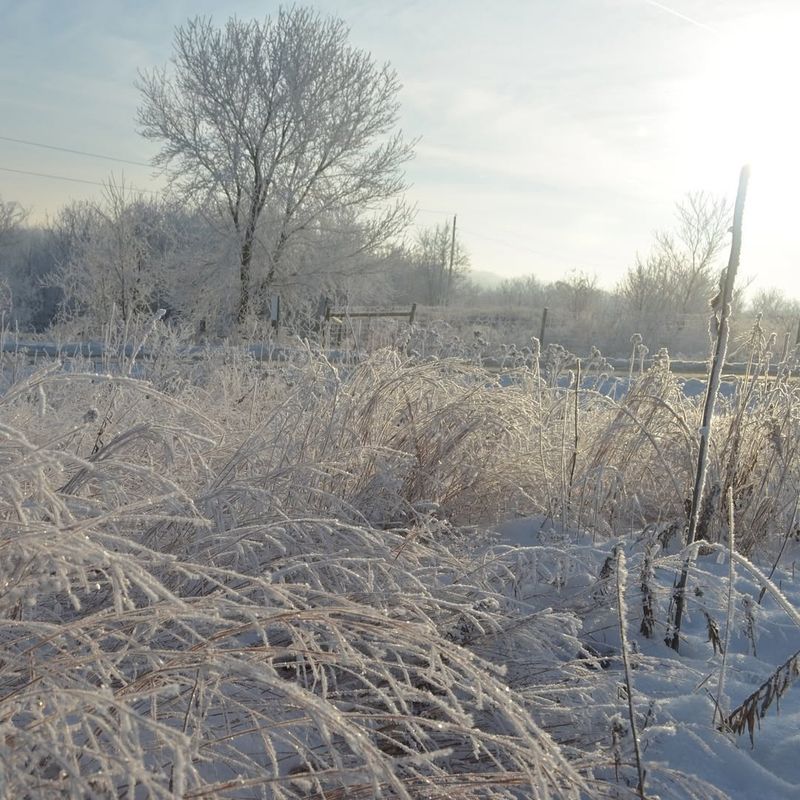
Snowmelt delivers water to gardens in the most beneficial way possible. Unlike heavy rainstorms that run off quickly, melting snow seeps slowly into the soil over days or weeks.
This gradual release allows Minnesota soil to absorb moisture thoroughly without becoming waterlogged or eroded.
Spring gardens wake up with deep soil moisture reserves that support early growth. Plants can establish strong root systems before summer heat arrives because water penetrates far below the surface.
This stored moisture becomes especially valuable during dry spring weeks when rain might be scarce.
Minnesota gardeners often notice their gardens start the growing season healthier in years with good snow cover. The slow infiltration also helps recharge groundwater supplies that feed wells and streams.
Your Minnesota Garden Changes Every Week. Your Plan Should Too.
Gardening in Minnesota changes quickly throughout the season. Every Friday you’ll receive a simple weekly plan showing exactly what to plant, prune, fertilize, harvest, and protect so you never miss the right timing.
Snow acts like a natural irrigation system programmed perfectly for plant needs. Garden soil stays consistently moist rather than alternating between soaked and dried out, which stresses plants and reduces their vigor.
This slow, steady moisture delivery prepares soil for planting long before gardeners step outside in spring.
Plants benefit from consistent hydration early on, which supports stronger growth once temperatures begin rising.
This dependable moisture profile reduces early-season stress, allowing seedlings and perennials to transition smoothly from dormancy into active growth.
Soils that recharge slowly through snowmelt tend to stay workable and balanced, giving Minnesota gardens a more reliable start to the growing season.
3. Protecting Garden Soil Structure from Wind Erosion
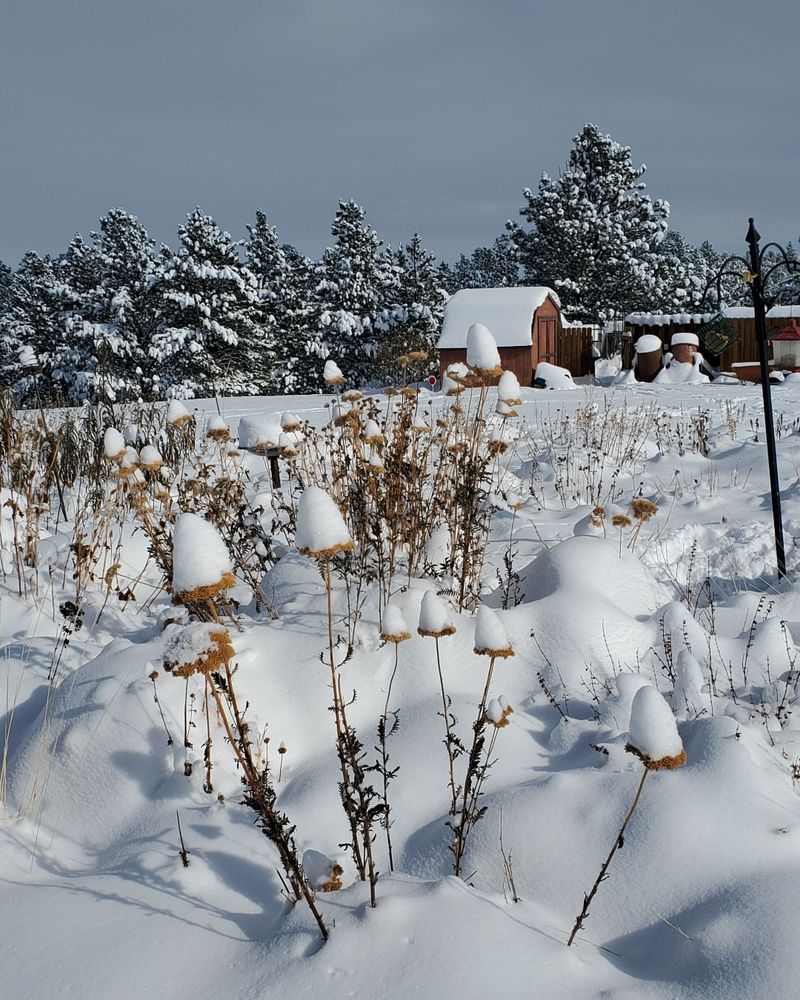
Wind sweeps across Minnesota with surprising force during winter months. Exposed garden soil faces constant bombardment from these winds, which can strip away topsoil and damage the delicate structure gardeners work hard to build.
Snow coverage creates a physical barrier that shields soil from this erosive force.
Topsoil contains the most nutrients and organic matter that plants need for healthy growth. Losing even a thin layer to wind erosion sets gardens back significantly, requiring years to rebuild that fertility.
Snow-covered beds maintain their soil structure and keep precious topsoil exactly where it belongs.
Minnesota gardens without snow protection often show signs of wind damage by spring. Soil particles get blown into piles against fences or completely off the property.
The protective snow layer prevents this loss and keeps garden beds level and intact. Organic matter and soil amendments stay in place rather than scattering across the landscape, ensuring spring planting starts with optimal conditions.
By keeping soil covered, snow preserves the delicate balance of air spaces and organic matter within garden beds.
This protection ensures that spring planting begins with soil that remains fertile, level, and ready to support healthy roots.
4. Suppressing Weed Seed Germination During Cold Months
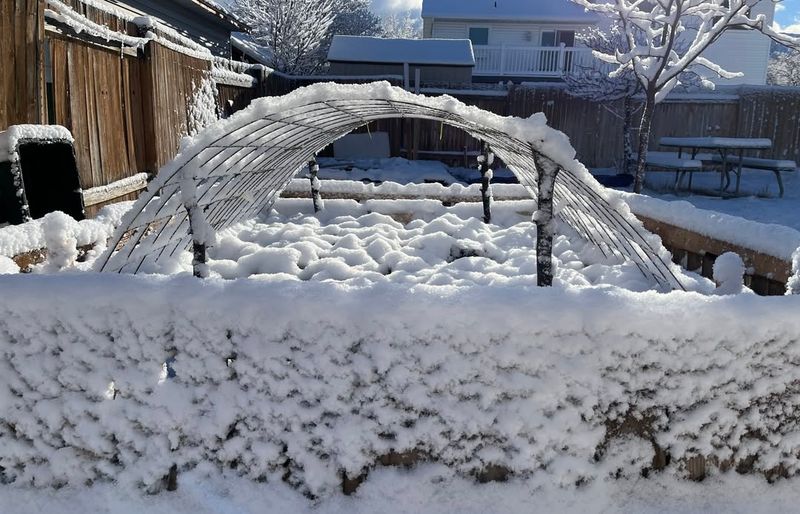
Weed seeds lie dormant in every garden, waiting for the right conditions to sprout. Many weed species need light exposure and temperature fluctuations to trigger germination.
Snow blocks sunlight completely and maintains steady cold temperatures that keep these troublesome seeds sleeping peacefully through winter.
Minnesota gardeners face fewer weeds in spring when winter brings consistent snow cover. Seeds that might otherwise germinate during warm winter spells stay dormant under the snow.
This natural suppression means less weeding work when gardening season arrives, saving time and effort.
The dark environment under snow prevents photosynthesis, which many weed seeds require for germination. Temperature stability also matters because some weed seeds need repeated warming and cooling cycles to break dormancy.
Snow prevents these cycles from occurring. Gardens with good snow cover throughout Minnesota winters start spring with a cleaner slate, giving desirable plants a head start before weeds can establish themselves and compete for resources.
Fewer winter-germinated weeds means desirable plants face less competition when growth resumes.
This natural suppression allows gardeners to focus on planting rather than immediately battling unwanted growth.
5. Adding Nitrogen and Nutrients Through Atmospheric Deposition

Snow captures atmospheric particles as it falls through Minnesota skies. Each snowflake collects tiny amounts of nitrogen and other nutrients suspended in the air.
When snow melts in spring, these accumulated nutrients wash into garden soil, providing a natural fertilizer boost that costs nothing.
Nitrogen especially gets trapped in snow crystals, making snowmelt slightly richer than plain rainwater. This phenomenon has been called “poor man’s fertilizer” by farmers for generations.
The nitrogen content may seem small, but it adds up over an entire winter of snowfall across Minnesota gardens.
Plants respond positively to this nutrient infusion when spring arrives. The fertilizer effect happens gradually as snow melts, delivering nutrients when plants are beginning active growth.
Minnesota gardeners might notice slightly greener, more vigorous plants in areas where snow accumulated deeply. While snow alone won’t replace regular fertilizing, it contributes to overall soil fertility in measurable ways that support healthier gardens throughout the growing season.
These nutrients enter the soil gradually, avoiding the shock that can come from sudden fertilizer applications.
Snowmelt delivers this benefit evenly across garden beds, supporting balanced early-season growth.
This slow nutrient delivery supports steady early growth without overwhelming young roots that are just becoming active after winter.
Gardens that receive consistent snow cover often begin the season with more balanced soil fertility and fewer signs of nutrient stress.
6. Sheltering Beneficial Insects and Garden Wildlife
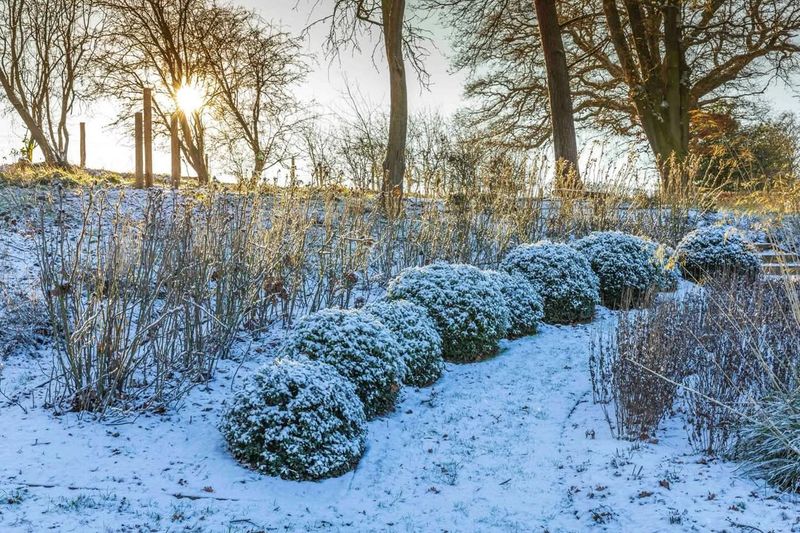
Many helpful garden creatures depend on snow for winter survival across Minnesota. Beneficial insects like ground beetles, native bees, and spiders overwinter in soil, leaf litter, and plant debris.
Snow creates protective microclimates that keep these tiny allies alive through brutal cold snaps that would otherwise eliminate them.
The space between snow and ground stays relatively warm compared to exposed areas. This subnivean zone provides shelter where insects can survive in dormancy until spring.
Small mammals like shrews and voles also use this space, and while they might nibble some plants, they primarily eat insect pests and weed seeds.
Minnesota gardens with consistent snow cover maintain healthier populations of beneficial organisms. These creatures emerge in spring ready to pollinate flowers and control pest insects naturally.
Gardens lacking snow protection lose many beneficial species each winter, requiring gardeners to work harder controlling pests and relying more on purchased pollinators. The ecological balance snow helps maintain makes gardening easier and more successful throughout the growing season.
Protected overwintering conditions help ensure these beneficial species survive until spring.
Their early return supports pollination and pest control before gardeners even begin active maintenance.
7. Preventing Frost Heaving That Damages Plant Crowns
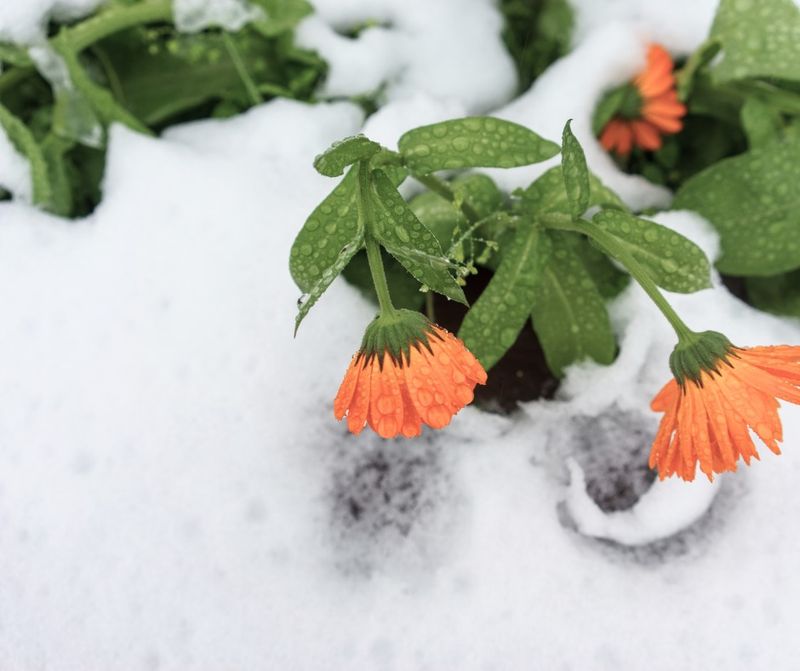
Frost heaving occurs when soil freezes and thaws repeatedly, causing it to expand and contract. This movement literally pushes plants upward out of the ground, exposing roots and crowns to damaging cold and drying winds.
Minnesota’s variable winter weather creates perfect conditions for this destructive process in unprotected gardens.
Snow coverage prevents the temperature swings that cause frost heaving problems. Soil under snow stays frozen consistently rather than cycling through freeze-thaw patterns.
Plants remain firmly anchored in the ground instead of being pushed up where they become vulnerable to damage.
Perennials and newly planted shrubs suffer most from frost heaving in Minnesota gardens. Gardeners often find plants sitting on top of the soil in spring rather than planted in it, with roots exposed and dried out.
Snow protection prevents this frustrating problem and saves plants that would otherwise struggle or fail to recover. The stable temperatures under snow keep soil structure intact and plants positioned correctly for healthy spring growth when temperatures finally warm for good.
Consistent soil temperatures reduce mechanical stress that weakens roots and crowns.
This stability gives plants a far better chance of resuming growth normally once winter ends.
8. Reducing Salt Damage from Winter Road Treatments
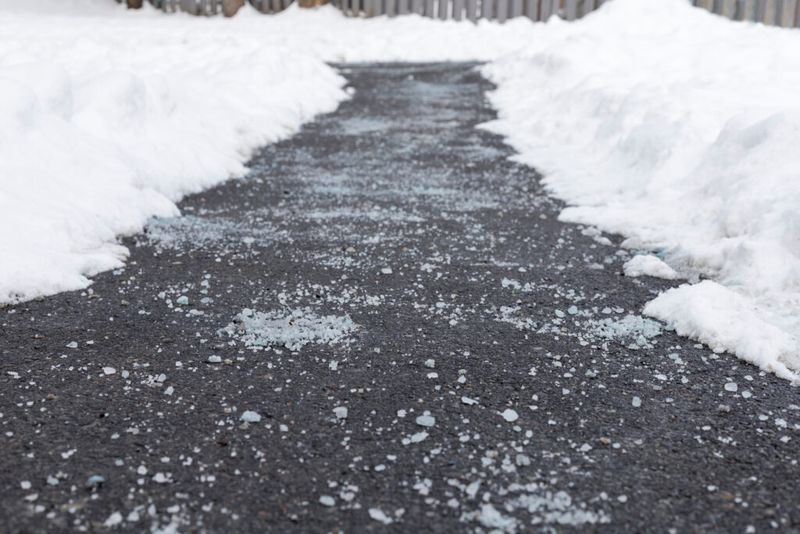
Road salt and deicing chemicals spread throughout Minnesota winters eventually make their way into nearby gardens. Snow accumulation in garden beds dilutes these harmful salts when it melts in spring.
The large volume of water from snowmelt flushes salts deeper into soil or carries them away, reducing concentration levels that damage plants.
Salt burns plant roots and foliage, causing brown patches and poor growth in affected gardens. Gardens near streets and sidewalks face the highest risk from salt contamination.
Deep snow provides enough meltwater to wash away much of this salt before plants begin growing.
Minnesota gardeners notice less salt damage in springs following snowy winters. The flushing action of melting snow acts like a natural cleansing system for contaminated soil.
Gardens with minimal snow cover retain higher salt concentrations that persist into the growing season, stressing plants and reducing yields. The protective and diluting effects of snow become especially valuable for gardens located near heavily treated roads and walkways where salt application happens frequently throughout winter months.
The gradual flushing action of melting snow lowers toxic salt concentrations in the soil before plant roots become active and vulnerable in early spring.
This natural dilution process helps protect sensitive plants from lingering salt damage that could otherwise stunt growth or cause stress throughout the growing season.
9. Creating Habitat for Decomposers That Build Soil Health
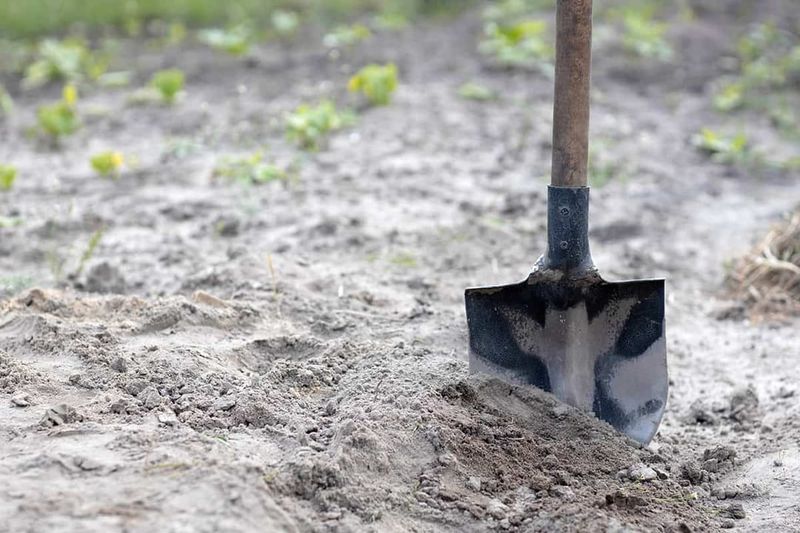
Soil microorganisms continue working slowly even during Minnesota winters. Snow creates conditions that allow beneficial bacteria, fungi, and other decomposers to remain somewhat active despite cold temperatures.
These tiny organisms break down organic matter and create the rich soil structure that makes gardens productive.
The insulating properties of snow keep soil from freezing solid in many cases. Microorganisms in unfrozen soil continue decomposing fallen leaves, dead plant material, and other organic matter at a reduced pace.
This slow winter decomposition gets a head start on building soil fertility for spring.
Minnesota gardens benefit from this quiet work happening beneath the snow. By spring, organic matter has partially broken down into nutrients plants can use immediately.
Gardens without snow protection have soil that freezes hard, stopping all microbial activity until spring thaw. The difference shows up in soil quality and plant performance throughout the growing season.
Healthy decomposer populations supported by snow cover create better soil structure, improved drainage, and increased nutrient availability that makes gardening more successful and enjoyable.
Ongoing microbial activity beneath snow improves soil texture and nutrient availability by breaking down organic matter long before spring planting begins.
Gardens with healthy decomposer populations warm up faster and respond more efficiently to planting, giving crops a noticeable head start once temperatures rise.
This biological head start allows soil systems to transition smoothly into spring rather than restarting from a frozen standstill.
Nutrients released gradually over winter become immediately available when plants break dormancy, reducing early-season stress.
Gardens supported by active winter soil life often require fewer amendments to achieve strong, balanced growth.