A Curious Metallic Bug Is Catching Attention In North Carolina Yards
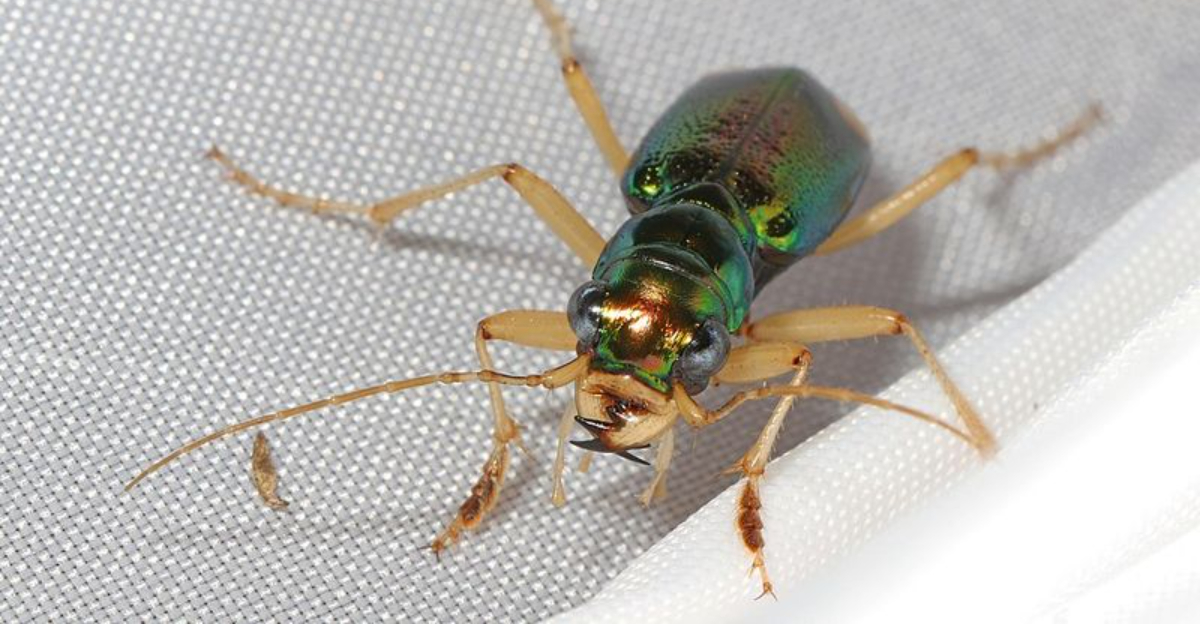
A sudden flash of green and blue streaking across North Carolina yards has been stopping people in their tracks lately. It looks more like something metallic than a living insect.
The bug moves fast, shines in the sun, and disappears just as quickly as it appears. That brief glimpse is enough to spark curiosity and confusion.
Many homeowners first spot it on driveways, garden paths, or bare patches of soil. The contrast against ordinary lawns makes it impossible to ignore.
At first glance, it can feel unfamiliar, almost like a visitor that doesn’t belong. Questions start forming before it even slows down.
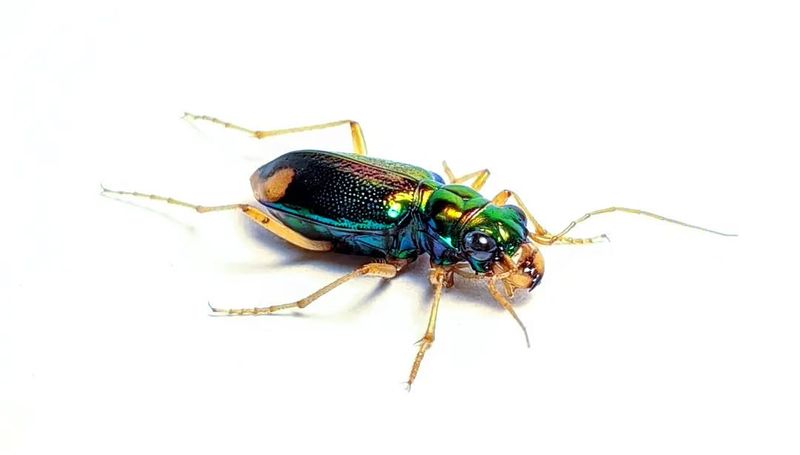
What’s catching attention is the Carolina metallic tiger beetle, a native insect known for its vivid color and lightning speed. Its glossy shell reflects light in a way few backyard bugs ever do.
North Carolina’s warm climate and open ground give this beetle exactly what it needs to thrive.
That’s why sightings often happen in sunny, exposed areas.
Despite its dramatic look, this beetle is not a threat to people, pets, or plants.
It simply hunts smaller insects and moves on.
Seeing one is usually brief, but memorable. That metallic flash tends to linger in the mind long after it vanishes.
1. Dazzling Metallic Colors Make Them Stand Out
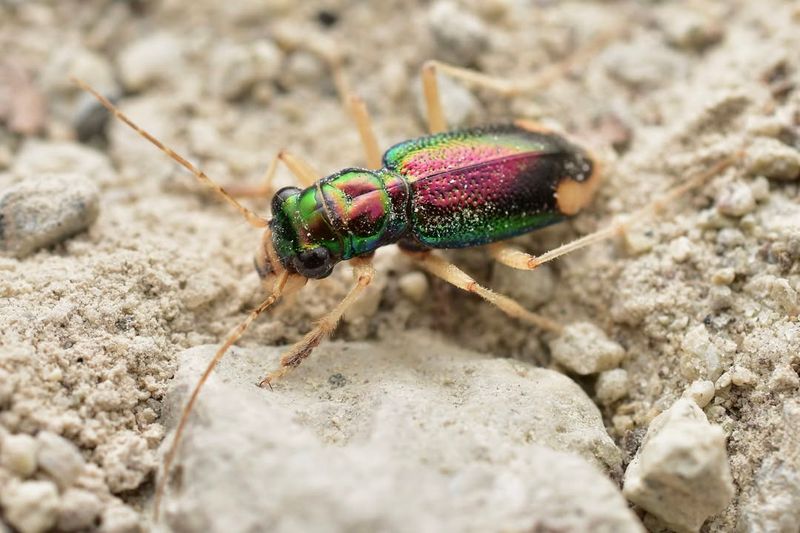
Imagine spotting a living jewel racing across your lawn. That’s exactly what happens when sunlight hits the Carolina metallic tiger beetle’s body in North Carolina.
Their exoskeleton shimmers with electric blues, brilliant greens, and sometimes even purples that change depending on how the light strikes them. No two beetles look exactly the same, making each sighting feel like discovering a rare treasure.
These colors aren’t just for show. The metallic sheen actually helps the beetle regulate its body temperature under the hot Carolina sun.
When temperatures climb during summer months, their reflective surface bounces away excess heat. Homeowners in Raleigh and Charlotte often mistake them for bits of colored glass or metal until the beetle suddenly sprints away at incredible speed.
Kids especially love trying to photograph these colorful insects, though getting a clear shot proves challenging. The beetle’s constant movement and lightning-fast reflexes make it a fun backyard challenge.
Their beauty has inspired local art projects and even jewelry designs throughout communities across North Carolina, turning a simple insect into a symbol of natural wonder.
Once you notice them, it becomes hard not to scan sunny patches of lawn hoping for another glimpse. These brief encounters often leave homeowners with a deeper appreciation for the unexpected beauty hiding in North Carolina yards.
2. Lightning-Fast Speed Captivates Observers
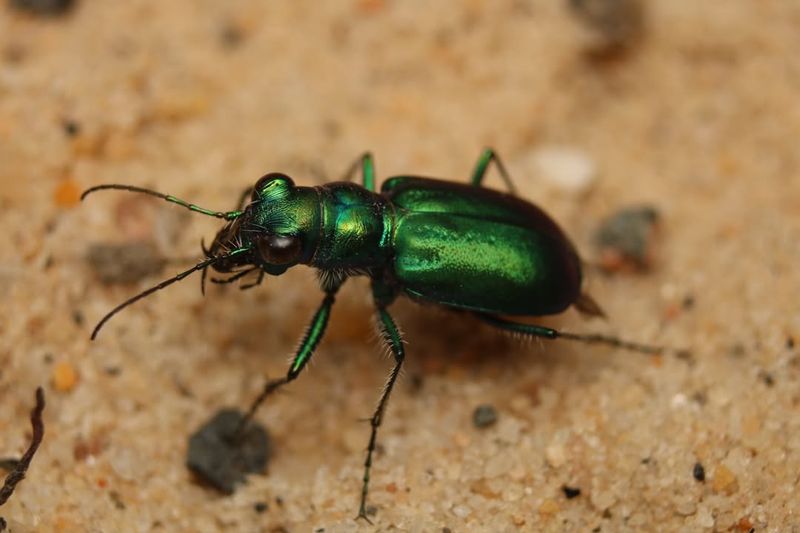
Blink and you’ll miss it. Scientists have clocked tiger beetles moving at speeds equivalent to a human running over 400 miles per hour when adjusted for body size.
In actual measurements, they zip across North Carolina yards at about 5.6 miles per hour, which sounds slow until you realize they’re only half an inch long. That makes them one of the fastest insects relative to their size anywhere on Earth.
Your North Carolina Garden Changes Every Week. Your Plan Should Too.
Gardening in North Carolina changes quickly throughout the season. Every Friday you’ll receive a simple weekly plan showing exactly what to plant, prune, fertilize, harvest, and protect so you never miss the right timing.
This incredible velocity serves multiple purposes in their daily survival. Chasing down prey like tiny spiders and ants requires explosive acceleration and quick direction changes.
Escaping from birds and lizards means they can vanish in the blink of an eye. Observers in Durham and Greensboro often report seeing a metallic flash followed by absolutely nothing as the beetle disappears into vegetation.
Their speed actually creates a unique problem. These beetles run so fast their eyes can’t process visual information quickly enough.
They have to stop periodically to relocate their prey or threats. Watching this start-stop pattern has become a favorite pastime for nature enthusiasts across the state who appreciate the beetle’s quirky hunting behavior.
3. They’re Native Conservation Success Stories
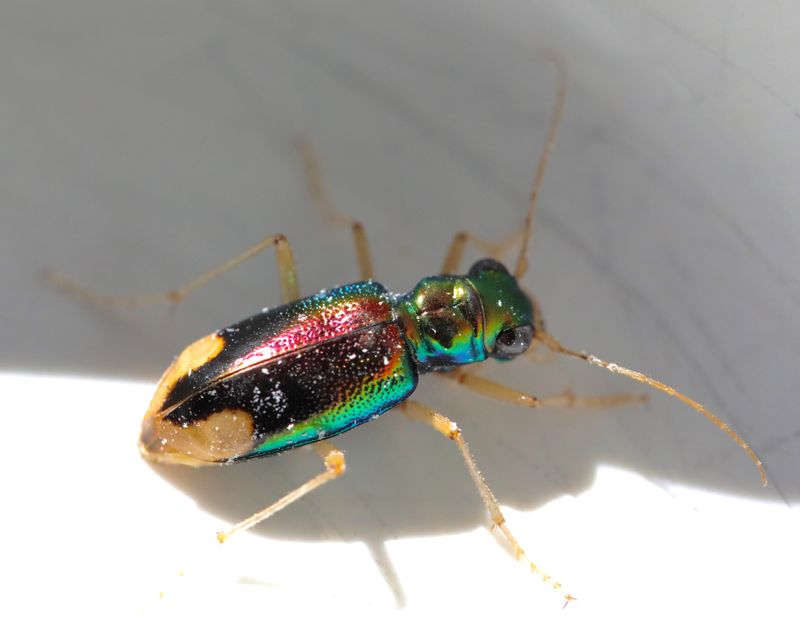
Few insects can claim to be true North Carolina natives, but the Carolina metallic tiger beetle proudly holds that distinction. Found nowhere else on Earth, this species evolved specifically in the Tar Heel State’s unique ecosystems.
Conservation efforts over the past few decades have helped their populations recover from habitat loss caused by development and agriculture. Seeing them in yards today represents a genuine environmental victory.
Local wildlife organizations have worked tirelessly to protect the sandy habitats these beetles prefer. Educational programs in schools across Chapel Hill and Wilmington teach children about preserving native species.
Many homeowners now intentionally leave small patches of bare, sandy soil in their yards specifically to encourage beetle populations. This grassroots conservation movement has created corridors of suitable habitat throughout residential areas.
The beetle’s comeback story inspires hope for other struggling native species. Biologists use them as indicator species, meaning their presence signals a healthy ecosystem.
When you spot one in your yard, you’re witnessing successful collaboration between scientists, conservationists, and everyday citizens who care about North Carolina’s natural heritage.
This stop-and-go sprinting makes their movements seem almost playful despite the serious purpose behind it.
Once you recognize this pattern, spotting tiger beetles in North Carolina yards becomes much easier and far more entertaining.
4. Fierce Predators Keep Pest Populations Down
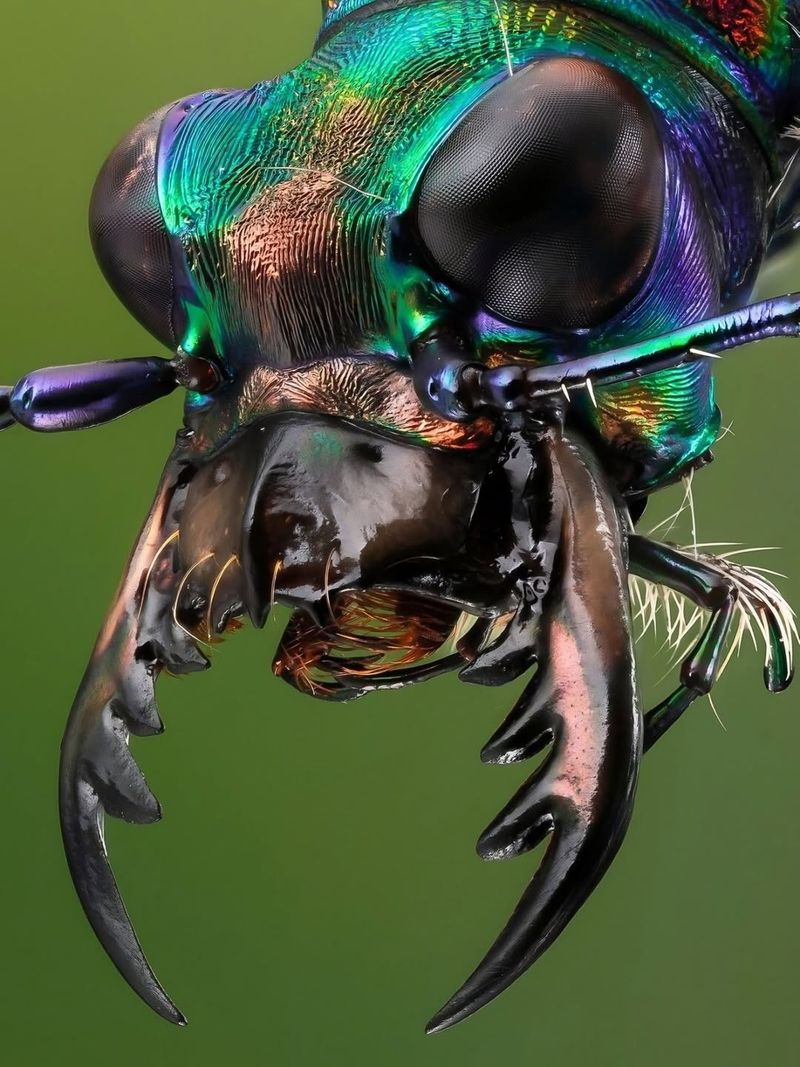
Don’t let their small size fool you. Carolina metallic tiger beetles are ruthless hunters that patrol North Carolina yards like tiny security guards.
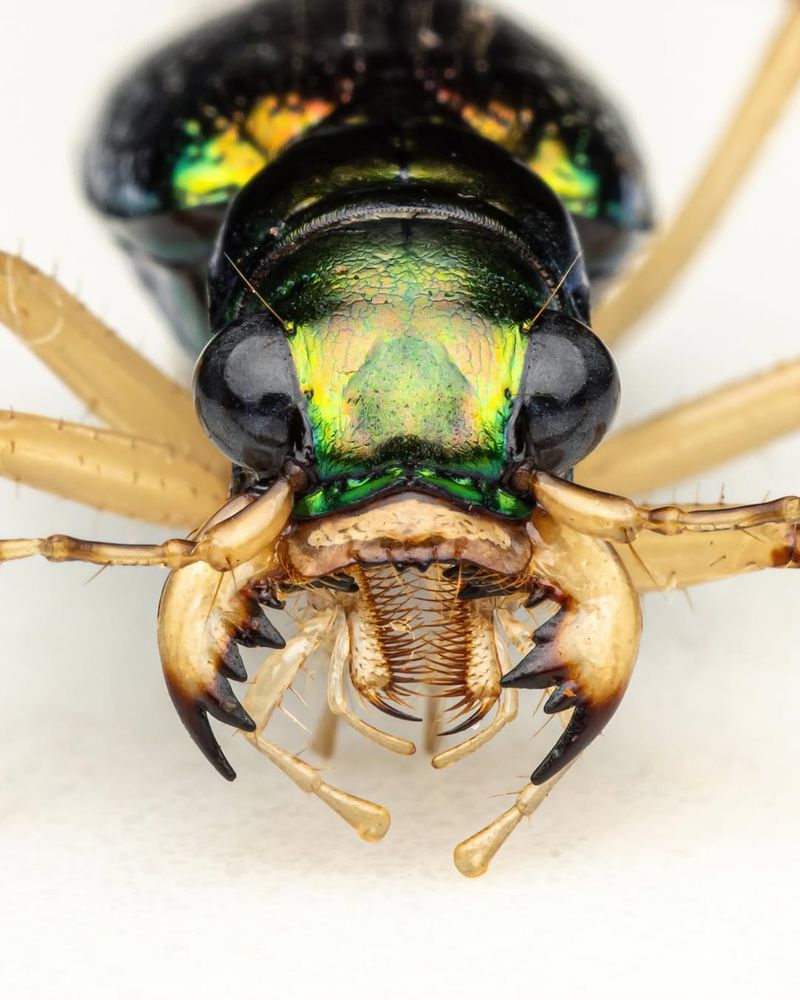
Their massive mandibles can grab and crush prey almost as large as themselves. Ants, small flies, caterpillars, and other garden pests all fall victim to these efficient predators.
Homeowners benefit from natural pest control without using any chemicals or sprays.
Each beetle consumes dozens of small insects daily during their active hunting periods. They prefer hunting during the warmest parts of the day when other insects are most active.
Their excellent vision allows them to spot movement from several inches away. Once they lock onto a target, their incredible speed makes escape nearly impossible for slower insects.
Gardens in Asheville and Winston-Salem see reduced aphid and gnat populations when tiger beetles establish territories.
Unlike pesticides that harm beneficial insects too, these beetles selectively hunt problematic species. They won’t damage your plants or flowers.
Instead, they keep the ecosystem balanced by removing excess pest insects. Many organic gardeners now view tiger beetle sightings as proof their yard has achieved healthy biodiversity.
Their presence signals a yard where natural predator and prey relationships are working together to keep insect populations in check.
By hunting continuously without harming plants or beneficial species, these beetles help maintain healthier gardens without requiring any effort from the homeowner.
5. Fascinating Life Cycle Provides Educational Opportunities
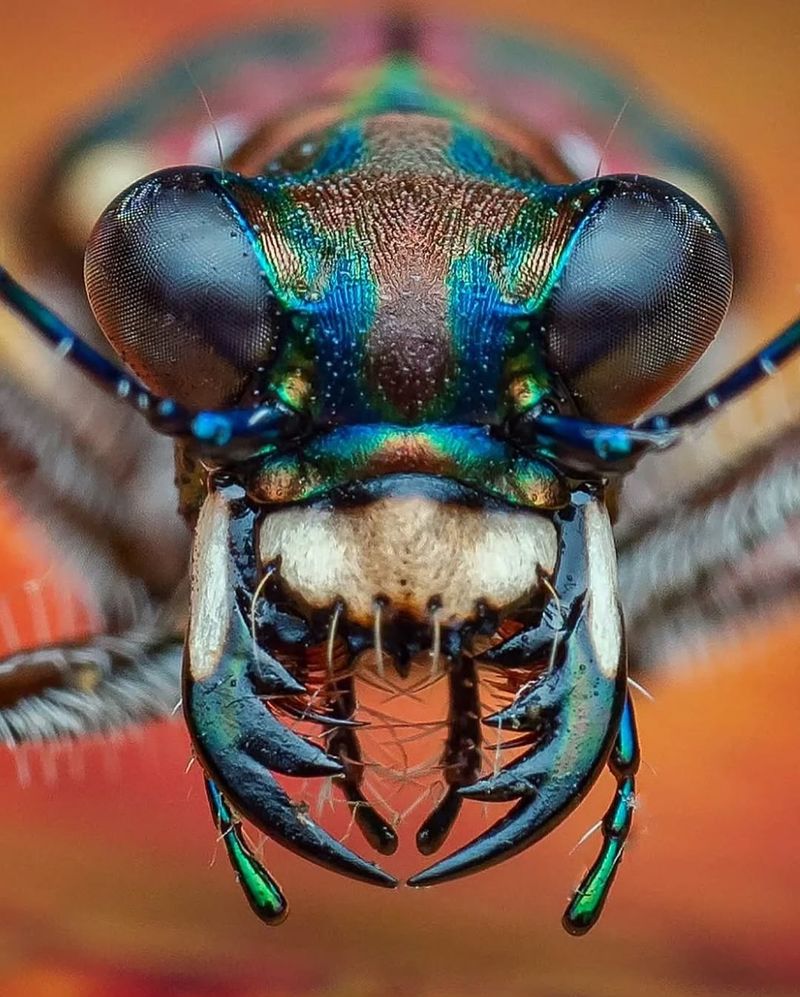
From egg to adult, the Carolina metallic tiger beetle undergoes a complete metamorphosis that rivals any butterfly story. Females lay eggs in small burrows dug into sandy soil throughout North Carolina yards.
The larvae that emerge look nothing like the adults, resembling pale grubs with oversized heads and powerful jaws. These youngsters create vertical tunnels in the ground where they wait as ambush predators.
Larval tiger beetles position themselves at the tunnel entrance with only their heads visible. When an unsuspecting ant or small insect walks past, the larva strikes with lightning speed.
Special hooks on their backs prevent prey from pulling them out of their burrows during struggles. This stage lasts up to two years in some cases, much longer than the adult phase.
Teachers in Fayetteville and Cary use this life cycle as a perfect example of insect development in science classes.
Eventually, the larva pupates underground and emerges as a gleaming adult beetle. The transformation takes several weeks, and newly emerged adults must wait for their exoskeleton to harden before they can hunt effectively.
Observing this complete process in backyard habitats provides endless learning opportunities for curious minds of all ages.
6. Perfect Ambassadors for Citizen Science Projects
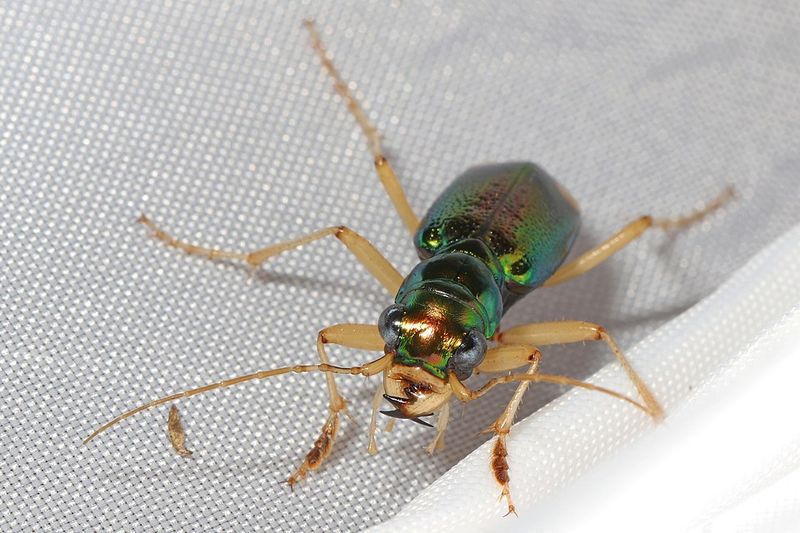
Anyone with a smartphone can become a beetle scientist. Carolina metallic tiger beetles have become stars of citizen science initiatives across North Carolina, with residents documenting sightings through apps like iNaturalist.
These observations help researchers track population trends, habitat preferences, and seasonal activity patterns. Your backyard sighting could contribute valuable data to ongoing conservation studies.
Universities partner with community members to map beetle distributions throughout the state. Students from NC State and UNC lead workshops teaching identification skills and documentation techniques.
Even children can participate by photographing beetles and uploading images with location data. The collective information gathered reveals how these insects respond to climate changes and urban development.
Neighborhoods in Burlington and Hickory have organized beetle-watching events that combine outdoor fun with scientific contribution.
This collaborative approach makes professional research accessible to everyone. You don’t need expensive equipment or advanced degrees to make meaningful contributions.
Simply reporting when and where you see these beetles helps scientists understand their ecology better. The project has strengthened connections between researchers and communities while fostering appreciation for native wildlife throughout North Carolina.
These shared observations turn everyday encounters into meaningful scientific records that would be impossible for researchers to gather alone.
By participating, residents help build a clearer picture of how Carolina metallic tiger beetles are adapting to changing landscapes across North Carolina.
7. Unique Habitat Requirements Create Learning Moments
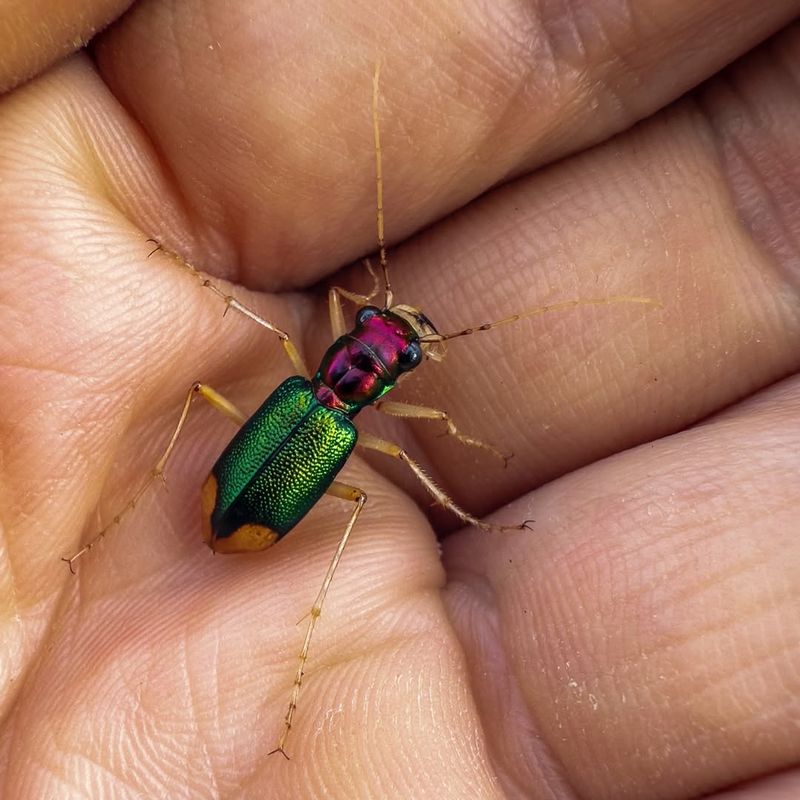
Carolina metallic tiger beetles are picky about where they live. They specifically need areas with exposed sandy or clay soil that receives plenty of sunlight throughout the day.
These requirements teach homeowners about microhabitats and ecosystem diversity right in their North Carolina yards. Not every insect can thrive in perfectly manicured lawns, and these beetles prove that a little wildness benefits biodiversity.
Creating suitable habitat means leaving some ground bare instead of covering every inch with grass or mulch. Small sunny patches just a few feet across can support multiple beetles.
They avoid heavily shaded areas and prefer spots with good drainage where water doesn’t pool after rain. Property owners in High Point and Gastonia have discovered that these bare patches actually reduce maintenance work while supporting native wildlife.
The beetles need warm ground temperatures to remain active and hunt effectively.
Understanding their habitat needs encourages more thoughtful landscape design. Instead of fighting against sandy soil conditions, smart gardeners embrace them by creating beetle-friendly zones.
These spaces require no watering, no fertilizing, and no mowing. Children learn that messy doesn’t always mean unhealthy, and sometimes the best thing we can do for nature is simply leave it alone.
8. Seasonal Appearances Build Anticipation
Timing matters when searching for Carolina metallic tiger beetles. Adults emerge primarily during warm months between April and September across North Carolina, with peak activity occurring during hot summer days.
This seasonal pattern creates excitement as residents eagerly watch for the first beetles each spring. Spotting that initial metallic flash feels like welcoming back an old friend after a long winter.
Temperature directly controls their activity levels throughout the day. Mornings might be too cool for beetle hunting, but by midday when the sun has warmed sandy patches, they become extremely active.
Afternoons between noon and 4 PM offer the best viewing opportunities. Cloudy days see reduced activity since these cold-blooded insects rely on solar warmth.
Communities in Concord and Apex have noticed that particularly hot summers bring out more beetles, while cooler seasons result in fewer sightings.
This predictable yet limited availability makes each encounter special. Unlike mosquitoes or flies that persist year-round, tiger beetles have a defined season that people look forward to experiencing.
Families plan outdoor activities around peak beetle months, combining nature observation with quality time. The seasonal rhythm connects people to natural cycles often forgotten in modern life.
9. They Inspire Curiosity About Local Biodiversity
Once you notice Carolina metallic tiger beetles, you start seeing everything else too. Their presence opens eyes to the incredible variety of life existing in ordinary North Carolina yards.
People who never paid attention to insects suddenly find themselves identifying different beetle species, watching spider hunting strategies, and noticing bird behaviors. One charismatic insect becomes a gateway to understanding entire ecosystems.
Local nature centers report increased attendance at insect identification workshops and biodiversity programs. Libraries in Kannapolis and Mooresville have expanded their natural history collections to meet growing demand.
Social media groups dedicated to North Carolina beetles have thousands of members sharing photos and asking questions. This ripple effect of curiosity strengthens community connections while promoting environmental awareness.
Children who start by chasing tiger beetles often develop lifelong interests in biology and conservation.
The beetles prove that you don’t need to travel to exotic locations to find fascinating wildlife. Incredible creatures live right outside your door if you know where to look.
This realization transforms how people view their properties, shifting from sterile lawns to vibrant habitats. Simple changes like reducing pesticide use and preserving natural areas suddenly feel important and achievable when you have a specific species to protect and observe.