Do Trees Benefit From Winter Watering In New Mexico
Winter watering often feels unnecessary in New Mexico, especially when trees appear dormant and growth seems paused.
Dry air, strong sun, and frequent winds continue pulling moisture from soil even during colder months.
Many New Mexico trees still rely on available water to protect roots from stress.
Without it, dehydration can quietly build while nothing looks wrong above ground.
Soil in New Mexico can dry out quickly after cold fronts pass through. That dryness matters more than temperature alone.
Trees use winter moisture to support root health and internal structure. Those reserves help them respond better once spring growth begins.
Evergreens and young trees are especially vulnerable during dry winters. Their needles and shallow roots lose moisture faster than many homeowners expect.
Winter watering does not mean soaking frozen ground or following summer schedules.
Timing, soil condition, and weather patterns all play a role.
In New Mexico landscapes, a slow, deep watering during dry stretches can prevent long-term stress. This simple habit often makes a noticeable difference by early spring.
Understanding when winter watering helps allows homeowners to protect trees without overdoing it.
That balance keeps New Mexico trees healthier, stronger, and better prepared for the growing season ahead.
1. New Mexico’s Dry Winter Climate Makes Watering Essential
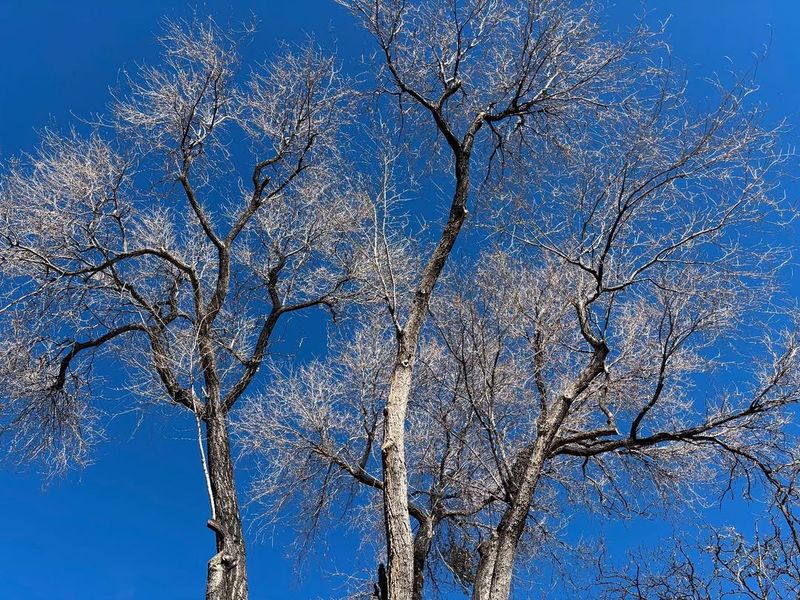
Most people picture winter as a wet, snowy season, but New Mexico breaks that mold with its notoriously arid conditions.
Precipitation levels drop significantly during the colder months, leaving the soil parched and unable to provide trees with the moisture they desperately need.
Roots continue pulling water from the ground even when branches appear lifeless and bare, so ignoring this need can stress your trees beyond repair.
Strong winds sweep across the state regularly, stripping away what little moisture remains in the air and soil.
Trees lose water through their bark and remaining foliage, a process that doesn’t stop just because temperatures fall. Without supplemental watering, your landscape could suffer serious setbacks that won’t become obvious until spring arrives.
New Mexico gardeners who skip winter watering often notice browning needles on evergreens or cracked bark on deciduous trees by March.
These symptoms point to dehydration that occurred months earlier when intervention could have prevented lasting harm.
Keeping a consistent watering schedule protects your investment and ensures your trees bounce back vigorously when warmer weather returns.
Providing occasional deep watering during dry winter stretches helps trees maintain internal moisture balance despite cold temperatures and persistent winds.
This simple practice supports healthier roots and reduces the risk of delayed damage that often surprises New Mexico gardeners in early spring.
2. Evergreen Trees Need More Attention Than Deciduous Varieties
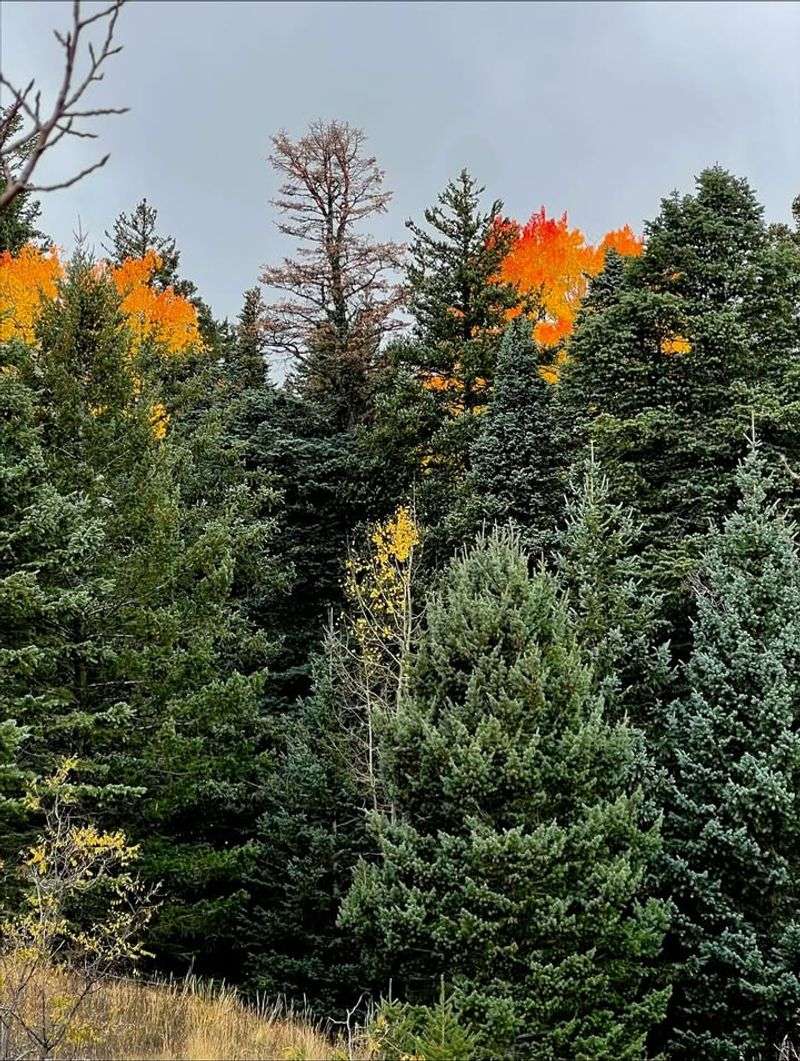
Pine, spruce, and juniper trees stay green throughout winter, which means they keep transpiring and losing moisture through their needles.
Unlike deciduous trees that shed leaves and enter a deeper rest period, evergreens remain metabolically active and vulnerable to dehydration.
New Mexico’s abundance of these species makes winter watering particularly critical for homeowners across the state.
Needles act like tiny straws, constantly pulling water from the roots to maintain their structure and color. When soil moisture runs low, evergreens can’t keep up with demand, leading to needle browning that starts at the tips and spreads inward.
Your New Mexico Garden Changes Every Week. Your Plan Should Too.
Gardening in New Mexico changes quickly throughout the season. Every Friday you’ll receive a simple weekly plan showing exactly what to plant, prune, fertilize, harvest, and protect so you never miss the right timing.
Once this damage occurs, recovery takes years, and some branches may never regain their former appearance.
Deciduous trees have lower water requirements during dormancy but still benefit from occasional deep watering, especially before the ground freezes solid.
New Mexico’s freeze-thaw cycles can trick trees into brief periods of activity, increasing their water needs unexpectedly. Paying extra attention to evergreens while not neglecting your other trees creates a balanced approach that keeps your entire landscape healthy and attractive year-round.
3. Watering When Temperatures Rise Above Freezing Works Best
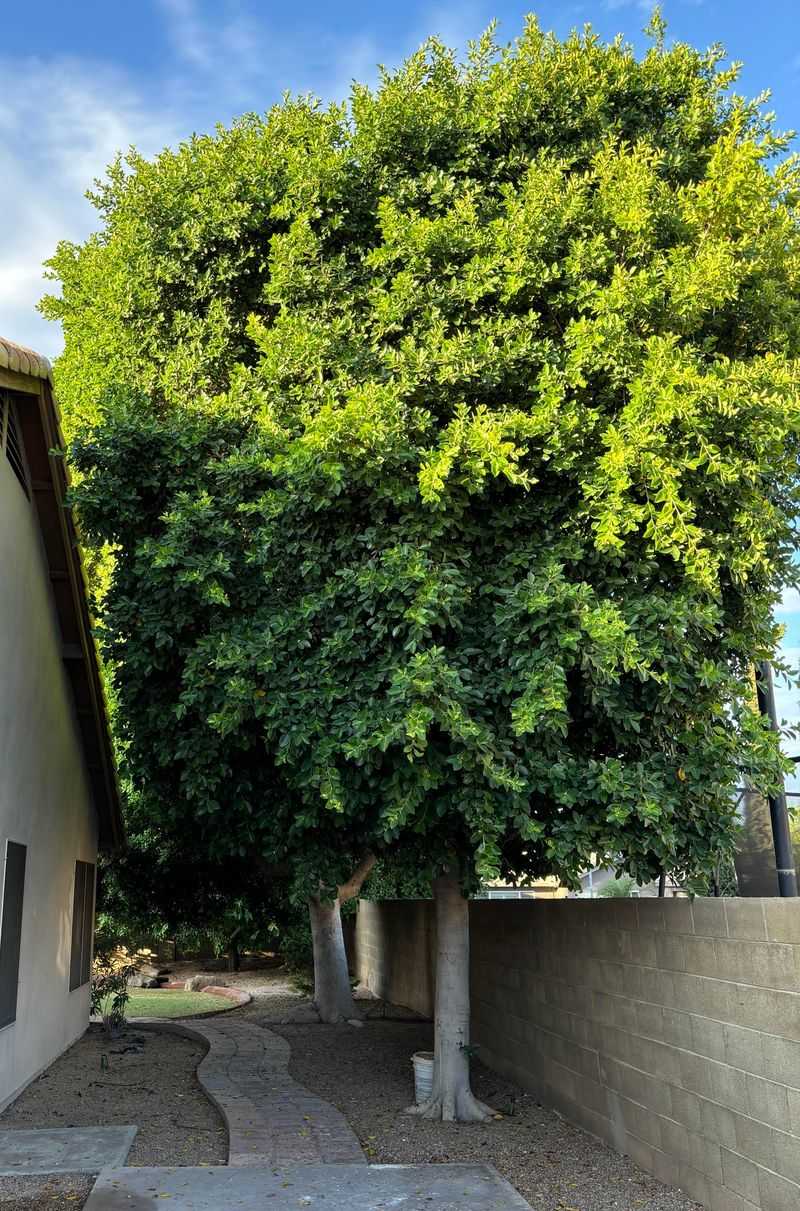
Timing your watering sessions correctly makes all the difference between helping your trees and wasting precious water.
New Mexico enjoys plenty of sunny winter days when temperatures climb above 40 degrees Fahrenheit, creating perfect conditions for roots to absorb moisture.
Applying water during these warmer windows ensures it soaks deep into the soil instead of freezing on the surface or running off without penetrating.
Early afternoon offers the ideal time slot since the sun has warmed the ground and several hours remain before temperatures plummet again overnight.
Avoid watering late in the day or during freezing conditions, as this can create ice layers that prevent oxygen from reaching roots and potentially damage tree tissues.
New Mexico’s predictable sunny stretches make scheduling easier than in cloudier regions.
Checking the weather forecast helps you plan watering sessions around incoming cold fronts or rare winter storms.
Aim for days when temperatures stay mild for at least 24 hours afterward, giving water ample time to soak in and reach deeper root zones.
This strategic approach maximizes every gallon you apply and keeps your trees properly hydrated without risking freeze damage to tender root systems.
Watering during these optimal windows helps roots stay active without stressing the tree during temperature swings common in New Mexico winters.
When timed correctly, winter irrigation supports steady moisture uptake while conserving water and avoiding unnecessary runoff or ice formation.
4. Deep, Infrequent Watering Beats Shallow, Frequent Applications
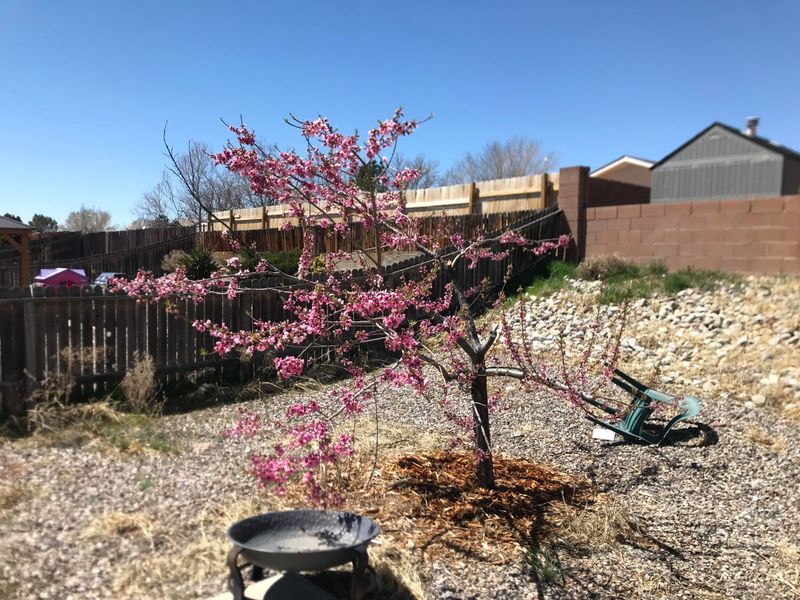
Roots grow where water consistently reaches, so shallow watering trains them to stay near the surface where they’re vulnerable to temperature swings and wind damage.
New Mexico trees need deep watering that encourages roots to spread downward into more stable soil zones.
Applying water slowly over several hours allows it to penetrate 12 to 18 inches deep, reaching the critical root mass that sustains tree health.
Frequent light watering wastes resources and creates weak root systems that can’t support trees during drought or stress.
Instead, plan to water deeply once or twice per month during winter, adjusting based on precipitation and soil conditions.
New Mexico’s sandy soils drain quickly, while clay areas hold moisture longer, so observe your specific landscape and adapt accordingly.
Using a soaker hose or drip irrigation system delivers water gradually right where roots need it most, minimizing evaporation and runoff.
Let the water run at a trickle for several hours rather than blasting the area with a strong spray that mostly runs off the surface.
This patient approach builds resilient root systems that anchor trees firmly and provide stability against New Mexico’s notorious spring winds and summer heat.
5. Newly Planted and Young Trees Require Extra Winter Care
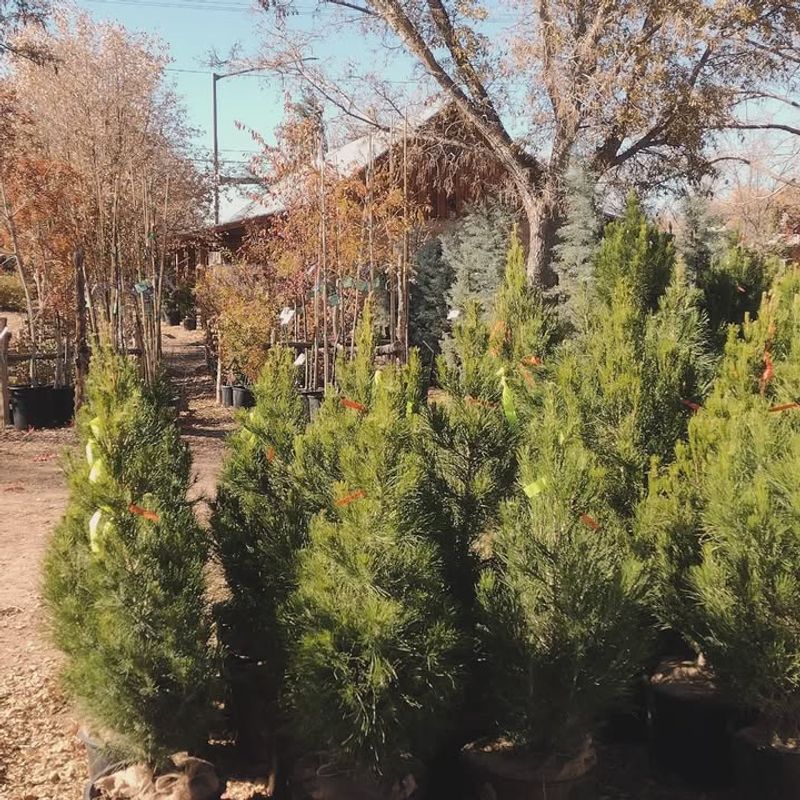
Established trees with mature root systems can tap into deeper moisture reserves, but young trees lack this advantage and depend entirely on what you provide. New Mexico’s harsh conditions make the first three years after planting absolutely critical for survival.
These vulnerable specimens need consistent attention during winter to develop the strong root networks that will sustain them for decades to come.
Recent transplants experience shock that weakens their ability to absorb water efficiently, even when moisture surrounds their roots.
Winter compounds this stress by adding temperature fluctuations and drying winds that young trees can’t handle as well as mature specimens.
Watering every two to three weeks during dry spells keeps these trees from falling behind in their establishment process.
Focus your efforts on the root ball area where most active roots remain concentrated during the early years.
As trees mature, gradually expand your watering zone outward to match the spread of their canopy.
New Mexico gardeners who invest time in young tree care during winter see dramatically better survival rates and faster growth once spring arrives, making the effort well worth the time and water invested.
Consistent winter care helps young trees avoid setbacks that can permanently slow their growth or weaken their structure.
This early attention builds resilience that allows them to handle New Mexico’s extreme conditions with far less intervention in later years.
6. Mulch Helps Retain Moisture and Protect Roots from Temperature Swings
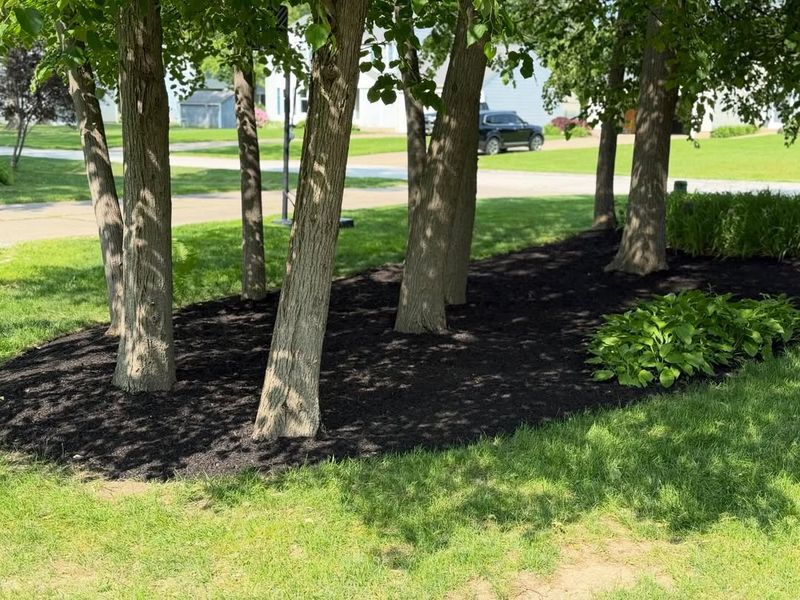
Bare soil loses moisture rapidly through evaporation, especially in New Mexico where low humidity and constant sunshine accelerate the process.
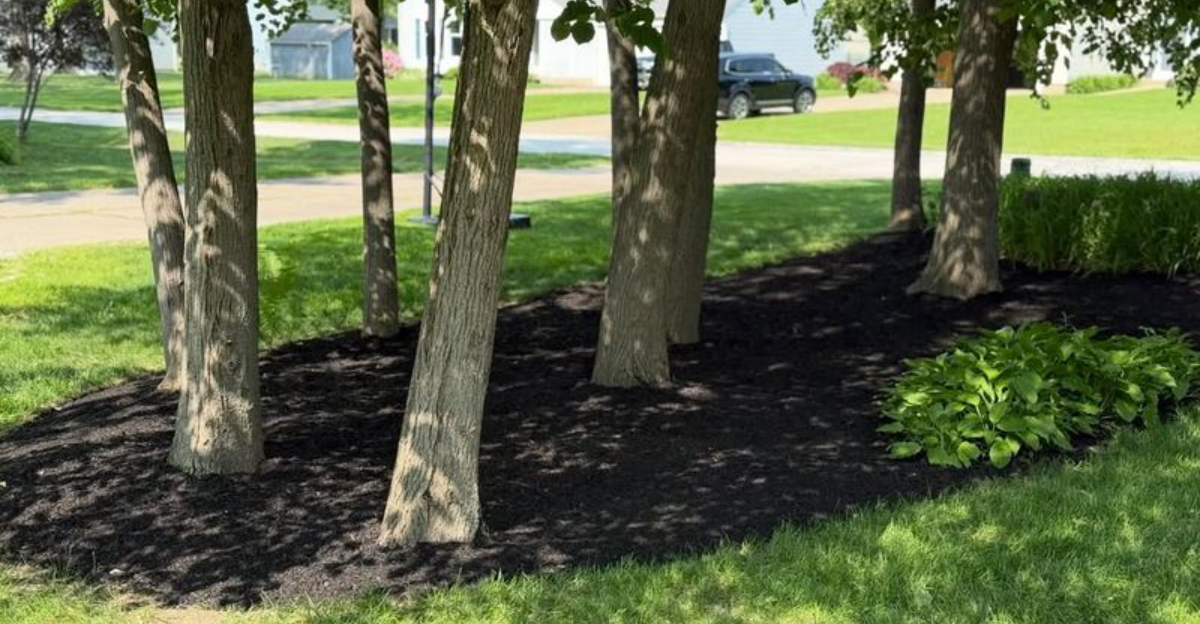
Spreading a 3 to 4 inch layer of organic mulch around your trees creates a protective barrier that slows water loss and moderates soil temperatures.
This simple addition makes your winter watering efforts far more effective by keeping moisture in the root zone longer.
Wood chips, shredded bark, or pine needles all work well as mulch materials that break down gradually and improve soil quality over time. Pull mulch back a few inches from the trunk itself to prevent moisture buildup that can encourage rot or pest problems.
New Mexico’s dry climate means you won’t face the fungal issues that plague wetter regions, but proper mulch placement still matters for tree health.
Mulch also insulates roots from the dramatic temperature swings that occur when New Mexico skies clear at night and heat radiates away rapidly.
This buffering effect reduces stress on trees and helps them maintain more consistent growth patterns.
Refreshing your mulch layer each fall before winter arrives sets up your trees for success and cuts down on watering frequency by preserving soil moisture through the coldest months.
7. Signs of Winter Dehydration Appear Gradually and Subtly
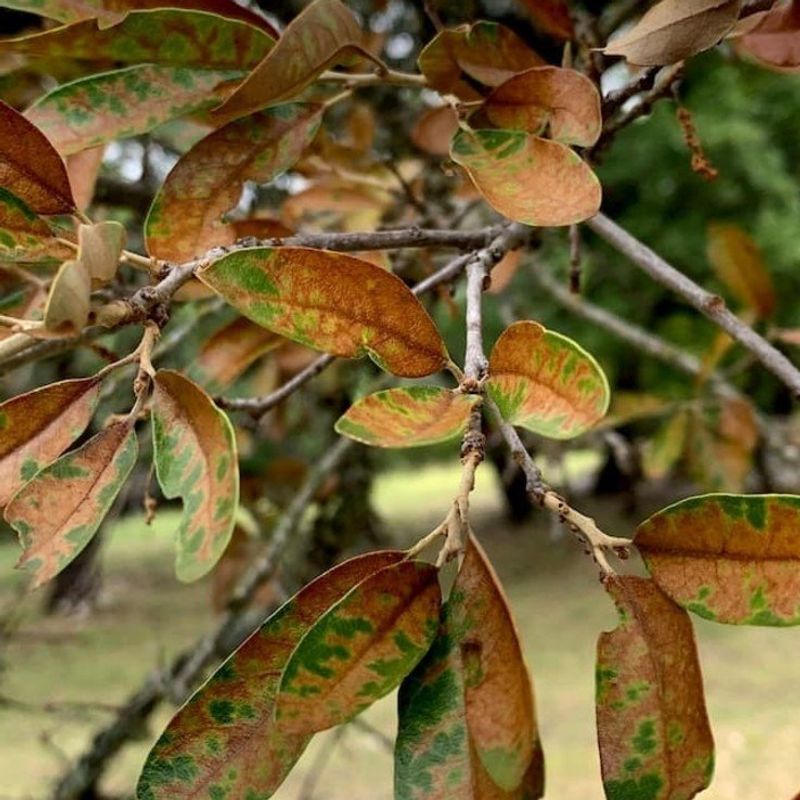
Trees don’t suddenly wilt or collapse from winter drought, making it easy to miss the warning signs until serious damage occurs.
Evergreens in New Mexico often show yellowing or browning needles starting at branch tips, while deciduous trees may develop sunken or wrinkled bark that indicates internal moisture stress.
Learning to spot these subtle clues helps you intervene before problems become irreversible.
Brittle twigs that snap easily instead of bending suggest dehydration has progressed significantly, robbing branches of their natural flexibility.
Check your trees monthly during winter by gently bending small branches and examining needle color on evergreens. New Mexico’s intense sunlight can mask early symptoms, so look closely rather than relying on a quick glance from a distance.
Soil that pulls away from tree roots or develops deep cracks signals severe moisture deficiency that requires immediate attention.
Dig down a few inches near the drip line to assess actual soil moisture rather than judging by surface appearance alone.
If you discover dry, dusty soil more than two inches down in New Mexico during winter, your trees need water promptly to prevent lasting harm that will show up as poor growth or branch dieback when spring arrives.
Responding quickly to these warning signs can stop winter stress from turning into long-term decline that weakens trees throughout the growing season.
Regular observation during New Mexico winters gives you a chance to correct moisture issues early, when recovery is still easy and effective.
8. Native Trees Handle Winter Drought Better Than Non-Native Species

Trees that evolved in New Mexico’s climate come equipped with natural adaptations for surviving dry winters, including deeper root systems and more efficient water use.
Piñon pines, junipers, and native oaks can often make it through winter with minimal supplemental watering once established.
However, even these tough species appreciate occasional deep watering during extended dry spells that push their limits.
Non-native ornamental trees popular in landscaping often struggle with New Mexico’s winter conditions because they evolved in regions with more consistent moisture.
Maples, birches, and many fruit trees need regular winter watering to stay healthy and productive. Choosing native species for new plantings reduces maintenance demands and creates landscapes better suited to the state’s challenging climate patterns.
Mixing native and non-native trees in your landscape requires a tiered watering approach that gives extra attention to species with higher moisture needs.
Group plants with similar requirements together to make watering more efficient and prevent over-watering drought-adapted natives.
New Mexico gardeners who match tree species to available water resources create sustainable landscapes that thrive with less effort while still enjoying diverse and attractive plantings year-round.
9. Proper Winter Watering Sets Trees Up for Strong Spring Growth
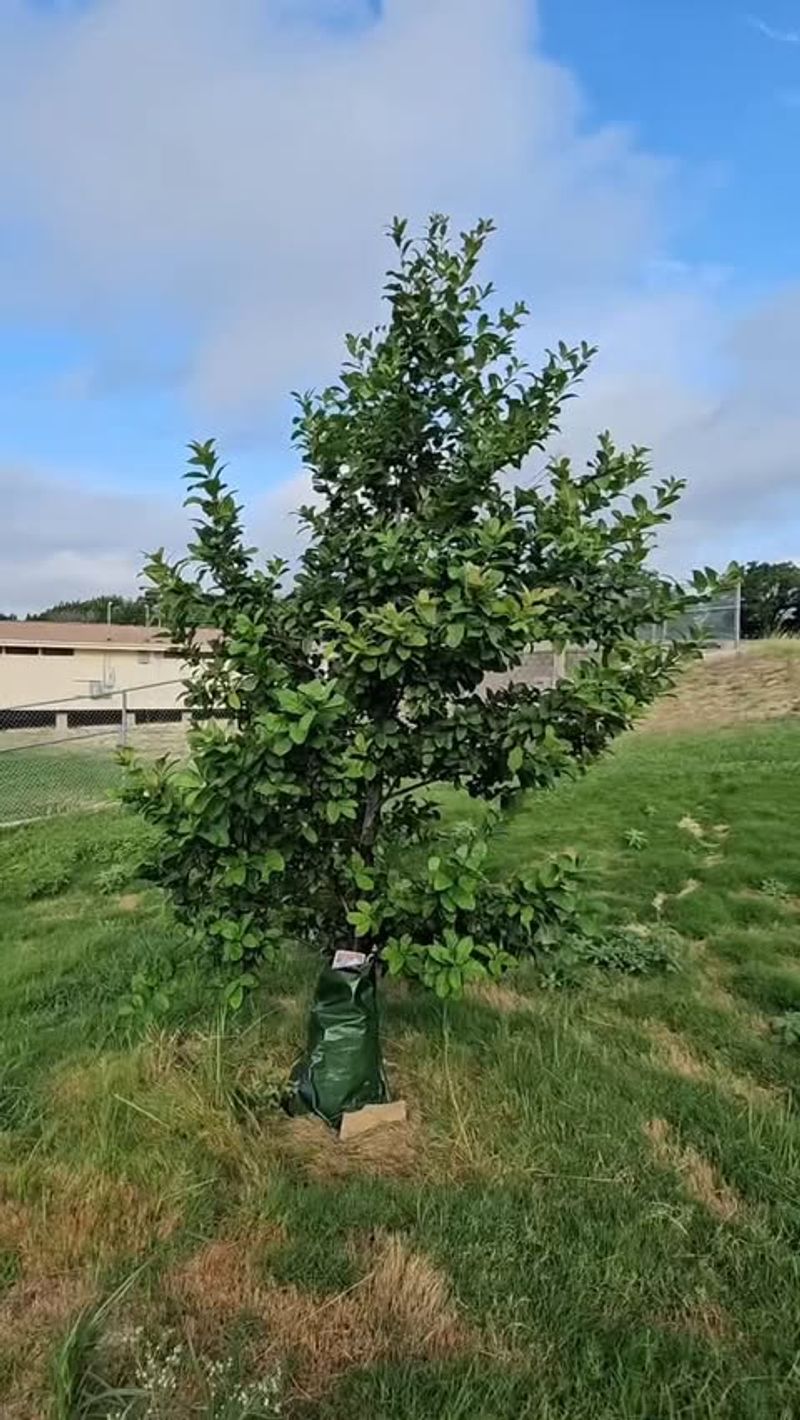
Spring growth depends entirely on resources trees stored during the previous growing season and their condition entering dormancy.
New Mexico trees that receive adequate winter moisture maintain healthier root systems and stored energy reserves that fuel vigorous bud break and leaf development when temperatures warm. Skipping winter care means trees start spring already stressed and struggling to catch up with their potential.
Well-watered trees leaf out earlier and more fully, giving them a competitive advantage in capturing spring sunlight for photosynthesis.
They also show greater resistance to late spring frosts and pest pressures that target weakened specimens.
New Mexico’s unpredictable spring weather makes this resilience especially valuable for maintaining attractive, productive landscapes.
Investing time in winter watering pays dividends throughout the entire growing season with faster growth, better flowering, and improved fruit production on appropriate species.
Trees that enter spring in optimal condition recover more quickly from pruning and transplanting stress while showing enhanced drought tolerance during summer heat waves.
New Mexico gardeners who commit to consistent winter tree care enjoy landscapes that look better, require less intervention during busy spring months, and provide greater long-term value and enjoyment for years to come.
Strong spring performance begins quietly in winter, long before buds swell or leaves appear.
Trees supported through dormancy respond to warming temperatures with balanced growth instead of struggling to recover lost ground.