11 Easy Indoor Propagation Ideas Massachusetts Gardeners Use In January
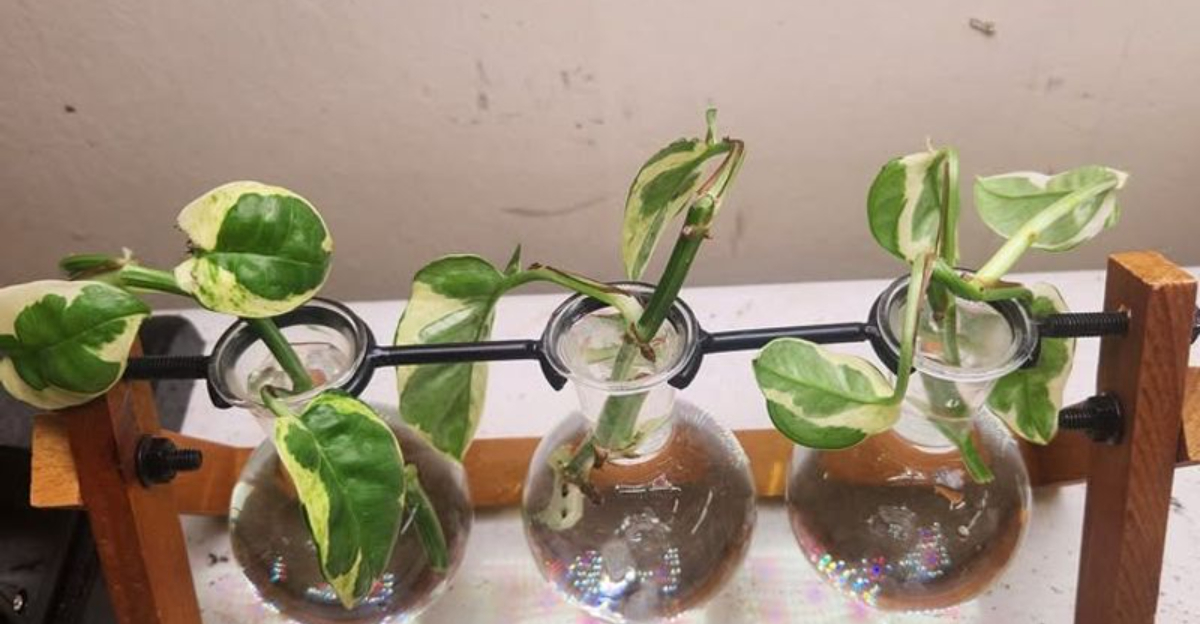
January in Massachusetts feels quiet outdoors, but inside many homes, new plants are already getting started.
Cold temperatures and short days push gardeners to look for ways to keep growing without stepping outside.
Indoor propagation becomes especially appealing when snow covers the ground and planting season feels far away. It offers progress at a time when gardens usually feel paused.
Massachusetts gardeners often use January to multiply favorite plants instead of buying new ones. This approach feels practical, satisfying, and surprisingly productive.
Windowsills, shelves, and kitchen counters turn into small growing stations during the darkest weeks of winter.
Propagation works well in January because indoor conditions stay stable. Consistent temperatures make rooting easier than many people expect.
Cuttings, divisions, and water starts allow gardeners to stay hands-on even when outdoor soil is frozen.
Watching new roots form brings a sense of momentum during an otherwise slow month. That visual progress keeps motivation high through winter.
Many of these methods require very little space or equipment.
By the time February arrives, Massachusetts gardeners often already have healthy young plants well on their way.
1. Pothos Stem Cuttings in Water
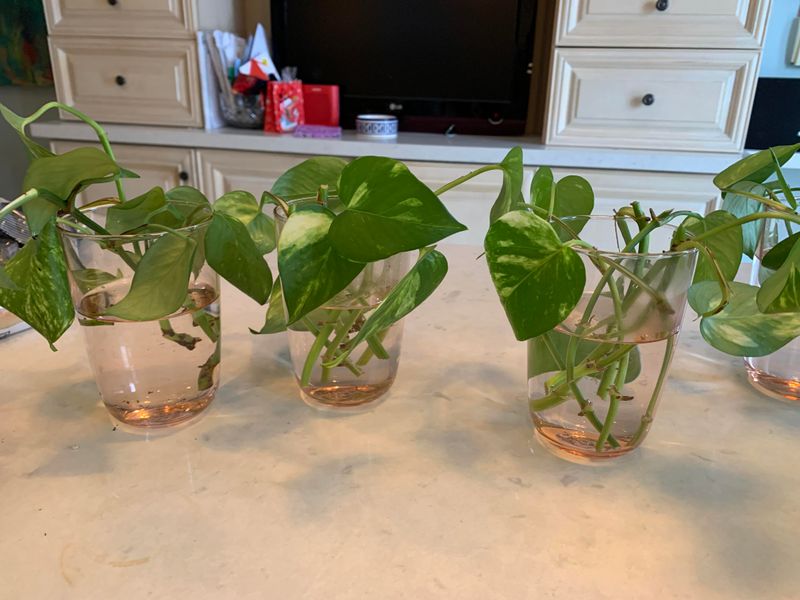
Pothos plants practically beg you to propagate them, making them perfect for beginners who want quick results during the long Massachusetts winter.
Snip a healthy stem just below a leaf node, where the plant naturally produces roots, and place it in a clear glass jar filled with room-temperature water. Change the water every few days to keep it fresh and prevent bacteria from forming.
Roots typically appear within two weeks, sometimes even sooner if your home stays warm and bright. Massachusetts homes can get quite dry with heating systems running constantly, so the water method works beautifully since it provides consistent moisture.
Once roots reach about two inches long, you can pot the cutting in soil or keep it growing in water indefinitely.
Place your jar on a bright windowsill away from direct sun, which can heat the water too much and harm developing roots.
Pothos tolerate lower light conditions better than most houseplants, so even north-facing windows work well. You’ll have new plants ready to share with friends or fill empty corners of your home by late winter.
2. African Violet Leaf Propagation
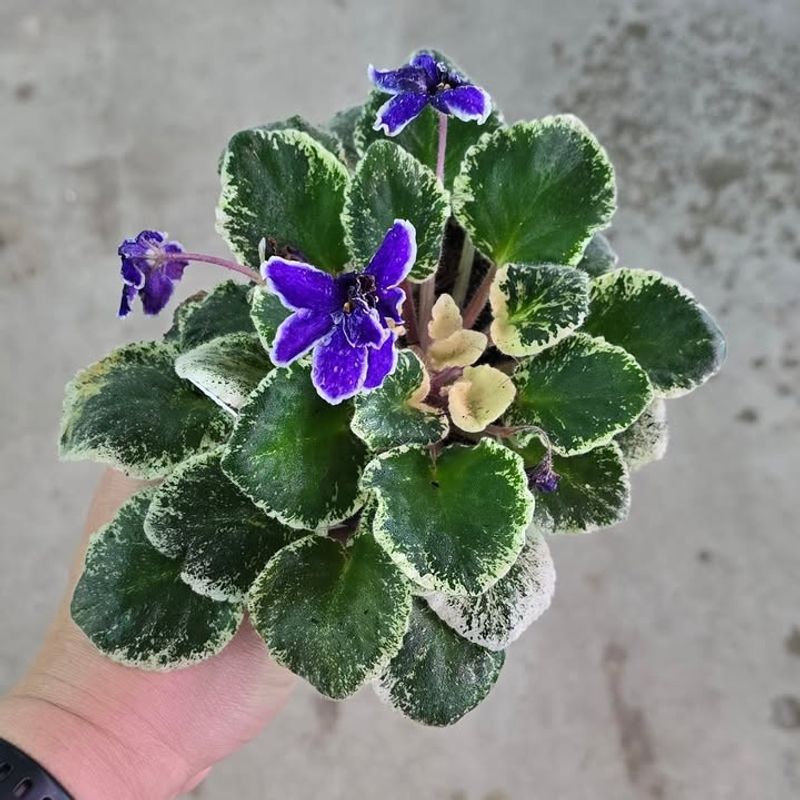
African violets offer a fascinating propagation method that feels almost magical when you see tiny new plants emerging from a single leaf.
Select a healthy, medium-sized leaf from the middle row of your plant, avoiding old outer leaves or brand-new inner ones. Cut the stem at an angle with clean scissors, leaving about an inch attached to the leaf blade.
Insert the stem into moist potting mix or vermiculite at a shallow angle, ensuring the leaf blade doesn’t touch the soil surface.
Many Massachusetts gardeners cover their propagation containers with clear plastic bags to maintain humidity during dry winter months.
Within four to eight weeks, baby plantlets will form at the base of the leaf stem, creating miniature versions of the parent plant.
Keep the soil consistently moist but never waterlogged, as African violets hate soggy conditions that can cause rot.
Your Massachusetts Garden Changes Every Week. Your Plan Should Too.
Gardening in Massachusetts changes quickly throughout the season. Every Friday you’ll receive a simple weekly plan showing exactly what to plant, prune, fertilize, harvest, and protect so you never miss the right timing.
A bright spot without direct sunlight works best, since harsh rays can scorch the delicate leaves. Once the new plantlets develop several leaves of their own, you can separate them and pot them individually for a collection of blooming beauties.
3. Spider Plant Babies
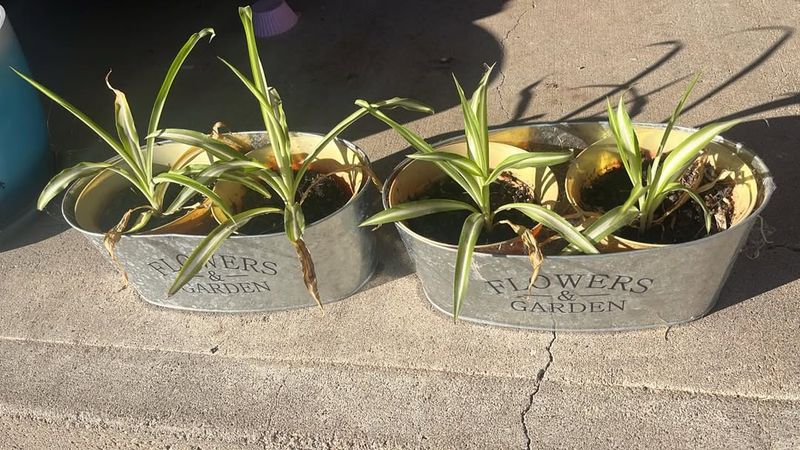
Spider plants produce adorable miniature versions of themselves on long, arching stems, making propagation almost effortless for Massachusetts gardeners stuck indoors.
These baby plants, called offsets or pups, already have tiny root nubs formed before you even cut them from the mother plant. You can snip them off and place them directly in water or soil, depending on your preference and available space.
For water propagation, fill a small container and let the roots develop for about two weeks before transplanting.
Soil propagation works equally well if you keep the medium consistently moist during the first few weeks.
Some gardeners in Massachusetts even leave the babies attached to the parent plant and set small pots of soil beneath them, allowing roots to establish before cutting the connection.
Spider plants thrive in typical household temperatures, making them ideal for winter propagation when outdoor gardening stops completely.
They tolerate a range of light conditions, though bright indirect light produces the healthiest growth and most babies. By spring, you’ll have multiple new plants ready to hang in baskets or share with neighbors who admire your green thumb.
4. Succulent Leaf Propagation
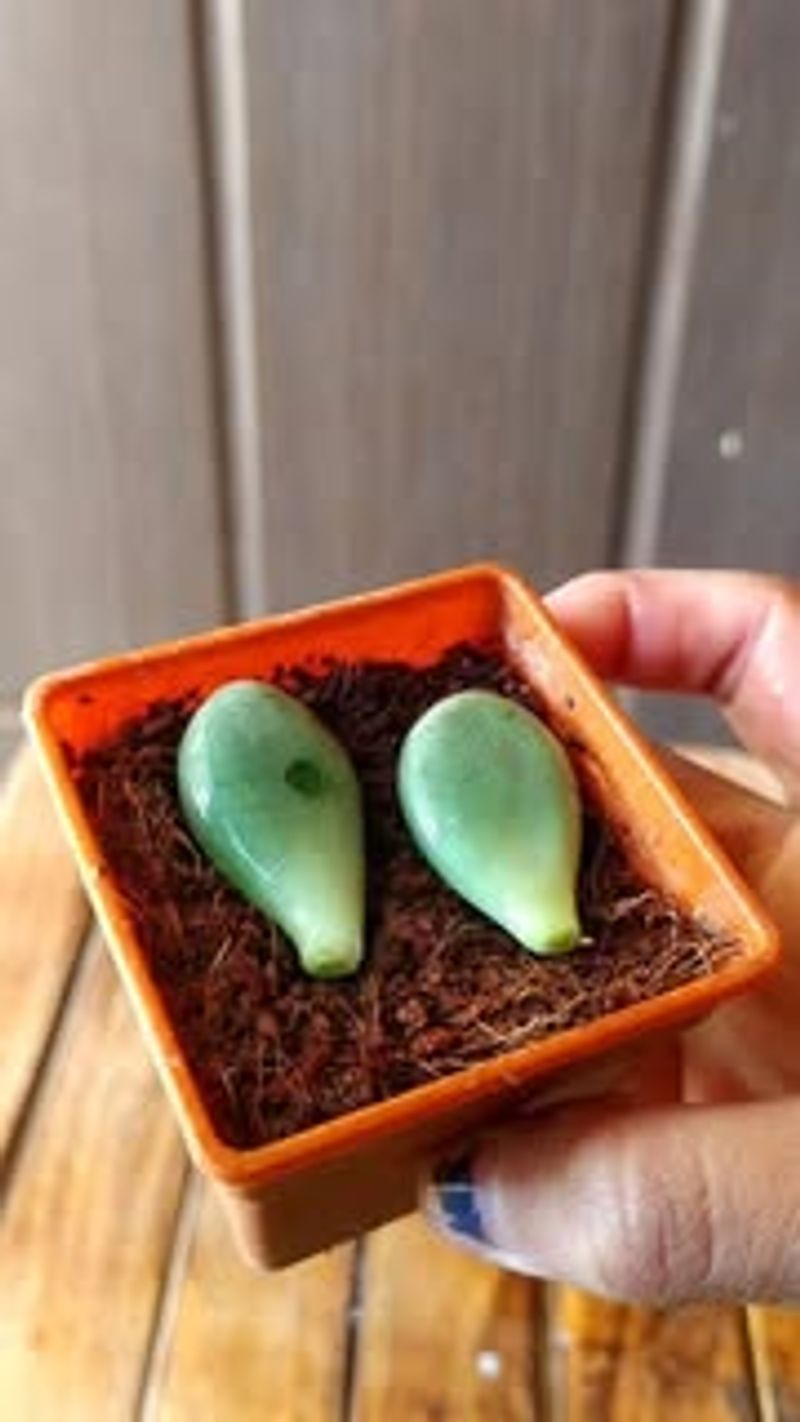
Succulents perform a remarkable trick where a single fallen leaf can generate an entirely new plant, perfect for January projects in Massachusetts homes.
Gently twist a plump, healthy leaf from the stem, ensuring the entire base comes off cleanly without tearing.
Lay the leaves on top of dry cactus soil mix and place them in bright, indirect light where they won’t be disturbed.
Resist the urge to water immediately, as the leaf needs to form a callus over the broken end before absorbing moisture.
After about a week, you can lightly mist the soil surface every few days, keeping it barely damp.
Tiny pink or orange roots will emerge first, followed by a miniature rosette of leaves that grows from the base.
Massachusetts winter air can be extremely dry, which actually benefits succulent propagation since high humidity encourages rot.
Keep your propagation tray in a warm spot, ideally between 65 and 75 degrees, for best results. Within two to three months, you’ll have baby succulents ready to pot individually, creating a colorful collection that brightens dreary winter days.
5. Snake Plant Division
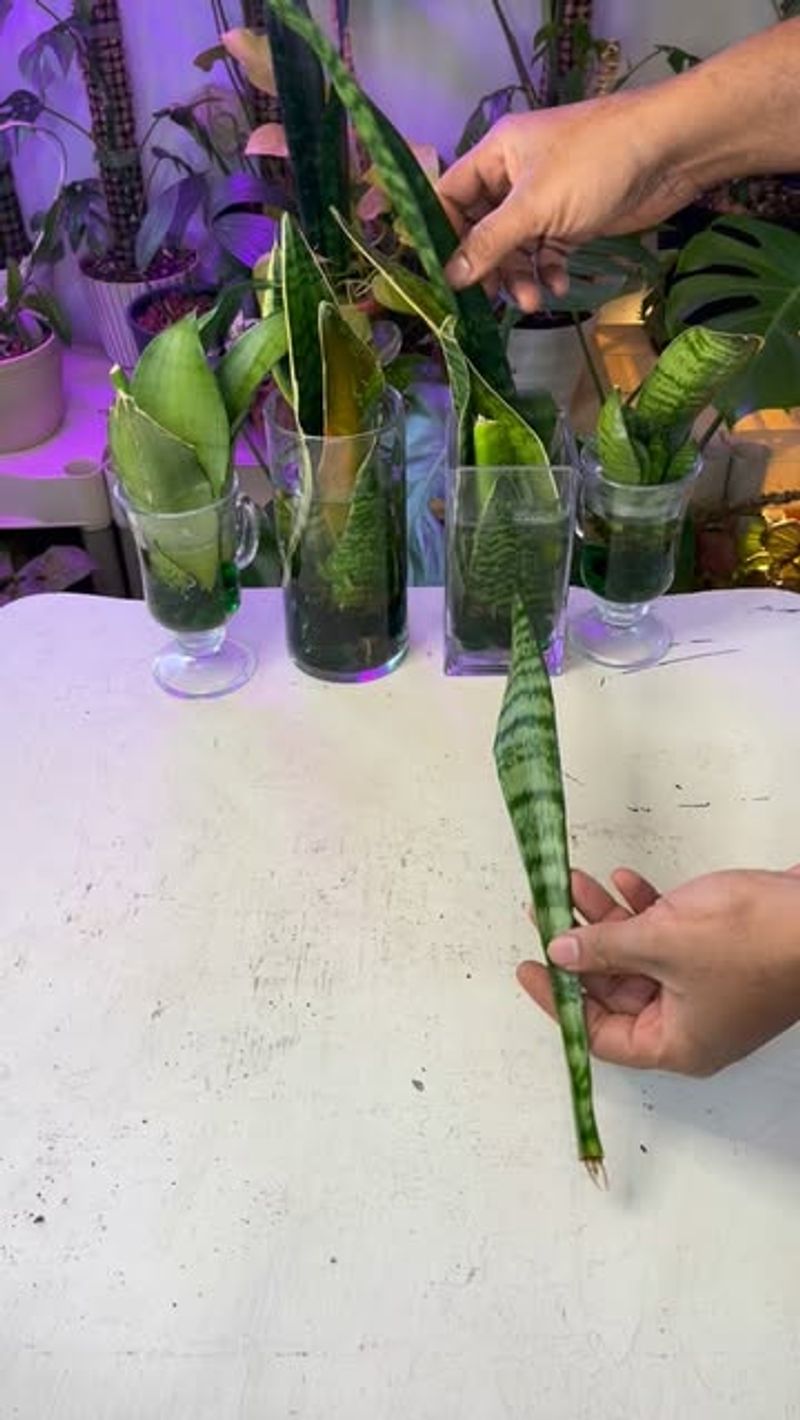
Snake plants grow in clusters that become crowded over time, providing the perfect opportunity for propagation through simple division.
Remove the entire plant from its pot and gently shake off excess soil to expose the root system and individual plant sections. Look for natural separation points where individual plants have their own root systems attached.
Use a clean, sharp knife to cut through any stubborn roots connecting separate sections, making sure each division has both leaves and roots.
Massachusetts gardeners appreciate this method during January because snake plants tolerate the dry indoor air that comes with constant heating.
Pot each section in fresh, well-draining soil and water sparingly, as these tough plants prefer to dry out between waterings.
Snake plants handle low light conditions remarkably well, making them suitable for rooms without bright windows during short winter days.
They also tolerate neglect better than almost any other houseplant, perfect for busy people who want greenery without constant maintenance.
Within a few weeks, your divisions will establish themselves and begin producing new growth, eventually forming their own clusters to divide again in future years.
6. Mint Cuttings for Kitchen Gardens
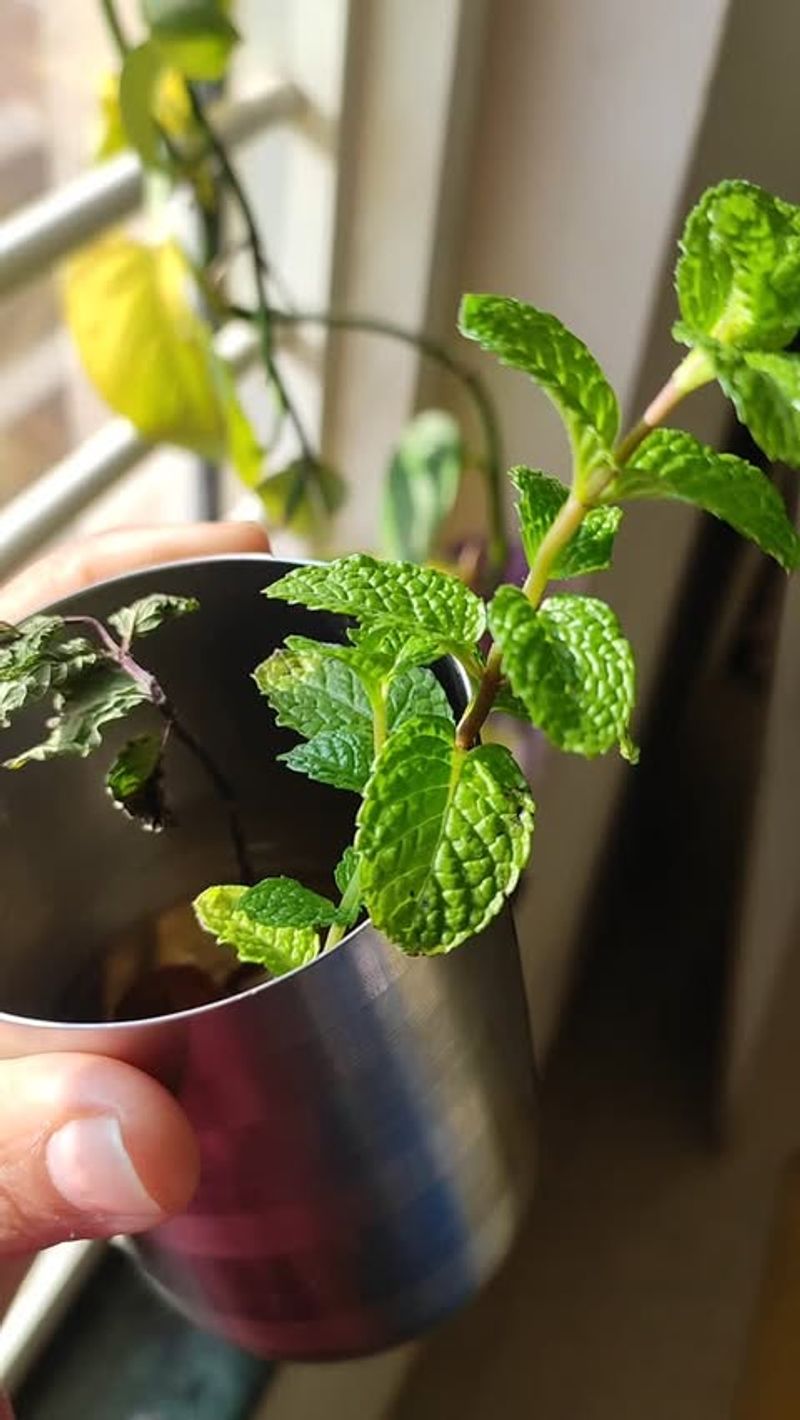
Mint grows so enthusiastically that a single stem cutting can produce a thriving plant within weeks, bringing fresh herbs to Massachusetts kitchens all winter long.
Cut a four to six-inch stem from a healthy mint plant, removing the lower leaves to expose at least two leaf nodes. Place the cutting in a glass of water on a sunny windowsill, changing the water every few days to keep it oxygenated.
Roots typically emerge within a week, sometimes even faster if conditions are warm and bright.
Mint loves moisture, so the water propagation method suits its preferences perfectly.
Once roots reach about an inch long, transplant the cutting into a pot with regular potting soil, keeping it consistently moist.
Gardeners across Massachusetts love having fresh mint available for tea, cooking, and desserts when outdoor herbs are buried under snow.
Place your potted mint in the brightest window you have, preferably south-facing, to encourage vigorous growth.
Pinch back the tips regularly to promote bushier growth and prevent the plant from becoming leggy. By February, you’ll be harvesting fresh leaves while planning your outdoor herb garden for spring.
7. Philodendron Node Propagation
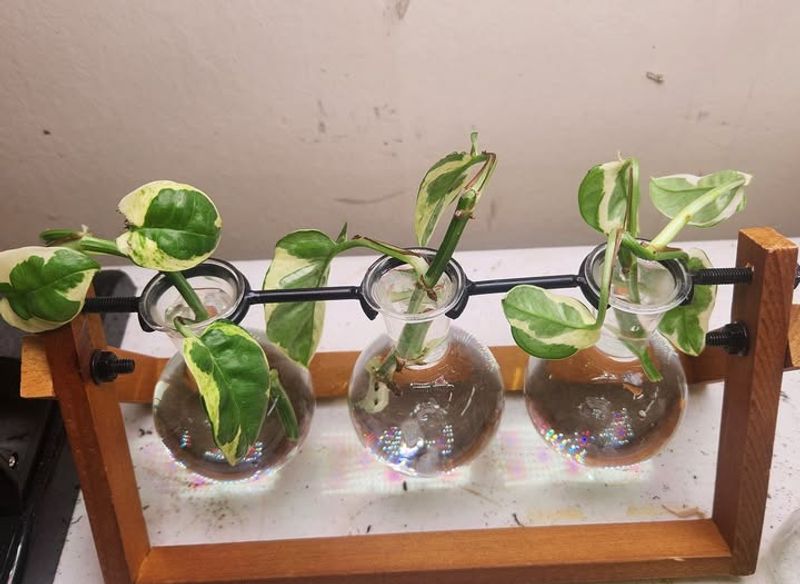
Philodendrons rank among the easiest houseplants to propagate, making them ideal for Massachusetts gardeners wanting to expand their indoor jungle during cold months.
Each stem contains nodes, which are the bumpy sections where leaves emerge and roots naturally want to form. Cut a section of stem that includes at least one node and one or two leaves, using clean scissors to make a sharp cut.
Submerge the node in water while keeping the leaves above the surface, and place the container in bright, indirect light.
Roots usually appear within ten to fourteen days, growing rapidly once they start.
Philodendrons adapt well to the typical temperature range found in Massachusetts homes during winter, thriving between 65 and 80 degrees.
You can root multiple cuttings in the same jar, creating a lush display while they develop roots.
Once roots reach two to three inches long, pot them in well-draining soil enriched with compost or worm castings.
Philodendrons tolerate lower light better than many tropicals, though they grow faster and fuller with more brightness. Your new plants will climb or trail depending on the variety, adding architectural interest to any room in your home.
8. Begonia Stem Cuttings
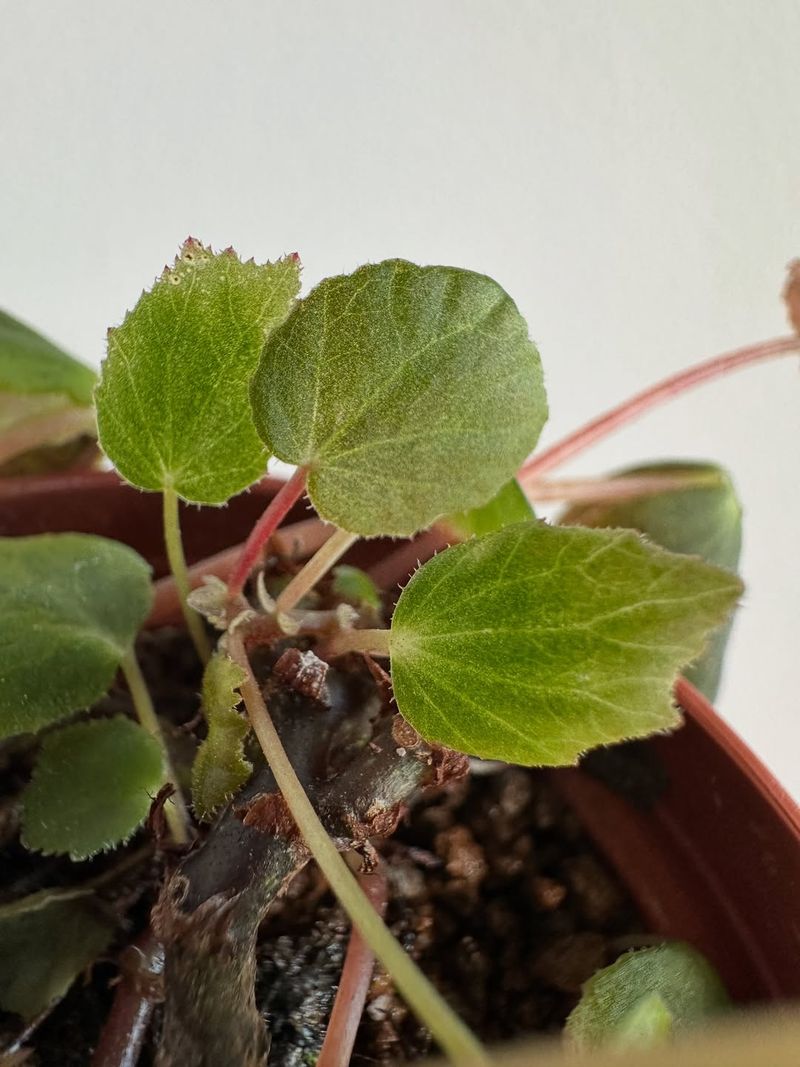
Begonias come in countless varieties, and most propagate readily from stem cuttings taken during the quiet Massachusetts winter months. Choose a healthy stem with several leaves and cut just below a node using sharp, sterilized scissors or pruners.
Remove the lower leaves, leaving two or three at the top to continue photosynthesis while roots develop.
Insert the cut end into moist potting mix or perlite, firming the medium around the stem to hold it upright.
Cover the pot with a clear plastic bag or dome to maintain humidity, which begonias appreciate during root formation.
Massachusetts homes can get quite dry with heating systems running constantly, so this extra humidity makes a significant difference in success rates.
Place your covered cutting in bright, indirect light and check the soil moisture every few days, keeping it consistently damp but not waterlogged.
Roots typically form within three to four weeks, and you’ll notice new growth emerging from the top when the cutting has established itself.
Remove the humidity cover gradually to acclimate the plant to normal household conditions. Begonias reward your efforts with beautiful foliage and, depending on the variety, stunning flowers that brighten winter days.
9. Christmas Cactus Segments
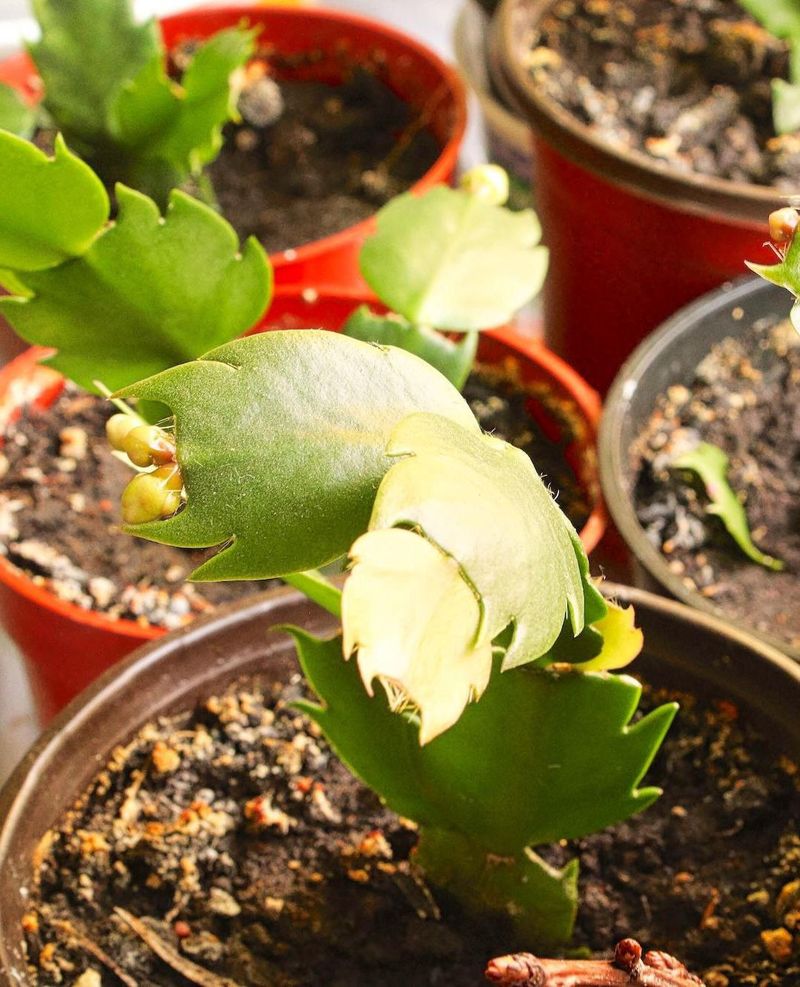
Christmas cacti often finish blooming by January in Massachusetts, making it the perfect time to propagate new plants from stem segments.
Gently twist off a section consisting of two or three connected segments, which will separate cleanly at the natural joints.
Allow the cut end to dry for a day or two, forming a callus that prevents rot when planted.
Insert the calloused end about half an inch deep into moist cactus soil mix, which drains quickly and prevents the fungal issues that plague overly wet conditions.
Unlike desert cacti, Christmas cacti prefer more moisture and humidity, so keep the soil lightly damp during the rooting period. Many gardeners in Massachusetts place their cuttings near humidifiers or in naturally humid rooms like bathrooms with windows.
Roots develop within two to four weeks, though you might not see obvious signs until new segment growth appears at the tip.
Keep your cuttings in bright, indirect light, avoiding harsh afternoon sun that can scorch the flat, leaf-like segments.
By next December, your propagated plants will be large enough to produce their own spectacular display of tubular flowers in shades of pink, red, white, or purple.
10. Coleus Cuttings for Colorful Foliage
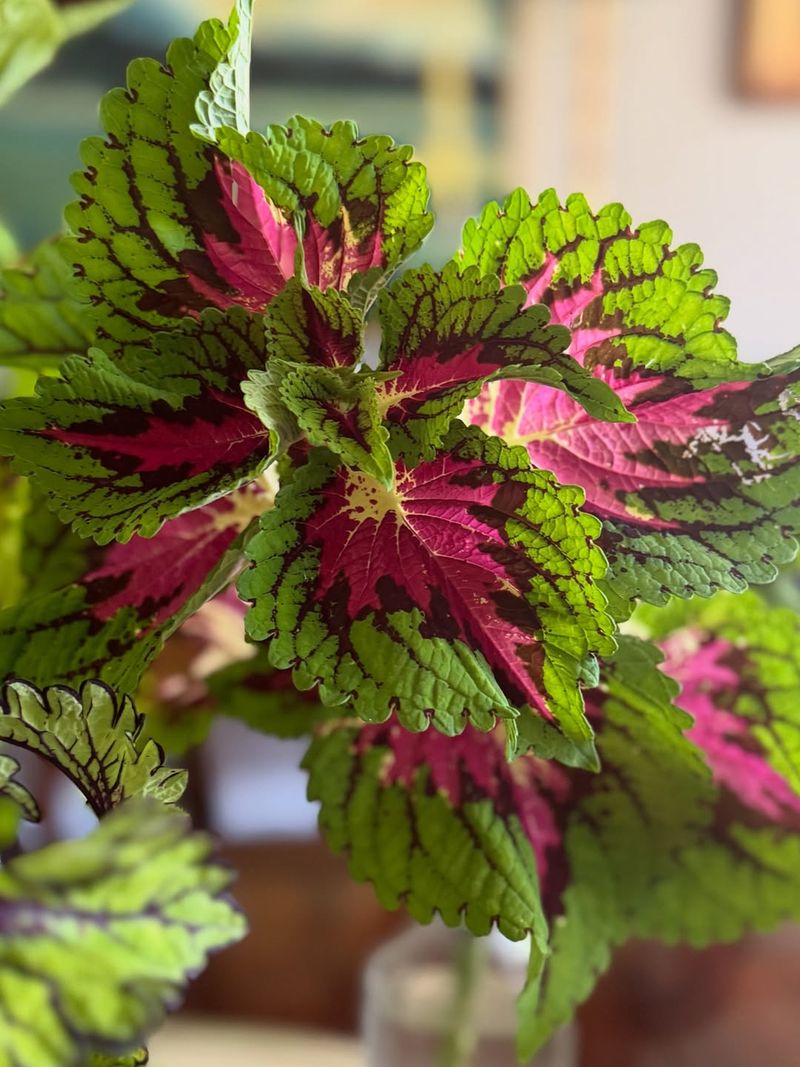
Coleus plants produce vibrant, multicolored leaves that brighten any Massachusetts home during the gray winter months, and they propagate with remarkable ease.
Cut a four to six-inch stem from a healthy plant, choosing one with especially attractive coloration that you want to preserve.
Remove the lower leaves, leaving just the top two or three sets to reduce moisture loss.
Place the cutting in a jar of room-temperature water and set it in a location with bright, indirect light. Roots emerge quickly, often within five to seven days, growing into a tangled mass that fills the container.
Coleus cuttings can live in water for months if you keep changing it regularly, or you can transplant them to soil once roots reach an inch or two long.
These plants thrive in the warm temperatures typical of heated Massachusetts homes, preferring conditions between 70 and 80 degrees.
Pinch back the growing tips regularly to encourage bushy, full growth rather than tall, leggy plants.
Coleus offers an incredible range of leaf patterns and colors, from deep burgundy to lime green with pink splashes, letting you create a stunning indoor display while waiting for spring planting season.
11. Jade Plant Leaf and Stem Propagation
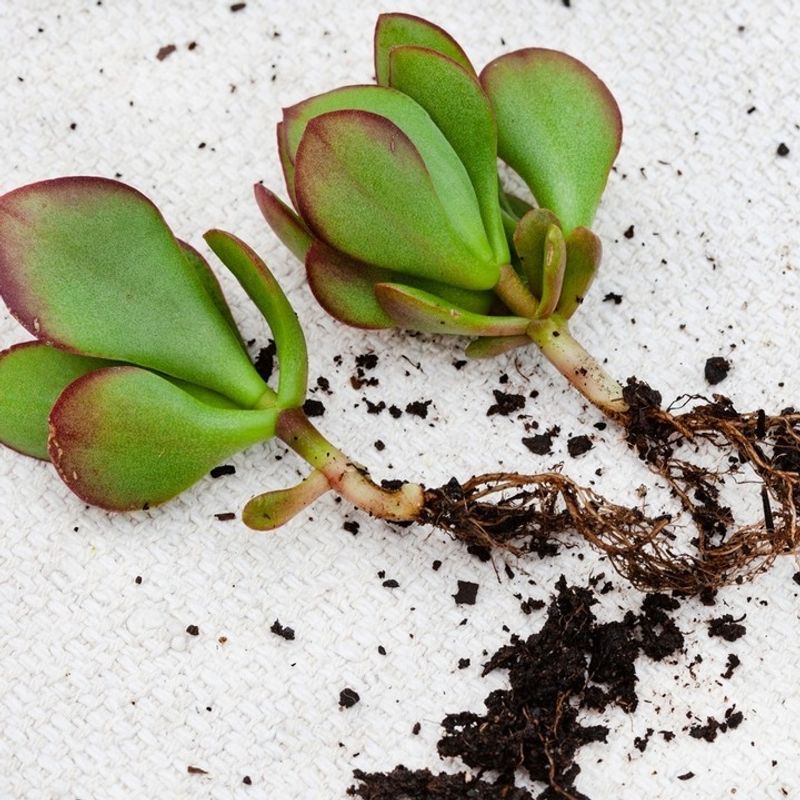
Jade plants embody resilience, capable of producing new plants from both leaves and stem cuttings during the long Massachusetts winter. For leaf propagation, gently twist off a plump, healthy leaf, ensuring the entire base detaches cleanly from the stem.
Lay the leaf on top of dry succulent soil and leave it alone for about a week before beginning to mist lightly.
Stem cuttings work even faster if you prefer quicker results, rooting within two to three weeks when planted in well-draining soil.
Cut a three to four-inch section of stem and allow it to callus for several days before inserting it into the soil mix. Jade plants prefer the dry air common in heated homes, making them exceptionally well-suited for winter propagation projects.
Water sparingly, allowing the soil to dry completely between waterings, as jade plants store moisture in their thick leaves and stems.
Place your propagation containers in the brightest window available, since jade plants love strong light and will become leggy without it.
Massachusetts gardeners appreciate these tough plants that tolerate neglect and reward patience with glossy, rounded leaves and eventual tree-like growth that can last for decades.