Low Winter Light? These 11 Houseplants Thrive In Oregon
When winter settles in, many Oregon homes start to feel a little darker. Days are shorter, skies stay gray, and the sunny windows your houseplants loved in summer don’t seem quite as bright anymore.
You might notice a plant leaning toward the glass or slowing down altogether. Is it getting enough light, or is it just part of the season?
Low light is one of the biggest challenges for houseplants during Oregon winters. Even well-lit rooms can feel dim this time of year, and not every plant handles that shift well.
The good news is that some houseplants are naturally better suited for these conditions and don’t mind a quieter, darker stretch.
If you’ve struggled to keep plants happy through the winter months, you’re not alone. Many indoor gardeners deal with the same thing every year.
Choosing plants that tolerate low light can make a big difference and take a lot of pressure off.
1. Snake Plant
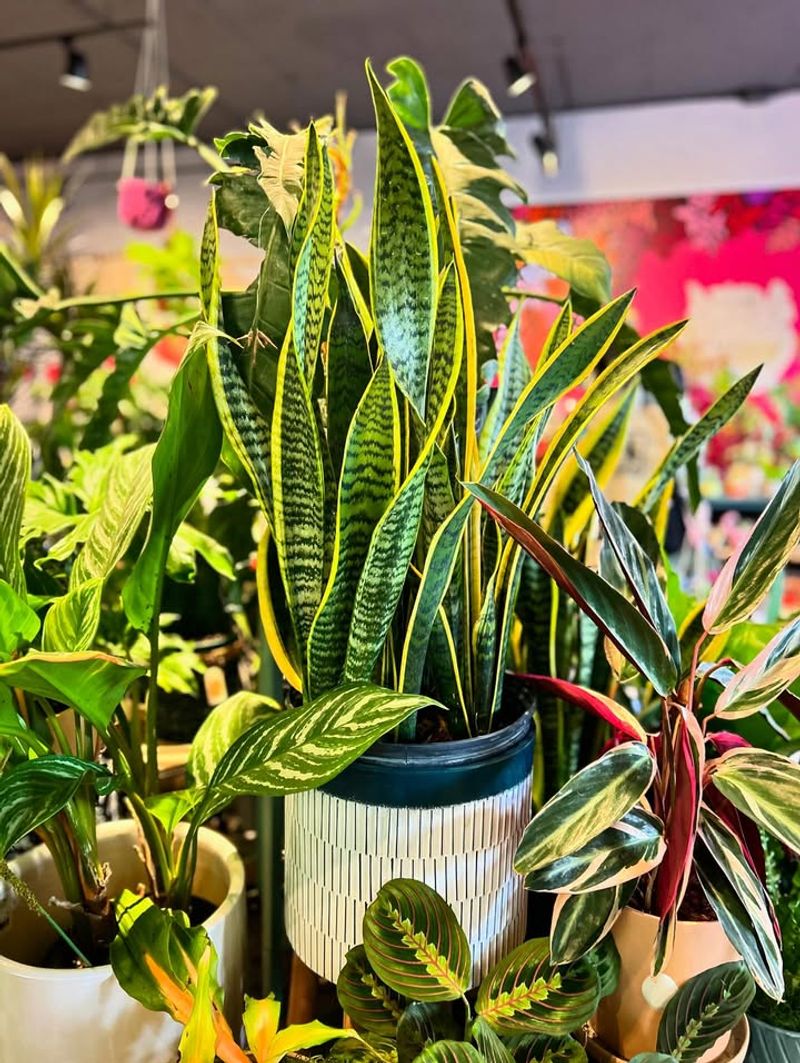
You could forget to water this plant for weeks, and it would still look amazing. Snake plants have tall, sword-shaped leaves with stripes that add a modern touch to any room.
They grow upright and do not take up much space, which makes them perfect for apartments or small corners.
During Oregon’s gray winter months, snake plants keep growing without complaint. They actually prefer indirect light and can handle almost total shade.
Too much bright sun can harm their leaves, so your dim living room becomes their ideal home.
Watering them once every two to three weeks works well in winter. The soil should dry out completely between waterings because these plants store moisture in their thick leaves.
Overwatering causes more problems than underwatering ever will.
Snake plants also clean the air while you sleep. They release oxygen at night, unlike most plants that only do this during the day.
This makes them great bedroom companions for better air quality.
Their tough nature means beginners can grow them with confidence. You can find varieties with different stripe patterns, from bright yellow edges to silvery-green centers.
Pick one that matches your style and watch it thrive through the darkest months.
2. Pothos
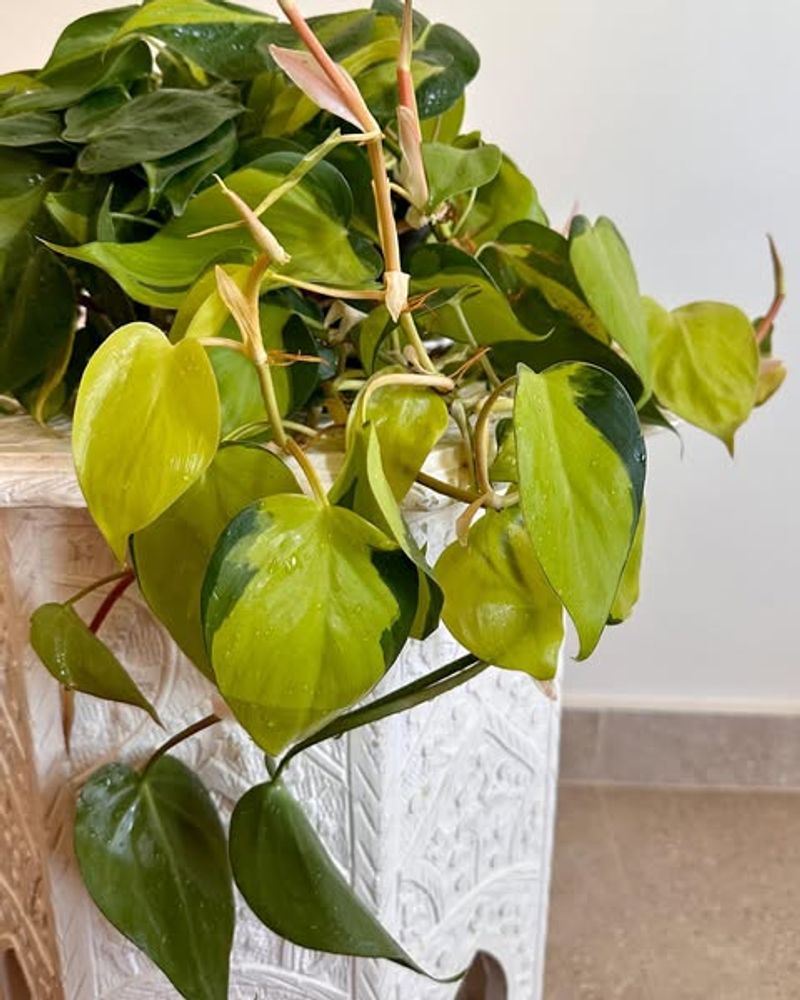
Cascading vines with heart-shaped leaves make pothos one of the most popular houseplants around. This plant grows fast and forgives mistakes, which means new plant owners love it.
You can place it on a shelf and watch the vines tumble down, or train it to climb up a moss pole.
Pothos adapts to almost any light condition in your home. It grows in bright rooms but also thrives in dim corners where other plants struggle.
During Oregon winters, it keeps producing new leaves even when sunshine feels like a rare gift.
The plant tells you when it needs water by drooping slightly. After a good drink, it perks right back up within hours.
This clear communication makes plant care simple and stress-free.
Golden pothos shows off yellow and green variegation, while marble queen pothos has creamy white patterns. Jade pothos stays solid green and tolerates the lowest light levels.
Your Oregon Garden Changes Every Week. Your Plan Should Too.
Gardening in Oregon changes quickly throughout the season. Every Friday you’ll receive a simple weekly plan showing exactly what to plant, prune, fertilize, harvest, and protect so you never miss the right timing.
All varieties clean indoor air by removing common pollutants.
You can propagate pothos by cutting a stem and placing it in water. Roots appear within two weeks, giving you free plants to share with friends.
This generous nature makes pothos a plant that keeps on giving, brightening multiple rooms throughout your home.
3. ZZ Plant
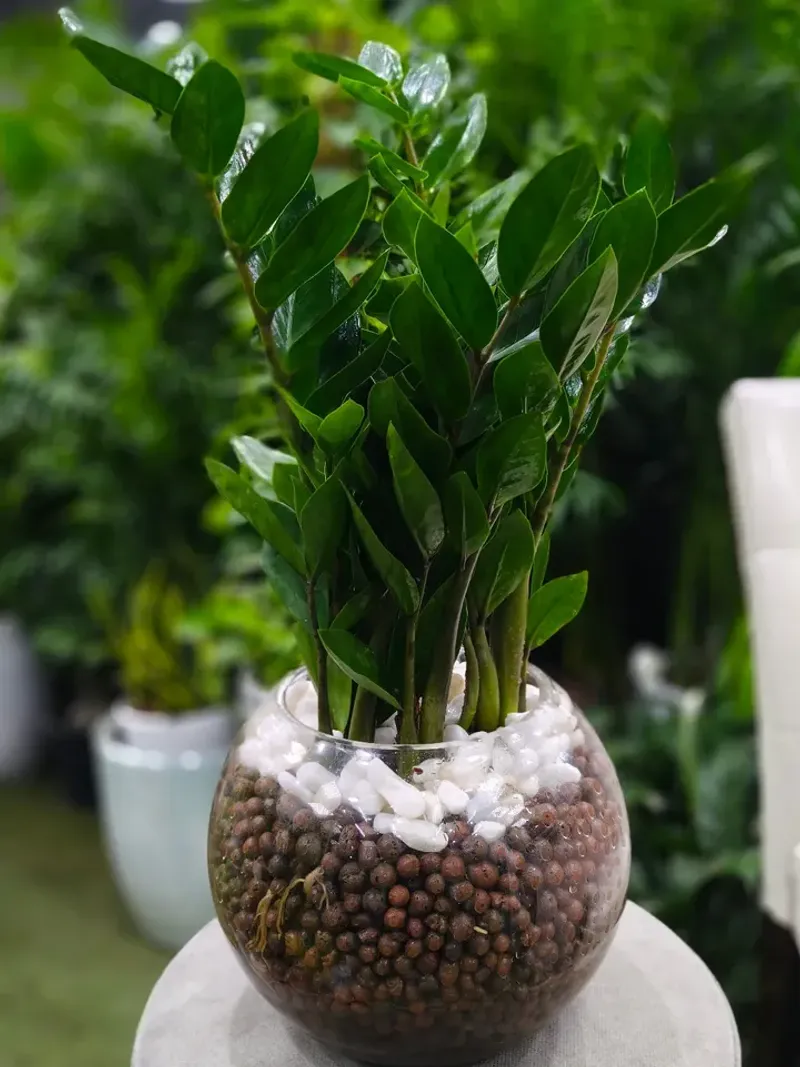
Shiny, waxy leaves catch whatever light filters through your windows on cloudy days. The ZZ plant grows slowly but steadily, sending up new stems that look almost artificial because they shine so much.
Each stem has pairs of oval leaves arranged in a neat pattern.
This plant stores water in its thick rhizomes underground, which means it can go a month without watering. Oregon winters provide plenty of humidity, so the ZZ plant stays comfortable without extra misting.
It handles neglect better than constant attention.
Low light does not slow down the ZZ plant much at all. It evolved in dry regions of Africa where it grew under tree canopies with limited sun.
Your dim hallway or bathroom becomes a perfect spot for this adaptable beauty.
The glossy leaves naturally repel dust, so they stay clean and bright. A quick wipe with a damp cloth every few weeks keeps them looking their best.
This low maintenance routine fits busy schedules perfectly.
ZZ plants come in regular green and a striking raven variety with nearly black leaves. Both types grow about two to three feet tall and wide.
They add architectural interest to rooms without demanding much care or attention in return.
4. Peace Lily
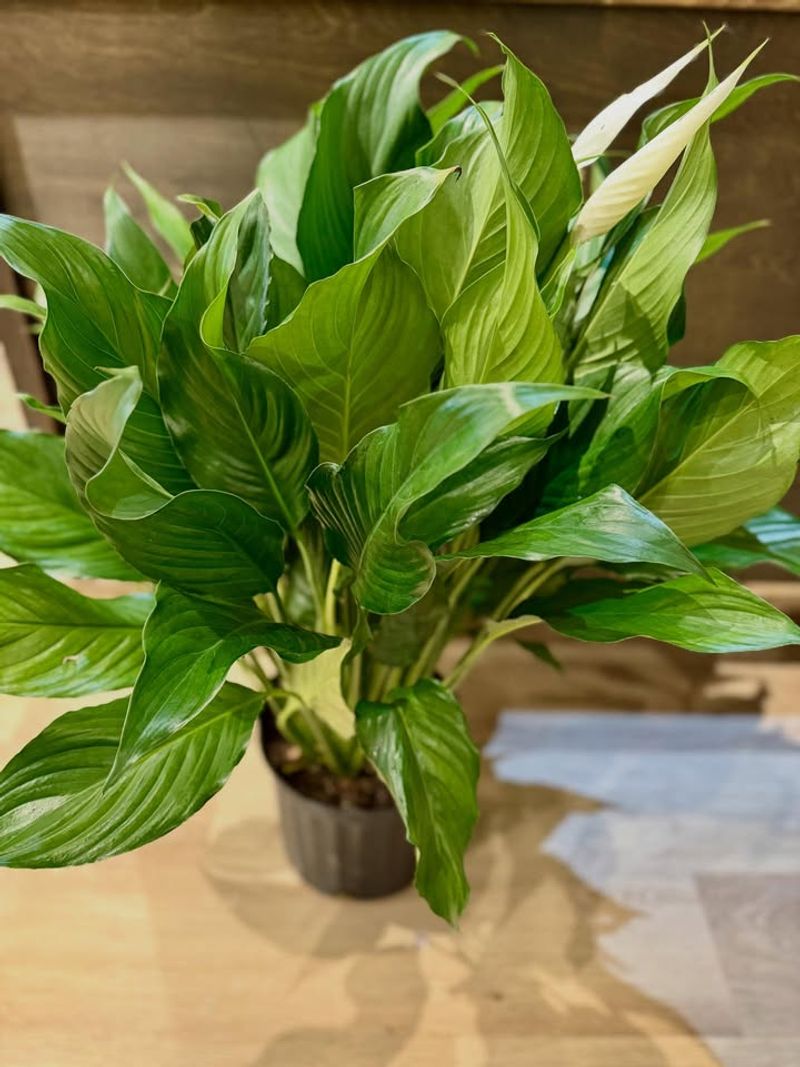
White flowers bloom even in the middle of winter when everything outside looks bare. Peace lilies produce elegant white spathes that look like flowers but are actually modified leaves.
These blooms last for weeks and appear several times throughout the year.
The dark green leaves arch gracefully and create a lush, tropical feel. Peace lilies prefer shade and actually suffer in bright, direct sunlight.
Oregon’s winter gloom suits them perfectly, and they reward you with consistent growth.
These plants communicate their needs clearly by drooping when thirsty. After watering, they bounce back within a few hours, looking refreshed and perky.
This responsive nature takes the guesswork out of plant care.
Peace lilies filter toxins from indoor air, including formaldehyde and benzene. NASA studied them for air purification in space stations.
Having a few around your home improves air quality naturally.
They grow well in bathrooms because they love humidity. The steam from showers keeps their leaves looking fresh and green.
You can also place them in kitchens or bedrooms where they add beauty and clean the air while you cook or sleep. Different varieties range from compact six-inch plants to large three-foot specimens that make bold statements.
5. Cast Iron Plant
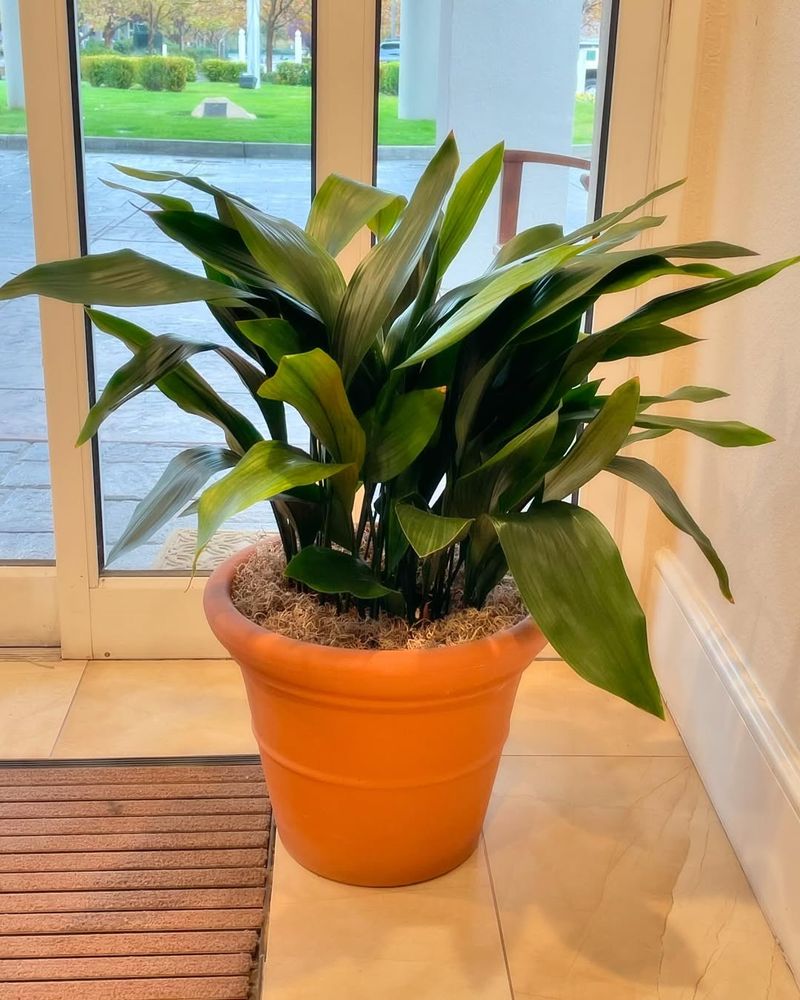
The name tells you everything about this plant’s toughness. Cast iron plants survive neglect, low light, temperature swings, and irregular watering.
They grew popular in Victorian times when homes had dim lighting and coal fires that polluted the air.
Long, blade-like leaves emerge directly from the soil and arch outward. They grow slowly but steadily, eventually forming a dense clump.
The deep green color stays vibrant even in the darkest corners of your home.
Oregon winters do not faze cast iron plants one bit. They tolerate temperatures down to freezing and bounce back from mild frost.
Inside your home, they handle cool rooms and warm spaces equally well.
Dust can accumulate on the broad leaves, so wipe them down monthly with a soft, damp cloth. This simple care keeps them looking polished and helps them absorb whatever light they receive.
Otherwise, they need almost no attention.
Variegated varieties feature white or yellow stripes along the leaves. These patterns add visual interest without requiring any extra care.
Cast iron plants rarely need repotting and can stay in the same container for years. They prove that low-maintenance plants can still look elegant and add beauty to your space throughout the longest, darkest months.
6. Chinese Evergreen
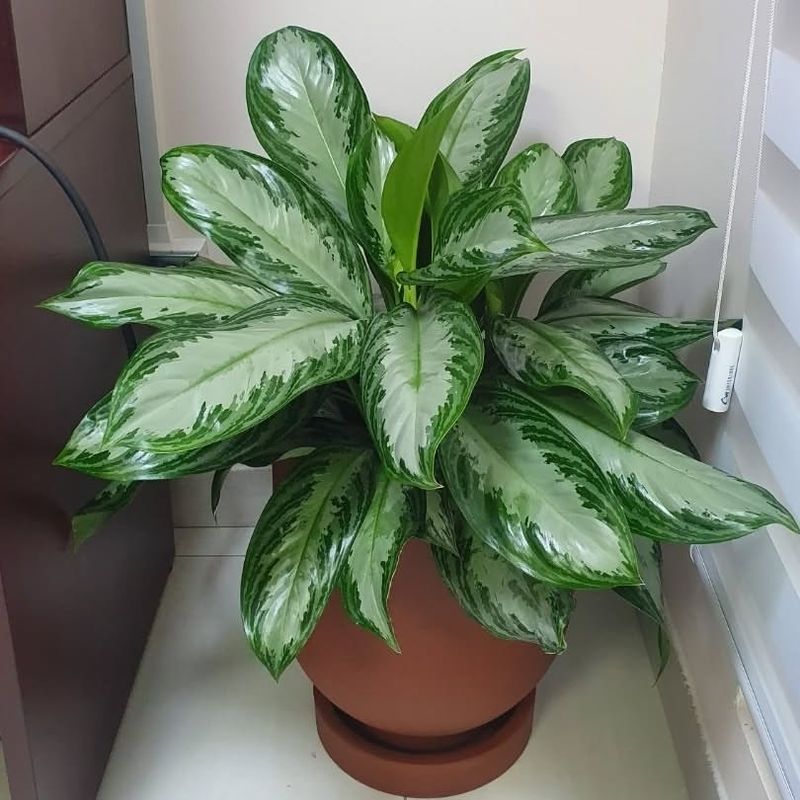
Patterns and colors dance across the leaves of Chinese evergreens in shades of green, silver, pink, and red. Each variety looks different, giving you plenty of options to match your home decor.
The leaves grow in clusters from a central base, creating a full, bushy appearance.
These plants originated in the tropical forests of Asia where they grew under dense canopies. They adapted to low light over thousands of years, which makes them perfect for Oregon winters.
Your dark office or bedroom corner provides conditions similar to their natural habitat.
Chinese evergreens prefer consistent moisture but forgive occasional drying out. Water them when the top inch of soil feels dry to the touch.
They appreciate humidity but do not require it, making them easy to keep happy.
The colorful varieties keep their patterns even in dim light. Some people worry that low light will fade the colors, but Chinese evergreens maintain their beauty regardless.
This reliability makes them favorites among plant collectors.
They grow slowly and rarely need pruning or shaping. Older plants sometimes produce small white flowers followed by red berries.
These blooms add an unexpected bonus to an already attractive plant. Chinese evergreens also filter indoor air pollutants, contributing to a healthier home environment while looking gorgeous in any room.
7. Philodendron
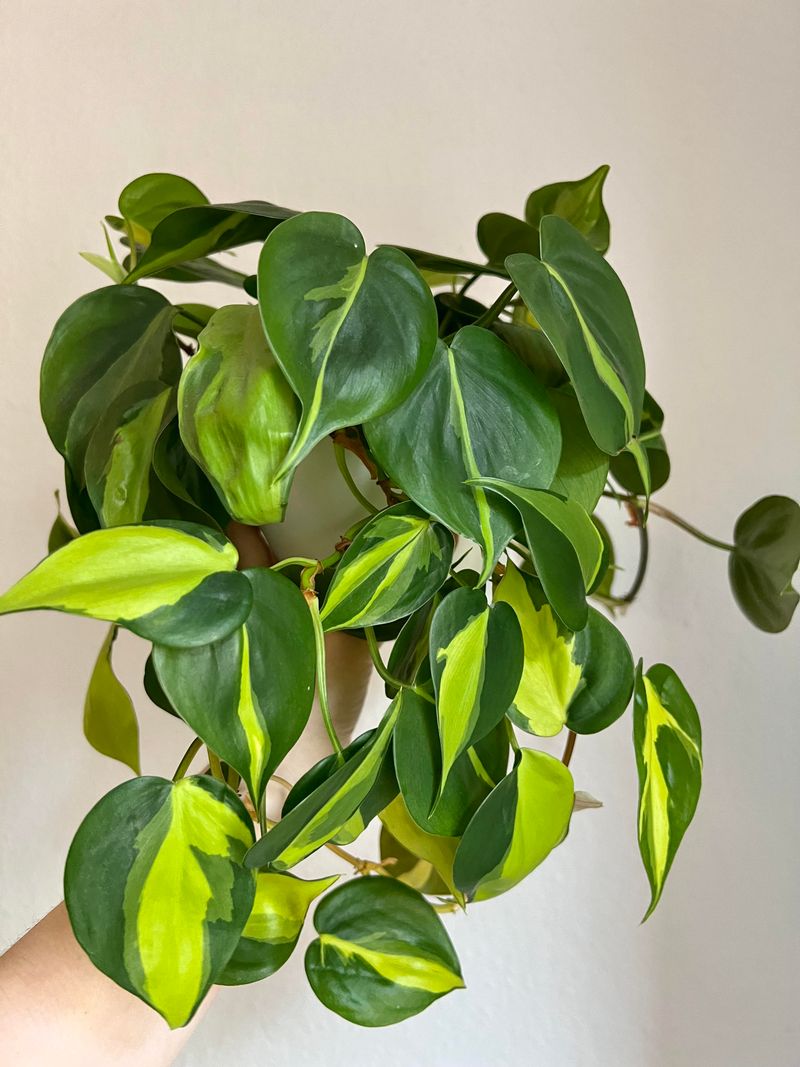
Heart-shaped leaves on climbing or trailing vines bring a jungle vibe indoors. Philodendrons come in dozens of varieties, from compact upright types to long trailing ones that can grow twenty feet or more.
They adapt easily to home conditions and forgive beginner mistakes.
These plants thrive in the same low-light conditions as pothos, their close relatives. During Oregon’s cloudy months, philodendrons keep producing new leaves at a steady pace.
They actually prefer indirect light and can suffer from leaf burn in bright sun.
The heartleaf philodendron has small, glossy green leaves and looks great in hanging baskets. The Brasil variety adds yellow stripes for extra color.
Larger varieties like the Congo Rojo have burgundy undersides that add drama to any space.
Philodendrons need watering about once a week in winter. They like their soil to dry out slightly between waterings but not completely.
Overwatering causes yellowing leaves, while underwatering makes them droop temporarily.
You can propagate philodendrons easily by cutting stems below a node and rooting them in water. This simple process gives you new plants to expand your collection or share.
Philodendrons also clean indoor air and release oxygen, making your home healthier. Their easy care and attractive appearance explain why they remain popular houseplants after decades of indoor gardening trends.
8. Dracaena
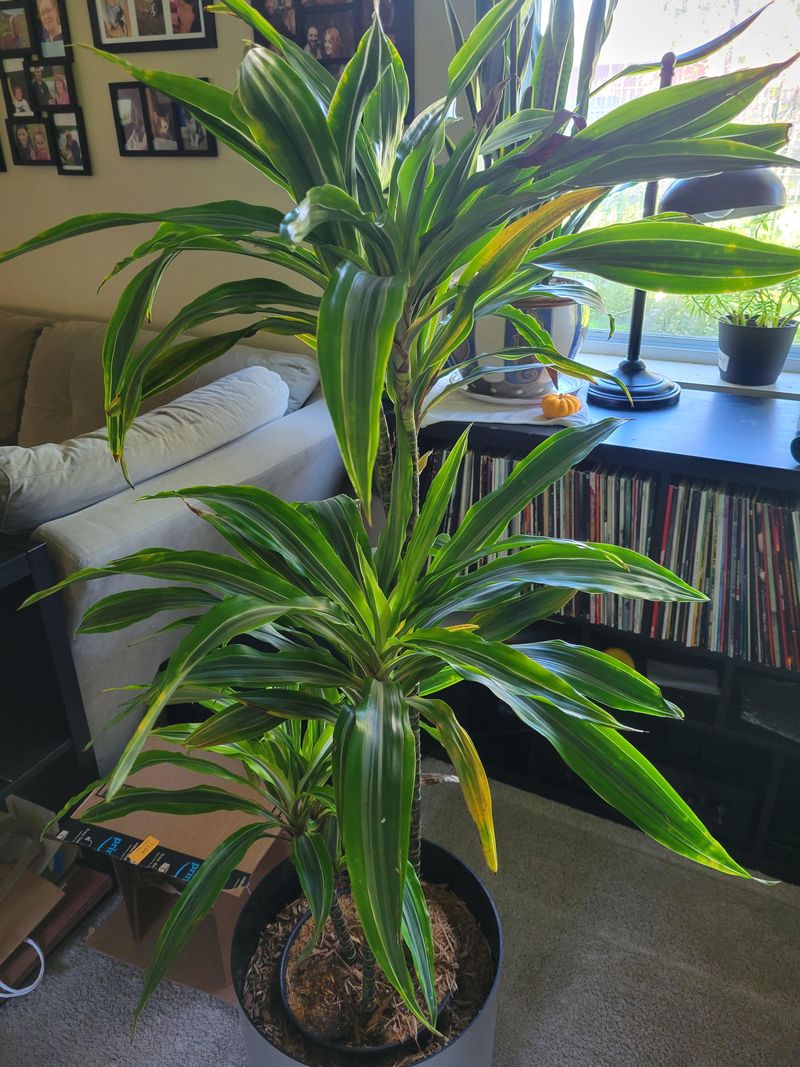
Tall, tree-like plants with striped leaves create focal points in rooms with limited light. Dracaenas grow slowly upward, developing woody stems that look like miniature trees.
Their architectural form adds height and structure to plant collections.
Several popular varieties handle low light beautifully. The corn plant has wide, arching leaves with yellow stripes down the center.
The Madagascar dragon tree has narrow, spiky leaves edged in red. All types tolerate Oregon’s dim winter conditions without complaint.
Dracaenas prefer to dry out between waterings, which makes them forgiving if you forget occasionally. Overwatering causes more problems than underwatering.
In winter, watering every two weeks usually provides enough moisture.
These plants clean indoor air exceptionally well. Studies show they remove benzene, formaldehyde, trichloroethylene, and xylene from the air.
Having dracaenas around improves your indoor environment while adding greenery.
Brown tips sometimes appear on the leaves, usually from fluoride in tap water or low humidity. You can trim off the brown parts with scissors to keep plants looking neat.
Using filtered water prevents this issue in the future. Dracaenas live for many years with minimal care, growing into impressive specimens that command attention.
Their tolerance for neglect and low light makes them ideal for busy people who want beautiful plants.
9. Spider Plant
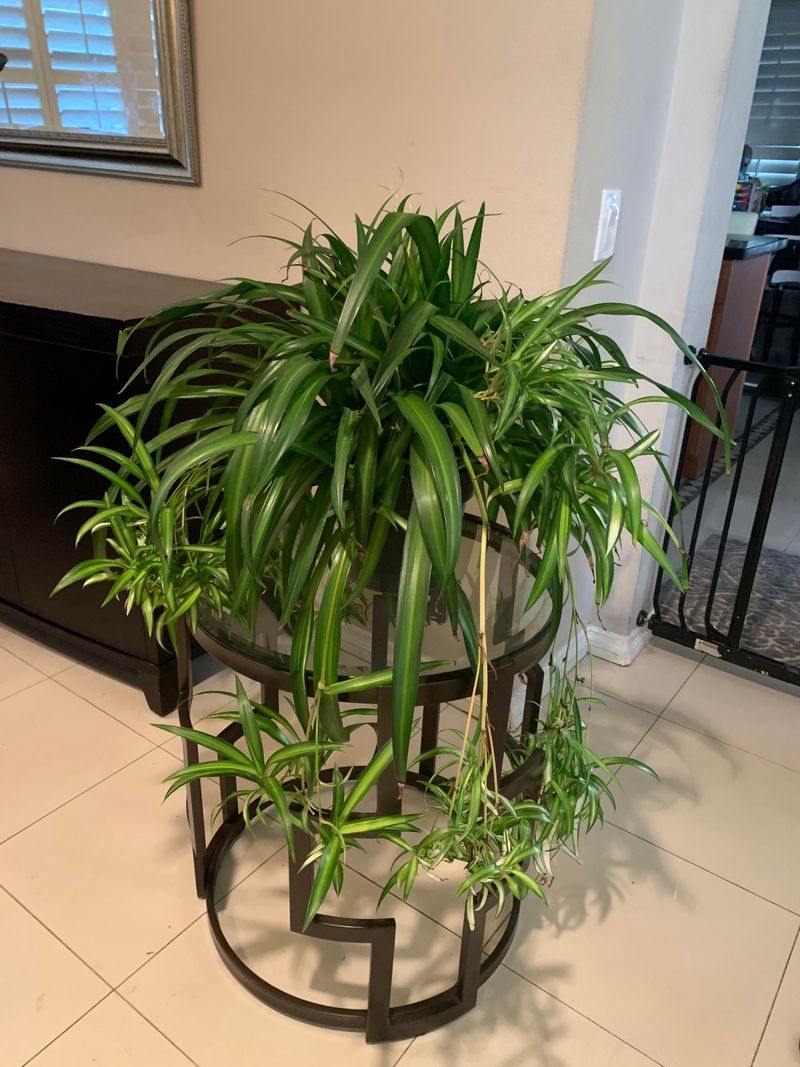
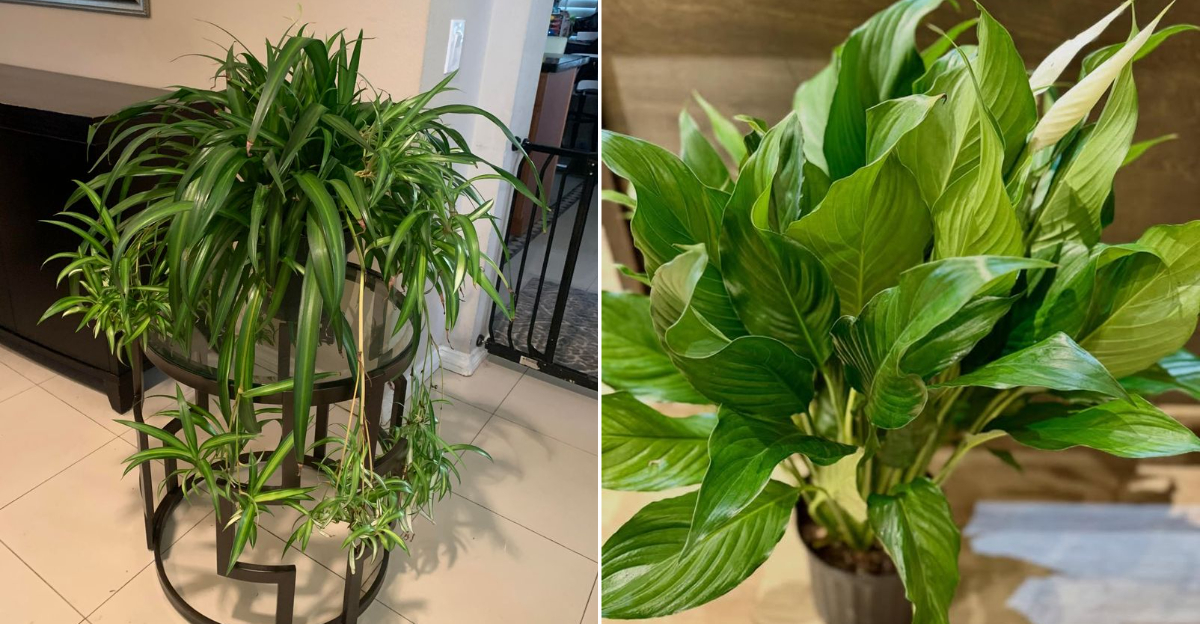
Arching leaves with white or cream stripes fountain out from the center of spider plants. They grow quickly and produce baby plantlets on long stems that dangle down.
These babies can be rooted to create new plants or left hanging for a cascading effect.
Spider plants adapt to various light conditions but actually prefer indirect light. Bright sun can scorch their leaves, while low light slows their growth but does not harm them.
Oregon winters provide ideal conditions for steady, healthy growth.
These plants produce small white flowers on long stems before the baby plantlets appear. The flowers look delicate and add a sweet touch to the already attractive foliage.
The plantlets develop roots while still attached to the mother plant.
Spider plants appreciate regular watering but tolerate some drying out. Their thick, fleshy roots store moisture for times when you forget to water.
This built-in insurance makes them reliable and forgiving.
They filter carbon monoxide and xylene from indoor air, making them valuable for air quality. NASA included them in studies of plants for space stations.
Spider plants also thrive in hanging baskets where their arching leaves and dangling babies show off beautifully. Different varieties offer solid green leaves or various striping patterns, giving you options to suit your taste and decor preferences.
10. Parlor Palm
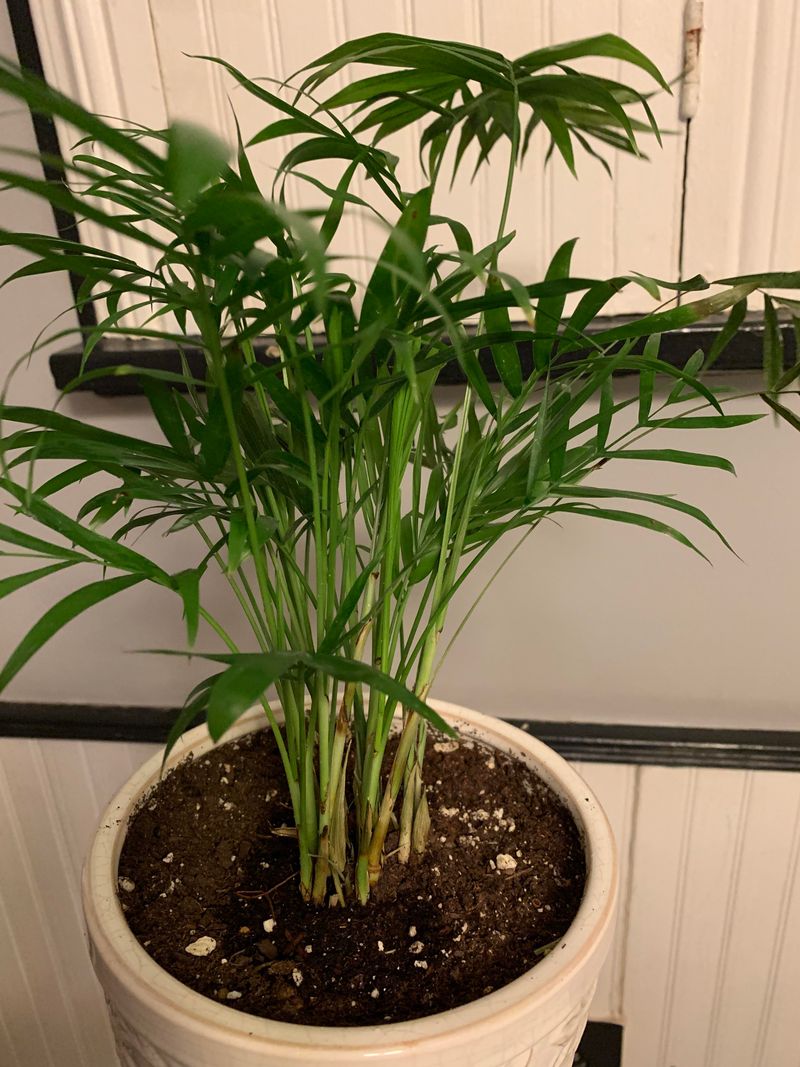
Delicate fronds bring a tropical vacation vibe to your home, even during rainy Oregon winters. Parlor palms grow slowly and stay relatively small, making them perfect for apartments and small spaces.
Their feathery leaves add soft texture that contrasts nicely with broader-leafed plants.
These palms evolved in the understory of Central American rainforests where little light reached the ground. They adapted to shade over thousands of years, which makes them champions in low-light homes.
Your dim corner becomes their perfect habitat.
Parlor palms prefer consistent moisture but hate soggy soil. Water them when the top inch of soil feels dry, and make sure excess water drains away.
They appreciate humidity, which Oregon winters naturally provide through rain and mist.
Unlike many palms, parlor palms stay compact and manageable. They grow to about four feet tall indoors, though this takes several years.
Their slow growth means you will not need to repot them frequently or worry about them outgrowing their space.
The fronds occasionally brown at the tips, which you can trim off with scissors. This normal aging process does not harm the plant.
Parlor palms also clean indoor air and add oxygen to your rooms. Their elegant appearance and easy care explain why Victorians loved them and why they remain popular today in modern homes.
11. Lucky Bamboo
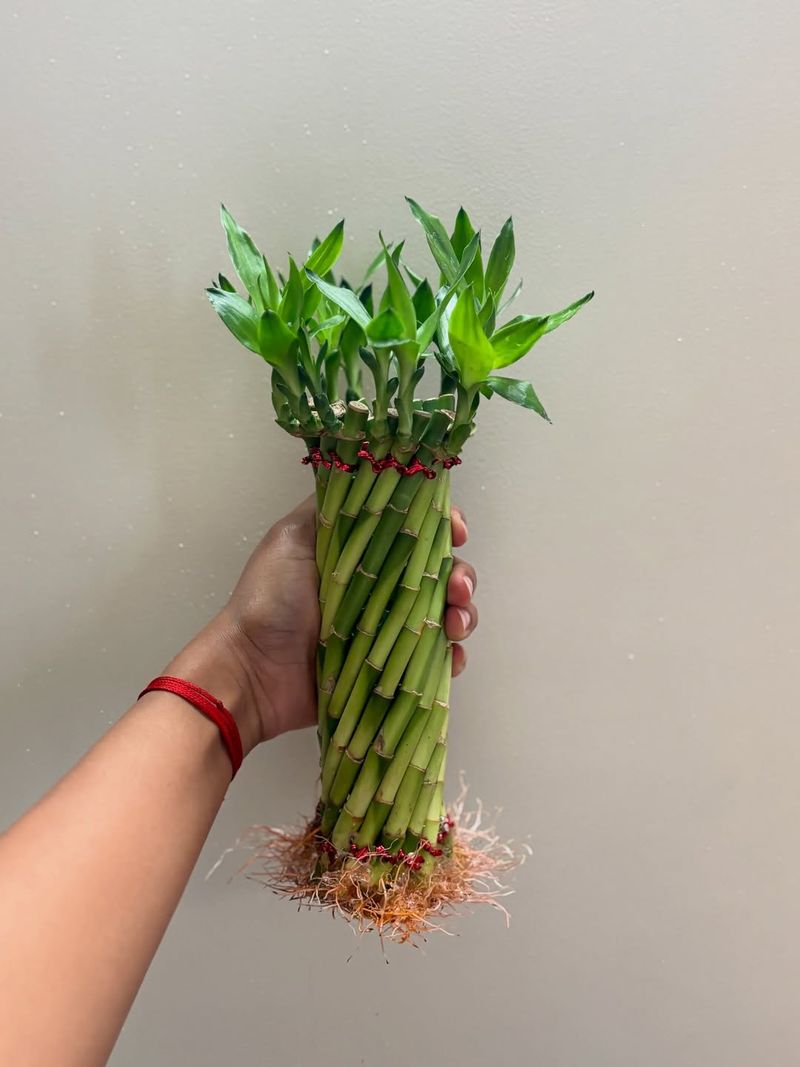
Twisted or straight stems rise from water or soil, creating sculptural displays. Lucky bamboo is not actually bamboo but a type of dracaena.
The stems can be trained into spirals, braids, or other shapes that add artistic interest to any room.
These plants grow happily in low to moderate light, making them perfect for Oregon winters. Too much direct sun can yellow their leaves, so your dim office or bathroom works wonderfully.
They adapt to various light levels without complaint.
You can grow lucky bamboo in water or soil. When growing in water, change it weekly to keep it fresh and prevent algae growth.
Use filtered or distilled water because fluoride and chlorine in tap water can harm the plants.
The stems do not grow much once shaped, but they do produce new leaves at the top. Occasionally, side shoots appear along the stems, which you can remove or leave depending on your preference.
This minimal growth keeps them looking neat and tidy.
In Asian cultures, lucky bamboo symbolizes good fortune and prosperity. Different numbers of stalks carry different meanings, with three stalks representing happiness, wealth, and long life.
They make thoughtful gifts that last for years with minimal care. Lucky bamboo brings a zen, peaceful feeling to spaces while requiring almost no effort to maintain throughout the darkest months of the year.