12 Backyard Alternatives Cities In Nevada Are Starting To Limit
Nevada homeowners are getting creative with their outdoor spaces, from gravel lawns to artificial turf and even unconventional gardens. But as water conservation, safety, and zoning concerns grow, cities across the state are starting to place restrictions on some popular backyard alternatives.
What was once an easy way to save water or reduce maintenance might now come with rules—or fines. Your low-maintenance dream backyard could run into real legal limits!
These twelve backyard alternatives—from synthetic lawns and rock gardens to decorative water features—are being scrutinized for their environmental impact, appearance, and safety.
Homeowners need to know what’s allowed, what’s restricted, and how to adapt designs to stay compliant while still enjoying beautiful, functional outdoor spaces. Innovation in your yard is great—but it has to follow the rules.
For Nevada residents, understanding local regulations ensures your backyard remains both stylish and legal. Planning ahead helps avoid costly removals, fines, or redesigns while still letting you enjoy creative landscaping that fits the desert environment.
Smart planning keeps your yard both stunning and compliant.
1. Traditional Grass Lawns
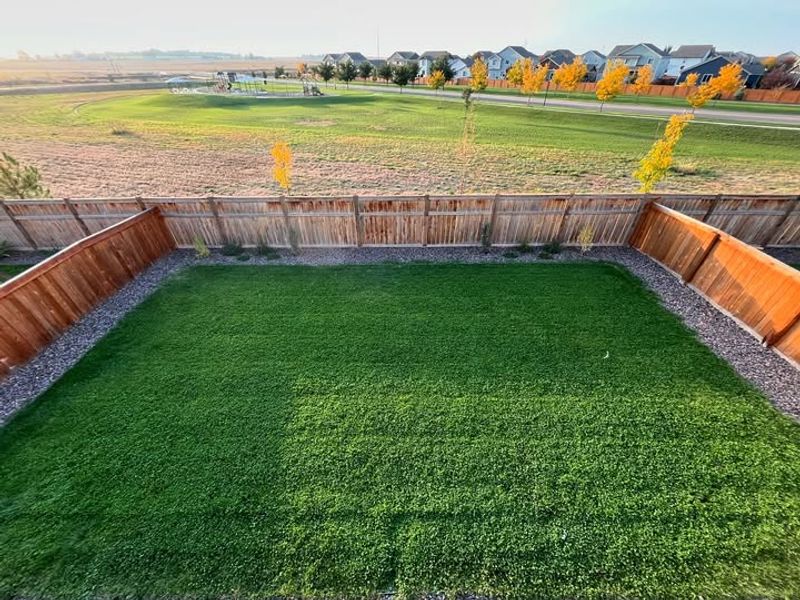
Water districts across Nevada have taken a firm stance against non-functional turf grass, recognizing that traditional lawns consume an enormous amount of precious water resources in one of the driest states in the nation.
Southern Nevada Water Authority has led the charge by offering cash incentives to homeowners who remove their grass and replace it with desert-friendly alternatives.
The restrictions specifically target ornamental grass that serves no recreational purpose, such as narrow strips along sidewalks or median areas that nobody actually uses for activities.
Local municipalities have gone beyond incentives and implemented outright bans on new grass installations in certain developments. Las Vegas, Henderson, and other major cities now require that any new construction projects incorporate water-wise landscaping from the start.
Homeowners who violate these regulations can face substantial fines and mandatory removal orders.
The shift away from grass lawns represents a fundamental change in how Nevadans think about their outdoor spaces.
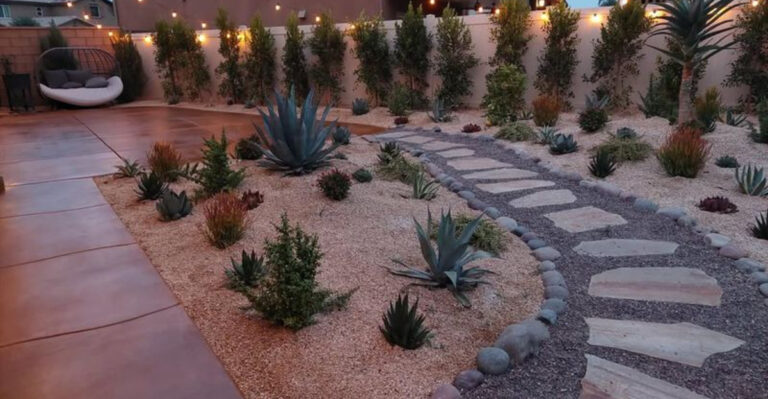
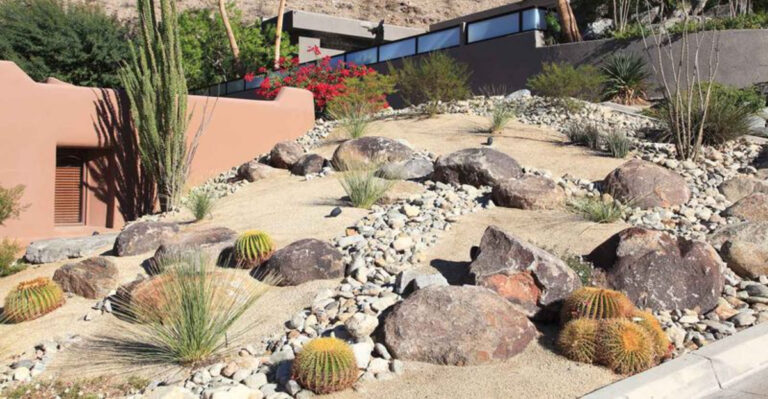
Rather than viewing green grass as a symbol of prosperity and careful maintenance, communities are embracing rock gardens, native plants, and xeriscaping designs that reflect the natural desert environment while using a fraction of the water.
2. Decorative Water Fountains And Ponds
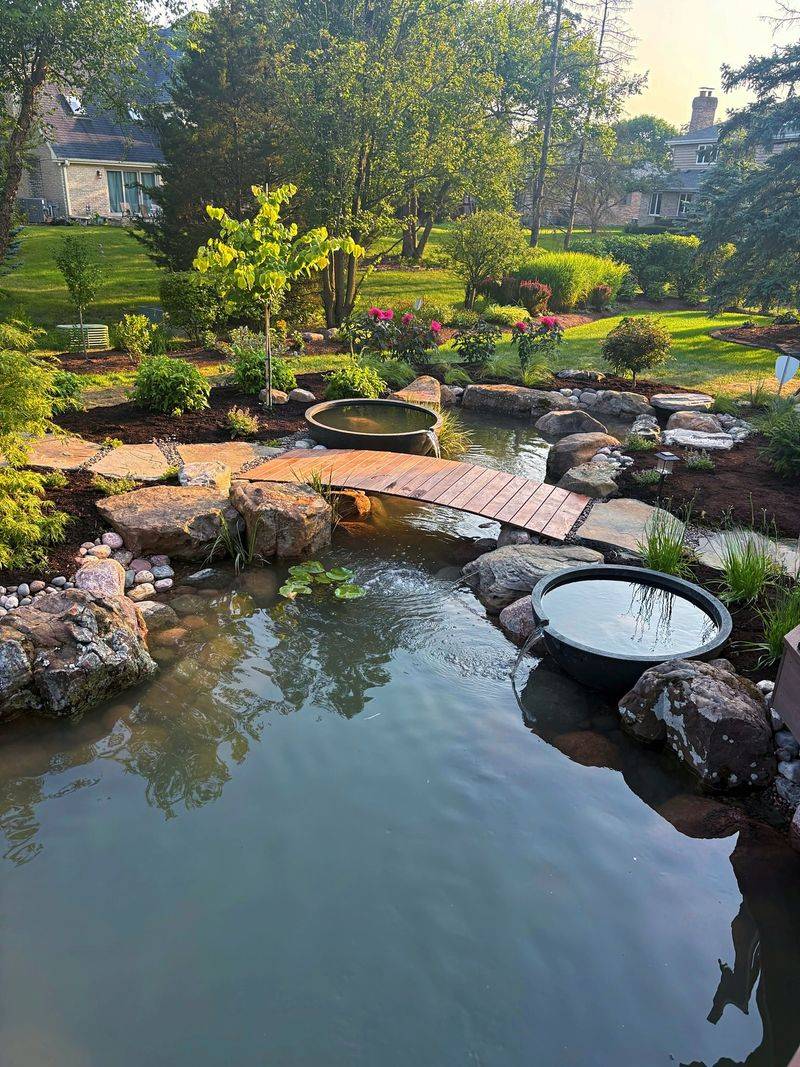
Outdoor water features like ornamental fountains and backyard ponds have become casualties of Nevada’s ongoing water crisis, with many communities implementing strict regulations on their installation and use.
These decorative elements, while visually appealing and relaxing, can lose hundreds of gallons of water monthly through evaporation alone in the intense desert heat.
Municipal codes now often require special permits for any water feature, and some jurisdictions have banned new installations entirely in residential areas.
Existing water features face scrutiny as well, with some water districts conducting audits to identify properties with excessive water use. Homeowners who maintain large ponds or multiple fountains may receive notices requiring them to reduce their water consumption or face penalties.
The regulations typically include requirements for recirculating systems and covers to minimize evaporation, but many residents find it easier to simply remove these features altogether.
Your Nevada Garden Changes Every Week. Your Plan Should Too.
Gardening in Nevada changes quickly throughout the season. Every Friday you’ll receive a simple weekly plan showing exactly what to plant, prune, fertilize, harvest, and protect so you never miss the right timing.
Communities that once prided themselves on elaborate waterscapes are now finding beauty in alternative focal points.
Dry riverbeds using decorative stones, sculptural elements, and carefully placed lighting can create stunning visual interest without wasting a single drop of water, proving that desert landscaping can be just as captivating as traditional water-based designs.
3. Large-Scale Irrigated Landscaping
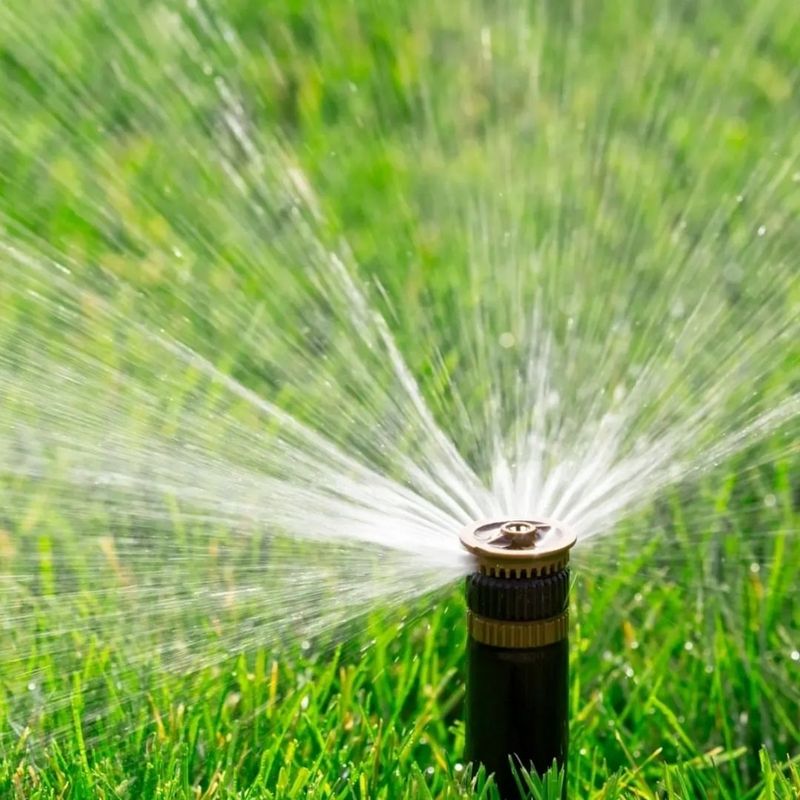
Expansive irrigation systems that once kept large properties lush and green are now under intense regulatory pressure throughout Nevada. Water conservation ordinances have established strict watering schedules, limiting when and how long homeowners can run their sprinklers.
Many cities have implemented smart controller requirements that adjust watering based on weather conditions and soil moisture levels, taking the guesswork out of irrigation while preventing waste.
The regulations extend beyond simple scheduling restrictions to address the total amount of water used for landscaping purposes. Properties are now assigned water budgets based on lot size and climate data, with penalties for exceeding allocated amounts.
This approach forces homeowners with extensive irrigated areas to make tough choices about which plants to keep and which to replace with drought-tolerant alternatives.
Enforcement has become increasingly sophisticated, with water districts using satellite imagery and advanced metering systems to identify properties with excessive outdoor water use.
Repeat offenders face escalating fines and potential restrictions on their water service.
The message from authorities is clear: the days of unlimited irrigation for purely aesthetic landscaping are over, and residents must adapt to a new reality where water conservation takes precedence over traditional ideas of what a beautiful yard should look like.
4. High-Water-Use Trees And Shrubs
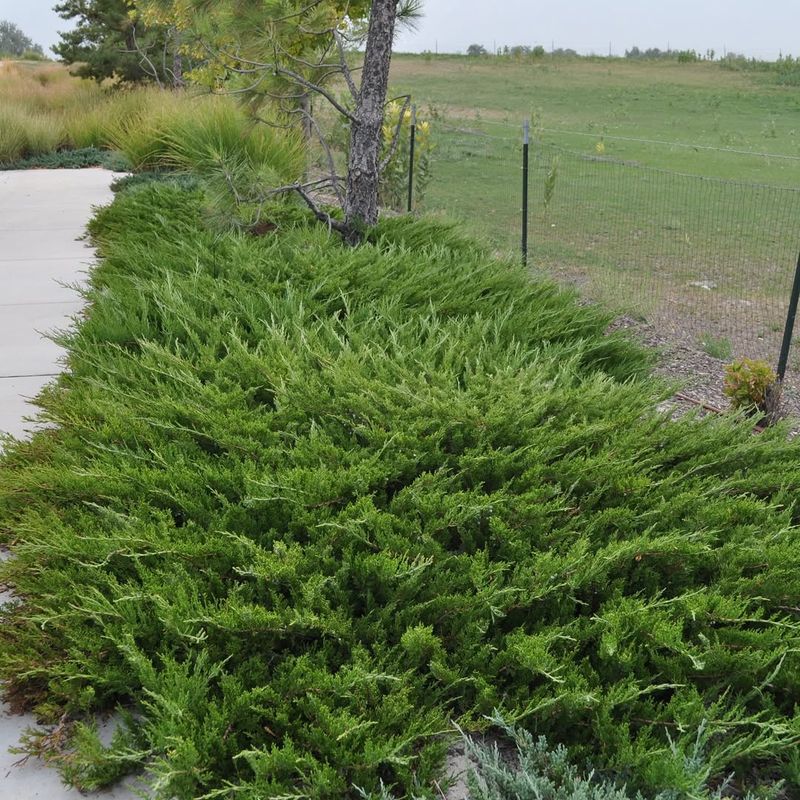
Nevada municipalities have developed prohibited plant lists that specifically target species requiring excessive irrigation to survive in the desert climate.
Popular ornamental trees like weeping willows, birches, and certain maple varieties are now discouraged or banned in new landscaping projects because they demand constant watering to remain healthy.
Water districts publish recommended plant lists highlighting native and adapted species that thrive with minimal supplemental irrigation once established.
The restrictions extend to many common shrubs and flowering plants that homeowners have traditionally used to create lush, green landscapes. Hydrangeas, azaleas, and other moisture-loving plants are being replaced with desert-adapted alternatives like Texas sage, desert marigold, and various agave species.
Nurseries throughout the state have adjusted their inventory to focus on water-wise options, making it easier for residents to comply with the new regulations while still creating attractive outdoor spaces.
Existing trees and shrubs are generally grandfathered in, but homeowners must make difficult decisions when these plants reach the end of their natural lifespan.
Replacing a large shade tree that has provided cooling and beauty for decades with a drought-tolerant alternative can feel like losing a family member, yet it represents a necessary adaptation to environmental realities that will shape Nevada’s urban forests for generations to come.
5. Backyard Fire Pits And Burn Areas
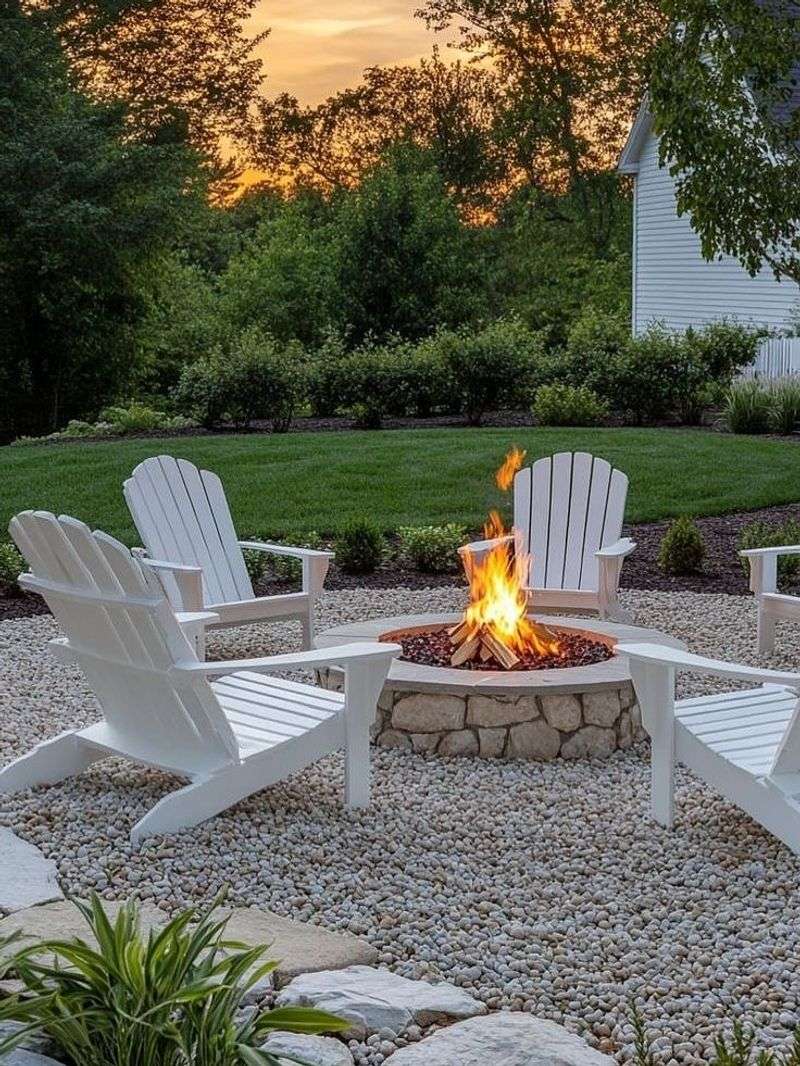
Air quality concerns and wildfire risks have prompted Nevada cities to implement increasingly strict regulations on outdoor burning, including popular backyard fire pits.
What was once a simple matter of gathering around flames on a cool evening has become subject to permits, seasonal restrictions, and outright bans during high-risk periods.
Local fire departments now monitor weather conditions closely and issue burn bans when winds, humidity, or drought conditions create dangerous situations.
The regulations distinguish between different types of fire features, with wood-burning pits facing the most scrutiny. Many jurisdictions now require that fire pits be a certain distance from structures, property lines, and combustible materials.
Some cities have established size limits on fires and require that homeowners keep firefighting equipment readily available whenever a fire is burning. Violations can result in significant fines and potential liability if a fire escapes control.
Urban areas with dense housing have seen the most restrictive policies, with some communities banning open fires entirely except on designated holidays. Residents who enjoy outdoor fires are increasingly turning to natural gas or propane alternatives, which produce less smoke and present lower wildfire risks.
While these options lack the crackling ambiance of a wood fire, they offer a compromise that allows people to enjoy outdoor warmth and gathering spaces while respecting community safety concerns and air quality standards.
6. Wood-Burning Outdoor Fireplaces
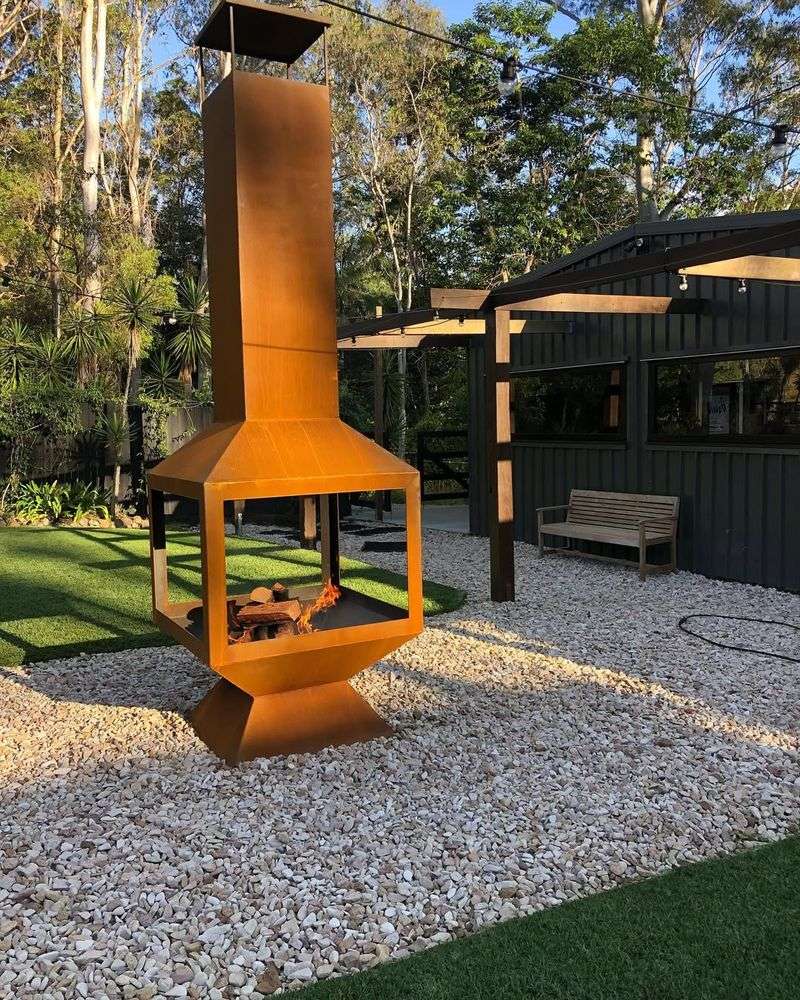
Permanent outdoor fireplaces that burn wood have become controversial fixtures in Nevada neighborhoods as concerns about smoke pollution and fire safety intensify.
These substantial structures, often built as centerpieces of outdoor entertainment areas, release particulate matter and other pollutants that degrade air quality and can trigger health problems for people with respiratory conditions.
During winter months when temperature inversions trap smoke close to the ground, the cumulative effect of multiple outdoor fireplaces in a neighborhood can create hazardous breathing conditions.
Building codes have evolved to address these concerns, with many jurisdictions now requiring special permits for new outdoor fireplace construction. The approval process often includes requirements for chimney height, spark arrestors, and minimum distances from neighboring properties.
Some cities have gone further by prohibiting new wood-burning outdoor fireplaces altogether, allowing only gas or electric alternatives that produce no smoke.
Homeowners with existing wood-burning fireplaces face increasing pressure to convert to cleaner-burning fuels or use their features sparingly. During declared air quality alert days, burning any solid fuel outdoors may be prohibited regardless of whether the fireplace was legally installed.
The regulations reflect a growing understanding that individual choices about backyard amenities have collective impacts on community health and environmental quality that cannot be ignored in densely populated areas.
7. Unpermitted Shade Structures And Pergolas
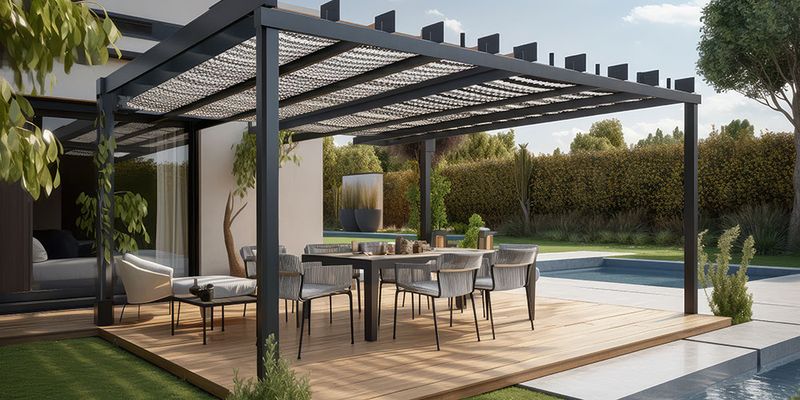
Building departments throughout Nevada have intensified enforcement of permit requirements for backyard shade structures, catching many homeowners off guard who assumed these features were simple enough to install without official approval.
Pergolas, ramadas, gazebos, and other overhead structures must meet specific engineering standards to withstand high winds common in desert environments.
Without proper permitting and inspection, these structures can become dangerous projectiles during storms or collapse under their own weight.
The regulations address more than just safety concerns, extending to issues of property setbacks, height limits, and neighborhood aesthetics. Homeowners who install structures too close to property lines may be forced to relocate or remove them entirely.
Maximum height restrictions prevent structures from blocking neighbors’ views or creating excessive shade on adjacent properties. Some planned communities and homeowners associations layer additional requirements on top of city codes, creating a complex web of rules that DIY builders often navigate unsuccessfully.
Retroactive enforcement has become more common as cities conduct neighborhood surveys and respond to complaints from neighbors. Unpermitted structures discovered during these reviews must be brought into compliance or removed, often at significant expense to the homeowner.
The lesson for Nevada residents is clear: before building any substantial backyard feature, check with local building departments and homeowners associations to understand what permits and approvals are required, saving yourself potential headaches and financial losses down the road.
8. Gravel Or Artificial Turf Without Drainage Plans
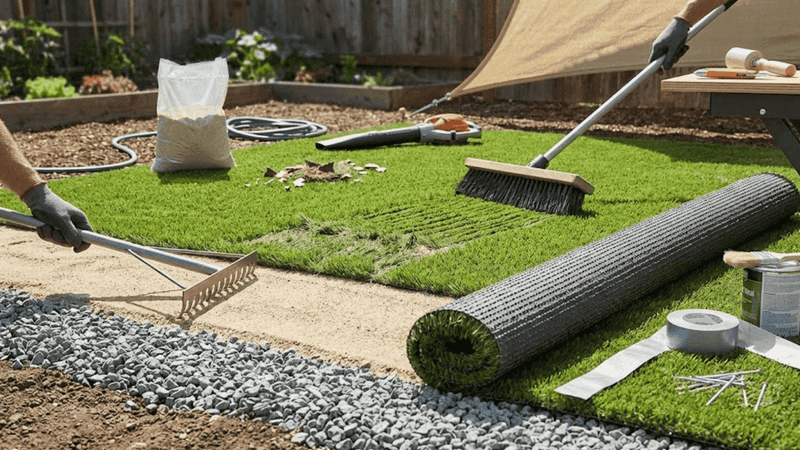
Homeowners rushing to replace grass lawns with gravel or artificial turf often overlook critical drainage considerations, leading to problems that have prompted Nevada cities to implement new installation standards.
Improperly installed hardscaping can create impermeable surfaces that channel rainwater toward foundations, causing structural damage and contributing to neighborhood flooding during the intense but infrequent desert rainstorms.
Building codes now frequently require drainage plans showing how water will be managed before approving landscape conversions.
Artificial turf presents additional challenges related to heat retention, with surface temperatures on summer days reaching levels that can burn skin on contact.
Some jurisdictions have responded by requiring that artificial turf installations include cooling infill materials and adequate spacing for air circulation.
The regulations also address concerns about microplastic pollution from deteriorating turf fibers that wash into storm drains and eventually reach waterways.
Gravel landscapes need proper base preparation and borders to prevent rocks from migrating onto sidewalks and streets, creating hazards for pedestrians and vehicles. Cities have established standards for rock size, depth, and edging materials to ensure installations remain stable and attractive over time.
While both gravel and artificial turf offer water-saving alternatives to grass, they must be installed thoughtfully with attention to drainage, heat management, and long-term maintenance to avoid creating new problems while solving the water conservation challenge.
9. Outdoor Lighting That Causes Light Pollution
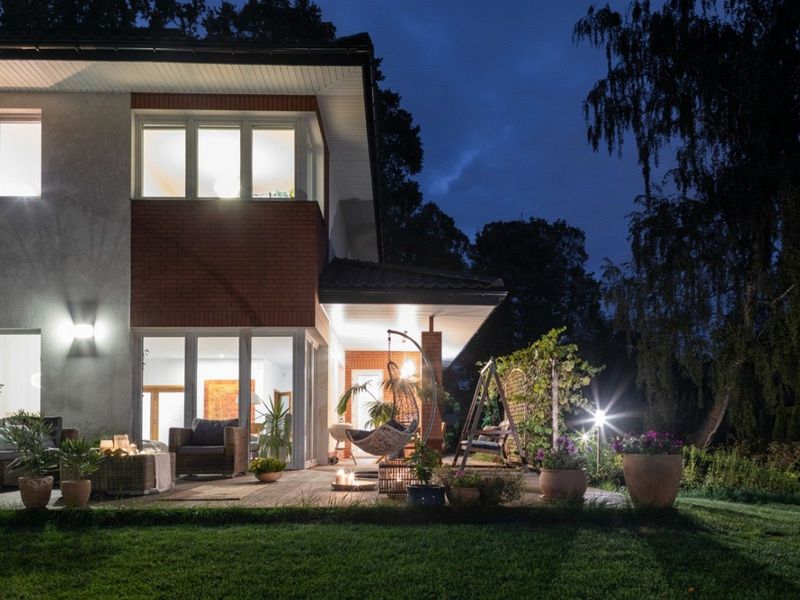
Dark-sky ordinances have emerged as an important tool for Nevada communities seeking to preserve nighttime visibility and reduce energy waste from excessive outdoor lighting. These regulations limit the brightness, direction, and hours of operation for landscape and security lighting in residential areas.
Lights must be shielded to direct illumination downward rather than allowing it to spill upward into the night sky or sideways into neighboring properties, creating the light trespass that disrupts sleep and wildlife behaviors.
The restrictions reflect scientific understanding about how artificial light at night affects human health, wildlife patterns, and astronomical observation. Nevada’s clear desert skies have made the state home to important observatories and dark-sky parks, but urban light pollution threatens these resources.
Communities near these facilities face particularly strict lighting codes designed to preserve the exceptional viewing conditions that make Nevada special.
Homeowners accustomed to brightly illuminated yards for security or aesthetic purposes must now choose fixtures carefully and position them strategically to comply with local ordinances. Motion sensors, timers, and lower-wattage bulbs help achieve adequate lighting while minimizing impacts.
Some residents initially resist these restrictions as infringements on property rights, but many come to appreciate the return of star-filled skies and the sense of connection to the natural environment that appropriate outdoor lighting levels restore to suburban neighborhoods.
10. Backyard RV And Boat Storage
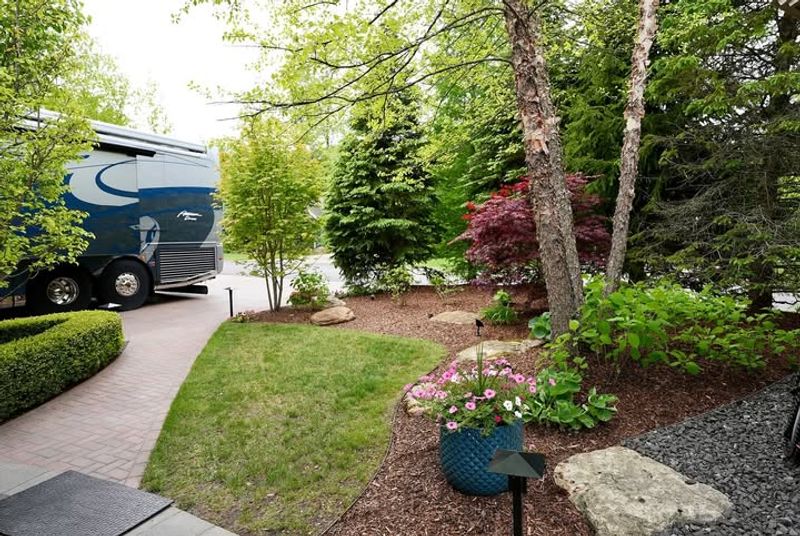
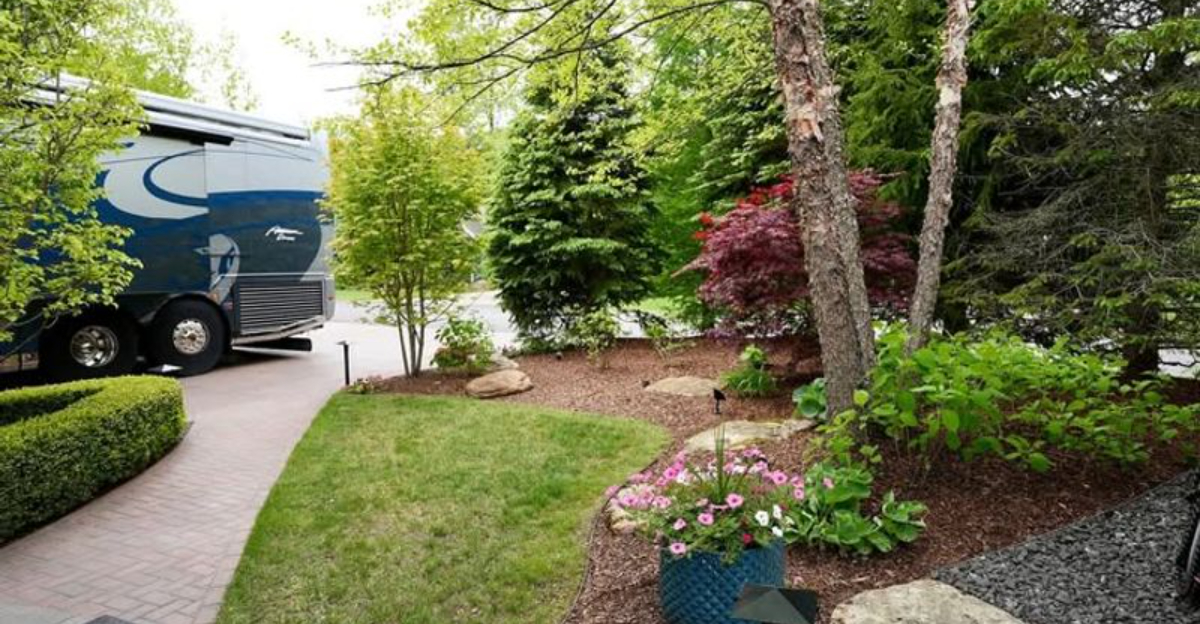
Recreational vehicles and boats parked in residential driveways and yards have become flashpoints for zoning disputes throughout Nevada as communities seek to maintain property values and neighborhood aesthetics. Municipal codes increasingly restrict where and how long homeowners can store these large vehicles on their properties.
Many ordinances prohibit RVs and boats from being visible from the street, requiring storage behind fences or in side yards that meet specific setback requirements.
Homeowners associations often impose even stricter rules than city codes, sometimes banning recreational vehicle storage entirely or limiting it to short periods immediately before and after trips.
Enforcement has become more aggressive as neighbors lodge complaints about vehicles they consider eyesores that detract from the neighborhood’s appearance.
Violations can result in daily fines that accumulate quickly, forcing owners to find alternative storage solutions at commercial facilities.
The restrictions acknowledge that while RVs and boats represent significant investments and beloved recreational tools for many families, they also occupy substantial space and can dominate the visual landscape of residential streets.
Nevada’s favorable climate makes year-round outdoor storage tempting, but communities have decided that the collective interest in maintaining attractive neighborhoods outweighs individual convenience.
Homeowners planning to purchase recreational vehicles should research local storage regulations carefully and factor offsite storage costs into their budgets to avoid conflicts with neighbors and costly citations.
11. Backyard Chickens In Urban Neighborhoods
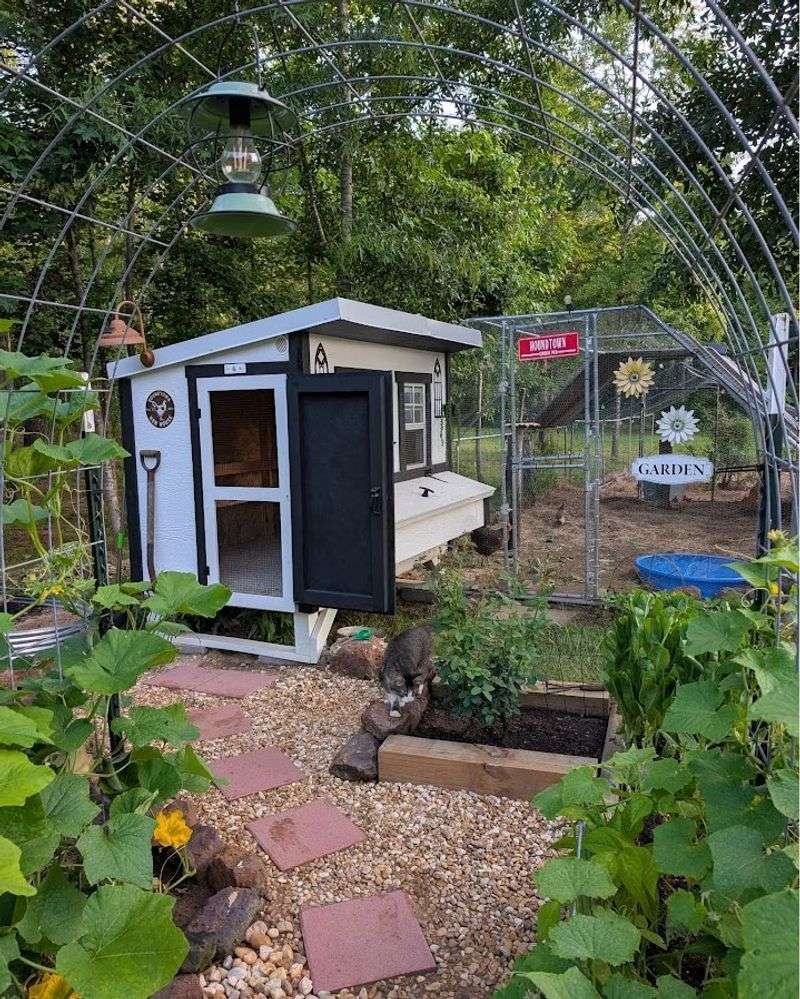
Urban chicken keeping has surged in popularity as families seek fresh eggs and a connection to food production, but Nevada cities have responded with regulations that limit or prohibit poultry in residential areas.
Noise complaints about crowing roosters and concerns about odors from improperly maintained coops have driven much of the regulatory response.
Health departments worry about disease transmission and pest attraction, particularly in dense neighborhoods where chicken operations sit close to neighboring homes.
Cities that allow backyard chickens typically impose strict conditions on their keeping, including limits on the number of birds, requirements for coop placement and construction, and outright bans on roosters whose early morning vocalizations disturb neighbors.
Minimum distances from property lines and dwelling structures aim to minimize impacts on adjacent properties. Some jurisdictions require permits that include inspections to ensure compliance with health and safety standards before chickens can be introduced.
Homeowners associations frequently prohibit chickens entirely, viewing them as incompatible with suburban living regardless of what city codes allow. Enforcement actions can require removal of birds and dismantling of coops, representing significant losses for families who have invested in their small flocks.
While proponents argue that well-managed chickens pose no problems and provide educational opportunities for children, opponents maintain that residential neighborhoods should remain free from agricultural activities that belong in rural settings where space and separation prevent conflicts between neighbors.
12. Large Detached Sheds Or Workshops
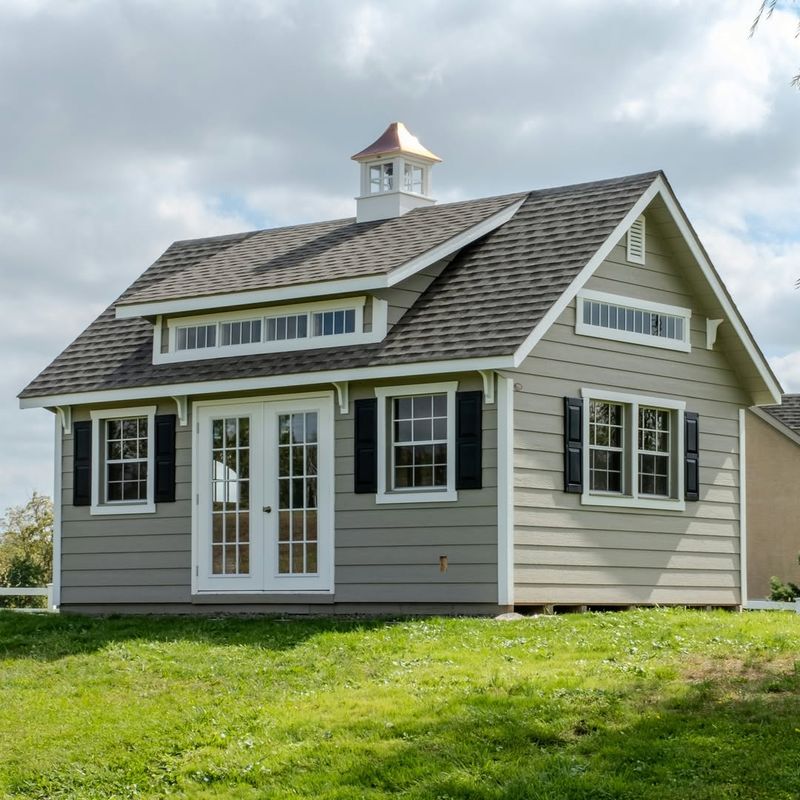
Accessory structures like storage sheds and workshops have grown in size and complexity as homeowners seek additional space for hobbies, storage, and home-based businesses, but Nevada building codes place firm limits on what can be constructed without extensive permitting and compliance requirements.
Maximum size restrictions typically tie allowable structure dimensions to the size of the primary residence and total lot area, preventing outbuildings from dominating properties or creating the appearance of multiple dwellings on single lots.
Placement requirements address concerns about fire safety, property line setbacks, and impacts on neighboring properties. Structures must be positioned to maintain adequate separation from houses, both on the owner’s property and adjacent lots, to prevent fire spread and preserve privacy.
Height limits ensure that large outbuildings do not block views or create excessive shade on neighboring yards. Some jurisdictions prohibit accessory structures in front yards entirely, confining them to rear or side yard locations where they remain less visible from streets.
Permit requirements escalate with structure size and complexity, with larger buildings requiring engineered plans, foundation inspections, and electrical permits if power will be installed.
Homeowners who build without permits risk enforcement actions requiring removal or expensive retrofits to bring structures into compliance.
The regulations recognize that while accessory structures provide valuable additional space, they must be appropriately scaled and positioned to maintain neighborhood character and safety standards that protect both property values and community wellbeing throughout Nevada’s growing residential areas.