Leaves Blowing Over From A Neighbor’s Tree? Who’s Really Responsible In Virginia
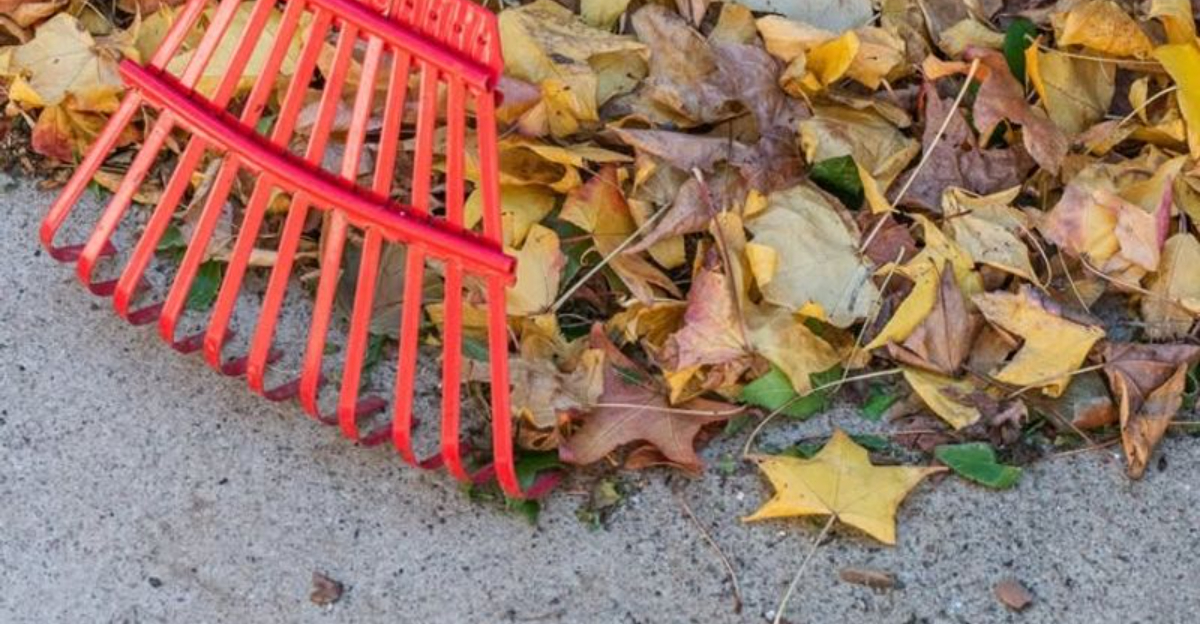
Autumn in Virginia brings vibrant colors—and an endless cascade of leaves. But when those leaves drift into your yard, driveway, or gutters, the question arises: who’s responsible for cleaning them up?
While it might seem like a minor annoyance, the answer is rooted in property law and common courtesy. Those colorful leaves might be beautiful—but they can spark big questions about responsibility!
In Virginia, homeowners are generally responsible for maintaining their own property. Even if leaves originate from a neighbor’s tree, the property owner where the leaves land is typically expected to remove them.
However, repeated issues or large volumes can sometimes be addressed through communication or local ordinances. The law usually emphasizes prevention and neighborly cooperation rather than strict liability.
Just because the leaves came from next door doesn’t mean they automatically belong to your neighbor!
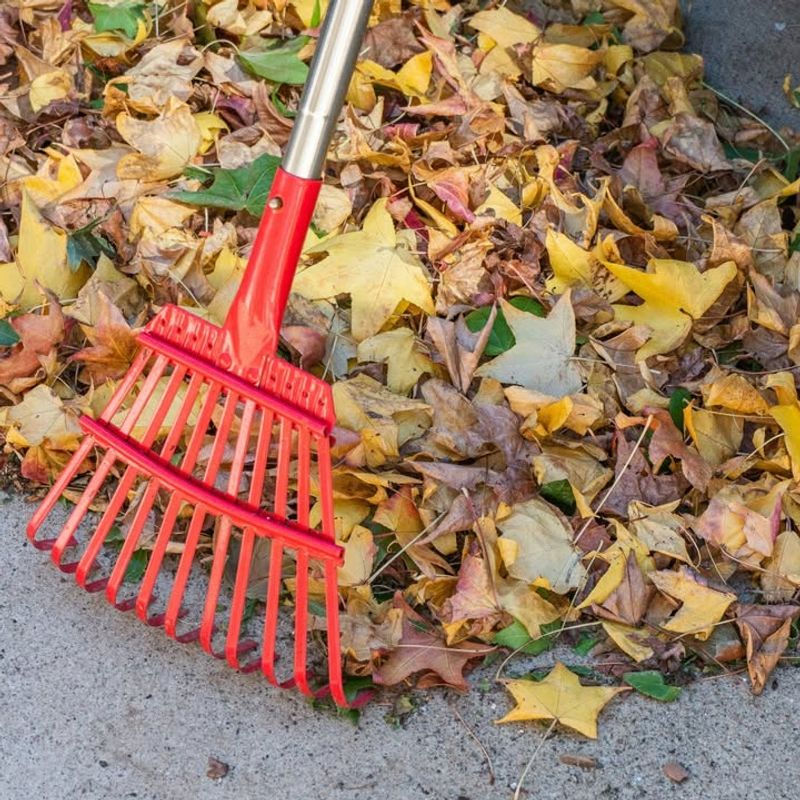
By understanding these rules, Virginia homeowners can manage fallen leaves without conflict, avoid fines or damage, and maintain good relationships with neighbors. A little knowledge—and a little rake—goes a long way in keeping yards safe and tidy.
Leaves may fall freely, but responsibility isn’t always as simple as it seems.
Leaves That Fall Or Blow Onto Your Yard Are Usually Your Responsibility
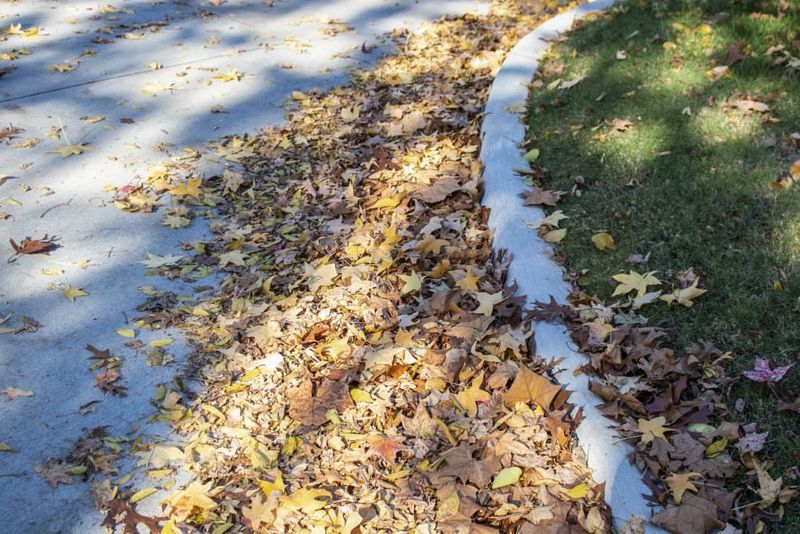
Property ownership comes with certain obligations, and one of them involves dealing with whatever lands on your lawn. Virginia law treats leaves similarly to rain or snow—once they settle on your property, they become your concern to manage.
This might seem unfair at first glance, especially when a massive oak tree hangs over from next door and dumps what feels like half a forest onto your grass every October.
The reasoning behind this legal principle stems from the idea that natural elements crossing property lines are just part of owning land. Courts recognize that trees grow, seasons change, and nature does not respect surveyor stakes and fences.
Your neighbor is not intentionally sending leaves your way, and the law does not penalize them for something their tree naturally does.
Many homeowners find this frustrating when they have meticulously maintained yards but face constant cleanup from a neighbor’s vegetation. The practical solution involves regular maintenance and perhaps investing in tools that make leaf management easier.
Leaf blowers, mulching mowers, and composting systems can turn this chore into something more manageable.
Communication with your neighbor can also help, though they are under no legal obligation to clean your yard. Sometimes a friendly conversation leads to shared solutions, like splitting the cost of a lawn service during peak leaf season.
Virginia Does Not Hold Tree Owners Automatically Liable For Leaves

Just because your neighbor owns the tree does not mean they are legally responsible for every leaf that floats onto your property. Virginia courts have consistently ruled that tree ownership alone does not create automatic liability for natural shedding.
This stands in contrast to what many frustrated homeowners believe should happen when they spend weekends raking piles that originated from across the fence.
Your Virginia Garden Changes Every Week. Your Plan Should Too.
Gardening in Virginia changes quickly throughout the season. Every Friday you’ll receive a simple weekly plan showing exactly what to plant, prune, fertilize, harvest, and protect so you never miss the right timing.
The law distinguishes between natural processes and negligence. A tree simply doing what trees do—growing, shedding leaves, dropping seeds—is not considered a legal wrong.
Your neighbor has not committed any actionable offense by having a tree that follows the seasons.
This principle applies whether the tree is a towering maple, a sprawling willow, or any other species that produces foliage. The type or size of the tree does not change the basic legal framework.
Even if the tree drops thousands of leaves onto your property every year, that alone does not create a valid legal claim.
Some homeowners have attempted to argue that excessive leaf drop constitutes a nuisance, but Virginia courts have generally rejected these arguments unless additional factors are present. The burden falls on the property where the leaves land to handle routine cleanup as part of normal property maintenance.
Falling Leaves Are Considered A Natural Condition

Virginia legal precedent treats falling leaves much like rainfall, pollen, or other natural environmental conditions. Courts view these occurrences as inherent aspects of living in an area with vegetation and changing seasons.
This classification significantly impacts how disputes are resolved and whether any legal remedy exists for frustrated property owners dealing with constant leaf accumulation.
The concept of natural conditions protects property owners from liability for things their land naturally produces. Imagine if every homeowner could sue their neighbor because rain runoff crossed property lines or because birds from their trees left droppings nearby.
The legal system would become overwhelmed with cases about normal environmental interactions.
This framework applies even when one property has significantly more trees than another. A homeowner who chooses to maintain several large shade trees is not penalized simply because their landscaping choices affect neighboring properties through natural processes.
The law recognizes that trees provide environmental benefits like shade, oxygen production, and habitat for wildlife.
Understanding this principle helps set realistic expectations about what legal recourse exists. If you purchase property next to wooded areas or homes with mature trees, anticipate seasonal leaf management as part of your regular maintenance routine rather than something you can legally force your neighbor to handle.
You Can Trim Branches That Cross The Property Line (Carefully)

Virginia law grants property owners the right to trim branches that extend over their property line, providing a practical solution when overhanging limbs contribute to excessive leaf problems. This right comes with important limitations designed to protect the tree and prevent disputes from escalating.
You must perform any trimming from your side of the property line without trespassing onto your neighbor’s land.
The trimming must be done carefully to avoid causing significant harm to the overall health of the tree. Cutting too aggressively or at the wrong time of year can stress the tree or create entry points for disease.
Many homeowners hire professional arborists who understand proper pruning techniques and can assess how much trimming the tree can safely tolerate.
Before taking action, consider informing your neighbor about your plans even though you are not legally required to do so. This courtesy can prevent misunderstandings and maintain good neighborly relations.
Some neighbors appreciate the heads-up and may even offer to handle the trimming themselves or split the cost of professional services.
Document the property line location before trimming to avoid accidentally cutting branches that remain entirely on your neighbor’s side. Property surveys and plat maps can clarify exact boundaries.
Taking photographs before and after trimming also provides protection if questions arise later about what was removed.
You Cannot Damage Or Harm The Neighbor’s Tree
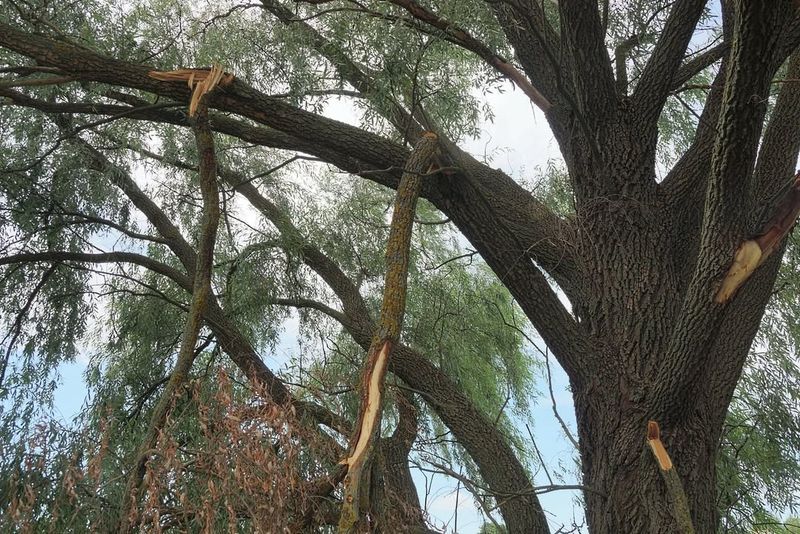
While you have the right to trim branches on your side of the property line, Virginia law holds you liable if your actions cause serious harm to the tree itself. This creates a delicate balance between protecting your property interests and respecting your neighbor’s tree.
Aggressive trimming that compromises the tree’s structural integrity or health can result in significant financial liability.
Trees have monetary value based on their size, species, health, and location. Mature trees can be worth thousands of dollars, and Virginia law allows neighbors to recover damages when improper trimming causes substantial harm.
The damages can include the cost to replace the tree, reduced property value, and sometimes even punitive damages if the harm was intentional or reckless.
Certain trimming practices are particularly risky, such as removing too much of the canopy at once, cutting during vulnerable seasons, or making improper cuts that invite disease. Topping a tree—cutting the main trunk or large branches back to stubs—is especially harmful and almost never appropriate.
These practices can weaken the tree’s structure and make it more susceptible to storm damage or pest infestation.
Hiring a certified arborist provides protection against accidentally causing harm. These professionals understand tree biology and can advise on how much trimming is safe.
Their expertise and insurance coverage offer peace of mind when dealing with overhanging branches from valuable trees.
A Neighbor May Be Responsible If Leaves Create A Proven Hazard
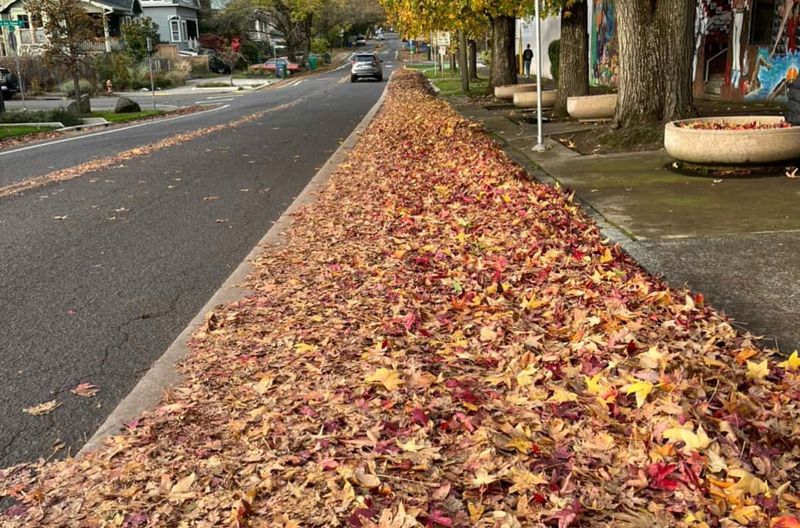
Exceptional circumstances can shift responsibility when leaves from a neighbor’s tree create documented safety hazards or property damage. Virginia law recognizes that while normal leaf fall is a natural condition, extreme situations requiring proof of actual harm may warrant legal intervention.
The key word here is proven—vague complaints about inconvenience will not meet the legal threshold.
Examples of actionable situations include leaves consistently clogging drainage systems and causing water to back up into your home, creating basement flooding or foundation damage. Another scenario involves leaves accumulating in quantities that create fire hazards near structures or block essential access routes.
These situations go beyond normal seasonal inconvenience and represent genuine threats to property or safety.
Documenting the problem is essential if you believe leaves have created a hazard. Take photographs showing the extent of accumulation, keep records of damage caused, and document any communications with your neighbor about the issue.
Professional assessments from contractors, arborists, or engineers can provide expert opinions about causation and extent of damage.
Before pursuing legal action, attempt to resolve the situation through direct communication with your neighbor. Many people are willing to address problems once they understand the severity.
Mediation services offered through local courts or community organizations can facilitate productive conversations when direct communication has not worked.
Municipal Leaf And Drainage Laws Can Override General Rules
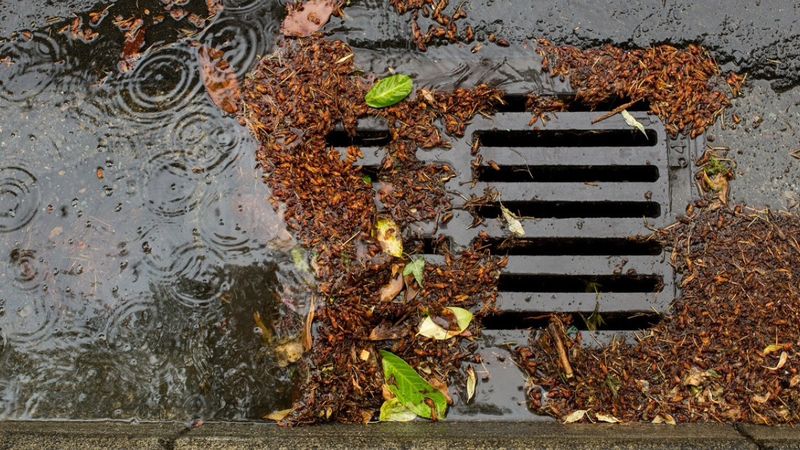
Local ordinances in Virginia cities and counties sometimes impose stricter requirements than state common law regarding leaf management and property maintenance. These municipal codes typically focus on public health, safety, and infrastructure protection rather than private disputes between neighbors.
Understanding your local regulations is crucial because violating them can result in fines regardless of where the leaves originated.
Many Virginia municipalities require property owners to keep sidewalks, curbs, and storm drains clear of debris including leaves. The rationale involves pedestrian safety and preventing drainage system blockages that can cause street flooding.
These ordinances make you responsible for clearing public areas adjacent to your property even when leaves blew from neighboring trees.
Some communities have specific leaf collection programs with rules about how and when leaves must be placed for pickup. Violations of these programs can result in citations or fees.
Other jurisdictions prohibit blowing or raking leaves into streets because they clog storm drains and wash into waterways, causing environmental problems.
Homeowners associations often layer additional requirements on top of municipal and state laws. HOA covenants might mandate regular yard maintenance, specify leaf management timelines, or even require neighbors with large trees to contribute to shared cleanup efforts.
These private agreements are legally enforceable contracts that can create obligations beyond what general property law requires.
Homeowners Associations May Set Stricter Rules
Planned communities and neighborhoods governed by homeowners associations operate under additional layers of regulation that can significantly impact leaf responsibility. HOA covenants and bylaws are legally binding contracts that homeowners agree to when purchasing property in these communities.
These rules can and often do impose obligations that exceed what state law requires regarding tree and leaf management.
Some HOAs require property owners with large trees to maintain them in ways that minimize impact on neighboring properties. This might include mandatory trimming schedules, requirements to remove certain species considered problematic, or obligations to contribute to community-wide leaf removal services.
Other associations establish detailed landscape maintenance standards that include specific timeframes for leaf removal regardless of origin.
These rules aim to maintain property values and aesthetic standards throughout the community. While they may seem burdensome, they apply equally to all residents and provide enforcement mechanisms when neighbors fail to maintain their properties.
HOA architectural review committees often oversee tree planting and removal, preventing situations where new trees might create future problems.
Before purchasing property in an HOA community, carefully review the governing documents to understand what obligations exist regarding trees and yard maintenance. If you already live in an HOA, familiarize yourself with the rules and any amendment processes.
Some associations are willing to modify overly restrictive covenants when presented with reasonable proposals from residents.
Courts Expect Neighbors To Resolve Leaf Issues Reasonably

Virginia’s legal system strongly favors practical problem-solving and neighborly cooperation over litigation when it comes to routine property boundary issues like leaves. Judges recognize that living in proximity to others requires reasonable accommodation and that not every inconvenience warrants court intervention.
This judicial philosophy means that even when you technically have legal grounds for complaint, courts may be unsympathetic if you have not attempted reasonable solutions first.
The concept of reasonableness runs throughout Virginia property law. Courts expect property owners to tolerate minor inconveniences that come with living near others, including some amount of leaves, noise, and other typical residential impacts.
Bringing a lawsuit over ordinary leaf accumulation without demonstrating significant harm or exhausting other remedies will likely result in dismissal and potentially wasted legal fees.
Successful resolution of leaf disputes typically involves direct communication, compromise, and creative problem-solving. Perhaps you and your neighbor can agree on a trimming schedule, share the cost of seasonal cleanup services, or install landscaping features that catch leaves before they spread.
Some neighbors work out arrangements where one provides leaf cleanup while the other handles snow removal or other shared concerns.
Mediation services offer structured environments for resolving disputes without the expense and animosity of litigation. Many Virginia courts require mediation attempts before allowing property disputes to proceed to trial.
These sessions, led by trained neutral facilitators, help neighbors find mutually acceptable solutions that preserve relationships while addressing legitimate concerns about property maintenance and responsibility.