14 Residential Gardening Practices In Illinois You Might Need To Update
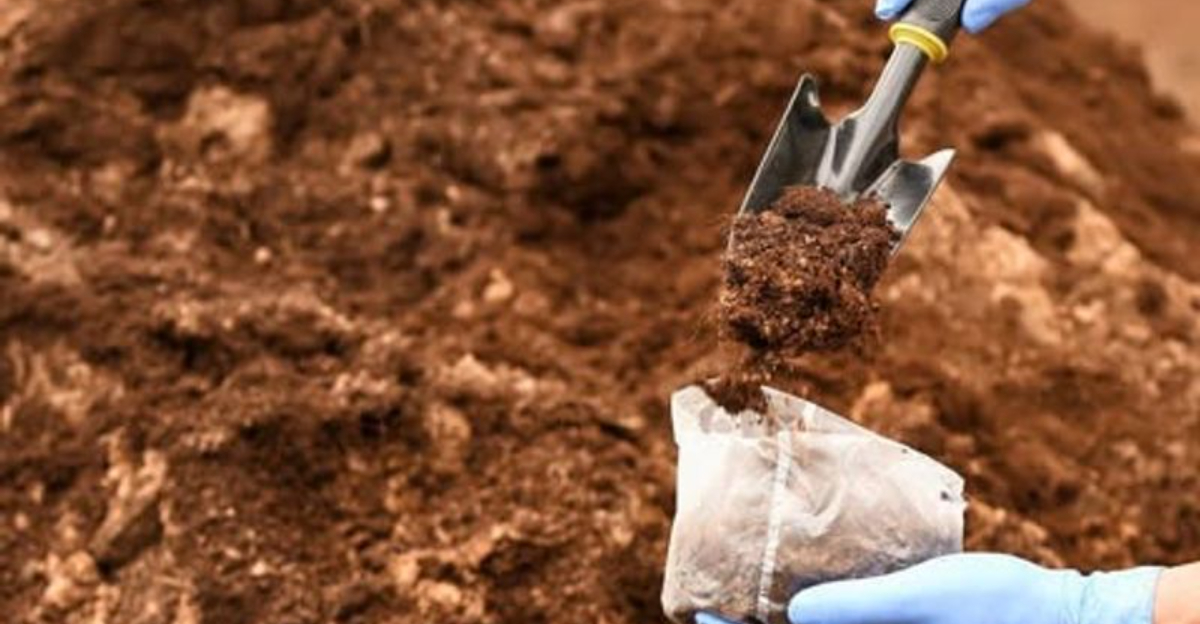
Gardening in Illinois has come a long way, but some common residential practices are outdated—or even harmful to your plants and the environment.
From watering routines to soil management and plant choices, habits that once seemed harmless may now limit growth, increase maintenance, or invite pests and disease.
Your garden could be stuck in the past—and it’s costing you beauty and productivity! These practices highlight areas where Illinois gardeners can improve efficiency, sustainability, and plant health.
Simple updates—like switching to drip irrigation, adjusting pruning timing, or rotating crops—can make a huge difference in yields, soil vitality, and overall garden resilience.
Even small changes help your garden thrive while reducing wasted effort, water, and money. Better practices = stronger plants, bigger blooms, and less frustration.
For homeowners ready to modernize their garden approach, these tips provide practical guidance to improve results without starting from scratch.
Your Illinois yard can be healthier, more sustainable, and more productive with just a few thoughtful updates. Update your habits now, and enjoy a garden that works smarter, not harder.
1. Watering The Lawn On A Fixed Schedule

Many Illinois homeowners set their sprinklers to run at the same time every week, regardless of rainfall or temperature changes.
This rigid approach wastes precious water during cooler, wetter periods and can leave your grass parched during unexpected heat waves.
Overwatering creates shallow root systems and invites fungal problems that thrive in Illinois’s humid climate. Weather-based watering adjusts to actual conditions rather than arbitrary calendar dates.
Modern smart controllers use local weather data to determine when your lawn truly needs moisture, often cutting water use by thirty to fifty percent.
Your grass develops deeper, more resilient roots when it experiences slight stress between waterings. Consider checking soil moisture before turning on sprinklers by pushing a screwdriver into the ground. If it penetrates easily to six inches, your lawn has enough water.
Most Illinois lawns need only one inch of water weekly, including rainfall, and early morning watering reduces evaporation while allowing grass blades to dry before nightfall.
Switching from a fixed schedule to responsive watering protects your lawn from disease while conserving this valuable resource during Illinois’s increasingly variable weather patterns.
2. Relying Only On Turf Grass Across Your Yard
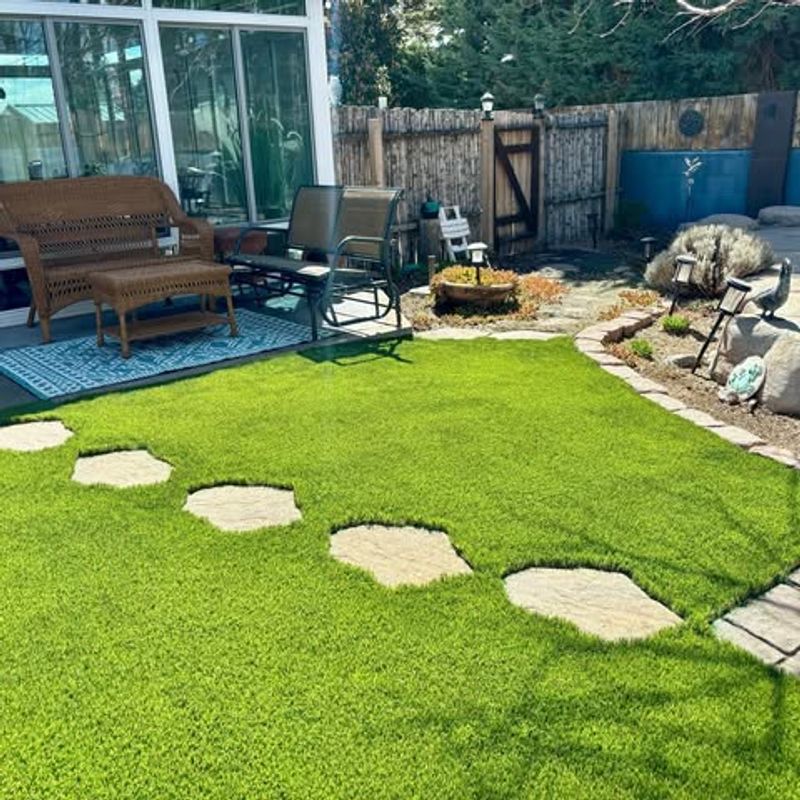
Traditional lawns dominated by a single grass species require constant mowing, frequent watering, and regular fertilization to maintain that carpet-like appearance.
Illinois yards filled entirely with turf grass offer little support for native insects, birds, and beneficial organisms that keep ecosystems balanced.
These monoculture landscapes also struggle during drought and require more chemical inputs than diverse plantings.
Replacing sections of your lawn with native groundcovers like wild ginger, Pennsylvania sedge, or creeping phlox creates visual interest while reducing maintenance demands significantly.
These plants have evolved alongside Illinois wildlife and provide nectar, pollen, and habitat that turf grass simply cannot match.
Pollinator gardens with native flowers attract butterflies, bees, and hummingbirds that help your vegetable garden produce more abundantly. Start small by converting high-maintenance areas under trees or on slopes where grass struggles anyway.
Your Illinois Garden Changes Every Week. Your Plan Should Too.
Gardening in Illinois changes quickly throughout the season. Every Friday you’ll receive a simple weekly plan showing exactly what to plant, prune, fertilize, harvest, and protect so you never miss the right timing.
Native groundcovers spread naturally, suppress weeds once established, and rarely need supplemental watering after their first season.
Your yard becomes a refuge for beneficial insects that control pest populations naturally, reducing the need for chemical interventions throughout your entire property while creating a landscape that feels more connected to Illinois’s natural heritage.
3. Using Garden Soil In Containers Instead Of Potting Mix
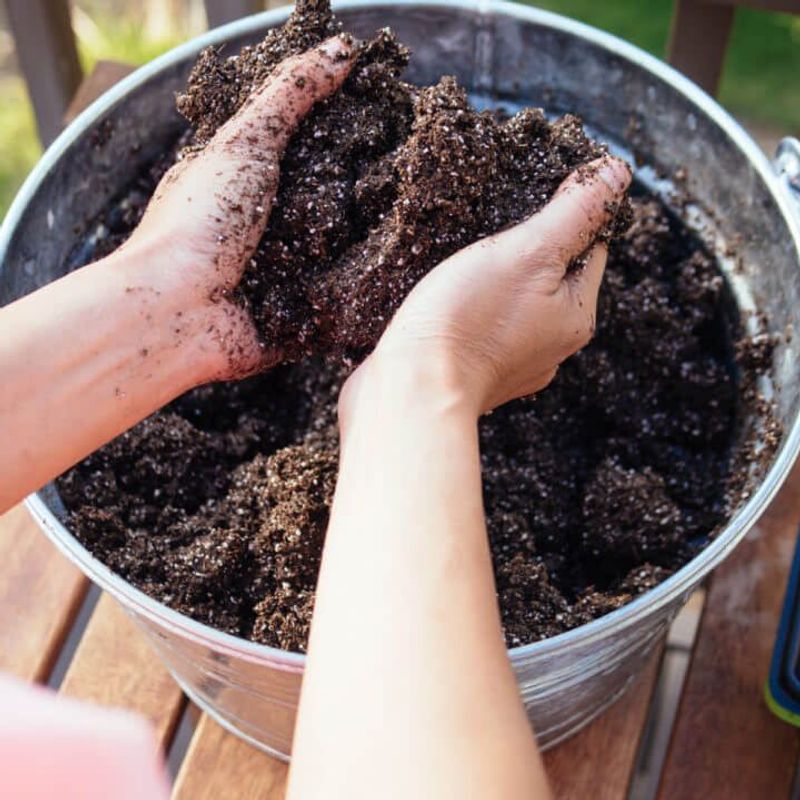
Grabbing a shovel and filling your pots with soil from your garden beds seems like a logical, cost-effective choice.
However, garden soil contains clay particles and minerals that compress tightly when confined in containers, creating a dense mass that suffocates roots and prevents proper drainage.
Plants in compacted soil struggle to access oxygen and water, leading to stunted growth and disappointing harvests.
Quality potting mixes contain ingredients like peat moss, coconut coir, perlite, and composted bark that maintain air pockets even after repeated watering.
These materials allow excess moisture to drain freely while retaining enough water for roots to access between waterings.
Illinois container gardeners should look for mixes specifically formulated for either vegetables or ornamental plants, depending on what they’re growing. Consider adding slow-release fertilizer to potting mix since containers leach nutrients more quickly than garden beds.
Some Illinois gardeners create their own blend using one part compost, one part perlite, and one part peat moss or coconut coir for a balanced growing medium.
Containers filled with proper potting mix produce healthier plants with stronger root systems and more abundant blooms or vegetables throughout Illinois’s growing season, making the investment worthwhile for every patio, balcony, or deck garden.
4. Pruning All Shrubs At The Same Time Of Year
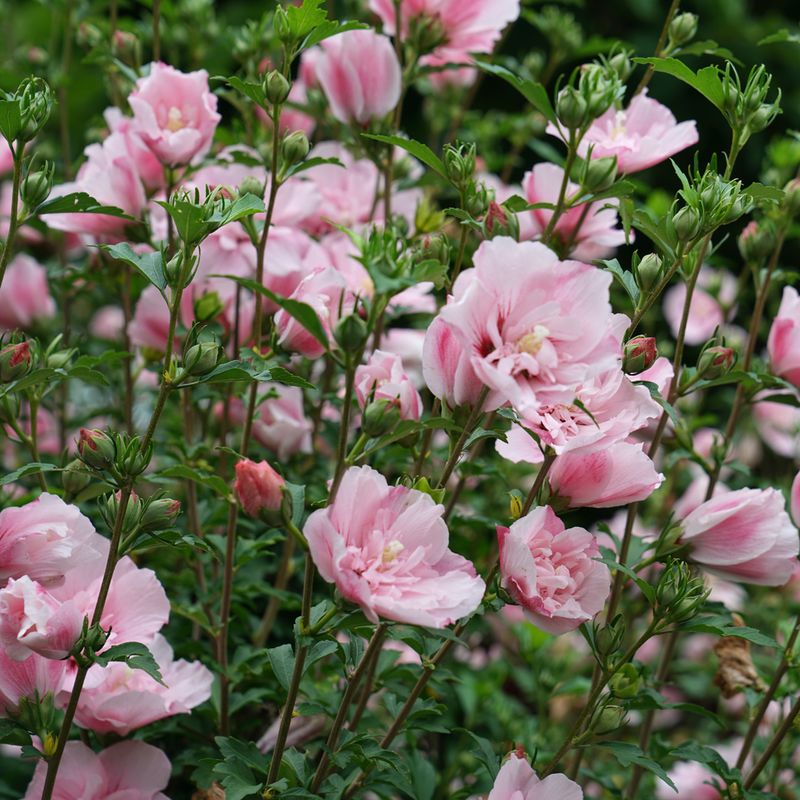
Many Illinois homeowners grab their pruning shears on the first warm spring weekend and trim every shrub in sight, thinking they’re getting ahead on yard work.
This one-size-fits-all approach can eliminate flower buds on spring-blooming shrubs like lilacs, forsythia, and azaleas, leaving you with green bushes but no blossoms. Different shrubs set their flower buds at different times, requiring strategic timing for pruning.
Spring-blooming shrubs form next year’s flower buds shortly after this year’s flowers fade, so they need pruning immediately after blooming finishes in late spring or early summer.
Summer-blooming shrubs like butterfly bush, rose of Sharon, and panicle hydrangea set buds on new growth, making late winter or early spring the perfect pruning window before growth begins.
Illinois’s variable spring weather makes timing especially important for protecting those precious flower buds. Keep notes or tags on your shrubs indicating their blooming season and ideal pruning time to avoid confusion year after year.
Evergreen shrubs generally tolerate pruning anytime during the growing season, though late summer cuts may encourage tender new growth vulnerable to winter damage.
Understanding each shrub’s blooming habit transforms pruning from a chore into a strategic practice that maximizes flower production and maintains attractive shapes throughout Illinois’s distinct seasons.
5. Applying Fertilizer Without A Soil Test
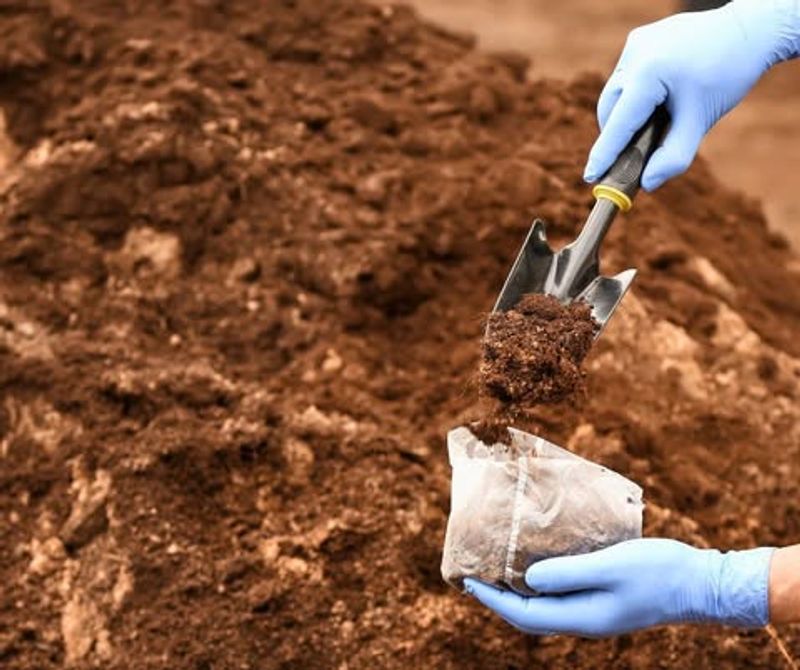
Walking into a garden center and grabbing whatever fertilizer looks good might seem efficient, but you could be adding nutrients your soil already has in abundance while ignoring what it actually needs.
Illinois soils vary dramatically across regions, with some areas naturally high in phosphorus and others deficient in key micronutrients.
Excess fertilizer doesn’t just waste money; it washes into waterways, contributing to algae blooms and water quality problems downstream.
Soil testing through your local University of Illinois Extension office costs around twenty dollars and reveals exactly which nutrients your garden needs.
Results typically arrive within two weeks, showing pH levels and nutrient concentrations with specific recommendations for amendments.
This information allows you to apply precisely what your plants need, improving growth while protecting Illinois’s rivers and lakes from unnecessary nutrient runoff.
Test your soil every three to four years or whenever plants show unexplained problems like yellowing leaves or poor growth despite adequate water. Spring and fall provide ideal testing windows when you’re planning seasonal plantings.
Many Illinois gardeners discover their soil needs only compost and occasional lime rather than expensive synthetic fertilizers, saving money while building long-term soil health through organic matter that benefits plants, microorganisms, and beneficial insects throughout your entire landscape.
6. Planting Non-Native Ornamentals Without Checking Invasiveness
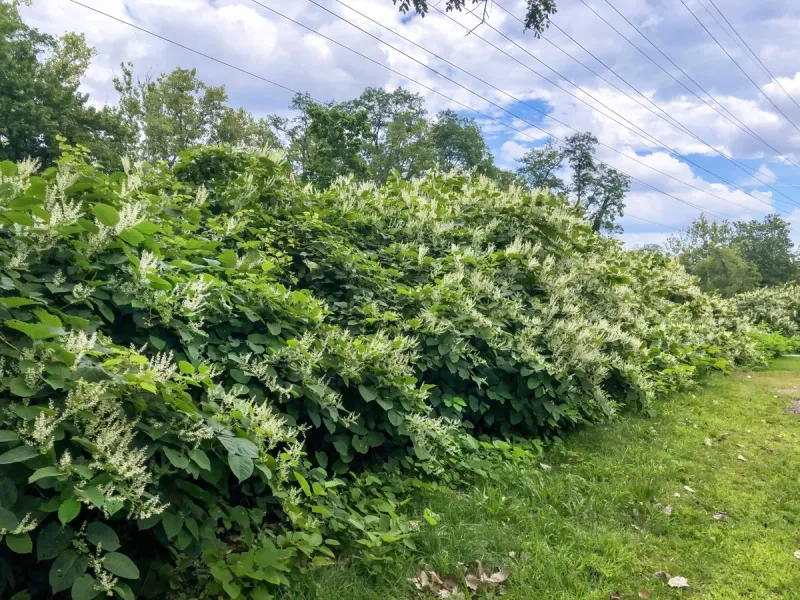
That gorgeous flowering shrub at the nursery might seem like the perfect addition to your landscape, but some popular ornamental plants have become serious ecological problems across Illinois.
Plants like burning bush, Japanese barberry, and callery pear escape from yards into natural areas where they crowd out native species and disrupt ecosystems that wildlife depends upon.
What starts as a single landscape plant can spread through seeds carried by birds or underground runners.
Before purchasing any ornamental plant, check the Illinois Exotic Weed Act list and consult resources from the Illinois Nature Preserves Commission about invasive species. Many beautiful alternatives offer similar aesthetics without the ecological risks.
Instead of burning bush, consider native wahoo or chokeberry for brilliant fall color. Swap Japanese barberry for native ninebark or coralberry that provide similar structure with wildlife benefits.
Illinois nurseries increasingly stock native alternatives as awareness grows about invasive plant impacts on natural areas.
Native plants support significantly more insect species than non-natives, which means more food for birds raising their young in Illinois neighborhoods.
Choosing regionally appropriate plants creates landscapes that enhance rather than harm local ecosystems, connecting your yard to the broader environmental health of prairies, woodlands, and wetlands that make Illinois’s natural heritage so distinctive and worth protecting for future generations.
7. Leaving Leaves In Place All Winter Without Managing Them
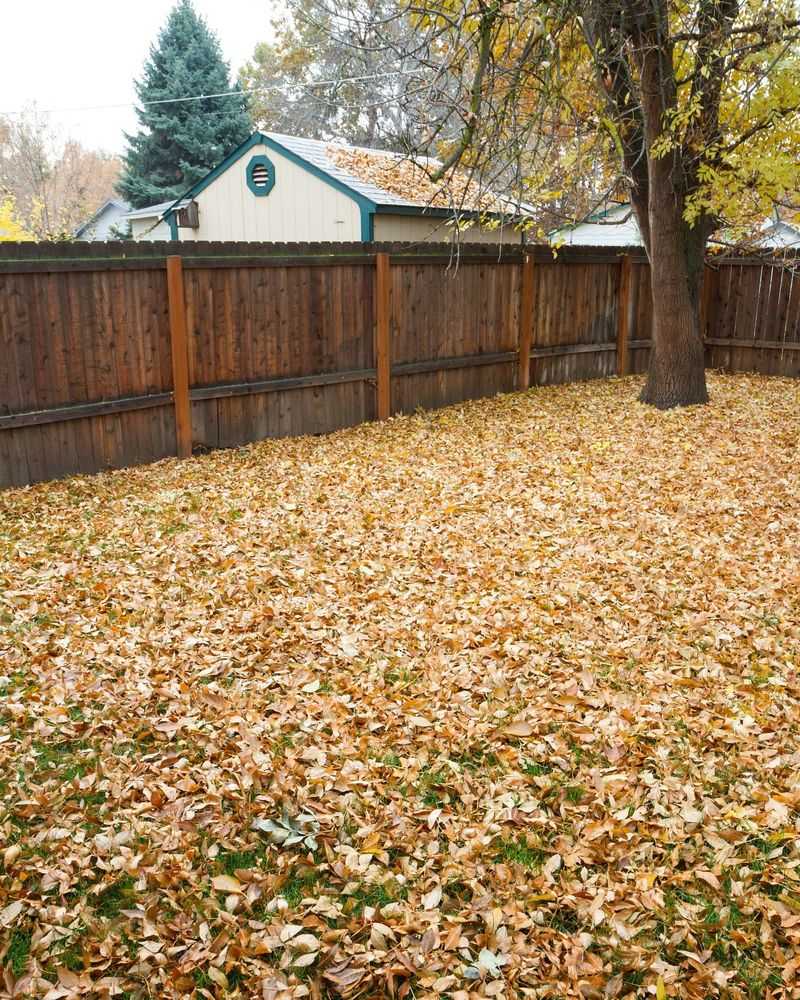
Recent advice to leave fallen leaves for wildlife habitat has created confusion about whether Illinois gardeners should rake at all.
While leaf litter provides essential overwintering sites for beneficial insects, butterflies, and native bees, thick mats of wet leaves smothering your lawn or perennial beds can encourage fungal diseases and prevent spring growth.
The key lies in strategic leaf management rather than all-or-nothing approaches. Rake heavy leaf accumulations off lawns and tender perennials, but leave a layer of chopped leaves in garden beds where they’ll decompose into valuable organic matter.
Running your mower over leaves on the lawn chops them into small pieces that filter down between grass blades, feeding soil organisms without creating disease-promoting mats.
Create dedicated leaf piles in quiet corners of your yard where overwintering insects can shelter undisturbed until spring warmth triggers their emergence.
Leaves from oak, maple, and other common Illinois trees make excellent mulch when shredded and spread two to three inches deep around shrubs and in vegetable gardens.
Avoid piling whole leaves against tree trunks or woody plant stems where moisture retention can cause rot.
This balanced approach protects beneficial insects while maintaining plant health, giving you the best of both worlds throughout Illinois’s long winter and ensuring your garden awakens healthy and vibrant when spring finally arrives.
8. Ignoring Pollinator Habitat In Planting Plans
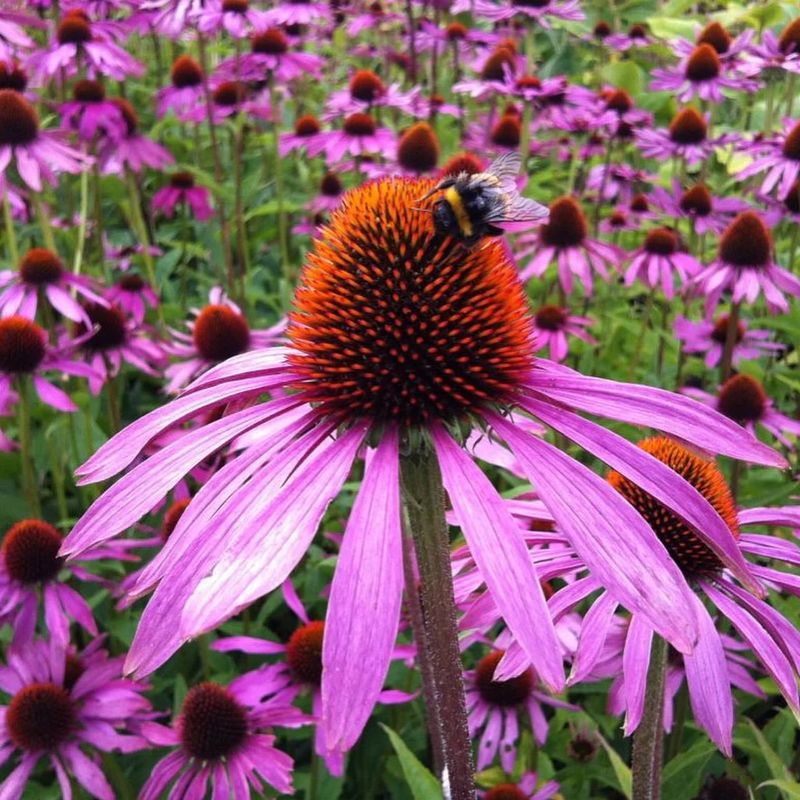
Traditional landscape designs focus on aesthetics and maintenance without considering the insects that pollinate our food crops and wildflowers.
Illinois has lost significant pollinator habitat to development and agricultural intensification, making residential gardens increasingly important refuges for bees, butterflies, and other beneficial insects.
Gardens without pollinator-friendly plants essentially become food deserts for these essential creatures that our ecosystems depend upon.
Adding native flowers like purple coneflower, wild bergamot, black-eyed Susan, and New England aster creates nectar and pollen sources throughout Illinois’s growing season.
Different pollinators emerge at different times, so including early spring bloomers like wild columbine alongside late-season flowers like goldenrod ensures continuous food availability.
Native plants support specialist bees that have evolved alongside specific plant families and cannot survive on generic ornamental flowers.
Plant flowers in clusters rather than scattering individual plants, making it easier for pollinators to find and efficiently harvest resources.
Include host plants like milkweed for monarch butterflies and native grasses for skipper butterfly caterpillars. Avoid pesticides, especially during blooming periods when pollinators actively visit flowers.
Even small pollinator gardens in Illinois suburbs create stepping stones that connect larger habitat patches, supporting healthy populations of the insects that pollinate vegetables, fruits, and wildflowers throughout our state’s diverse landscapes.
9. Over-Mulching Trees And Shrubs (Volcano Mulching)
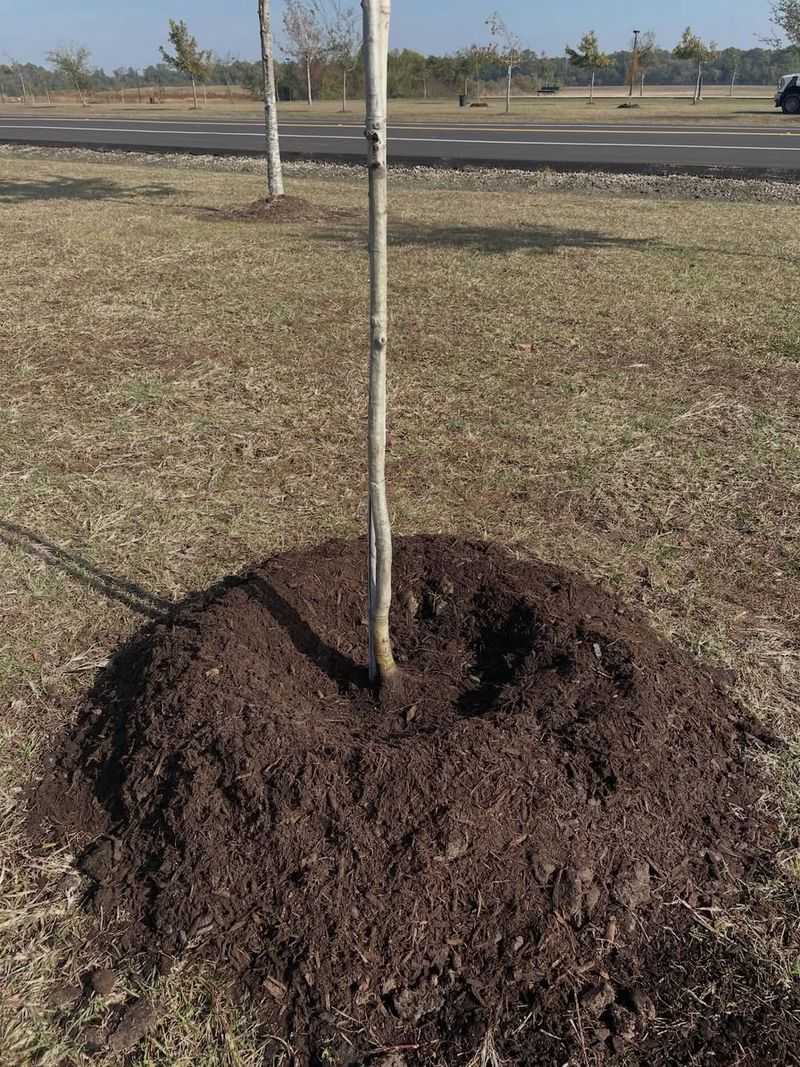
Driving through Illinois neighborhoods reveals countless trees surrounded by mulch piled high against their trunks in cone-shaped mounds that resemble miniature volcanoes.
This practice, though visually tidy, creates serious problems by trapping moisture against bark, encouraging rot, attracting rodents that gnaw on tender tissue, and promoting adventitious roots that circle the trunk.
Trees stressed by volcano mulching become vulnerable to disease, insects, and structural failure. Proper mulching creates a flat donut shape with mulch pulled back several inches from the trunk, exposing the root flare where the trunk widens at ground level.
Spread mulch two to four inches deep in a wide circle extending to the tree’s drip line if possible, but never touching the bark.
This technique conserves soil moisture, moderates temperature extremes, suppresses weeds, and gradually adds organic matter as the mulch decomposes.
Use shredded hardwood bark, wood chips, or composted leaves rather than dyed mulch or fine materials that compact into water-resistant mats.
Refresh mulch annually by adding a thin layer rather than piling new material on top of old, which can create excessive depth over time.
Illinois trees mulched correctly develop stronger root systems, resist drought better, and live longer, healthier lives than those suffering under mulch volcanoes that seem helpful but actually cause significant harm to these valuable landscape investments.
10. Using Excessive Pesticides Instead Of Integrated Pest Management (IPM)
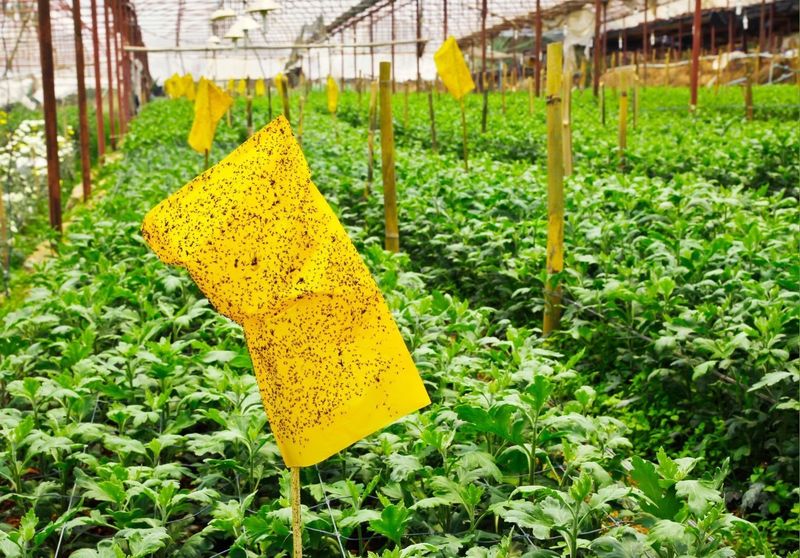
Reaching for pesticide spray at the first sign of insect activity might eliminate a few pests, but it also eliminates beneficial insects that naturally control pest populations.
This approach creates a cycle where pest problems actually worsen over time as natural predators disappear and target pests develop resistance.
Illinois gardens treated heavily with broad-spectrum pesticides often require more chemical inputs each season rather than less.
Integrated Pest Management combines multiple strategies to keep pest populations below damaging levels while preserving beneficial organisms.
Start by correctly identifying the problem, since many insects are actually helpful or harmless. Monitor pest populations to determine if intervention is truly necessary, as most gardens can tolerate some pest damage without affecting overall plant health or harvest yields significantly.
Cultural practices like crop rotation, proper spacing for air circulation, and choosing resistant plant varieties prevent many problems before they start. Physical barriers like row covers protect vegetables from insects without any chemical use.
When treatment becomes necessary, target the specific pest with the least toxic option, such as insecticidal soap or horticultural oil applied carefully to affected areas only.
This approach protects ladybugs, lacewings, parasitic wasps, and other beneficial insects that patrol Illinois gardens, creating balanced ecosystems where pest problems remain manageable naturally without constant chemical intervention.
11. Planting Without Considering Microclimates
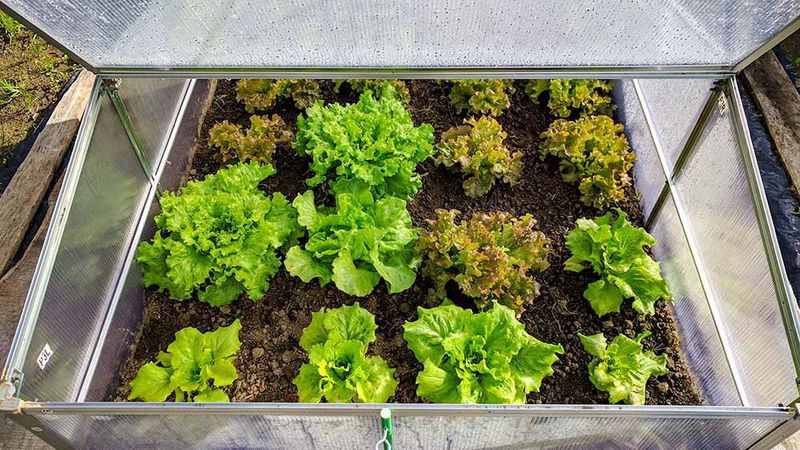
Most Illinois gardeners think of their yard as having a single climate zone, but every property contains multiple microclimates with distinct conditions.
South-facing walls radiate heat, creating warmer zones that extend the growing season by several weeks. North-facing areas remain cooler and shadier, while spots beneath eaves stay drier than open garden beds.
Wind patterns, soil drainage, and nearby structures all create unique growing conditions within a single property.
Observing how sun moves across your yard throughout the day and across seasons helps identify these distinct zones. Morning sun with afternoon shade suits many plants that struggle in Illinois’s intense summer heat.
Areas that receive reflected heat from pavement or buildings can support tender perennials that normally require warmer zones.
Low spots that collect cold air experience later spring frosts and earlier fall frosts than elevated areas just a few feet away.
Map your yard’s microclimates and match plants to the conditions each zone offers rather than fighting against them.
Grow heat-loving tomatoes and peppers in the warmest spots while reserving cooler areas for lettuce and spinach. Place tender plants near south-facing foundations where winter protection extends their survival.
Understanding microclimates transforms frustrating plant failures into successful gardens by working with the unique conditions your Illinois property provides rather than against them, maximizing productivity and plant health throughout every season.
12. Ignoring Soil Compaction In High-Traffic Areas
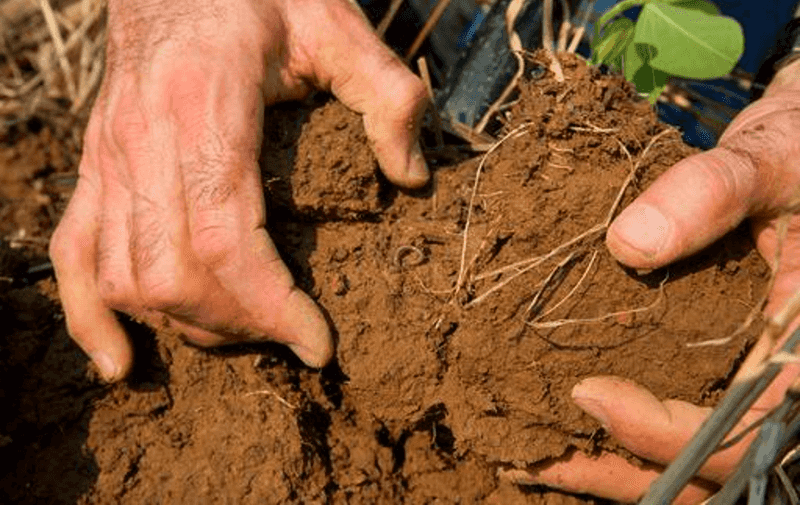
Pathways, play areas, and spots where you frequently walk while gardening develop compacted soil that becomes nearly impenetrable to roots, water, and air.
Compacted soil particles squeeze together so tightly that roots cannot penetrate, forcing plants to develop shallow, weak root systems vulnerable to drought and wind damage.
Illinois clay soils are particularly prone to compaction, especially when worked or walked on while wet. Recognizing compaction involves observing water pooling on the surface rather than soaking in and noticing plants that struggle despite adequate fertilizer and water.
Pressing a screwdriver or soil probe into suspected areas reveals resistance that indicates compressed soil layers.
High-traffic areas near vegetable gardens or along informal paths through planting beds often suffer the most severe compaction without gardeners realizing the underlying problem.
Core aeration removes small plugs of soil, creating channels for air, water, and roots to penetrate compacted layers.
Adding compost and organic matter improves soil structure over time, though severely compacted areas may need repeated treatment across several seasons.
Establish permanent pathways using mulch, stepping stones, or gravel to concentrate foot traffic and protect planting areas from compression.
Illinois gardens with healthy, uncompacted soil support deeper root systems, require less frequent watering, and produce more vigorous plants that better withstand the stress of summer heat and winter cold throughout the growing year.
13. Waiting Too Late To Start Cold-Hardy Seeds Indoors
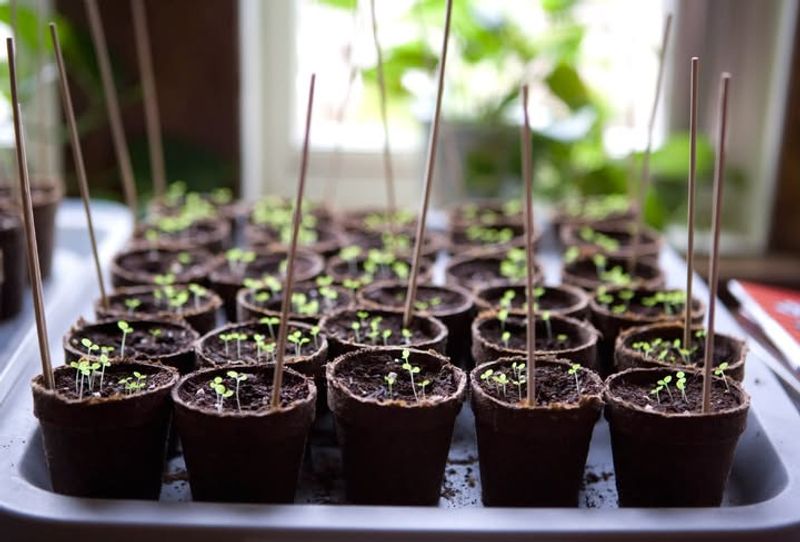
Illinois’s relatively short growing season catches many gardeners by surprise, especially those who wait until after the last frost to think about starting seeds.
Cold-hardy crops like broccoli, cabbage, and kale need six to eight weeks of indoor growth before transplanting to the garden in early spring.
Starting these seeds too late means they mature during hot summer weather when they bolt and become bitter rather than producing the tender, sweet vegetables they’re known for.
Check seed packets for days to maturity and count backward from your target harvest date to determine ideal starting times.
Northern Illinois gardeners should start cold-hardy seeds indoors in late February or early March for April transplanting.
Southern Illinois growers can wait until mid-March, but the window remains narrow for crops that need cool weather to develop properly before summer heat arrives.
Set up a simple seed-starting station with grow lights, seed-starting mix, and containers near a window or in a basement.
Maintain consistent moisture and temperature between sixty-five and seventy degrees for optimal germination.
Harden off seedlings gradually by exposing them to outdoor conditions for increasing periods before transplanting.
Illinois gardeners who start seeds on schedule enjoy abundant harvests of cool-season vegetables, getting the most from our state’s distinct growing season rather than fighting against it with poorly timed plantings that never reach their full potential.
14. Treating Every Weed The Same
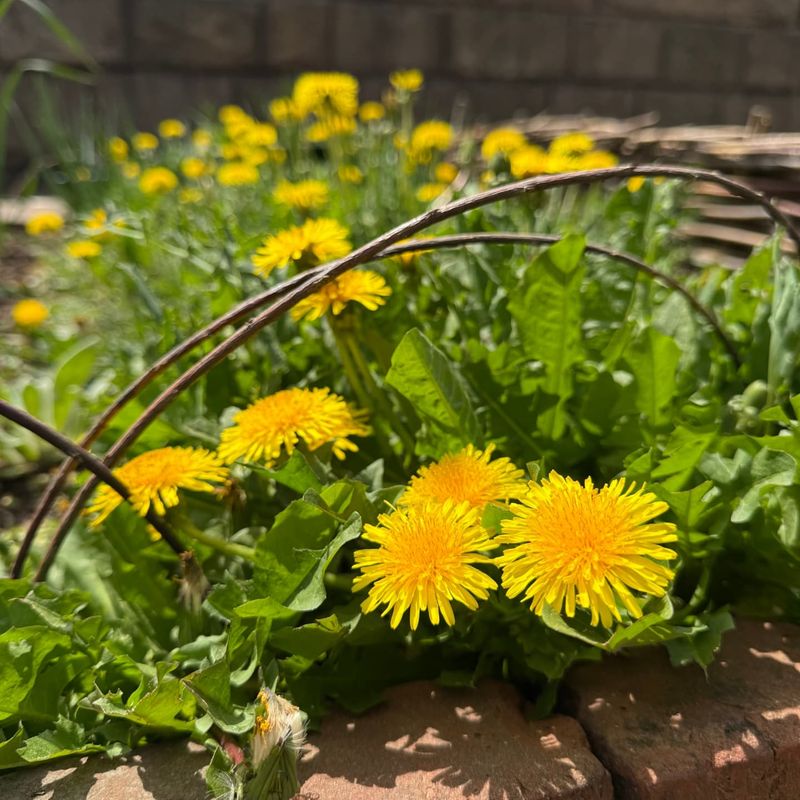
Most Illinois gardeners view all weeds as enemies to be eliminated immediately, but different weeds indicate specific soil conditions and respond to different management strategies.
Dandelions thrive in compacted soil, while moss indicates poor drainage and low pH. Crabgrass colonizes bare spots where desirable plants struggle, and clover often appears in nitrogen-deficient lawns.
Rather than just removing these plants, understanding what they reveal about your soil helps address underlying problems.
Some common weeds actually benefit gardens when managed thoughtfully rather than eradicated completely.
Clover fixes nitrogen from the air, gradually enriching soil for surrounding plants while providing nectar for pollinators. Shallow-rooted annual weeds pulled when young become valuable additions to compost piles.
Deep-rooted perennials like dandelions break up compacted soil layers and bring nutrients from deep in the soil profile up to the surface where other plants can access them.
Address the conditions that allow problematic weeds to thrive rather than engaging in endless battles with symptoms.
Improve drainage in mossy areas, aerate compacted soil where dandelions dominate, and overseed bare spots to prevent crabgrass establishment.
Hand-pulling, mulching, and encouraging dense plantings of desirable species often control weeds more effectively than herbicides while building long-term soil health.
Illinois gardens managed with this nuanced approach develop balanced plant communities that naturally suppress weeds through healthy competition and improved growing conditions.