14 Easy Garden Upcycling Ideas For Washington Homes
Gardening in Washington doesn’t have to mean spending a fortune. With a little creativity, everyday items can be transformed into charming, functional, and eco-friendly garden features.
Upcycling not only saves money but also adds personality and a personal touch to your outdoor space. Your trash could be your garden’s next treasure!
These ideas show Washington homeowners how to repurpose everything from old pallets and jars to furniture and containers. Create unique planters, vertical gardens, decorative trellises, or whimsical accents that make your yard stand out.
Not only do these projects reduce waste, but they also give your garden character that mass-produced décor can’t match. Turn ordinary items into extraordinary garden features with a little imagination!
For homeowners in Washington, upcycling is practical, sustainable, and fun. With these tips, you can refresh your garden, save money, and create a space that’s uniquely yours. Your garden can be creative, green, and beautiful—all at the same time.
1. Turn Wooden Pallets Into Vertical Garden Walls
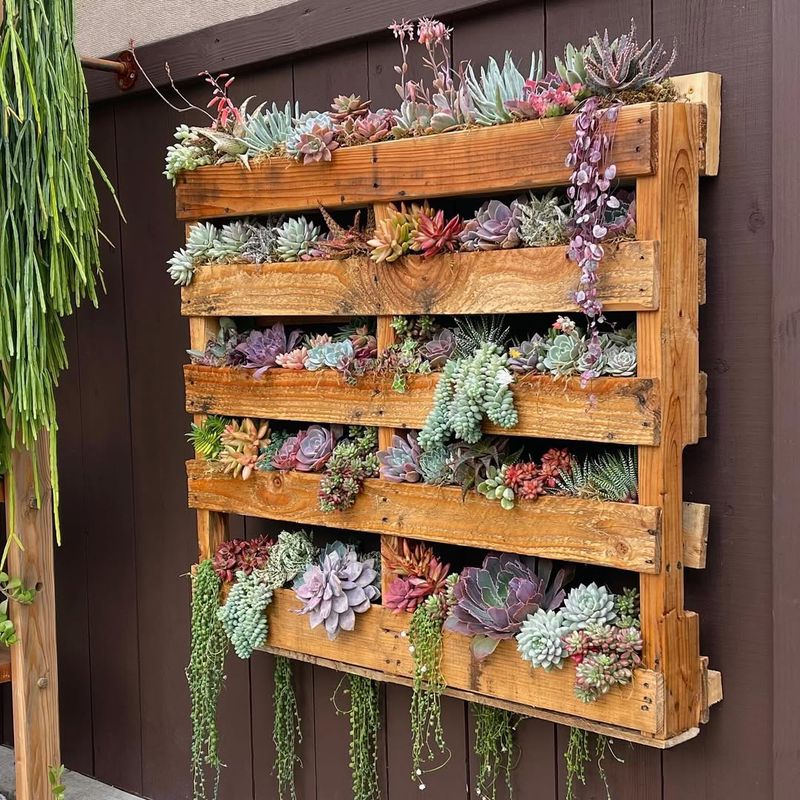
Vertical gardening has become a game-changer for Washington homeowners who want to maximize growing space without taking up valuable ground area. Wooden pallets, often available for free from local businesses or warehouses, make excellent vertical garden structures that can transform a bare fence or wall into a lush display of herbs, flowers, and even small vegetables.
The slatted design provides natural drainage, which is particularly helpful in Washington’s damp climate where excess moisture can lead to root problems.
Start by cleaning your pallet thoroughly and sanding any rough edges to prevent splinters. You can leave the wood natural for a rustic look or apply a coat of outdoor-safe stain to match your garden aesthetic.
Line the back and sides with landscape fabric to hold soil while still allowing water to drain freely, then fill each section with quality potting mix.
Herbs like basil, thyme, and oregano thrive in vertical pallet gardens, as do compact flowers such as petunias, pansies, and trailing lobelia.
Position your pallet in a spot that receives adequate sunlight for your chosen plants, keeping in mind that Washington’s cloudy days mean you might need to select varieties that tolerate partial shade.
Lean the pallet against a sturdy wall or fence, or mount it securely to prevent tipping during windy weather that often sweeps through the region.
2. Repurpose Old Bricks Or Pavers For Garden Paths
Anyone who has lived in Washington knows that rain is practically a given for much of the year, and muddy garden paths can quickly become a frustrating problem. Salvaged bricks and pavers offer an elegant solution that handles moisture beautifully while adding timeless charm to your landscape.
Whether you find them at salvage yards, demolition sites, or simply have leftovers from previous projects, these durable materials create functional walkways that improve drainage and keep your shoes clean during wet months.
Creating a brick path requires minimal tools and no special skills. Begin by marking out your desired path with stakes and string, then excavate the area to a depth of about four inches.
Your Washington Garden Changes Every Week. Your Plan Should Too.
Gardening in Washington changes quickly throughout the season. Every Friday you’ll receive a simple weekly plan showing exactly what to plant, prune, fertilize, harvest, and protect so you never miss the right timing.
Add a layer of sand or gravel as a base to promote drainage, which is especially important in Washington’s heavy clay soils that tend to hold water.
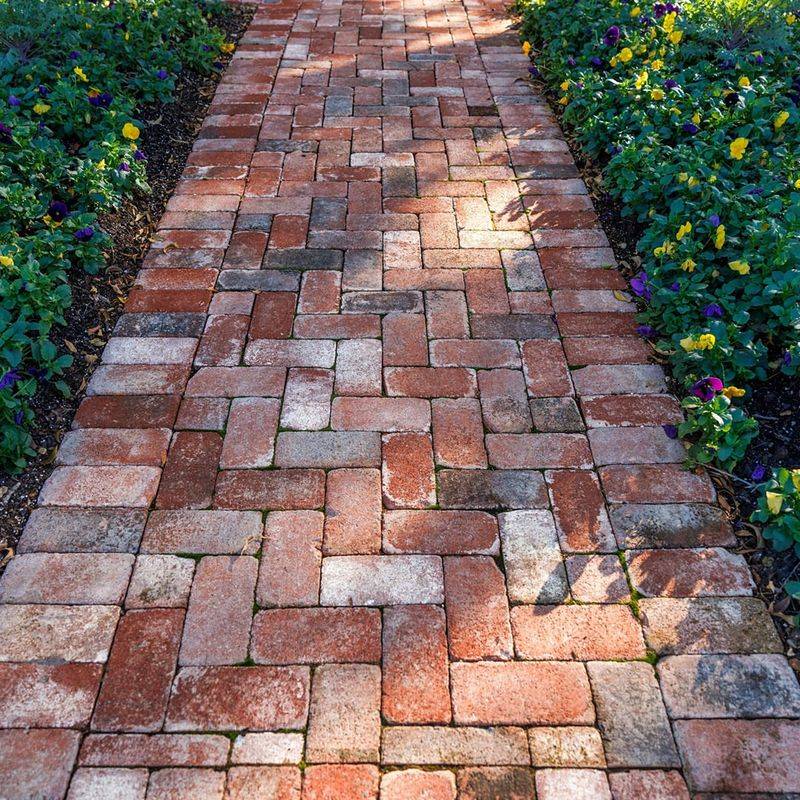
Arrange your bricks in patterns that suit your style, from simple straight lines to herringbone or basket-weave designs that add visual interest. The irregular shapes and weathered patina of reclaimed bricks bring character that new materials simply cannot match.
Leave small gaps between bricks to allow rainwater to seep through rather than pooling on the surface, and consider planting low-growing groundcovers like creeping thyme in the spaces for added softness and fragrance.
Your repurposed pathway will serve you well through countless rainy seasons while reducing your environmental footprint.
3. Use Broken Pots To Create Layered Planters
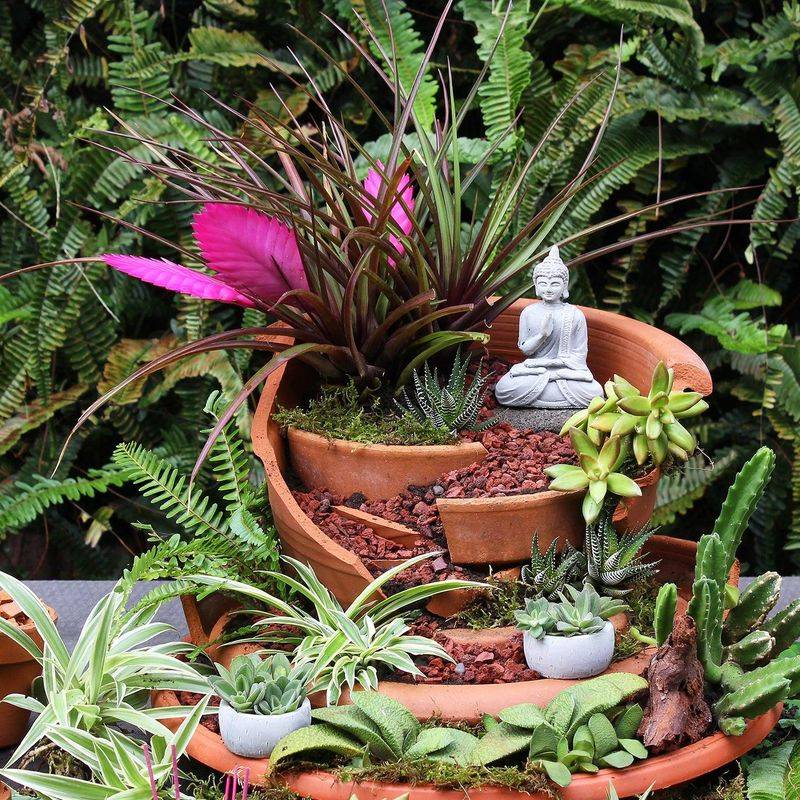
That cracked terracotta pot sitting in your garage does not need to end up in the landfill. Instead, broken pots can become the foundation for enchanting fairy garden displays or multi-level planters that showcase succulents, shade-loving ferns, or cascading flowers.
The key is working with the break rather than against it, using the fragments to create terraced levels that add dimension and whimsy to your container gardens.
To build a layered planter, start with your largest broken pot as the base, filling it partially with potting soil. Position a piece of the broken pot at an angle to create a shelf or ledge effect, then add more soil to stabilize it.
Continue building upward with additional fragments, creating pockets and levels where different plants can nestle in naturally.
Succulents work wonderfully in these arrangements because they require minimal water and their varied textures create visual interest at every level. For shadier Washington gardens, consider using ferns, hostas, or coral bells that appreciate the cooler, moister conditions our region provides.
The terracotta material allows soil to breathe and moisture to evaporate gradually, which helps prevent the waterlogging that can occur in solid containers during our rainy seasons.
Each broken pot becomes a unique work of art, proving that imperfection can lead to something even more beautiful than the original.
4. Convert Old Buckets Into Raised Containers
Old five-gallon buckets from paint, drywall compound, or food service are incredibly versatile containers that can be transformed into productive raised planters with just a few simple modifications.
Washington gardeners appreciate raised containers because they warm up faster in spring than ground-level beds, giving heat-loving vegetables like tomatoes and peppers a much-needed head start in our cooler climate.
The portability of bucket planters also means you can move them to follow the sun or bring them under cover during unexpected cold snaps.
Proper drainage is absolutely essential for container success, especially in a region where rain can fall steadily for days. Drill several half-inch holes in the bottom of each bucket, spacing them evenly to ensure water can escape freely rather than pooling around plant roots.
If your buckets previously held chemicals or non-food items, line them with landscape fabric or use them exclusively for ornamental plants rather than edibles.
Fill your buckets with a high-quality potting mix rather than garden soil, which tends to compact in containers and restrict root growth. Vegetables like lettuce, kale, bush beans, and herbs flourish in bucket planters, as do compact flower varieties such as marigolds and zinnias.
You can paint the exterior of your buckets with outdoor paint to coordinate with your garden color scheme, turning functional containers into decorative elements that enhance rather than detract from your landscape design.
5. Turn Old Ladders Into Tiered Plant Displays
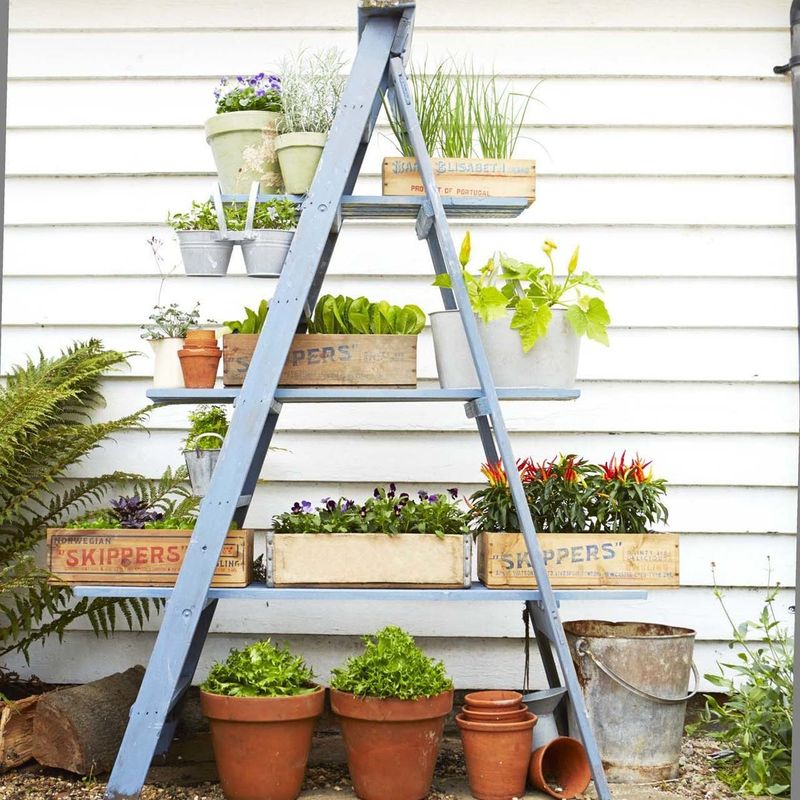
Vintage wooden ladders bring instant charm and vertical growing space to gardens where square footage comes at a premium. Many Washington homes feature compact yards where every inch counts, and a repurposed ladder creates multiple planting levels without requiring additional ground space.
Whether you find an old stepladder at a garage sale or have one that is no longer safe for climbing, this upcycling project transforms a forgotten tool into a stunning garden focal point.
Stepladders work particularly well because they are self-supporting and create a pyramid shape that displays plants at varying heights. Simply clean your ladder and apply a weatherproof finish if desired, though many gardeners prefer the weathered, rustic appearance that develops naturally over time.
Place potted plants on each step, arranging them by height with taller specimens at the back and trailing varieties at the front edges where they can cascade downward.
Straight extension ladders can be leaned against a wall or fence and used similarly, with pots hung from the rungs using S-hooks or wire. This approach works wonderfully for herb gardens near kitchen doors, where you can easily snip fresh basil, parsley, or cilantro while cooking.
The vertical arrangement also improves air circulation around plants, which helps prevent fungal issues that can plague Washington gardens during humid summer months.
Your ladder display becomes both functional and decorative, proving that garden art and productivity can coexist beautifully.
6. Repurpose Wooden Crates For Mobile Garden Beds
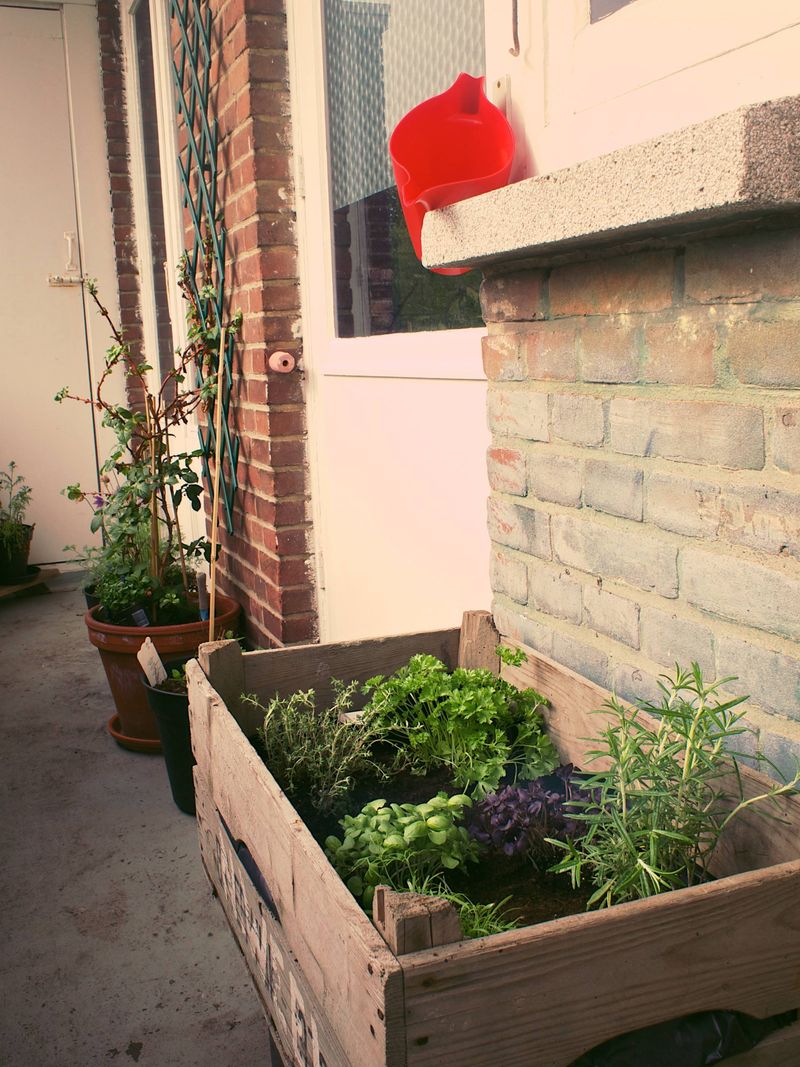
Wooden crates from farmers markets, wine shipments, or apple harvests make surprisingly effective mobile planters that adapt to Washington’s unpredictable weather patterns.
The ability to move your plants might seem like a small advantage, but it becomes invaluable when an unexpected late frost threatens tender seedlings or when you want to chase the limited sunshine that filters through our frequent cloud cover.
Crates already have slatted sides that provide excellent drainage and air circulation, two factors that become critical in our moisture-rich environment.
Prepare your crates by lining the interior with landscape fabric or burlap, which allows water to drain while keeping soil contained. Staple or tack the liner securely to the inside walls, leaving the bottom open for drainage.
Fill with a lightweight potting mix rather than heavy garden soil, which makes the crates easier to relocate and provides better growing conditions for container plants.
Shallow-rooted crops like lettuce, spinach, radishes, and strawberries thrive in crate planters, as do annual flowers such as petunias, impatiens, and begonias.
The rustic wooden aesthetic complements both cottage gardens and modern landscapes, and you can leave the wood natural or customize with paint or stain.
During Washington’s occasional summer heat waves, you can shift your crates to shadier spots, while in spring you might move them to protected areas when frost warnings appear. This flexibility helps you provide optimal growing conditions regardless of what our weather decides to do.
7. Use Glass Jars For Water Propagation Stations
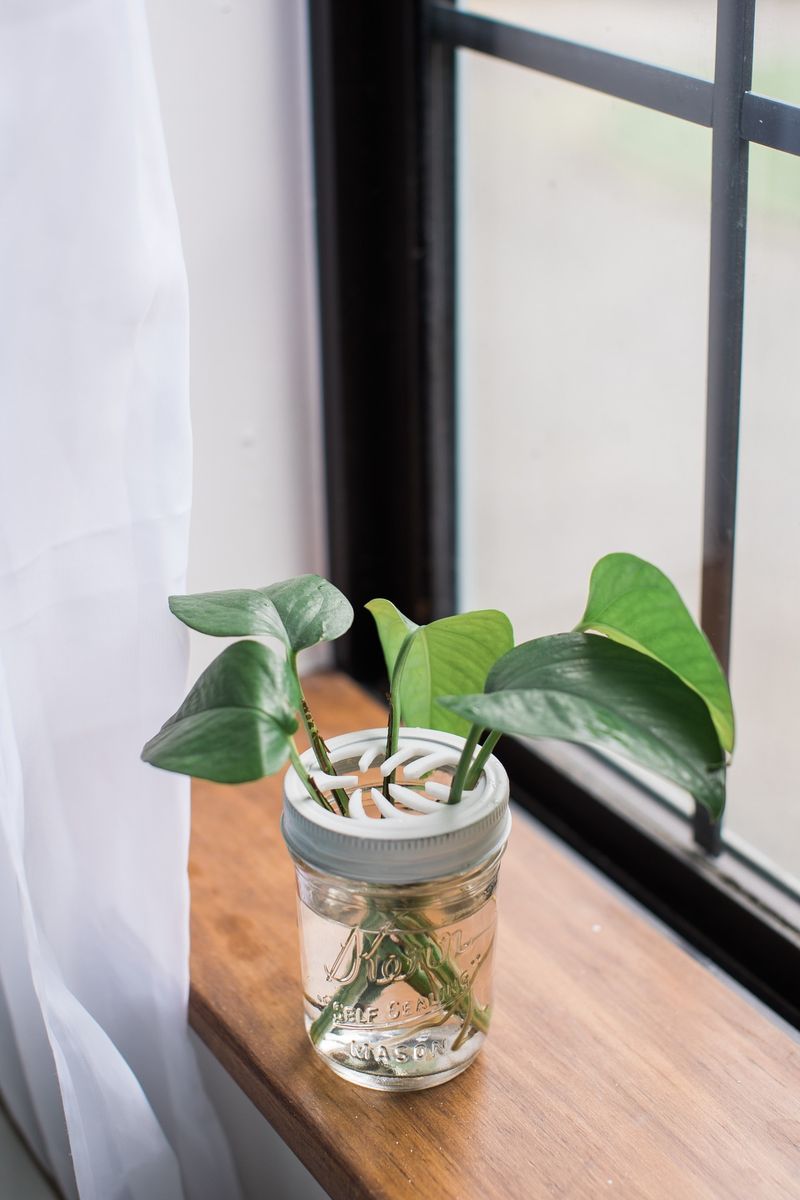
Washington’s long rainy seasons create perfect conditions for indoor gardening activities, and water propagation offers an engaging way to multiply your plant collection without spending money on new specimens.
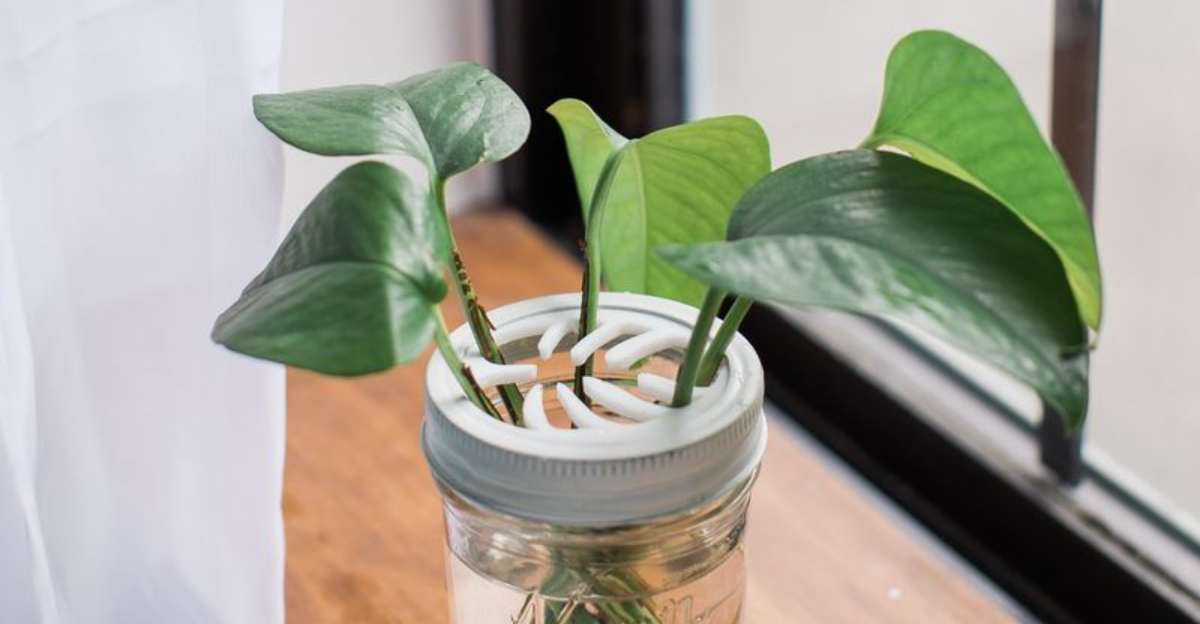
Mason jars, pasta sauce containers, and other clear glass vessels become miniature propagation stations where you can root cuttings from houseplants, herbs, and even some garden perennials.
Watching roots develop through clear glass provides a fascinating window into plant biology that appeals to gardeners of all ages.
Select healthy stem cuttings from plants like pothos, philodendron, mint, basil, or coleus, making your cut just below a leaf node where root development occurs most readily. Remove lower leaves that would sit below the water line, as submerged foliage tends to rot and cloud the water.
Fill your jar with room-temperature water and place cuttings so that nodes are submerged but remaining leaves stay above the surface.
Position your propagation jars in bright, indirect light near a window where you can observe progress daily. Change the water every few days to keep it fresh and oxygenated, which encourages faster root development.
Within a week or two, you will see tiny white roots beginning to emerge, and within a month most cuttings will have developed root systems substantial enough for transplanting into soil.
This method works particularly well during winter months when outdoor gardening slows down, keeping your green thumb active and expanding your plant collection for spring planting season.
8. Convert Old Furniture Drawers Into Shallow Planters
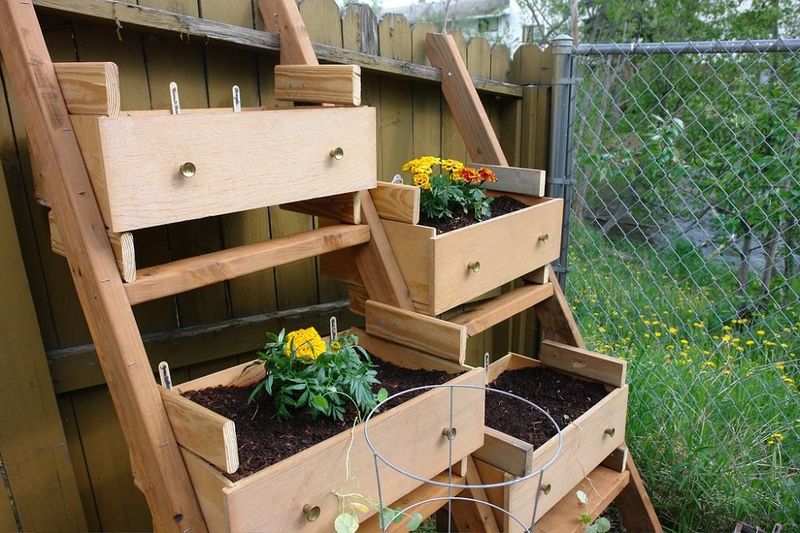
Before you haul that broken dresser to the curb, consider giving its drawers a second life as unique garden planters.
Drawers provide the perfect depth for shallow-rooted plants and their rectangular shape fits nicely on porches, patios, or along fence lines where you want to add greenery without committing to permanent beds.
The vintage hardware and weathered wood bring instant character that makes even simple plantings look intentional and stylish.
Prepare drawers for planting by drilling drainage holes every few inches across the bottom, as proper water escape is essential for plant health in Washington’s wet climate.
You can leave the interior wood exposed or line it with landscape fabric to slow deterioration, though most gardeners find that unlined drawers develop an appealing weathered patina as they age.
Fill with potting mix and you are ready to plant.
Lettuce, mesclun greens, and other salad crops work beautifully in drawer planters because their shallow roots do not require deep soil. Strawberries also thrive in this setup, with their runners trailing attractively over the drawer edges.
For ornamental displays, consider pansies, violas, or trailing petunias that provide color throughout our mild growing season. The handles on many drawers make them easy to move, allowing you to rearrange your display or bring tender plants under cover when weather threatens.
Each drawer becomes a conversation piece that combines functionality with nostalgic charm, proving that garden containers need not be conventional to be effective.
9. Turn Fallen Branches Into Garden Borders
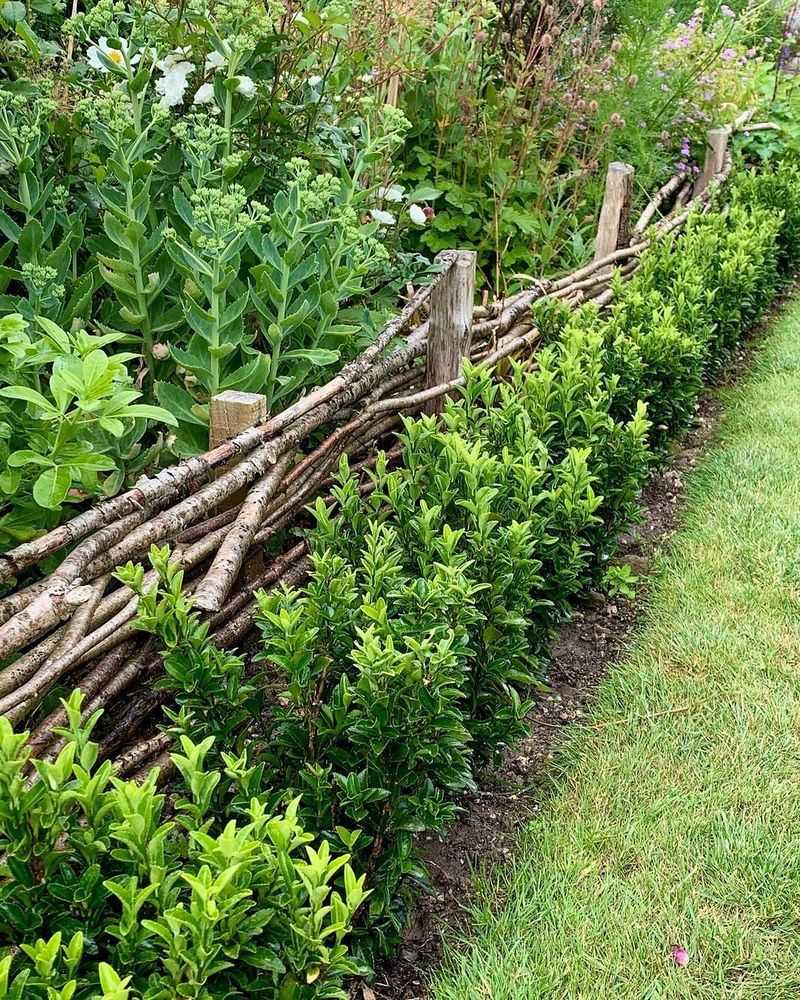
Washington’s wind and rain storms regularly deposit branches across yards, and rather than viewing this natural debris as a nuisance, creative gardeners see free building materials for rustic garden edging.
Branches arranged along bed borders create a naturalistic look that blends seamlessly with the Pacific Northwest landscape while serving the practical purpose of defining growing areas and keeping mulch contained.
This approach costs nothing, requires no special tools, and can be completed in an afternoon.
Gather branches of similar thickness for a cohesive appearance, though mixing sizes can create interesting texture and a more organic feel. Branches between one and three inches in diameter work best, as thinner twigs break down too quickly while extremely thick pieces can be difficult to position effectively.
Remove any loose bark that might harbor pests, though leaving some character adds to the rustic aesthetic.
Position branches along the edge of your beds, either laying them directly on the ground or partially burying them to increase stability. You can create simple straight lines or curve them to follow the natural contours of your landscape.
For taller borders, stack branches log-cabin style, using longer pieces to anchor the structure. The wood will gradually break down over several years, enriching your soil with organic matter as it decomposes.
Meanwhile, it provides habitat for beneficial insects and adds a woodland charm that feels perfectly at home in Washington gardens. This is upcycling at its simplest and most effective, turning storm cleanup into garden improvement.
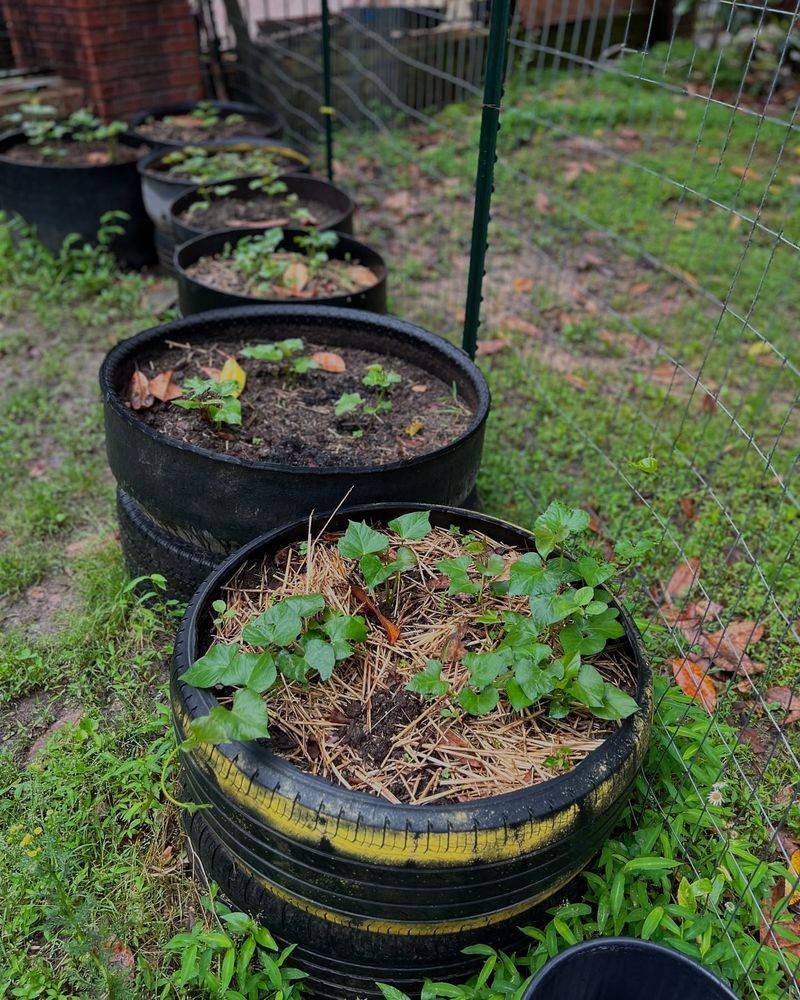
10. Use Old Tires As Raised Beds For Heat-Loving Plants
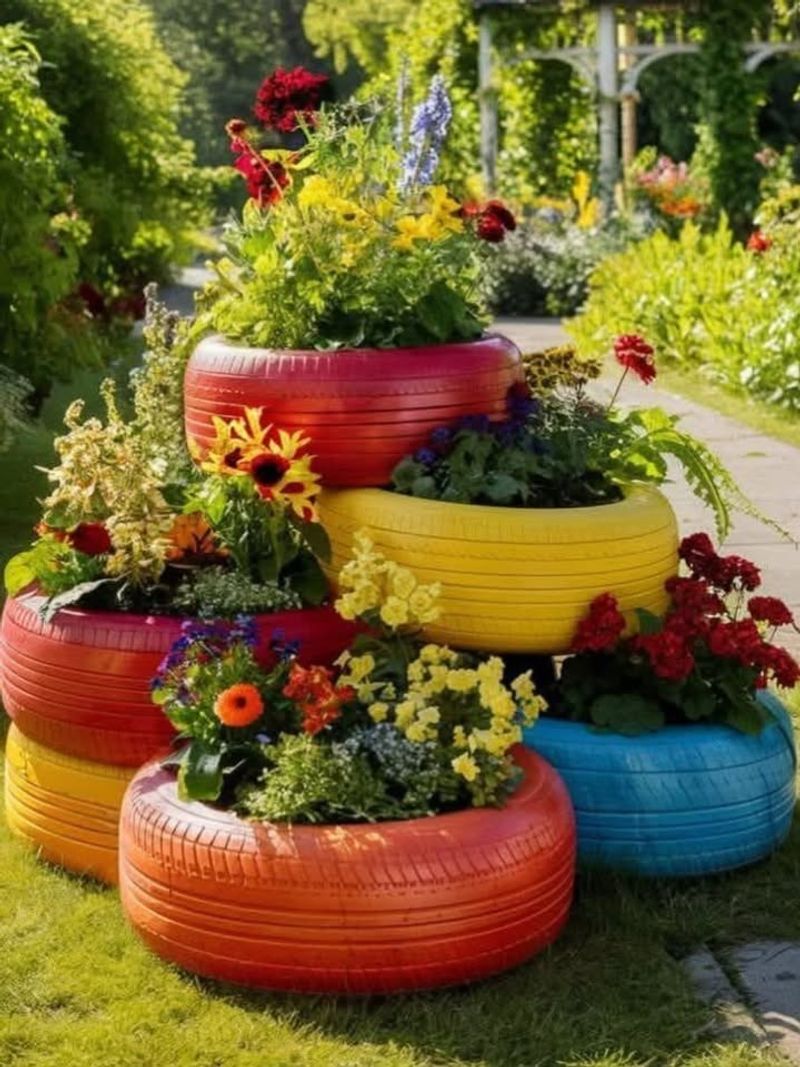
Old tires often end up in landfills, but they can serve a useful purpose in gardens where extending the growing season makes the difference between success and disappointment with warm-season crops.
Washington’s cool springs and mild summers challenge gardeners who want to grow tomatoes, peppers, and melons that thrive in hotter climates.
Tires painted in dark colors absorb solar heat during the day and release it gradually at night, creating a warmer microclimate that helps heat-loving plants perform better in our moderate temperatures.
Start by thoroughly cleaning your tires and painting them with exterior paint in colors that complement your garden scheme. Dark colors maximize heat absorption, while lighter shades keep things cooler for crops that prefer moderate temperatures.
Place tires directly on the ground in the sunniest spot your yard offers, as these plants need every ray of sunshine they can get in our often-cloudy region.
Fill each tire with a mix of quality soil and compost, mounding it slightly above the rim to provide ample root space. Plant one tomato, pepper, or eggplant per tire, or use them for sprawling crops like squash and cucumbers that appreciate the extra warmth.
The rubber material also helps retain soil moisture between waterings, which becomes helpful during the occasional dry spells that punctuate our summers.
While some gardeners worry about chemicals leaching from tires, research suggests this is minimal, though you might prefer using them for ornamental plants if you have concerns about edibles.
11. Repurpose Window Frames Into Cold Frames
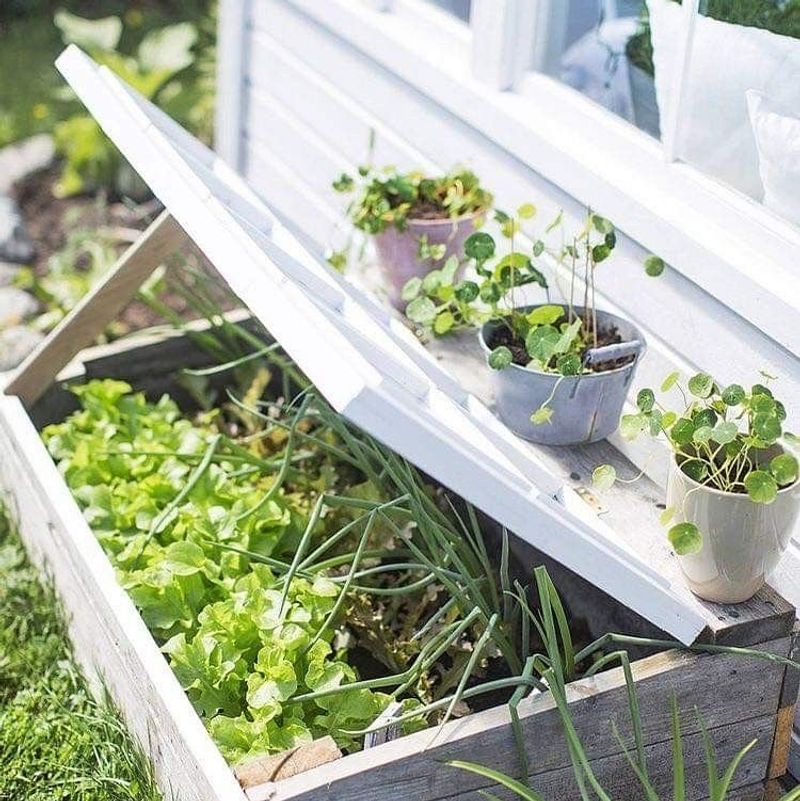
Old window frames with intact glass panes are treasure finds for Washington gardeners who want to extend their growing season at both ends. Cold frames act as miniature greenhouses that protect tender seedlings from chilly spring nights and allow you to start planting weeks earlier than you could in open ground.
They also enable you to continue harvesting salad greens and cold-hardy vegetables well into fall and even through mild winters that characterize much of western Washington.
Building a cold frame is straightforward and requires only basic carpentry skills. Construct a simple wooden box sized to match your window frame, with the back wall higher than the front to create a sloped roof that sheds rain and maximizes sun exposure.
The box can be as simple as four boards joined at the corners, though adding a bottom helps prevent weeds from growing up into your frame.
Position your cold frame in a south-facing location where it will receive maximum sunlight during our short winter days. The window frame hinges to the back of the box, allowing you to open it for ventilation on surprisingly warm spring days when temperatures inside can spike rapidly.
Plant cool-season crops like lettuce, spinach, kale, and radishes directly in the soil beneath the frame, or use it to harden off seedlings started indoors.
The glass captures solar heat during the day and prevents it from escaping at night, creating a protected environment where plants thrive despite external weather conditions.
12. Turn Tin Cans Into Hanging Herb Planters
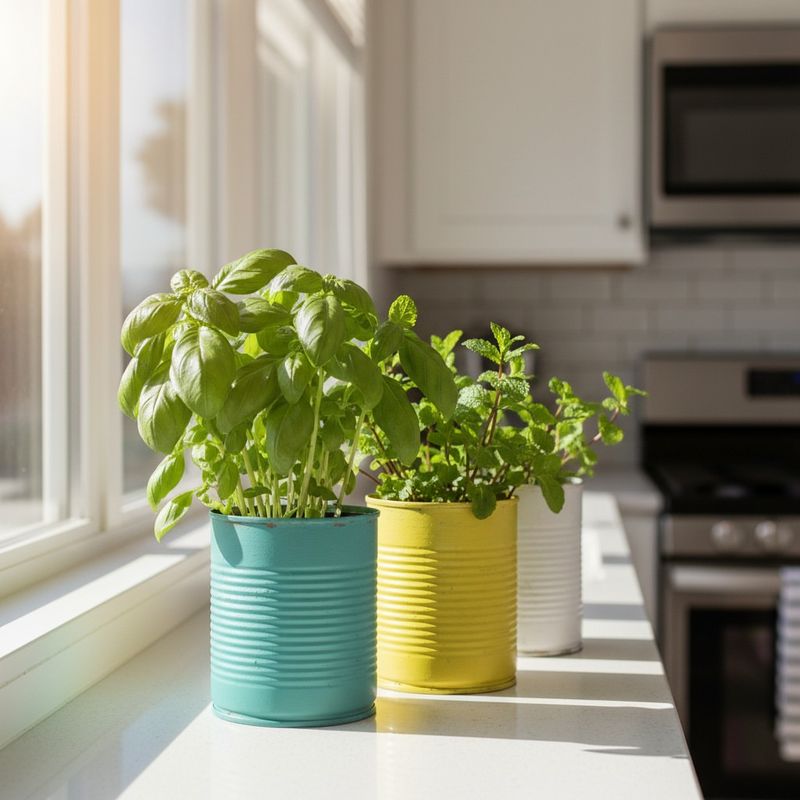
Empty tin cans accumulate quickly in most households, and transforming them into hanging herb planters puts this waste stream to productive use while adding vertical growing space to fences, balconies, and porch railings.
Herbs grown near kitchen doors provide convenient access for cooking, and the compact size of can planters makes them ideal for small spaces where traditional pots would be too bulky.
Washington’s mild climate allows many herbs to thrive year-round when positioned in protected locations.
Clean cans thoroughly and remove labels by soaking in warm water. Punch several drainage holes in the bottom using a hammer and nail, working on a surface that can handle the impact.
Smooth any sharp edges around the top rim with a file or sandpaper to prevent cuts during maintenance. You can leave cans their natural silver color for an industrial look or paint them with outdoor spray paint in colors that coordinate with your exterior palette.
Attach cans to vertical surfaces using strong wire or picture-hanging hardware, making sure they are secured firmly enough to support the weight of wet soil. Fill with potting mix and plant herbs such as basil, parsley, cilantro, thyme, or oregano that adapt well to container growing.
The narrow depth of cans means they dry out more quickly than larger containers, so check moisture levels regularly and water when the top inch of soil feels dry. This becomes less of an issue during Washington’s rainy months but requires attention during summer dry spells.
13. Use Old Boots Or Shoes As Fun Planters
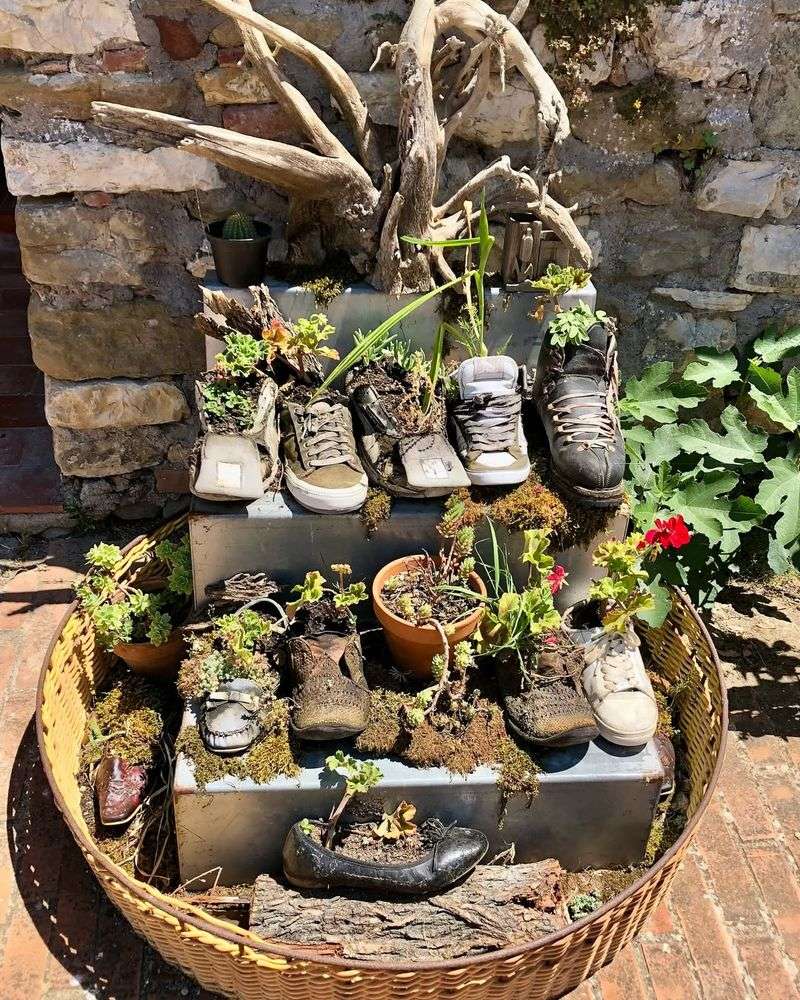
Worn-out rubber boots, rain boots, and sturdy shoes that have outlived their footwear purpose can become whimsical garden planters that add personality and humor to outdoor spaces.
This playful approach to upcycling works particularly well in family gardens where children appreciate the unexpected sight of flowers sprouting from colorful rain boots.
Washington residents typically have plenty of waterproof footwear on hand, given our reputation for rainy weather, so finding candidates for this project should not prove difficult.
Boots and shoes with waterproof materials like rubber or treated leather work best because they withstand outdoor conditions without rapidly deteriorating. Punch or drill drainage holes in the soles to prevent water from pooling inside, which would quickly lead to root rot and unhappy plants.
The boot shaft provides surprising depth for root growth, accommodating a wider range of plants than you might initially expect.
Fill boots with potting soil and plant compact flowers such as pansies, violas, or trailing petunias that will spill cheerfully over the edges. Succulents also work wonderfully in boot planters, especially in covered porch areas where they receive bright light but stay protected from excessive rain.
Children’s rain boots make especially charming planters and can be painted or decorated to match garden themes. Arrange your boot planters near entryways, along pathways, or grouped together for maximum visual impact.
The quirky nature of this project reminds us that gardening should be fun and that the best gardens reflect the personalities of the people who tend them.
14. Reuse Rain Barrels Or Large Containers For Water Collection
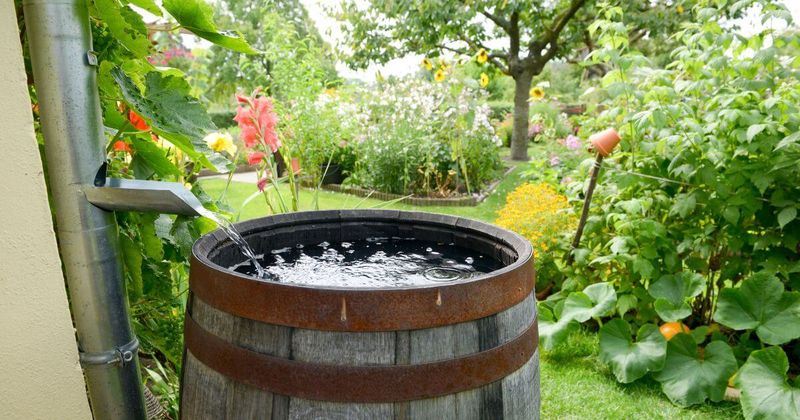
Washington receives abundant rainfall throughout much of the year, and capturing even a fraction of what falls on your roof provides free water for garden irrigation during the drier summer months.
Rain barrels and large food-grade containers can be repurposed into water collection systems that reduce your water bills while supporting more sustainable gardening practices.
Collecting rainwater also benefits plants because it lacks the chlorine and other chemicals found in municipal water supplies, and it comes pre-warmed to ambient temperature rather than the cold shock that can stress plants watered directly from hoses.
Setting up a rain collection system requires positioning your barrel beneath a downspout where roof runoff naturally flows. Many gardeners use diverter kits that channel water into the barrel when it is not full and redirect overflow back to the downspout when capacity is reached.
Elevating barrels on sturdy platforms increases water pressure at the spigot, making it easier to fill watering cans or attach hoses for gravity-fed irrigation.
Screen the top opening with fine mesh to prevent mosquitoes from breeding in standing water and to filter out leaves and debris that could clog your system. A typical rain barrel holds fifty to sixty gallons, though you can connect multiple barrels to increase storage capacity for extended use.
During Washington’s wet winter and spring months, your barrels will fill quickly and repeatedly, providing ample reserves for the summer gardens that depend on supplemental watering. This simple upcycling project pays dividends in water conservation while supporting healthier, more resilient plants.