This Is The Perfect Time For California Gardeners To Propagate Roses
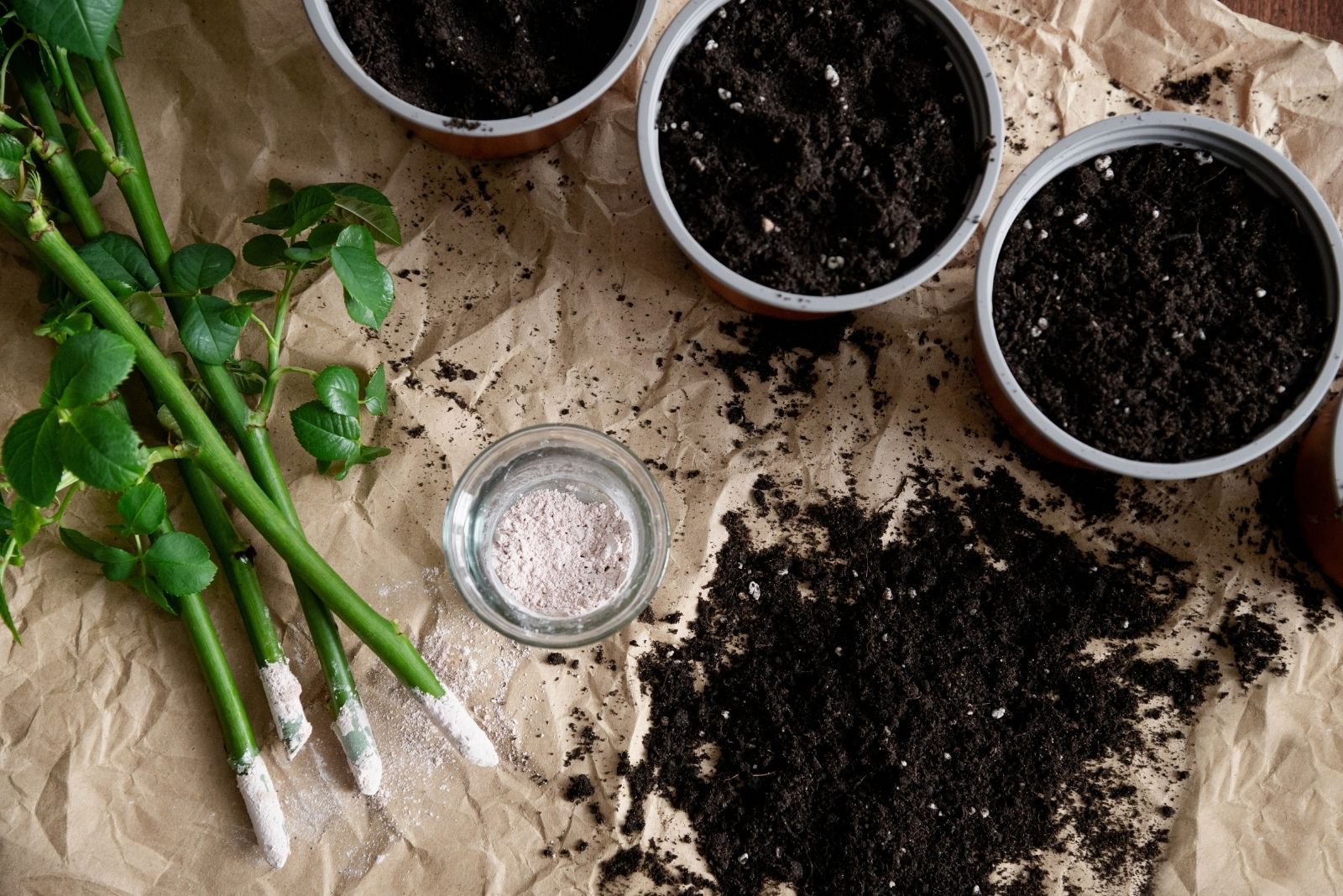
For California gardeners, timing can make or break success with roses. There’s a brief window each year when roses are calm, flexible, and ready to grow new roots with less effort.
This is the perfect time for California gardeners to propagate roses, and acting now can lead to stronger, healthier plants. Mild weather reduces stress, making cuttings far more likely to root well.
This is the moment when patience pays off. A small cutting today can become a thriving rose bush tomorrow.
Propagating roses doesn’t have to be complicated or intimidating. Sometimes the best results come from acting at exactly the right time.
California’s climate gives gardeners a natural edge if they pay attention to seasonal cues. With the right timing and simple care, rose propagation becomes easier and more rewarding.
Understanding why this moment matters helps gardeners feel confident taking the next step.
1. California’s Mild Winter Weather Creates Ideal Rooting Conditions
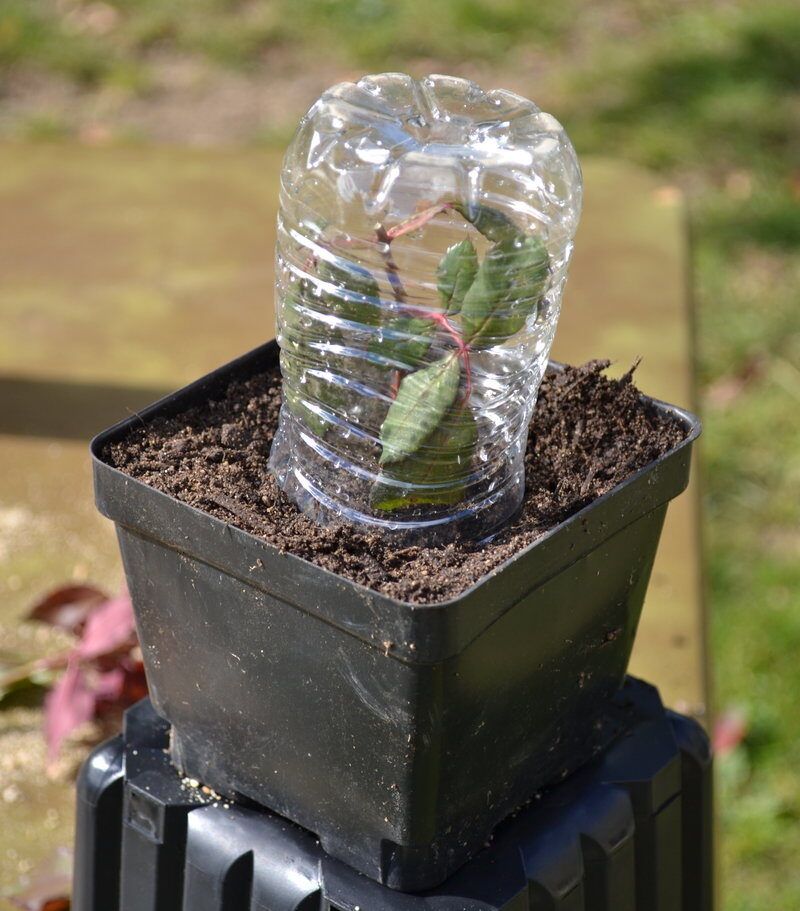
Many gardeners across the country have to wait for spring to start propagating plants, but California’s gentle winter climate offers a distinct advantage.
Temperatures throughout most of the state remain moderate during the cooler months, rarely dropping to levels that would damage tender new cuttings.
This sweet spot between cold and warm allows rose cuttings to focus their energy on developing strong root systems without the stress of extreme temperatures.
When you take rose cuttings during California’s winter months, the mild conditions help prevent the cuttings from drying out too quickly.
The combination of cooler air temperatures and higher humidity levels creates an environment where moisture stays locked in the stems, giving roots time to form before the cutting needs to support leaves and flowers.
This natural balance is hard to replicate artificially and makes outdoor propagation much more successful.
The state’s predictable weather patterns also mean you won’t face sudden temperature swings that can shock delicate cuttings.
Unlike regions where an unexpected freeze can wipe out weeks of careful work, California gardeners can count on relatively stable conditions throughout the propagation period. This consistency leads to higher success rates, especially for beginners who are still learning the process.
Another benefit of California’s winter weather is that roses enter a semi-dormant state during this time. The plants naturally slow their growth, which makes them less stressed when you take cuttings.
This dormancy period is the perfect time to snip healthy stems because the parent plant can handle the pruning without compromising its health.
Your cuttings will have the best chance of success when taken from plants that aren’t actively trying to produce flowers or deal with summer heat stress.
2. Dormant Season Means Less Stress On Parent Plants
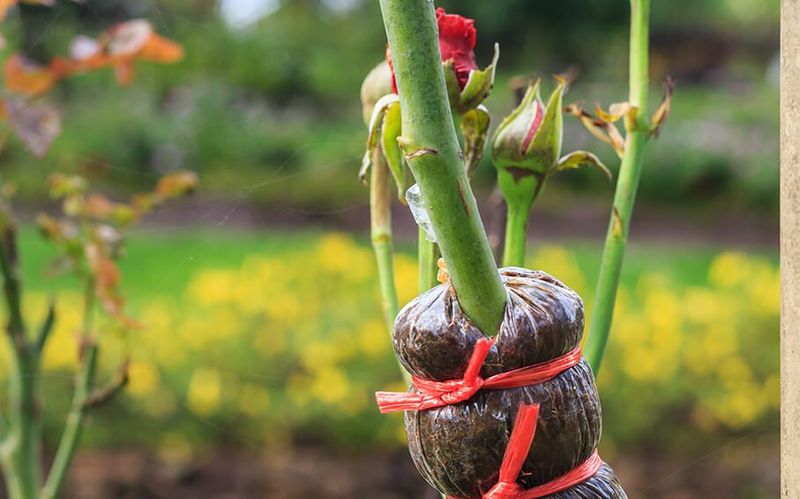
Taking cuttings from your rose bushes is essentially pruning, and timing this activity correctly can make all the difference in plant health.
During the dormant season, which typically runs from late fall through early winter in California, roses naturally conserve their energy and prepare for the next growing cycle.
Your California Garden Changes Every Week. Your Plan Should Too.
Gardening in California changes quickly throughout the season. Every Friday you’ll receive a simple weekly plan showing exactly what to plant, prune, fertilize, harvest, and protect so you never miss the right timing.
This internal slowdown makes them much more resilient to the stress of having stems removed, allowing you to propagate without worrying about harming your beloved plants.
Think of it like getting a haircut when you’re relaxing at home versus when you’re rushing to an important meeting.
Roses that are actively blooming and growing in the heat of summer are working hard to produce flowers, and removing stems during this busy time can set them back.
In contrast, dormant roses aren’t focused on flower production, so they can easily redirect their resources to healing the cut areas and preparing for spring growth.
California’s climate allows for a longer dormant period compared to many other regions, giving you a generous window to take your cuttings. From November through February, most rose varieties across the state are in this restful phase.
This extended timeframe means you don’t have to rush or worry about missing a narrow propagation window. You can choose the perfect day when you have time to carefully select and prepare your cuttings.
The dormant period also benefits your new cuttings directly. Stems taken during dormancy have stored energy reserves that help them survive until roots develop.
These reserves act like a battery, powering the cutting through the critical first weeks when it has no roots to absorb water and nutrients. This natural advantage significantly improves your success rate and reduces the need for complicated propagation setups or expensive equipment.
3. Spring Rooting Gives Cuttings A Full Growing Season Ahead
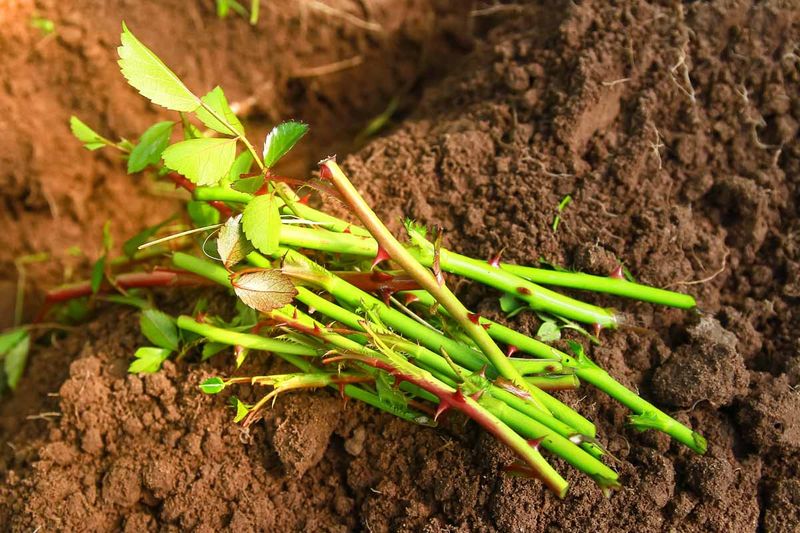
Timing your rose propagation now means your cuttings will develop strong roots just as spring arrives in California. This perfect synchronization gives your new plants an entire growing season to establish themselves before facing any challenges.
By the time summer heat arrives, your propagated roses will have developed robust root systems capable of supporting healthy growth and possibly even producing their first blooms.
Starting the propagation process during winter allows the cuttings to focus exclusively on root development during the cooler months.
Roots grow best when air temperatures are moderate and soil stays consistently moist, conditions that California naturally provides during late winter and early spring.
Once those roots are established and spring warmth arrives, the plants can shift their energy toward producing leaves, stems, and eventually flowers. This two-phase approach mirrors how roses naturally grow and leads to stronger, healthier plants.
Gardeners who wait until late spring or summer to propagate miss out on this advantage. Cuttings taken during warmer months must simultaneously try to develop roots while fighting off heat stress and increased water loss through their leaves.
This divided focus often results in lower success rates and weaker plants. By starting now, you’re working with nature’s rhythm rather than against it, which always produces better results in California gardens.
Having a full growing season ahead also means your new roses will be well-prepared to face their first winter. Plants that have spent months developing strong root systems and healthy foliage are much more resilient than those rushed into existence during less favorable times.
Even though California winters are mild, giving your propagated roses maximum time to mature ensures they’ll thrive for years to come and become valuable additions to your landscape.
4. Natural Moisture Levels Reduce Watering Demands
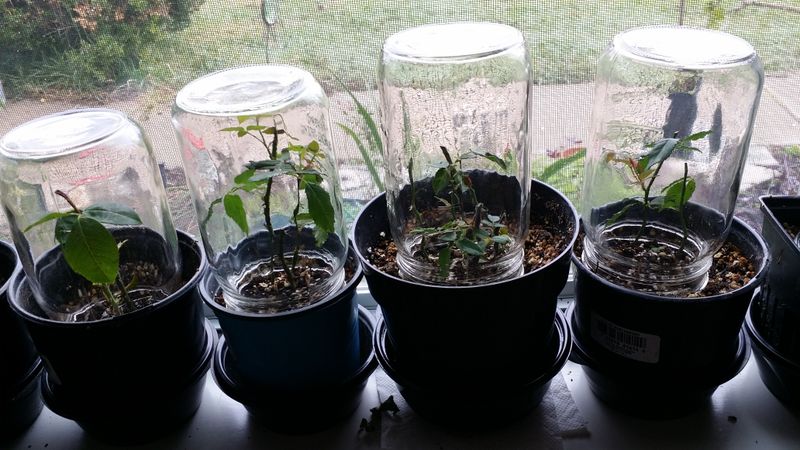
One of the biggest challenges in propagating roses is maintaining consistent moisture levels around the cuttings. Too much water leads to rot, while too little causes the stems to dry out before roots can form.
California’s winter and early spring seasons naturally solve this problem with higher humidity levels and occasional rainfall that keep the environment perfectly balanced for rooting success. This natural moisture means less work for you and better conditions for your cuttings.
During California’s dry summer months, propagating roses requires constant attention to watering. You might need to check your cuttings multiple times daily to ensure they haven’t dried out in the intense heat and low humidity.
This demanding schedule can be difficult to maintain, especially if you travel or have a busy routine. Winter propagation eliminates much of this stress because the air itself holds more moisture, and cooler temperatures slow evaporation from both soil and plant tissues.
The state’s winter rain patterns also contribute to propagation success. While you don’t want your cuttings sitting in waterlogged soil, gentle winter rains provide natural irrigation that keeps the rooting medium consistently moist without becoming soggy.
This gentle, regular moisture is ideal for developing roots, which need oxygen as well as water. California’s typically well-draining soils combined with moderate winter precipitation create conditions that are hard to improve upon, even with careful manual watering.
Higher humidity levels during cooler months also reduce stress on the cuttings themselves. Before roots develop, rose cuttings can only absorb limited moisture through their stems.
If the surrounding air is very dry, water evaporates from the cutting faster than it can be replaced, leading to failure. California’s naturally humid winter air acts like a protective blanket around your cuttings, minimizing water loss and giving roots time to form without the cutting shriveling up.
5. Cooler Temperatures Prevent Disease And Fungal Problems
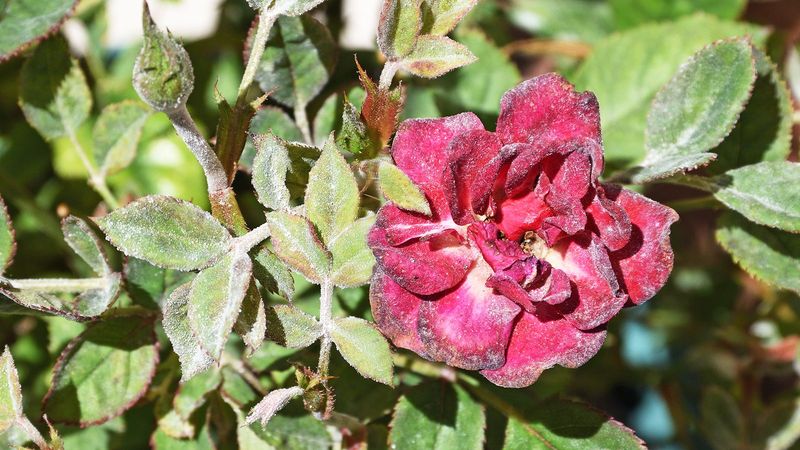
Disease prevention might not be the first thing you think about when propagating roses, but it’s actually one of the most important factors in success. Warm, humid conditions create the perfect breeding ground for fungal infections and bacterial problems that can quickly destroy tender cuttings.
California’s cooler winter temperatures naturally suppress many of these pathogens, giving your rose cuttings a much better chance of developing healthy roots without succumbing to disease.
Fungal spores thrive in warm, moist environments, which is why summer propagation can be so challenging. Even with careful sterilization and proper technique, the combination of heat and necessary moisture for rooting creates conditions where fungi can explode in population.
During California’s winter months, however, lower temperatures keep fungal growth in check. While you still need to use clean tools and proper technique, the cool weather acts as a natural safeguard against many common propagation diseases.
Botrytis, powdery mildew, and black spot are common rose diseases that become much more aggressive in warm weather. By propagating during the cooler season, you protect both your cuttings and your established plants from these problems.
Cuttings that root successfully without battling disease start their lives stronger and healthier, leading to more vigorous plants that continue to resist problems as they mature. This head start in health can make the difference between a thriving rose bush and one that constantly struggles.
The cooler California winter also means less insect activity, which further reduces disease transmission. Many insects that feed on roses also spread pathogens from plant to plant.
With fewer bugs active during winter, your cuttings face reduced exposure to these disease vectors. This natural pest reduction is another reason why experienced gardeners across California choose winter for propagation projects, knowing that cooler temperatures work in their favor on multiple fronts.
6. Abundant Hardwood Availability From Winter Pruning
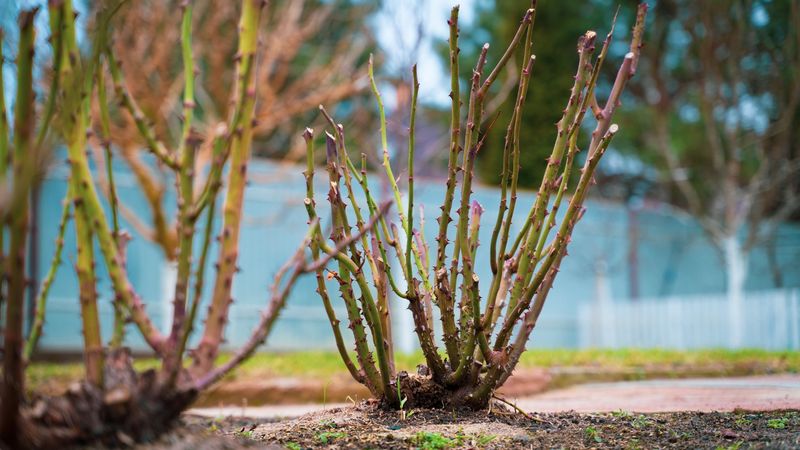
Winter is prime pruning season for established rose bushes throughout California, which means there’s an abundance of perfect cutting material available right now.
When you prune your roses to shape them and encourage spring growth, you’re removing exactly the type of hardwood stems that make the best propagation material.
Instead of tossing these pruned stems into the compost bin, you can turn them into brand new rose plants, essentially getting free roses from routine garden maintenance.
Hardwood cuttings taken from mature, pencil-thick stems root more reliably than softwood cuttings from actively growing tips. These woody stems have stored energy and more developed vascular tissue, which helps them survive the rooting period.
During winter pruning in California, you’ll naturally be removing these ideal stems as you clean up your roses and prepare them for the upcoming growing season. This perfect overlap of timing means you can accomplish two important tasks simultaneously.
Selecting cutting material from your winter pruning also ensures you’re working with healthy, disease-free stems. When you prune, you’re choosing the best parts of the plant to keep and removing any damaged or weak growth.
The strong, healthy stems you cut away during this process are exactly what you want for propagation. You’re essentially cloning the best genetics from your favorite roses, ensuring that your new plants will have the same desirable characteristics as the parents.
California gardeners who maintain multiple rose varieties can use winter propagation to expand their collections without any additional cost.
That special heirloom rose from your grandmother’s garden or the stunning climber that performs so well on your fence can be multiplied into several new plants.
You can fill bare spots in your landscape, create gifts for fellow gardening friends, or even start a small rose nursery of your own, all from stems that would otherwise be discarded during routine winter maintenance.