These 8 Shrubs And Perennials Struggle With Fungal Diseases During Oregon Winters

A quiet walk through the garden in late winter can bring mixed feelings. You’re glad the days are slowly getting longer, but something about a few plants feels off.
A once-reliable shrub looks tired, or a perennial that usually returns without fuss seems hesitant this year. Oregon winters have a way of doing that.
All that steady rain, cool air, and limited sunlight can wear plants down in ways that aren’t always obvious at first.
It’s natural to pause and wonder what went wrong. Did the soil stay too wet?
Was the spot too shaded? Or is this just part of gardening in a place where winter rarely gives the ground a break?
In many cases, fungal diseases are the quiet culprit, taking advantage of months of moisture and slow growth. Certain shrubs and perennials are especially prone to these issues, even when they’ve done well in other seasons.
If you’ve noticed recurring problems and felt a little discouraged, you’re in good company. Many Oregon gardeners face the same challenges year after year.
Learning which plants tend to struggle during our winters can help you make sense of what you’re seeing and plan ahead with more confidence. Small changes and informed choices can go a long way toward a healthier, more resilient garden.
Roses
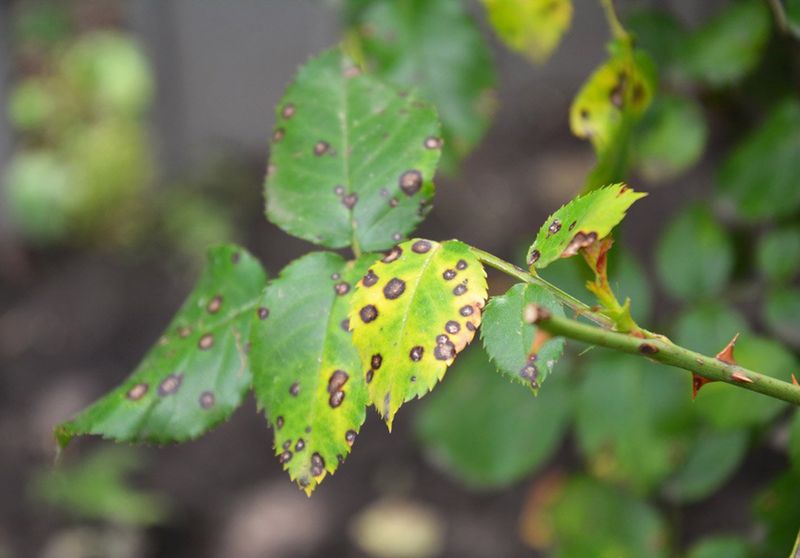
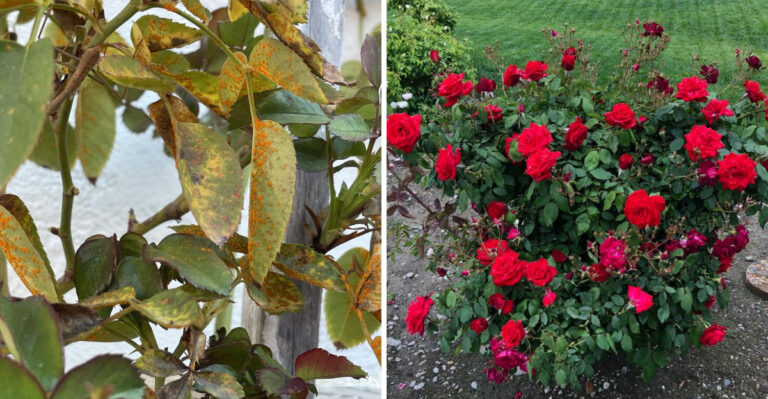
Black spot and powdery mildew love Oregon winters almost as much as we love growing roses. Wet foliage combined with limited air circulation during our long, drizzly months allows fungal spores to germinate and spread rapidly across rose leaves and canes.
You might notice dark circular spots with yellow halos on remaining leaves, or a grayish film coating the stems even after the flowers have faded.
Winter moisture settles on rose foliage and stays there for hours, sometimes days, giving fungi plenty of time to establish infection. Without the heat and sun of summer to dry things out quickly, these diseases quietly build up strength.
By the time spring arrives, weakened canes may already be struggling to produce healthy new growth.
Start by cleaning up any fallen leaves and diseased debris around your rose bushes before winter fully sets in. Pruning out dead or damaged canes improves airflow, which helps foliage dry faster after rain.
If you notice persistent fungal problems year after year, consider applying a dormant spray of lime sulfur or copper fungicide during a dry spell in late winter. Choosing disease-resistant rose varieties makes a noticeable difference in how much maintenance your garden requires.
Boxwood
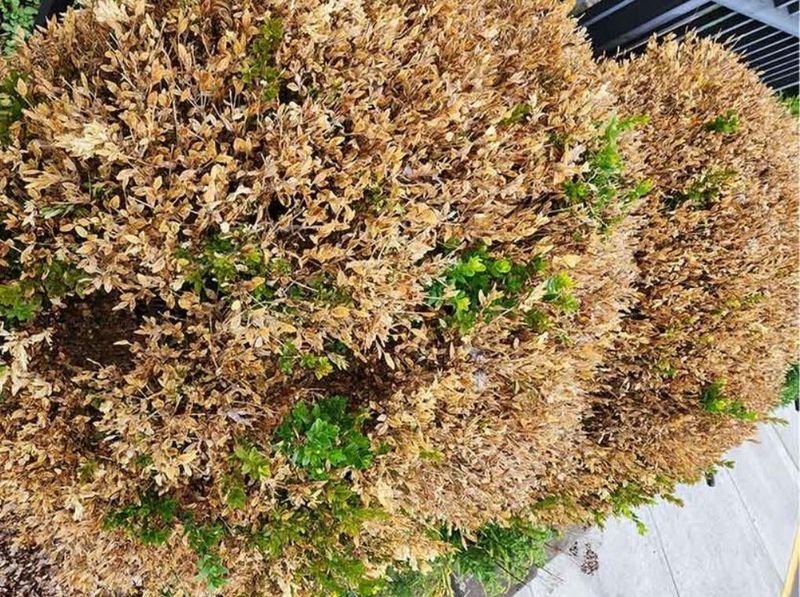
I believe we all had issues with this one. Boxwood blight has become a serious concern for Oregon gardeners who rely on these evergreen shrubs for structure and year-round interest.
This devastating fungal disease thrives in cool, wet conditions and spreads quickly through water splash, contaminated tools, or even on the fur of pets brushing past infected plants. Early symptoms include brown or tan leaf spots, black streaks on stems, and rapid defoliation that can strip a healthy-looking shrub in just weeks.
Your Oregon Garden Changes Every Week. Your Plan Should Too.
Gardening in Oregon changes quickly throughout the season. Every Friday you’ll receive a simple weekly plan showing exactly what to plant, prune, fertilize, harvest, and protect so you never miss the right timing.
Dense boxwood foliage traps moisture inside the plant canopy during Oregon winters, creating a humid microclimate perfect for fungal growth. Without adequate spacing or pruning, air cannot move freely through the branches to help them dry.
Once blight takes hold, it persists in fallen leaves and soil for years, making reinfection likely.
Space your boxwoods generously when planting to encourage airflow, and avoid overhead watering that keeps foliage wet unnecessarily. Remove any fallen leaves or debris from around the base of your shrubs regularly throughout winter.
If you suspect blight, isolate affected plants immediately and clean your pruning tools with a bleach solution between cuts. Selecting blight-resistant boxwood varieties offers the best long-term protection for your landscape investment.
Rhododendrons
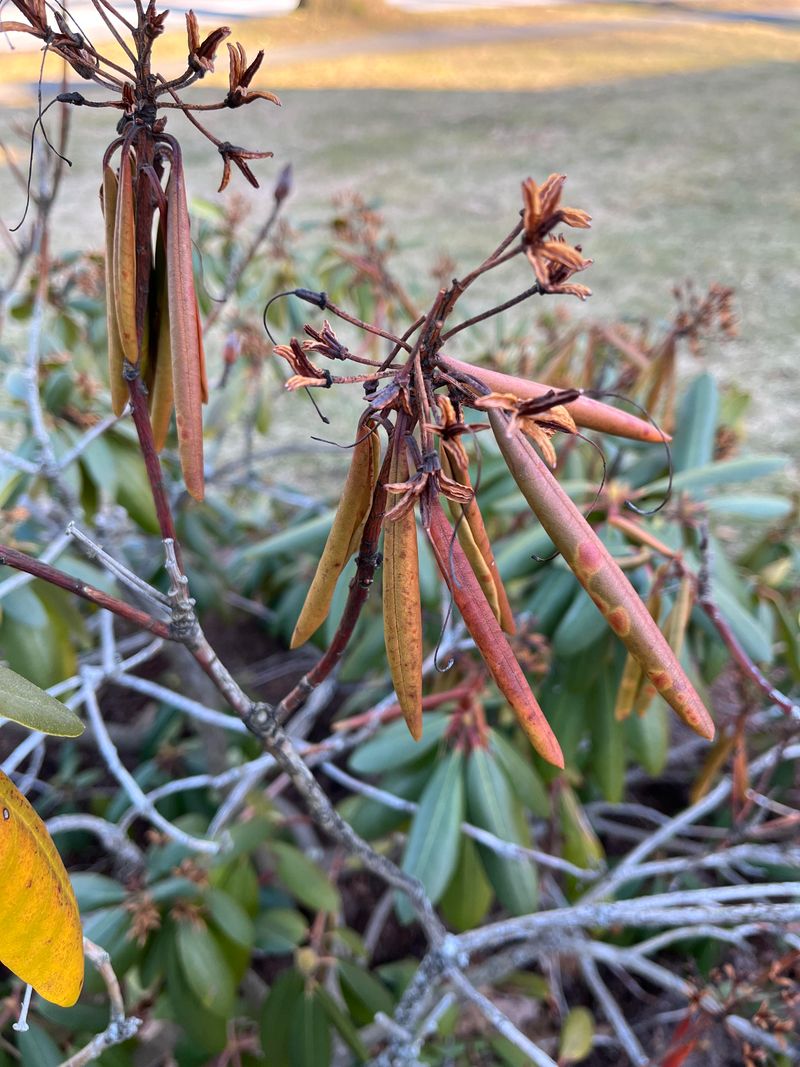
Phytophthora root rot sneaks up on rhododendrons during Oregon winters, often without obvious symptoms until significant damage has already occurred. This soil-borne fungal disease thrives in saturated, poorly drained soils that stay waterlogged for extended periods.
Your rhododendron may develop yellowing leaves, wilting branches, or a general decline in vigor even though you have been watering appropriately.
Rhododendrons have shallow, fibrous root systems that struggle in heavy clay soils common throughout much of Oregon. When winter rains saturate the ground and oxygen cannot reach the roots, Phytophthora spores move through the soil water and infect the fine root hairs.
The fungus essentially suffocates the roots, preventing them from absorbing water and nutrients even though moisture surrounds them.
Planting rhododendrons in raised beds or mounded soil dramatically improves drainage and reduces root rot risk. Amend heavy clay with compost and coarse bark to create a looser soil structure that drains faster after winter storms.
Avoid planting rhododendrons in low spots where water naturally collects or where downspouts deposit roof runoff. If your rhododendron shows signs of decline, gently excavate around the root zone to check for blackened, mushy roots that indicate infection has already started.
Azaleas
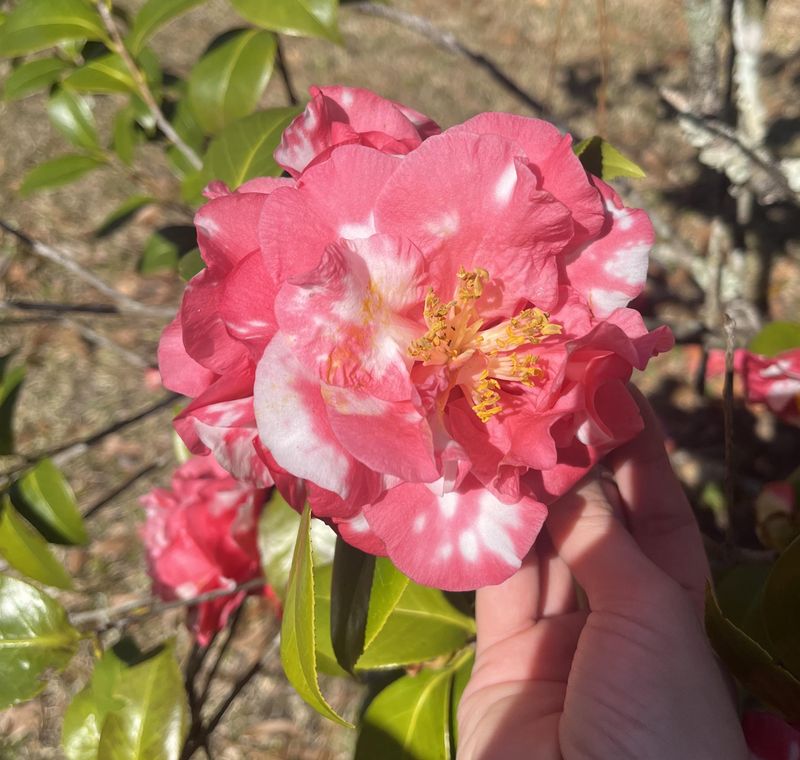
Petal blight strikes azaleas with surprising speed during Oregon spring, but the fungal spores actually overwinter in fallen flower debris and mulch around your plants. Sclerotinia azaleae produces tough, seed-like structures called sclerotia that survive wet winter conditions and release spores just as azalea buds begin opening.
Infected flowers develop water-soaked spots that quickly turn brown and slimy, ruining the entire bloom display you have been anticipating.
Winter cleanup makes all the difference in preventing petal blight the following spring. Old flower petals and infected blooms that drop to the ground harbor countless fungal spores ready to reinfect new growth.
Oregon winters provide plenty of moisture to keep these spores viable, and our cool temperatures slow their natural decomposition.
Remove and dispose of all fallen azalea flowers and spent blooms promptly during and after flowering season. Replace mulch around your azaleas before winter to bury any remaining spores deeper in the soil where they cannot easily splash onto new flowers.
Avoid overhead watering that wets the blooms unnecessarily, especially during the flowering period in spring. If petal blight has been a recurring problem, consider applying a preventive fungicide just as flower buds begin to show color, following Oregon State University Extension recommendations for timing and product selection.
Viburnum
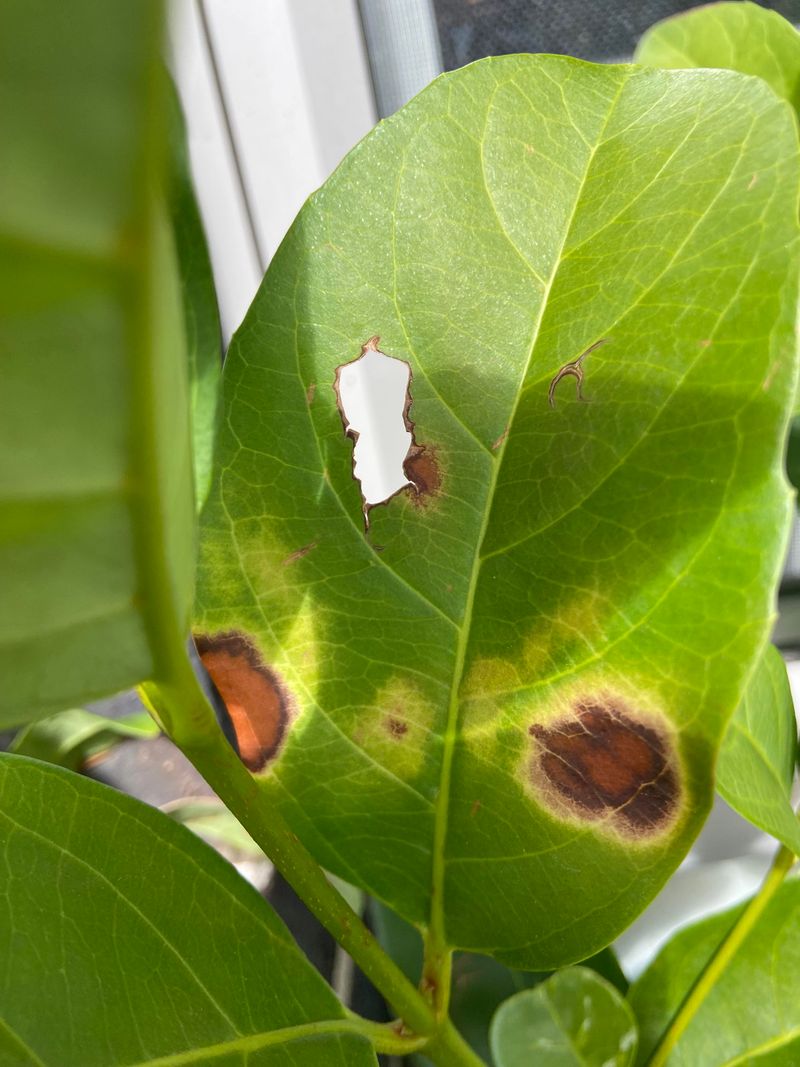
Leaf spot diseases plague many viburnum varieties throughout Oregon winters, leaving unsightly brown or black spots scattered across the foliage. Cercospora and other fungal pathogens thrive in the prolonged wet conditions our climate provides, spreading from leaf to leaf through rain splash and wind.
While leaf spot rarely kills viburnum outright, repeated infections weaken the plant over time and diminish its ornamental appeal significantly.
Viburnum foliage stays wet for extended periods during Oregon winters because our mild temperatures and frequent drizzle never give the leaves a chance to fully dry out. Dense branching patterns common in many viburnum species trap moisture inside the canopy, creating a humid environment where fungal spores germinate easily.
By late winter, heavily infected leaves may drop prematurely, leaving bare branches that struggle to leaf out properly in spring.
Prune your viburnum to open up the center and improve air circulation through the branches, which helps foliage dry more quickly after rain. Rake up and remove fallen leaves from around the base of your shrubs regularly throughout winter to eliminate sources of reinfection.
Avoid crowding viburnums with other plants that restrict airflow or shade them excessively. If leaf spot has been a persistent problem, consider applying a copper-based fungicide during dormancy to reduce fungal populations before new growth emerges in spring.
Blueberries
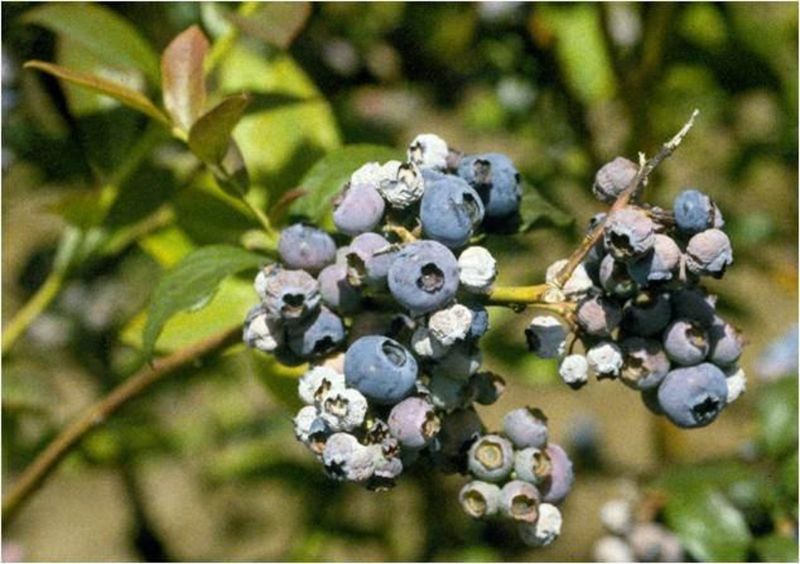
Mummy berry disease quietly overwinters in fallen fruit beneath your blueberry bushes, waiting for spring warmth to trigger spore release. This fungal pathogen causes infected berries to shrivel into hard, dried mummies that drop to the ground and survive Oregon winters without difficulty.
Come spring, these mummies produce mushroom-like structures that shoot spores up onto emerging leaves and flowers, starting the infection cycle all over again.
Winter moisture keeps mummy berry fungus viable in the soil and plant debris surrounding your blueberry patch. Oregon blueberry growers face this disease regularly because our cool, wet springs provide perfect conditions for spore dispersal and infection.
Young shoots and flower clusters become infected first, turning brown and wilting in a symptom called shoot blight that many gardeners mistake for frost damage.
Rake up and destroy all fallen fruit and mummified berries from around your blueberry plants before winter arrives. Remove any remaining dried berries still clinging to branches, as these also harbor fungal spores.
Apply a thick layer of fresh mulch over the soil surface to bury any mummies you might have missed and prevent spores from reaching new growth. Prune out any dead or diseased wood during dormancy to improve airflow and remove potential infection sites.
Protecting your blueberries from mummy berry requires consistent winter cleanup, but the reward is a healthy crop of delicious berries come summer.
Raspberries
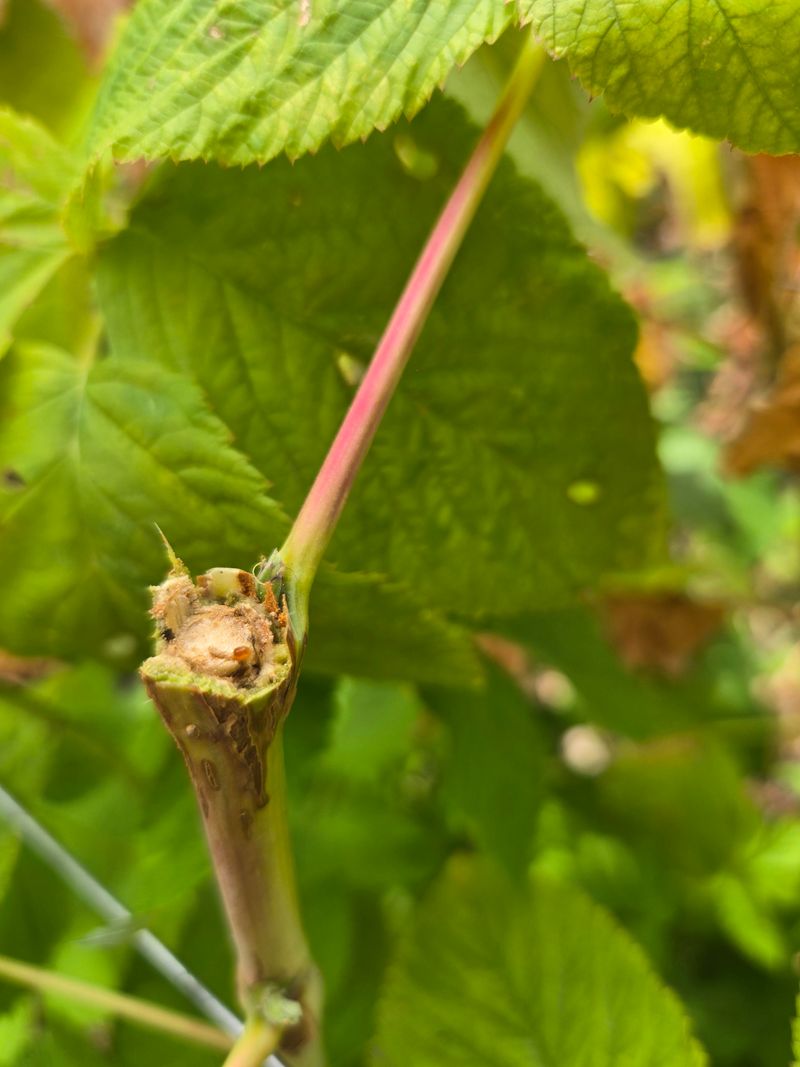
Cane blight and spur blight attack raspberry canes during Oregon winters, entering through wounds left by pruning cuts, insect damage, or winter injury. These fungal diseases cause dark purple or brown lesions that girdle the canes, cutting off water and nutrient flow to the upper portions.
You might notice buds that fail to break dormancy in spring, or entire canes that suddenly wilt and die just as they should be producing fruit.
Raspberry canes remain vulnerable throughout winter because pruning wounds heal slowly in cool, wet weather. Fungal spores land on exposed tissue and germinate quickly in the moisture that coats everything during Oregon winters.
Dense raspberry patches with poor air circulation trap humidity around the canes, making infection even more likely. Old, weakened canes that were not removed during fall cleanup become prime targets for fungal invasion.
Prune out all old fruiting canes immediately after harvest in late summer or early fall, before wet weather arrives. Make clean cuts close to the ground and remove the debris from your raspberry patch entirely.
Thin remaining canes to improve airflow and allow them to dry more quickly after rain. Avoid pruning during wet weather when fungal spores are most active and likely to infect fresh cuts.
If you notice canes with lesions or discoloration, remove them promptly and dispose of them away from your garden to prevent further spread.
Strawberries
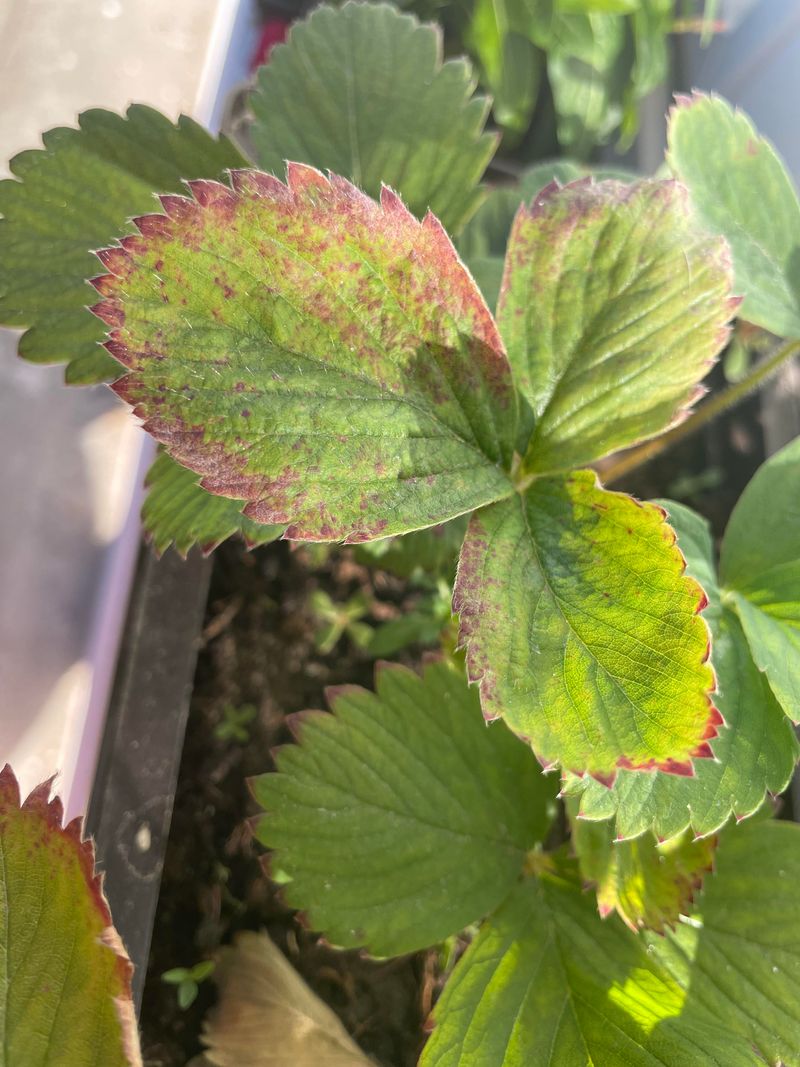
Leaf spot and leaf blight diseases persist in strawberry patches throughout Oregon winters, surviving on old foliage and plant debris that remains after harvest. Mycosphaerella fragariae causes purple-bordered spots on leaves that gradually expand and merge, weakening the plant before spring growth begins.
Gray mold, caused by Botrytis cinerea, thrives in the cool, humid conditions of Oregon winters and can rot crowns and roots while plants sit dormant.
Strawberry plants stay semi-evergreen through Oregon winters, retaining some foliage that continues to harbor fungal pathogens. Wet mulch and dense leaf cover trap moisture around the crowns, creating conditions where fungi flourish.
Without adequate drainage or air movement, fungal diseases spread easily from plant to plant through water splash and contact between infected and healthy leaves.
Remove old, diseased leaves from your strawberry plants before winter sets in to reduce fungal populations. Avoid mulching too heavily around the crowns, as excessive mulch can trap moisture and promote rot.
Ensure your strawberry bed has excellent drainage so water does not pool around the plants during heavy winter rains. Consider renovating your strawberry patch after harvest by mowing down old foliage and removing it entirely, which eliminates many overwintering disease problems.
Spacing plants appropriately when you establish new beds allows better airflow and reduces humidity levels that favor fungal growth throughout the wet season.